The University of Arizona Press

May 8, 2026
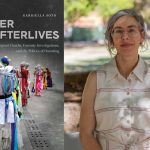
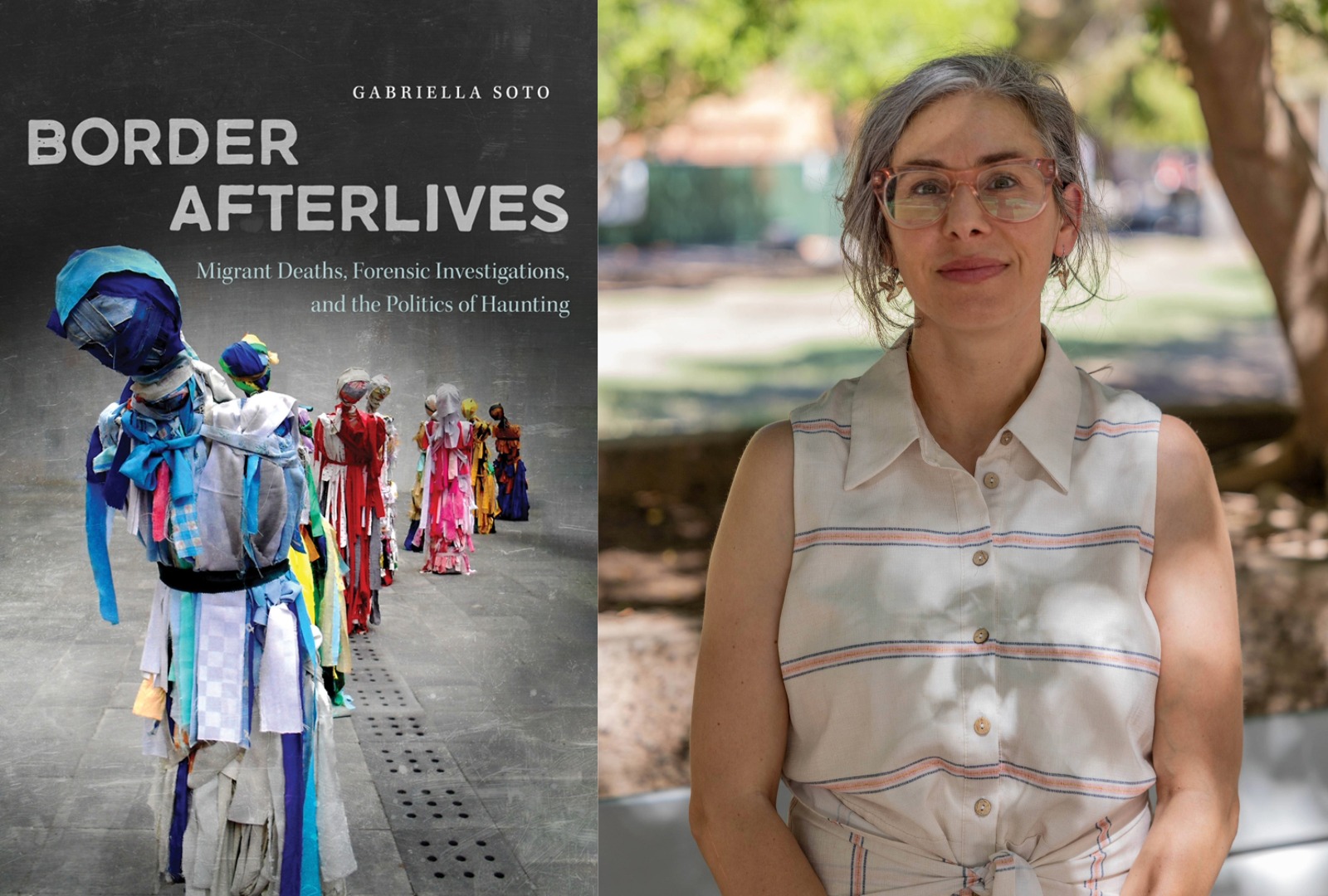
The Border Chronicle interviewed Gabriella Soto author of Border Afterlives: Migrant Deaths, Forensic Investigations, and the Politics of Haunting. Soto is an associate teaching professor and honors faculty fellow at Arizona State University’s Barrett, the Honors College. She is affiliated faculty with the Binational Migration Institute at the University of Arizona. Soto studies death investigation for undocumented people on the U.S.-Mexico border and the contemporary archaeology of militarized borders.
When asked about defining border deaths as homicides, Soto replied: “We know from border policy, from when prevention through deterrence was first articulated—it was written into a 1994 strategy document—that the goal was to increase the cost of migrating to deter people’s entry. And that ‘cost’ seemed to be a euphemism for mortal risk. They talked about hostile terrain. They talked about the desert surrounding urban centers that was being closed off in the U.S. Southwest as places where people could find themselves in mortal danger.”
Read the full interview here.
About the book:
Border Afterlives begins with the undocumented individuals who die crossing the U.S.-Mexico border—deaths that are both preventable and politically produced.
Drawing on over a decade of ethnographic, participatory, and community-engaged research, author Gabriella Soto examines the postmortem journeys of these migrants through the fragmented infrastructure of medicolegal death investigation in the U.S. Southwest. She reveals how the state’s deterrence-based border policies not only generate death but also fail to provide adequate care for the dead. Soto argues that these deaths should be understood as structural homicides and that the forensic neglect they face is a form of ongoing violence.
Moving between the practical and the philosophical, Soto asks what it means to care for the dead and what society owes to those who die in its name. Through the lens of haunting, she explores how the dead continue to shape the living, not as objects of horror but as moral agents whose presence demands justice.