 The University of Arizona Press


June 23, 2025
The University of Arizona Press is attending the 2025 Native American and Indigenous Studies Association conference in Oklahoma City this week! On June 26-28, find our booth on Level 2 of the Omni Oklahoma City Hotel in the “Automobile Alley” room to browse books and meet our staff.
We’re excited that both Editor-in-Chief Kristen Buckles and Senior Editor Allyson Carter will be at the conference this year!
If you can’t attend, or if you’d like to purchase a book you discover at our table, we’ve got you covered: enter AZNAISA25 at checkout on our website for 35% off all titles through 7/24/25.
New & Featured Native American & Indigenous Studies Titles

Winner of the 2025 Bryce Wood Book Award, Indigenous Science and Technology by Kelly S. McDonough addresses Nahua understanding of plants and animals, medicine and ways of healing, water and water control, alphabetic writing, and cartography. Interludes between the chapters offer short biographical sketches and interviews with contemporary Nahua scientists, artists, historians, and writers, accompanied by their photos. The book also includes more than twenty full-color images from sources including the Florentine Codex, a sixteenth-century collaboration between Indigenous and Spanish scholars considered the most comprehensive extant source on the pre-Hispanic and early colonial Aztec (Mexica) world.

Nahua Horizons: Writing, Persuasion, and Futurities in Colonial Mexico investigates how Nahuas conceptualized their futures in the early colonial period. Scholar Ezekiel G. Stear delves deeply into canonical texts such as the Florentine Codex and the Crónica mexicayotl as well as understudied texts such as the Lienzo de Quauhquechollan, the Tira de Tepechpan, and the Anales de Juan Bautista. The study does more than describe how Nahuas conceived of their own futures: it also shows their specific plans for moving into the coming years.
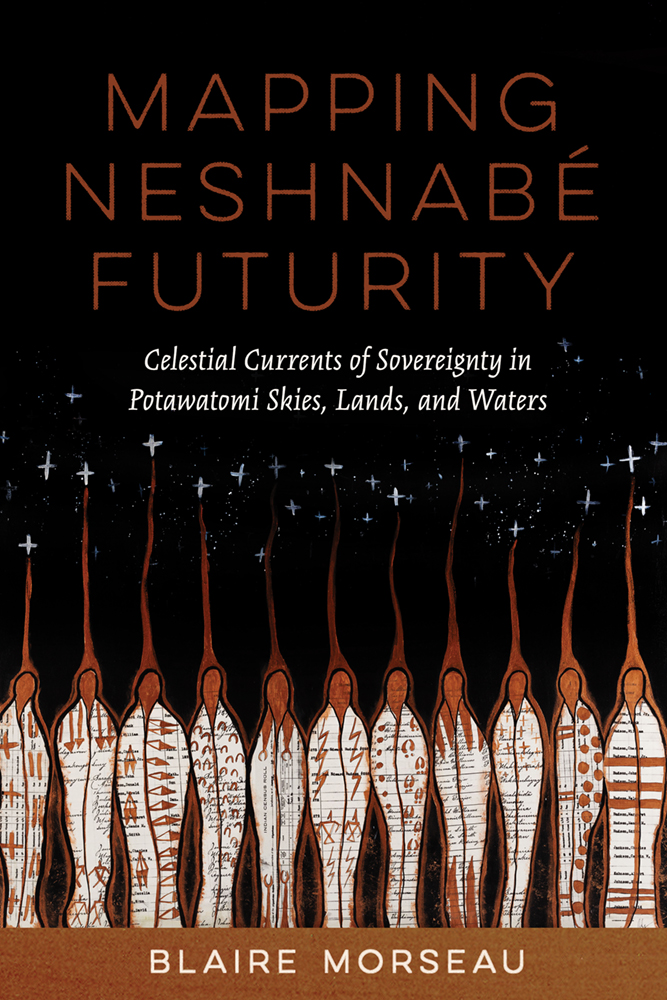
In Mapping Neshnabé Futurity, Blaire Morseau weaves together on-the-ground insights and Indigenous speculative fiction to illustrate the profound ways in which Anishinaabé/Neshnabé (Potawatomi, Odawa, and Ojibwe) communities are reclaiming their sovereignty and crafting vibrant futures. Morseau lays out how Neshnabék have marshaled dissent to hydrologic fracturing, oil pipelines, and other damaging infrastructures of capitalist settler futurity. The book positions these efforts as vital acts of nation building and visionary reclamation of space, both terrestrial and celestial.
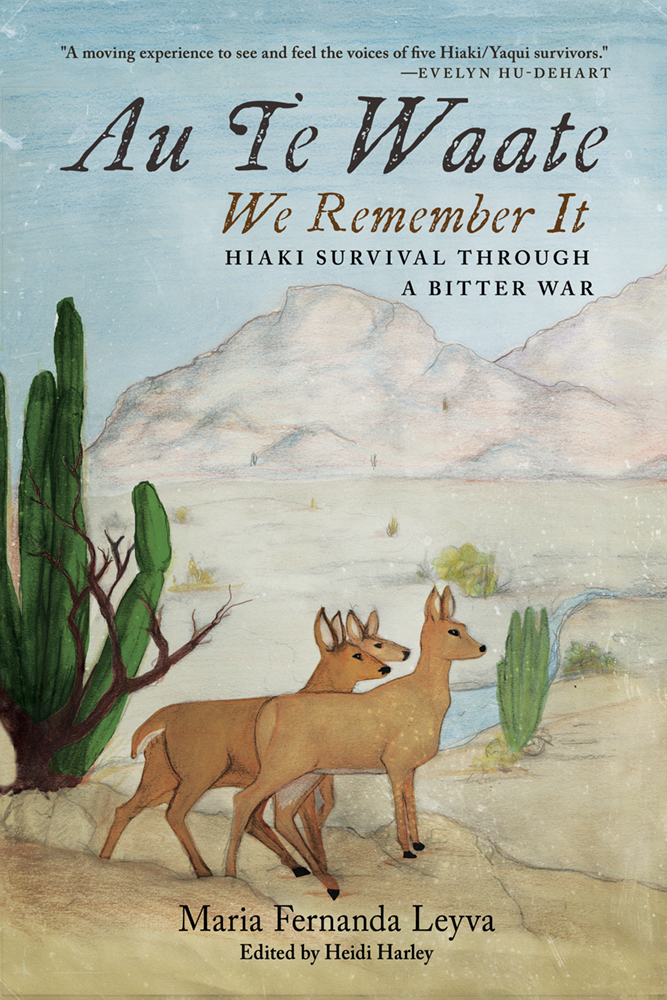
Au Te Waate / We Remember It delves into the personal narratives of Hiaki (Yaqui) individuals who endured the tumultuous period from 1900 to 1930, when they faced systematic attacks, conscription, deportation, and enslavement under Mexican government policies. Presented in both the original Hiaki language and English translation, these accounts offer an unparalleled glimpse into the lives of those who resisted and survived the era’s harsh realities. Author Maria Fernanda Leyva and editor Heidi Harley give us not just a historical account but a linguistic treasure, preserving the naturally produced speech of five Hiaki speakers from a previous era.
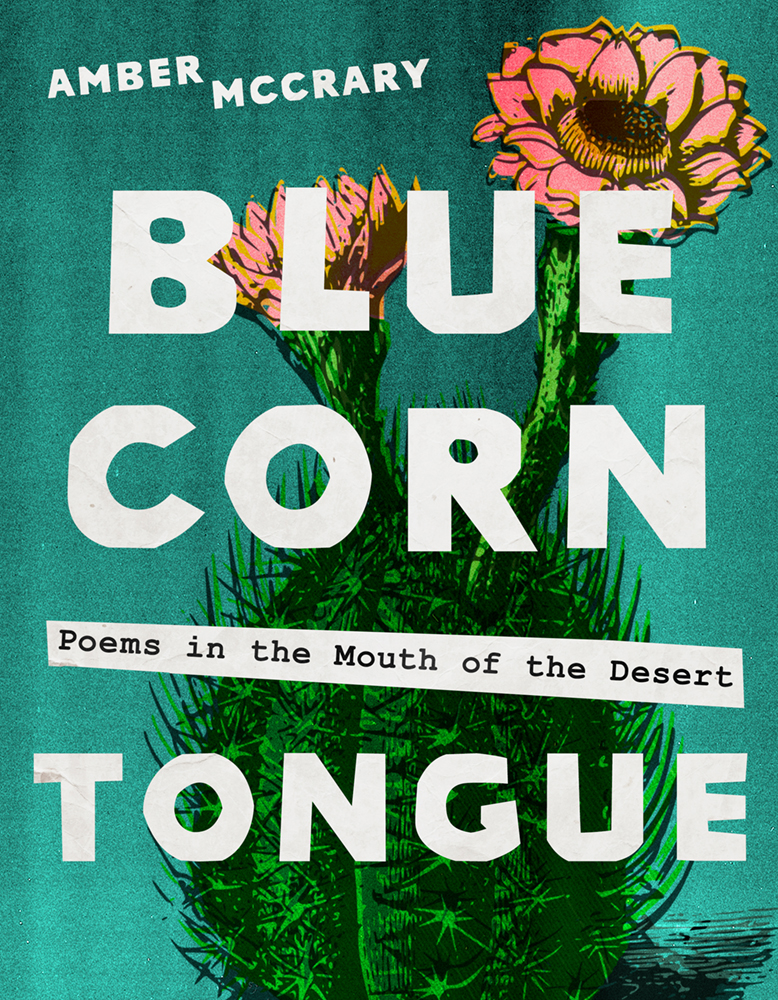
In a voice that is jubilant, irreverent, sometimes scouring, sometimes heartfelt, and always unmistakably her own, Amber McCrary’s Blue Corn Tongue: Poems in the Mouth of the Desert remaps the deserts of Arizona through the blue corn story of a young Diné woman figuring out love and life with an O’odham man. Reflecting experiences of Indigenous joy, pain, and family, these shapeshifting poems celebrate the love between two Native partners, a love that flourishes alongside the traumas they face in the present and the past. McCrary brings together DIY zine aesthetics and the beauty of Diné Bizaad to tell of the enduring bonds between people and place.
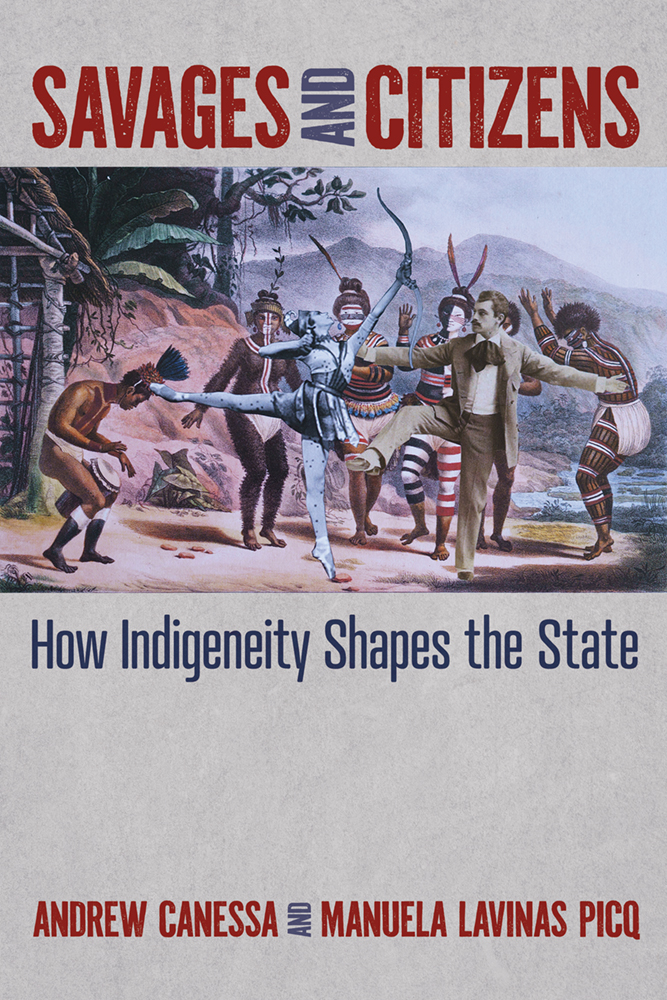
Delving into European political philosophy, comparative politics, and contemporary international law, Savages and Citizens shows how the concept of indigeneity has shaped the development of the modern state. The exclusion of Indigenous people was not a collateral byproduct; it was a political project in its own right. Andrew Canessa and Manuela Lavinas Picq argue that indigeneity is a political identity relational to modern nation-states and that Indigenous politics, although marking the boundary of the state, are co-constitutive of colonial processes of state-making.
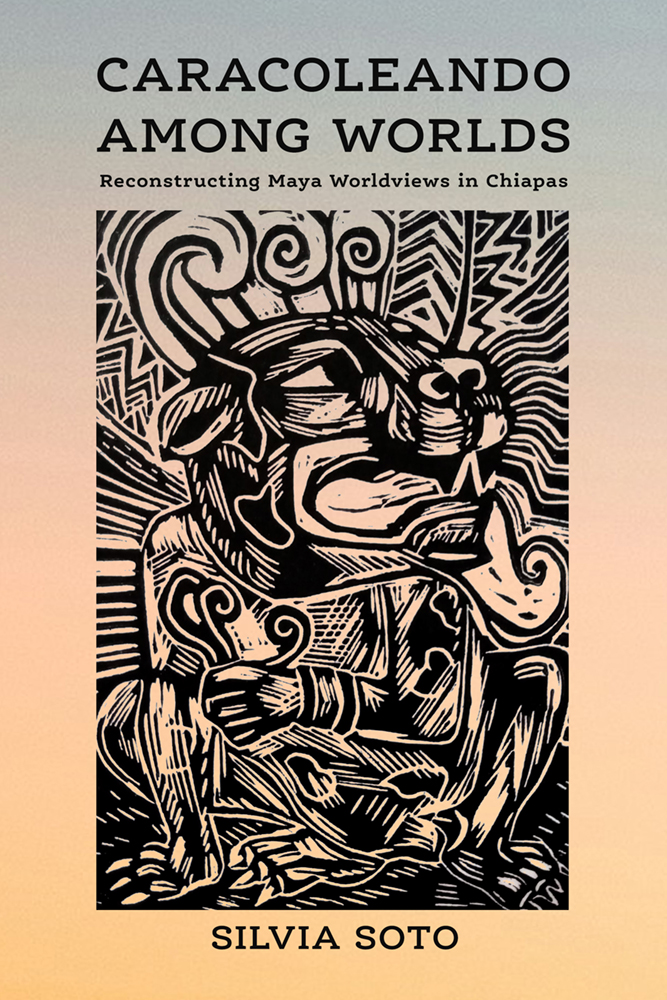
The contemporary literary movement of Maya writers of Chiapas and the Zapatista Army of National Liberation (or EZLN) insurgency are intricately intertwined. Even as each has forged its own path, they are bound by a shared commitment to rescuing, reclaiming, and recentering Maya worldviews. This shared vision emerges in Silvia Soto’s Caracoleando Among Worlds, which provides an in-depth analysis of poetry, short stories, and one of the first novels written by a Maya Tsotsil writer of Chiapas alongside close readings of the EZLN’s six declarations of the Lacandon Jungle.
Featured Series
The Critical Issues in Indigenous Studies series anchors intellectual work within an Indigenous framework that reflects Native-centered concerns and objectives. Series titles expand and deepen discussions about Indigenous people beyond nation-state boundaries, and complicate existing notions of Indigenous identity.
Are you an author or editor? Do you have a project that would be a great fit for The University of Arizona Press? For questions or to submit a proposal to any of these series, please contact Editor-In-Chief Kristen Buckles at KBuckles@uapress.arizona.edu or Allyson Carter at ACarter@uapress.arizona.edu.
