The University of Arizona Press

January 20, 2026
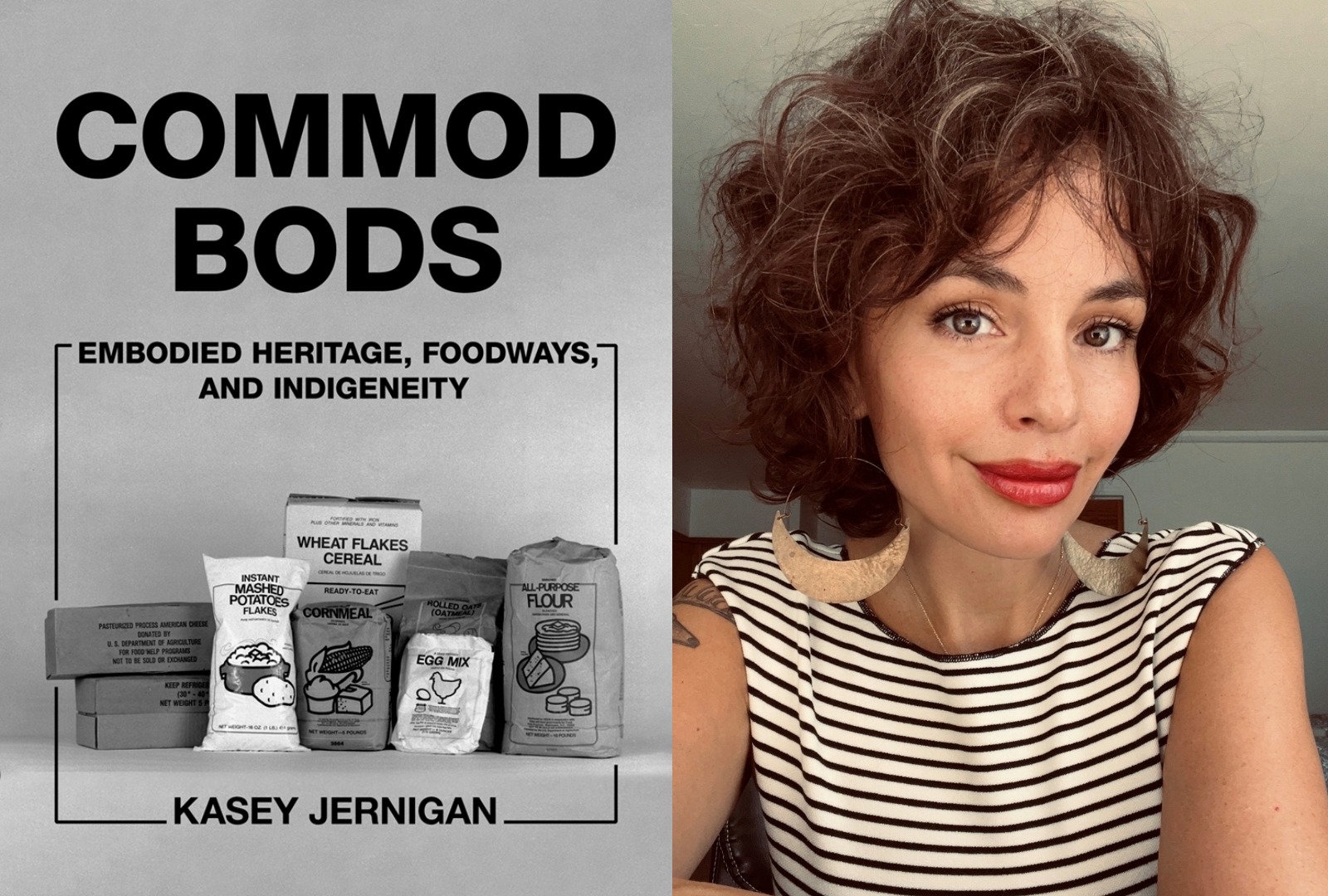
In Commod Bods, Kasey Jernigan shares her ongoing collaborative research with Choctaw women and describes the ways that shifting patterns of participation in food and nutrition assistance programs (commodity foods) have shaped foodways; how these foodways are linked to bodies and health, particularly “obesity” and related conditions; and how foodways and bodies are intertwined with settler colonialism and experiences of structural violence, identity making, and heritage in the Choctaw Nation of Oklahoma.
The term “commod bod” is used with humor and affection. It also offers a critical way to describe bodies shaped by long-term reliance on U.S. federal commodity food programs. Food is critical to cultural survival and affirmation. For Choctaw people, the intentional demise of traditional foodways and dependence on federal food programs are specific experiences that inform part of what it means to be Choctaw today. Read an excerpt from the book’s Introduction below.
“Commod bod,” a term used to link large bodies with high-calorie, high-fat food commodities, is used humorously and is an example of in-group teasing about fat bodies. Across social media, there are a variety of “commod bod” cultural examples, including T-shirts and online forums for sharing pictures, stories, and memes about “commod bods.” There is even a comic series: Super Indian, about a superhero who got his power from eating tainted government cheese, and his trusty sidekick Mega Bear, who is notorious for his “commod bod” (Starr 2012). Further, while the “commod bod” originates in relation to government-issued commodity foods, its usage has expanded to describe broader patterns of embodiment shaped by the consumption of calorie-dense, high-fat foods—whether or not they come from official commodity programs. For example, one woman I interviewed was eating a large roast beef sandwich from Arby’s, the sauce running down her hand as we talked about foods, obesity, and identity. She laughed, pointed to the sandwich (even licked off the dripping sauce!) and commented that she was “working on her ‘commod bod.’”
Notably, the term “commod bod” is used playfully and as a signifier for obesity, but it also does another kind of work: “Commod bod”—the term itself and the ways it is used—links present experiences of loss of food sovereignty, fat bodies, poverty, and disenfranchisement with the past by actively calling on specific material culture (i.e., commodity foods and “commod bods”) produced in response to past injustices. It reflects the reality of shifting food sovereignty from self-sufficiency to lack of control over food systems; this links historical trauma with contemporary forms of violence. The use of this term alters inquiries surrounding large bodies away from medical and public health discourses to social and cultural discourses. Moreover, it serves as a marker for Indianness by linking commodities and poor food environments with large bodies. Darla, a woman I interviewed during my exploratory fieldwork, shared this sentiment with me when describing a connectedness between obesity and Indianness: “When I’m around other Indians, the really traditional Indians, and we’re all overweight, I feel like it’s okay to be fat. I feel more Indian.” She went on to describe how she felt a connection with other Natives from across dozens of different tribal nations because they shared a sense of relatedness through embodied colonialism—through the “commod bods” that are physical manifestations of a shared past and current contemporary violences.
The use of the term “commod bod” then, evokes a past in ways that acknowledge collective suffering while at the same time wrestling back a sense of control. “Commod bods” come from a shared Indian experience of land and livelihood disenfranchisement, but they are symbolic of resistance and accepted as part of the collective in particular ways. Through the use of the term, people are interacting with the past while staying rooted in the present (Loulanski 2006). They are creating heritage by attributing meaning and value and even selecting what is to become remembered (Smith 2006).
Kasey Jernigan is an assistant professor of American studies and anthropology at the University of Virginia, where she also co-directs the Black and Indigenous Feminist Futures Institute. She received her doctorate in medical anthropology and a graduate certificate in Native American Indigenous studies from the University of Massachusetts Amherst and a master’s in public health from the University of Oklahoma Health Sciences Center’s Department of Biostatistics and Epidemiology. Her research has been supported by the Ford Foundation, the Mellon Foundation, the USDA, and the Wenner-Gren Foundation. She is a citizen of the Choctaw Nation of Oklahoma.