The University of Arizona Press

February 26, 2026
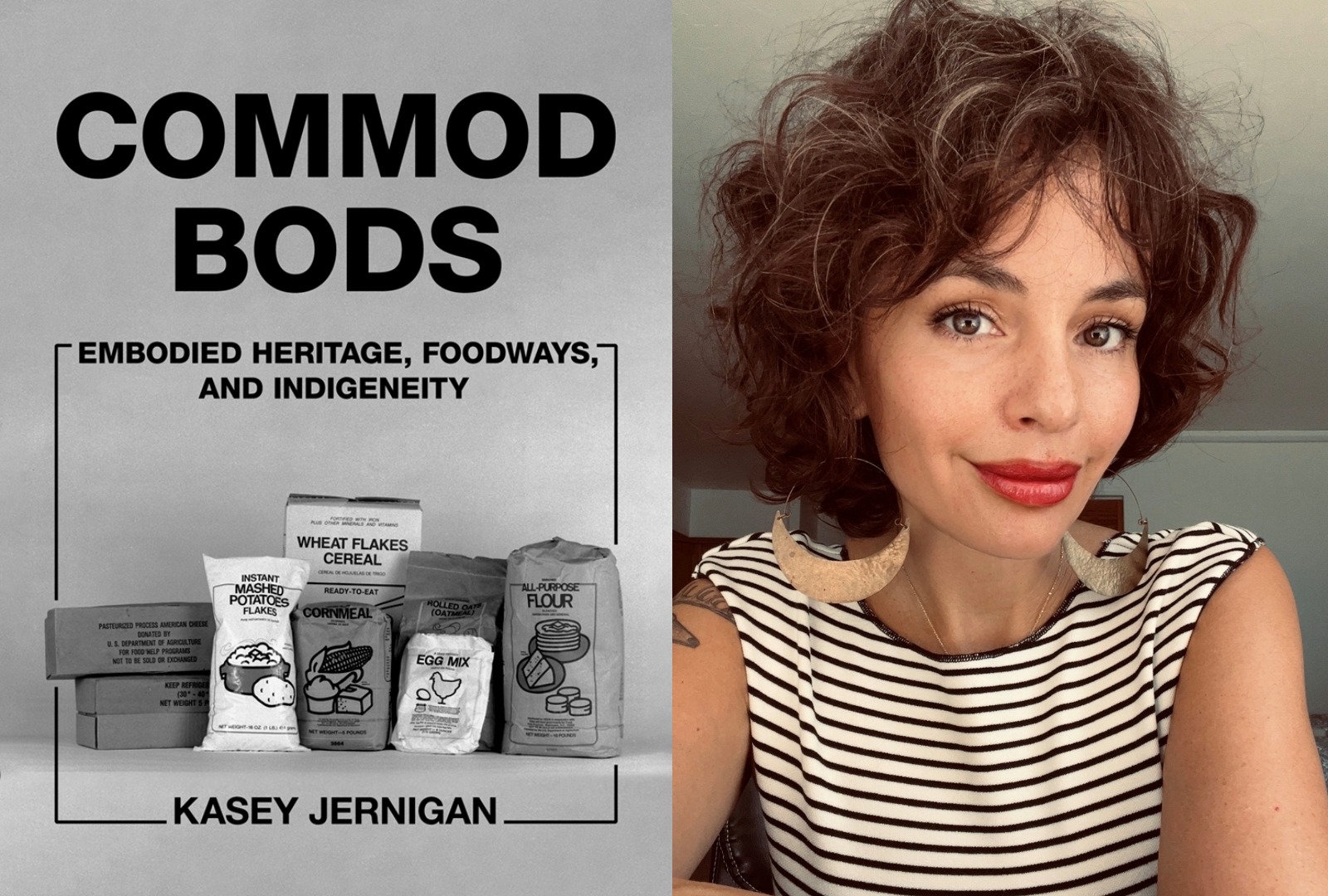
Native America Calling radio program “Indigenous Food News and Stories” features an interview with Kasey Jernigan author of Commod Bods: Embodied Heritage, Foodways, and Indigeneity. Kasey Jernigan is an assistant professor of American studies and anthropology at the University of Virginia, where she also co-directs the Black and Indigenous Feminist Futures Institute. She received her doctorate in medical anthropology and a graduate certificate in Native American Indigenous studies from the University of Massachusetts Amherst and a master’s in public health from the University of Oklahoma Health Sciences Center’s Department of Biostatistics and Epidemiology. She is a citizen of the Choctaw Nation of Oklahoma.
When asked about how Jernigan connected specific life experiences to the food available to women named Linda and Sherry who she interviewed, Jernigan replied, “What we often call obesity or poor health isn’t just about individual choices, it’s deeply shaped by land loss, government food programs, poverty and historical trauma. . . . The stories show the connection between health and heritage. When the Choctaw women in chapter two talk about food or diabetes, they’re also talking about their families, land, history, and survival. Linda’s story reflects those everyday realities of care giving for her mother, poverty, and diabetes. Sherry is a dress-maker, she makes Choctaw dresses; and she’s literally watched bodies change over time as she sews traditional dresses. She’s been having to make the dresses larger and larger to accommodate larger bodies.”
Listen to the full radio program here; “Indigenous Food News and Stories” interview with Jernigan starts at minute 7:28 of the program.
About the book:
The term “commod bod” is used with humor and affection. It also offers a critical way to describe bodies shaped by long-term reliance on U.S. federal commodity food programs.
In Commod Bods, Kasey Jernigan shares her ongoing collaborative research with Choctaw women and describes the ways that shifting patterns of participation in food and nutrition assistance programs (commodity foods) have shaped foodways; how these foodways are linked to bodies and health, particularly “obesity” and related conditions; and how foodways and bodies are intertwined with settler colonialism and experiences of structural violence, identity making, and heritage in the Choctaw Nation of Oklahoma.
Organized thematically, the book moves from a critical history of obesity and health in Indian Country to narratives of Choctaw women navigating food, memory, and belonging. Chapters such as “Food and Fellowship” and “Heritage, Embodied” center personal stories that show how food is not only sustenance but also a site of connection, resistance, and meaning making.