The Press Opens Up Access to Monographs, Textbooks in Response to COVID-19 Crisis

March 25, 2020

In an effort to support instructors and students as they transition to remote learning arrangements in response to the COVID-19 pandemic, the University of Arizona Press has opened up access to its digital scholarly monographs, including its widely adopted Latinx Pop Culture Series, Arizona: A History, and titles in its award-winning Sun Tracks Series, a literary series focused on Indigenous artists and authors, through the end of June. The monographs will be open and free to use on Project MUSE and JSTOR.

“This move is in support of instructors, students, and their institutions who have had to adapt to rapidly changing circumstances due to the COVID-19 crisis,” said Kathryn Conrad, director of the University of Arizona Press. “We want to continue to support the scholarly enterprise, as we have done for more than sixty years. This is a way university presses, in this unprecedented time, can connect scholarship and creative expression to students and instructors.”

Through this program, more than six hundred titles will become immediately available on partner platforms. As higher education institutions have quickly transitioned to remote learning, the Press and the University Libraries are working tirelessly to support the international academic community.

“Monographs published by the University of Arizona Press are heavily used in courses around the world on a variety of subjects,” said Shan Sutton, dean of University Libraries. “This shift will ensure that these works continue to positively impact student learning and research. Both the University of Arizona Press, and its parent organization the University of Arizona Libraries, are actively pursuing new strategies to continue our vital roles in teaching and learning in this new environment.”

Brief Video for Our Authors

March 17, 2020

Video text:

Hey everybody this is Abby Mogollón. I’m the marketing manager at the U of A press and we just wanted to let you know that we’re really thinking about all of our authors right now and trying to think of new ways that we can continue to do the good work of helping you share your scholarship and your books with audiences.

Like many of you, we also are getting used to working from home offices and getting used to being in front of digital devices for zoom meetings, and so forth, and we thought we’d make a quick video to show you how easy it is to make something. We really want to encourage you to make short videos. If you’re a poet, record one of your poems. If you are a chapter author, maybe pick out an excerpt and read some of it if you’d like.

Mari, Savannah, and I can send you five questions and you can respond to them, or perhaps instead if your text is for course adoption you can record a short video explaining how you use your work in your teaching.

Just three things to remember when you’re making videos:
1. Hold the camera close.
2. Please speak loudly.
3. And try to have as much light as possible.

We can’t wait to hear from you.

–The University of Arizona Press Marketing Team

Abby Mogollon, amogollon@uapress.arizona.edu
Mari Herreras, mherreras@uapress.arizona.edu
Savannah Hicks, shicks@uapress.arizona.edu

Spicer, Bee, and Whiting Titles Available in Open Arizona

March 11, 2020

We are pleased to announce the availability of three important new contributions to Open Arizona. Selected by an advisory board of scholars and community members, the new additions include Edward H. Spicer’s seminal work Cycles of Conquest; Robert L. Bee’s Crosscurrents Along the Colorado; and Whiting, Weber, and Seaman’s Havasupai Habitat.

Open Arizona is a collection of open-access University of Arizona Press titles made available through the support of the Andrew W. Mellon Foundation. The scholarship, histories, and approaches in the selected titles emphasize the relevance of the southwestern United States to understanding contemporary American life.

Cycles of Conquest
By Edward Spicer

After more than fifty years, Cycles of Conquest is still one of the best syntheses of more than four centuries of conquest, colonization, and resistance ever published. Thomas E. Sheridan writes in the new foreword commissioned for this special edition that the book is “monumental in scope and magisterial in presentation.”

Crosscurrents Along the Colorado
By Robert L. Bee

This intriguing book, original published in 1981, considers the Quechans as a case history of the frequent discrepancy between benevolently phrased national intention and exploitative local action.

Havasupai Habitat
By A. F. Whiting
Edited by Steven A. Weber and P. David Seaman

Published in 1985, Havasupai Habitat offers a rich ethnography on lifeways of the Havasupai people.

‘The Saguaro’ Celebration Packed El Crisol with Cactus and Book Lovers

February 26 2020

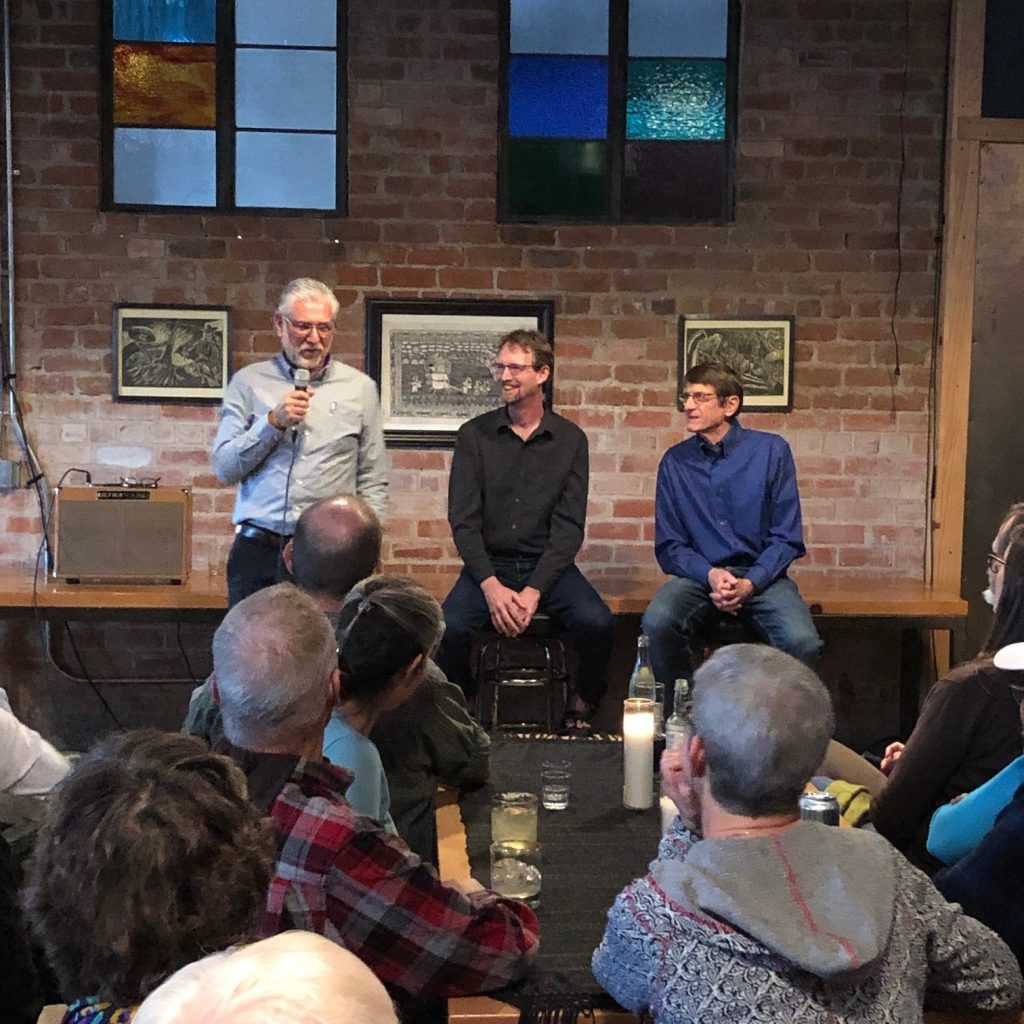
The book release celebration for The Saguaro Cactus: A Natural History, brought together more than 80 people to El Crisol on Sunday, February 23 to hear scholar-authors David Yetman, Alberto Búrquez, and Kevin Hultine talk about their research, admiration, and share folklore of the Sonoran Desert’s iconic cactus.

The evening, first in the new Arts and Letters series presented by the University of Arizona Press and hosted by El Crisol, was also co-hosted by The Southwest Center. A live-stream of the author conversation is on the Center’s YouTube channel available here. The Saguaro Cactus is part of a book series published in partnership with the The Southwest Center and the University of Arizona Press that focus on a variety of fields, especially history, anthropology, geography, natural history, ethnobiology, and borderlands studies.

Kristen Buckles, University of Arizona Press editor-in-chief, welcomed guests and authors, explaining the importance of books such as The Saguaro Cactus, and the ongoing relationship with The Southwest Center. Buckles introduced The Southwest Center director, Jeffrey Banister, to talk further and introduce the authors.

Co-authors Hultine and Yetman will be at the University of Arizona Press tent at the Tucson Festival of Books for book signing on Sunday, March 15, 12-12:30 p.m. Books will be available for purchase at the tent. Other upcoming events for The Saguaro Cactus: March 5 at Desert Botanical Garden in Phoenix and March 16 at the 2020 Libraries Annual Luncheon in Tucson.

Special thanks to El Crisol owners Amy and Doug Smith for welcoming us and creating a special space for our authors; La Indita restaurant for always going that extra mile for our events; and Carlos Quintero, outreach coordinator with The Southwest Center.

The Saguaro Cactus: A Natural History co-authors Alberto Búrquez, Kevin Hultine, and David Yetman, discuss their research and knowledge of the beloved cactus of our Sonoran Desert.
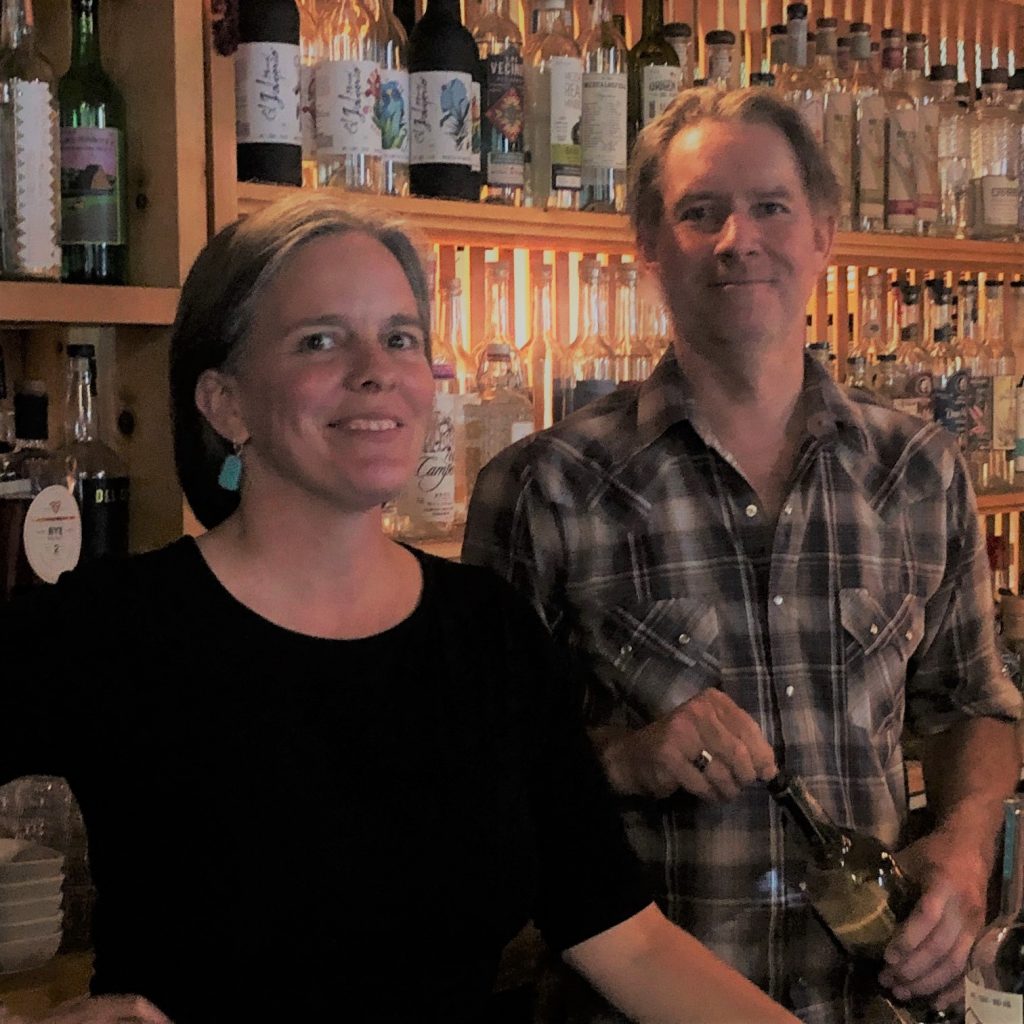
El Crisol owners Amy and Doug Smith.
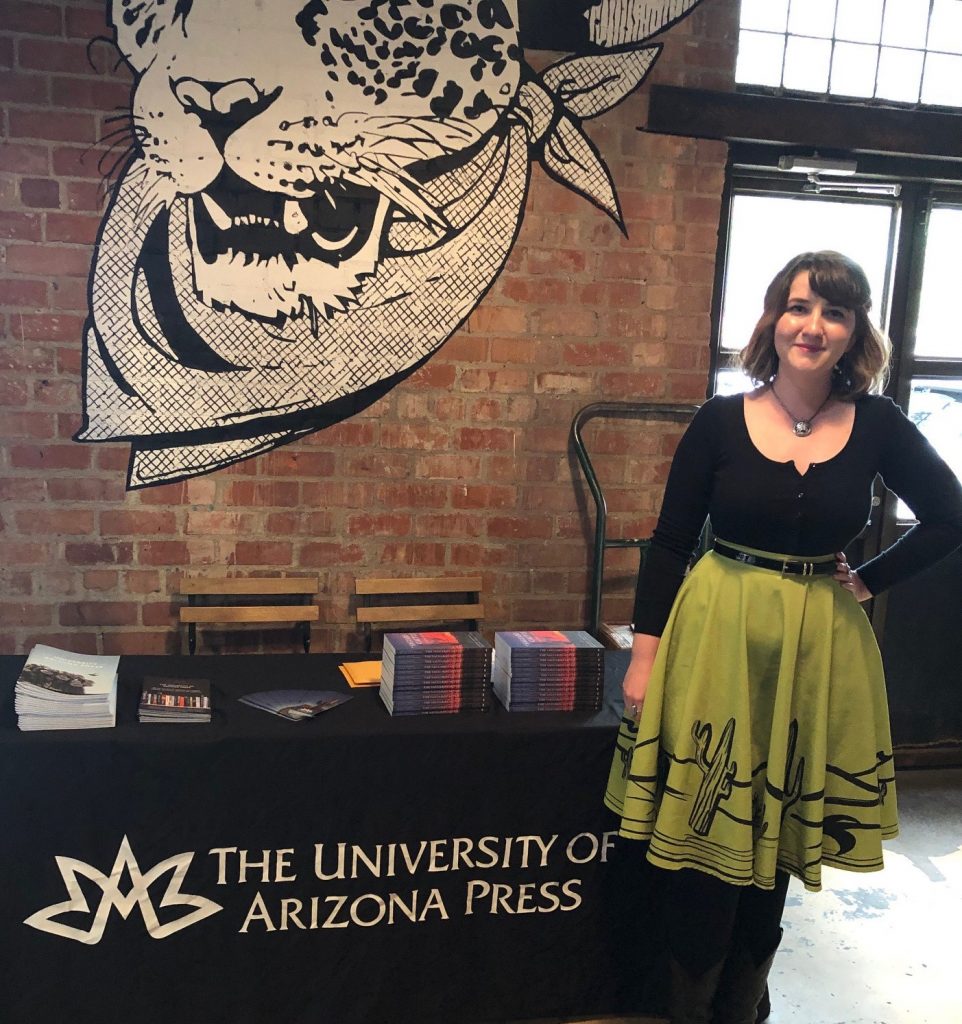
Savannah Hicks, University of Arizona Press marketing assistant, ready for all things saguaro at the book celebration event.

Scholar-Authors Bring Hearts and Stories to Special Collections Event

February 7, 2020

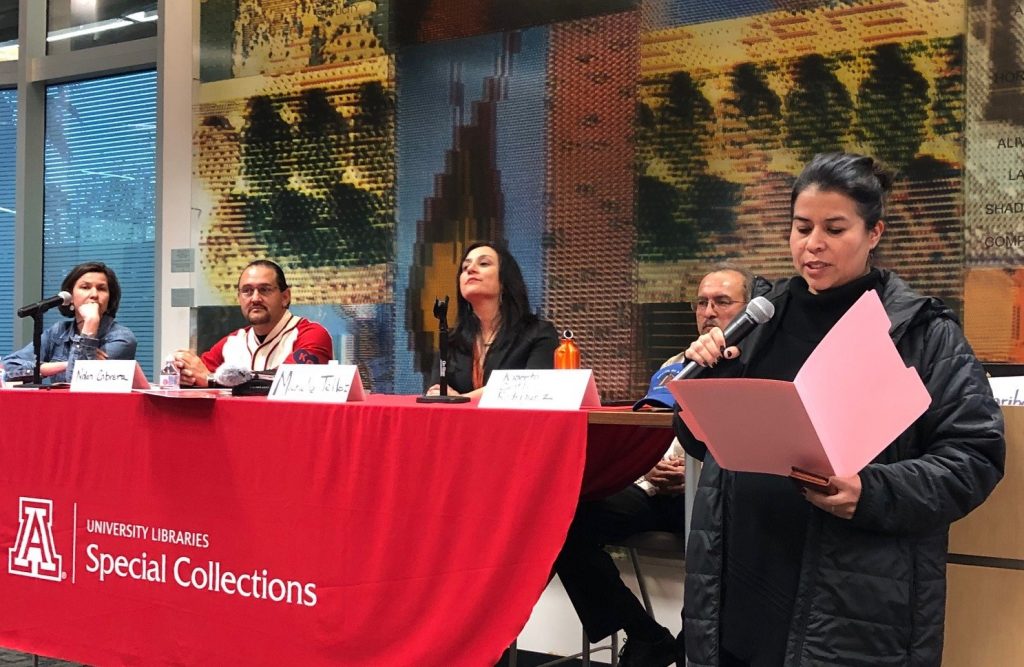
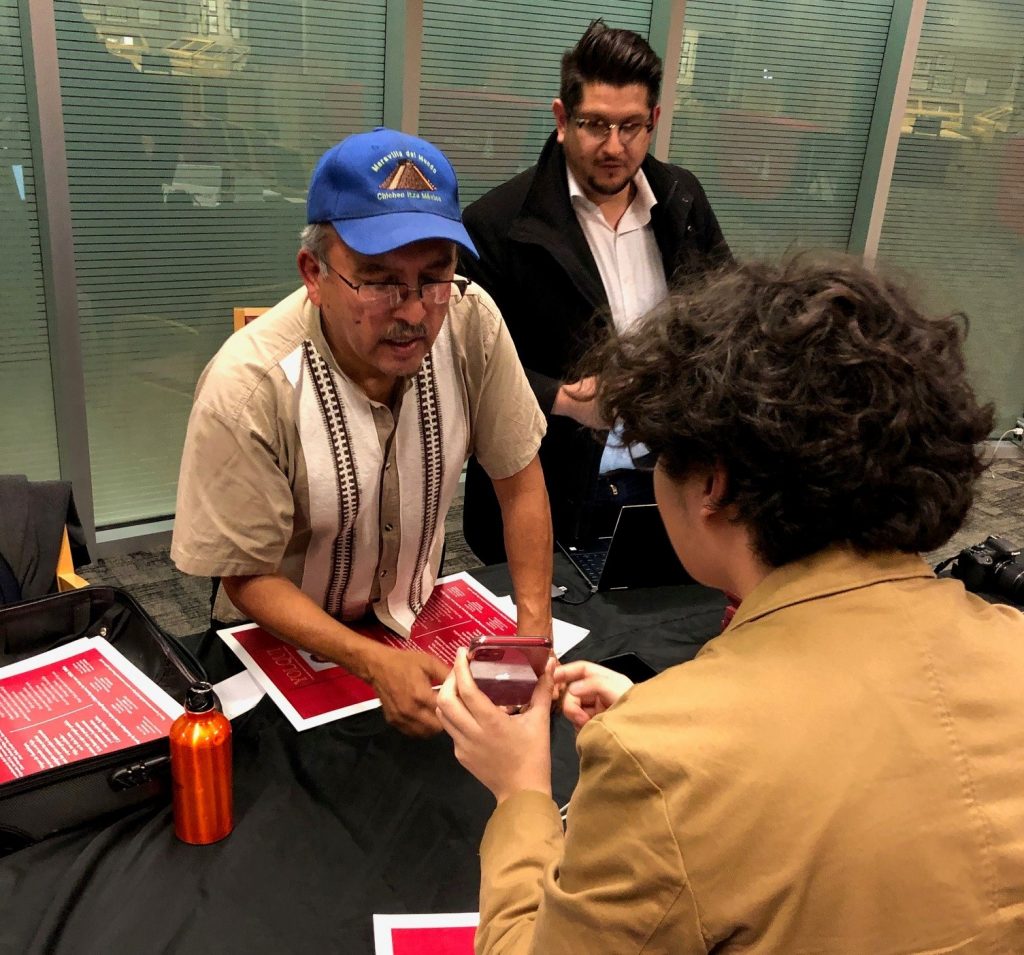
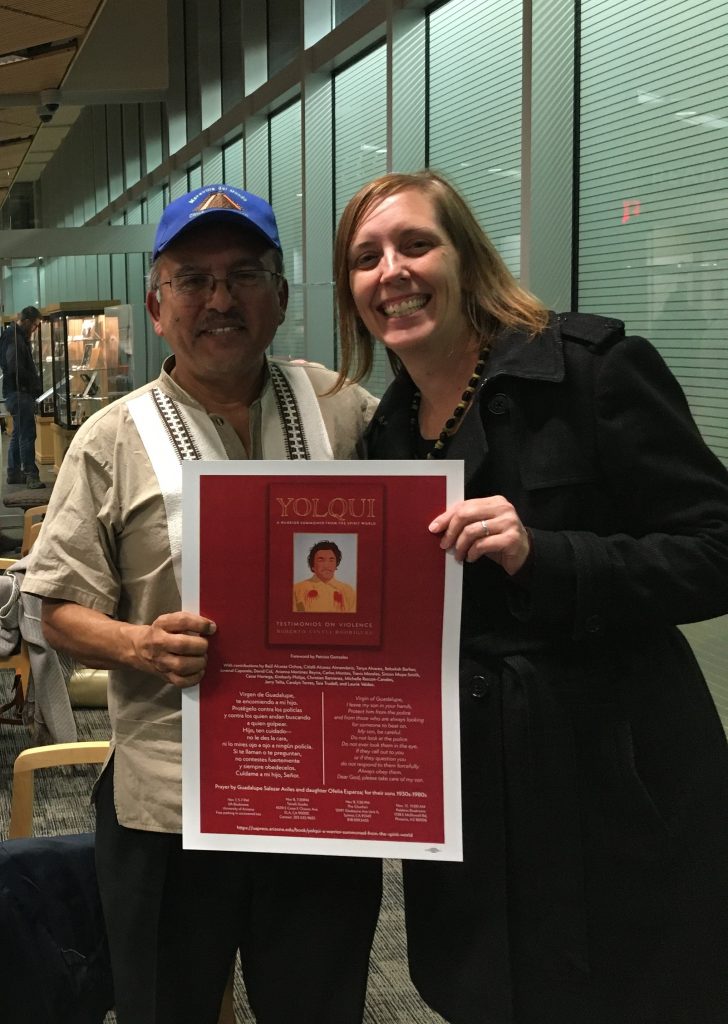
Associate Professor Roberto “Dr. Cintli” Rodriguez, author of Yolqui, a Warrior Summoned from the Spirit World: Testimonios on Violence with University of Arizona Press, always dreamed of bringing together fellow colleagues to talk about their work as scholars, and how community matters in their research and authorship.

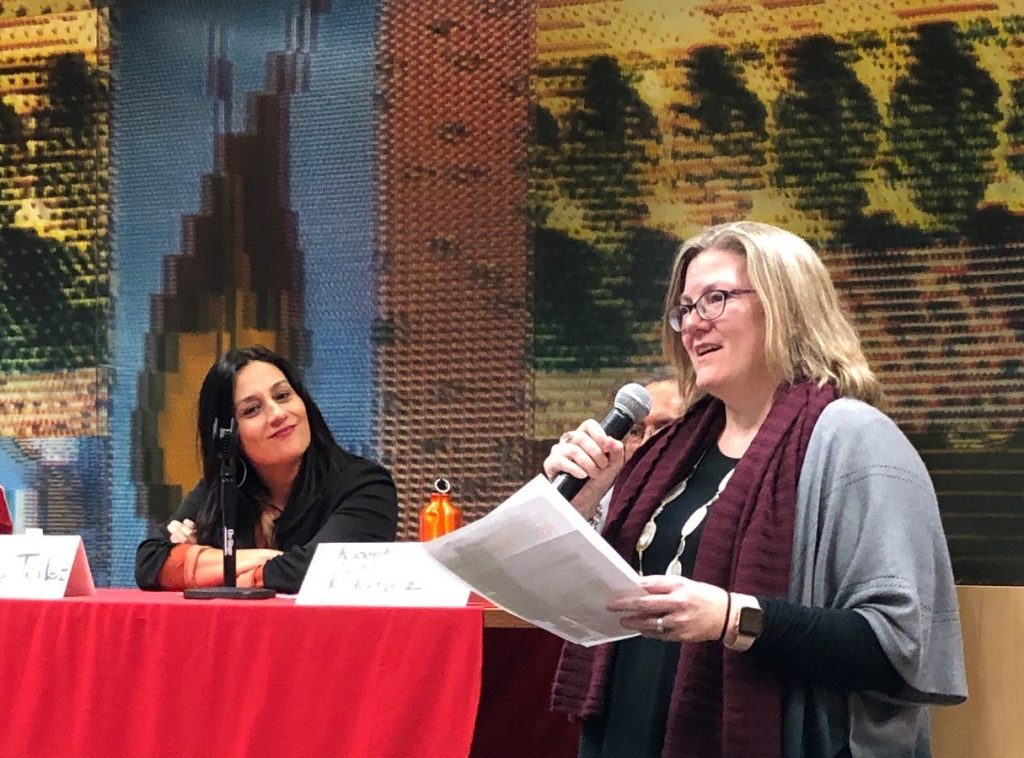
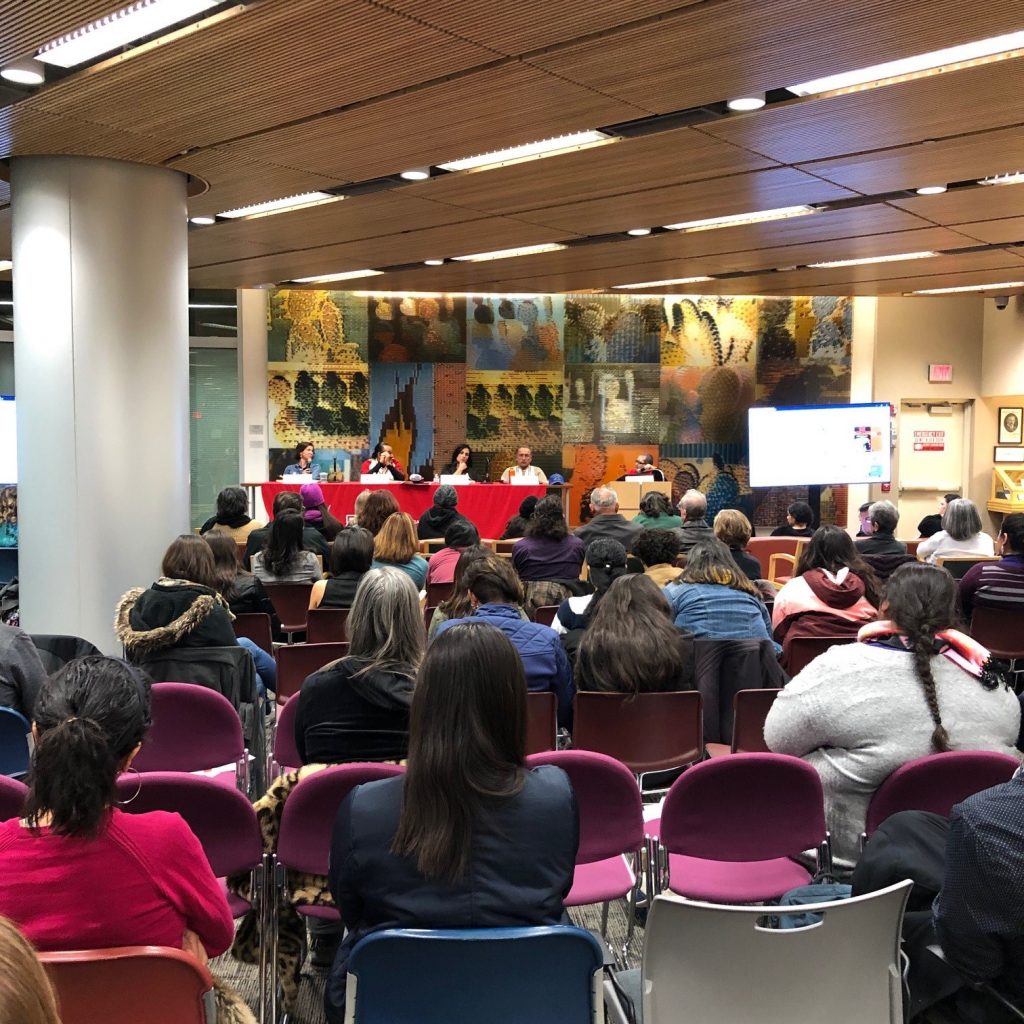
His dream became reality Wednesday, February 5, with “Documenting Scholarship and Community,” at University Libraries Special Collections. Veronica Reyes, the Katheryne B. Willock Head of Special Collections, noted in her welcome that this particular program came together because of Rodriguez’s efforts when he approached her about hosting a panel with Latinx scholars.

Co-sponsored by Special Collections and the University of Arizona Press’s Open Arizona project, the conversation was guided by moderator Maribel Alvarez, Associate Dean for Community Engagement in the College of Social and Behavioral Sciences and Jim Griffith Chair in Public Folklore with The Southwest Center.

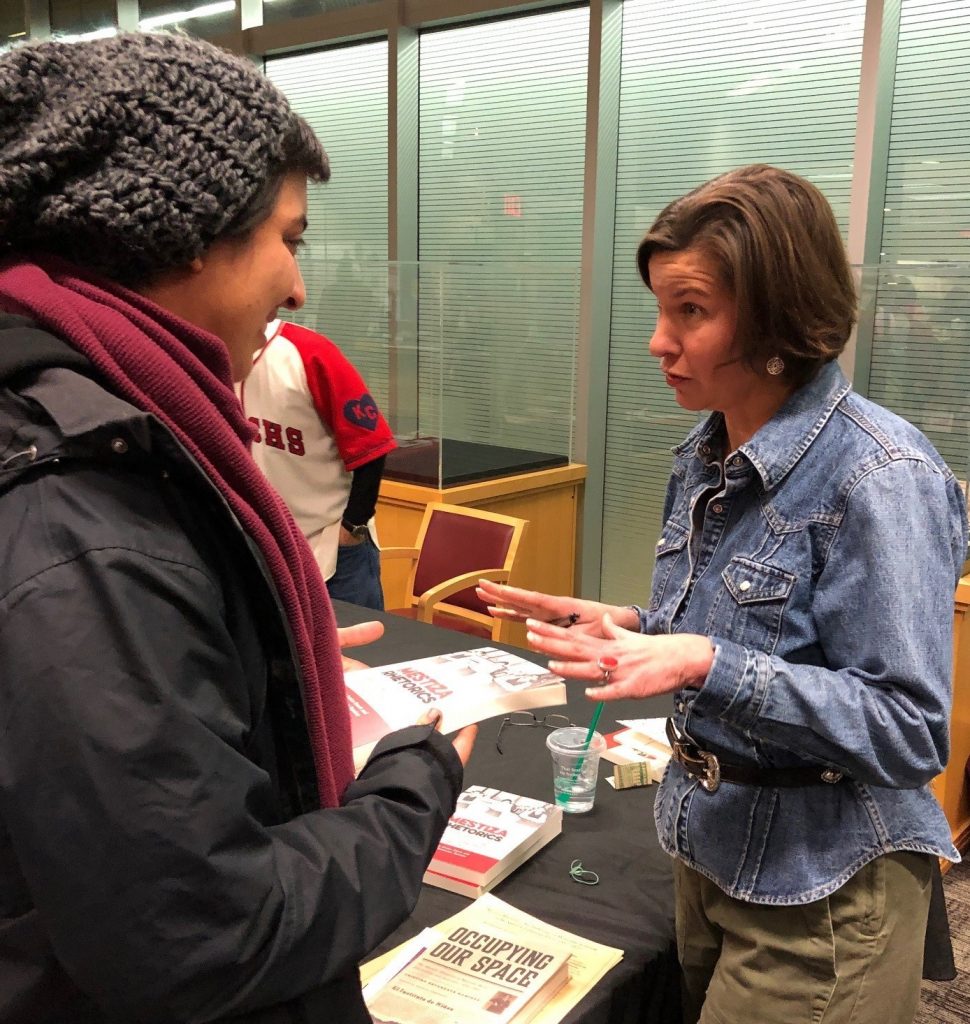
Rodriguez, an associate professor with Mexican American Studies, was joined by the following scholar-authors and editors: Michelle Tellez, an assistant professor and co-editor of The Chicana Motherwork Anthology; Cristina D. Ramirez, an associate professor, author of Mestiza Rhetorics: An Anthology of Mexicana Activism in the Spanish Language Press, 1887-1922, and Program Director for the Rhetoric, Composition, and the Teaching of English; and Nolan Cabrera, an associate professor in the Center for the Study of Higher Education and author of White Guys on Campus.

If you didn’t have a chance to attend, you can listen to the panel discussion here.

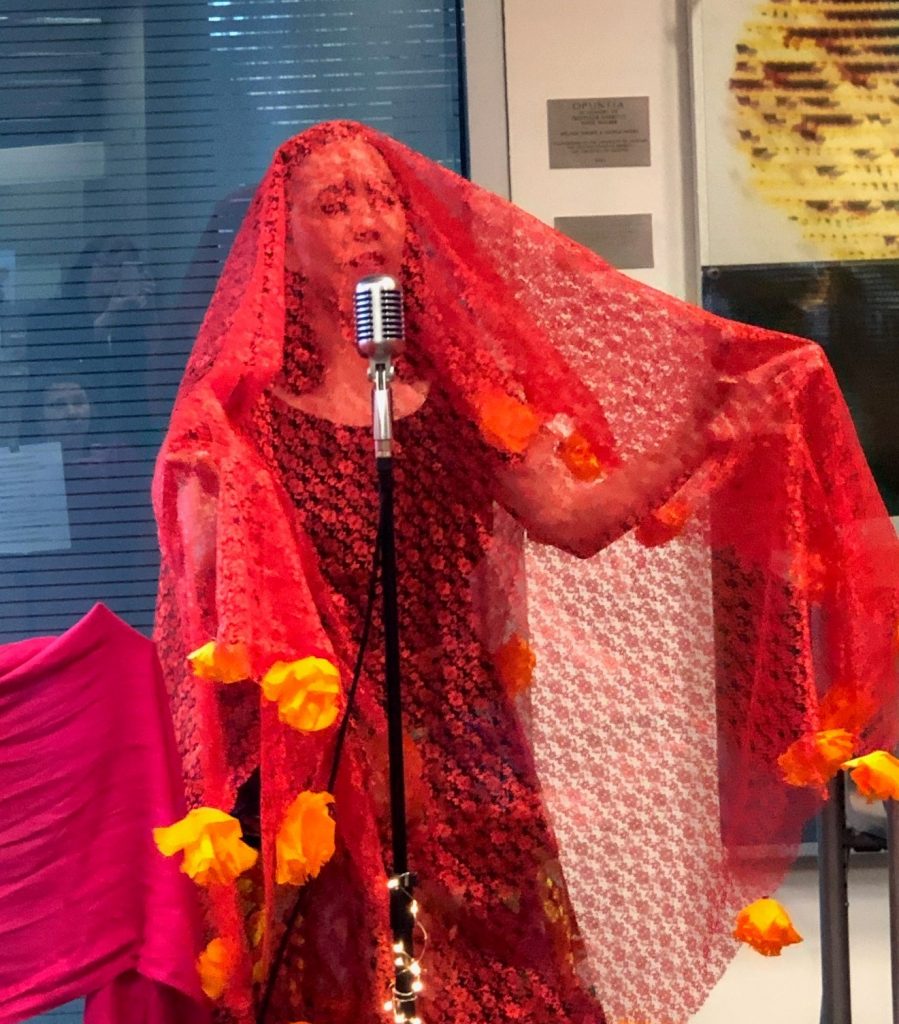
Miroslava Alejandra opened the event with a song that includes a mother’s prayer for her son, which was published in Roberto Cintli Rodriguez’s new book, Yolqui, a Warrior Summoned from the Spirit World: Testimonios on Violence.
Verónica Reyes-Escudero, the Katheryne B. Willock Head of Special Collections, welcomes more than 80 people who gathered at the event. She shared her connection with Rodriguez and the inspiration for the evening, which was to bring together Latinx scholars to discuss their work.
Kathryn Conrad, University of Arizona Press director, introduced moderator Maribel Alvarez and explained Open Arizona, a collection of open-access University of Arizona Press titles. Michelle Tellez, co-editor of The Chicana Motherwork Anthology, is on the left.
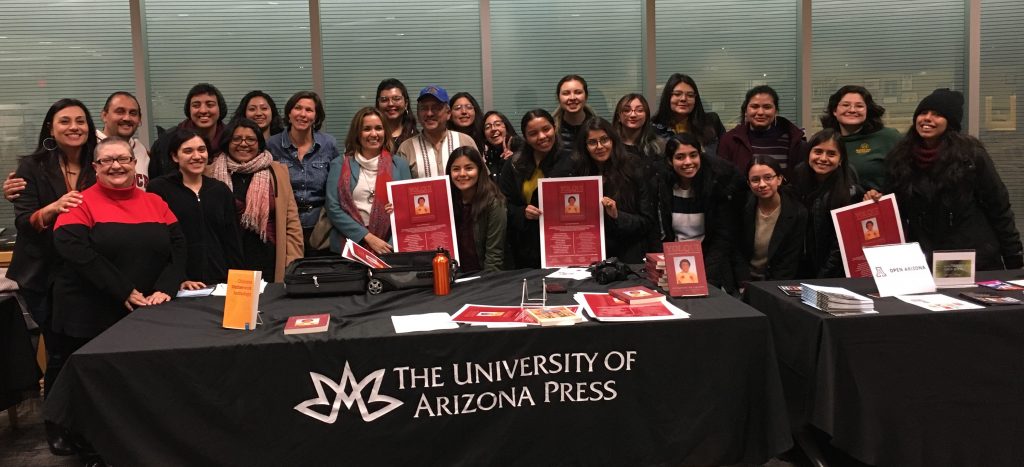
The event attracted more than 80 people, including a large group of students who traveled from Mexico to Tucson to attend “Giving Women in STEM a Voice” at the university.
Cristina D. Ramirez connecting with one of the undergraduate students from Mexico.
Roberto Cintli Rodriguez connecting with students.
Roberto Cintli Rodriguez with Kristen Buckles, University of Arizona Press Editor-in-Chief.
Event panelists and moderator Maribel Alvarez with the undergraduate students from Mexico.

Raymond H. Thompson (1924-2020)

January 31, 2020

Raymond Harris Thompson, Jr., PhD, director emeritus of the Arizona State Museum and a co-founder of the University of Arizona Press died peacefully on January 29 in Tucson, surrounded by family and enveloped in the affection of so many who held him in high esteem. He was 95.

Thompson served the University of Arizona with dedication and distinction for 41 years, from July 1, 1956 to June 30, 1997. For 32 of those years, he served as director of the Arizona State Museum. For the first 16 of those years, he served simultaneously as head of the Department (now School) of Anthropology. In 1980 he was appointed… read the complete appreciation shared by The School of Anthropology and the Arizona State Museum.

People of the Press Round-up

December 2, 2019

Our People of the Press feature is wrapping up. Inspired by the Association of University Presses celebration of the people of AUPresses, we’ve so enjoyed celebrating the people who work behind the scenes to help our authors share their amazing works! Learn more about us:

Kathryn Conrad, Director
“I sometimes joke that my job as Director is to attend meetings and sign my name. But what I love most is finding partnerships with colleagues on campus and in the community.”
Read more

Julia Balestracci, Assistant to the Director and Rights Manager
“I have learned that there is a growing commitment out there in the world at large to showcasing diverse voices and perspectives. Increasingly, based on the requests I receive, I see a move to expand diversity in school curriculum at all levels.”
Read more

Kristen Buckles, Editor-In-Chief
“The old cliché about learning something new everyday is so apt here. It’s the nature of our work: we are all learning about the world we live in (and beyond!) through our daily engagement with the book content.”
Read more

Scott De Herrera, Assistant Editor
“I am responsible for acquiring titles in poetry and fiction for the Press’s two award-winning literary series, Sun Tracks and Camino del Sol. I also work closely with our Senior Editor, Dr. Allyson Carter, to bring in new titles in anthropology, Indigenous studies, archaeology, environmental science, and space science.”
Read more


Stacey Wujcik, Editorial Assistant
“It seems like I’m learning something new all the time. I’m still relatively new to Tucson, and I’ve certainly learned a lot about this region through my work at the Press. My work here also continually reinforces how important it is to read works by authors from different backgrounds who have different experiences and perspectives.”
Read more

Amanda Krause, Editorial, Design, and Production Manager
“I help shepherd books through the Editorial, Design, and Production process, answering author queries; working with freelance copyeditors, proofreaders, and indexers and print vendors; maintaining our house style guide; and managing the schedules for book production to make sure books are published (and reprinted) on time.”
Read more

Leigh McDonald, Art Director and Book Designer
“Everybody loves books, but not many people think about the work that goes into them behind the scenes! Everything you see when you pick up a book, from the choice of paper stock and color to the font, margins, image placement…everything but the content was a decision made by someone like me.”
Learn more

Sara Thaxton, Production Coordinator
“Typesetters think in an entirely different numbering system than most people. We go by picas/points and in multiples of 12s rather than 10s. We’re also probably the least-visible cog in the book publishing machine, but we’re always very proud of every book we create! Also, e-books are harder to make than they look!”
Learn more

Abby Mogollon, Marketing Manager
“So much of book publishing is invisible. It takes a great partnership between the press and the author to spread the word about a book, and a lot of thought and planning is happening behind the scenes.”
Learn more

Mari Herreras, Publicity Manager
“I think I’ve always known this, but see it more clearly now—that there’s more to the story then what’s written in each book published by the Press. Each book comes with the author’s own unique story about their life, their world, their research, and how they decided this one book needed to be published.”
Learn more

Savannah Hicks, Marketing Assistant
“Even though a lot of our presence appears to be digital, I’m happy to say that some of the most meaningful and joyful interactions in publishing still happen face-to-face.”
Learn more


People of the Press: Stacey Wujcik

November 20, 2019

People of the Press is back this week! Inspired by the Association of University Presses celebration of the people of AUPresses, we would also like to celebrate our dedicated publishing professionals throughout our 60th anniversary year.

Today we’re featuring our Editorial Assistant Stacey Wujcik.

Hello Stacey, what do you do for the Press?

As the editorial assistant in the acquisitions department, I help the Press’s acquiring editors send manuscripts out for peer review. I also work with authors to help them finalize and submit their final manuscript files (including images and permissions) to our production team.

How long have you worked at UA Press?

Just over three years.

The University of Arizona Press is committed to helping contribute to an informed society and enlightening readers. What’s one thing you’ve learned from your work?

This question is so hard to answer; because we publish books in many subject areas, it seems like I’m learning something new all the time. I’m still relatively new to Tucson, and I’ve certainly learned a lot about this region through my work at the Press. My work here also continually reinforces how important it is to read works by authors from different backgrounds who have different experiences and perspectives. Each new project is a reminder that there is always more to learn!

What would people be surprised to learn about your work?

I think readers who are unfamiliar with the process of publishing with a university press would be surprised by how rigorous the peer-review process is. Each manuscript we consider for publication is first reviewed by scholars in the author’s field. This is not only a way for the Press to understand the work’s contribution but also an opportunity for the author to get valuable feedback as they complete their manuscript. Peer review is one of the things that differentiates university presses from commercial publishers.

Tucson has a thriving literary and scholarly community. What’s one of your favorite spots to hear authors, find a good book, or just curl up and read?

I like to shop for books at Antigone, and I’m always finding great books at the Pima County Library—I can never leave with just one! My favorite place to read is on my patio with a cup of coffee and my dog nearby.  

People of the Press: Julia Balestracci

November 12, 2019

People of the Press is back this week! Inspired by the Association of University Presses celebration of the people of AUPresses, we would also like to celebrate our dedicated publishing professionals throughout our 60th anniversary year.

Today we’re featuring our Rights Manager and Assistant to the Director, Julia Balestracci.

Hello Julia, what do you do for the Press?

I’m the Rights Manager and also the Assistant to the Director, Kathryn Conrad.

I handle all permissions and all other sub-rights requests, input and manage author royalties, and draft and manage contracts.  I also do a lot of scheduling and coordinating for Kathryn and the Press as a whole. We are busy!

How long have you worked at UA Press?

It’s hard for me to believe, but I’ve worked at the Press since 2012.

The University of Arizona Press is committed to helping contribute to an informed society and enlightening readers. What’s one thing you’ve learned from your work?

I have learned that there is a growing commitment out there in the world at large to showcasing diverse voices and perspectives. Some of our most oft-licensed material was written by authors with disabilities, marginalized voices, and unique cultural perspectives. Increasingly, based on the requests I receive, I see a move to expand diversity in school curriculum at all levels.

What would people be surprised to learn about your work?

I think that people would be surprised to know the breadth of requests we get for re-use of material from our books. In addition to more standard requests for republication, we get requests for inclusion of author material in podcasts, various websites, radio shows, national newspapers, dissertations, plays, musical compositions, national and international museum exhibitions, public art installations, the ACT and AP tests, and the list goes on. Just this past year alone, our publications in whole or in part have been translated into Spanish, Czech, Mandarin, Korean, Swedish and Norwegian. I feel my work is constantly contextualizing the meaning and deep resonance of our authors’ scholarship in connection with the wider world.

Tucson has a thriving literary and scholarly community. What’s one of your favorite spots to hear authors, find a good book, or just curl up and read?

I’m an avid thrifter and a lover of vintage books (especially children’s books), so I love combing through a book section whenever I’m at one of the many thrifts in town, never knowing what I might come across. One of my all-time favorite finds is a copy of Frog and Toad Are Friends, inscribed and signed by Arnold Lobel, with a hand-drawn sketch of toad! For local bookstores, Antigone can’t be beat. I’m not picky when it comes to finding a spot to curl up and read; with two kids and a busy life full of interruptions, I’ll take any quiet and undisturbed moment I can get, irrespective of location!

People of the Press: Kristen Buckles

November 6, 2019

People of the Press is back this week! Inspired by the Association of University Presses celebration of the people of AUPresses, we would also like to celebrate our dedicated publishing professionals throughout our 60th anniversary year.

Today we’re featuring our Editor-In-Chief Kristen Buckles.

Hello Kristen, what do you do for the Press?

I am the editor-in-chief and an acquisitions editor. This means that I oversee the editorial program while also bringing in book projects. The acquisition areas I work on are history, Latinx studies, Native American and Indigenous studies, border studies, and the Southwest. University of Arizona Press books are largely about the Americas, but many of our titles in Native American and Indigenous studies and anthropology extend to topics across the globe. In the case for our space science list, it’s beyond!

How long have you worked at UA Press?

I have been here for fifteen years. I started in 2004 as the director’s assistant and moved into to the acquisitions department a couple of years after that. The Press is truly a second home for me. I love working here.

The University of Arizona Press is committed to helping contribute to an informed society and enlightening readers. What’s one thing you’ve learned from your work?

The old cliché about learning something new everyday is so apt here. It’s the nature of our work: we are all learning about the world we live in (and beyond!) through our daily engagement with the book content. So going back to the question, specifying one thing would be impossible! In general, though, by working on University of Arizona Press books for the last fifteen years, I would say I am much more aware of the complex history of the Americas and the challenges we face today, particularly in the U.S.-Mexico borderlands where the Press is located. I have also come to really appreciate the value of poetry and creative expression as a means to raise awareness of complex issues. Here are two great examples: Poetry of Resistance and Iep Jaltok.

What would people be surprised to learn about your work?

University presses in general rely heavily on peer review to develop projects and make editorial decisions. Rigorous peer review is foundational to university press publishing, and as such, everything that has a University of Arizona Press imprint has gone through an external peer-review process before acceptance, including our poetry, creative works, and others.

Tucson has a thriving literary and scholarly community. What’s one of your favorite spots to hear authors, find a good book, or just curl up and read?

I love going to readings at the University of Arizona Poetry Center. And every single bookstore in Tucson—from the UA Bookstore to the Barnes and Nobles to Bookman’s, Antigone, and the indies—is my favorite spot to find a good book. Tucson is a place for readers; just come to the Tucson Festival of Books to see! As for my favorite place to curl up and read: a weekend morning at home, smell of coffee in the background, completely quiet except for morning birdsong and a snoring spaniel by my side.

For Authors

The University of Arizona Press publishes the work of leading scholars from around the globe. Learn more about submitting a proposal, preparing your final manuscript, and publication.

Inquire

Requests

The University of Arizona Press is proud to share our books with readers, booksellers, media, librarians, scholars, and instructors. Join our email Newsletter. Request reprint licenses, information on subsidiary rights and translations, accessibility files, review copies, and desk and exam copies.

Request

Support the Press

Support a premier publisher of academic, regional, and literary works. We are committed to sharing past, present, and future works that reflect the special strengths of the University of Arizona and support its land-grant mission.

Give