For more than a week, our community has watched the smoke from the Bighorn Fire float up above the Santa Catalina Mountains, which sit just north of Tucson. As of today, the fire has burned more than 14,000 acres of our beloved Sky Island.
But wildfire has been on the mind of all of us at the Press for several years. Since 2015, we have been publishing the works of fire historian Stephen J. Pyne, who has been illuminating the regional and national history of wildfire in the United States.
For this week’s free e-Book of the Week, we’re drawing attention to Pyne’s To the Last Smoke Series by offering The Southwest for free download from our website. The volume helps to explain the challenges wildland firefighters are facing right now with the Bighorn Fire, and why this is likely to be just one of many burns in the Southwest this summer.
The Southwest is part of the multivolume series describing the nation’s fire scene region by region. The volumes in To the Last Smoke serve as an important punctuation point to Pyne’s 50-year career with wildland fire—both as a firefighter and a fire scholar. These unique surveys of regional pyrogeography are Pyne’s way of “keeping with it to the end,” encompassing the directive from his rookie season to stay with every fire “to the last smoke.”
Download here using code AZFIRE20. Available until 6/25/2020.
“An elegant and informed treatise on the history and evolving nature of wildfire in our arid and rugged landscape.”—Journal of Arizona History
“This is an exceptionally readable work; the analyses of events reflect the interpretation of humans, ecology, and institutions.”—Choice
“An accessible entry point into the kaleidoscopic set of shifting interests that characterize the relationships of fire to the Southwest.”—Southwestern Historical Quarterly
The Association of University Presses, of which the University of Arizona Press is a member, recently released this statement on equity and anti-racism. This statement was originally proposed and drafted by the organization’s 2017-2018 Diversity & Inclusion Task Force. The Equity, Justice, and Inclusion Committee established in 2019 took the statement through a process of peer review and revision. The AUPresses Board of Directors, of which University of Arizona Press Director Kathryn Conrad currently serves as president, approved the statement in March 2020.
The Association of University Presses and its members aspire to hold justice, equity, diversity, and inclusion as values that guide our policies, practices, and publications. Upholding these values requires introspection, honesty, and reform of our current practices, the interests they serve, and the people and perspectives they exclude.
Through the work that we publish, university presses have helped to document the histories of institutions in the United States and elsewhere. This scholarship shows that most colleges and universities were built through the exploitation of people of color and established as white and male-only institutions, on land from which indigenous peoples were and continue to be displaced. The racist and exploitative practices that shaped this history remain embedded, even within institutions that work to study and critique that history. Currently, within universities and presses, systems that perpetuate bias, inequalities, and white supremacy go unquestioned and unchecked; in this way, they are perpetuated.
Please go here to read the statement in its entirety.
For this week’s free e-Book of the Week, we’re drawing attention to our exceptional works in social justice, offering Marquis Bey’s Them Goon Rules for free download from our website.
A series of essays that reads like a critical memoir, this work queries the function and implications of politicized Blackness, Black feminism, and queerness. Bey binds together his personal experiences with social justice work at the New York–based Audre Lorde Project, growing up in Philly, and rigorous explorations of the iconoclasm of theorists of Black studies and Black feminism. Bey’s voice recalibrates itself, creating a collection that tarries in both academic and nonacademic realms.
Download here using code AZBEY20. Available until 6/10/2020.
“Weaving pop culture, rap, literary analysis, politics, and anger, Bey challenges readers to think of the intersectionality of gender, race, and politics in a different way.”—CHOICE
“Marquis Bey has gifted us with more than a collection of essays about Blackness, feminism, and queerness—it is a tome for and with the ‘ontologically criminalized.’ Bey demonstrates a distinctive radical vulnerability that can only be the result of working in and through a Black queer feminist lens. Unapologetically, this text dances, bends, moves, breaks open and through language—an elaborated nah! There is powerful poetry here asking that we, scholars who believe in freedom, interrogate our own methods and motives again and again. This book is courageous as it dwells, a break in the break. A must-read for any scholar, poet, or (non)human seeking the spectacular possibility of taking flight.” —Kai M. Green, Assistant Professor of Women’s, Gender, and Sexuality Studies at Williams College
“Bey challenges those of us who are committed to Black justice to approach every day with the force of revolution. By refiguring Black freedom-making in this way, we are able not only to ‘steal life back’ from a white fickle normativity but also to enwrap that life in the promise of escape.”—Hashim Pipkin, The Opportunity Network
“Them Goon Rules is an exciting collection of essays—brimming with insight, inspiration, love, and rage, the book leads readers through an urgent set of questions about the body, identity, race, place, sex, Blackness, subversion, and gender. Offering what Bey at one point calls a ‘fugitive praxis,’ this book believes in transformation and shows us how it is done! Brilliant!”—Jack Halberstam, author of Trans*: A Quick and Quirky Guide to Gender Variance
The University of Arizona Press is thrilled to announce a new partnership with the Academy of American Poets.
Beginning in 2020, recipients of the Academy of American Poets’ Ambroggio Prize will have their winning manuscript published in Spanish with the English translation by the University of Arizona Press, a nationally recognized publisher of award-winning works in Latinx and Indigenous literature. The Ambroggio Prize is a $1,000 publication award given for a book-length poetry manuscript originally written in Spanish and with an English translation.
This new partnership is part of the Academy of American Poets’ ongoing commitment to supporting American poets at all stages of their careers, fostering the appreciation of contemporary poetry, and collaborating with other poetry organizations and presses.
“The University of Arizona Press is one of the first publishers to spotlight Latinx literary voices. We are honored to be selected by the Academy of American Poets to publish annually the Ambroggio Prize-winner,” said Kathryn Conrad, director of the University of Arizona Press. “This prize celebrates the voices of many Latinx poets whose first language is Spanish, building on our mission to foreground voices that might otherwise not be heard.”
In addition to the 2020 Ambroggio Prize-winning manuscript, which will be announced in the fall of 2020 and published in the fall of 2021, the University of Arizona Press will publish the 2019 Ambroggio Prize-winning manuscript, Danzsirley/Dawn’s Earlyby Gloria Muñoz in the spring of 2020.
Established in 2017, the Ambroggio Prize is the only annual award of its kind in the United States that honors American poets whose first language is Spanish. It is one of the American Poets Prizes, a collection of eleven major awards given by the Academy of American Poets.
About the Academy of American Poets
The Academy of American Poets is the nation’s leading champion of poets and poetry with supporters in all fifty states. Founded in 1934, the organization produces Poets.org, the world’s largest publicly funded website for poets and poetry; organizes National Poetry Month; publishes the popular Poem-a-Day series and American Poets magazine; provides award-winning resources to K–12 educators, including the Teach This Poem series; administers the American Poets Prizes; hosts an annual series of poetry readings and special events; and coordinates a national Poetry Coalition working together to promote the value poets bring to our culture. Through its prize program, the organization annually awards more funds to individual poets than any other organization, giving a total of $1,250,000 to more than 200 poets at various stages of their careers. This year, in response to the global health crisis, the Academy launched the #ShelterInPoems initiative, inviting members of the public to select poems of comfort and courage from its online collection to share with others on social media. The initiative culminated in the organization’s first-ever virtual reading, which was watched more than 25,000 times by viewers in more than 40 countries around the world. The Academy is also one of seven national organizations that comprise Artist Relief, a multidisciplinary coalition of arts grantmakers and a consortium of foundations working to provide resources and funding to the country’s individual poets, writers, and artists who are impacted by the ongoing Covid-19 pandemic.
About the University of Arizona Press
The University of Arizona Press is nationally recognized for its commitment to publishing the award-winning works of emerging and established voices in Latinx and Indigenous literature, as well as groundbreaking scholarship in Latinx and Indigenous studies. The Camino del Sol series has cultivated an admirable and sizeable list of distinguished contemporary authors, including Richard Blanco, Vicki Vértiz, Juan Felipe Herrera, Carmen Giménez Smith, Francisco X. Alarcon, Emmy Pérez, and Luís Alberto Urrea. The Sun Tracks series focuses exclusively on the creative works of Native American artists, such as Joy Harjo, N. Scott Momaday, Simon J. Ortiz, Casandra López, Santee Frazier, dg nanouk okpik and Luci Tapahonso.
For this week’s free e-Book of the Week, we’re drawing attention to our exceptional works in Latin American studies by offering Mexico in Verse: A History of Music, Rhyme, and Power for free download from our website.
Focusing on modern Mexico, from 1840 to the 1980s, this volume examines the cultural venues in which people articulated their understanding of the social, political, and economic change they witnessed taking place during times of tremendous upheaval, such as the Mexican-American War, the Porfiriato, and the Mexican Revolution. The words of diverse peoples—people of the street, of the field, of the cantinas—reveal the development of the modern nation. Editors Neufeld and Matthews have chosen sources so far unexplored, showing the ways that individuals interpreted—whether resisting or reinforcing—official narratives about formative historical moments.
Download from our online shopping cart here. Available until 5/28/2020. Discount code is AZVERSE20.
“Rich in historical data and thoughts about pursuing alternative interpretations of popular lyrical expressions.”—Choice
Arroyo, author of Western Avenue and Other Fictions and The Region of Lost Names: A Novel, is an assistant professor of English at Middle Tennessee State University. Chapter 16 is an amazing project with Humanities Tennessee, founded to provide comprehensive coverage of literary news and events in Tennessee.
Sown in Earth is a a collection of personal essays in which Arroyo recollects his childhood, and more specifically his father’s anger and alcohol abuse as a reflection of his place in society, in which his dreams and disappointments are patterned by work and poverty, loss and displacement, memory and belonging.
In trying to convey the cruelty and complexity of his father in the only way he knows how — through writing — Arroyo acts as a witness for all of the men whose names he doesn’t remember. In these essays, he accomplishes what he sets out to do: “to work in a way that honors the struggle and dignity of their lives.” And in doing so, he sets in motion the linguistic memories that compose a life, however incomplete. “The more I delve into the memories of my father, the more I realize his life is an unfinished book; it continues to grow the more I try to write it, new pages revealing themselves day after day, as if this growing will go on without end. Even if I take the next twenty years to write it, I won’t make his life and story any more complete. The story will still be fragmented, small, minor, adrift in a turbulent sea between a kitchen and an island, between a father and son.”
Although his father’s life refuses summation in the end, Arroyo manages to reach an understanding of himself and the forces that shaped him to become the writer he is today.
We were really excited to participate in the first virtual LASA conference last week! In case you weren’t able to participate in the virtual conference, we wanted to highlight our new Latin American Studies here on our website, and extend our LASA conference discount as well. Use the code AZLASA20 for 40% off all titles listed on this post, plus free shipping!
Our editor-in-chief, Kristen Buckles, and our senior editor, Allyson Carter, Ph.D., acquire in this field. To propose a project, contact Kristen or Allyson at KBuckles@uapress.arizona.edu or ACarter@uapress.arizona.edu.
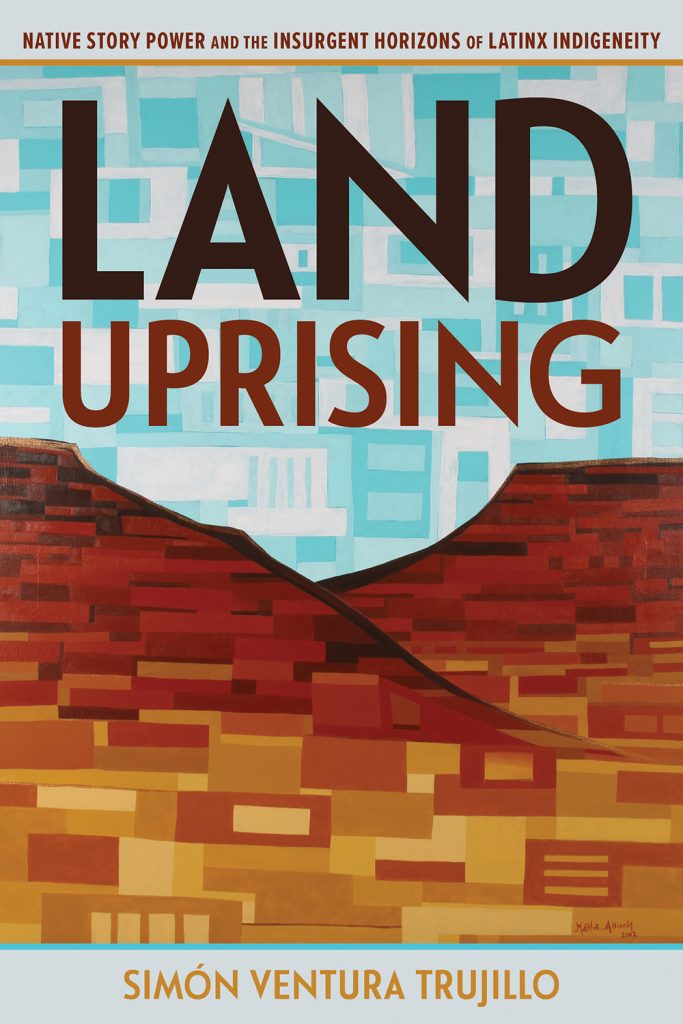
Land Uprising reframes Indigenous land reclamation as a horizon to decolonize the settler colonial conditions of literary, intellectual, and activist labor. Simón Ventura Trujillo argues that land provides grounding for rethinking the connection between Native storytelling practices and Latinx racialization across overlapping colonial and nation-state forms.
Listen to a conversation between Simón Ventura Trujillo and artist Vick Quezada here.
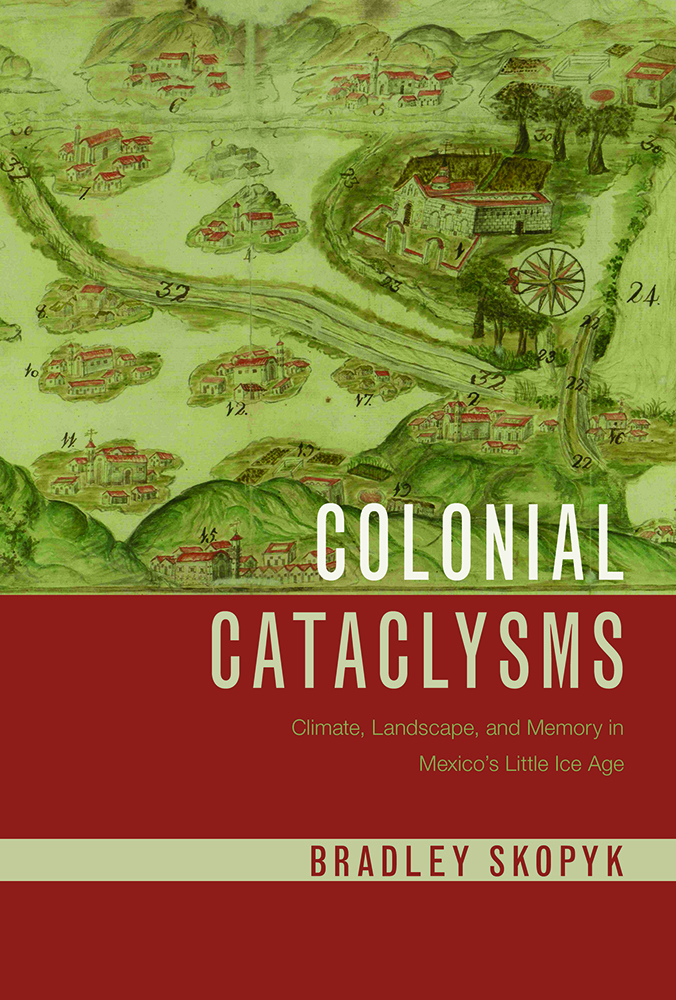
Colonial Cataclysms explores the human and environmental consequences of the global climate event called the Little Ice Age as it played out in central Mexico during the era of Spanish imperialism. It focuses on the great floods, massive soil erosion, and human adaptations to these cataclysms.
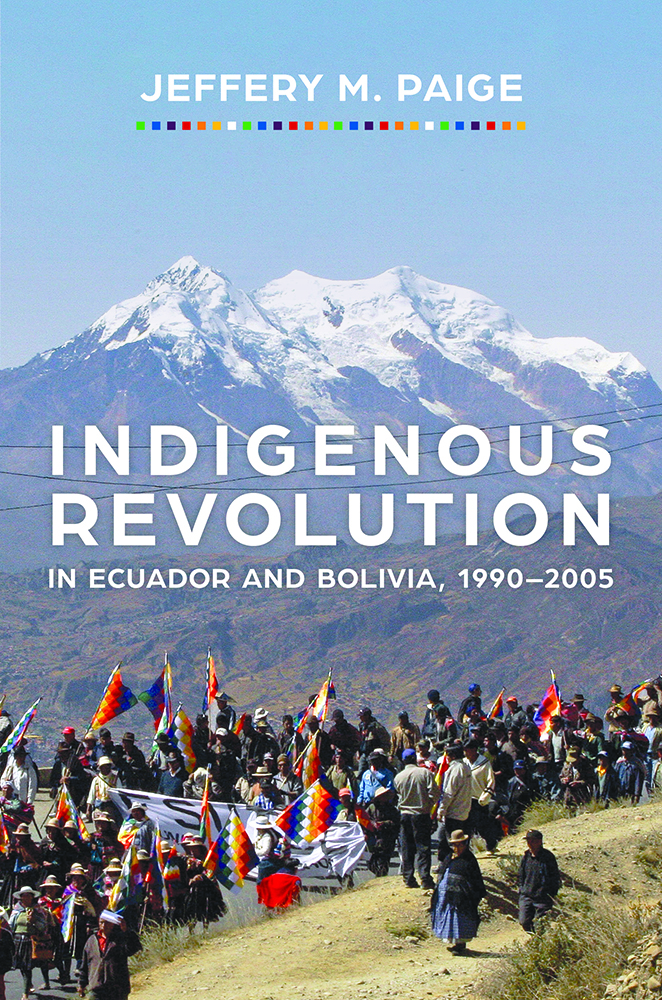
In the fifteen-year span from 1990 to 2005 uprisings of the indigenous peoples of Ecuador and Bolivia changed their societies forever. The combination of mass mobilization, elections, and indigenous socialism created a new form of twenty-first-century revolution that applies to cultures far beyond the Andes. InIndigenous Revolution in Ecuador and Bolivia, 1990-2005, Jeffrey M. Paige’s interviews present the powerful personal experiences and emotional intensity of the revolutionary leadership.
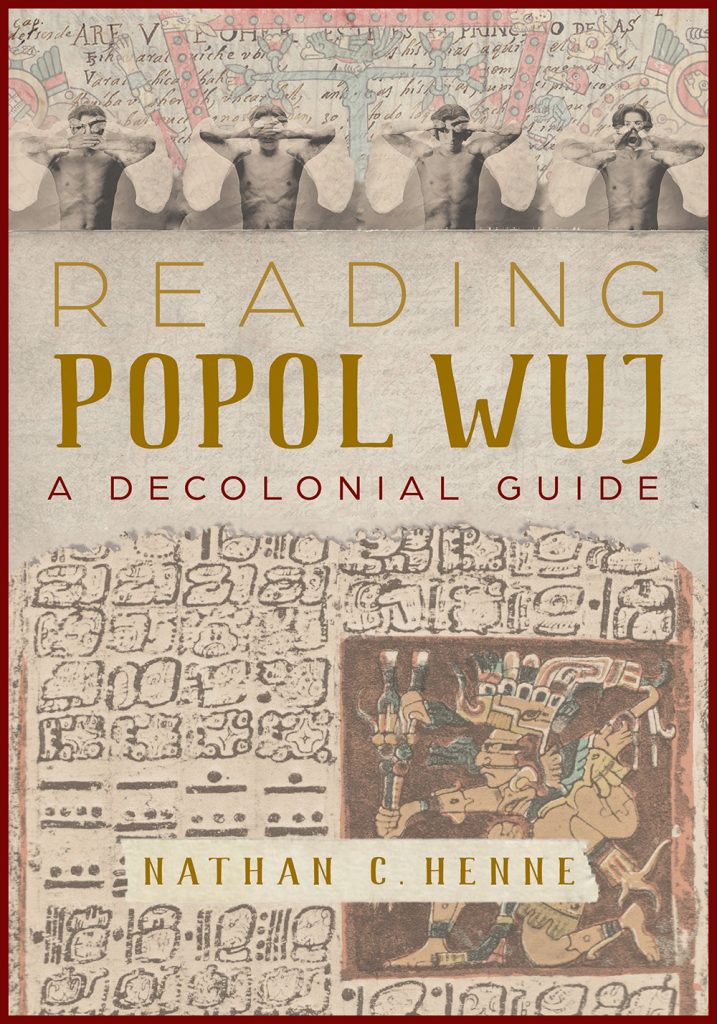
Reading Popol Wuj offers readers a path to look beyond Western constructions of literature to engage with this text through the philosophical foundation of Maya thought and culture. This guide deconstructs various translations to ask readers—scholars, teachers, and graduate and undergraduate students—to break out of the colonial mold in approaching this seminal Maya text.
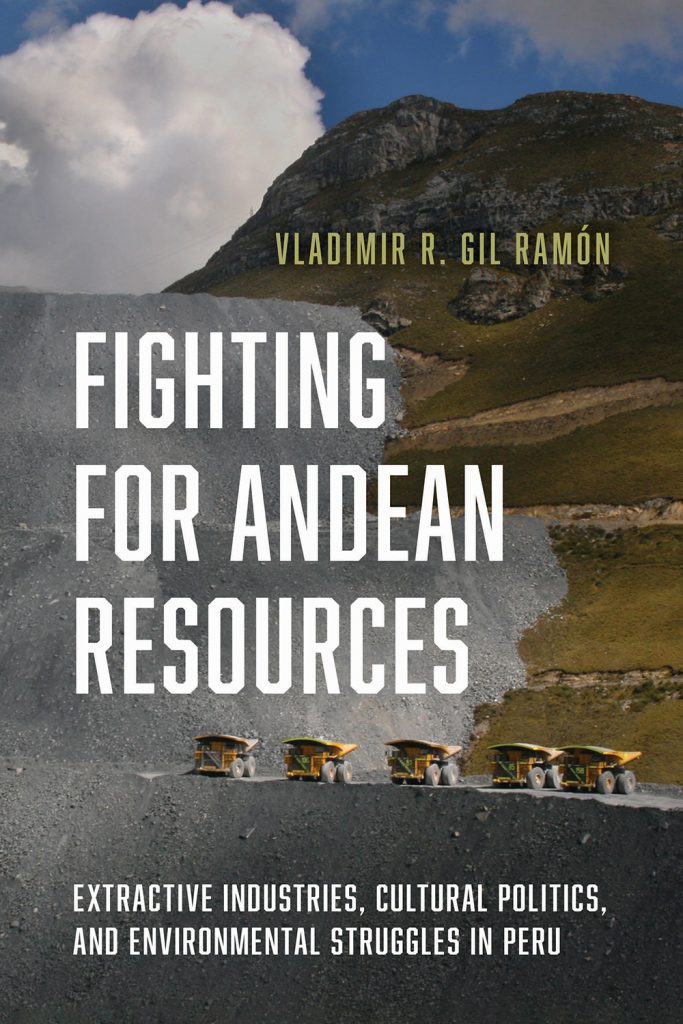
Fighting for Andean Resourcesoffers a singular contribution to the literature critiquing monolithic views of nation-state dynamics and globalization. Vladimir R. Gil Ramón examines the protocols of accountability and the social critique of the application of environmental impact assessments and safeguard policies. His analysis reveals the complex mechanisms for legitimizing decision-making and adds to an understanding of everyday state-nation conflicts and negotiations.
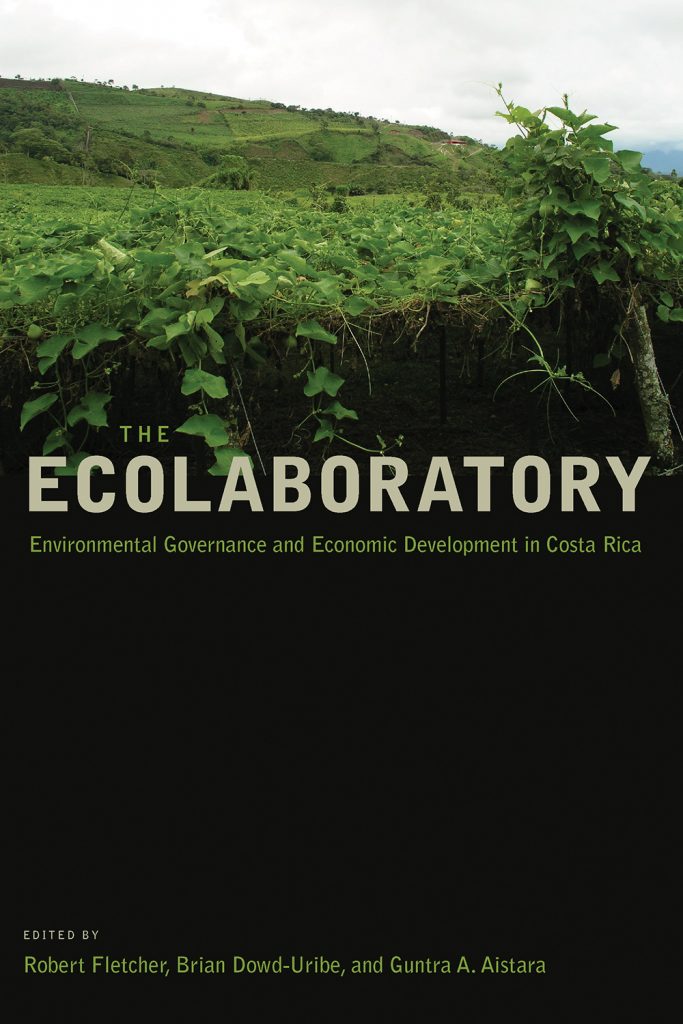
Despite its tiny size and seeming marginality to world affairs, the Central American republic of Costa Rica has long been considered an important site for experimentation in cutting-edge environmental policy. The Ecolaboratory frames Costa Rica as an “ecolaboratory” and asks what lessons we can learn for the future of environmental governance and sustainable development both within the country and elsewhere.
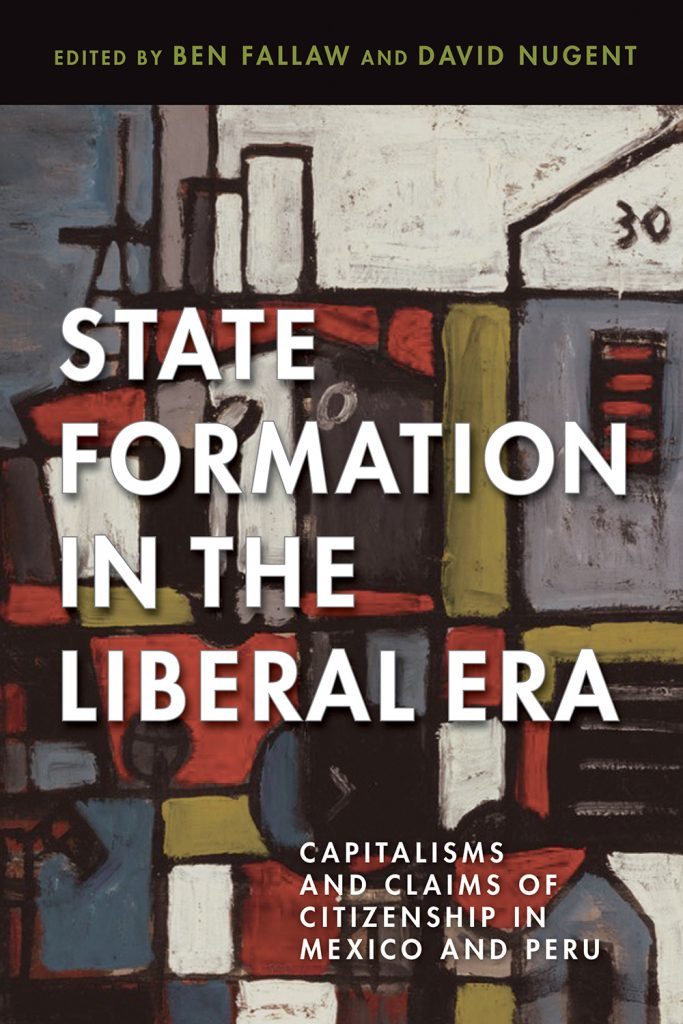
State Formation in the Liberal Eratransforms our understanding of post-colonial Latin America. The volume spans disciplinary and geographic boundaries and offers an insightful look at the tensions between disparate circuits of capital, claims of statehood, and the contested nature of citizenship.
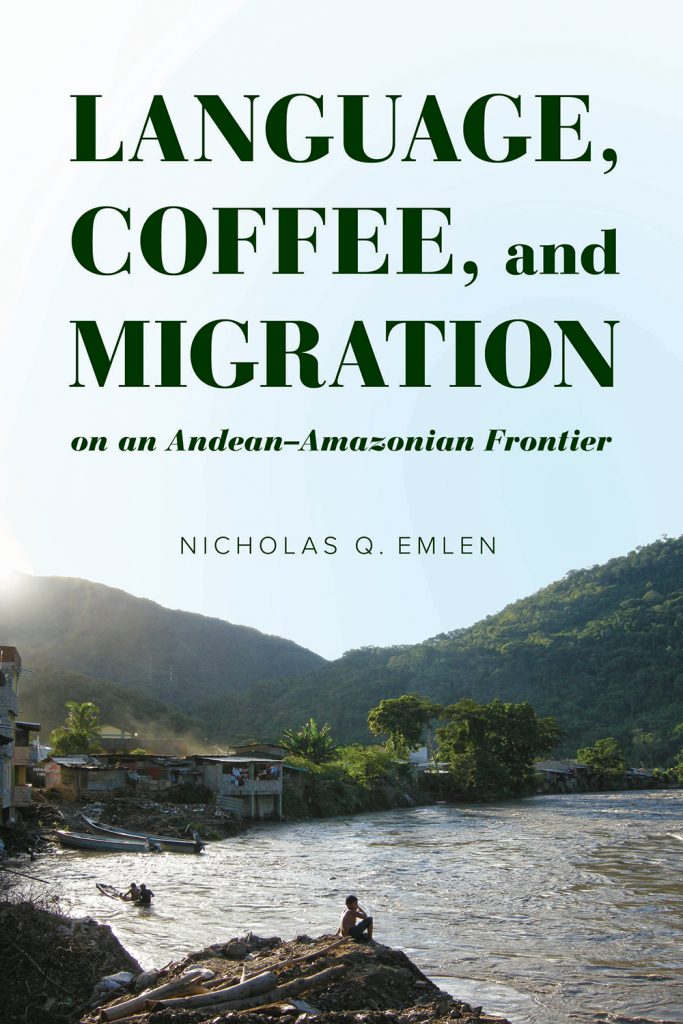
Language, Coffee, and Migration is an ethnography that takes us to remote Amazonian villages, dusty frontier towns, roadside bargaining sessions, and coffee traders’ homes to offer a new view of settlement frontiers as they are negotiated in linguistic interactions and social relationships. The book brings together a fine-grained analysis of multilingualism with urgent issues in Latin America today. It is a timely on-the-ground perspective on the agricultural colonization of the Amazon, which has triggered an environmental emergency threatening the future of the planet.
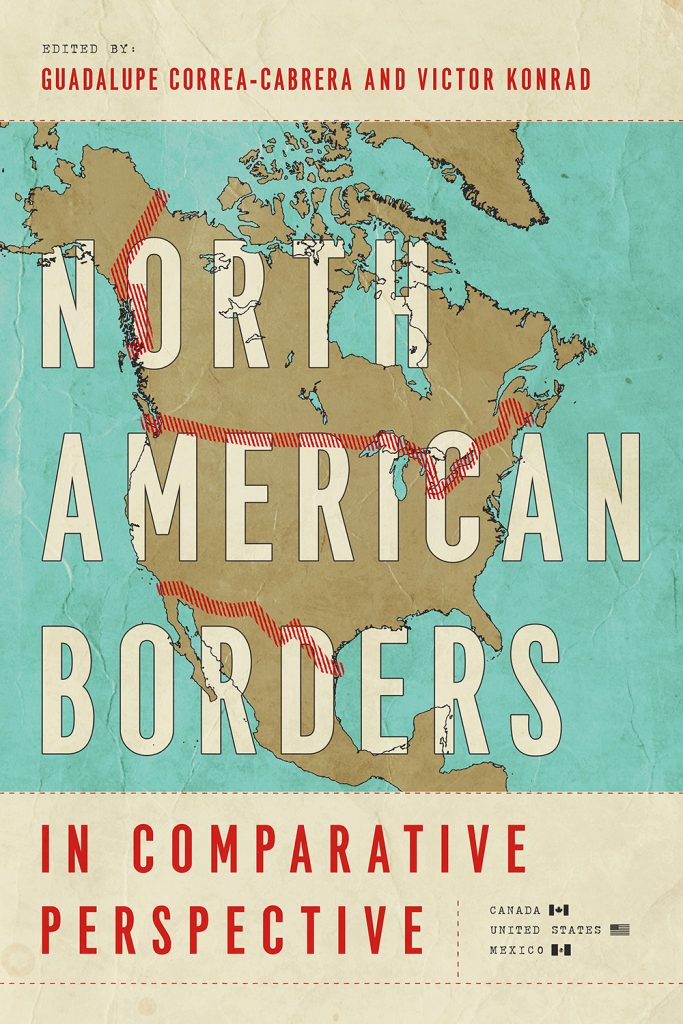
In North American Borders in Comparative Perspective leading scholars provide a contemporary analysis of how globalization and security imperatives have redefined the shared border regions of the United States, Canada, and Mexico.
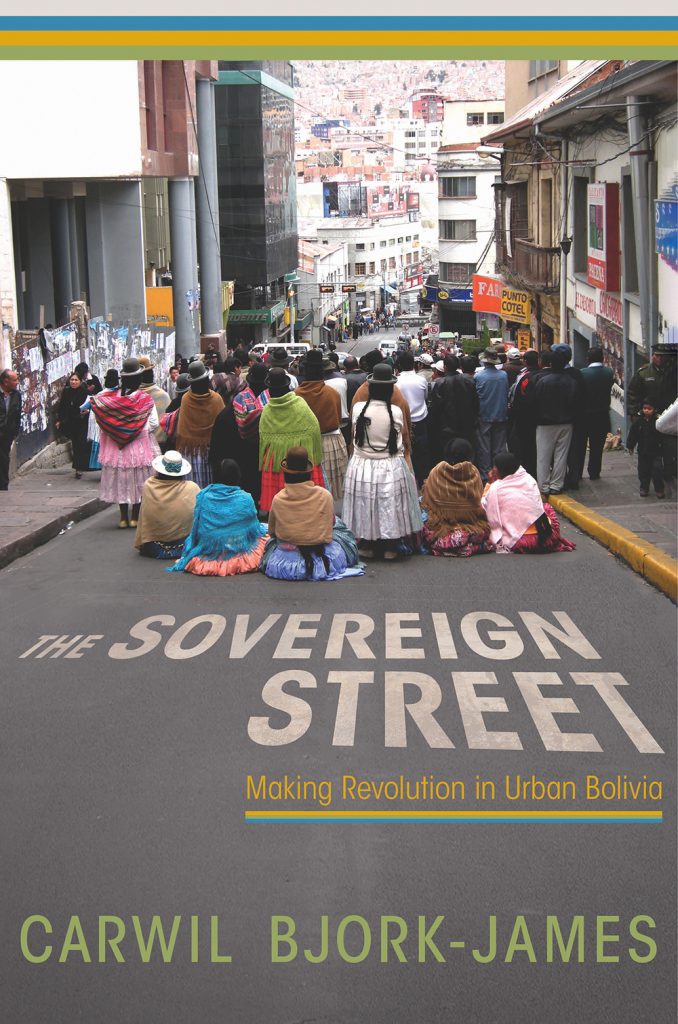
The Sovereign Streetoffers a rare look at political revolution as it happens, showing how mass street protest can change national political life. It documents a critical period in twenty-first century Bolivia, when small-town protests made headlines worldwide, where a generation of pro-globalization policies were called into question, and where the indigenous majority stepped into government power for the first time in five centuries.
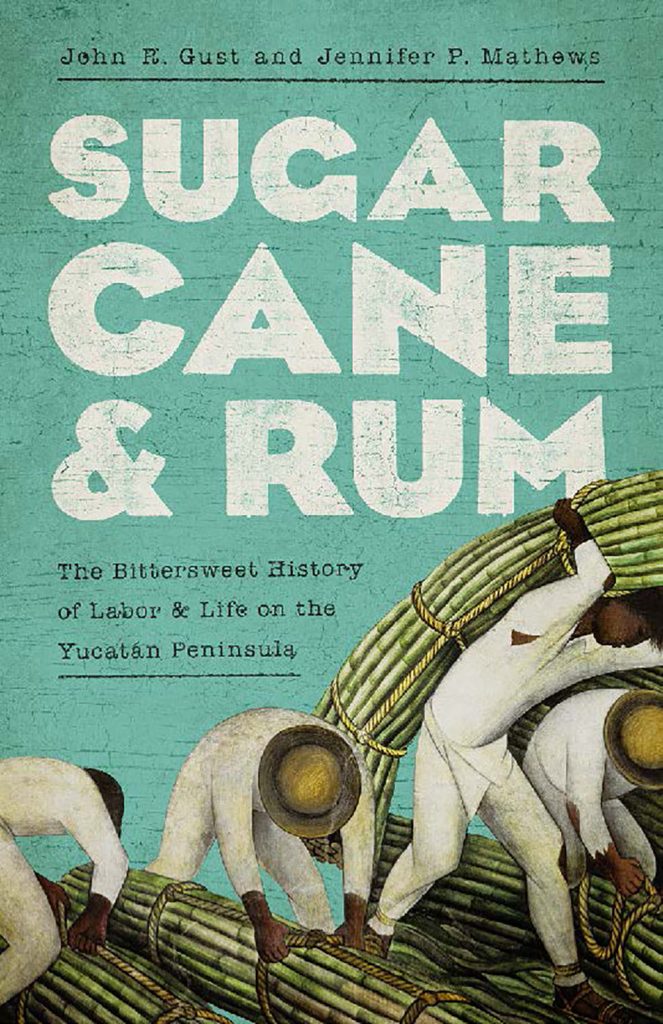
More than a history of coveted commodities, the unique story that unfolds in John R. Gust and Jennifer P. Mathews’s new historySugarcane and Rum is told through the lens of Maya laborers who worked under brutal conditions on small haciendas to harvest sugarcane and produce rum in the Yucatan Peninsula of Mexico.
We are thrilled that Smithsonian Magazine selected Sugarcane and Rum for their weekly reading series! Read an excerpt from the book here.
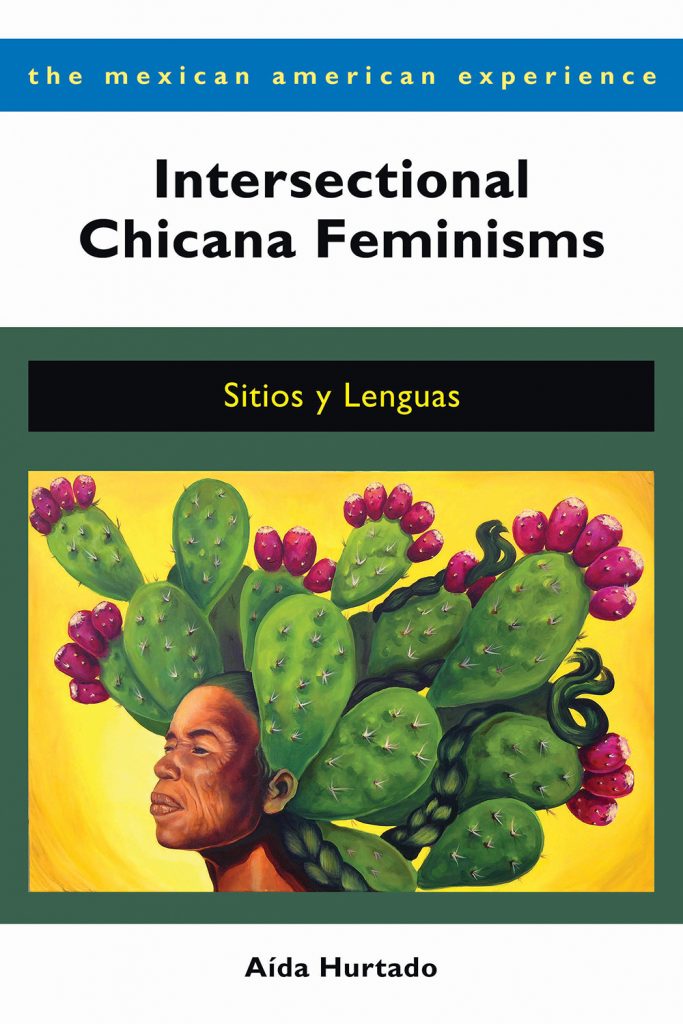
Advocating for and demonstrating the importance of an intersectional, multidisciplinary, activist understanding of Chicanas, Intersectional Chicana Feminismsprovides a much-needed overview of the key theories, thinkers, and activists that have contributed to Chicana feminisms.
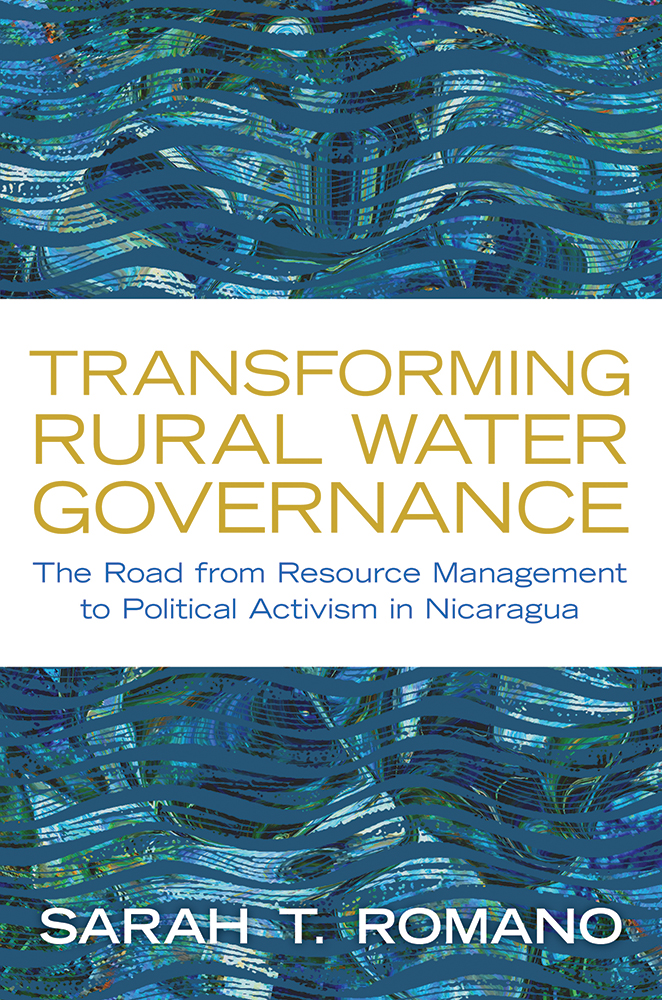
In Transforming Rural Water Governance, Sarah T. Romano explains the bottom-up development and political impact of community-based water and sanitation committees (CAPS) in Nicaragua. Romano traces the evolution of CAPS from rural resource management associations into a national political force through grassroots organizing and strategic alliances.
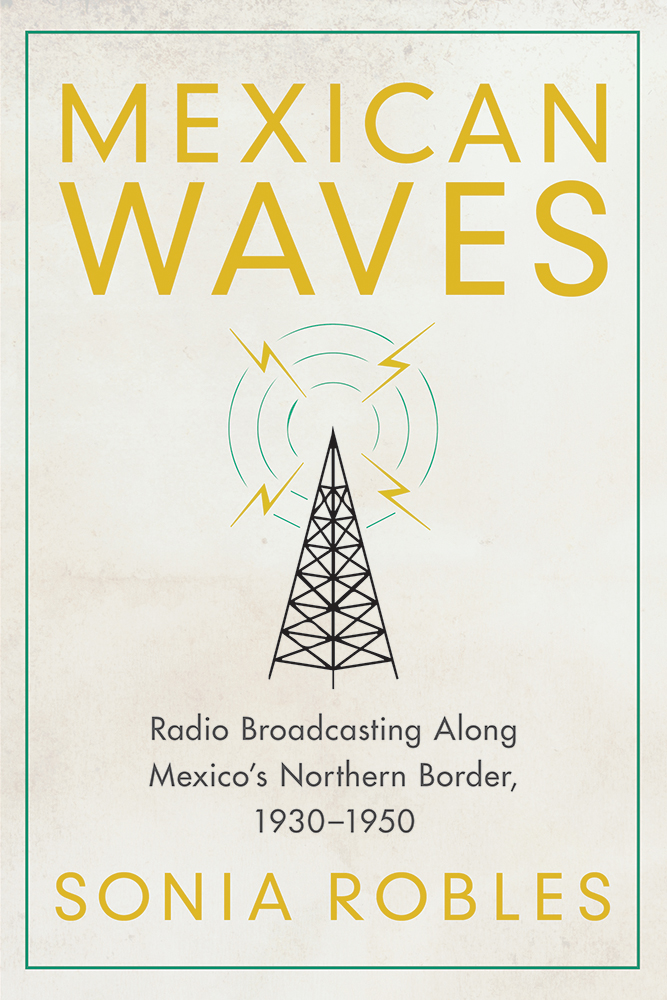
Mexican Waves takes us to a time before the border’s militarization, when radio entrepreneurs, listeners, and artists viewed the boundary between the United States and Mexico the same way that radio waves did—as fluid and nonexistent. Author Sonia Robles explains how Mexican radio entrepreneurs targeted the Mexican population in the United States decades before U.S. advertising agencies realized the value of the Spanish-language market and demonstrates Mexico’s role in shaping the borderlands.
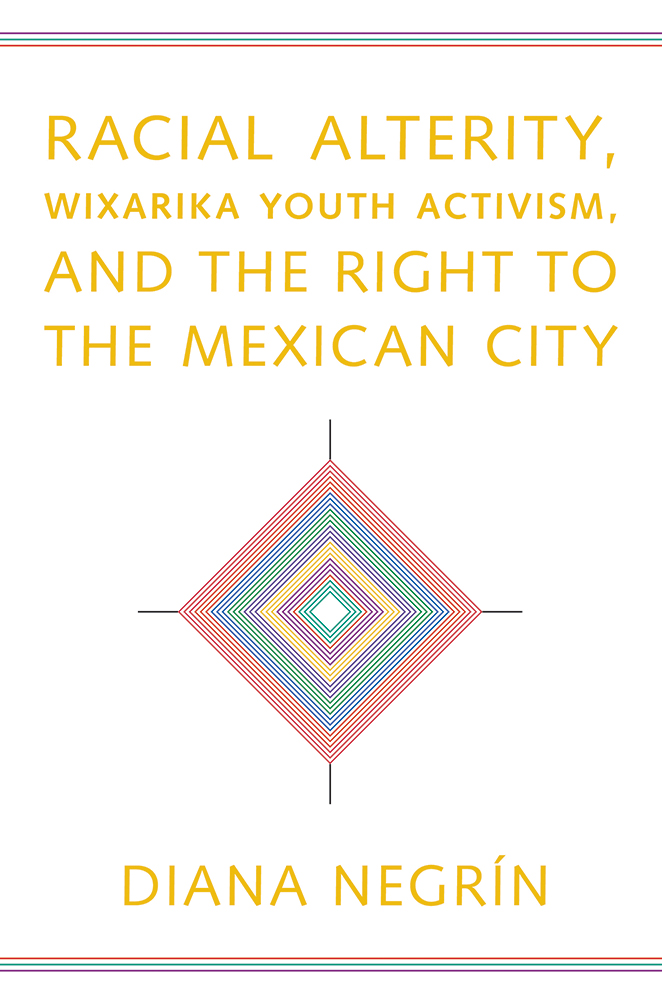
Utilizing archival and ethnographic research,Racial Alterity, Wixarika Youth Activism, and the Right to the Mexican Cityexplores the construction of racial and ethnic imaginaries in the western Mexican cities of Guadalajara and Tepic, and the ways in which these imaginaries shape the contemporary experiences and activism of Wixarika (Huichol) Indigenous university students and professionals living, studying, and working in these two cities.
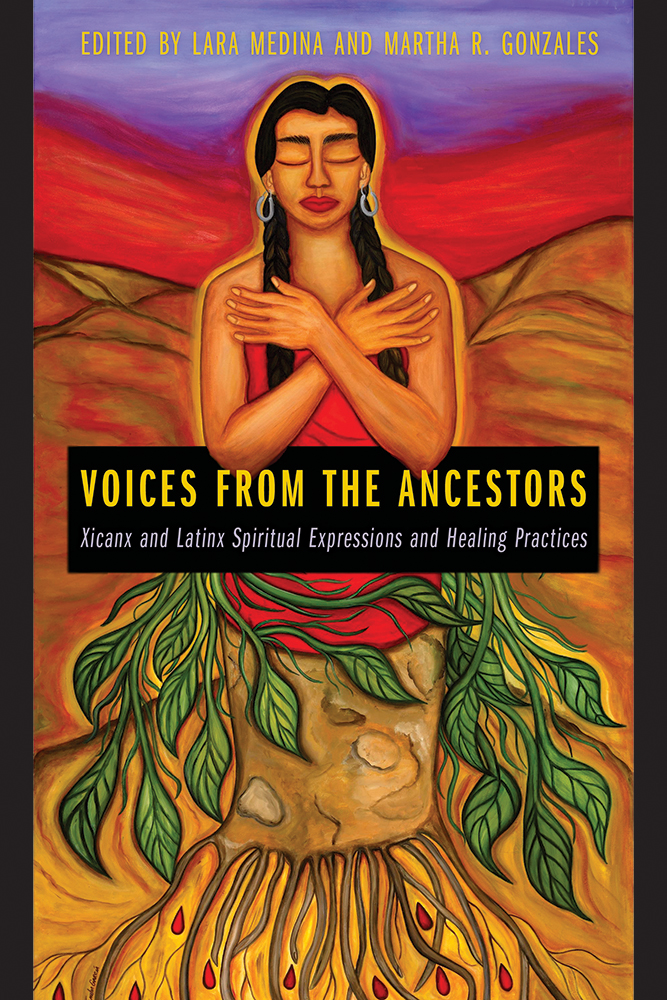
Reclaiming and reconstructing one’s spirituality based on non-Western epistemologies is central to the process of decolonization.Voices from the Ancestorsbrings together reflective writings and spiritual practices by Chicanx, Latinx, and Afro-Latinx womxn and male allies in the United States who seek to heal from the historical traumas of colonization by returning to ancestral traditions and knowledge.
Read an interview with the editors here, then watch a recorded virtual event for the book here.
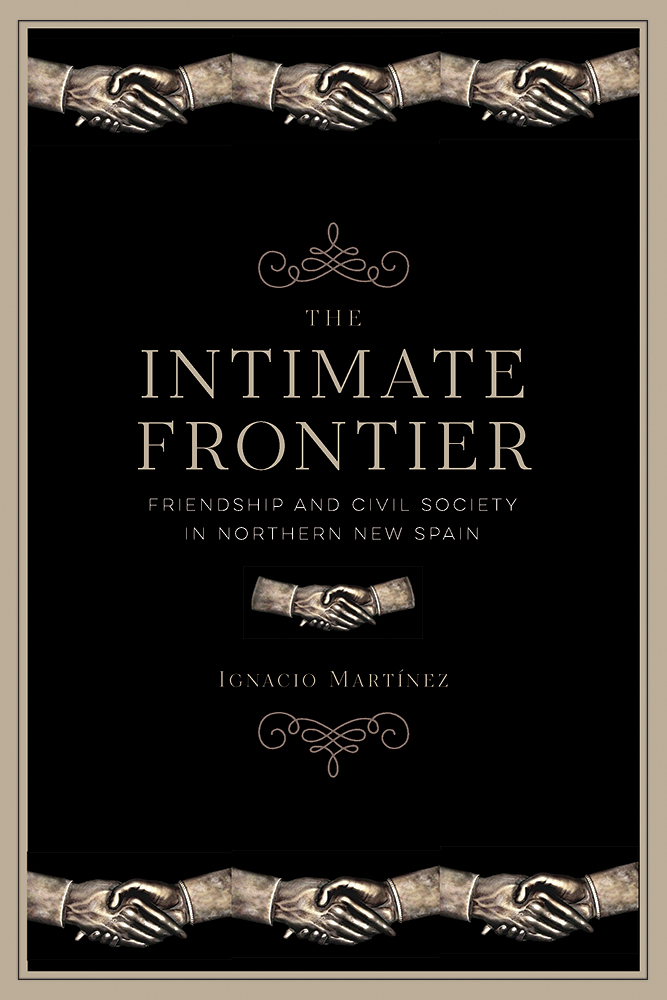
Building on the most recent scholarship in borderlands history, The Intimate Frontier is an intellectual and social history that explores the immensely complex web of interpersonal relationships and layers of emotional sophistication inherent among frontier communities.
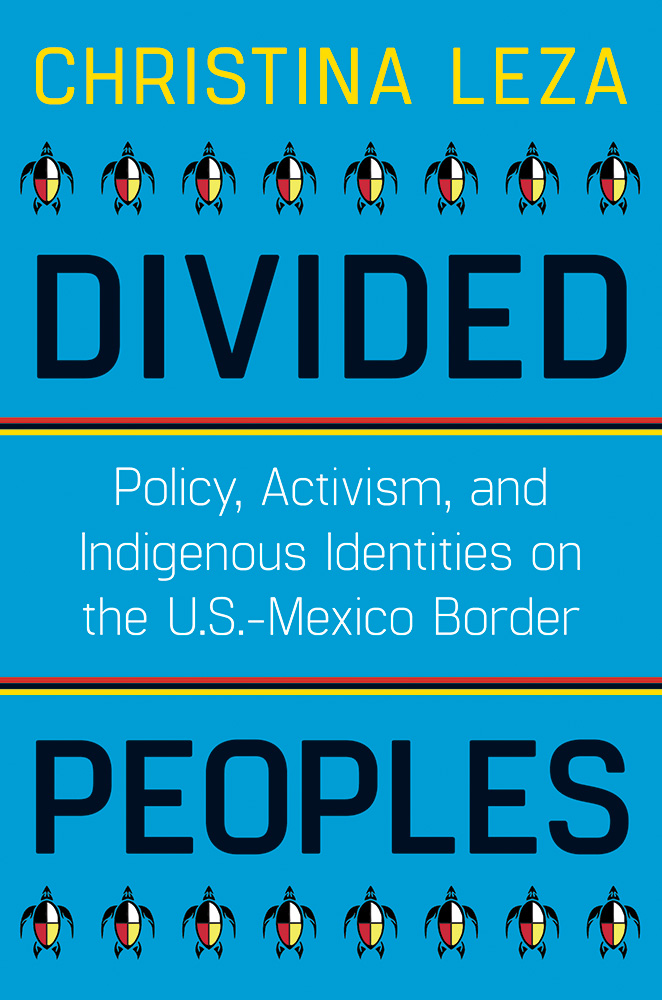
Divided Peoples addresses the impact border policies have on traditional lands and the peoples who live there—whether environmental degradation, border patrol harassment, or the disruption of traditional ceremonies. Anthropologist Christina Leza shows how such policies affect the traditional cultural survival of Indigenous peoples along the border. The author examines local interpretations and uses of international rights tools by Native activists, counter-discourse on the U.S.-Mexico border, and challenges faced by Indigenous border activists when communicating their issues to a broader public.
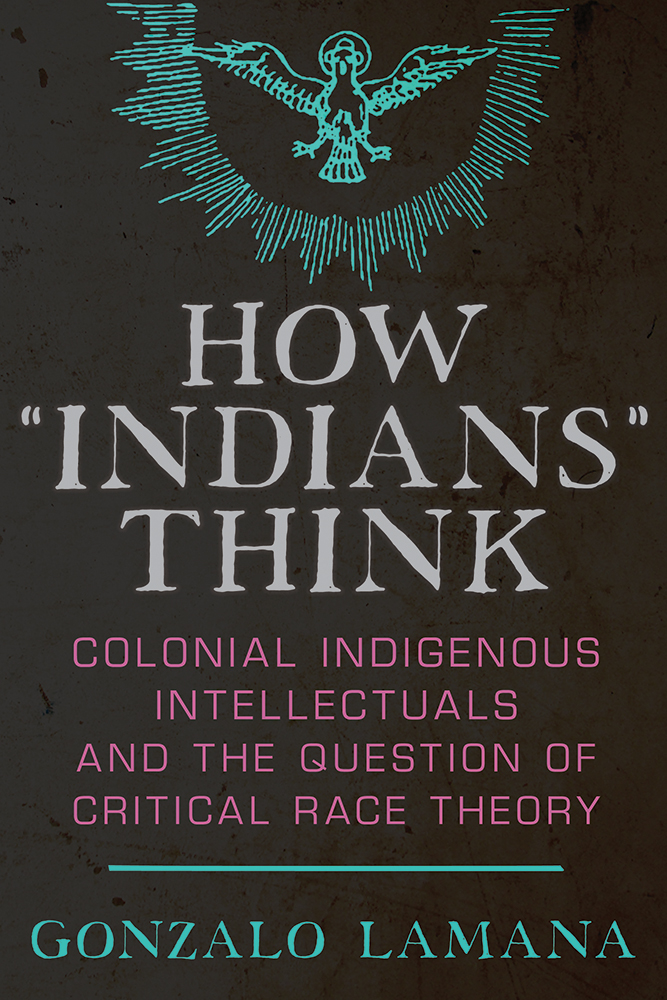
How “Indians” Think shines light on Indigenous perspectives of Spanish colonialism through a novel interpretation of the works of the two most important Amerindian intellectuals in the Andes, Felipe Guaman Poma de Ayala and Garcilaso de la Vega, el Inca. Departing from the predominant scholarly position that views Indigenous-Spanish relations as the clash of two distinct cultures, Gonzalo Lamana argues that Guaman Poma and Garcilaso were the first Indigenous activist intellectuals and that they developed post-racial imaginaries four hundred years ago.
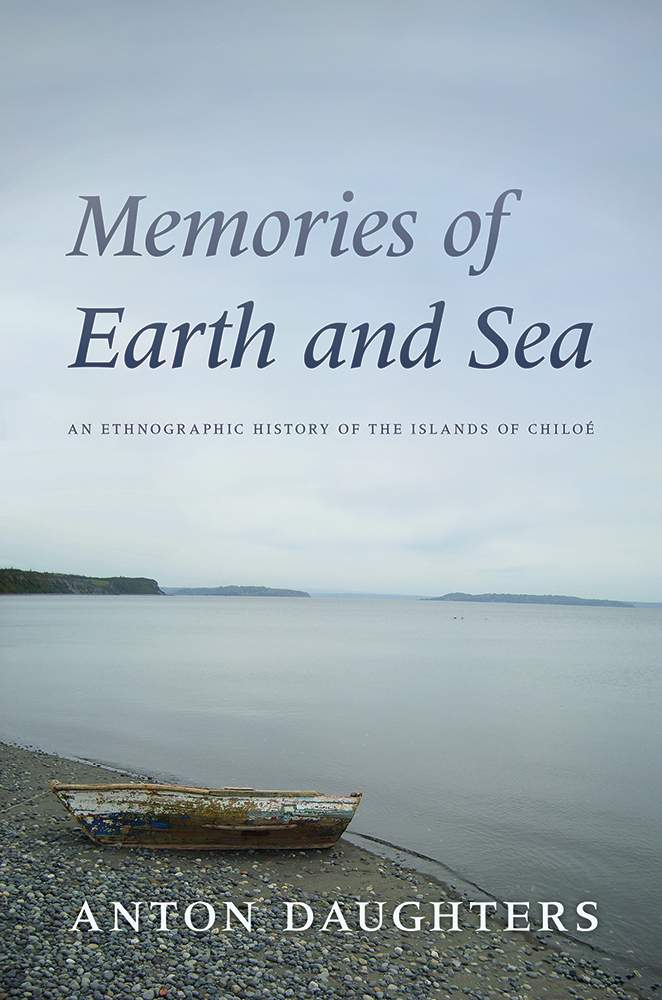
Memories of Earth and Sea explores the daily struggles of islanders living in one of South America’s most culturally distinct regions: the Chiloé Archipelago. Connecting the early history of the islands with the industrialization of the last forty years, the book presents a unique study of large-scale economic changes and the impact these can have on the memories and the collective identity of a people.
Detours is an attempt to crack cultural imperialism by bringing forth the personal as political in academia and research. Speaking from the intersection of race, class, and gender, the contributors explore the hubris and nostalgia that motivate returning again and again to a particular place. Through personal stories, they examine their changing ideas of Latin America and the Caribbean and how those places have shaped the people they’ve become, as writers, as teachers, and as activists.
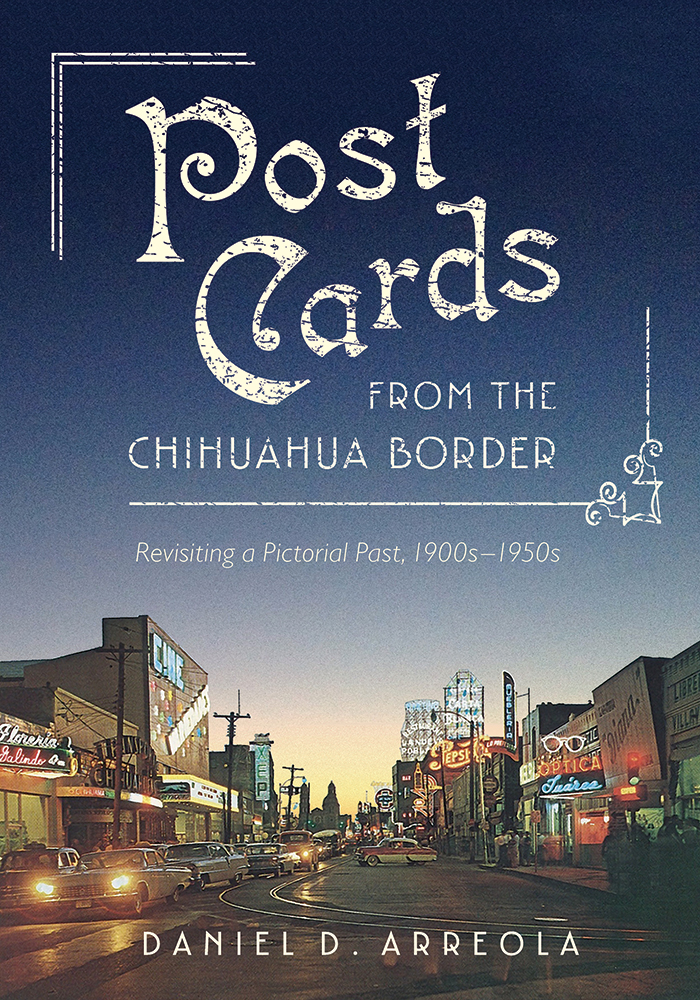
Daniel D. Arreola’sPostcards from the Chihuahua Border is a colorful and dynamic visual history of Mexico’s northern border. Drawing on more than three decades of archival work, Arreola invites the reader to time travel, to revisit another era—the first half of the last century—when the border towns of Ciudad Juárez, Ojinaga, and Palomas were framed and made popular through picture postcards.
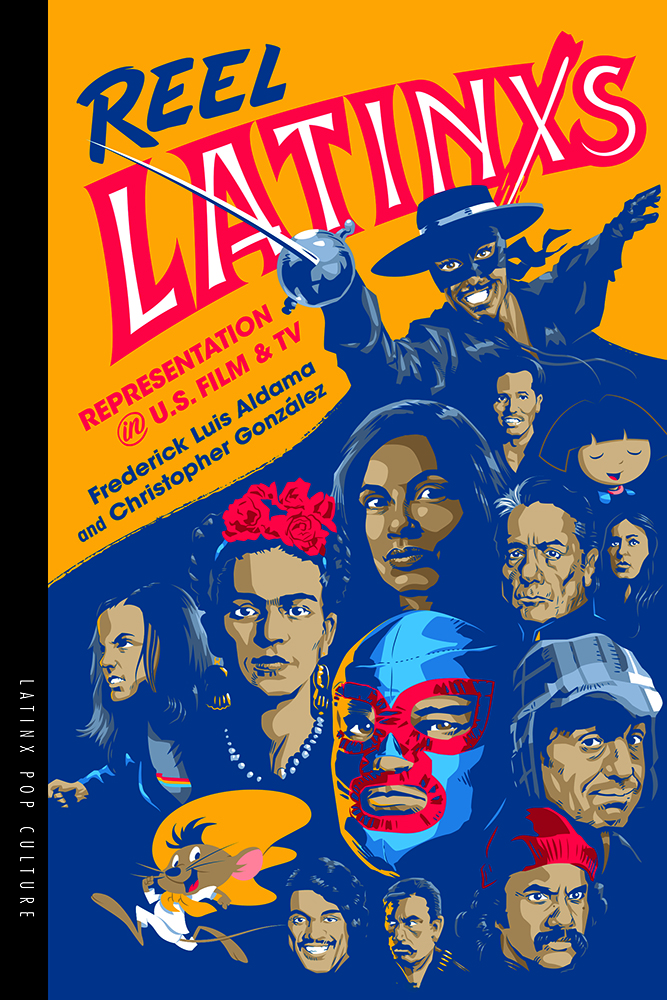
In Reel Latinxs, experts in Latinx pop culture Frederick Luis Aldama and Christopher González explain the real implications of Latinx representation in mainstream TV and film. They also provide a roadmap through a history of mediatized Latinxs that rupture stereotypes and reveal nuanced reconstructions of Latinx subjectivities and experiences.
Read a conversation between Christopher and Frederick here, then watch a video discussion here.
Latinx Ciné in the Twenty-First Century is a timeless volume that is a significant analysis of the burgeoning field of Latinx filmmaking. Editor Frederick Luis Aldama has gathered together some of the best writing on Latinx ciné in the twenty-first century. Today’s filmmakers show the world a rich Latinidad informed by a complexly layered culture replete with history, biography, and everyday experiences.
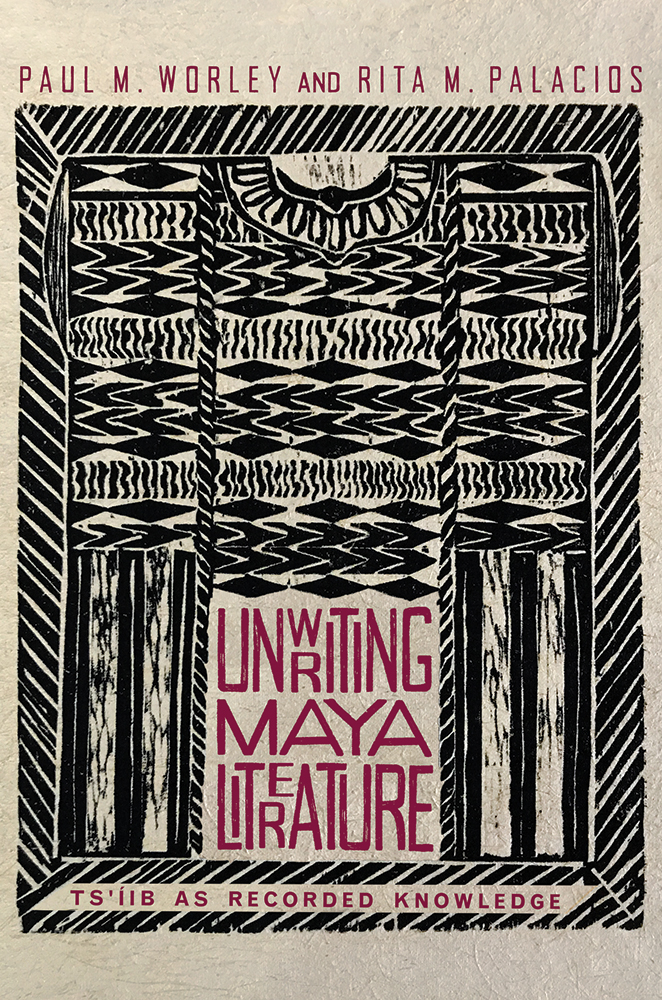
Unwriting Maya Literature provides an important decolonial framework for reading Maya and other Indigenous texts. Through insightful analyses of Maya cultural productions—whether textiles or poetry—this perspective offers a point of departure for the study of Maya literature and art that is situated in an Indigenous way of performing the act of reading.
We are so thrilled that Unwriting Maya Literature was awarded an honorable mention for the LASA Mexico Section award this year! Listen to these podcasts about the book.
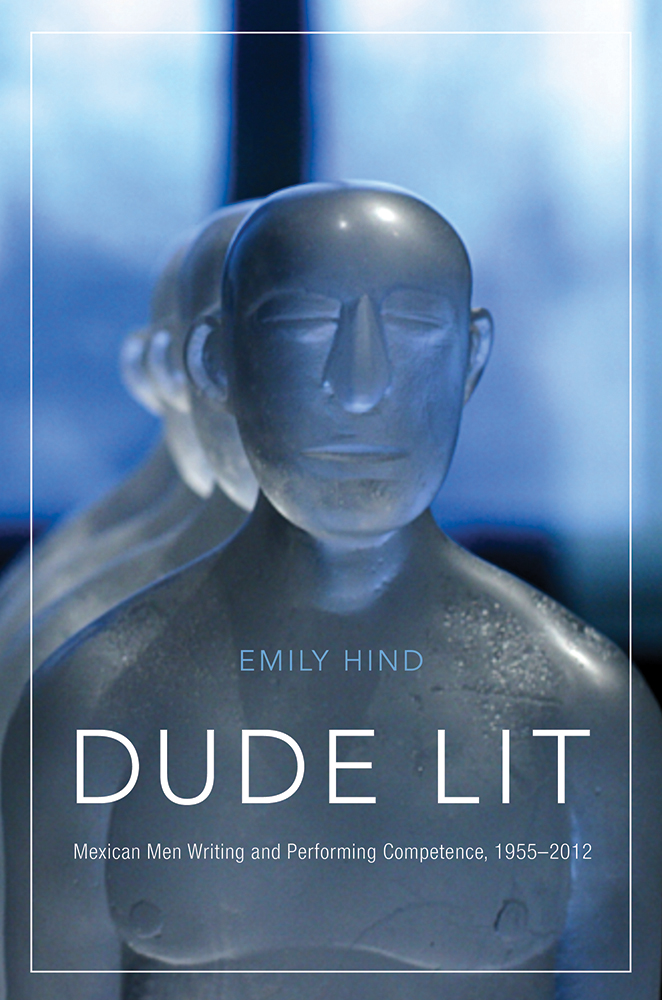
How did men become the stars of the Mexican intellectual scene? Dude Lit examines the tricks of the trade and reveals that sometimes literary genius rests on privileges that men extend one another and that women permit. Drawing on interviews, archival materials, and critical readings, this provocative book changes the conversation on literature and gendered performance.
In March in response to stay-at-home orders to slow the spread of COVID-19 the University of Arizona Press quickly and nimbly shifted focus from in-person to digital events.
We dove into the world of Zoom and live-stream events with our authors across the country. We hosted a series of conversations with our authors, where they shared their poetry, scholarship, and insights into how they crafted their work. If you didn’t have a chance to join us for our panels and conversations, here’s a rundown, really a virtual online celebration of what we love most–books and scholars:
We are already planning for our next season. Take a look at our Fall 2020 catalog here. We can’t wait to continue our important work, connecting our authors with readers.
Latinx pop culture guru Frederick Luis Aldama, contemplates streaming platforms in his latest on Latinx Spaces.
In “I Want My Incredible Shrinking Screen: Latinx Televisual Storytelling in the Age of Our Planetary Lockdown,” the co-editor of the University of Arizona Press Latinx Pop Culture series, dives into the ever-changing ways of streaming television offerings. You can read the entire essay here.
Today’s streaming platforms, webisodes, and audio-visual narratives created to be consumed on smartphones and laptops constitute also a layer-cake moment. We have all variety of creators making webisodes with story and aesthetics front and center. And, we have those who are creating audio-visual narratives for quick-fix, drop-and-go consumption. Netflix has plenty of these, and, also those that use the streaming platform as, well, disposable gimmick. I think of that Black Mirror episode, “Bandersnatch” where viewers could click-click their laptop, tablet, or lap-top screen on the protagonists everyday decisions to alter the plot outcome. But also we have a vital cross-flow of learning across these differently willfully shaped creative spaces.
In this vital cross-flow of learning and sharing new aesthetics are emerging—as well as co-creating practices. I don’t have to wait a week for another episode of Mr. Iglesias or One Day at a Time. I can binge two, three, four episodes at a time. This also means that the cliffhanger device is no longer needed to keep us interested, freeing writers and showrunners to create bigger story arcs, for instance.
These new nodes of new creation and distribution technologies are birthing a new artform. And, with this renaissance we’re also seeing the rise in visibility of content otherwise relegated to the margins. I think readily of LGBTQ+ narratives such as The F Word, Her Story, The Gay and Wondrous Life of Caleb Gallo.
Of course, these non-network and non-cable spaces have proved a breath of vital air for Latinx storytelling: QUIERO, Hello College, It’s Me, Lupita!, Brujos,and Muy Excited, featured in Latinx Spaces (October 17, 2017). Recall that Netflix’s Gentefied begun as the super-edgy YouTube webseries, Gente-fied. It’s in these spaces that we see complex narratives of Latinx identities, experiences, and subjectivities.
For this week’s free e-Book of the Week, we’re featuring our commitment to publishing important works in Indigenous studies by offering Eating the Landscape by Enrique Salmónfor free download from our website.
“Eating is not only a political act, it is also a cultural act that reaffirms one’s identity and worldview,” Enrique Salmon writes in Eating the Landscape. Traversing a range of cultures, including the Tohono O’odham of the Sonoran Desert and the Rarámuri of the Sierra Tarahumara, the book is an illuminating journey through the southwest United States and northern Mexico. Salmon weaves his historical and cultural knowledge as a renowned indigenous ethnobotanist with stories American Indian farmers have shared with him to illustrate how traditional indigenous foodways—from the cultivation of crops to the preparation of meals—are rooted in a time-honored understanding of environmental stewardship.
Download from our online shopping cart here. Available until 5/21/2020. Discount code is AZSALMON20.
“Salmón’s lineage serves as the touchstone for this episodic volume, each chapter of which introduces the reader to a different mode of traditional land stewardship.”—Publishers Weekly
“An intimate geographical and cultural journey.”—AlterNative
The University of Arizona Press publishes the work of leading scholars from around the globe. Learn more about submitting a proposal, preparing your final manuscript, and publication.
The University of Arizona Press is proud to share our books with readers, booksellers, media, librarians, scholars, and instructors. Join our email Newsletter. Request reprint licenses, information on subsidiary rights and translations, accessibility files, review copies, and desk and exam copies.
Support a premier publisher of academic, regional, and literary works. We are committed to sharing past, present, and future works that reflect the special strengths of the University of Arizona and support its land-grant mission.
 The University of Arizona Press