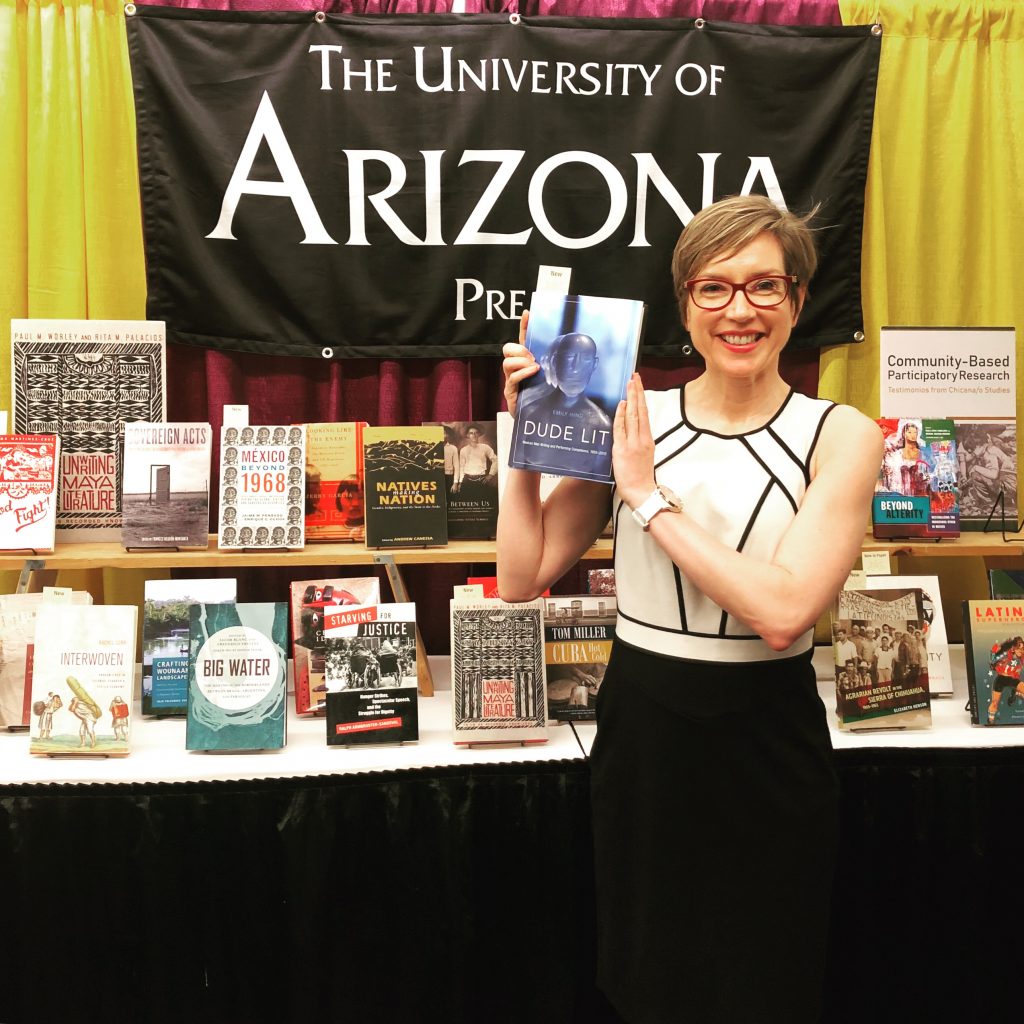
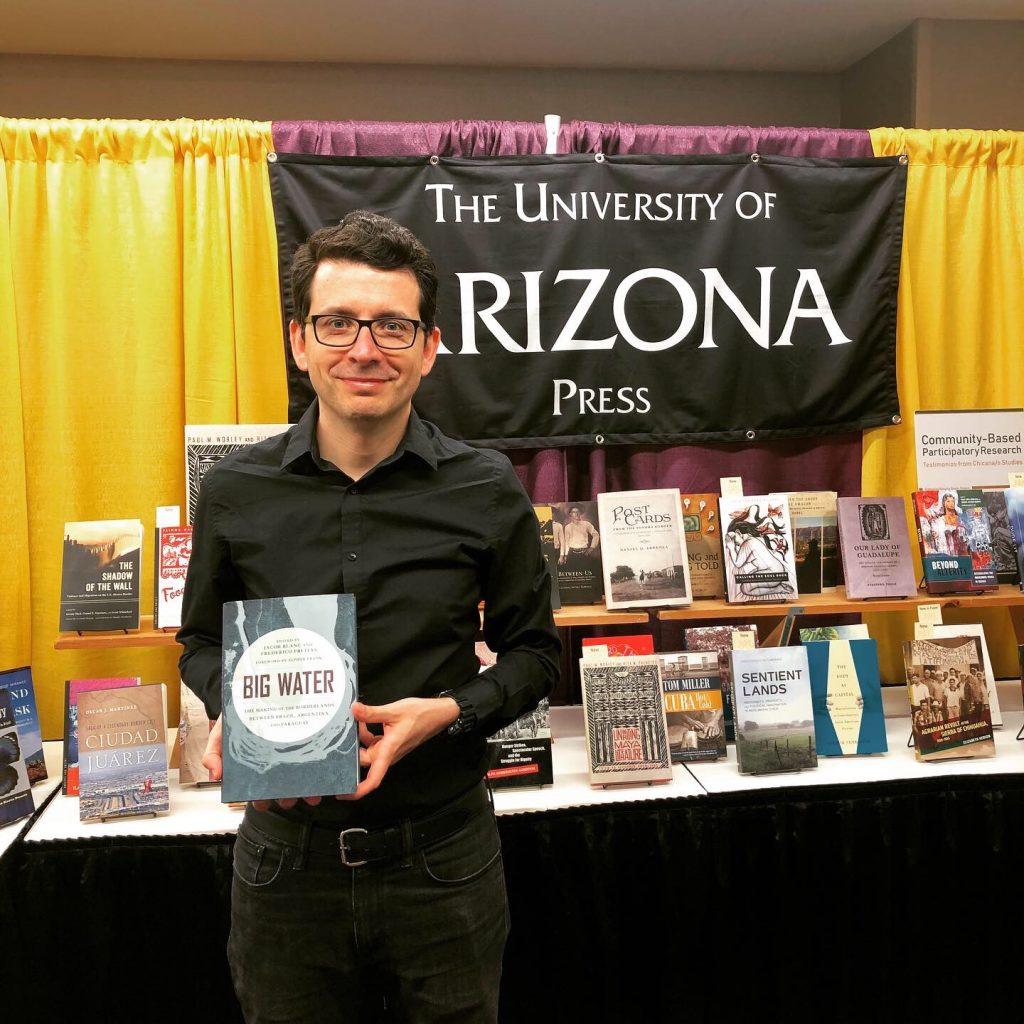
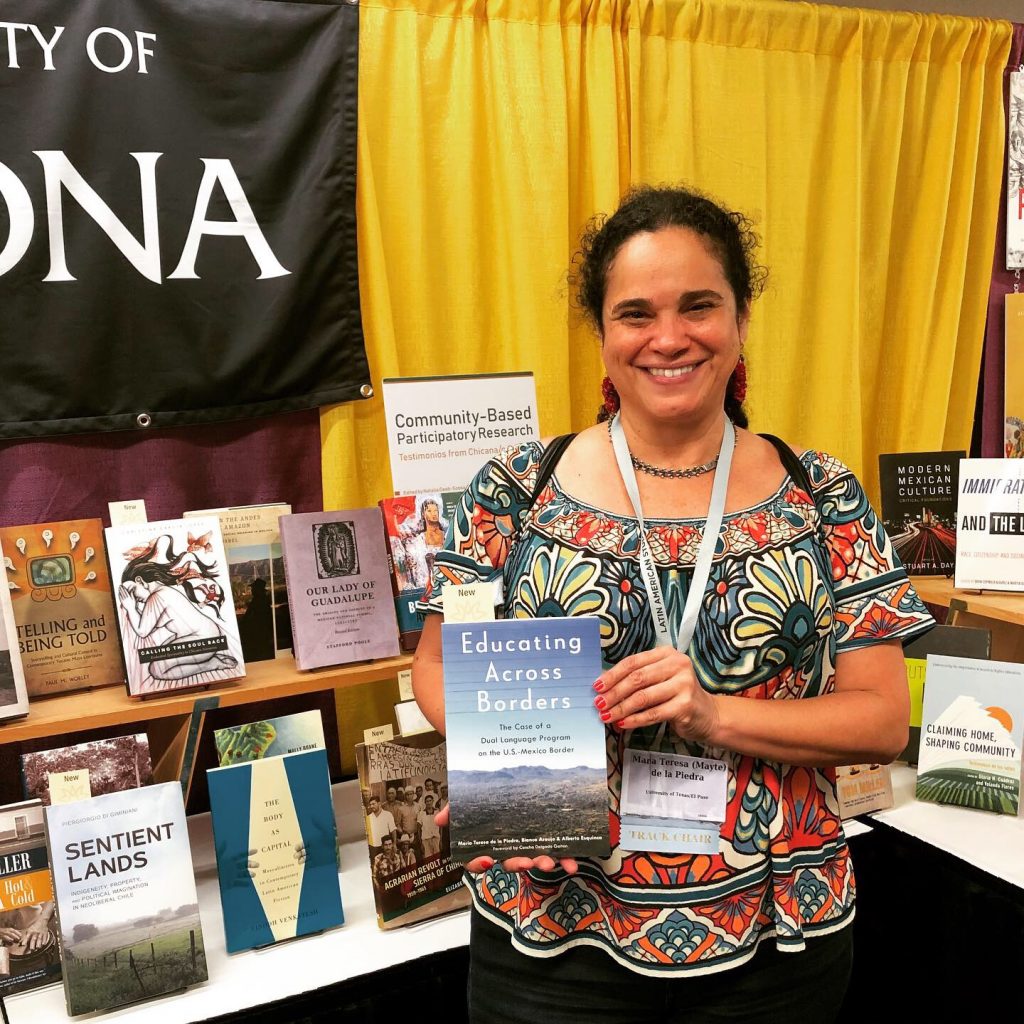
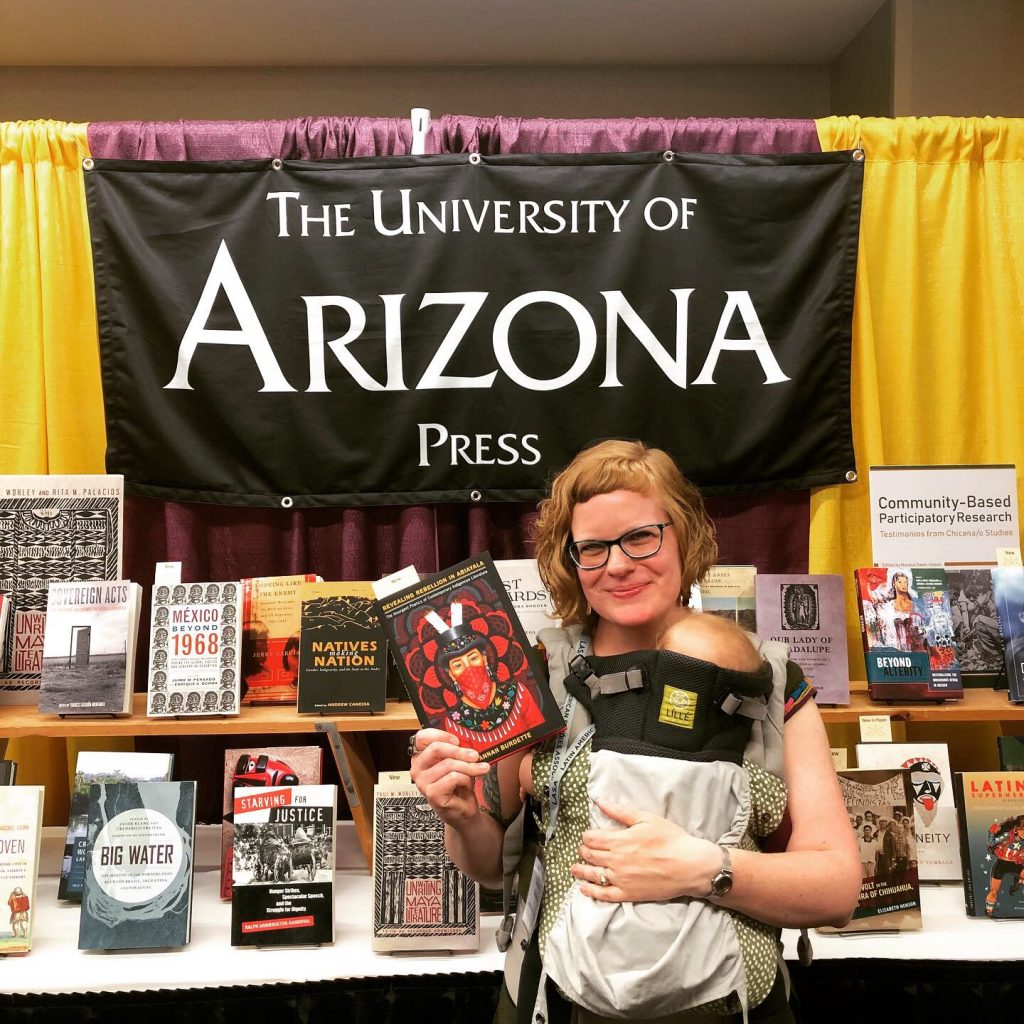
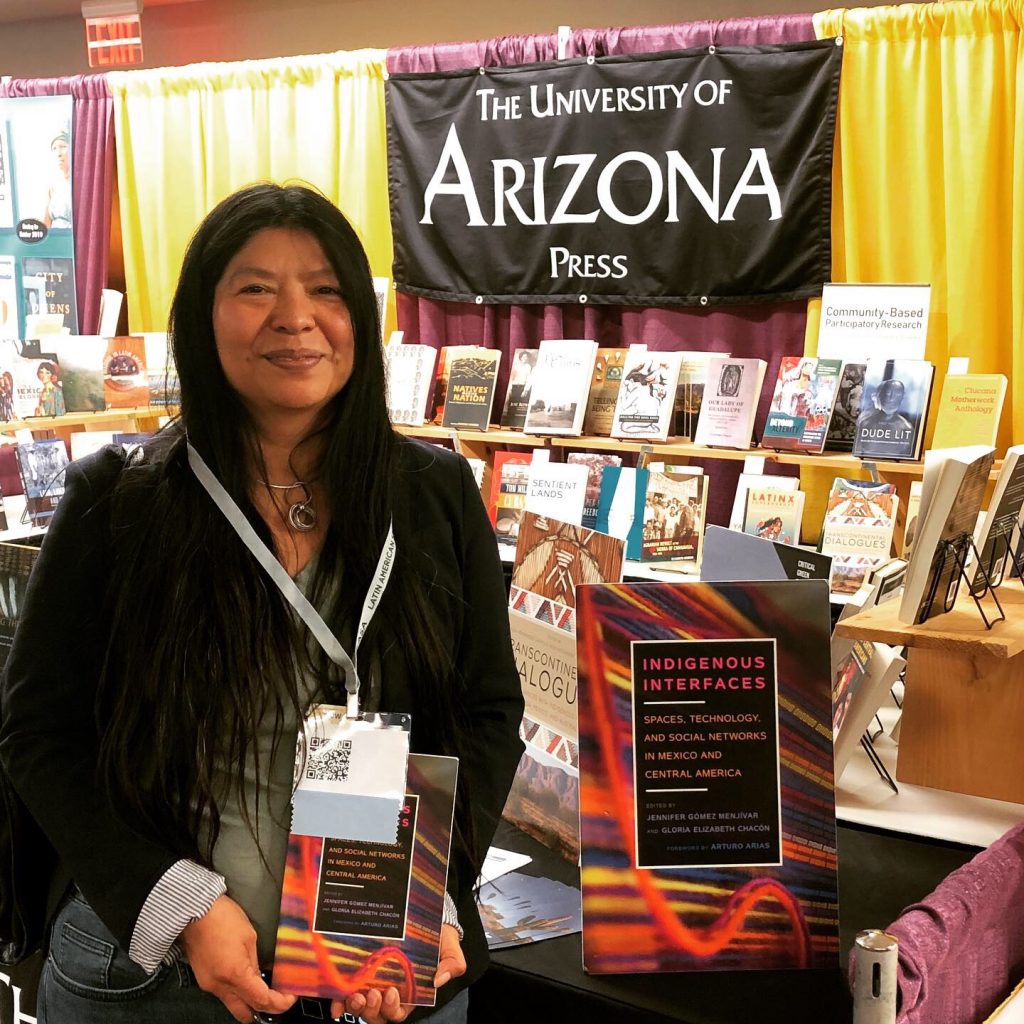
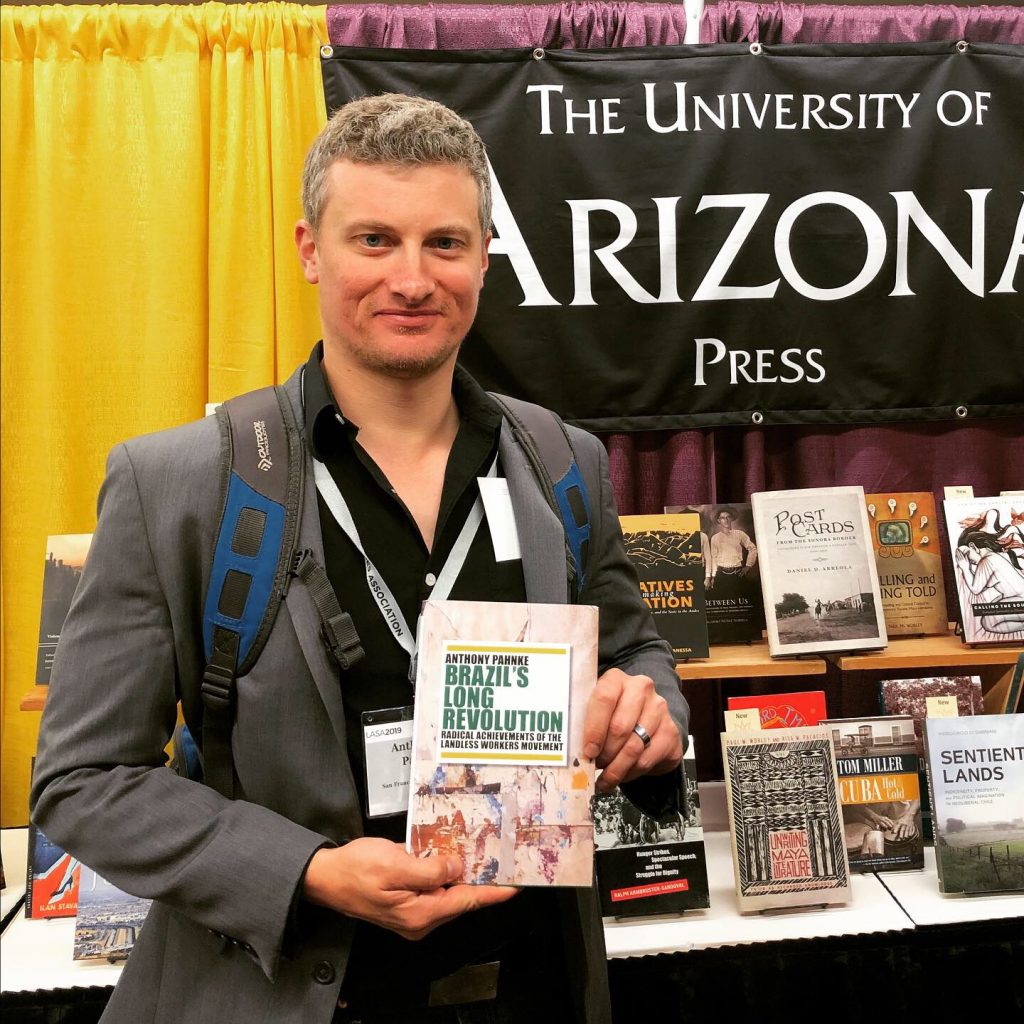
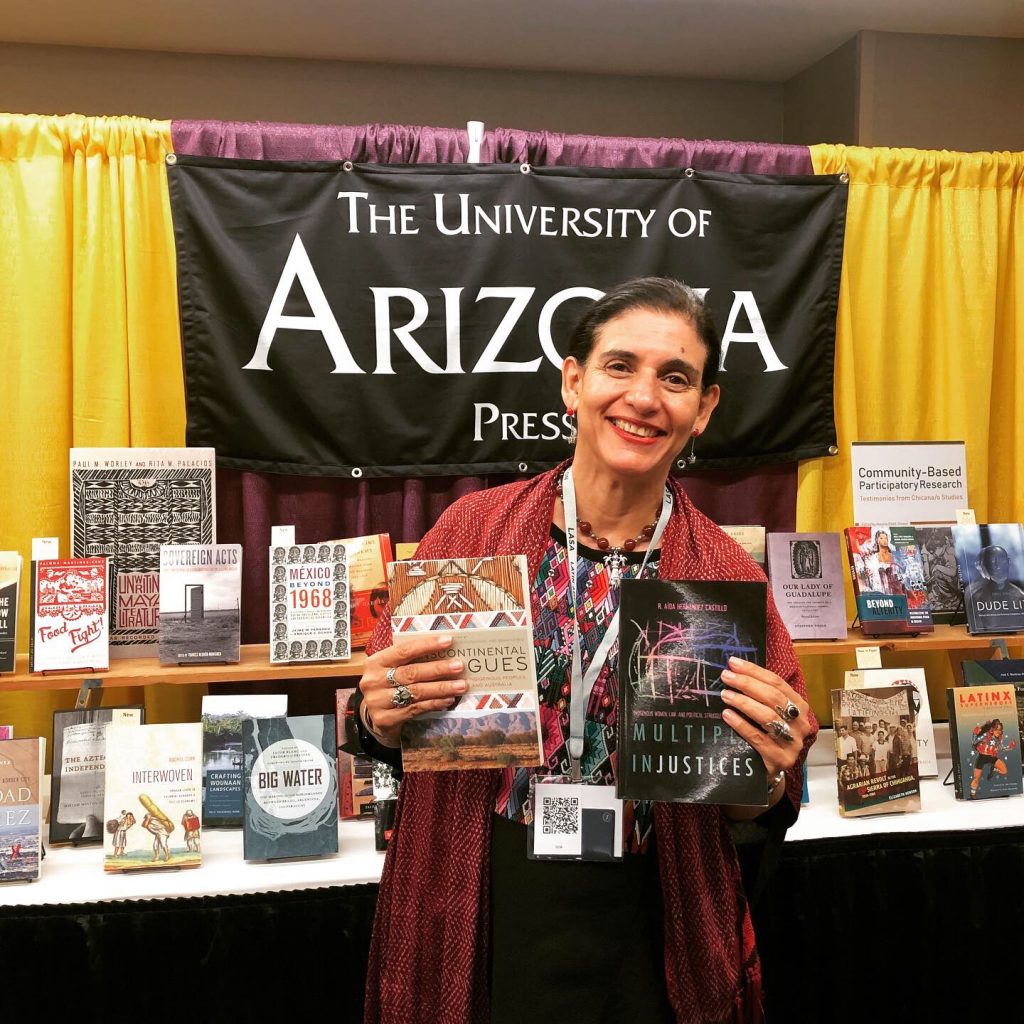
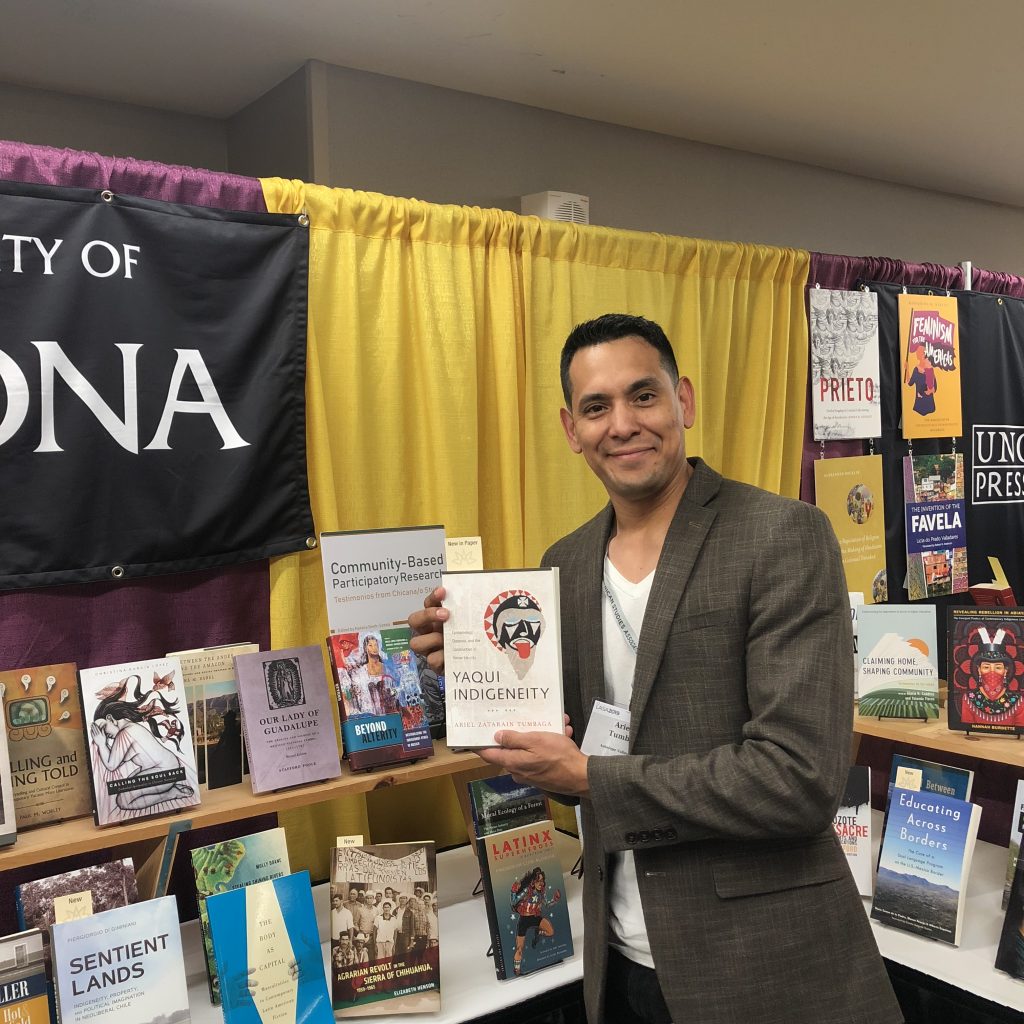
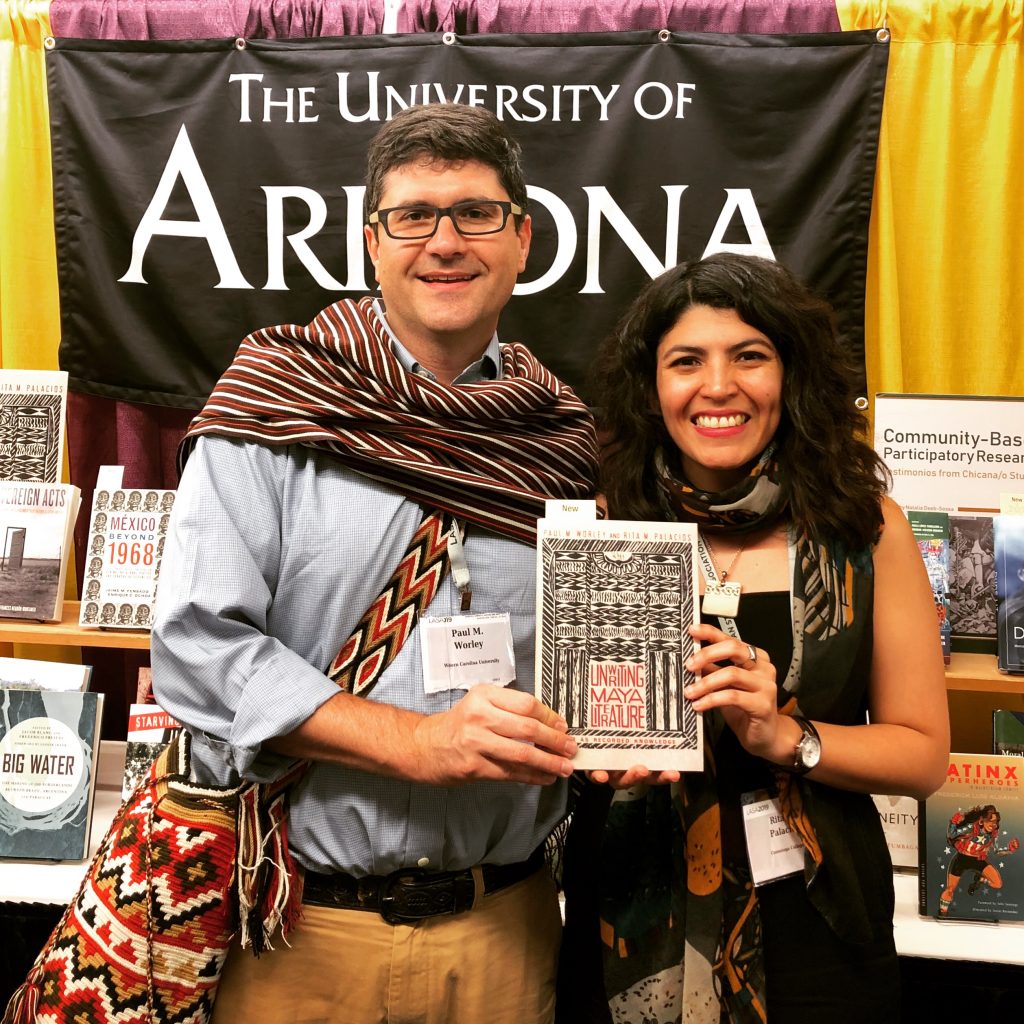
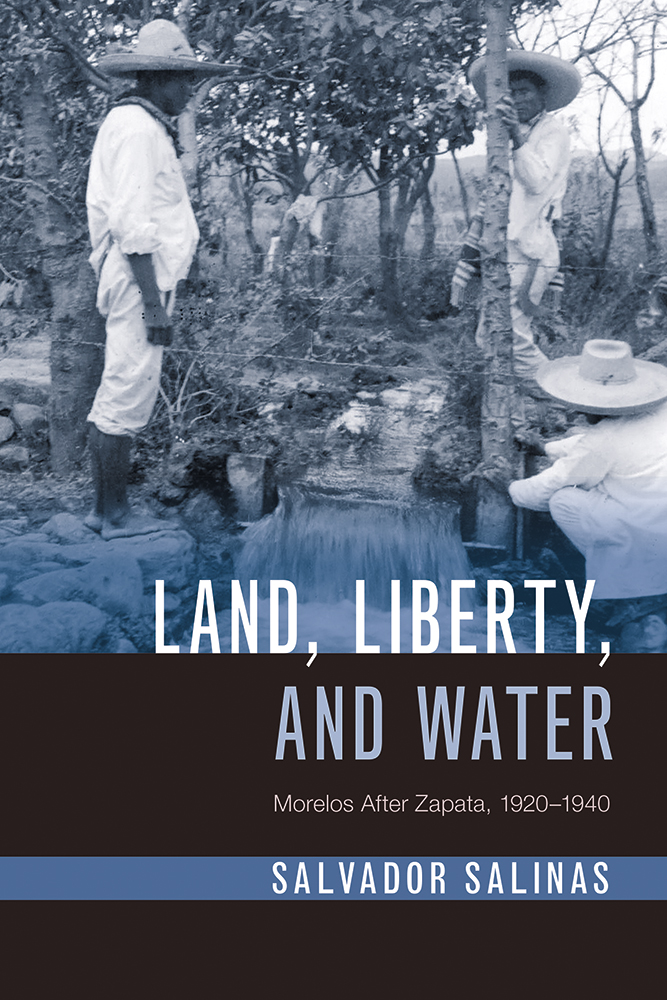
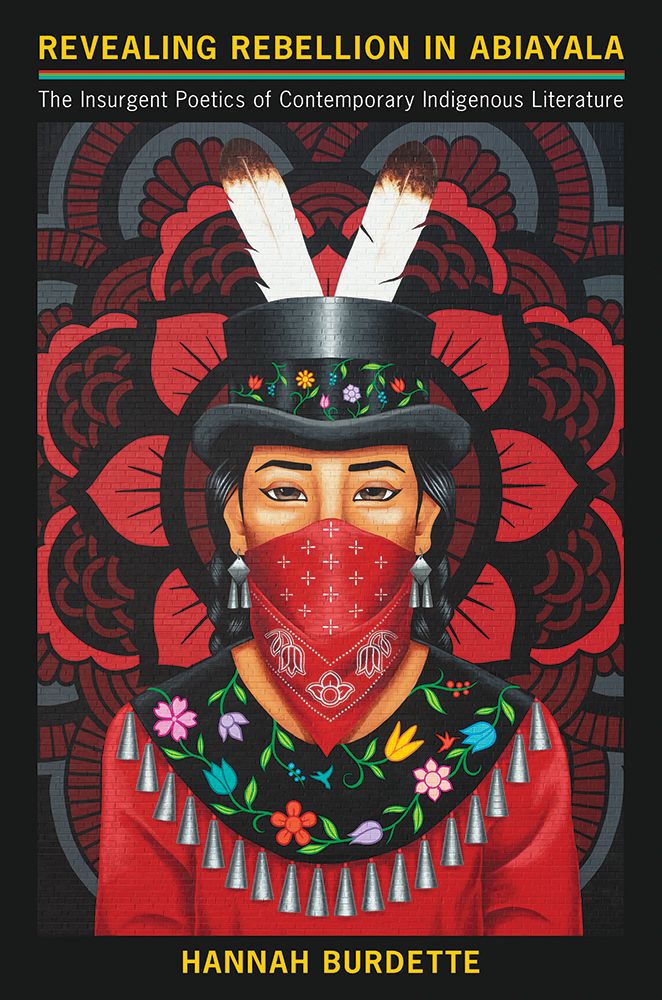
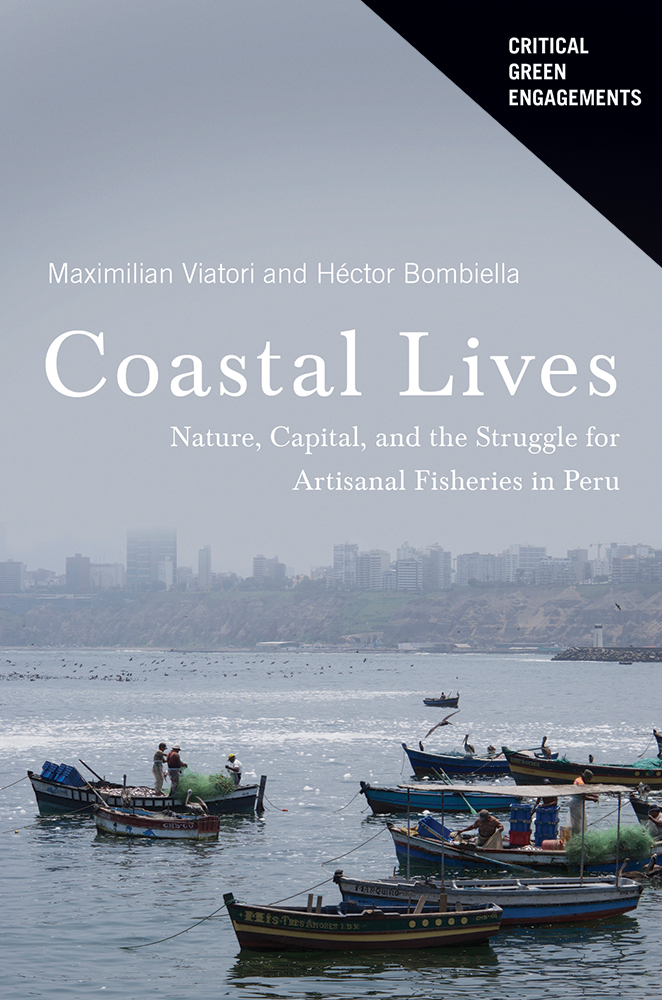
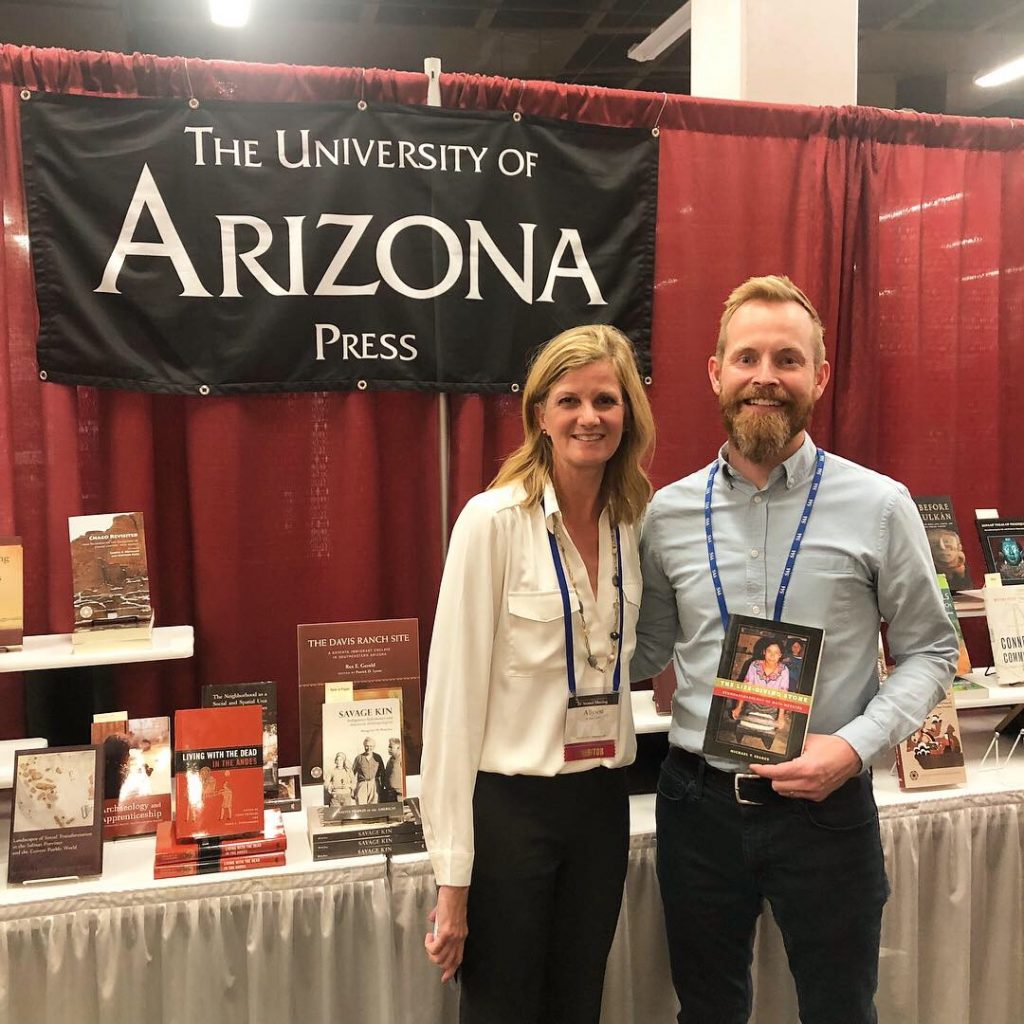
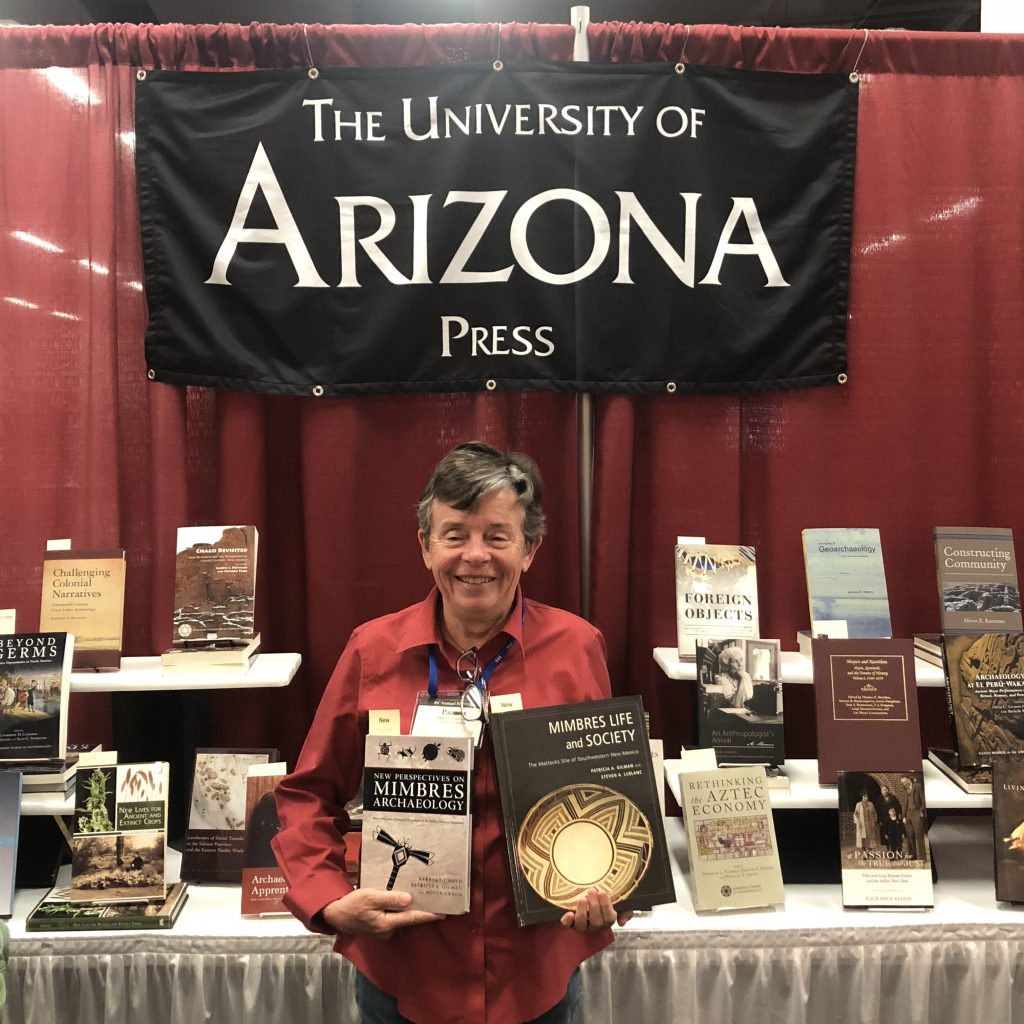
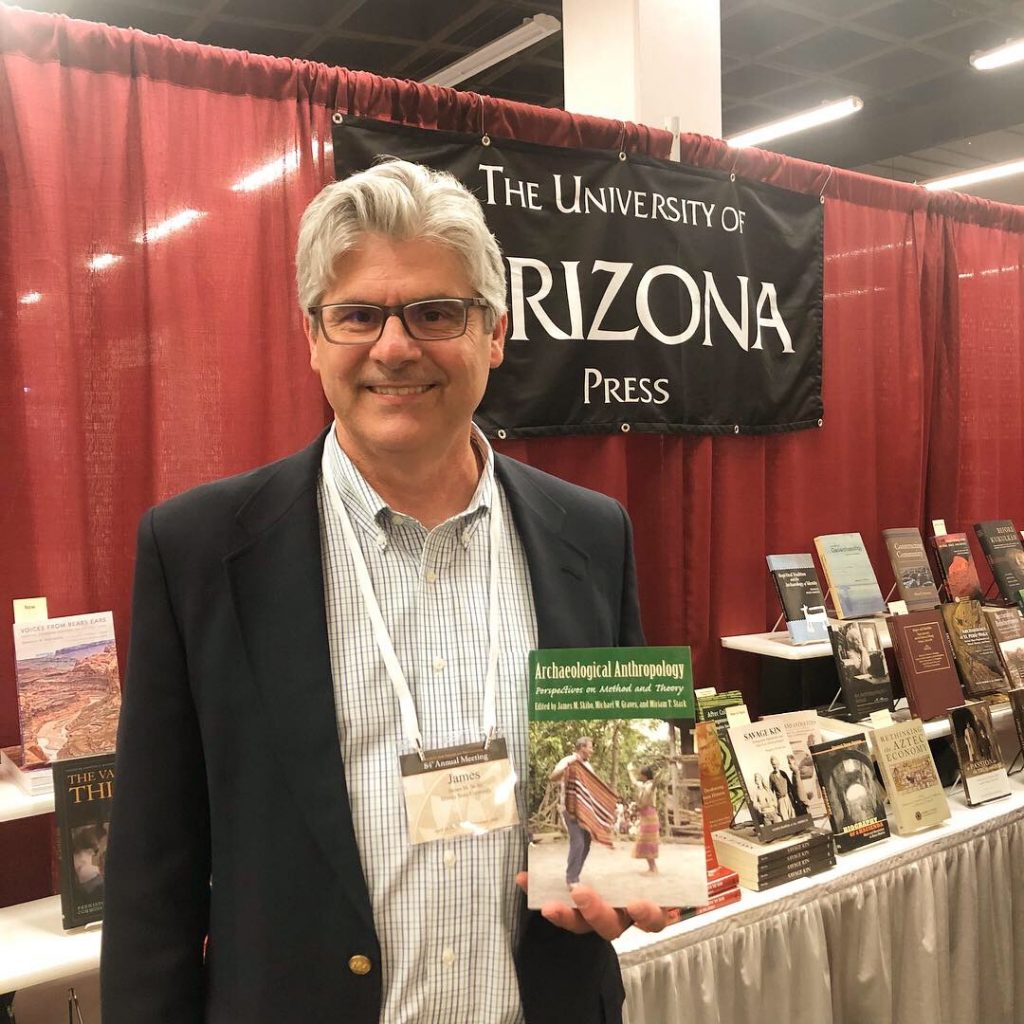
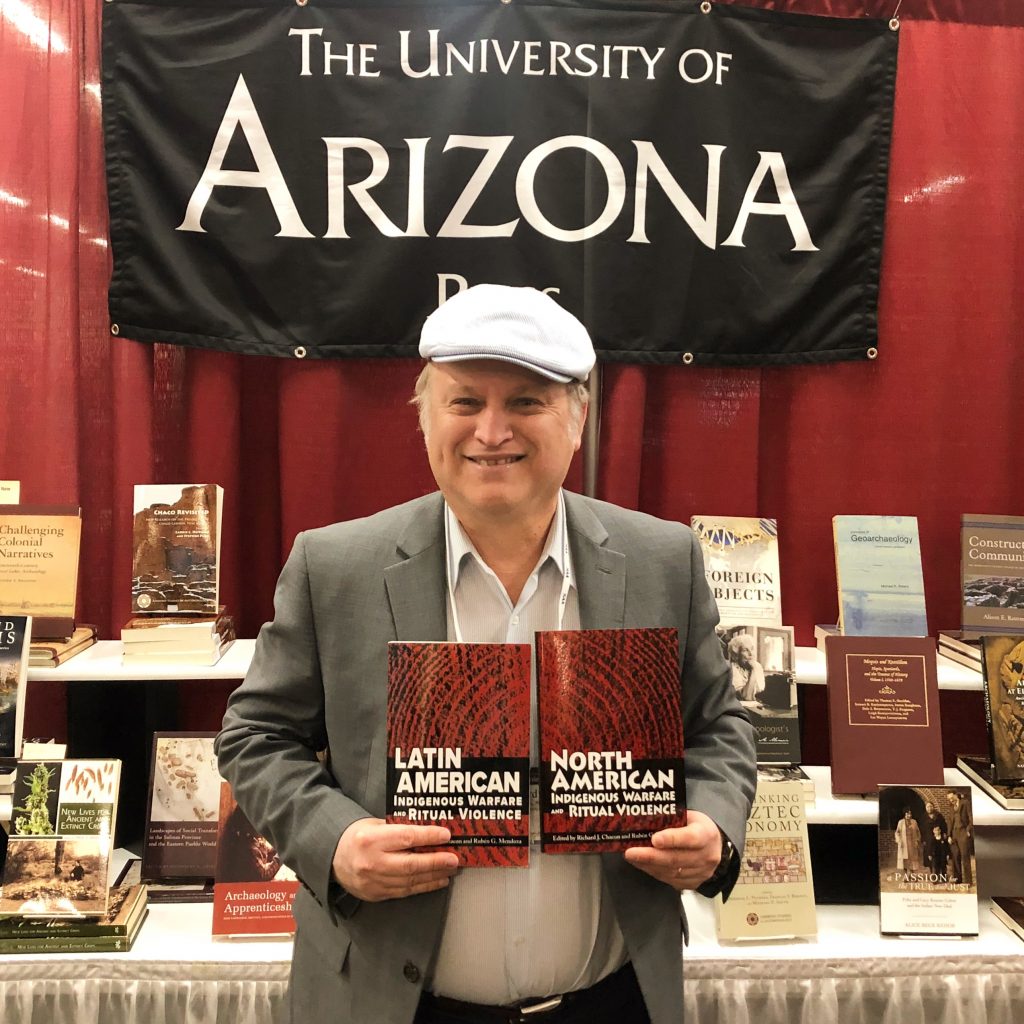
Thank you to everyone who came by the University of Arizona Press booth to say hello and browse our books at the 2019 Latin American Studies Association in Boston. We loved having the opportunity to catch up with our authors and meet new scholars. To top it all off, the weather in Boston was beautiful all weekend, and there were many sights to see in the city.
We’re looking forward to seeing our authors and friends later this week in Boston for LASA2019. Please stop by Booth No. BH5 in the book exhibit to browse our latest offerings and receive a 40 percent discount on orders. If you can’t make it to Boston this year, you can still receive that discount now through our shopping cart by using code AZLASA19!
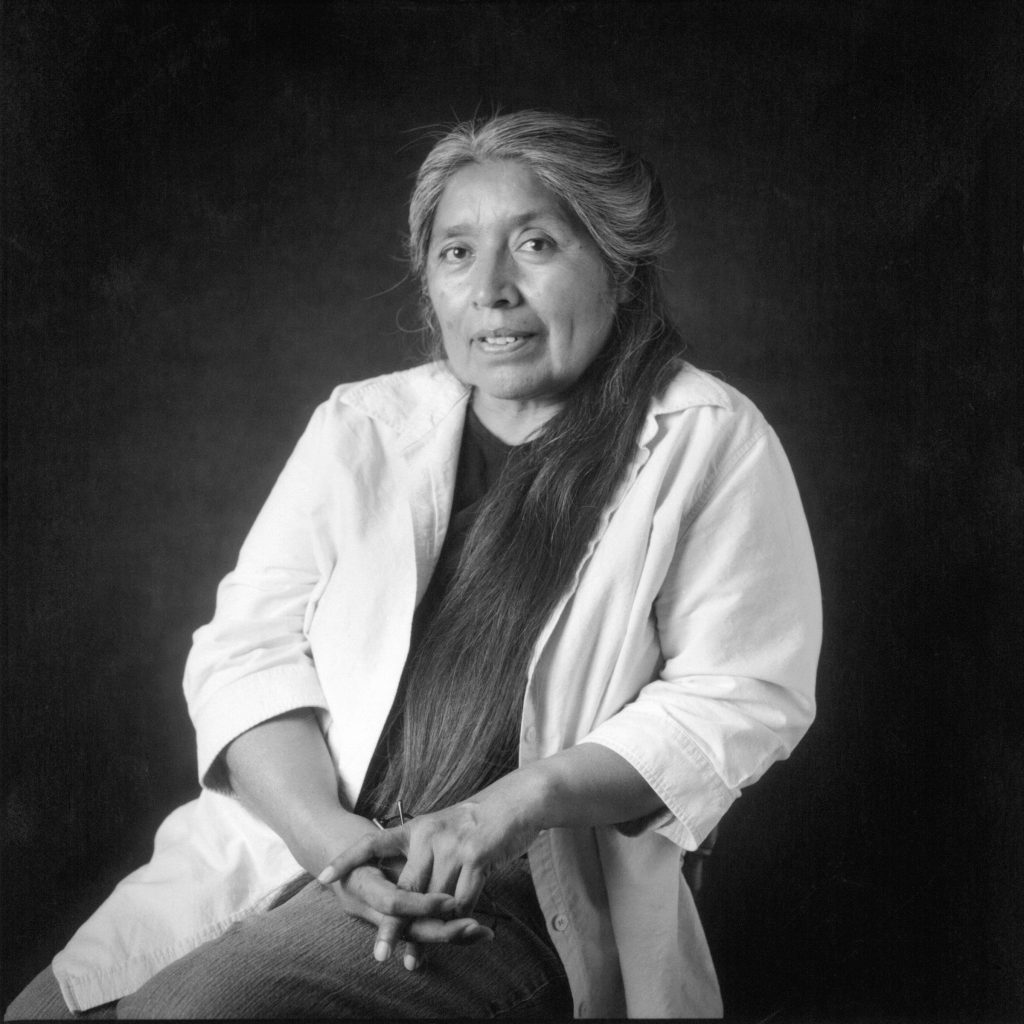
When it was first published in 1982, When It Rains was one of the earliest published literary works in the O’odham language. Speakers from across generations shared poems that showcased the aesthetic of the written word and aimed to spread interest in reading and writing in O’odham. In a new forward to the volume, Sun Tracks editor Ofelia Zepeda reflects on how meaningful this volume was when it was first published and its continued importance. Below, read Ofelia’s thoughtful new forward to When It Rains.
Nat hab e-ju: g t-taccui?
Has our dream come true? It has been some thirty-six years since this little book, When It Rains / Mat Hekid O Ju, was published. Our dream at the time was to envision a flourishing contemporary literary body for the O’odham language. At that time in history, we had speakers from all generations, and it would have been tremendous to create a contemporary literary base for those speakers. Certainly, the goal for me was to be part of a group that created literature for the sole purposes of sharing the aesthetic of the written word and perpetuating interest in reading and writing O’odham. This is what I was working toward at the time–practicing writing, practicing reading, and, when I could or was asked, teaching other O’odham speakers to do the same. Since that time, we’ve come a long way with regard to printed matter for Indigenous languages; some languages certainly have been more successful than others, though few have expanded into the realm of contemporary literature. Just as it was thirty-six years ago, most printed works in Native languages are still for teaching or other academic purposes, relegating printed Native language to these settings.
But there is something uniquely different about it now. In 1982, when this volume was originally published, the first language of the teachers whose writing appears in this collection was O’odham–and it was the same for many of their students. Though these language teachers were bilingual in O’odham and English, most were not certified teachers but aides for their classrooms. During the 1980s federal law required many reservation schools to provide funding to support students’ efforts to transition from their Native languages to English. They used a bilingual approach, using both the target language (English) and the Native language to support the students’ transition to English fluency.
Today the language landscape for O’odham is very different; there is no longer a need for O’odham bilingual classrooms or the bilingual method of English education. Instead, teachers move from grade to grade and room to room, bringing O’odham language and culture to the O’odham students in the schools. Some of these teachers are fluent speakers of O’odham, some are limited in their ability to speak it, and still others are second-language learners of their language. Over the last thirty-six years–the span of a generation–O’odham has suffered extreme language loss. The 1990s experienced the greatest language shift to English for many Indigenous peoples such as the O’odham. This extreme shift to English and the loss of Native language has created an urgency to write the language down, to document it in all forms of media, to use it daily.
Currently, many Native American languages, like Tohono O’odham and Pima, are fading out of use. There are myriad explanations for this extreme language loss, including contact by dominant groups and other similar historical events, institutionalized religions, and educational systems generally but particularly boarding schools; the total causes are too many and complex to address here in detail. It must be noted, though, that due to both language shift and language loss, the teaching of both the oral and written forms of the O’odham language can be found largely outside the classroom.
Today, many tribes must necessarily move the teaching of their languages outside the schools and into the community. These community-based teaching settings invite multiple generations to come together to learn, maintain, and revive their language. In some of these settings, the language immersion method is used; this method relies on the oral form as the primary method for language transmission, though there are a number of opportunities to create written literature in the immersion setting. But even though it is not in the school, this literature’s primary purpose is to support language learning. Perhaps the best example is the case of Hawaiian language revitalization in which both oral and written language use have been promoted. Hawaiian is an exceptional case because, prior to colonization, the Hawaiian language had a rich history of writing and publication. The contemporary language revitalization movements have reached back to these early documents and have continued to add to all genres of printed literary production. Aside from this unique case, other U.S. Indigenous language revitalization movements have not been as successful in actively producing much new literary material in their languages.
Despite the tremendous changes that have occurred within the O’odham languages represented in this collection, it should be noted that one thing has not changed: that is that native speakers of O’odham, those who are learning it as a second language, and all those in between are all still struck with the beauty of the language and all that it is capable of rendering. As a speaker, poet, linguist, and teacher of the Tohono O’odham language, I am still amazed by the new words and usages that I come across. The language is still so new and beautiful with each discovery we make about it, and that discovery is in how people choose to use the language as it moves and changes through time. A mere thirty-six years has allowed us to witness changes in certain elements of the language–some of it good, and some not as positive. A language is allowed this flexibility to change and move according to modernity and the creativity of the people. It has always been that way.
But the changes of the language–whether good or bad–become irrelevant when O’odham gather and share the spoken words. Today, both in the Tohono O’odham Nation and in the Gila River Indian (Pima) Community, the people come together during the winter season to continue telling the story of the creation of the people that is all around them. These gatherings are typically hosted by museums and cultural centers or other formal organizations. As always, these events are communal, and people gravitate toward them. I believe the people understand the importance of these events, even though they have changed in appearance from the events of our parents’ and grandparents’ times. These storytelling gatherings remind people that the real purpose of language is to perpetuate our oral history, to remind us of our origins–of who we are. Stories are capable of this. This is what I understand to be the power of words, of language. This power that I wrote of thirty-six years ago is still there for the people, and I believe those who are now working at reclaiming spoken O’odham know this power is there in the words and that they are gaining more than just words when they learn to speak O ‘odham–whether it be Tohono O’odham or Pima.
Finally, I must comment on the content of the writing in this collection. The themes and experiences expressed in the writing of these people are still relevant today. While both the Tohono O’odham Nation and the Gila River Indian Community have grown and developed over time, they are still very rural communities with small villages dotting parts of the reservation; children still get bussed for miles to go to school, and their parents spend a couple of hours commuting to work each day. The rural desert environment also is still an important part of both children’s and adults’ lives; therefore, the themes written about thirty-six years ago are still applicable. There are words about the cycle of the seasons, about rain in the desert; there are words about the sacred mountains, and, of course, there are words of grief and loss and happiness. There are words about certain animals and about how to behave around them; many children still know of these rules. Things have changed, but many things remain the same. The pieces in this collection will be meaningful to many still.
It is important that I document here that when this collection was first released, we organized a poetry reading by the contributors of the collection. The reading was held in Sells, Arizona, the Tohono O’odham Nation’s seat of government. As we made preparations for this reading, it was hard to predict what would actually happen. This was the first poetry reading ever held on the reservation. We called on many of the contributors to read their piece, and many obliged. We had an emcee for the program, and the venue was the Tohono O’odham Nation’s tribal council building– the largest meeting place in Sells. It was one of the few places that had auditorium-style seating. We mailed invitations to dignitaries of the nation, school officials, and friends. We were not sure who or if anyone would come. I remember working on this with my friend and professor at the time, Larry Evers, who was then the series editor of Sun Tracks. On the day of the event, we made our way to Sells and set up for the reading. Slowly, people trickled in– adults, young people, elders, children. The auditorium was full. We shared our work, reading to a quiet and respectful audience, and afterward, as is typical with such events in the city, we served refreshments. Visiting with members from the audience and friends, I found out to my amazement that many of the tribe’s businesses had closed for the afternoon so that employees could attend the event and that schools had brought busloads of students. We were overwhelmed by their support– or maybe it was their curiosity about the event. Over time, whenever I speak of this experience, I like to think of this event as one that the people knew was going to be about words, making it so important that they all should be there. Though our reading of contemporary poetry was not a telling of the origins, it was perhaps in some way just as powerful.
This collection captured the voices of a small number of language educators, representing both the Tohono O’odham Nation (at the time known as Papago) and the Pima Indians. These educators all were attending a language institute where I was their instructor. I might mention that the language institute, now known as the American Indian Language Development Institute (AILDI), is still very much active at the University of Arizona; it continues to offer courses and training to meet the needs of Native American language teachers, researchers, resource people, and activists. I have been a teacher at AILDI for a long time, and the director for a number of years; during my work at AILDI, I have had the opportunity and honor to work with hundreds of language teachers from across the United States. All of them are special people– but none as special as the group whose writing is in this collection, and by my recollection, this is the first generation of literate O’odham. These educators’ first language was O’odham, and they were trained to read and write in that language. They were our pioneers.
It is poignant to note that some of these educators are no longer with us. I will be saddened to know that the reissuing of this collection will bring the memory of their loved ones to their respective families. I want them to understand that I help bring the memory of their family members with respect and honor. I also want them to understand that their contribution of their ha’icu cegitodag to this collection was truly special. They and their words are remembered here in this work.
Ofelia Zepeda
University of Arizona
July 24, 2018
Ofelia Zepeda is a poet, regents’ professor of linguistics at the University of Arizona, and the recipient of a MacArthur Fellowship for her work in American Indian language education. She is the current editor of Sun Tracks, which was launched in 1971 and is one of the first publishing programs to focus exclusively on the creative works of Native Americans.
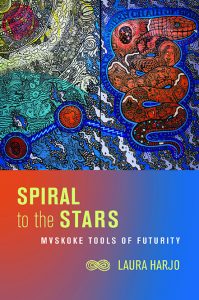
All communities are teeming with energy, spirit, and knowledge. In the new book Spiral to the Stars, geographer Laura Harjo taps into and activates this dynamism to discuss Indigenous community planning from a Mvskoke perspective. The book poses questions about what community is, how to reclaim community, and how to embark on the process of envisioning what and where the community can be. Today we’re excited to share Harjo’s thoughts on conceiving a map to build genuine community relationships, knowledge, and power:
We watched television every day at my grandfather’s house, before cable, when there were only four channels: ABC, CBS, NBC, and PBS. We watched The Price is Right and Wheel of Fortune. Hosts Bob Barker and Pat Sajak crooned at us while we sat in Grandpa’s HUD home, situated in a Creek housing subdivision, with a gravel-dirt road leading in and out. Their voices droned from his console TV, which looked like a piece of wooden furniture; I only knew a handful of people who had a “fancy” TV like that. With game shows humming in the background and the smell of sliced USDA luncheon meat, commodity Spam, frying in the skillet in the kitchen, Grandpa would tell me medicine stories. Some seemed unfathomable—but I believed them and believe them still. He would start by telling me I needed to be able to take care of myself, before going on to teach me medicine songs and instructing me on contemporary uses of Mvskoke medicine. As times change, our needs change, and I learned from my grandfather that the songs and medicine shift to meet our current needs. One song he taught me was meant to be sung in a pawn shop when you want the proprietor to negotiate in your favor! The song’s purpose wasn’t to unfairly sway interactions but rather to make you heard and understood. Thus Creek values and ways morph into new manifestations and applications. Our ways are not bound to “traditional” use, and I think our relatives would think it was ridiculous if we refused to benefit from our knowledge and lifeways in the current day. The purpose of this story about my grandpa is to demonstrate a renegotiation of knowledge and its use as a tool. Our medicine does not stand still either, and its use is not frozen in time. In this book, I share other Mvskoke stories with a commitment to prioritizing the theories that come from the lived and felt experiences of Mvskoke communities, and practices born out of necessity and love.
The primary argument is that Mvskoke communities have what they need at their disposal; everyday community practices are deep, rich, and meaningful, and have sustained Mvskoke people through many moments and in many places. Community practices are articulated through Mvskoke relationships, knowledge, power, and spatialities. Despite the eliminatory work of the settler state, these Mvskoke practices, like those of other Indigenous and marginalized groups who are targeted by settler colonialism, have managed to fly under the radar undetected. Mvskoke communities have sustained the spaces to dream, imagine, speculate, and activate the wishes of our ancestors, contemporary kin, and future relatives—all in a present temporality, which is Indigenous futurity. Mvskoke futurity carries out a form of Indigenous futurity while honoring the lived experiences and knowledge of the Mvskoke community. Mvskoke experiences, practices, and theories generate four concepts fundamental to Mvskoke futurity: este-cate sovereignty (Indigenous kinship sovereignty); community (and body) knowledge; collective power; and the imagining, constructing, and accessing of Mvskoke spatialities.
Examining Mvskoke community through the lens of futurity enables us to step out of clashes over grievance claims for a moment and speculate about the future that our ancestors desired and that we desire, and about how to create something that our future relatives will want and need. The notion of futurity challenges a conventional reckoning of time and the future, and pushes us to create right now—in the present moment—that which our ancestors, we, and future relatives desire. As community builders, we often ask tactical sets of questions to develop a concrete plan, and then tell people that they are going to have to sit and wait, knowing that conditions will not improve in their time: their dreams will be for someone else. In other words, we tell them “not yet.” We cannot say “not yet.” I am not eschewing a long view of community; I am merely saying that futurity does not have to be limited to a future temporality, in which we have to wait to create and get to the place where we want to be. Indeed, there are a range of ways in which we are already enacting Mvskoke futurity to shift community conditions.
Shifting conditions and community contexts require us to renegotiate Mvskoke lifeways and practices. Sharing the story of my grandpa’s pawn shop song illustrates the ease with which renegotiation of Mvskoke knowledge and practices can occur. Spiral to the Stars recognizes Mvskoke ways of knowing as a legitimate source of power and recognizes that Mvskoke people embody, enact, and share power and knowledge in multiple spatialities. My operating definition of futurity is the enactment of theories and practices that activate our ancestors’ unrealized possibilities, the act of living out the futures we wish for in a contemporary moment, and the creation of the conditions for these futures. This is futurity: it operates in service to our ancestors, contemporary relatives, and
future relatives. I employ futurity as an analytical tool throughout the book.
Mvskoke poet, musician, and playwright Joy Harjo’s poem “A Map to the Next World” urges us to think about Mvskoke futurities—the other possible worlds to live in that refuse elimination at the hands of settler colonialism. In her poem, Harjo takes the reader through the prevailing world conditions and wonders about a map to the next world, offering suggestions of looking inward—the map is written into us. As a Mvskoke person, I consider Harjo’s poem a call to action, a call to conceive of a map to the next world. This is a significant endeavor that requires renegotiating Mvskoke knowledge—something we have always done. This book is just one idea for constructing a map, using futurity as an analytical tool. As an Indigenous mapper and cartographer, I develop way-finding tools that I will unpack in each chapter. I put into action my community knowledge and academic training to imagine tools that communities can use to operationalize their knowledge without requiring so-called experts to identify their areas of genius.
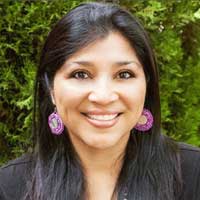
Laura Harjo is a Mvskoke scholar, geographer, planner, and Indigenous methodologist. She is an assistant professor of community and regional planning at the University of New Mexico.
Eight new open access titles are now available in Open Arizona, funded by the Andrew W. Mellon Foundation. Selected by an advisory board of scholars and community members, the new additions include Henry Dobyn’s Spanish Colonial Tucson, Edward H. Spicer’s Pascua,and Arnulfo D. Trejo’s The Chicanos.
Kathryn Conrad, director of the UA Press and lead of the Open Arizona project, says, “We know that these titles were very influential to their fields when they were first published and have continued to be sources of critical and dynamic conversation. We hope that as open access works they continue to contribute to scholarly discourses. We are grateful to the Andrew W. Mellon Foundation for providing the funding to allow us to make them available again in this new format.”
Open Arizona also includes new original essays by leading scholars, offering contemporary reflections on these once out-of-print works.
In the essay Otero writes, “Ethnic communities surrounding major urban areas across the United States are currently struggling to retain their cultural identity as the forces aligned with gentrification undermine their existence… The inclusion of Mexican Americans in a Dallas Barrio an important addition to the Open Arizona project. It is not only timely but critical.”
University presses ensure academic excellence and amplification of valuable scholarly research. We are also a good investment. As stewards of the resource investment from our parent institutions, we extend their brands to local and global audiences. Our colleagues Darrin Pratt, director of the University Press of Colorado, and Susan Doerr, assistant director of the University of Minnesota Press, recently wrote about the many ways university presses are a good investment in an article in University Business. Today we offer a brief excerpt:
Universities mobilize tremendous resources in support of a single pursuit: the advancement of research-based knowledge. Their careful stewardship of public and private resources to nurture knowledge yields returns that can be recognized not only on spreadsheets but also in the lives of students and communities.
More than 100 North American universities and colleges choose to invest in a university press—a mission-driven publisher that maintains rigorous standards in identifying, preparing, and delivering scholarly research to local, national, and global audiences. And, as a recent Association of University Presses’ survey indicates, university presses deliver substantially on these investments.
In 2018, the 61 US and Canadian presses that participated in this annual survey reported receiving a collective institutional budget of $32.3 million. From that allocation, the presses generated… read more
More than 100 North American universities and colleges choose to invest in a university press
Congratulations to poet Farid Matuk, author of collection The Real Horse. He has been named visiting Holloway Professor in Poetry & Poetics at UC Berkeley. Farid will occupy the post in the spring of 2020.
The Holloway Series in Poetry is funded through an Endowment made by Roberta C. Holloway in 1981. Each academic year the Holloway Series honors one distinguished poet with a residency at the University of California, Berkeley. Residents teach a semester-long creative writing workshop, are welcomed in the annual fall faculty poetry reading, and give a featured reading in the Holloway Series.
A sustained address to the poet’s daughter, The Real Horse takes its cues from the child’s unapologetic disregard for things as they are, calling forth the adult world as accountable for its flaws and as an occasion for imagining otherwise. Offering a handbook on the possibilities of the verse line, the collection is precise in its figuring, searching in its intellect, and alert in its music. Farid interrogates the confounding intersections of gender, race, class, and national status not as abstract concepts but as foundational intimacies.
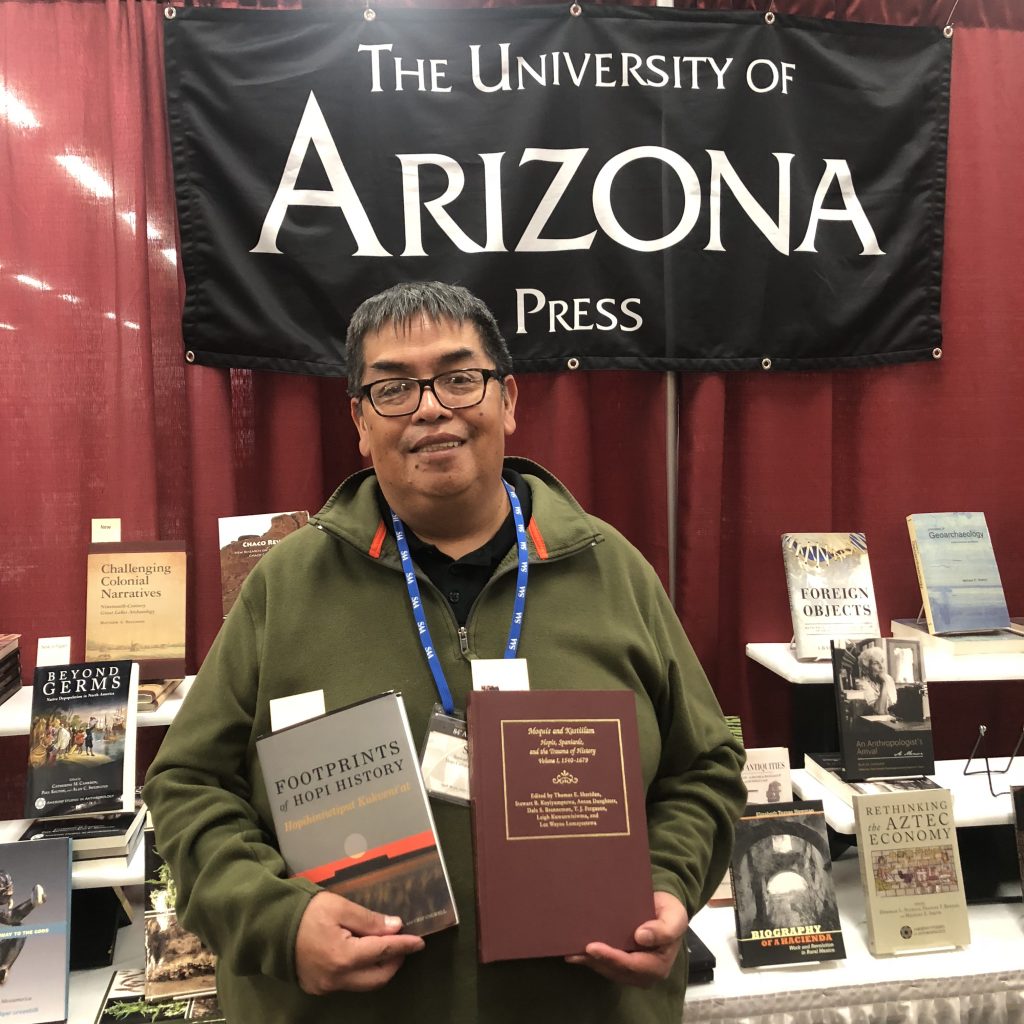
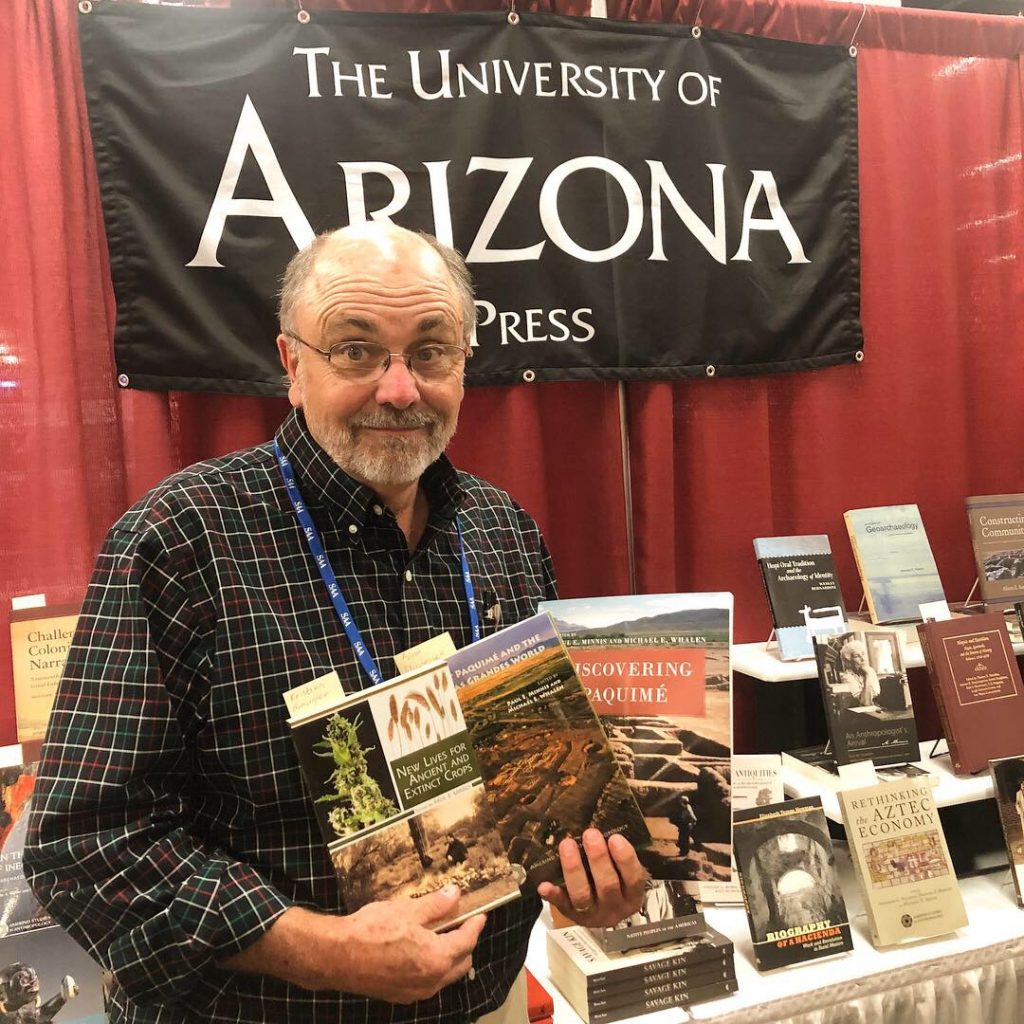
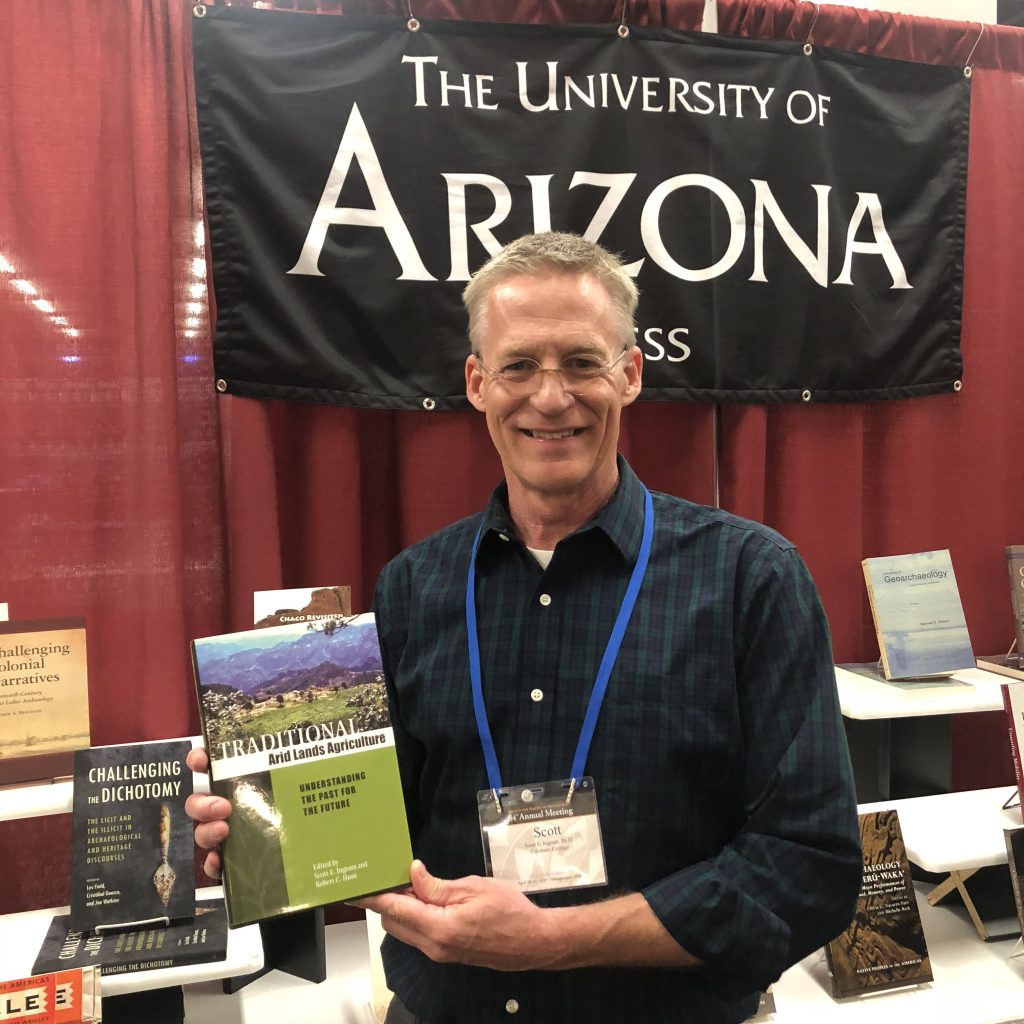
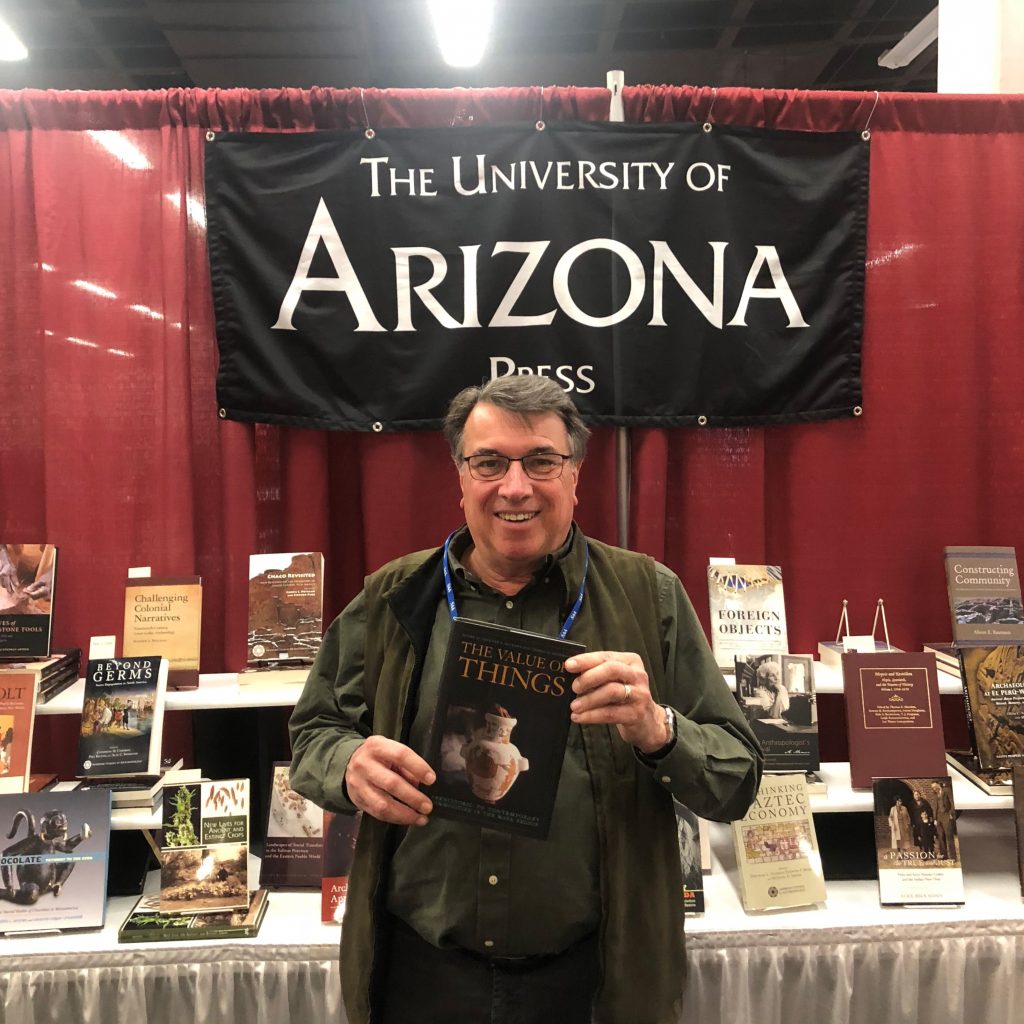
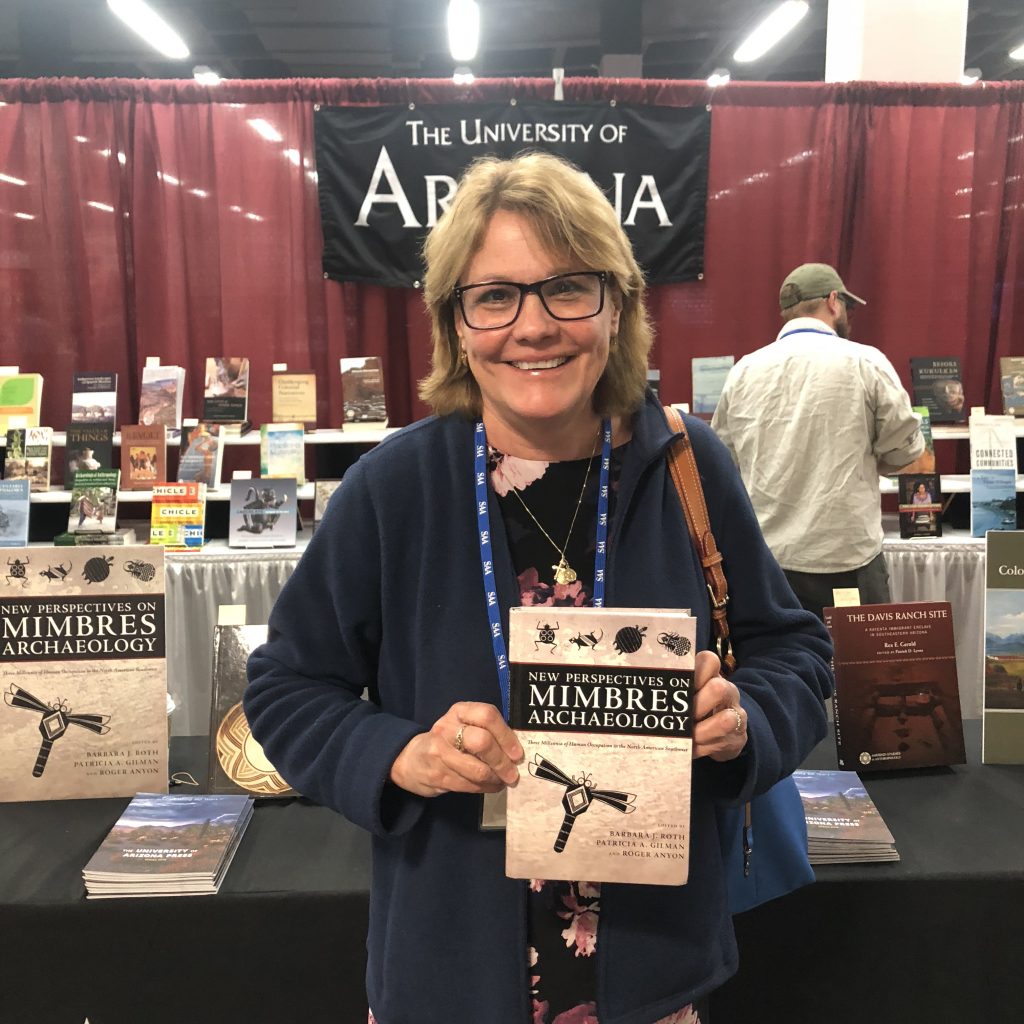
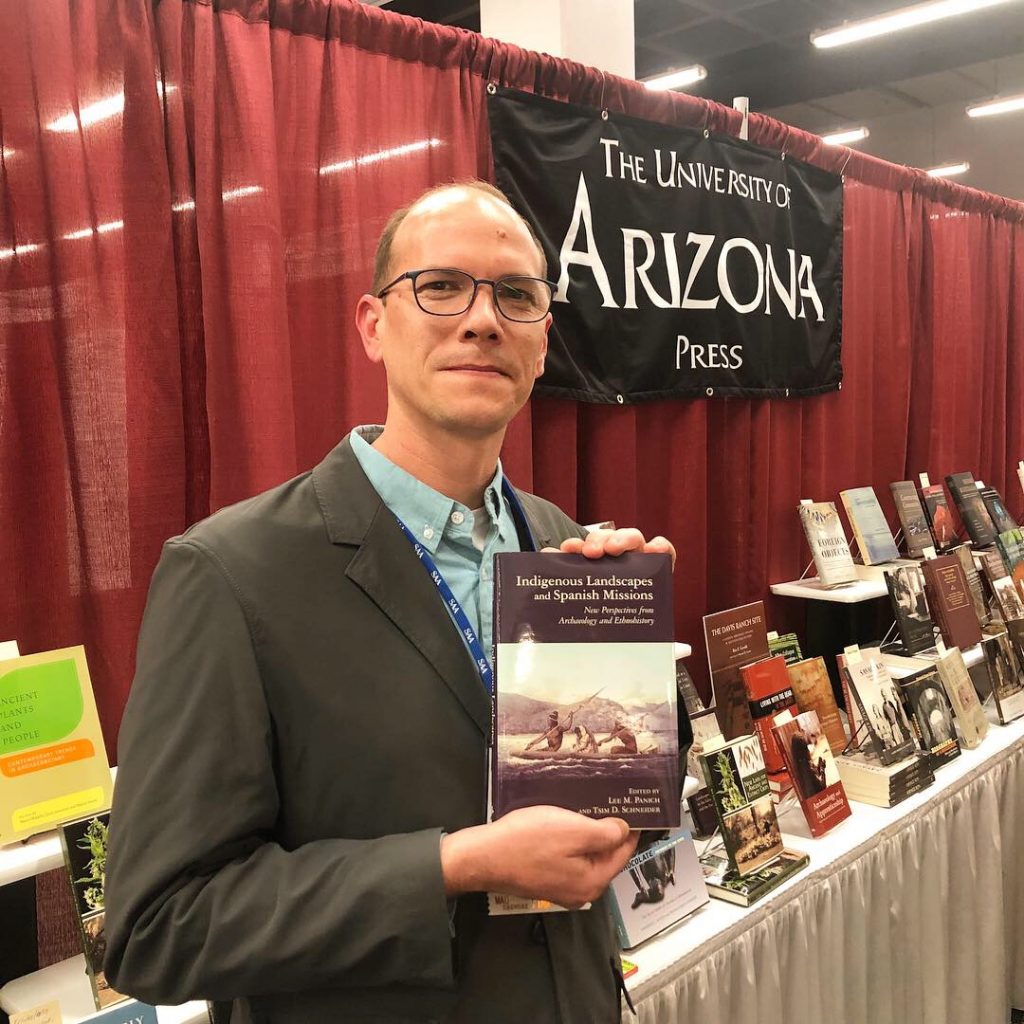
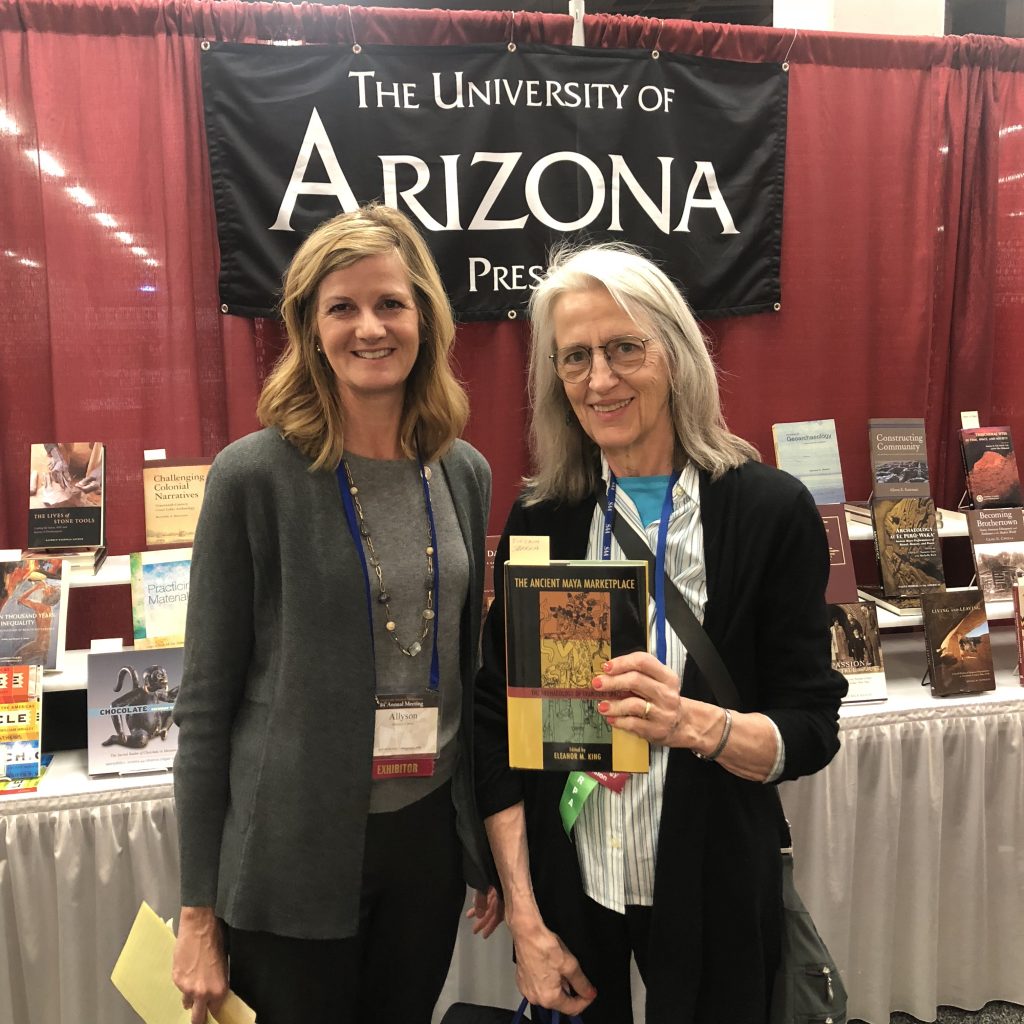
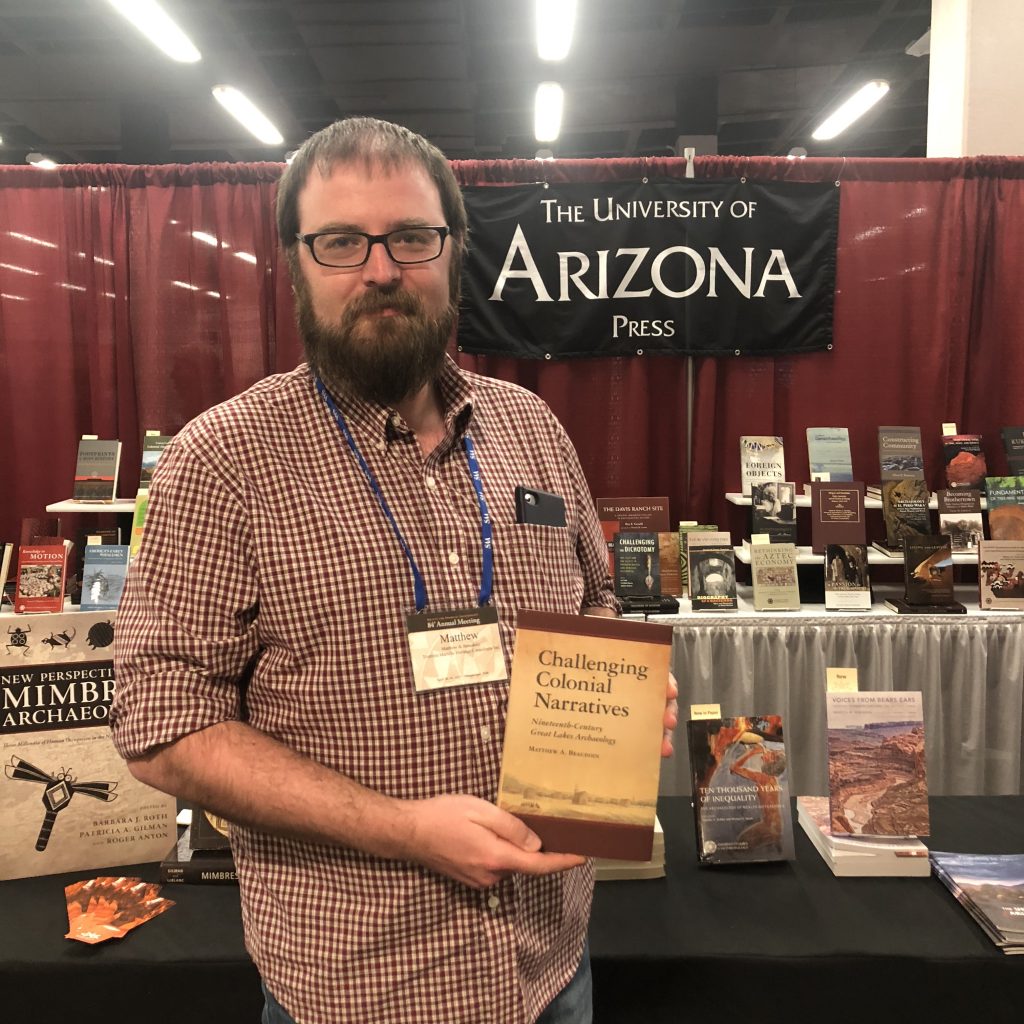
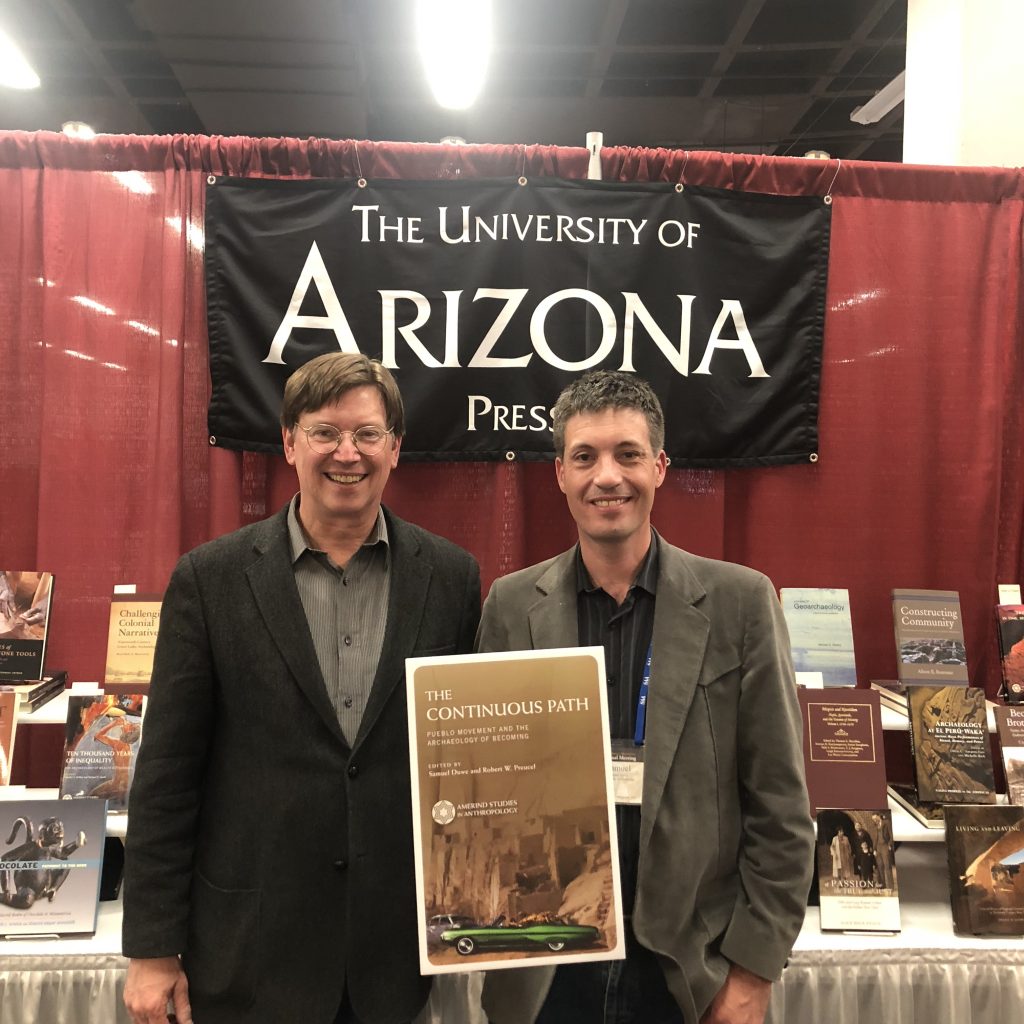
The 2019 Society for American Archaeology conference in Albuquerque, New Mexico was the highest attended meeting in 84 years. We loved talking with our authors, meeting archaeologists, and selling lots of books! Many, many thanks to everyone who stopped by the University of Arizona Press booth to say hello. Below, find some photos taken at the meeting.
The University of Arizona Press is constantly working toward innovative, forward-thinking ways to connect our scholarship with readers worldwide. We are pleased to announce a new selection of titles in the fields of anthropology and archaeology are now available as open access (OA). The University of Arizona Press has been a leading publisher in those fields since it was founded by future-thinking members of the University of Arizona’s anthropology department 60 years ago.
Thanks to financial support from Knowledge Unlatched, we have been able to move six titles to OA format. The titles are available either via link on our website or directly through the OAPEN Foundation.
Now Available as OA:
Nature™ Inc. Edited by Bram Büscher, Wolfram Dressler, and Robert Fletcher With global wildlife populations and biodiversity riches in peril, it is obvious that innovative methods of addressing our planet’s environmental problems are needed. But is “the market” the answer? Nature™ Inc. brings together cutting-edge research by respected scholars from around the world to analyze how “neoliberal conservation” is reshaping human–nature relations. OA Link
Foods of Association Nina L. Etkin This fascinating book examines the biology and culture of foods and beverages that are consumed in communal settings, with special attention to their health implications. Nina Etkin covers a wealth of topics, exploring human evolutionary history, the Slow Food movement, ritual and ceremonial foods, caffeinated beverages, spices, the street foods of Hawaii and northern Nigeria, and even bottled water. Her work is framed by a biocultural perspective that considers both the physiological implications of consumption and the cultural construction and circulation of foods. OA Link
Reimagining Marginalized Foods Edited by Elizabeth Finnis This volume brings together ethnographically based anthropological analyses of shifting meanings and representations associated with the foods, ingredients, and cooking practices that of marginalized and/or indigenous cultures. Contributors are particularly interested in how these foods intersect with politics, nationhood and governance, identity, authenticity, and conservation. OA Link
Nature and Antiquities Edited by Philip L. Kohl, Irina Podgorny, and Stefanie Gänger Nature and Antiquities analyzes how the study of indigenous peoples was linked to the study of nature and natural sciences. Leading scholars break new ground and entreat archaeologists to acknowledge the importance of ways of knowing in the study of nature in the history of archaeology. OA Link
Paleonutrition Mark Q. Sutton, Kristin D. Sobolik, and Jill K. Gardner The
study of paleonutrition provides valuable insights into shifts and
changes in human history. This comprehensive book describes the nature
of paleonutrition studies, reviews the history of research, discusses
methodological issues in the reconstruction of prehistoric diets,
presents theoretical frameworks frequently used in research, and
showcases examples in which analyses have been successfully conducted on
prehistoric individuals, groups, and populations. OA Link
Women Who Stay Behind Ruth Trinidad Galván Women Who Stay Behind examines the social, educational, and cultural resources rural Mexican women employ to creatively survive the conditions created by the migration of loved ones. Using narrative, research, and theory, Ruth Trinidad Galván presents a hopeful picture of what is traditionally viewed as the abject circumstances of poor and working-class people in Mexico who are forced to migrate to survive. OA Link
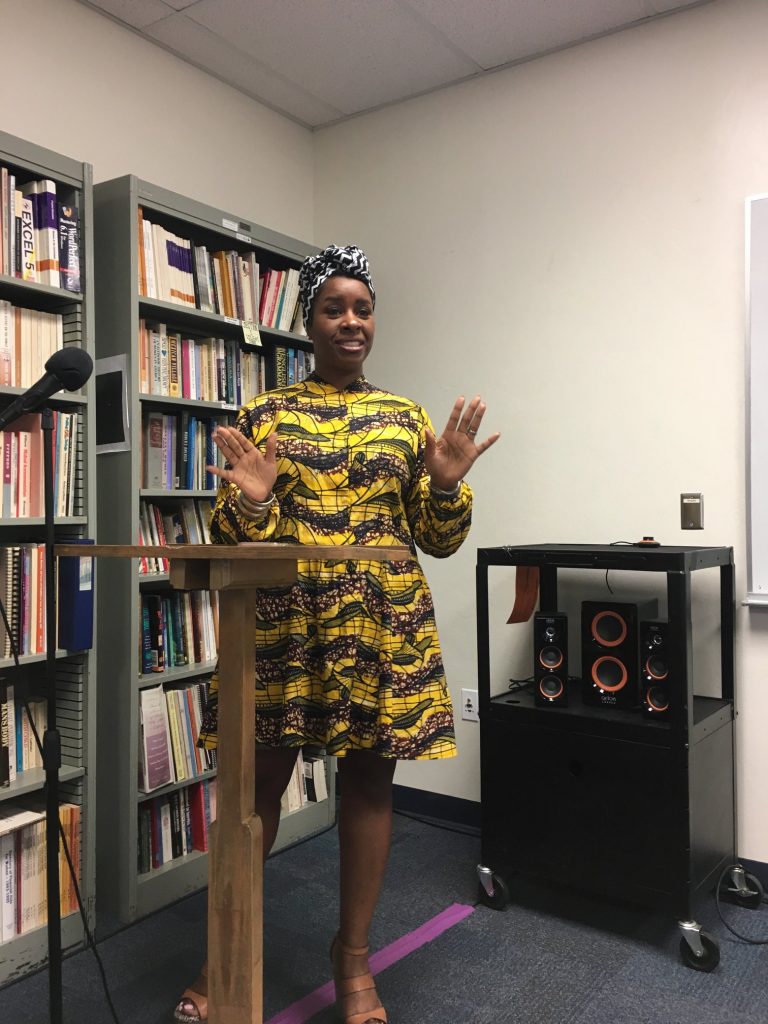
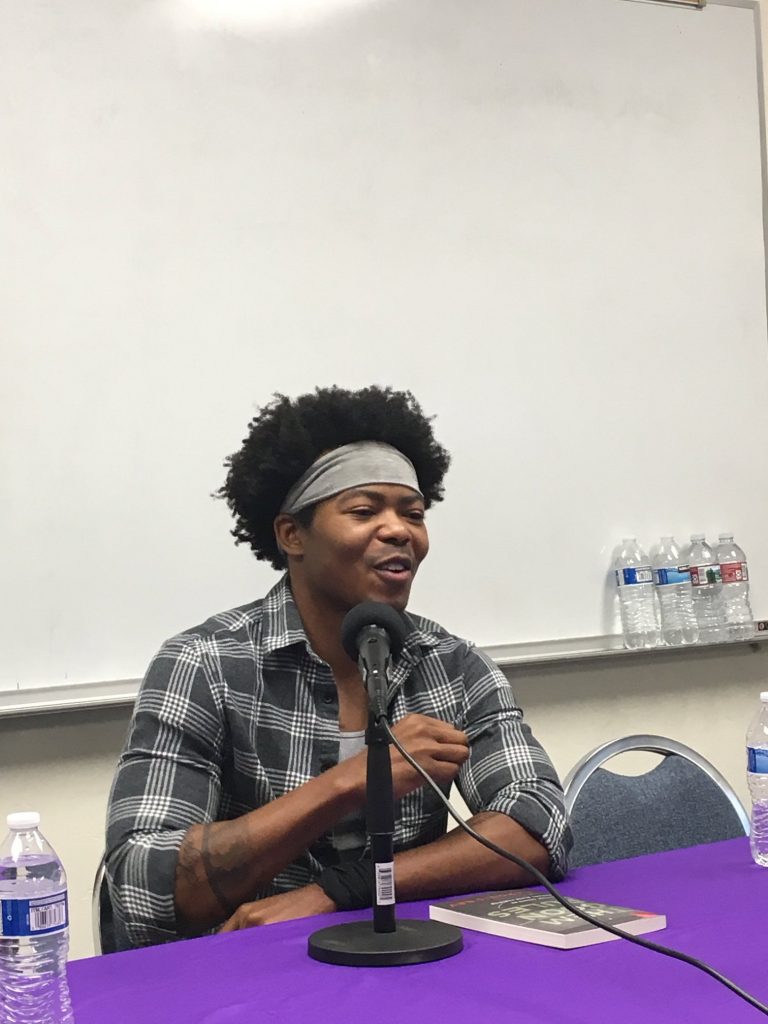
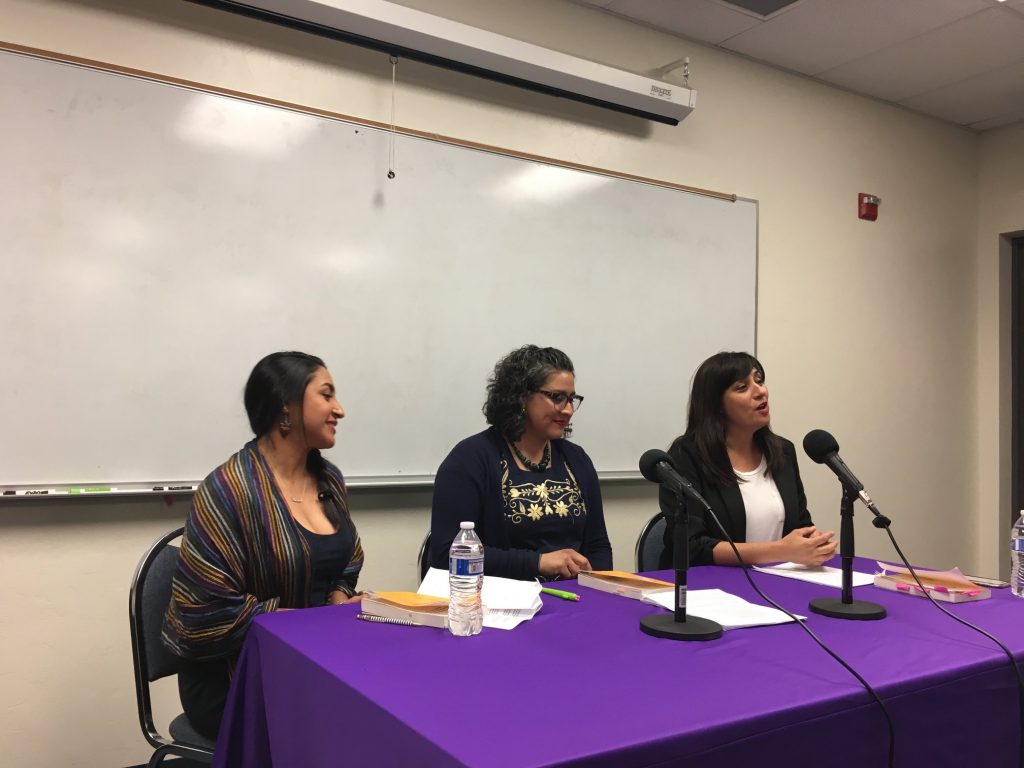
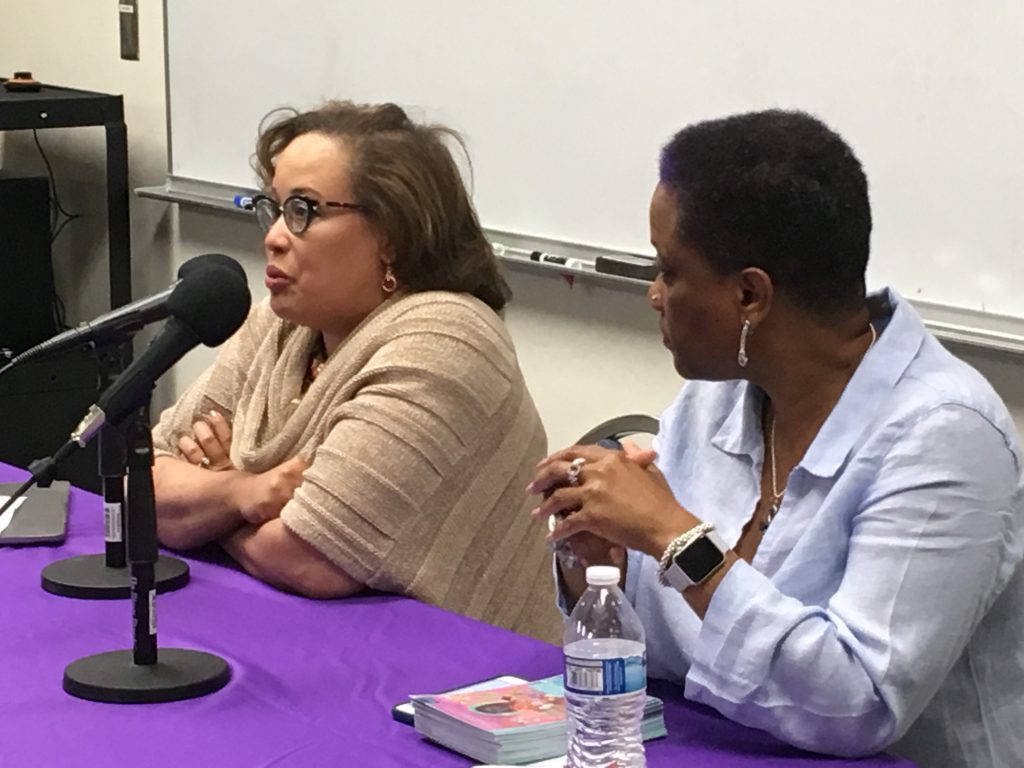
Last Wednesday brought scholars from both sides of the country to the Old Pueblo to celebrate the long-awaited launch of The Feminist Wire Books Series. It was an honor to host series editors Monica Casper and Tamura Lomax, alongside Marquis Bey, Judith Pérez-Torres, Christine Vega, Michelle Téllez, Duchess Harris, and Julia Jordan-Zachery. It was a truly powerful night, culminating in a collective soul-bearing that reaffirmed our own mission to elevate under-supported voices in academia.
Tamura Lomax describing how she came to co-found The Feminist Wire, from the “intellectual Wu Tang Clan” to an online community and intellectual home for more than a million activists, scholars, and artists. Marquis Bey discussing the intellectual history of his debut work in Them Goon Rules.Co-editors of The Chicana M(other)work Anthology. From left to right: Judith Pérez-Torres, Christine Vega, and Michelle Téllez. Co-editors of the forthcoming Black Girl Magic Beyond the Hashtag volume Duchess Harris and Julia Jordan-Zachery.
Special thanks to the College of Social and Behavioral Sciences, the University Libraries, the Office of the Provost, the Department of Gender and Women’s Studies, the Africana Studies Program and the Department of Religious Studies and Classics for their generous support of The Feminist Wire Book Symposium.
For Authors
The University of Arizona Press publishes the work of leading scholars from around the globe. Learn more about submitting a proposal, preparing your final manuscript, and publication.
The University of Arizona Press is proud to share our books with readers, booksellers, media, librarians, scholars, and instructors. Join our email Newsletter. Request reprint licenses, information on subsidiary rights and translations, accessibility files, review copies, and desk and exam copies.
Support a premier publisher of academic, regional, and literary works. We are committed to sharing past, present, and future works that reflect the special strengths of the University of Arizona and support its land-grant mission.
 The University of Arizona Press