Every season at the University of Arizona Press has its own unique personality, yet you can always count on the Press publishing Indigenous and Latinx literature you won’t find elsewhere. You’ll find those gems in our Spring 2020 catalog, along with Southwest titles, cutting-edge books on the borderlands, Chicanx, and Indigenous studies; and other important work in anthropology, archaeology, environmental studies, and space science.
Here are several highlights to give you an idea of what Spring 2020 has to offer:
The saguaro cactus is an iconic symbol of our region, and this book gets to the heart of that with essays on our ongoing fascination and the plant’s unusual characteristics.
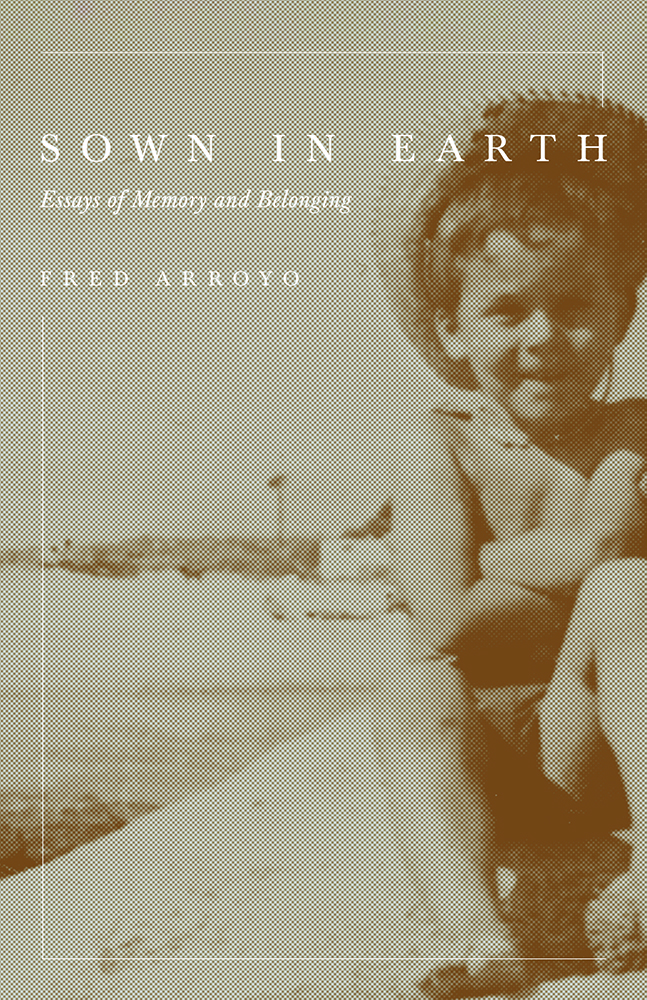
In this collection of essays, Arroyo shares personal and heart-wrenching memories that speak to the larger experiences of hardworking migratory men, such as Arroyo’s father.
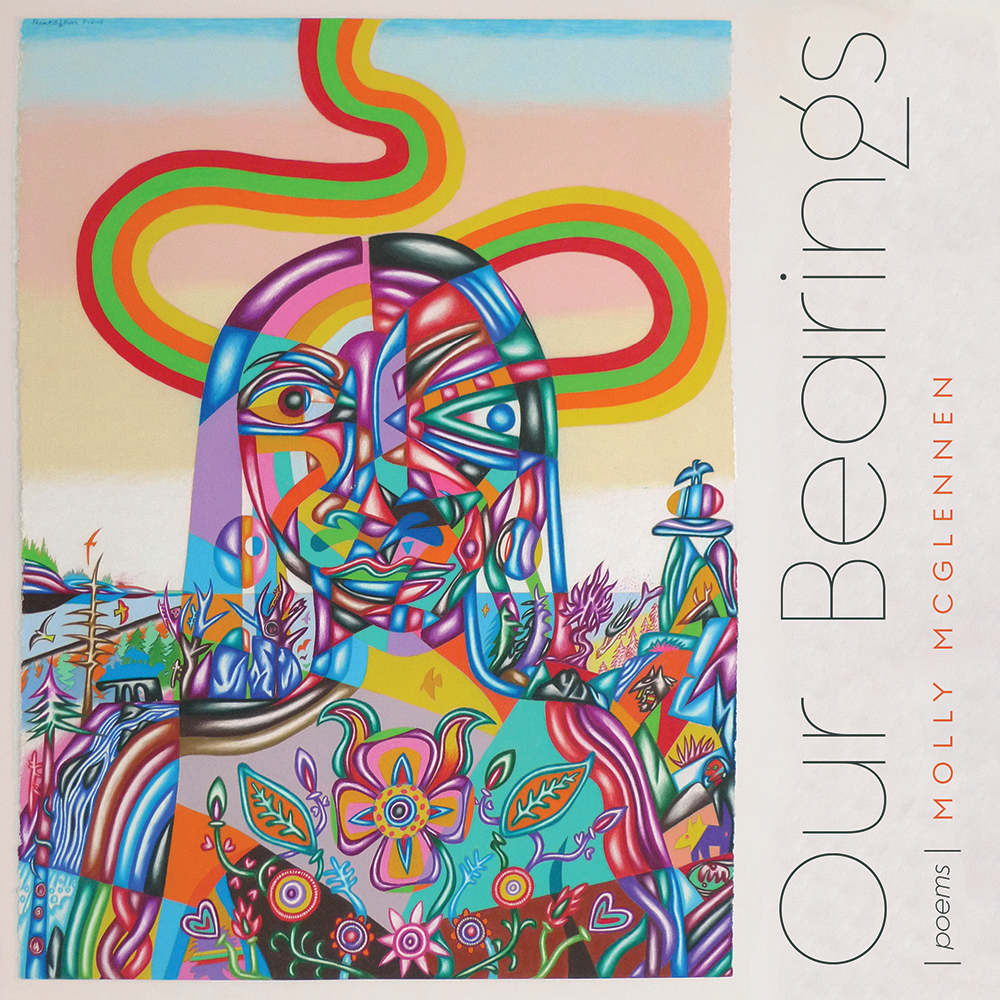
In Our Bearings, McGlennen examines and celebrates Anishinaabe life in modern Minneapolis through this collection of narrative poetry. The narrative poetry of Our Bearings, redefines what it means to be an urban Indian.
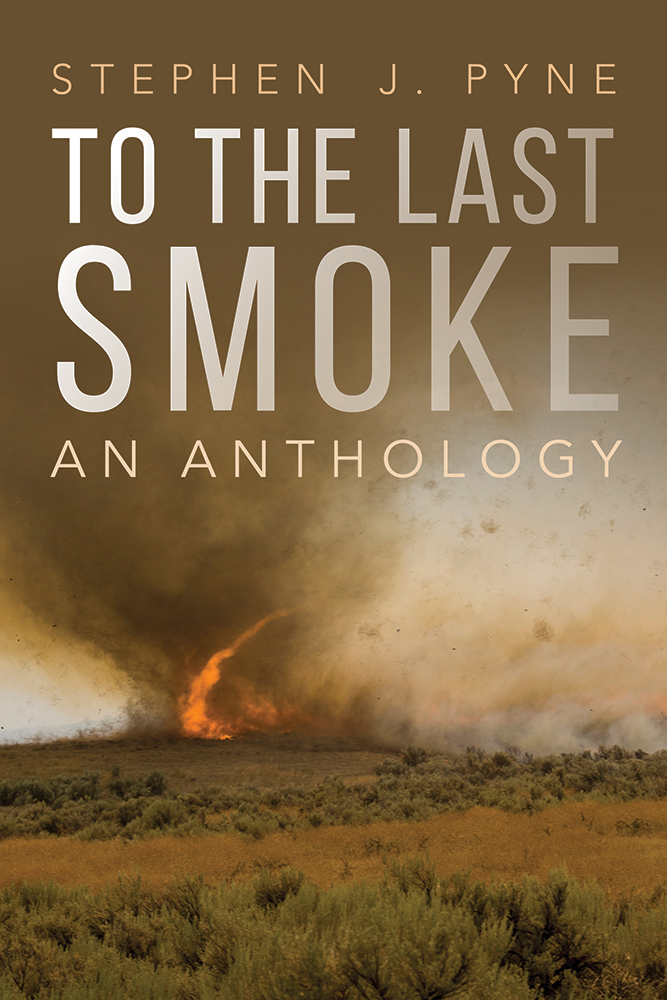
In this book, Pyne, considered a leading authority and historian on wildland fire, offers a series of his most recent essays on fire region by region in the United States. Each essay provides a glimpse at how wildland fires differ from state to state, and what some regions are doing right.
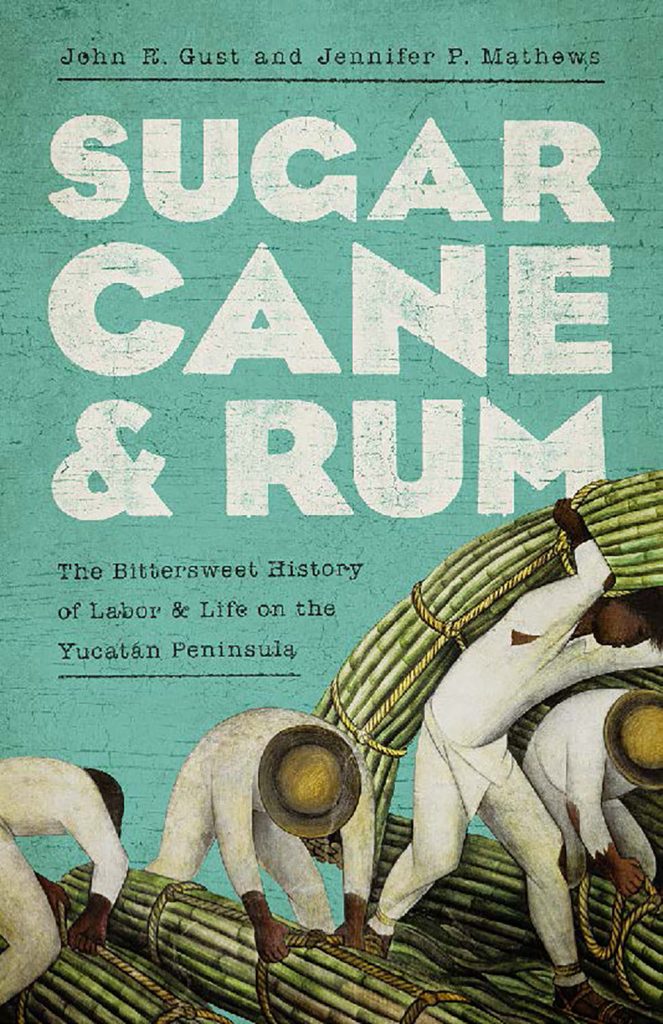
Gust and Mathews weave together ethnographic interviews and historical archives with archaeological evidence to bring the daily lives of Maya workers into focus. The workers were part of the sugarcane and rum production of the Yucatán .
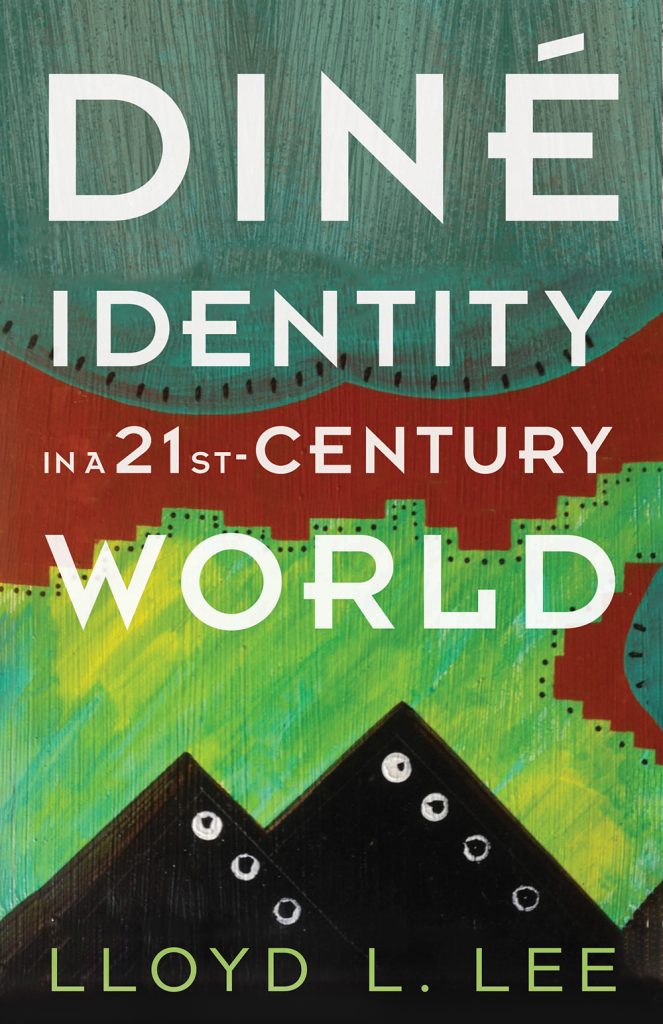
This is a distinctive and personal book from Lee, offering his perspective on Diné identity in the twenty-first century. It is a mixture of traditional, customs, values, behaviors, technologies, worldviews, languages, and lifeways.
KJZZ ‘s Bret Jaspers in Phoenix recently interviewed University of Arizona Press author John Fleck, co-author of Science Be Dammed, on Colorado River mismanagement as part of a larger story on the river’s future. Listen to the interviews here.
“In 1968 when the Central Arizona Project was approved, Arizona knew that there was not sufficient water to keep that canal full year in and year out,” Fleck said.
He points to testimony from then-Reclamation Commissioner Floyd Dominy, who told a House of Representatives subcommittee that “sooner or later, and mostly sooner, the natural flows of the Colorado River will not be sufficient to meet water demands, either in the lower basin or the upper basin, if these great regions of the Nation are to maintain their established economies and realize their growth potential.”
Fleck said Arizona knew that without augmentation, the water available for CAP canal customers would fluctuate.
“And somehow that was forgotten, and Arizona grew to depend on a full CAP canal every year,” Fleck said.
The river’s structural deficit is about 1.2 million acre feet each year. That’s an annual over commitment of almost four Phoenixes covered in a foot of water. As more users actually use their full allocations, the imbalance contributes to drops in Lakes Mead and Powell, the two main reservoirs. Declines led to the temporary shortage guidelines signed in 2007 and updated this year.
Today’s negotiators are preparing to tackle the structural deficit in a new agreement that will replace the guidelines, which expire in 2026. Fleck said these modern folks adhere much closer to science than their predecessors did.
“We are much better now at accepting rather than ignoring inconvenient science,” he said. “You see serious analytical work being done within the federal agencies even in the midst of the Trump administration’s attitude toward climate change.”
The truth about the river may finally be too powerful to ignore.
Along with climate change, the deficit is one of the big reasons why Lake Mead has dropped in recent years.
Fixing it could be a big problem for Arizona.
“Unfortunately, Arizona’s facing some of the largest cuts and it really puts Arizona in a political vice,” said Brad Udall, a research scientist at Colorado State University. “You can’t take that much water out of the canal, the entire 1.2 million acre-feet, and do justice to Arizona’s water needs. Yet that’s what the 1968 law says.”
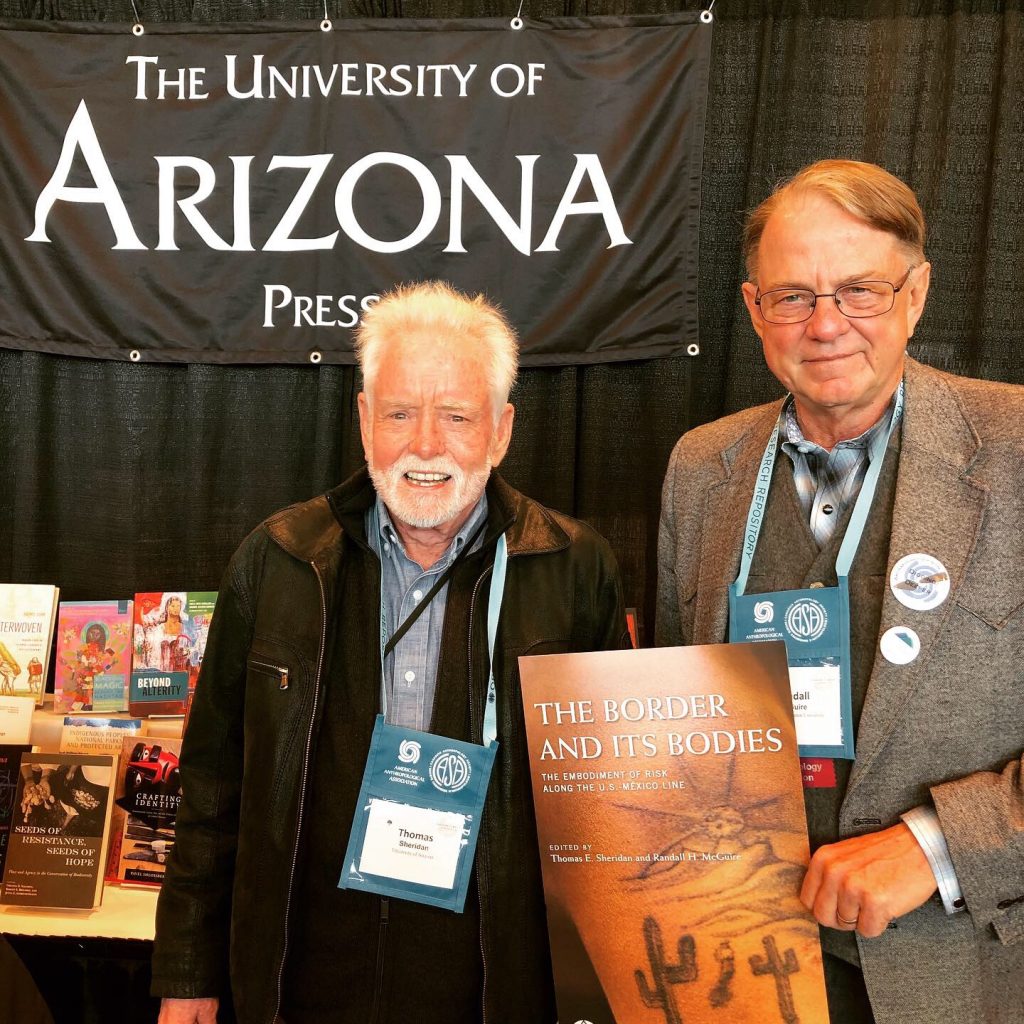
The Border and Its Bodies: The Embodiment of Risk Along the U.S.- México Line, is an important book of borderlands scholarship, but there’s more to this University of Arizona Press book, placed on the Association of University Presses’ reading list during University Press Week last November. The book’s editors Thomas E. Sheridan and Randall H. McGuire, along with its thirteen contributors, have presented a timely presentation on the realities of our border region. This book examines the impact of migration from Central America and México to the United States on the most basic social unit possible: the human body. It explores the terrible toll migration takes on the bodies of migrants—those who cross the border and those who die along the way. The following is an excerpt from contributor RobinReineke, an assistant research social scientist in anthropology at the University of Arizona’s Southwest Center, and cofounder and executive director of the Colibri Center for Human Rights:
Necroviolence and Postmortem Care Along the U.S.-México Border
ByRobin Reineke
In June 2010, the decomposed remains of a man were found by the U.S. Border Patrol on the Tohono O’odham Nation in Arizona. The man was found under a tree, with a backpack containing about $200 in Mexican pesos, a few bus ticket stubs, and a prayer card for Pope Benedict. His body was transported to the Pima County Office of the Medical Examiner (PCOME), where forensic investigators, pathologists, and anthropologists began the work of trying to identify him. During their examination, a Honduran identification card was found in the man’s shoes.
Nearly two months passed with no leads on this man’s identity. Then, in August, a woman called to report her brother, Miguel, missing. A volunteer took the missing person’s report. Miguel’s full name matched the name on the Honduran ID card. Miguel also was reported to have a tattoo—a homemade letter M on one of his forearms. Although the external examination, autopsy, and forensic anthropology examination had all been completed, there was no note of a tattoo. To see if there was indeed a tattoo on the body, investigators used infrared photography to photograph the highly decomposed flesh of the arms of the unknown man. The photographs revealed what could not be seen with the human eye—a light, hand-drawn letter M on the right forearm. The unknown remains were identified as Miguel’s.
Miguel had lived and worked in the United States for decades. He was a gardener. In the spring of 2010, he was apprehended by ICE after being pulled over for speeding, and was deported to Honduras. Shortly after, in the summer of that year, Miguel hired a coyote to guide him across the Arizona desert. He was desperate to get back to his family and his job. He attempted the crossing in June, one of the hottest months of the year in the Sonoran Desert, when temperatures regularly reach into the triple digits.
When the volunteer called to notify Miguel’s sister that he had died in the desert from heatstroke, she wept and expressed confusion. “How could someone die just from walking? He was a gardener; he was used to being in the sun. I think someone murdered him,” she said. The volunteer assured her that there were no signs of trauma, and explained that, sadly, hundreds of people die each year attempting to cross the border through Arizona. The volunteer then explained the next steps: the family would need to choose a funeral home, and then have the funeral home contact the medical examiner’s office to arrange to pick up Miguel’s remains.
About a week later, the volunteer got to her desk one morning and noticed that her voicemail box was full—twenty-eight messages. They were all from Miguel’s family, who were distraught, confused, and angry. The family had been calling from the funeral home, where they had just seen Miguel’s remains. They were convinced that they had been deceived about the cause of death, because the body they were looking at was a horrifying sight—a blackened, decomposed, headless corpse whose hands had been cut off. Clearly, they said, Miguel had been murdered.
Although the official manner of death was accidental, not homicide, they were right. Miguel had been murdered by the U.S. federal government, using the Sonoran Desert as a weapon, and his body showed the signs of this violence.
INTRODUCTION
What happened to Miguel and his family was a complicated injustice, with layers of violence occurring along a protracted timeline. First, Miguel had likely been racially profiled by police. He was then deported to a country he hadn’t called home in more than 20 years, which separated him from his small children and his only means of income. Then, in an attempt to get home, Miguel had followed the path created for Latin American workers by decades of U.S. immigration and border policy, which cuts through remote regions of the Sonoran Desert. The desert conditions and arid heat took its toll, and Miguel died from exposure to the elements. His body was not found for several weeks because of the isolated area where he had been traveling. By the time Miguel was found, his body had endured the same brutality of the desert conditions that had killed him.
On arrival to the medical examiner’s office, Miguel’s body was unrecognizable due to decomposition, and would require special examination techniques for there to be any hope of finding his family. During autopsy, his inner organs and brain had been removed for examination. During the forensic anthropology examination, his skull had been detached, along with portions of his pubic bones. His body was so decomposed and desiccated that investigators had to cut off his hands so that his fingers could be rehydrated for fingerprinting. When his family finally saw his remains, they were looking at the effects of violence, but they were also looking at attempts to care for Miguel and his family.
The volunteer who had first taken the missing person report for Miguel, who had then called his sister when his remains were identified, and who had heard the distressed voices of the family when they were looking at what was left of his body, was in some ways ill-equipped to handle the situation. She was young, she was in over her head, and she was scared. That volunteer was me.
At the time, I was a graduate student in the School of Anthropology at the University of Arizona. The same semester I started graduate school, in the fall of 2006, I began interning and volunteering under the guidance of Dr. Bruce Anderson, forensic anthropologist at the PCOME. I was interested in the ways that a cultural anthropologist might be able to support the work of forensic anthropologists, and Dr. Anderson was eager to have my help. At the time, Dr. Anderson was examining about 150 cases per year—far more than any other single forensic anthropologist in the nation, likely in the world. On top of this, he was also managing calls from families of the missing. The families were calling the medical examiner’s office directly because they had nowhere else to go. The standard mechanism for reporting and pursuing the investigation of a missing person in the United States is through law enforcement. However, families of missing migrants generally struggle with this system: because they are afraid to contact police for fear of deportation, they do not live in the United States, or they are turned away by law enforcement officials when they try to file a report for a missing foreign national. So they call the medical examiner’s and coroner’s offices along the border directly. When I approached Bruce in 2006, he suggested that I help him with missing person reports, and with speaking to the families—work he had taken on voluntarily despite being already overwhelmed with the caseload.
Gradually, these volunteer efforts grew into a nonprofit, the Colibri Center for Human Rights, which I cofounded in 2013. My graduate research became focused on the social and scientific process of identifying the remains of migrants who had died attempting to cross the U.S.-Mexico border into Arizona (Reineke 2016). That summer, when on the phone with Miguel’s family, I had cautioned them against opening the body bag. I explained that viewing his remains would be difficult and that I didn’t want them to remember Miguel that way. But when the body bag containing Miguel’s remains arrived at the funeral home, the family wanted to see him. They needed to confirm that it was indeed Miguel, and to understand for themselves what had happened to him. What they saw was evidence of violence, but not the kind they assumed. There is no good language for the kind of violence Miguel’s body had gone through.
In this new essay, Vélez-Ibáñez reflects on the origins of The Chicanos: As We See Ourselves, edited by Arnulfo D. Trejo and published by the University of Arizona Press in 1979. Vélez-Ibáñez reflects on contributing to the work, nearly forty years ago, and how his thinking and scholarship has changed since that time.
When The Chicanos was first published Trejo wrote, “We have come a long way, from the time when the Mexicano silently accepted the stereotype drawn of him by the outsider. Our purpose is not to talk to ourselves, but to open a dialogue among all concerned people.”
In the new essay, Vélez-Ibáñez continues the dialogue, inviting us all to consider a transborder cultural citizenship that is hemispheric, inclusive, and beyond borderlines.
Vélez-Ibáñez is Regents’ Professor in the School of Transborder Studies and School of Human Evolution and Social Change, the Motorola Presidential Professor of Neighborhood Revitalization, and founding director emeritus of the School of Transborder Studies at Arizona State University.
Even though Science Be Dammed was officially released in late November, buzz about the University of Arizona Press book grew months before its pages were printed. After all, in this age of climate catastrophe and growing discussions around water resources throughout the country, a book about how Colorado River policy makers ignored science in favor of growth offers a glimpse of reality folks often suspected was true. The book also offers a path forward, providing a new way to look at allocation and water policy.
The writers, Eric Kuhn and John Fleck, are also getting in front of new policy makers with their book in hand at regional conferences, meetings, and doing interviews on the book. Both authors bring important experience to share–Kuhn worked for the Colorado River Water District for more than four decades; while Fleck, a longtime journalism covering water, is now an academic with the University of New Mexico’s Water Resources Program.
Besides getting on two great seasonal reads lists from Outside Magazine and The Revelator, and doing a handful of radio interviews, here are few examples of recent media coverage for Science Be Dammed:
Naveena Sadasivam from independent news outlet Grist, recently wrote a story with a Q&A interview with Kuhn and Fleck.
In 1916, six years before the Colorado River Compact was signed, Eugene Clyde LaRue, a young hydrologist with the U.S. Geological Survey, concluded that the Colorado River’s supplies were “not sufficient to irrigate all the irrigable lands lying within the basin.” Other hydrologists at the agency and researchers studying the issue came to the same conclusion. Alas, their warnings were not heeded.
I caught up with Fleck and Kuhn to learn why LaRue and others were ignored and what history can teach us about the decisions being made on the river today. This interview has been condensed and edited for clarity.
Q. When did you both realize that the conventional wisdom about the framers of Colorado River law using bad data was incorrect? Was there an “aha” moment?
A. Fleck: The “aha” moment for me was when I found the transcripts of LaRue’s 1925 congressional testimony, when he said, as clear as could be, that there’s not enough water for this thing they were trying to do. It erased any doubt I had that the reports were too technical and people didn’t really understand them. He was there testifying before Congress, and they just chose to ignore it. None of the senators followed up. They were clearly choosing to willfully ignore what LaRue was saying.
Kuhn: He wasn’t alone. There was USGS hydrologist Herman Stabler, an engineering professor from the University of Arizona, and a very high-level commission appointed by Congress, headed by a famous Army Corps of Engineers’ lieutenant general, and they came to the same conclusion. The surprise to me was how widespread the information was among the experts at the time. There was never even enough water in the system for what we wanted to do before climate change became an issue.
This week, the Tucson Weekly featured Science Be Dammed on their cover, with an author interviews and an excerpt:
Kuhn and Fleck argue in the book that the greatest failure of river management institutions in the 20th century is a lack of plan B in the face of less water. And of course, there is now less water.
“Climate change and many other factors have basically said that there’s no stationarity in the river; we can’t use the last 100 years to predict what’s going to happen in the next 100 years,” Kuhn said. “Now that every drop of water in the river is used, the cushion is gone. And I think that’s one of the messages: You can’t rely on future generations to fix a mess.”
Even if the compact’s framers hadn’t selected the “rosiest scenario possible,” the Southwest’s current 19-year drought would still cause tightening for the Colorado River’s allocations. This has led to updated rules around water use, such as Arizona’s recently ratified Drought Contingency Plan.
“The Drought Contingency Plan is a band-aid, designed to get us through the next five or 10 years. There needs to be a more sustainable, long-term solution,” Kuhn said. “Those Drought Contingency Plans will give us some breathing room, but what the river will look like in 20 years, I think we’ll look back at our Drought Contingency Plan and say, ‘Those were the good days.'”
Fleck and Kuhn are not without hope, however. Not only is science advancing to offer new methods of water conservation, but the populations of many Southwestern cities are living more sustainably as well. For instance, Tucson’s water demand has continually lowered in the past two decades, despite an increase in population. In 2000, Tucson used 133,000 acre feet of water annually; in 2017, it was 110,000; and 104,000 is projected for 2025.
Authors Klara Kelley and Harris Francis have crafted a sweeping history of the Diné that is foregrounded in oral tradition. The authors share Diné history from pre-Columbian time to the present, using ethnographic interviews in which Navajo people reveal their oral histories on key events such as Athabaskan migrations, trading and trails, Diné clans, the Long Walk of 1864, and the struggle to keep their culture alive under colonizers who brought the railroad, coal mining, trading posts, and, finally, climate change. For Diné readers, A Diné History of Navajolandoffers empowering histories and stories of Diné cultural sovereignty. “In short,” the authors say, “it may help you to know how you came to be where— and who— you are.”
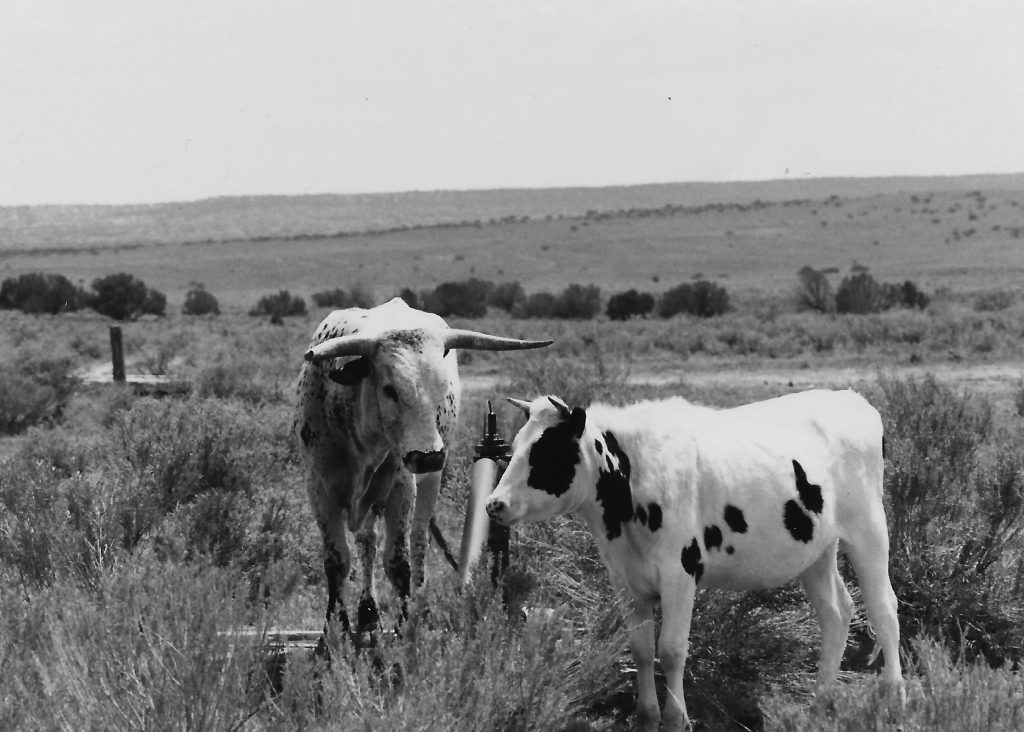
Of the 145 allotments in the Chambers Checkerboard townships, 56 are canceled or relinquished, but most allotments of the wealthy Silversmith extended family remain intact. Though many of the allottees were children when the allotment applications were first taken (mainly in 1909), those allottees are now adults. Therefore, the 56 relinquishments and cancellations represent about that many households, an estimated 250-300 people.
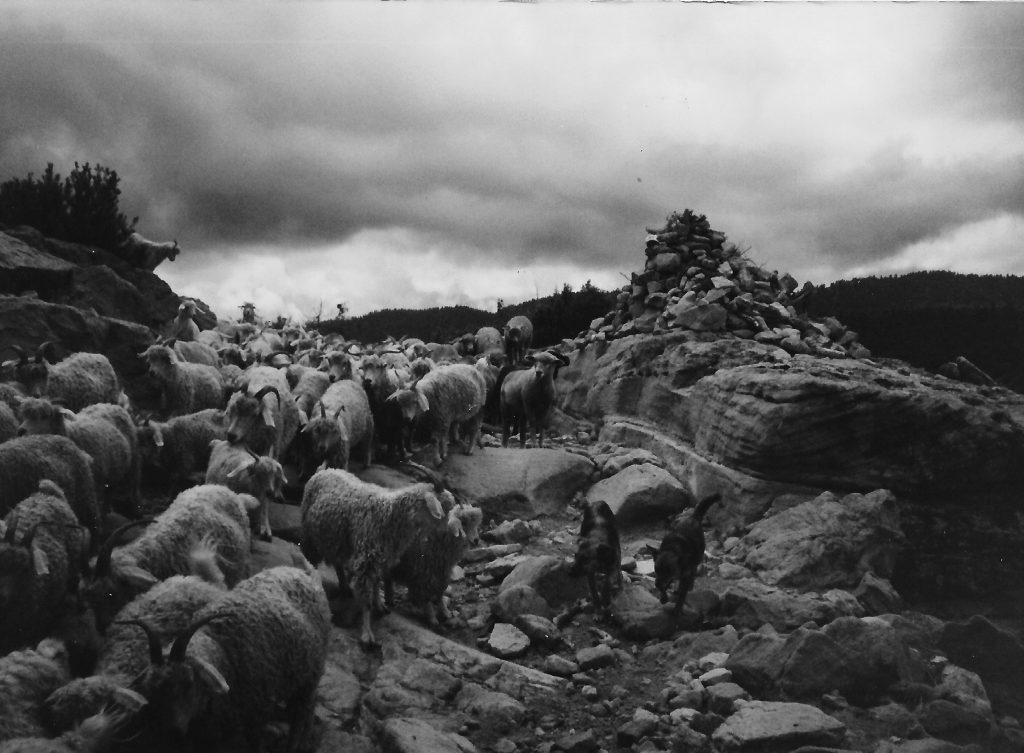
For allottees, these miseries come on top of Washindoon’s livestock reduction program. So at the very time when Washindoon is telling the People that the reservation lands can only support half the livestock that people own, it is forcing more families with whatever livestock they can salvage onto those same lands.
In 1998 Diné former residents of the Chambers Checkerboard described the miseries of relinquishment (Kelley and Francis 1998b, condensed from the original Navajo).
Consultant 1 (In English)
My mom was born in 1904. When she was about age six, she and her sister went to school at Saint Michaels. They were raised by their grandmother [father’s mother]. And Father [Anselm] came down here, and my mom said a whole group of people were following him around, asking for allotments. So my great-grandmother [who received an allotment] asked for land for my mom and her sister. But the guy who was interpreting for Father refused my great-grandmother’s request because of the interpreter’s relationship with a certain family. So I blame him for why my mom did not get an allotment. And also, I blame her father— he was working on the railroad at the time, he could have requested land. He had two wives, and he liked the other wife better than my mom’s mother. So he pushed my mom and her sister aside.
Before our family was driven off, one man came around to collect the papers— those were the papers with the Teddy Roosevelt signature and the eagle. He said it was for copying, then they would be returned. But my grandma refused to give up the paper. One time at a chapter meeting [probably 1960s], Little Silversmith spoke there, something about getting land for himself. And my mom got up and accused him of not helping when we were all chased off. She said that white people were driving Little Silversmith out now [he seems to have been in debt and was selling to a Bilagaana rancher], but where was he when white people were driving us out?
My mom told me that we left our chickens, our wagons. She went back with my grandfather to our home to get our things, and saw them dumped like trash. Men formed a posse in Springerville, went through Saint Johns, camped someplace between Saint Johns and Sanders. Early in the morning they attacked Diné families around [the spring near the great-grandmother’s allotment], drove them out at gunpoint.
Then, the site where we moved after we were driven out: my dad dug a hole, and we lived there through the winter. Then he built a hogan north of Sanders. First, we went across the [Puerco] river and tried to settle there, then were told to keep moving north, because that was allotted land, go farther north past where the allotments are. So we kept going and we went on land claimed by [certain relatives].
Consultant 2 (In Navajo)
We had many sheep, horses, and cattle. We’d plow the fields and plant a lot, too. We grew a lot of beans, put them in gunny sacks. Someone, I don’t know if they were Bilagaanas, would buy them from us. We also used to live at another place over the hill with my maternal grandparents. There were several lakes where the livestock were watered. We lived in several places…
We would hear people say that we pay for the land [taxes or railroad lease payments]. And one day we were told to move out toward the railroad [north]. They had been saying this to us for a few years now. There was a man named Big Schoolboy, who went around with the Bilagaanas and told everyone to move out. He said that if we didn’t move, they would take us back to Fort Sumner. They all carried guns. We were afraid they might shoot us all.
This was two years after my mother died that they told us to move. My father had to take care of us children then. So we moved out. We put only a sewing machine and other little things in a wagon and left. We left with our sheep, many horses, the rams, and the cows. We just left with our clothes and went to a place called Graywater [about 10 miles away]. The horses were tired out by that time, but there was no grass, only a pond.
When we got the horses back [after the eviction], they were starved almost to death. There was sand sage, silvery sage, wormwood there. We got only 20 horses back— the others died— and never found the cattle. We took some cows with us when we left, but we left a lot there. The sheep we took, but we lost a lot of them too, some to thirst and starvation. We survived on the sheep but our horses died, even the one we used for the wagons. We barely got water. We had to use bottles. We had a very hard time. Then my maternal grandfather became ill. His kidneys wouldn’t work, so they had to carry him around a lot. I don’t know how many years it was, but he passed away too.
When we left our home, my little sister and I would go back to pick up some of our belongings now and then. We noticed that they [the Bilagaanas] had pushed our wagons off a cliff and they were all smashed up at the bottom. We had a small wagon, a big wagon, different types, also a well down there. They shot it up, too. We don’t know where they took our personal belongings and our clothes or what they did with them. They were all gone.
We barely bought this [current homesite] from a lady [a tract next to her father’s lieu allotment]. They used to live over there at the railroad. We got a wagon too that we used to get water with. She gave us some horses that we traded some sheep for. That’s what we used to get water.
So we came out here. My grandmother was herding them at Graywater [about eight miles away]. We’d run out of water, our only water source was at [a spring away from the homesite]. We’d get water at night, fill the barrel and bring it back. Me, I’d cut logs at Graywater, and I’d bring them back here. That’s how we built a house.
We had no water, but there used to be Bilagaanas who lived around here but they moved out. They used to have windmills here and there, so we asked one to take a windmill out for us. I traded some sheep for it, and they came here and installed a windmill. We settled here permanently after that. We had to herd rams for people, and they would give us a few sheep for it, and eventually we managed to fill our corral again.
Our People of the Press feature is wrapping up. Inspired by the Association of University Presses celebration of the people of AUPresses, we’ve so enjoyed celebrating the people who work behind the scenes to help our authors share their amazing works! Learn more about us:
Kathryn Conrad, Director “I sometimes joke that my job as Director is to attend meetings and sign my name. But what I love most is finding partnerships with colleagues on campus and in the community.” Read more
Julia Balestracci, Assistant to the Director and Rights Manager “I have learned that there is a growing commitment out there in the world at large to showcasing diverse voices and perspectives. Increasingly, based on the requests I receive, I see a move to expand diversity in school curriculum at all levels.” Read more
Kristen Buckles, Editor-In-Chief “The old cliché about learning something new everyday is so apt here. It’s the nature of our work: we are all learning about the world we live in (and beyond!) through our daily engagement with the book content.” Read more
Scott De Herrera, Assistant Editor “I am responsible for acquiring titles in poetry and fiction for the Press’s two award-winning literary series, Sun Tracks and Camino del Sol. I also work closely with our Senior Editor, Dr. Allyson Carter, to bring in new titles in anthropology, Indigenous studies, archaeology, environmental science, and space science.” Read more
Stacey Wujcik, Editorial Assistant “It seems like I’m learning something new all the time. I’m still relatively new to Tucson, and I’ve certainly learned a lot about this region through my work at the Press. My work here also continually reinforces how important it is to read works by authors from different backgrounds who have different experiences and perspectives.” Read more
Amanda Krause, Editorial, Design, and Production Manager “I help shepherd books through the Editorial, Design, and Production process, answering author queries; working with freelance copyeditors, proofreaders, and indexers and print vendors; maintaining our house style guide; and managing the schedules for book production to make sure books are published (and reprinted) on time.” Read more
Leigh McDonald, Art Director and Book Designer “Everybody loves books, but not many people think about the work that goes into them behind the scenes! Everything you see when you pick up a book, from the choice of paper stock and color to the font, margins, image placement…everything but the content was a decision made by someone like me.” Learn more
Sara Thaxton, Production Coordinator “Typesetters think in an entirely different numbering system than most people. We go by picas/points and in multiples of 12s rather than 10s. We’re also probably the least-visible cog in the book publishing machine, but we’re always very proud of every book we create! Also, e-books are harder to make than they look!” Learn more
Abby Mogollon, Marketing Manager “So much of book publishing is invisible. It takes a great partnership between the press and the author to spread the word about a book, and a lot of thought and planning is happening behind the scenes.” Learn more
Mari Herreras, Publicity Manager “I think I’ve always known this, but see it more clearly now—that there’s more to the story then what’s written in each book published by the Press. Each book comes with the author’s own unique story about their life, their world, their research, and how they decided this one book needed to be published.” Learn more
Savannah Hicks, Marketing Assistant “Even though a lot of our presence appears to be digital, I’m happy to say that some of the most meaningful and joyful interactions in publishing still happen face-to-face.” Learn more
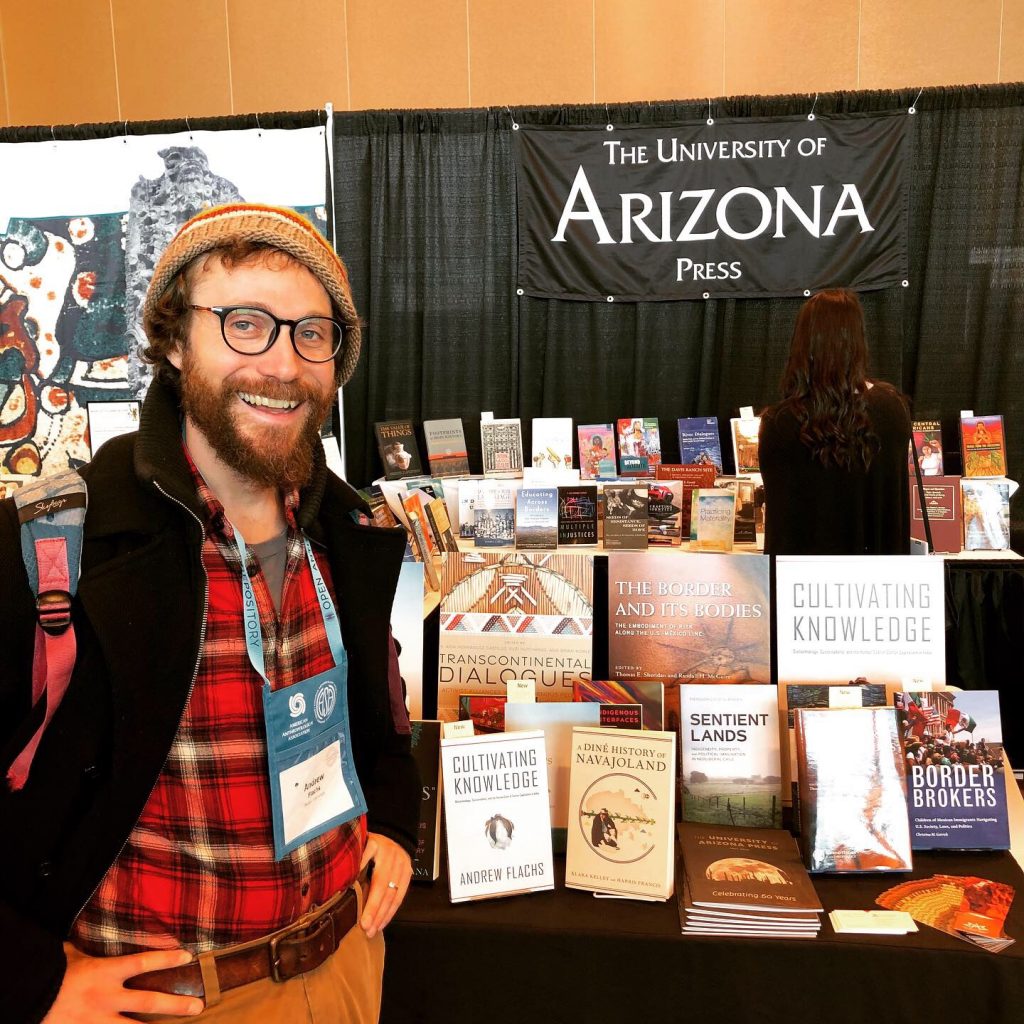
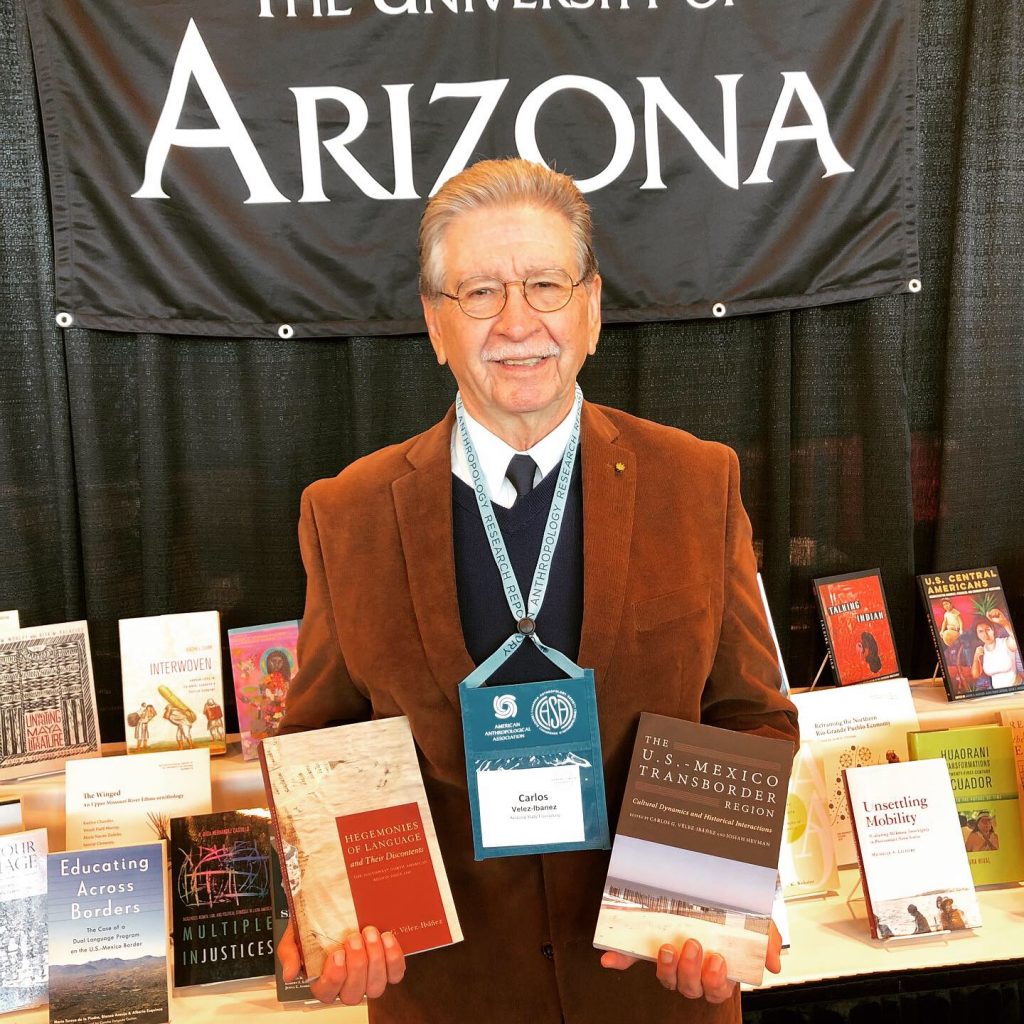
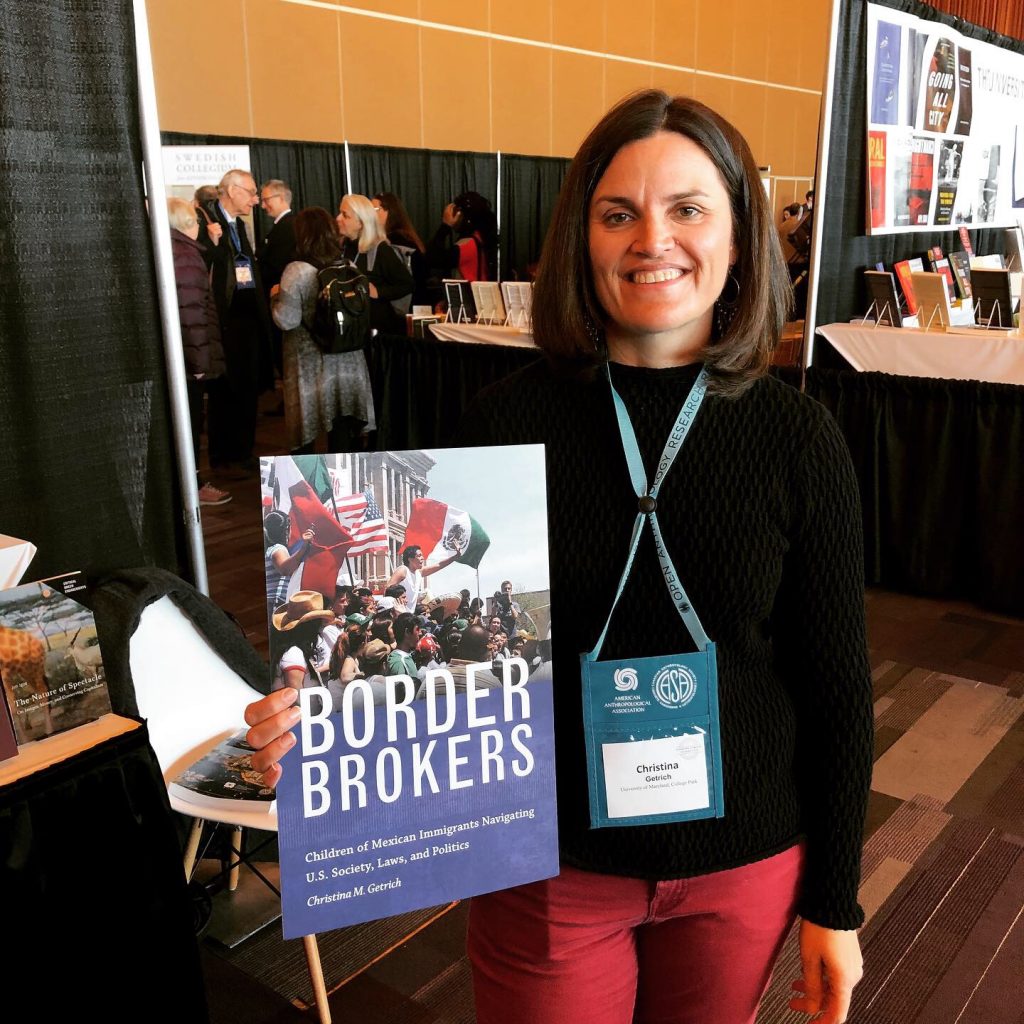
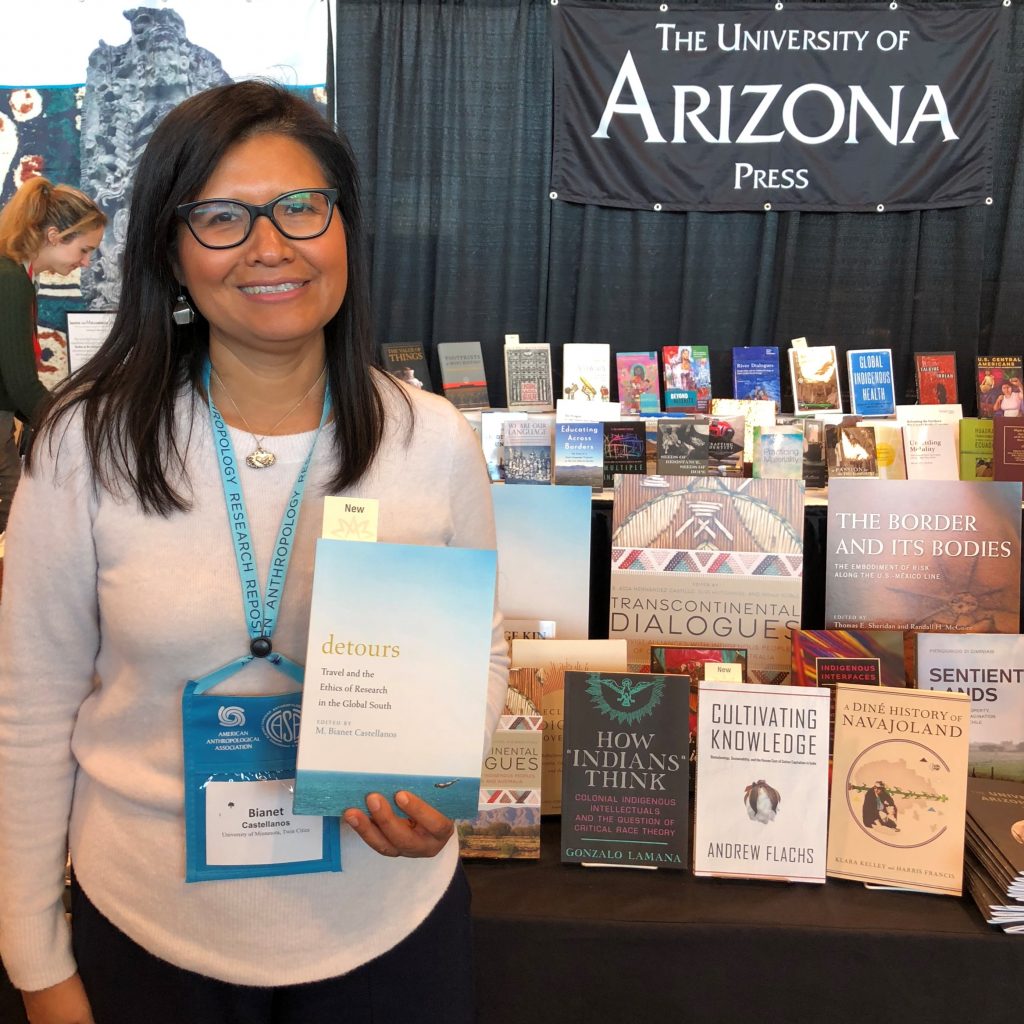
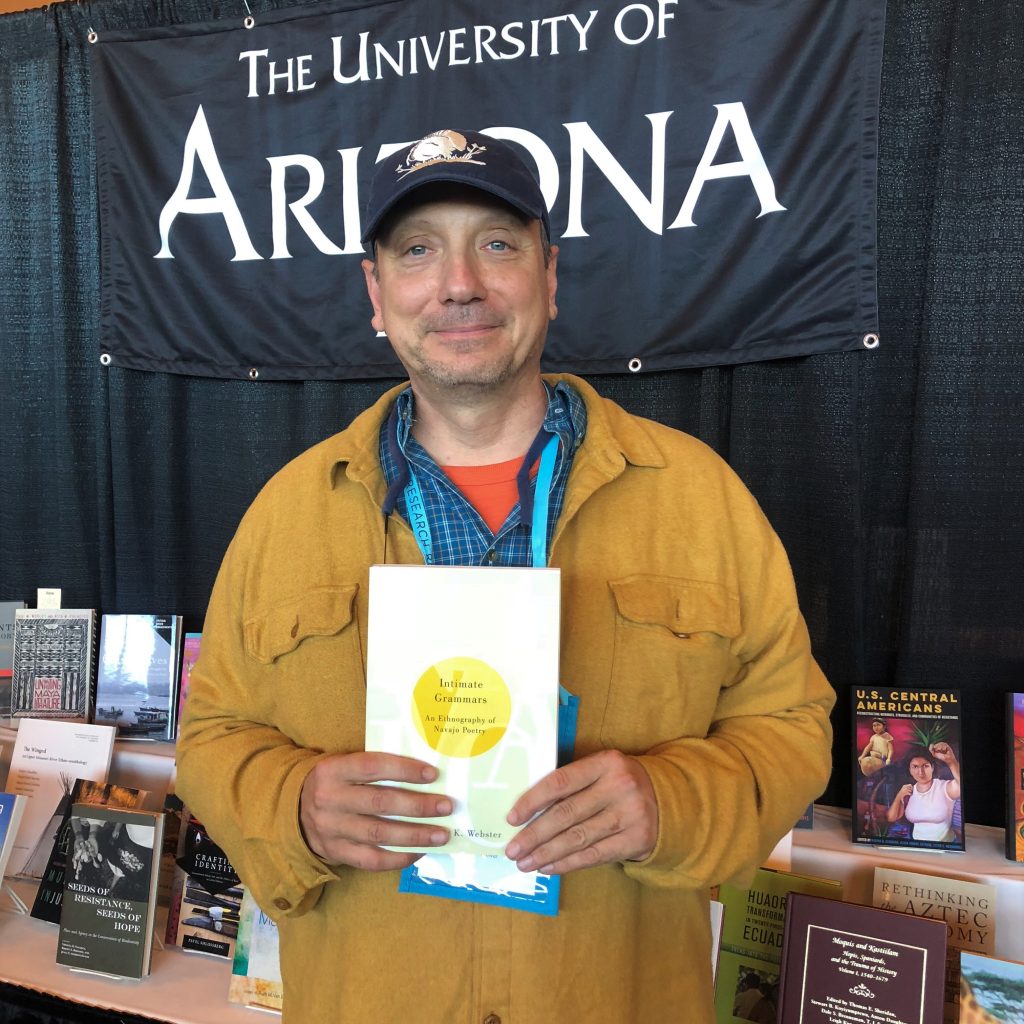
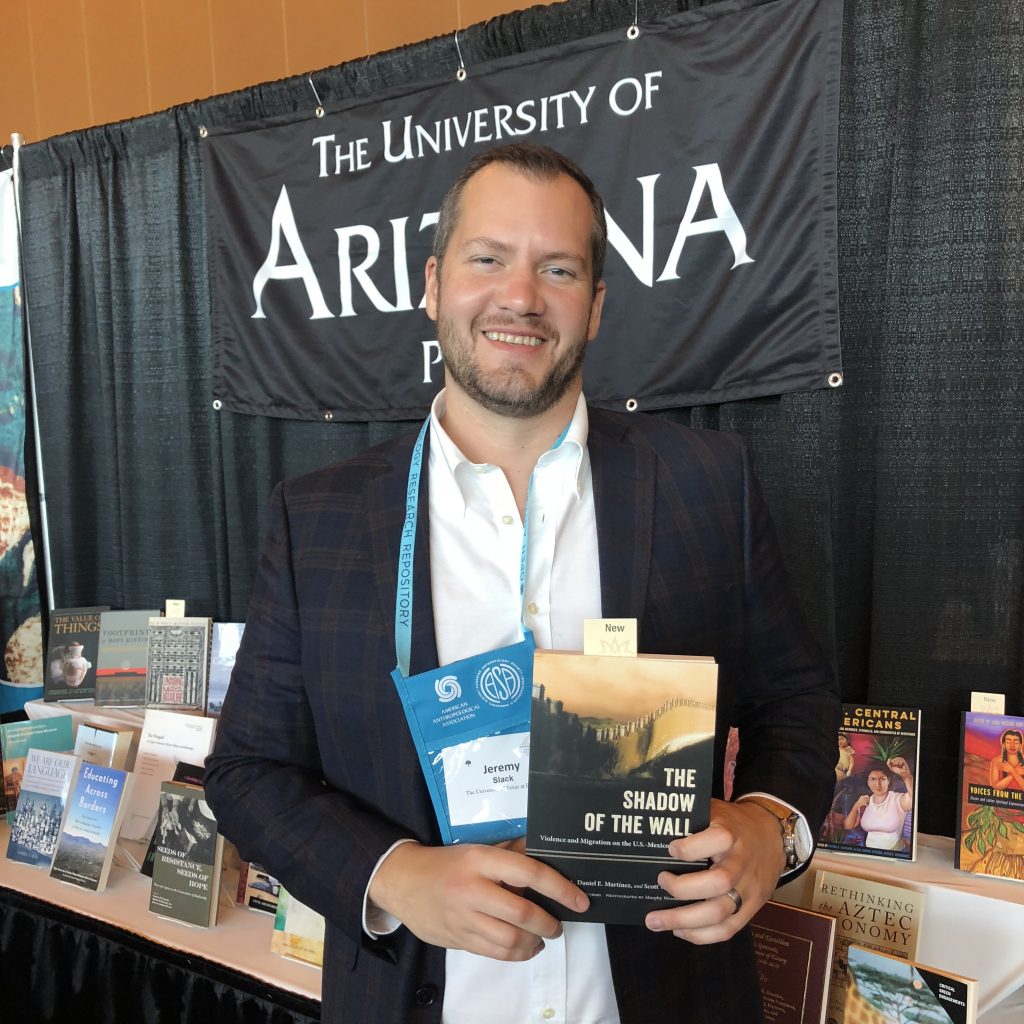
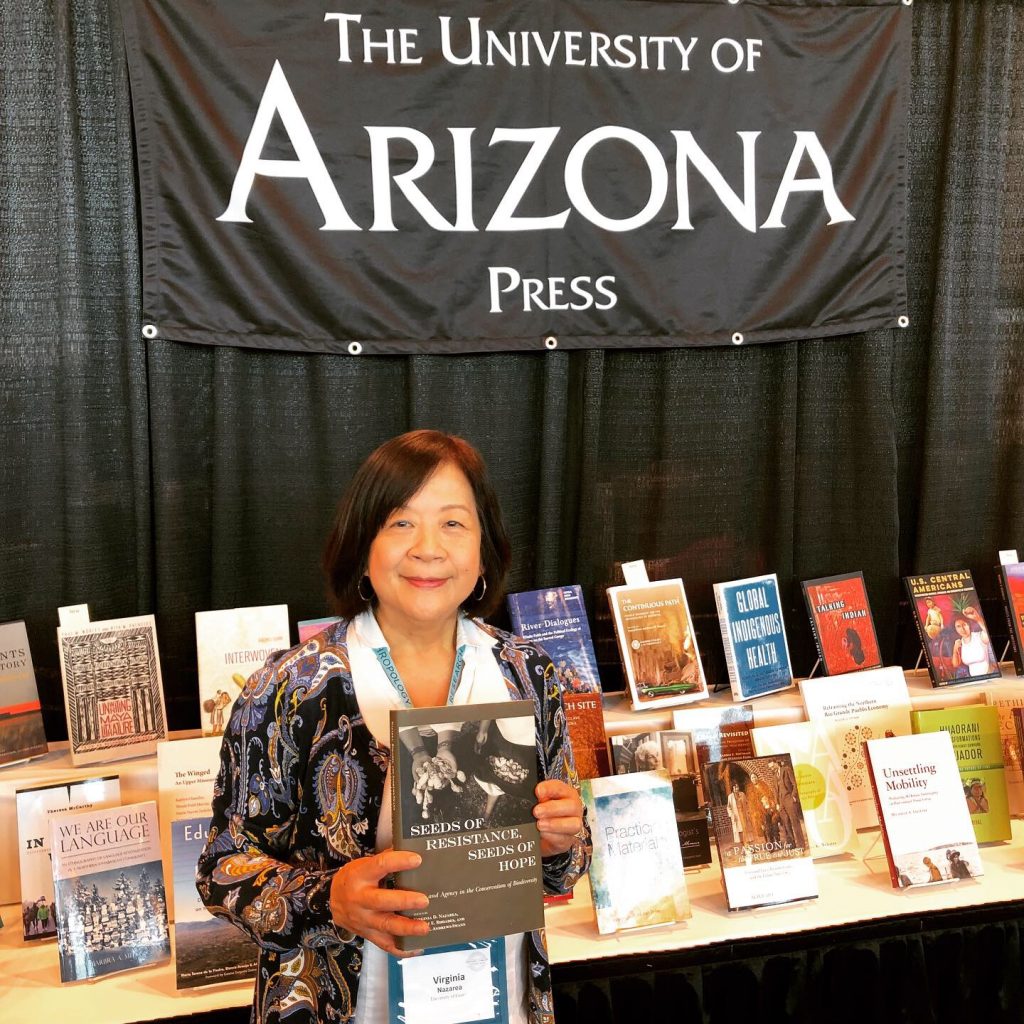
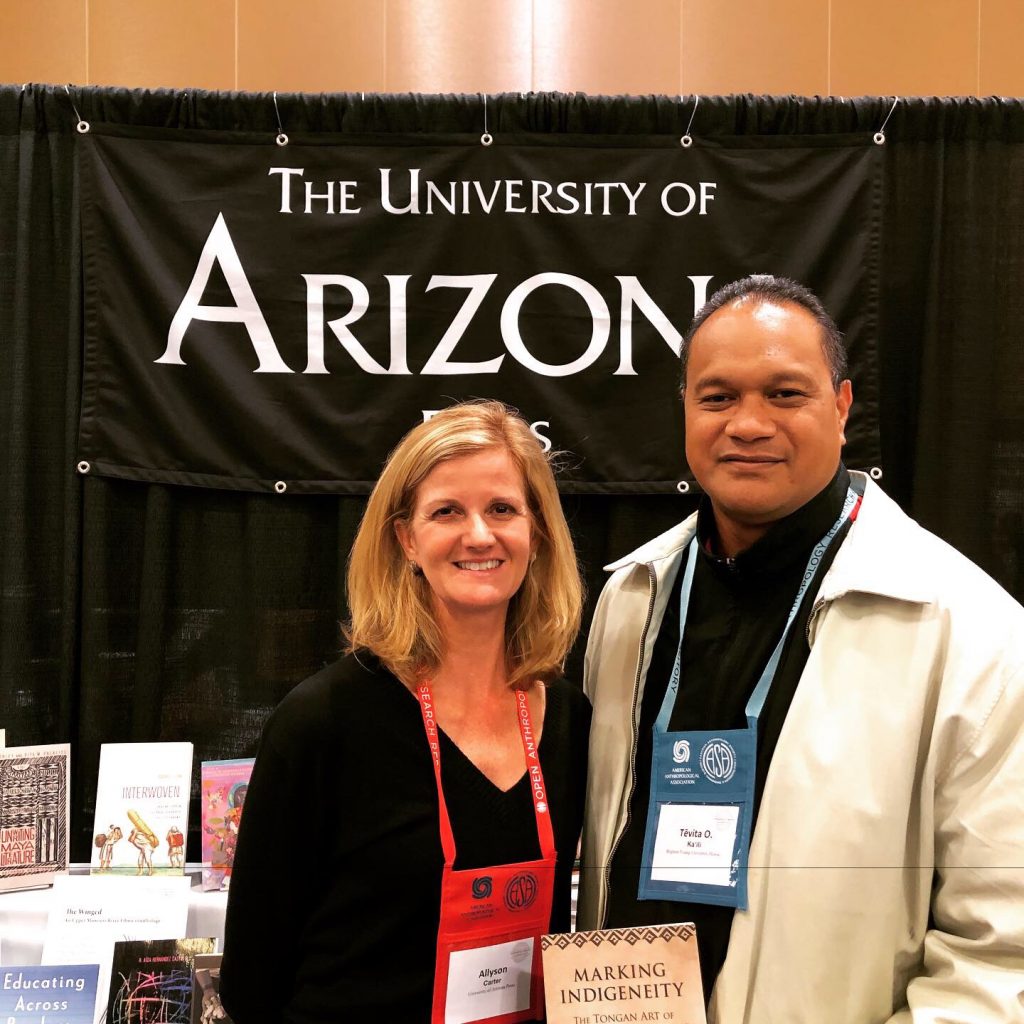
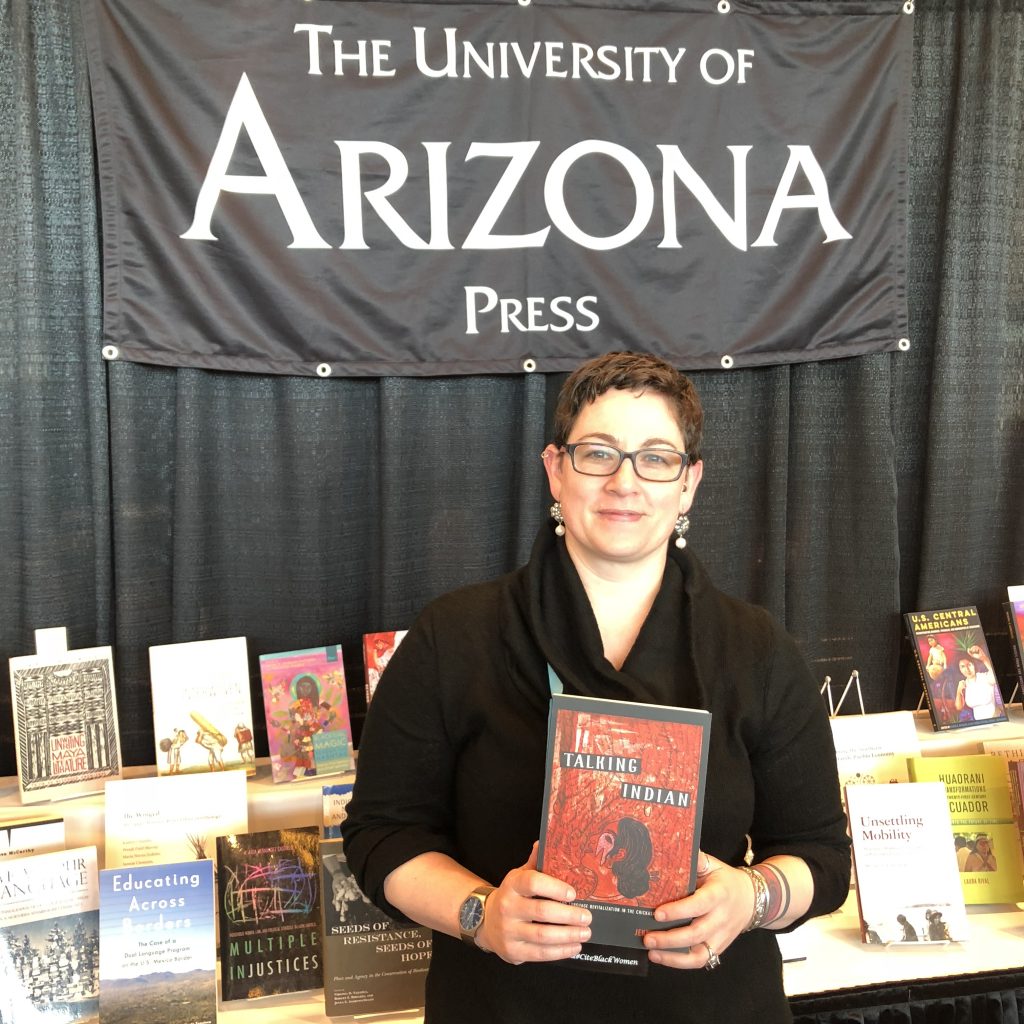
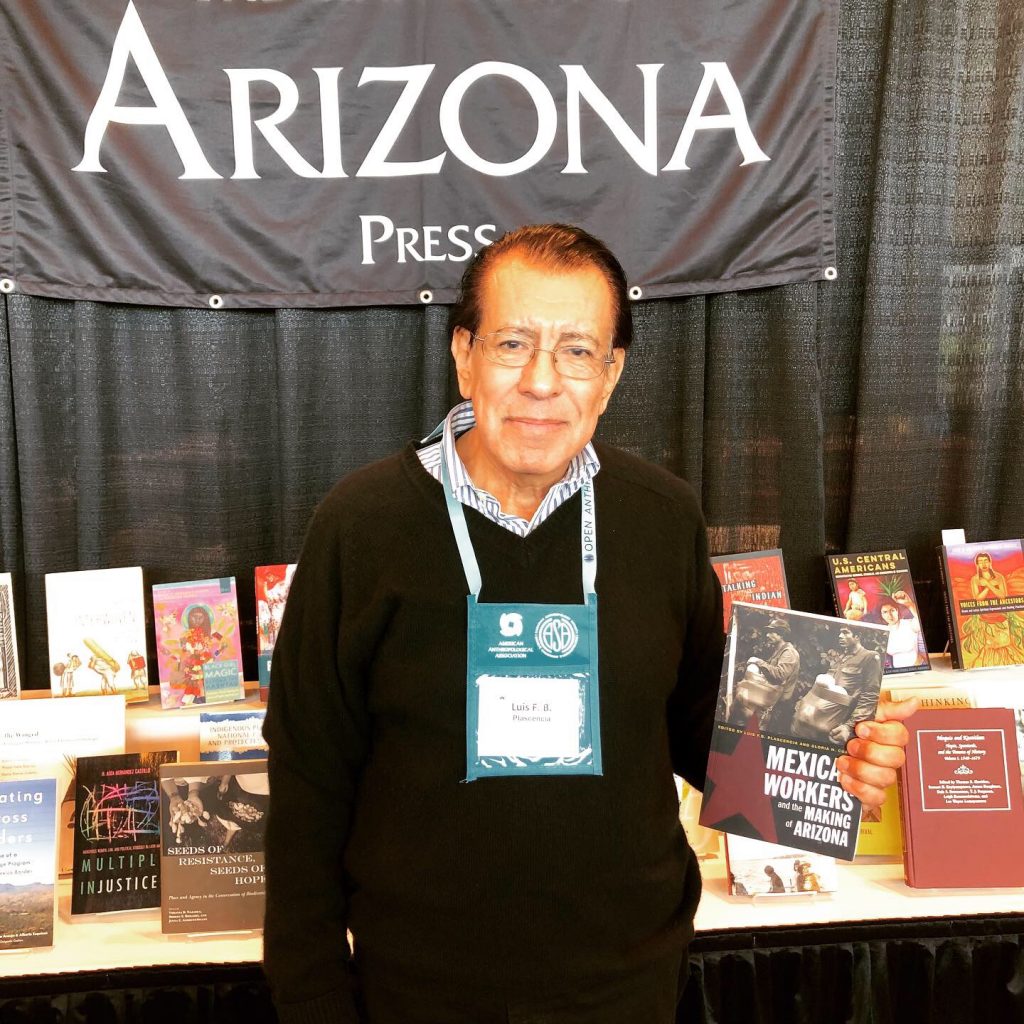
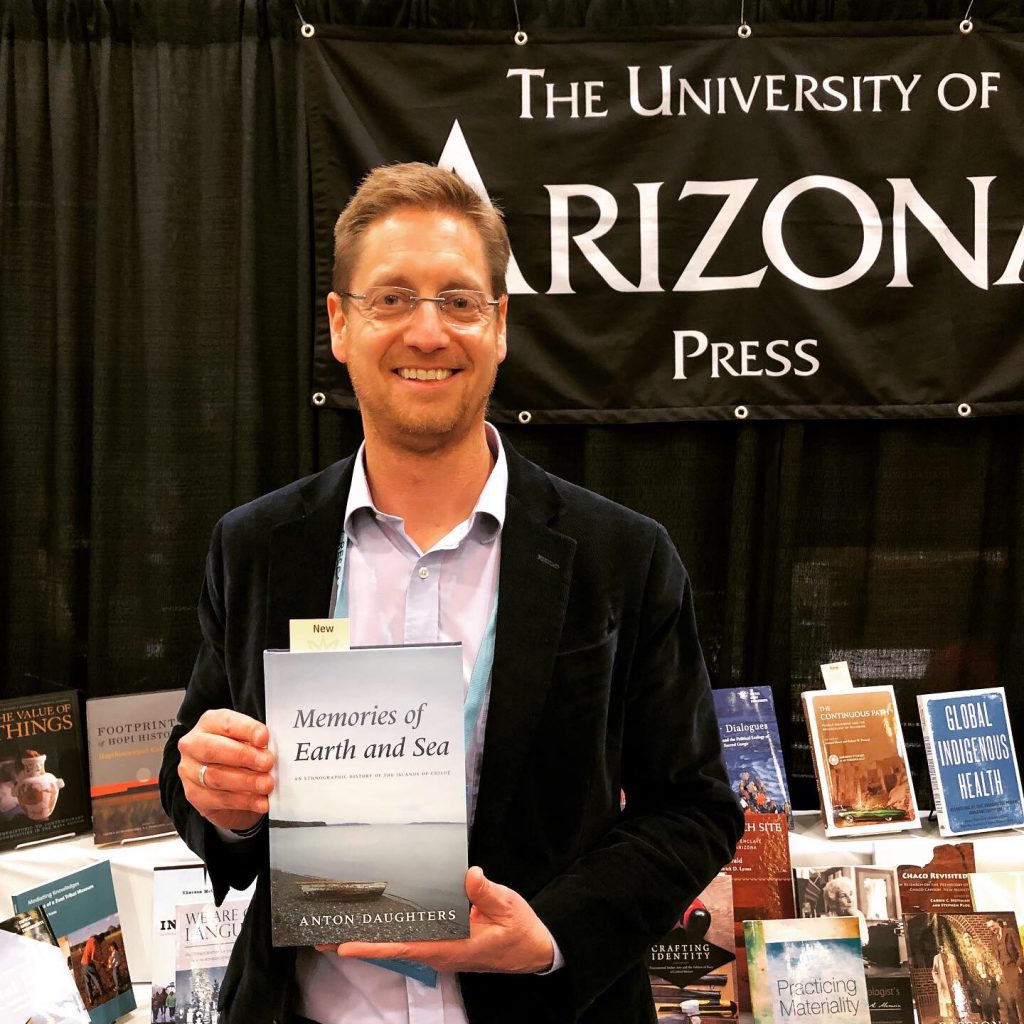
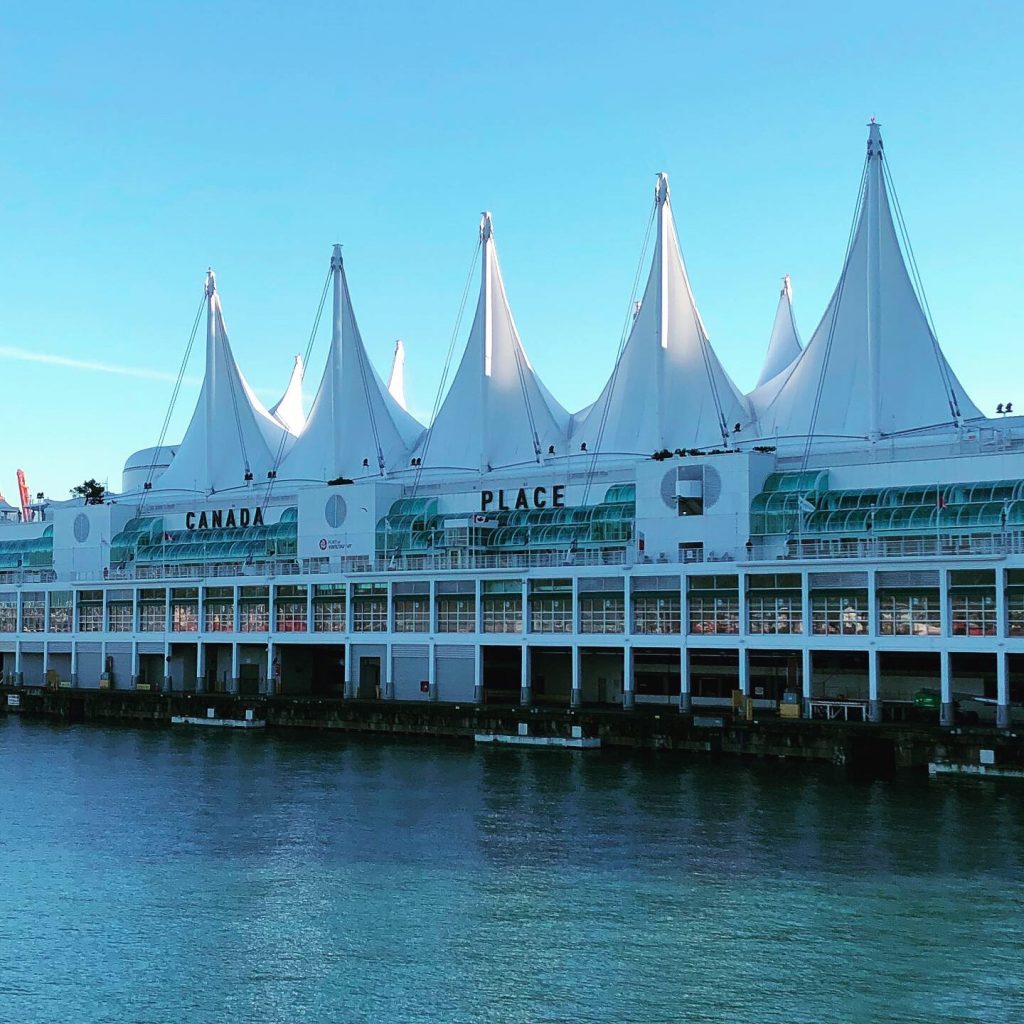
Last week, we attended the American Anthropological Association conference in beautiful Vancouver, British Columbia. It was a wonderful conference, and we can’t wait for next year’s meeting in St. Louis, Missouri. We were thrilled to catch up with so many of our authors! Below, find some photos we snapped at the conference.
People of the Press is back this week! Inspired by the Association of University Presses celebration of the people of AUPresses, we would also like to celebrate our dedicated publishing professionals throughout our 60th anniversary year.
As the editorial assistant in the acquisitions department, I help the Press’s acquiring editors send manuscripts out for peer review. I also work with authors to help them finalize and submit their final manuscript files (including images and permissions) to our production team.
How
long have you worked at UA Press?
Just over three years.
The
University of Arizona Press is committed to helping contribute to an informed
society and enlightening readers. What’s one thing you’ve learned from your
work?
This question is so hard to answer; because we publish books in many subject areas, it seems like I’m learning something new all the time. I’m still relatively new to Tucson, and I’ve certainly learned a lot about this region through my work at the Press. My work here also continually reinforces how important it is to read works by authors from different backgrounds who have different experiences and perspectives. Each new project is a reminder that there is always more to learn!
What would people be surprised to learn about your work?
I think readers who are unfamiliar with the process of publishing with a university press would be surprised by how rigorous the peer-review process is. Each manuscript we consider for publication is first reviewed by scholars in the author’s field. This is not only a way for the Press to understand the work’s contribution but also an opportunity for the author to get valuable feedback as they complete their manuscript. Peer review is one of the things that differentiates university presses from commercial publishers.
Tucson
has a thriving literary and scholarly community. What’s one of your favorite
spots to hear authors, find a good book, or just curl up and read?
I like to shop for books at Antigone, and I’m always finding great books at the Pima County Library—I can never leave with just one! My favorite place to read is on my patio with a cup of coffee and my dog nearby.
In the fall of 2018, popular culture both south and north of the border had all eyes on Mixtec actress Yalitza Aparicio, the star of Mexican director Alfonso Cuarón’s Roma. Debates raged on a spectrum of issues, from the movie industry’s ongoing whiteness to the fragility of the autobiographical nature of the film, which is based on the director’s own lifelong relationship with Libo Rodríguez, a woman of Indigenous descent who was employed by his family. Accolades for and criticisms of the storyline took many twists and turns in Latinx social media circles and across demographics in Mexico. But missing from sight of much of these debates was the celebratory way in which young Indigenous women were engaging the newfound fame of Yalitza Aparicio. Her multiple magazine covers and photo shoots circulated lovingly across the Facebook accounts of female Wixarika university students. Aparicio’s global platform spurred conversations about decolonizing beauty standards and the need to speak to the lives of Indigenous domestic workers who sustain much of Mexico’s urban fabric. Aparicio’s own trajectory includes being an educator prior to becoming a celebrity; offering another point of identification that Indigenous women students and professionals pointed to in social media. Young Wixarika women read this moment in popular culture from a place of deep identification and joy that the broader public might finally be breaking with stereotypes that fix their bodies, cultures and political practices to othered rural spaces.
Had the constant struggle for recognition finally turned a page?
In my book, Racial Alterity, Wixarika Youth Activism, and the Right to the Mexican City, I survey Mexico’s long history of engagement with race, ethnicity and space. I do so by centering the experiences and praxis of Wixarika university students and young professionals living in the western cities of Guadalajara and Tepic. What is most moving about representing these stories, is that the majority of the Wixarika protagonists of this work have continued to make exceptional strides forward and many have gained visible platforms in local and regional political, educational, and cultural bodies. From directing state human rights commissions to speaking at international conferences, the cohort of university students and professionals who informed this book, seemingly represent the vanguard of coming generations of Indigenous university students. This vanguard has worked to open spaces in university classrooms, tribunals, medical institutions, government, and in the arts and culture. In sum, Wixarika university students and professionals, like their peers from other Indigenous groups, represent both rootedness and heterogeneity in the pathways they are using to transform themselves and their communities.
Photo by Diana Negrin
This apparent ascension and
gained visibility has not occurred without numerous and constant struggles. The
principal one remains how to challenge racist practices that shape the policies
geared toward Indigenous populations and that shape everyday interracial
relations both in urban and rural Mexico. The national and global gaze placed
on Indigenous peoples and the consumption of folkloric aspects of their
cultures remains a central marker of Mexicanness. For Wixarika peoples, this gaze
and consumption has boomed in the past twenty years, as they see themselves
being a favored ethnic face for both public and private marketing initiatives.
Ironically, at the same time that Wixarika aesthetics are celebrated,
commissioned and appropriated, the sacred lands that sustain their celebrated
ancestral traditions are threatened by transnational corporate interests that
include agroindustry, mining, and tourism.
My hope is that this
book contributes to the dialogue surrounding how enduring racial imaginaries,
stigmas, ambivalences and hostilities are negotiated and contested by young
Indigenous peoples who envision themselves as a new vanguard movement for
political economic, social and culture transformation.
Diana Negrín University of San Francisco Wixárika Research Center November 6, 2019
Diana Negrín is a native of Guadalajara, Jalisco, and the San Francisco Bay Area. Negrín received her doctorate from the Department of Geography at the University of California, Berkeley; she is a professor at the University of San Francisco and president of the Board of Directors of the Wixarika Research Center.
For Authors
The University of Arizona Press publishes the work of leading scholars from around the globe. Learn more about submitting a proposal, preparing your final manuscript, and publication.
The University of Arizona Press is proud to share our books with readers, booksellers, media, librarians, scholars, and instructors. Join our email Newsletter. Request reprint licenses, information on subsidiary rights and translations, accessibility files, review copies, and desk and exam copies.
Support a premier publisher of academic, regional, and literary works. We are committed to sharing past, present, and future works that reflect the special strengths of the University of Arizona and support its land-grant mission.
 The University of Arizona Press