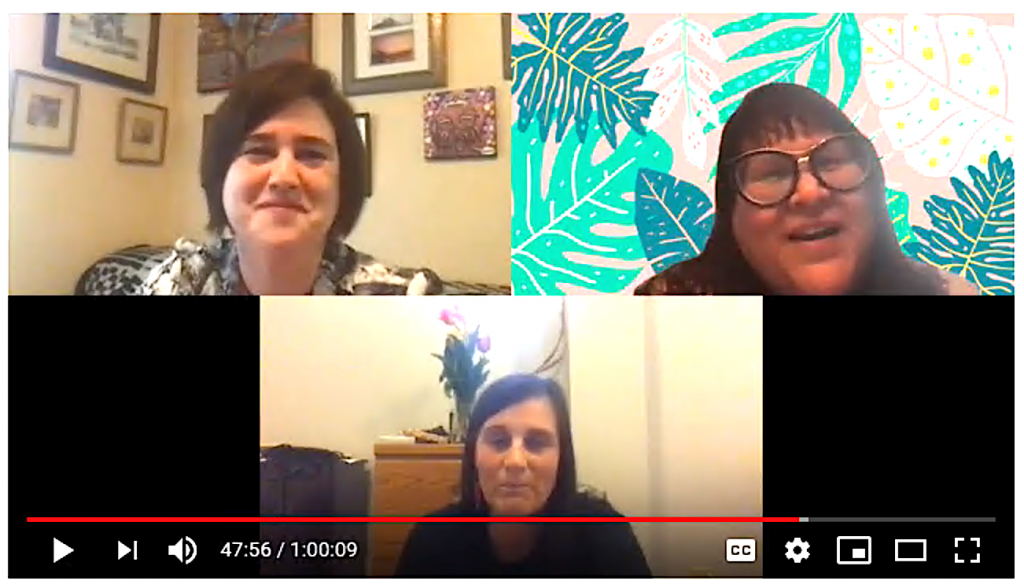
On Thursday, October 1, Heather Cahoon read from her new collection, Horsefly Dress, during a virtual book release celebration co-hosted by Fact & Fiction Books in Missoula, Montana, Birchbark Books and Native Arts in Minneapolis, and the University of Arizona Press.
In Horsefly Dress, Cahoon weaves together stories in her poems of family and tribal community with those of Coyote and his family, especially Coyote’s daughter, Horsefly Dress, the interactions and shared experiences show the continued relevance of traditional Séliš and Qĺispé culture to contemporary life.
The book release celebration, moderated by Savannah Hicks, University of Arizona Press marketing assistant, ended with a Q&A, asking Cahoon to follow-up on writing life, her poetry, and oral tradition.
Big thanks to co-hosts Fact & Fiction Books, and Birchbark Books and Native Arts. You can still order Horsefly Dress at either independent bookstore—Fact & Fiction and Birchbark.
Hosted by James Beard award-winning chef Janos Wilder and David Yetman, host of the PBS travel/adventure series In the Americas and a University of Arizona Press author, Food for Thought is an interactive, multidisciplinary lecture series.
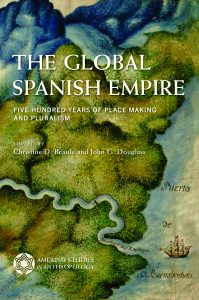
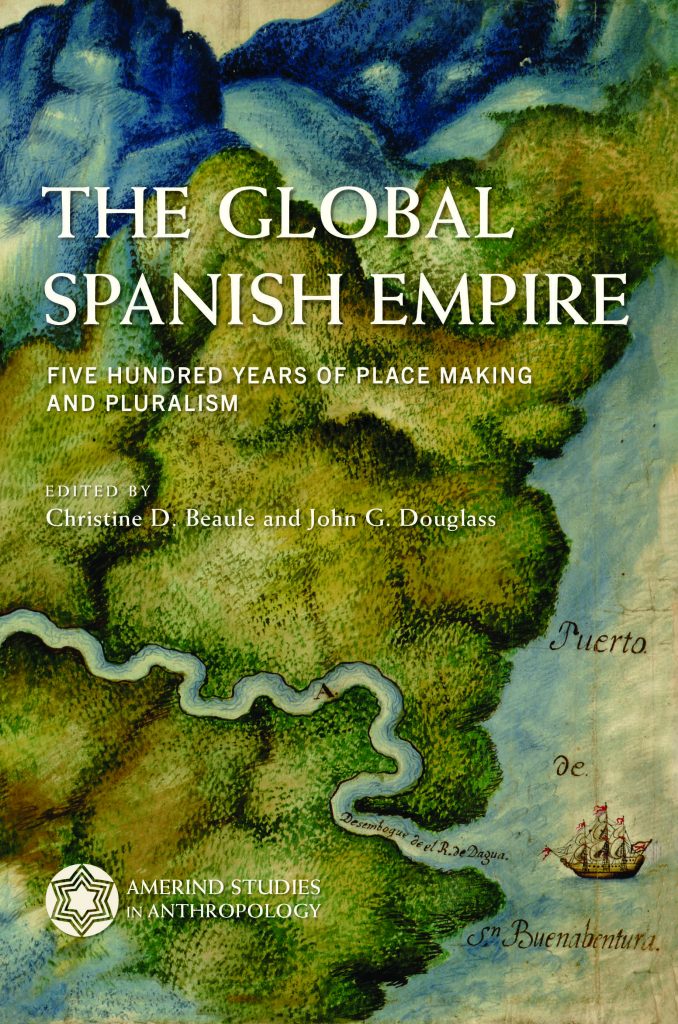
The Global Spanish Empire tackles broad questions about indigenous cultural persistence, pluralism, and place making using a global comparative perspective grounded in the shared experience of Spanish colonialism. Through an expansive range of essays that look at Africa, the Americas, Asia, the Caribbean and the Pacific, this volume brings often-neglected regions into conversation.
Viewers of the virtual conversation will learn about several key topics in the book, including the role of place-making in Spanish colonialism, the role of pluralism in the colonial experiment, and gain new understanding of Indigenous-Spanish interactions. Beaule and Douglass also explain how their Amerind Studies in Anthropology series book (published by the University of Arizona Press) came together.
To see upcoming Amerind events, please visit the foundation’s website.
We recently brought authors Fred Arroyo and Daniel Chacón together for an online event that turned into a creative writing and philosophy cocktail. In other words, it was super cool.
Arroyo, in Sown in Earth, recounts his youth through beautiful lyrical prose to humanize and immortalize the hushed lives of men like his father, honoring their struggle and claiming their impact on the writers and artists they raised. Chacón’s Kafka, his first book with the Press, is a short-story collection set in El Paso and other Latinx-dominant urban spaces disregarding boundaries and transporting readers into a world merely parallel to our own.
Stock up on summer reading and support our press and authors by purchasing books right now!
We are offering 50% off titles now through July 20th. Free shipping for orders shipping in the continental U.S. use discount code 50SALE20 in our shopping cart.
NAISA had to cancel their annual conference this year, and we really miss the opportunity to meet with our Indigenous studies authors and community. Below, we’ve highlighted our latest Indigenous studies titles that we weren’t able to display at the conference this year. Use the code AZNAISA20 for 40% off all of the titles mentioned in this post, plus free shipping!
Our editor-in-chief, Kristen Buckles, and our senior editor, Allyson Carter, Ph.D., acquire in this field. To propose a project, contact Kristen at kbuckles@uapress.arizona.edu or Allyson at acarter@uapress.arizona.edu.
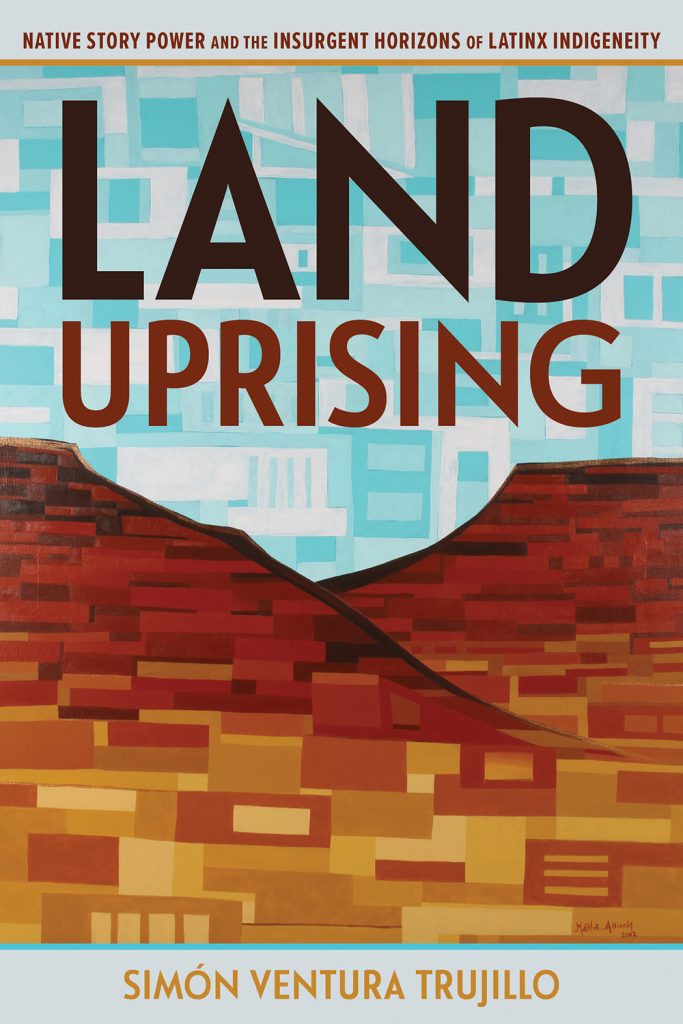
Land Uprising reframes Indigenous land reclamation as a horizon to decolonize the settler colonial conditions of literary, intellectual, and activist labor. Simón Ventura Trujillo argues that land provides grounding for rethinking the connection between Native storytelling practices and Latinx racialization across overlapping colonial and nation-state forms.
The second of a two-volume series, Moquis and Kastiilam tells the story of the encounter between the Hopis, who the Spaniards called Moquis, and the Spaniards, who the Hopis called Kastiilam, from the Pueblo Revolt through 1781. Balancing historical documents with oral histories, it creates a fresh perspective on the interface of Spanish and Hopi peoples in the period of missionization.
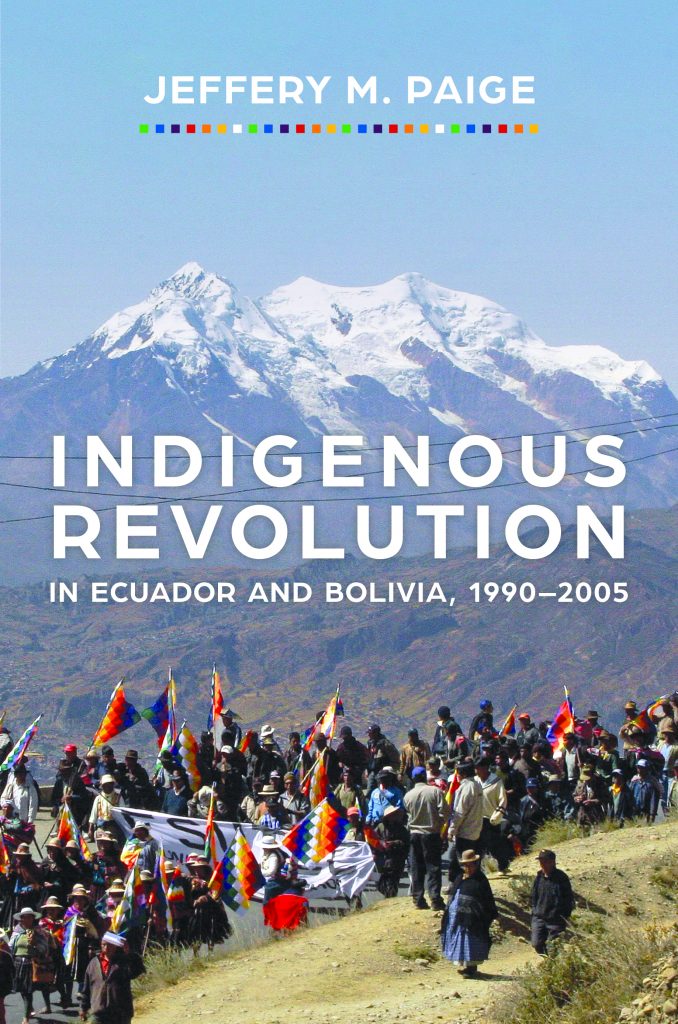
In the fifteen-year span from 1990 to 2005 uprisings of the indigenous peoples of Ecuador and Bolivia changed their societies forever. The combination of mass mobilization, elections, and indigenous socialism created a new form of twenty-first-century revolution that applies to cultures far beyond the Andes. Jeffrey M. Paige’s interviews in Indigenous Revolution in Ecuador and Bolivia, 1990-2005 present the powerful personal experiences and emotional intensity of the revolutionary leadership.
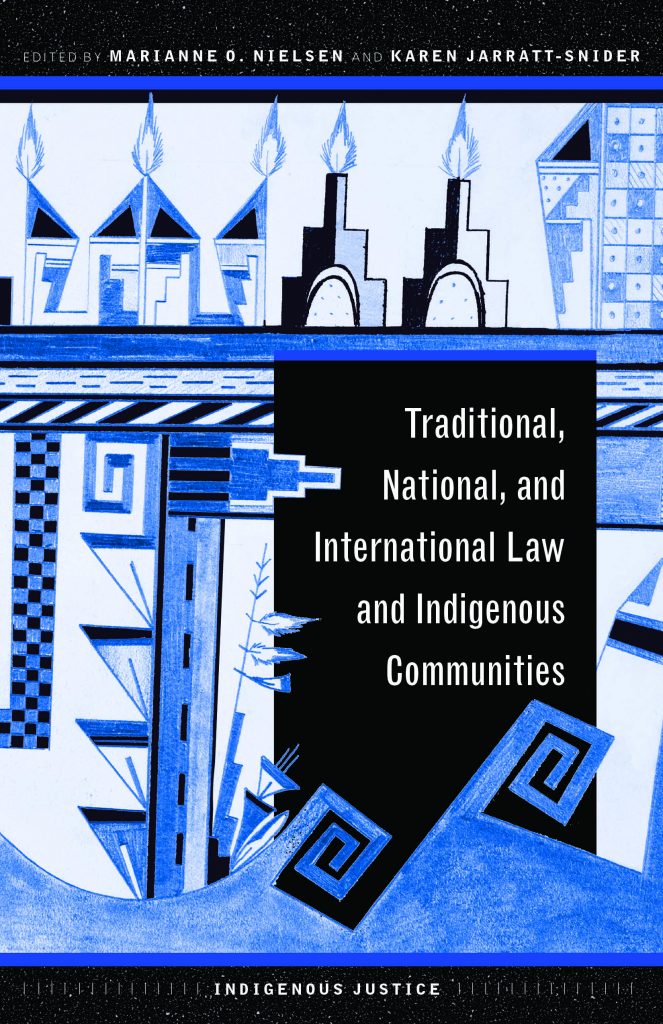
Traditional, National, and International Law and Indigenous Communities, a volume in the Indigenous Justice series, explores the global effects of marginalizing Indigenous law. The essays in this book argue that European-based law has been used to force Indigenous peoples to assimilate, has politically disenfranchised Indigenous communities, and has destroyed traditional Indigenous social institutions. The research in this volume focuses on the resurgence of traditional law, tribal–state relations in the United States, laws that have impacted Native American women, laws that have failed to protect Indigenous sacred sites, the effect of international conventions on domestic laws, and the role of community justice organizations in operationalizing international law.
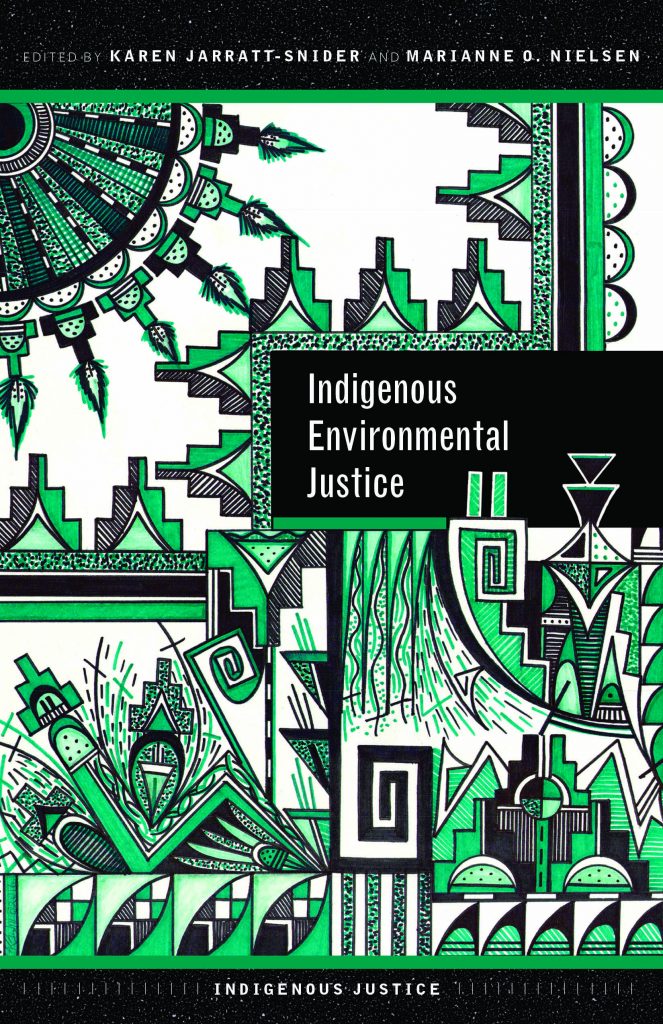
The book explores the ongoing effects of colonization and emphasizes Native American tribes as governments rather than ethnic minorities. Combining elements of legal issues, human rights issues, and sovereignty issues,Indigenous Environmental Justice creates a clear example of community resilience in the face of corporate greed and state indifference.
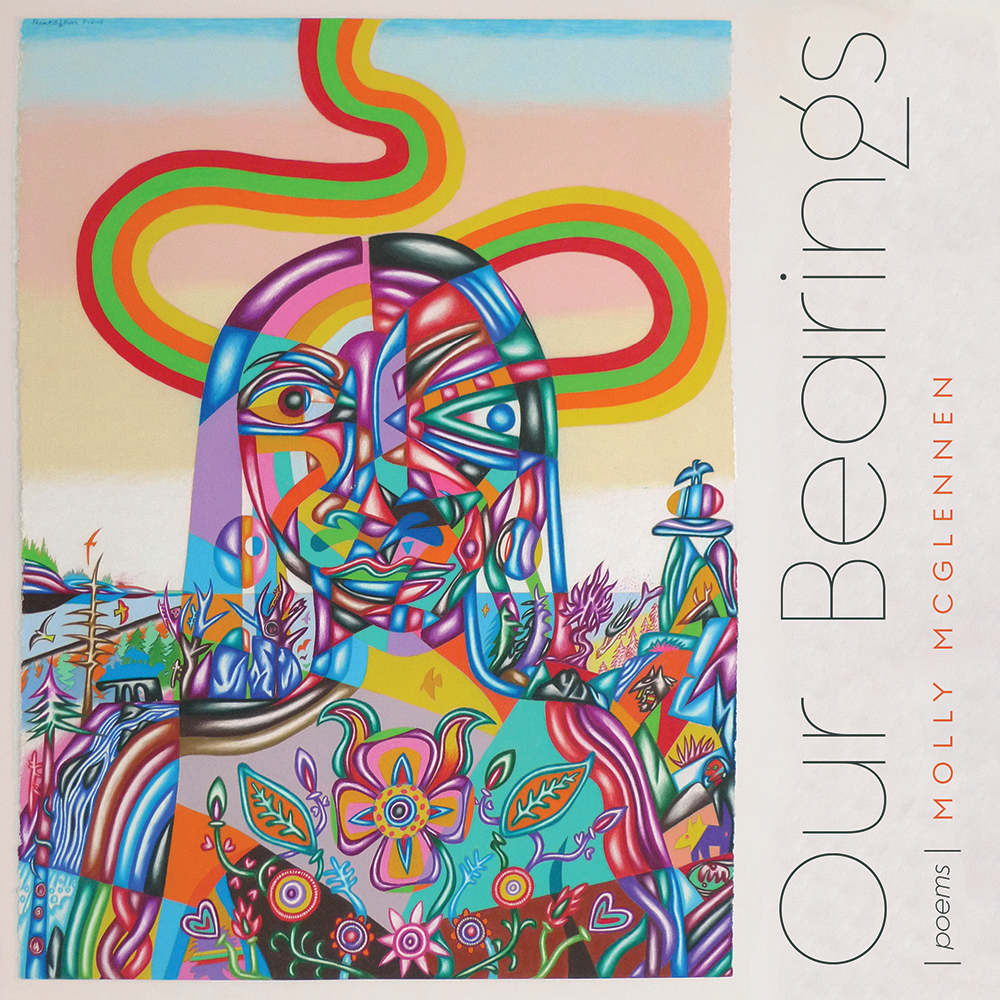
Our Bearings is a collection of narrative poetry that examines and celebrates Anishinaabe life in modern Minneapolis. The poems offer a beautifully layered discourse between landscapes, stories, and the people who inhabit them. Through keen observation and a deep understanding of Native life in Minneapolis, McGlennen has created a timely collection which contributes beautifully to the important conversation about contemporary urban Native life in North America and globally.
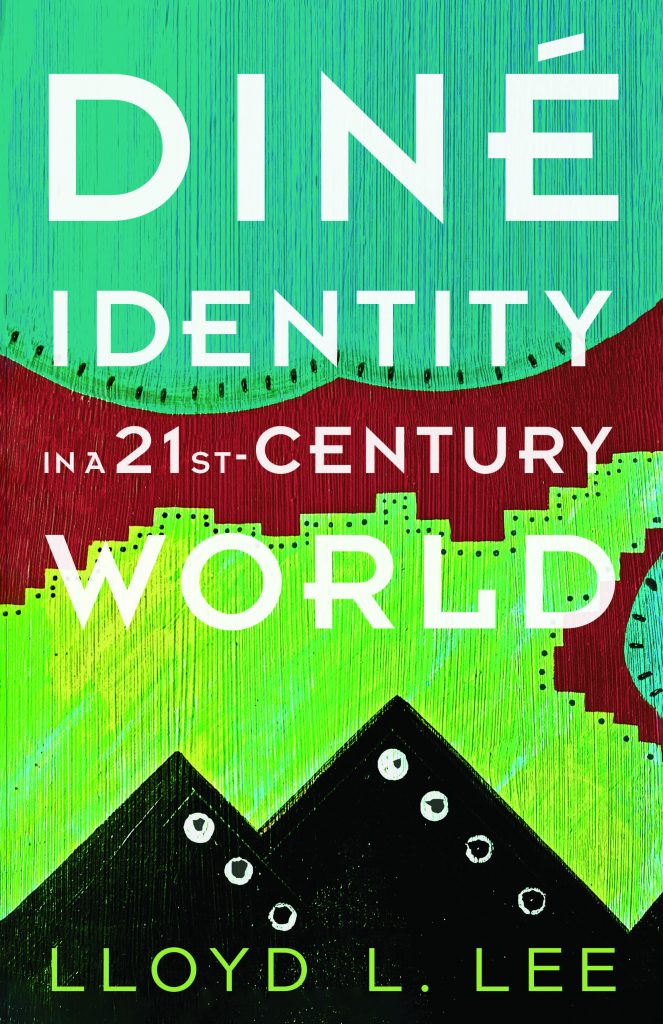
Informed by personal experience and offering an inclusive view, Diné Identity in a Twenty-First-Century Worldshowcases the complexity of understanding and the richness of current Diné identities.
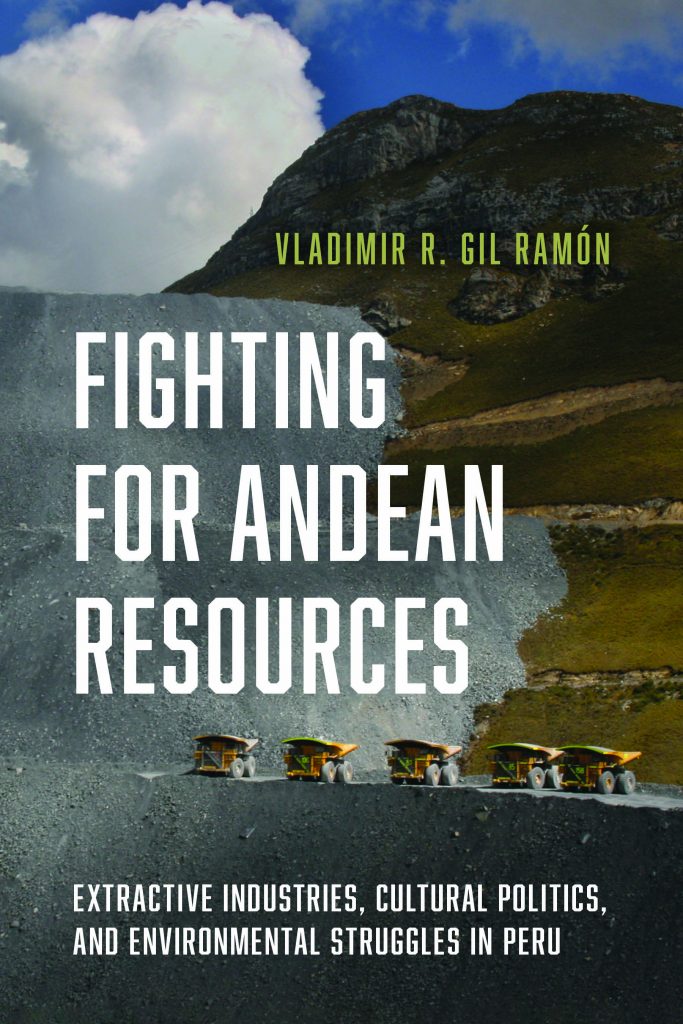
Fighting for Andean Resources offers a singular contribution to the literature critiquing monolithic views of nation-state dynamics and globalization. Vladimir R. Gil Ramón examines the protocols of accountability and the social critique of the application of environmental impact assessments and safeguard policies. His analysis reveals the complex mechanisms for legitimizing decision-making and adds to an understanding of everyday state-nation conflicts and negotiations.
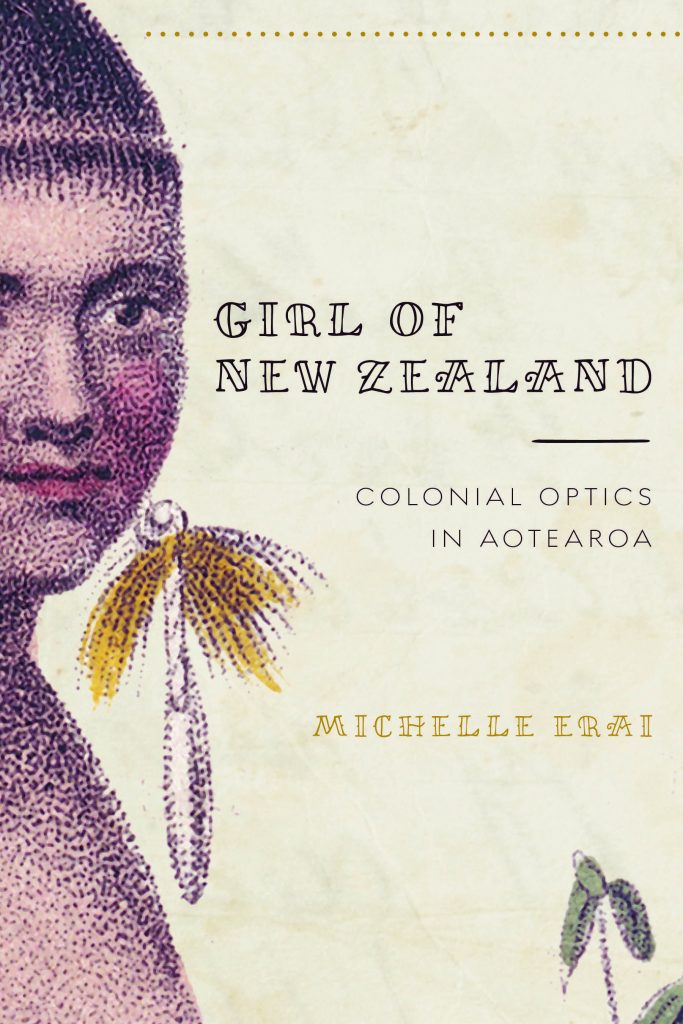
Girl of New Zealand resurrects Māori women from objectification and locates them firmly within Māori whanau/families and communities. In the wake of the Me Too movement and other feminist projects, Michelle Erai’s timely analysis speaks to the historical foundations of negative attitudes toward Indigenous Māori women in the eyes of colonial “others”—outsiders from elsewhere who reflected their own desires and fears in their representations of the Indigenous inhabitants of Aotearoa, New Zealand.
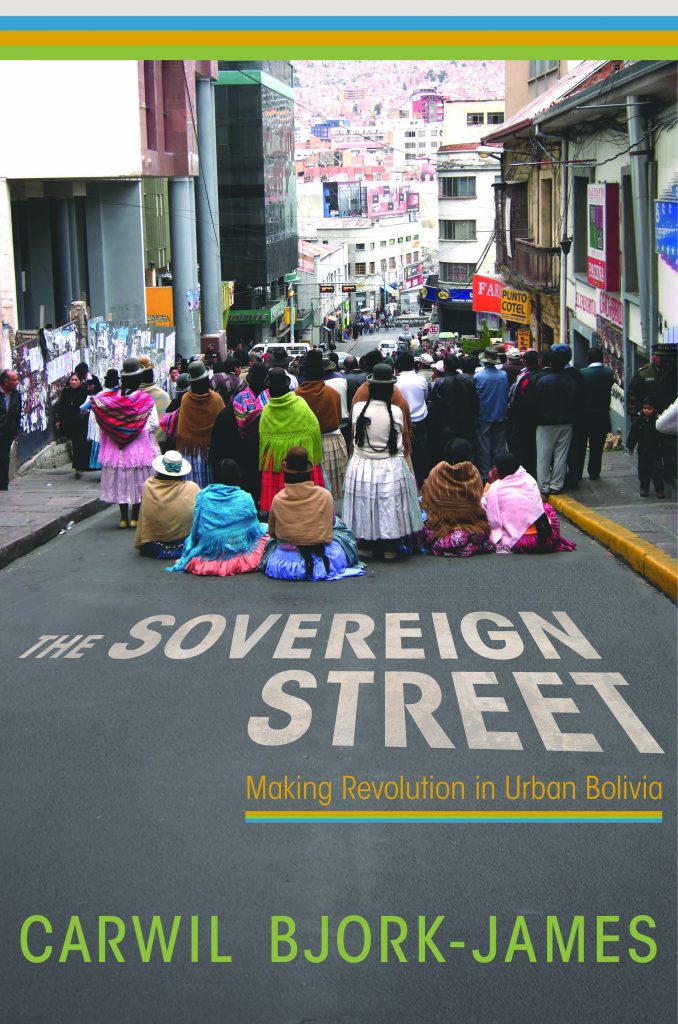
The Sovereign Streetoffers a rare look at political revolution as it happens, showing how mass street protest can change national political life. It documents a critical period in twenty-first century Bolivia, when small-town protests made headlines worldwide, where a generation of pro-globalization policies were called into question, and where the indigenous majority stepped into government power for the first time in five centuries.
The Global Spanish Empire tackles broad questions about indigenous cultural persistence, pluralism, and place making using a global comparative perspective grounded in the shared experience of Spanish colonialism. Through an expansive range of essays that look at Africa, the Americas, Asia, the Caribbean and the Pacific, this volume brings often-neglected regions into conversation.
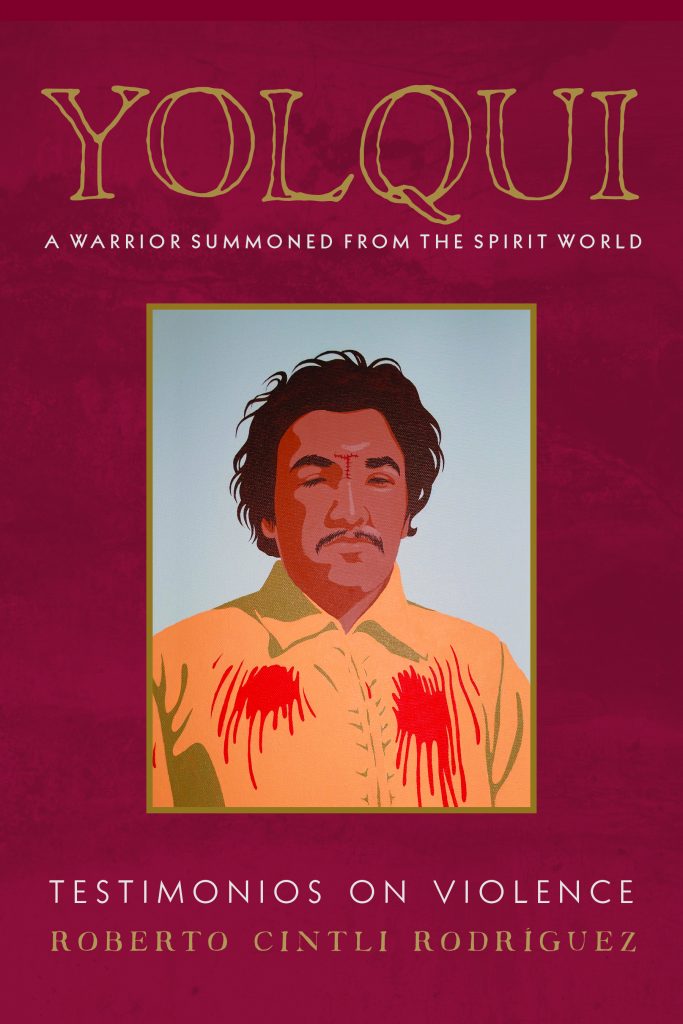
Yolqui, a Warrior Summoned from the Spirit World is a testimonio, a historia profoundo of the culture of extralegal violence against the Red-Black-Brown communities in the United States that operates with impunity. Framed by Roberto Cintli Rodríguez’s personal testimony of police violence, this book is a clarion call to end that violence and those philosophies that permit such violence to flourish.
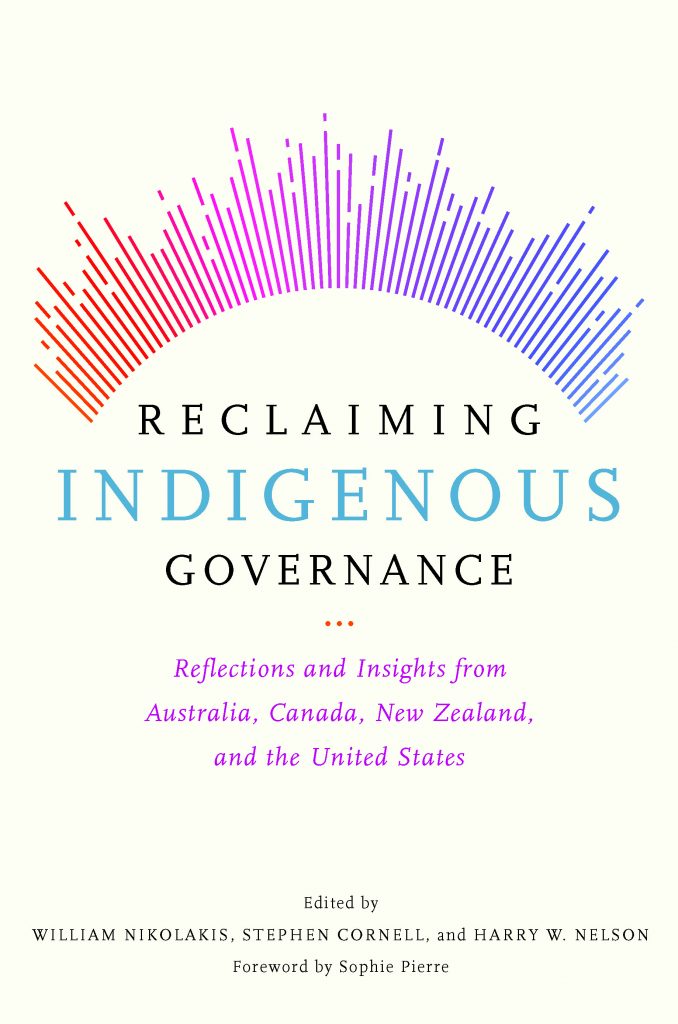
Reclaiming Indigenous Governance examines the efforts of Indigenous peoples in four important countries to reclaim their right to self-govern. Showcasing Native nations, this timely book presents diverse perspectives of both practitioners and researchers involved in Indigenous governance in Canada, Australia, New Zealand, and the United States (the CANZUS states).
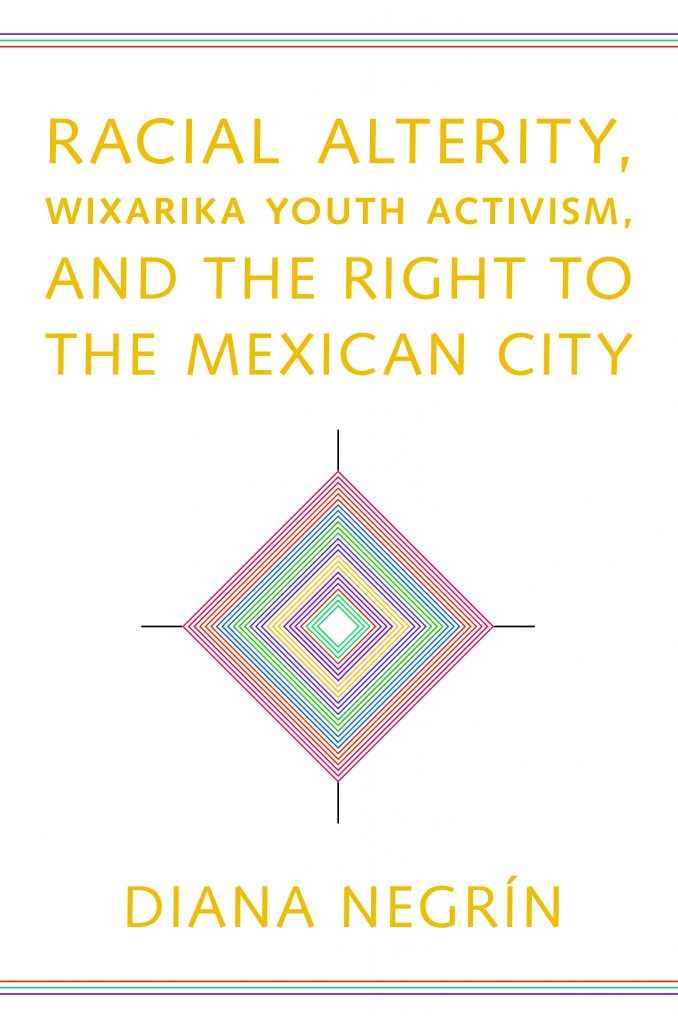
Utilizing archival and ethnographic research, Racial Alterity, Wixarika Youth Activism, and the Right to the Mexican City explores the construction of racial and ethnic imaginaries in the western Mexican cities of Guadalajara and Tepic, and the ways in which these imaginaries shape the contemporary experiences and activism of Wixarika (Huichol) Indigenous university students and professionals living, studying, and working in these two cities.
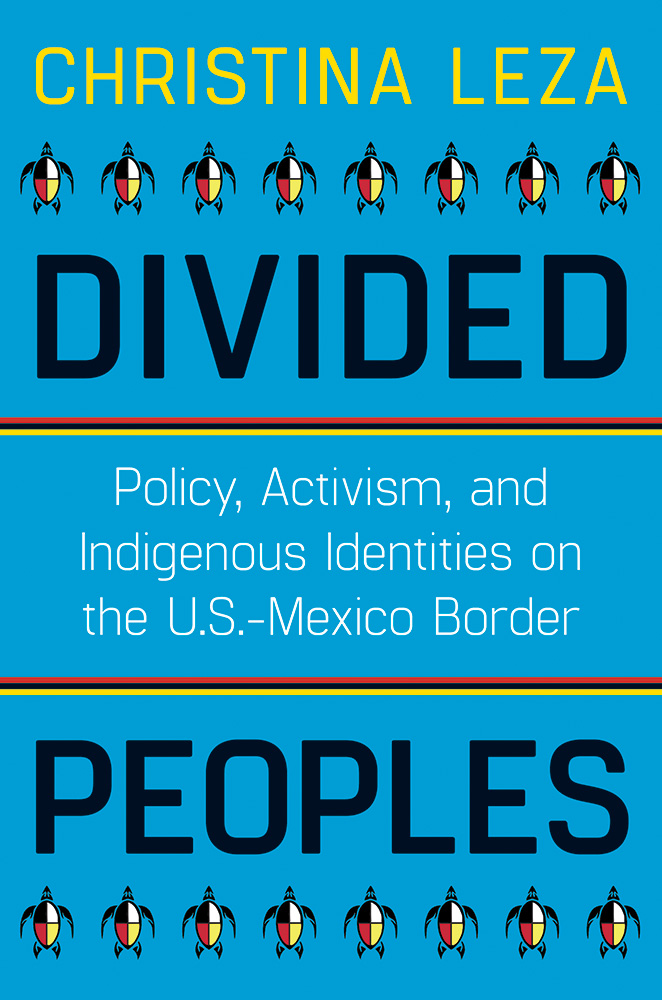
Divided Peoples addresses the impact border policies have on traditional lands and the peoples who live there—whether environmental degradation, border patrol harassment, or the disruption of traditional ceremonies. Anthropologist Christina Leza shows how such policies affect the traditional cultural survival of Indigenous peoples along the border. The author examines local interpretations and uses of international rights tools by Native activists, counter-discourse on the U.S.-Mexico border, and challenges faced by Indigenous border activists when communicating their issues to a broader public.
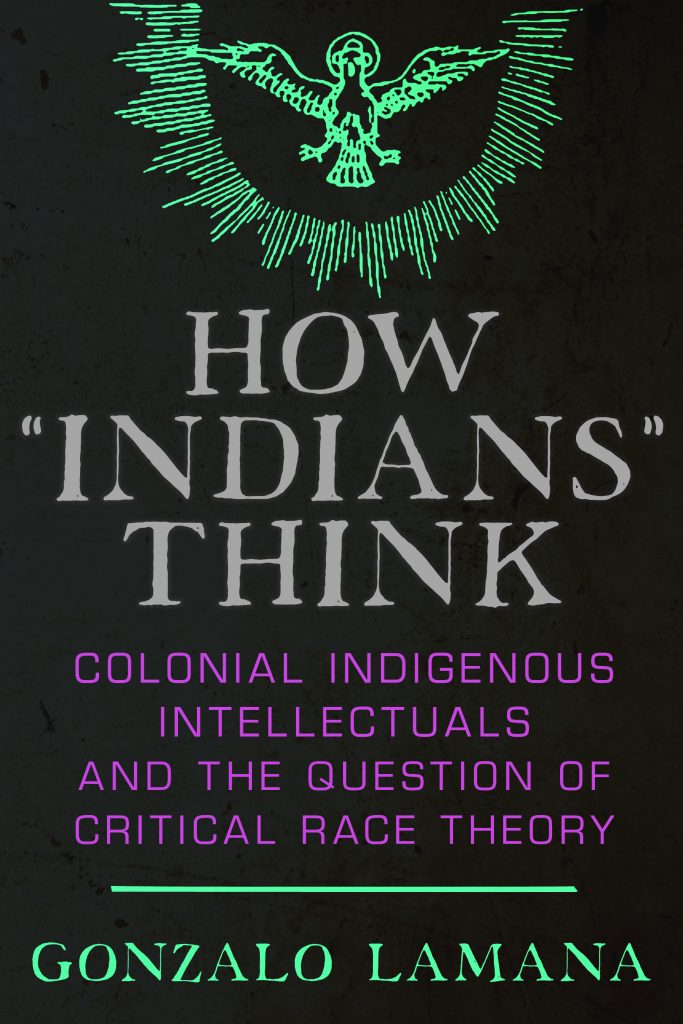
How “Indians” Think shines light on Indigenous perspectives of Spanish colonialism through a novel interpretation of the works of the two most important Amerindian intellectuals in the Andes, Felipe Guaman Poma de Ayala and Garcilaso de la Vega, el Inca. Departing from the predominant scholarly position that views Indigenous-Spanish relations as the clash of two distinct cultures, Gonzalo Lamana argues that Guaman Poma and Garcilaso were the first Indigenous activist intellectuals and that they developed post-racial imaginaries four hundred years ago.
Listen to Gonzalo talk about the book on this podcast.
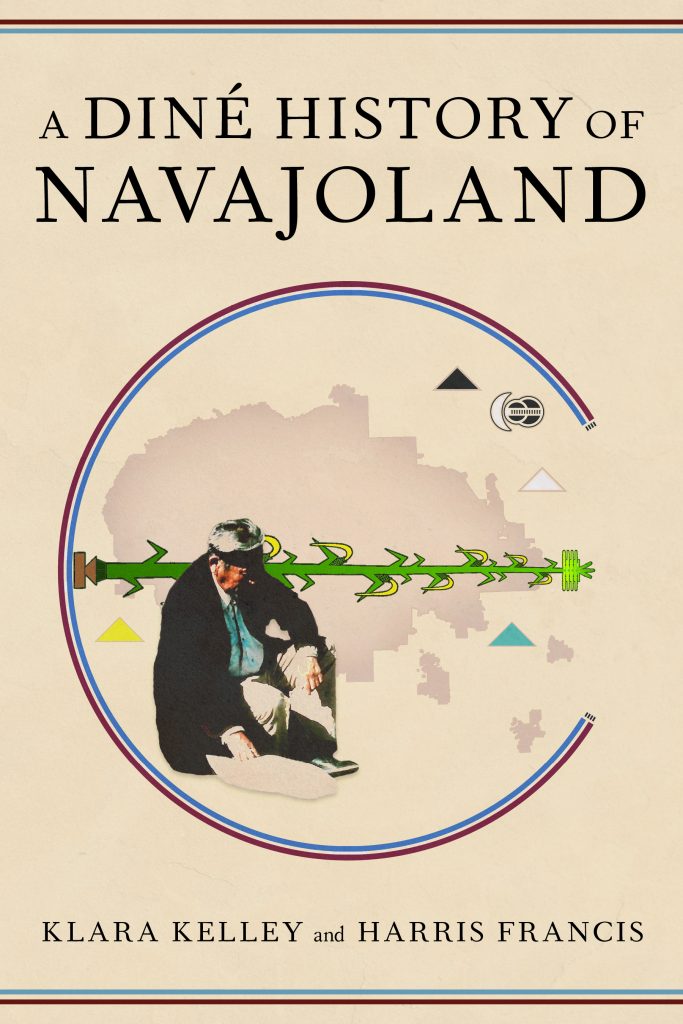
A Diné History of Navajolandbrings much-needed attention to Navajo perspectives on the past and present. It is the culmination of a lifelong commitment from the authors, and it is an exemplary work of Diné history through the lens of ceremonial knowledge and oral history. Klara Kelley and Harris Francis present an in-depth look at how scholars apply Diné ceremonial knowledge and oral history to present-day concerns of Navajo Nation leaders and community members. All readers are invited to come along on this exploration of Diné oral traditions.
Aurumis a fiercely original poetry collection that reveals the marginalized and estranged Native American experience in the wake of industrial progress. With unforgettable imagery and haunting honesty, these poems are powerfully resonant.
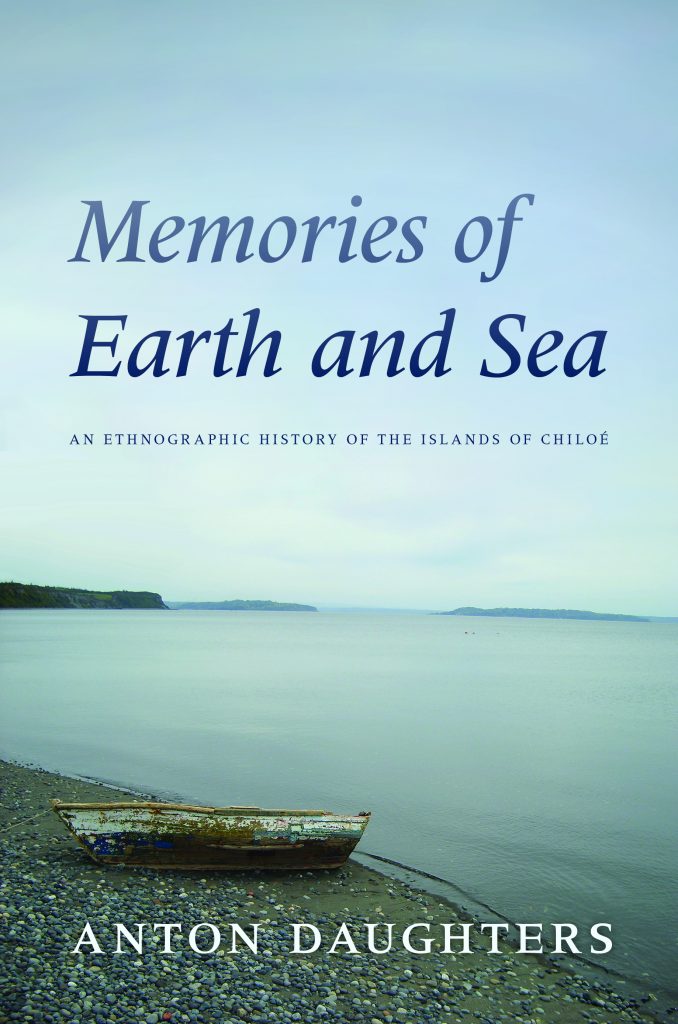
Memories of Earth and Sea explores the daily struggles of islanders living in one of South America’s most culturally distinct regions: the Chiloé Archipelago. Connecting the early history of the islands with the industrialization of the last forty years, the book presents a unique study of large-scale economic changes and the impact these can have on the memories and the collective identity of a people.
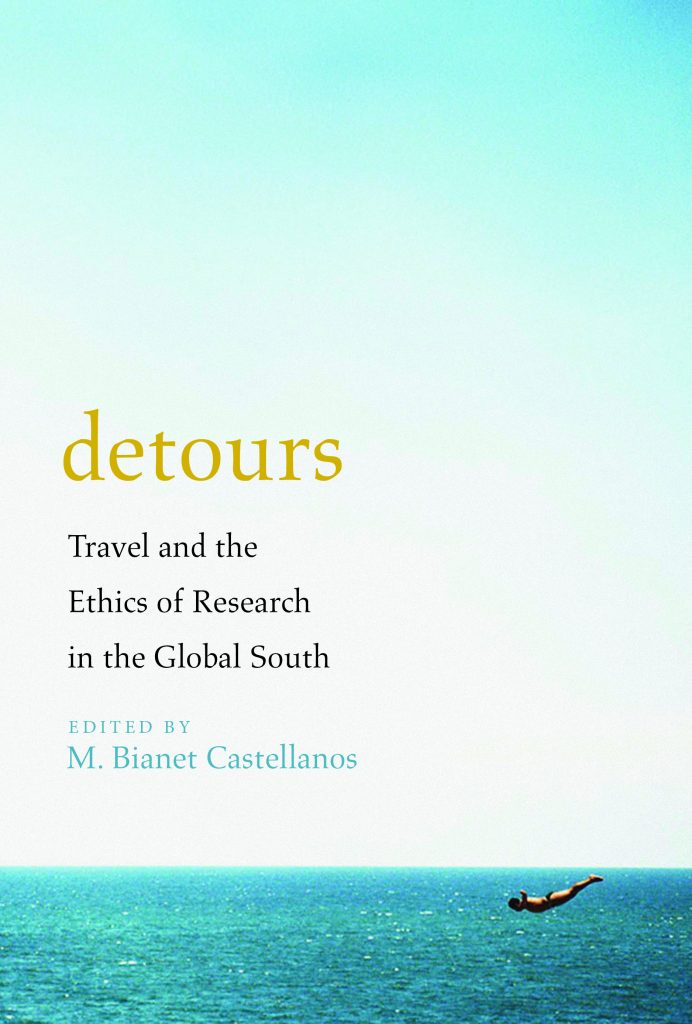
Detours is an attempt to crack cultural imperialism by bringing forth the personal as political in academia and research. Speaking from the intersection of race, class, and gender, the contributors explore the hubris and nostalgia that motivate returning again and again to a particular place. Through personal stories, they examine their changing ideas of Latin America and the Caribbean and how those places have shaped the people they’ve become, as writers, as teachers, and as activists.
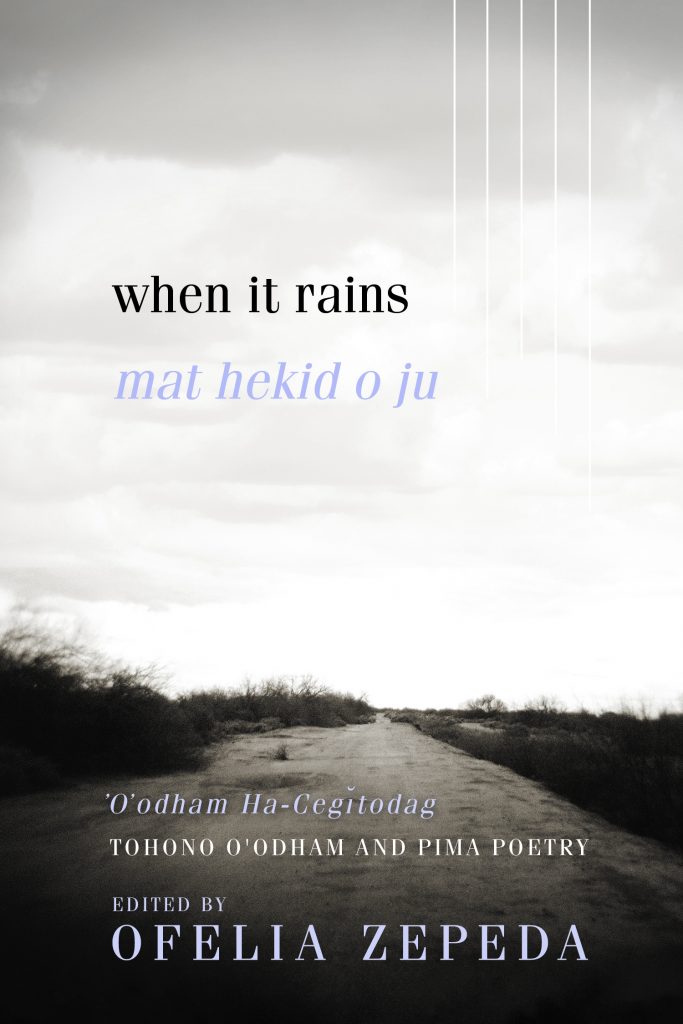
When It Rainsis an intuitive poetry collection that shows us how language connects people. With the poems in both O’odham and English, the volume serves as a reminder of the beauty and changeability of the O’odham language.
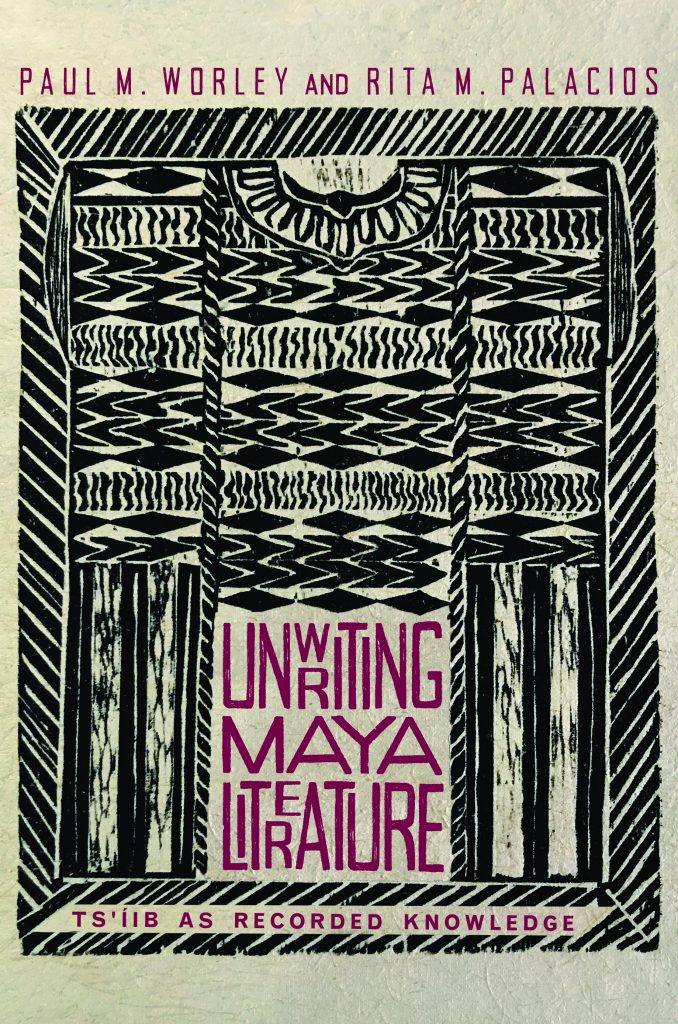
Unwriting Maya Literature provides an important decolonial framework for reading Maya and other Indigenous texts. Through insightful analyses of Maya cultural productions—whether textiles or poetry—this perspective offers a point of departure for the study of Maya literature and art that is situated in an Indigenous way of performing the act of reading.
Unwriting Maya Literature just received an honorable mention from the LASA Mexico Section! Read about it here. Listen to Paul M. Worley and Rita M. Palacios talk about their book on these podcasts.
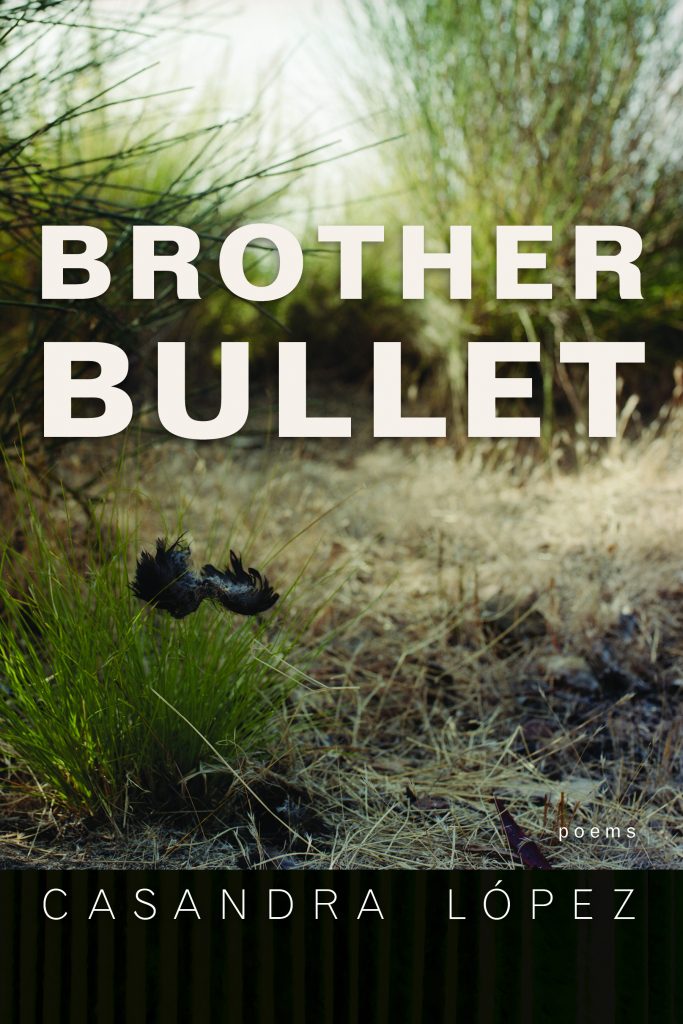
Speaking to both a personal and collective loss, in Brother BulletCasandra López confronts her relationships with violence, grief, trauma, guilt, and, ultimately, survival. Revisiting the memory and lasting consequences of her brother’s murder, López traces the course of the bullet—its trajectory, impact, wreckage—in poems that are paralyzing and raw with emotion, yet tender and alive in revelations of light.
Read an interview with Casandra here, then watch her read poems and talk about the collection in a recorded virtual poetry reading here.
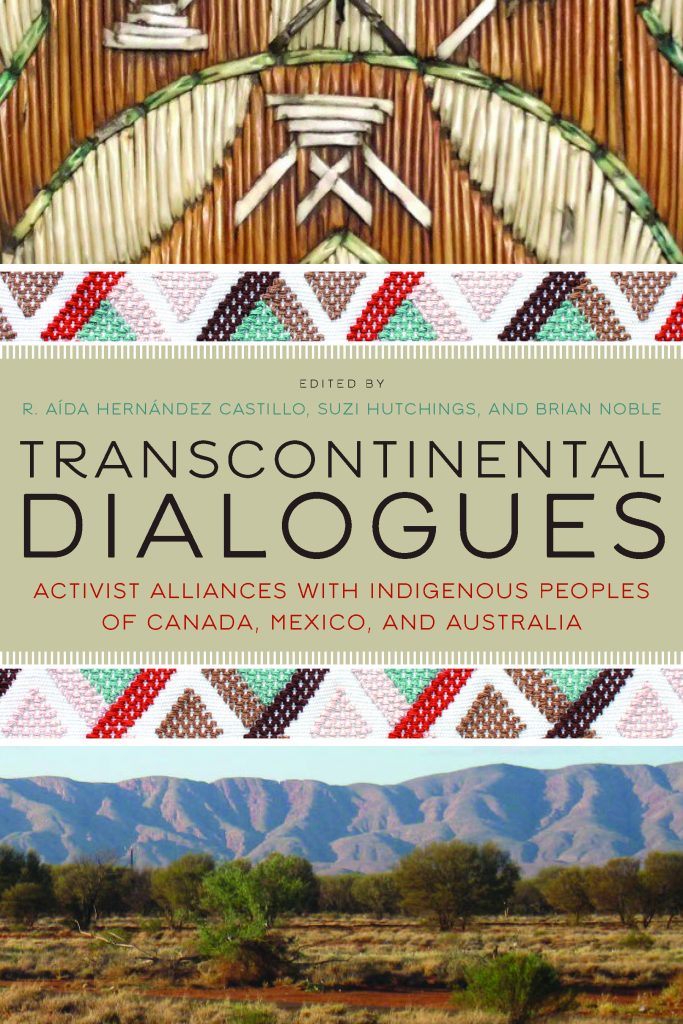
Transcontinental Dialoguespresents innovative discussion, argument, and insight into the interactions between anthropologists and social researchers—both Indigenous and allies—as they negotiate together the terrain of the imposition of ongoing colonialism over Indigenous lives across three countries. The essays explore how scholars can recalibrate their moral, political, and intellectual actions to meet the obligations flowing from the decolonial alliances.
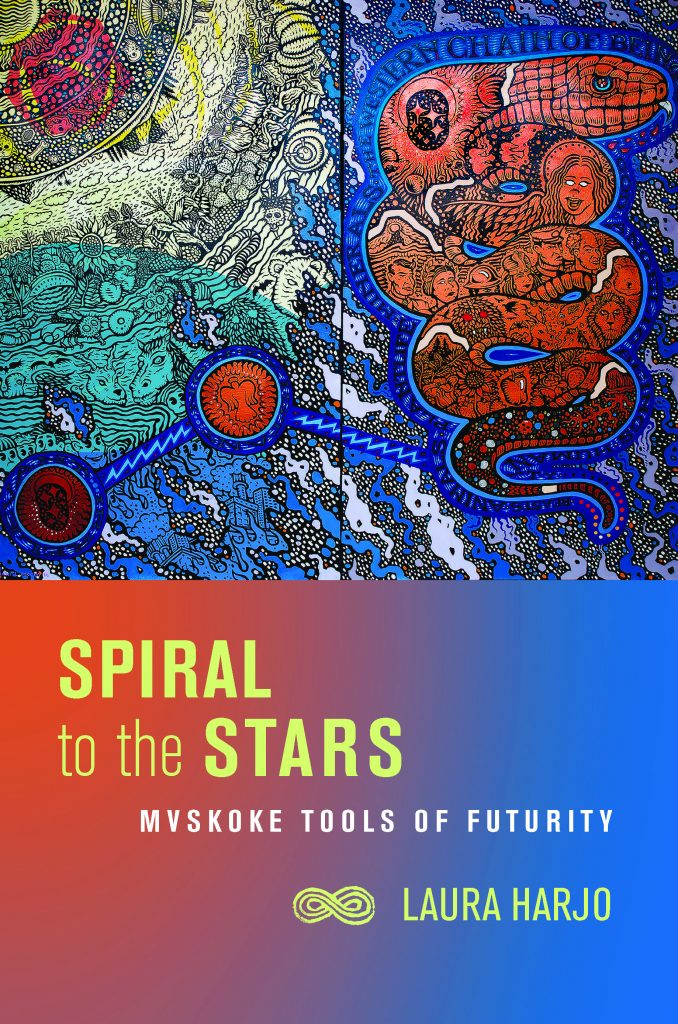
“This country’s first philosophers, poets, artists, and knowledge keepers were Indigenous peoples. The Mvskoke were a major cultural force in the southeast. Laura Harjo’sSpiral to the Stars: Mvskoke Tools of Futurity marks a continuation of the development of our cultural knowledge. Community defines us, and we do not go forward together without the revisioning of all elements that make a living culture. Each generation makes a concentric circle that leans outward into the deepest star knowledges even as it leans inward toward the roots of earth knowledge. We are still here within the shape of this cultural geography. We keep moving forward with the tools Harjo has illuminated here. Mvto.”—Joy Harjo (Mvskoke), U.S. Poet Laureate
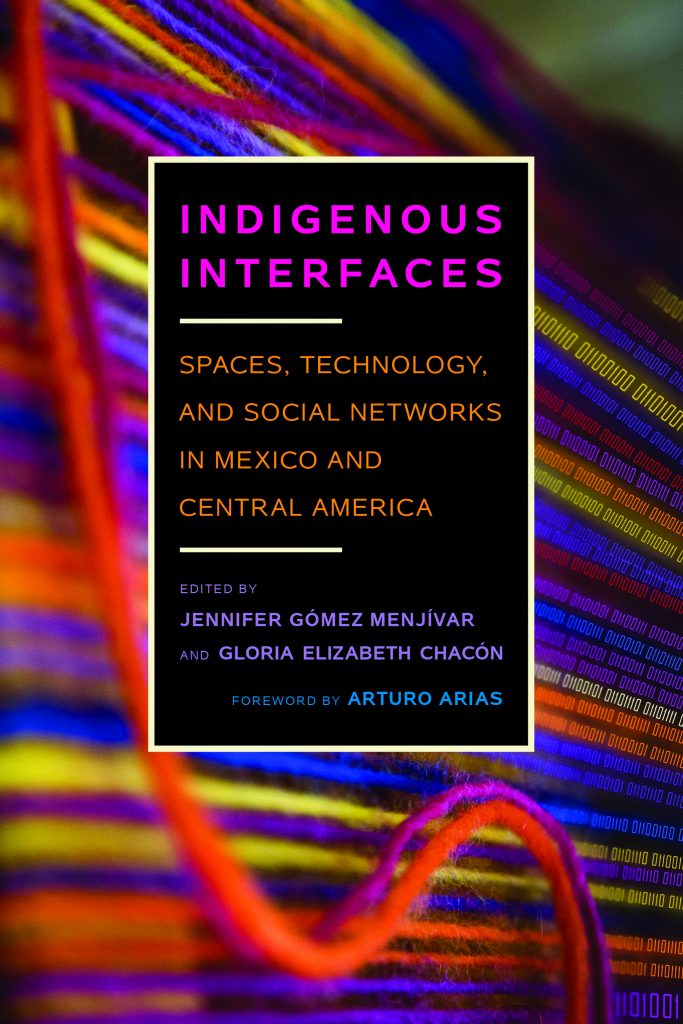
Indigenous Interfaces rejects the myth that Indigeneity and information technology are incompatible through its compelling analysis of the relationships between Indigenous peoples and new media. The volume illustrates how Indigenous peoples are selectively and strategically choosing to interface with cybertechnology, highlights Indigenous interpretations of new media, and brings to center Indigenous communities who are resetting modes of communication and redirecting the flow of information. It convincingly argues that interfacing with traditional technologies simultaneously with new media gives Indigenous peoples an edge on the claim to autonomous and sovereign ways of being Indigenous in the twenty-first century.
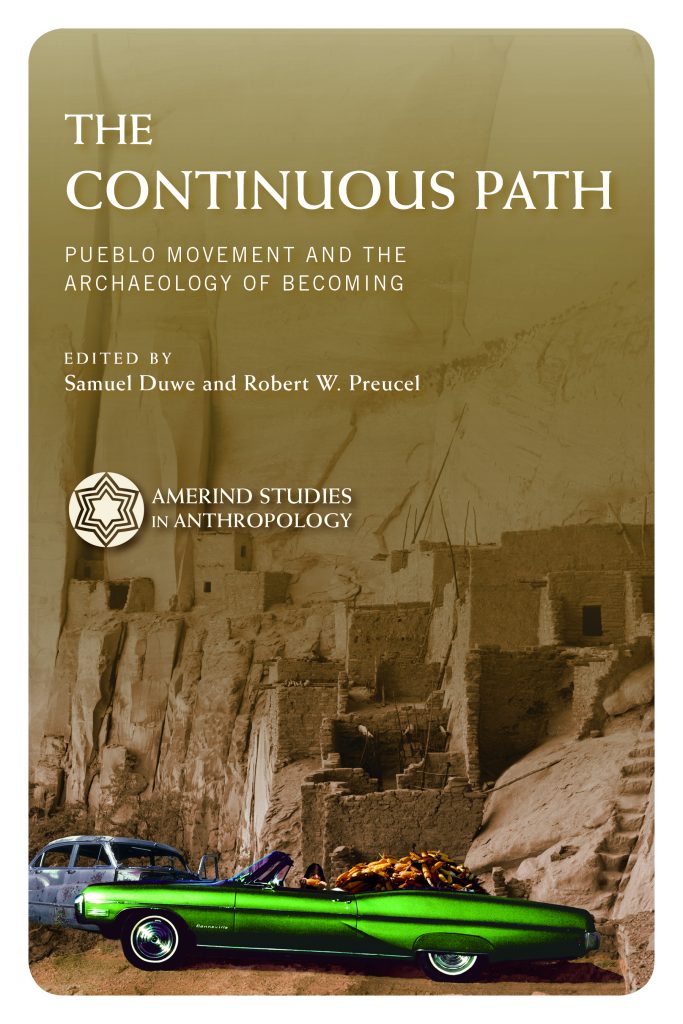
The Continuous Path challenges archaeologists to take Pueblo concepts of movement seriously by privileging Pueblo concepts of being and becoming in the interpretation of anthropological data. The collaborative volume brings together Native community members, archaeologists, and anthropologists to weave multiple perspectives together to write the histories of Pueblo peoples past, present, and future.
We are thrilled that the book recently won the Historical Society of New Mexico’s Gaspar Pérez de Villagrá Award! Read about it here.
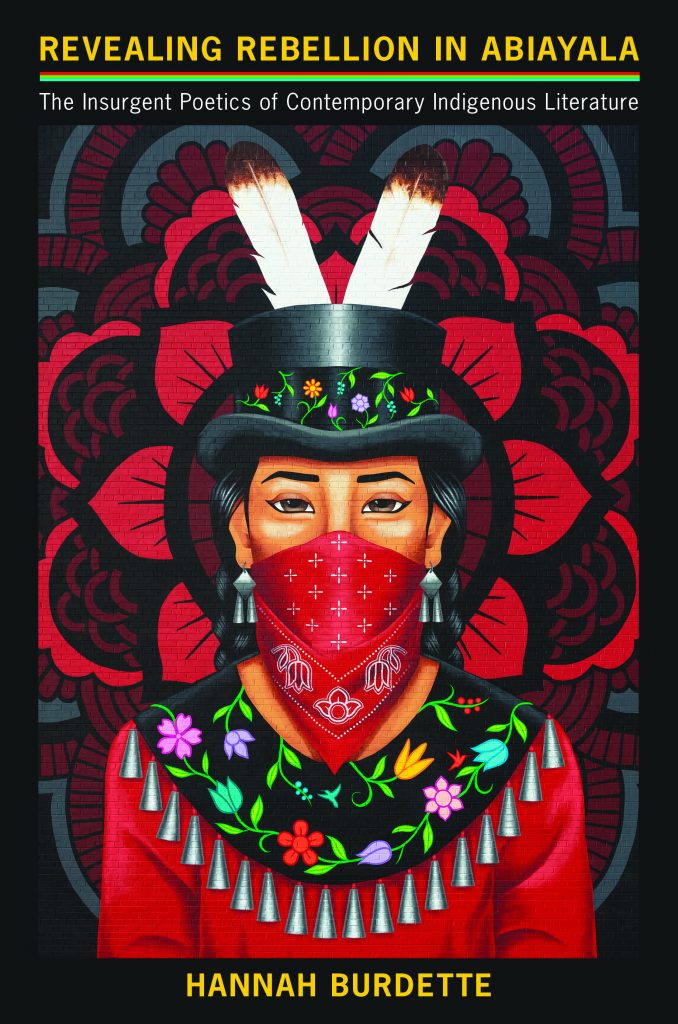
From the Pan-Maya Movement in Guatemala and the Zapatista uprising in Mexico to the Water and Gas Wars in Bolivia and the Idle No More movement in Canada, the twenty-first century has witnessed a notable surge in Indigenous political action. Meanwhile, numerous authors use fiction and poetry to combat their invisibility and envision alternatives to coloniality. Revealing Rebellion in Abiayalaprovides a powerful starting point for rethinking inter-American studies through the lens of literature and Indigenous sovereignty.
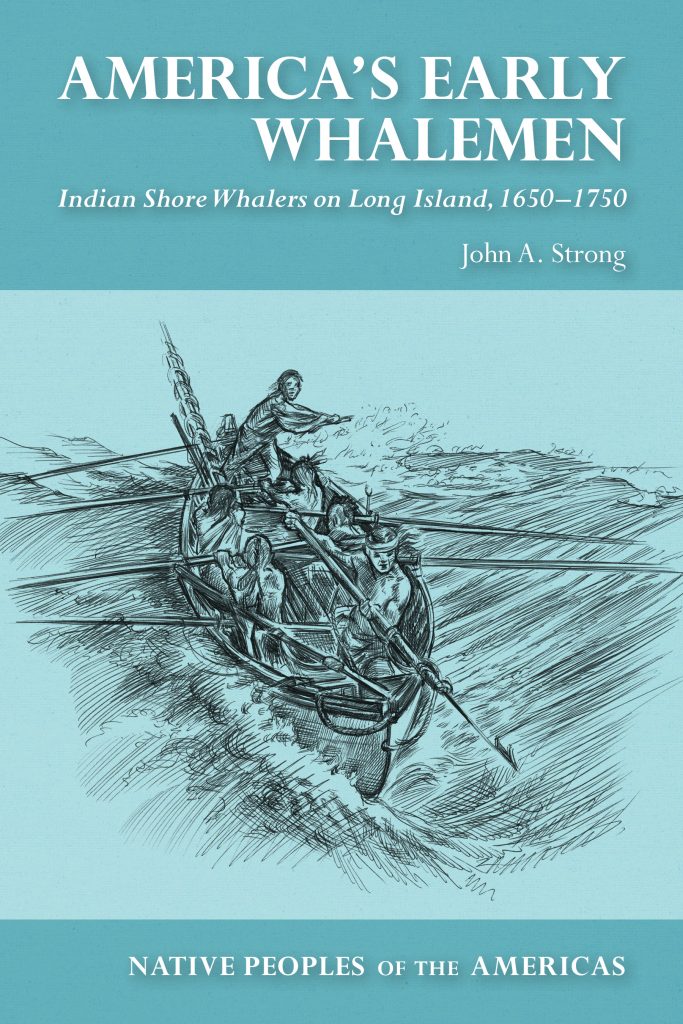
The Native Americans of Long Island were integral to the origin and development of the first American whaling enterprise in the years 1650 to 1750. In American’s Early Whalemen, John A. Strong has produced the authoritative source on Indians and shore whaling.
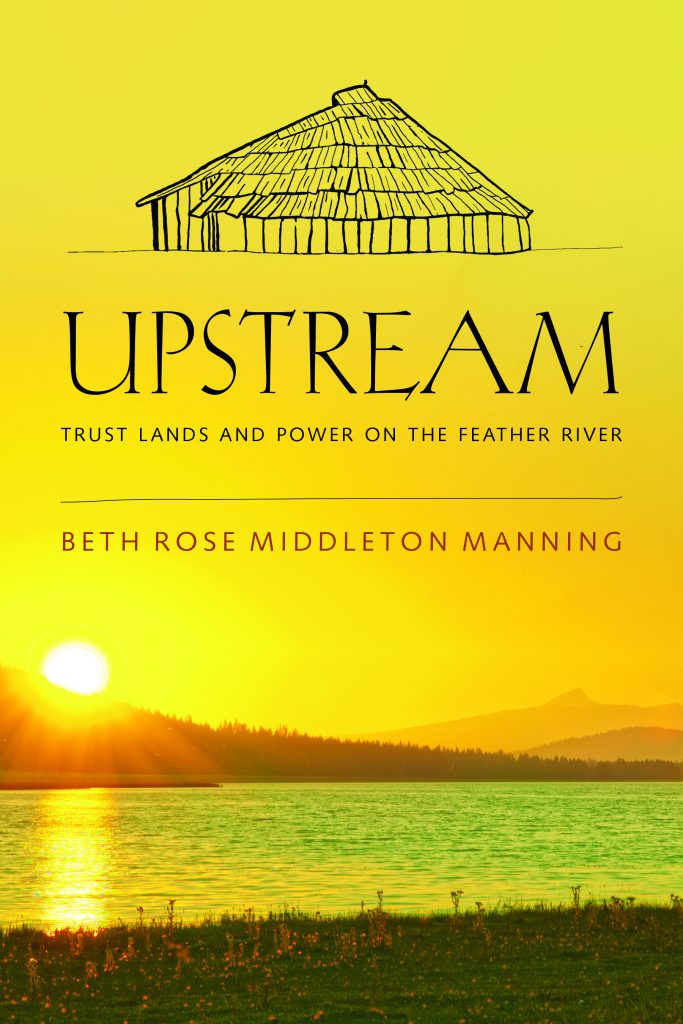
Upstream relates the history behind the nation’s largest state-built water and power conveyance system, California’s State Water Project, with a focus on Indigenous perspectives. Author Beth Rose Middleton Manning illustrates how Indigenous history should inform contemporary conservation measures. She uses a multidisciplinary and multitemporal approach and offers a vision of policy reform that will lead to improved Indigenous futures around the U.S.
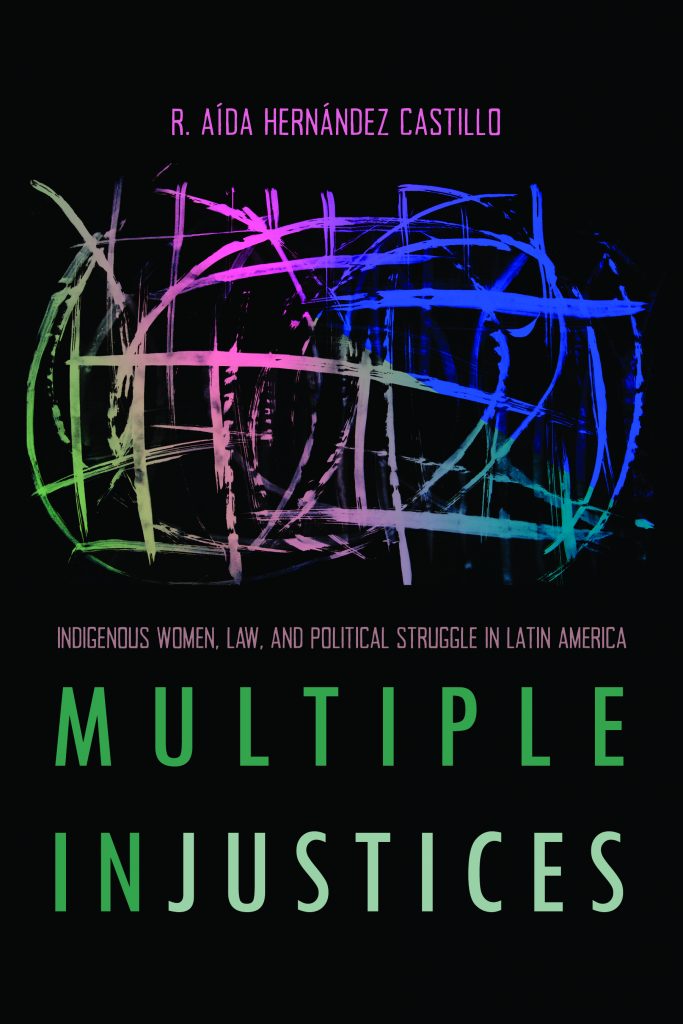
In Multiple Injustices, R. Aída Hernández Castillo synthesizes twenty-four years of research and activism among indigenous women’s organizations in Latin America, offering a critical new contribution to the field of activist anthropology and anyone interested in social justice.
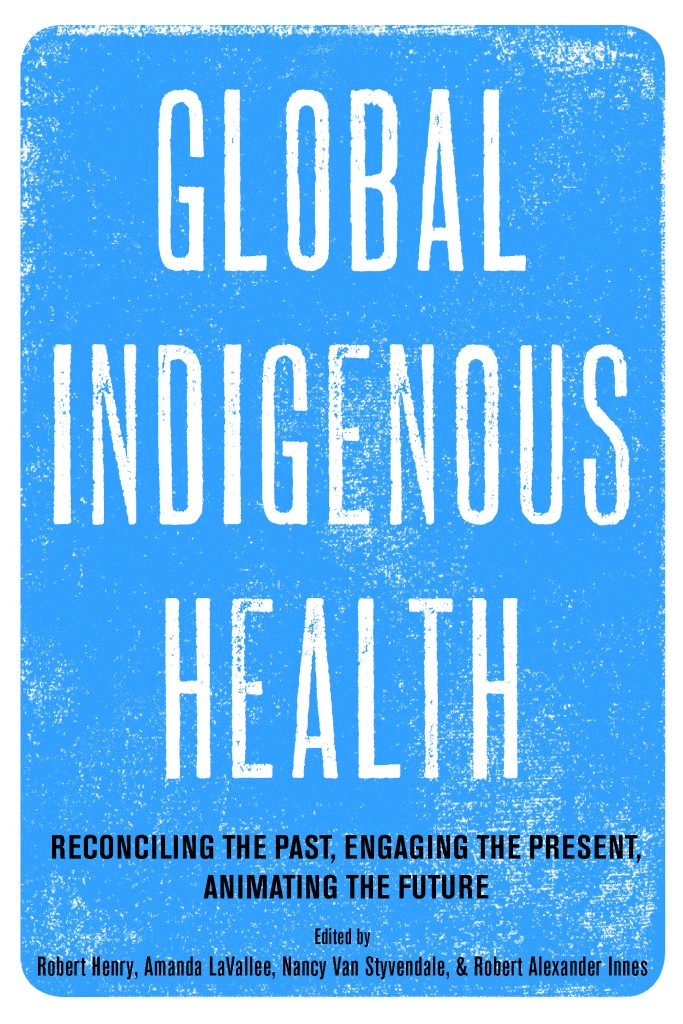
Global Indigenous Healthis unique and timely as it deals with the historical and ongoing traumas associated with colonization and colonialism, understanding Indigenous concepts of health and healing, and ways of moving forward for health equity.
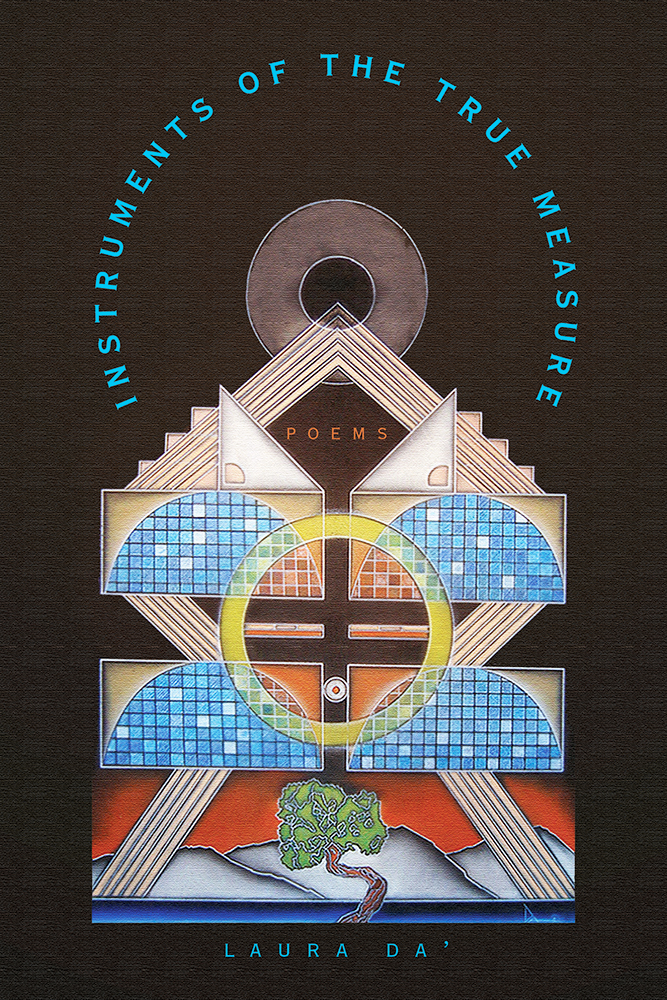
Instruments of the True Measure charts the coordinates and intersections of land, history, and culture. Lyrical passages map the parallel lives of ancestral figures and connect dispossessions of the past to lived experiences of the present.
We are so happy that Instruments of the True Measure won the 2019 Washington Book Award! Read an interview with Laura Da’here, then watch her read poems and talk about the collection in a recorded virtual poetry event here.
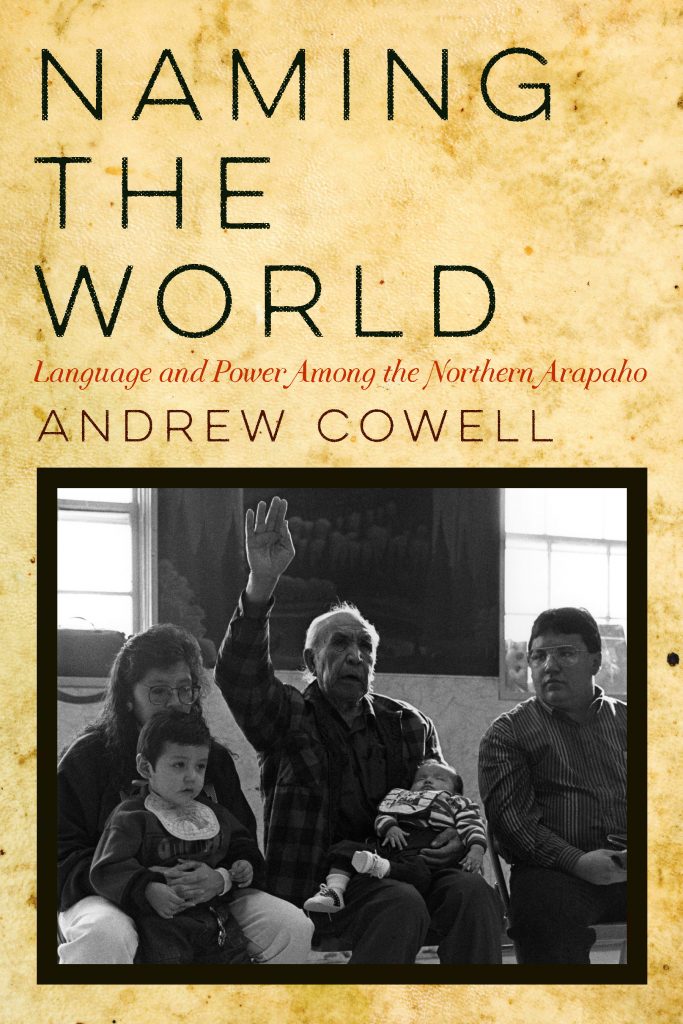
Naming the World is an ethnography of language shift among the Northern Arapaho. It focuses on the often subtle continuities and discontinuities in the society produced by the shift, as well as the diversity of community responses.
Don’t forget, the University of Arizona Press is offering 40% off of all ebooks with the code AZEBOOK40!
Eric Kuhn and John Fleck, authors of Science Be Dammed, discussed water management history and the challenges facing the Colorado River during a virtual book panel presented by the University of Arizona Press on Wednesday, May 6, 2020.
This panel, moderated by Ben Wilder, director of the Desert Laboratory on Tumamoc Hill in Tucson, Arizona, delved into the conventional wisdom that the 1922 Colorado River Compact negotiators did the best they could with a limited gauge record. The data they used happened to be during an unusually wet period
Today water managers are struggling to come to terms with the mistakes of the past. Focused on both science and policy, Kuhn and Fleck unravel the tangled web that has constructed the current crisis. With key decisions being made now, including negotiations for rules governing how the Colorado River water will be used after 2026, Science Be Dammed offers a clear-eyed path forward by looking back.
On Wednesday, April 29th, the University of Arizona Press partnered with Birchbark Books for a National Poetry Month event featuring three poets from the University of Arizona Press Sun Tracks series: Molly McGlennen, Casandra López, and Laura Da’.
Molly McGlennen read from her first book with the Press, Our Bearings, a collection of narrative poetry that examines and celebrates Anishinaabe life in modern Minneapolis. Crafted around the four elements—earth, air, water, and fire— the poems are a beautifully layered discourse between landscapes, stories, and the people who inhabit them.
Casandra López, read from her book, Brother Bullet, which speaks to both a personal and collective loss, as López confronts her relationships with violence, grief, guilt, and ultimately, endurance. Revisiting the memory and lasting consequences of her brother’s murder, López traces the course of the bullet—its trajectory, impact, wreckage—in lyrical narrative poems.
Laura Da’, has two books published with the Press,Instruments of True Measure, and Tributaries. Her newest book, Instruments of True Measure, charts the coordinates and intersections of land, history, and culture. Lyrical passages map the parallel lives of ancestral figures and connect dispossessions of the past to lived experiences of the present.
Big thanks to Birchbark Books in Minneapolis. Please consider ordering our poets’ books from their website to help support this important independent bookstore. Use this link.
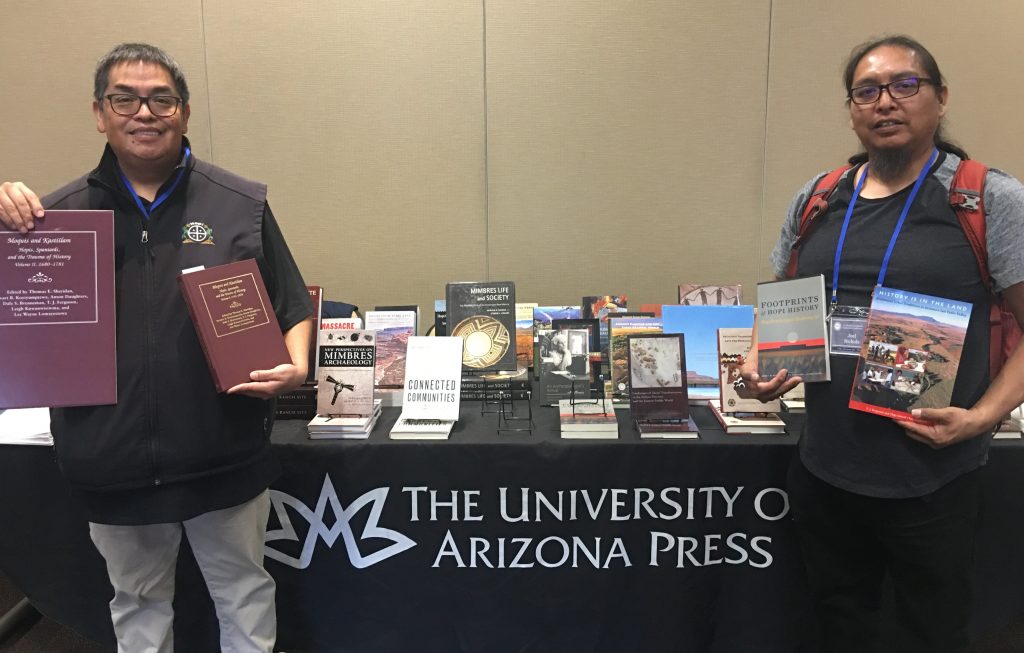
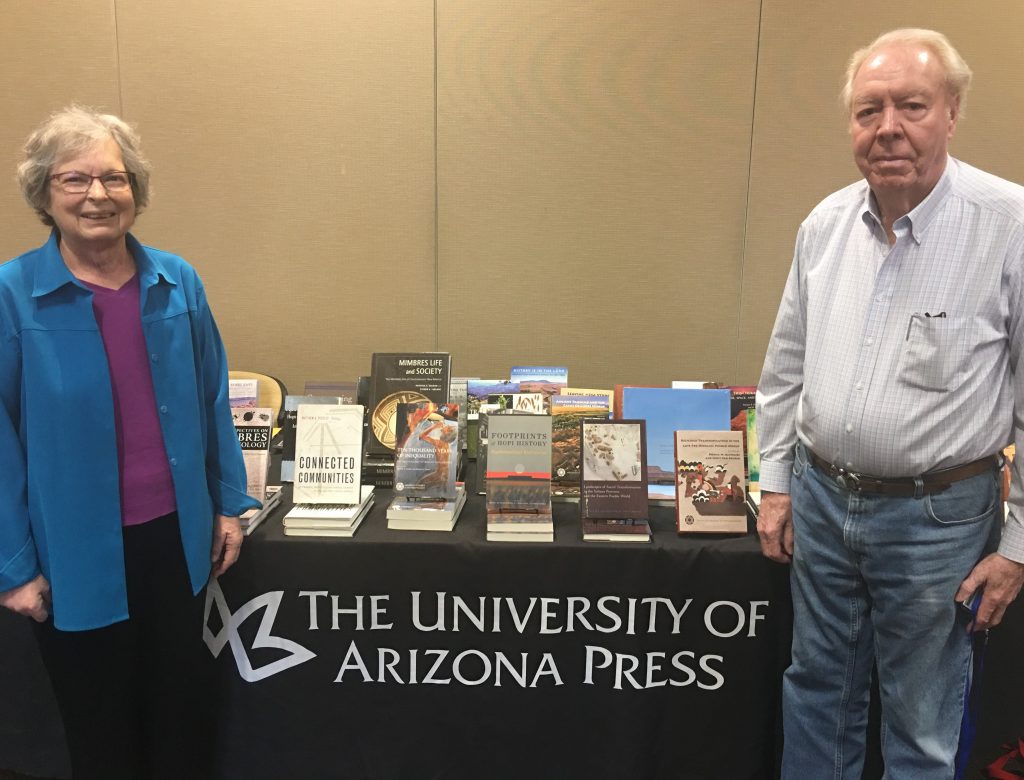
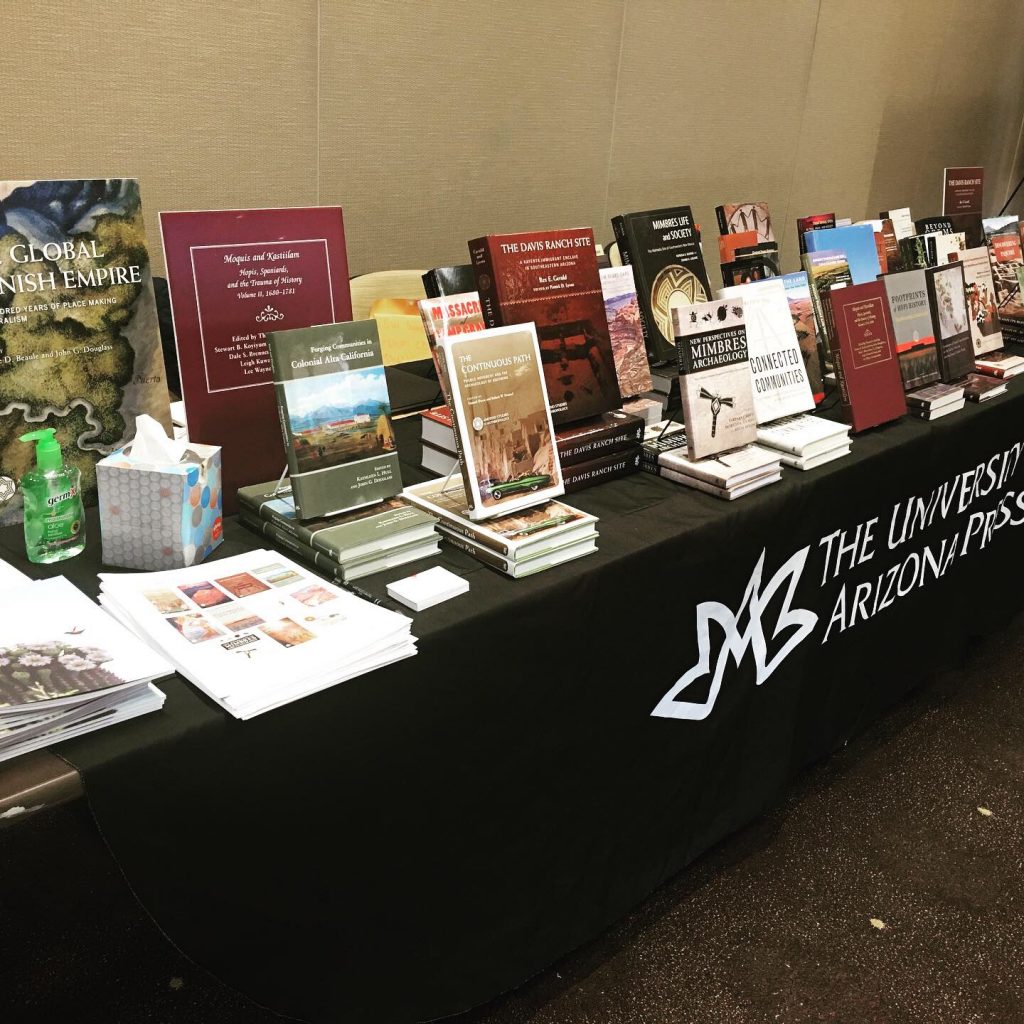
On Friday, January 31st and Saturday, February 1st, University of Arizona Press Senior Editor Allyson Carter attended the 17th Biennial Southwest Symposium in Tempe. The Southwest Symposium organization was founded in 1988 to promote new ideas and new directions in the archaeology of the U.S. Southwest and Mexican Northwest. The theme this year was “Thinking Big: New Approaches to Synthesis and Partnership in the Southwest/Northwest.”
Allyson was thrilled to catch up with many of our authors while she attended the conference, and she was able to snap a few great photos as well.
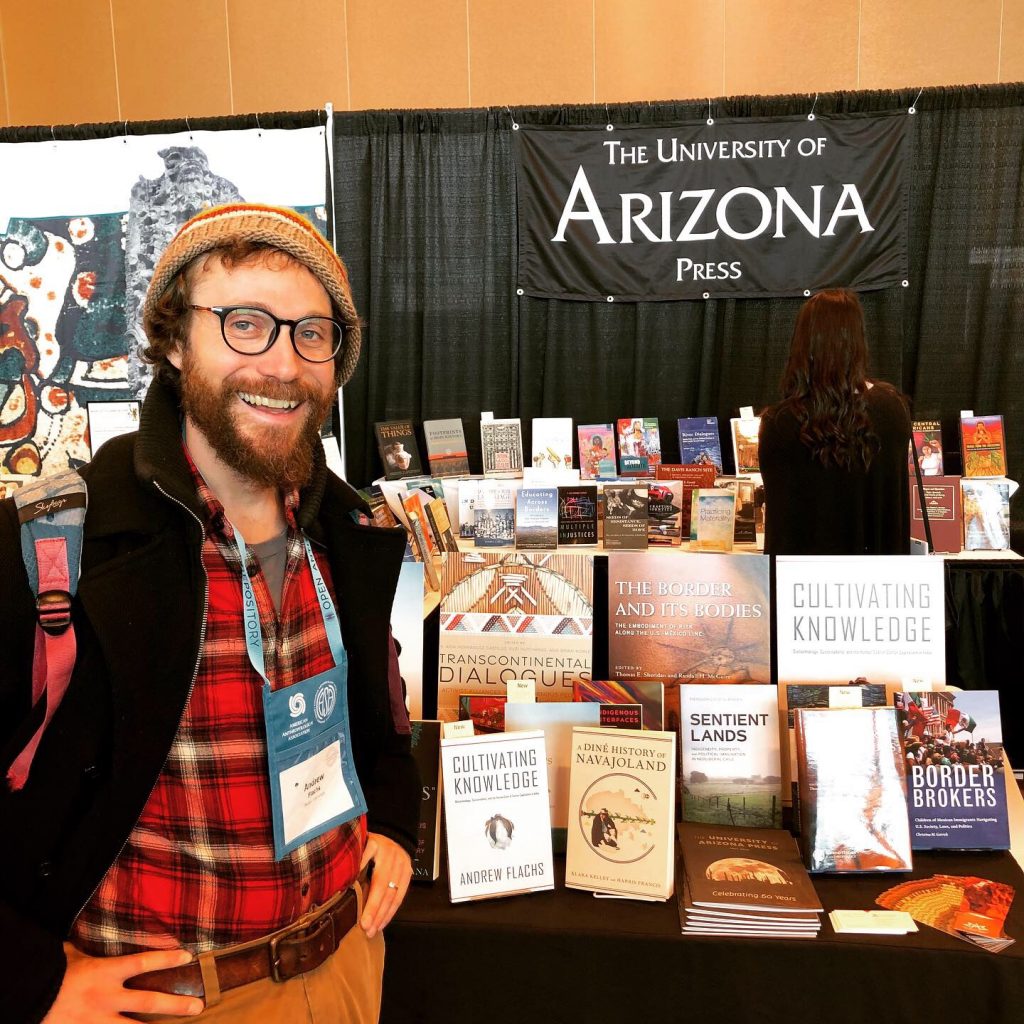
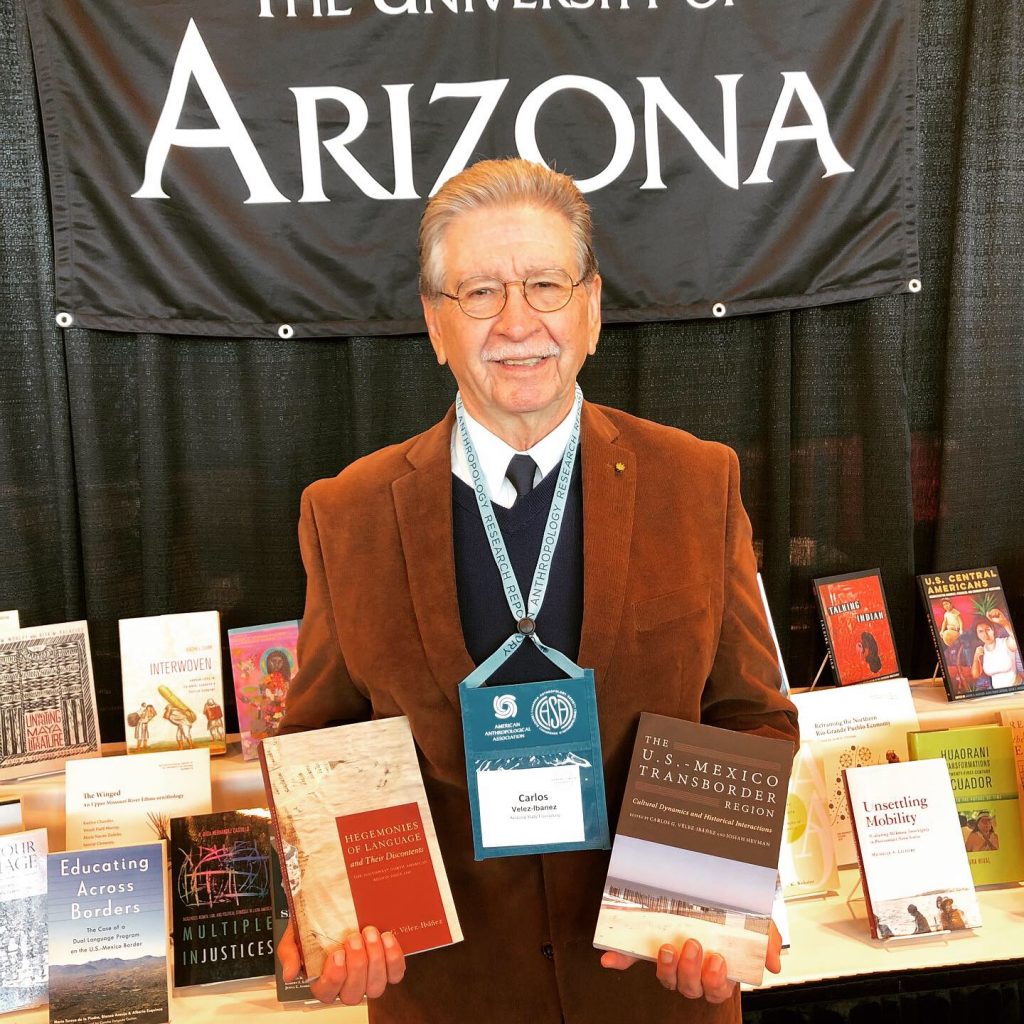
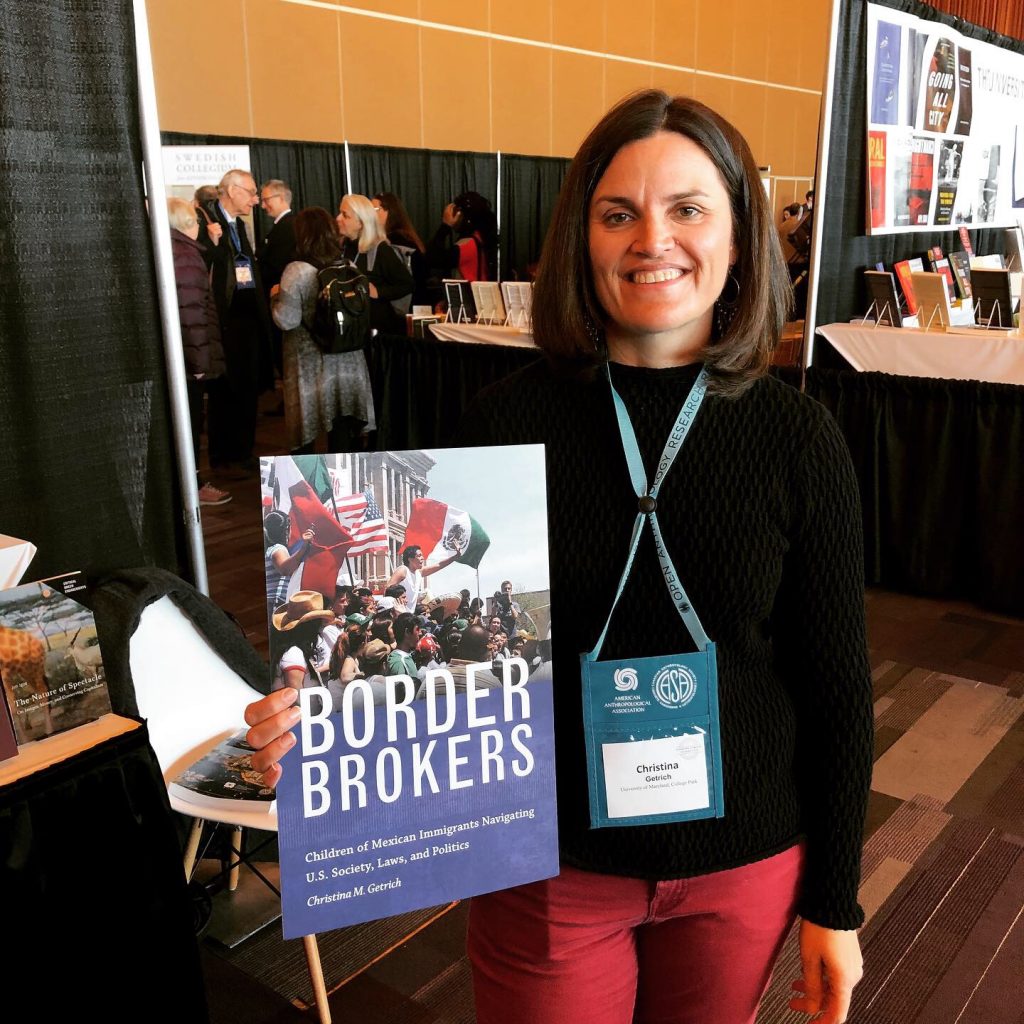
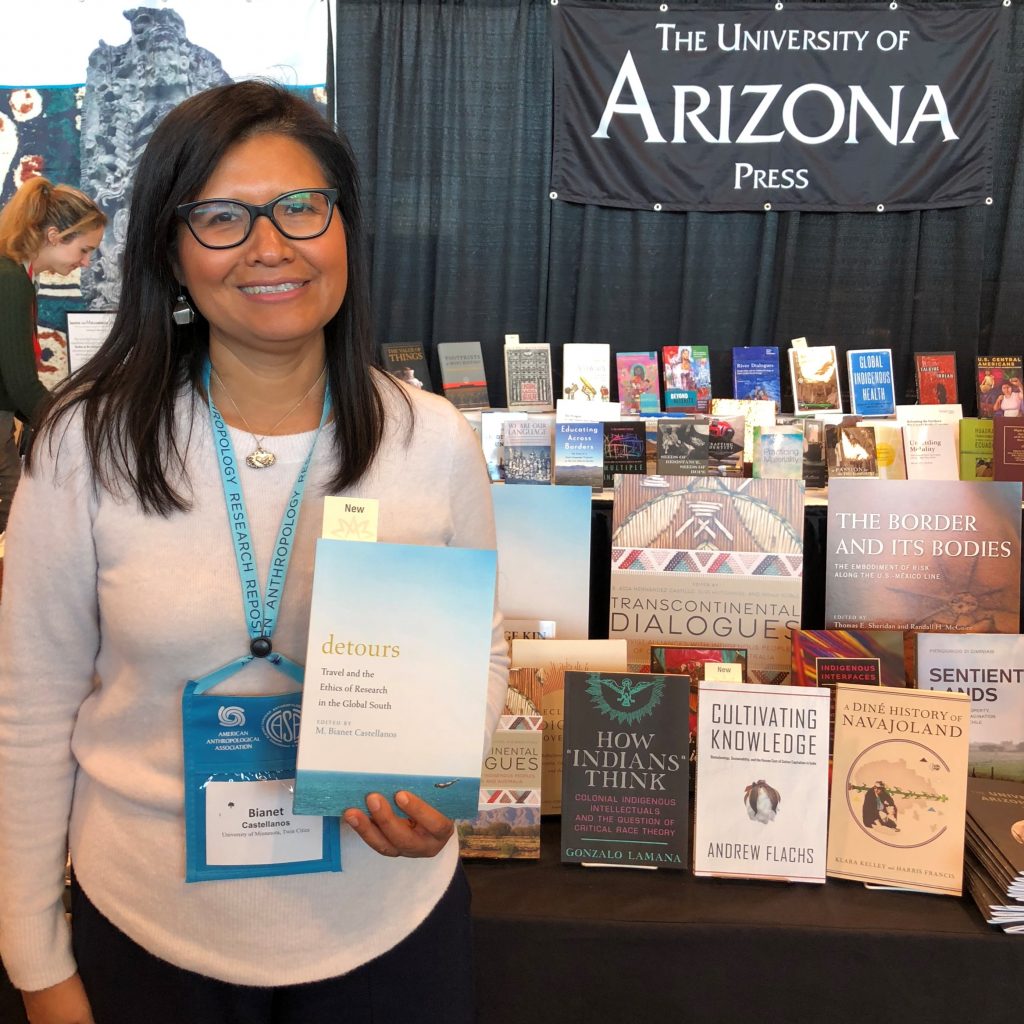
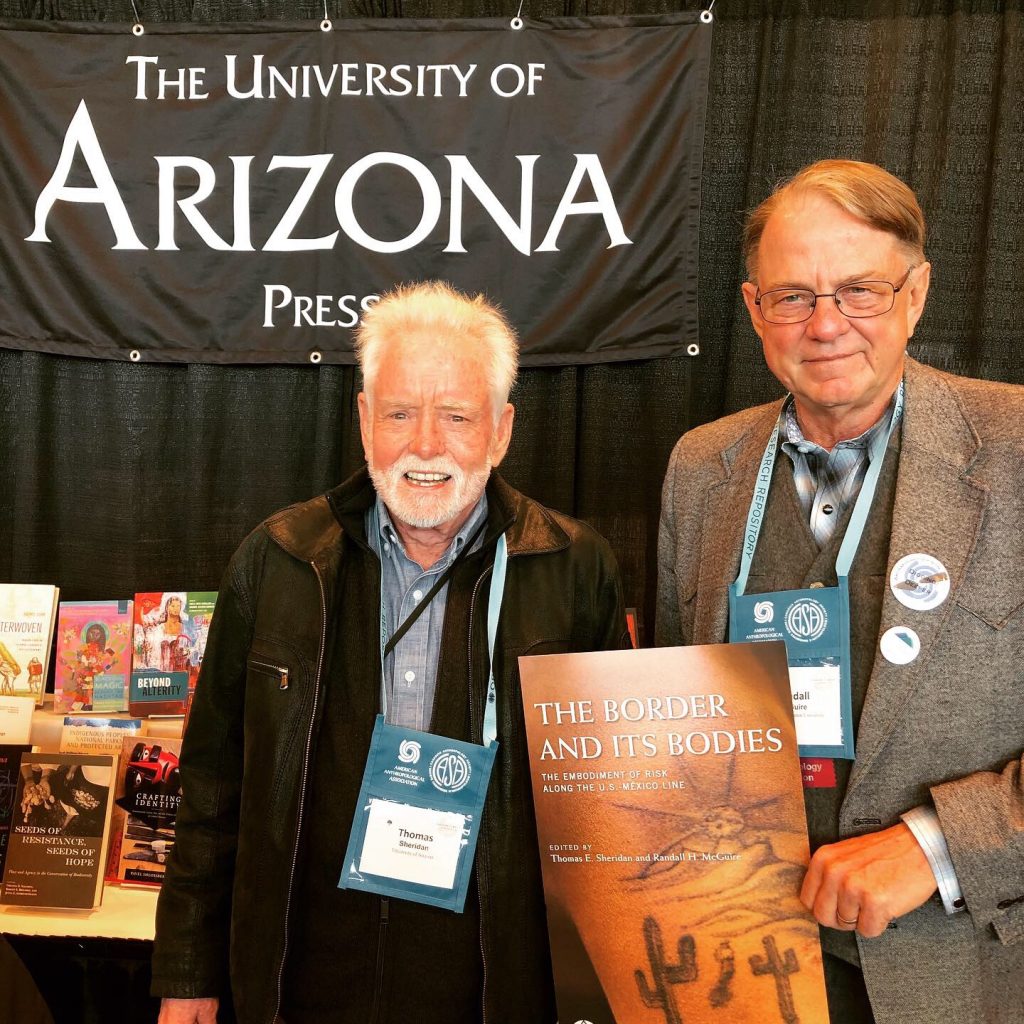
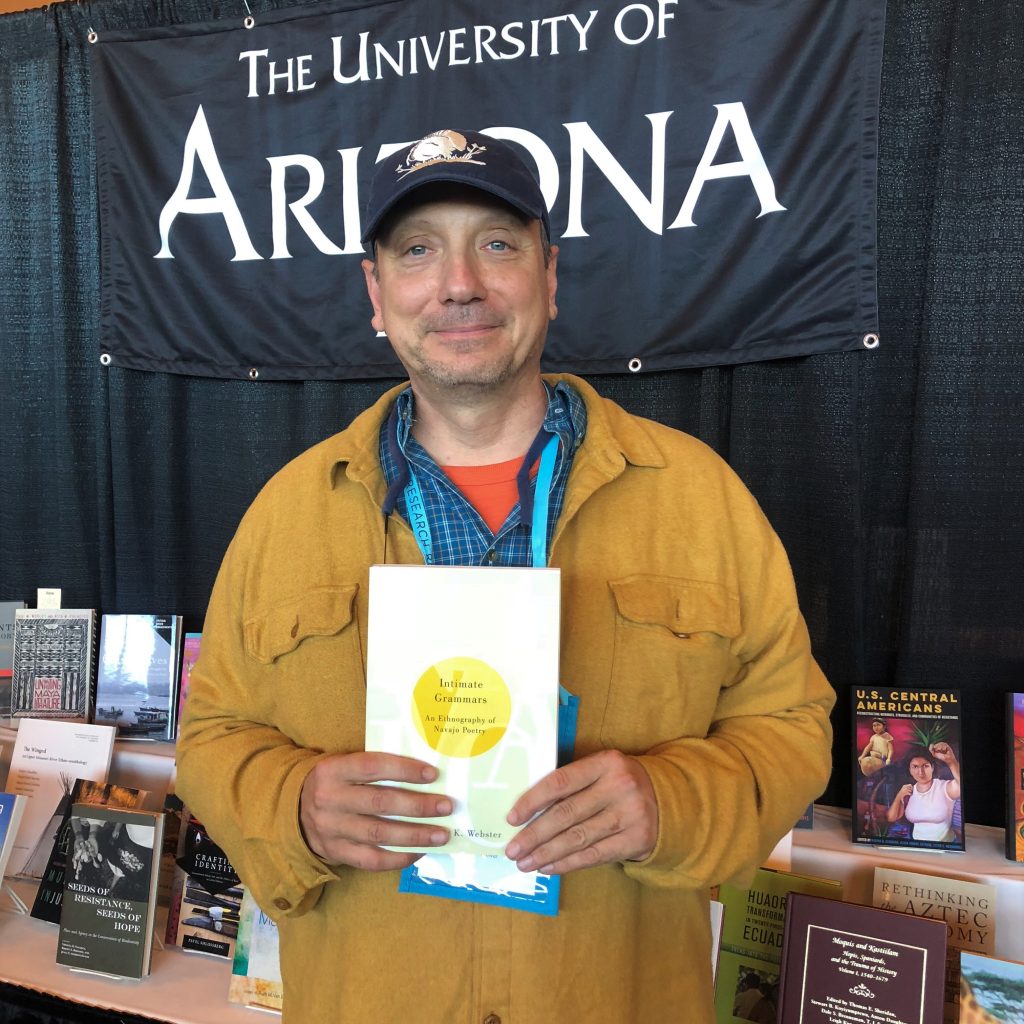
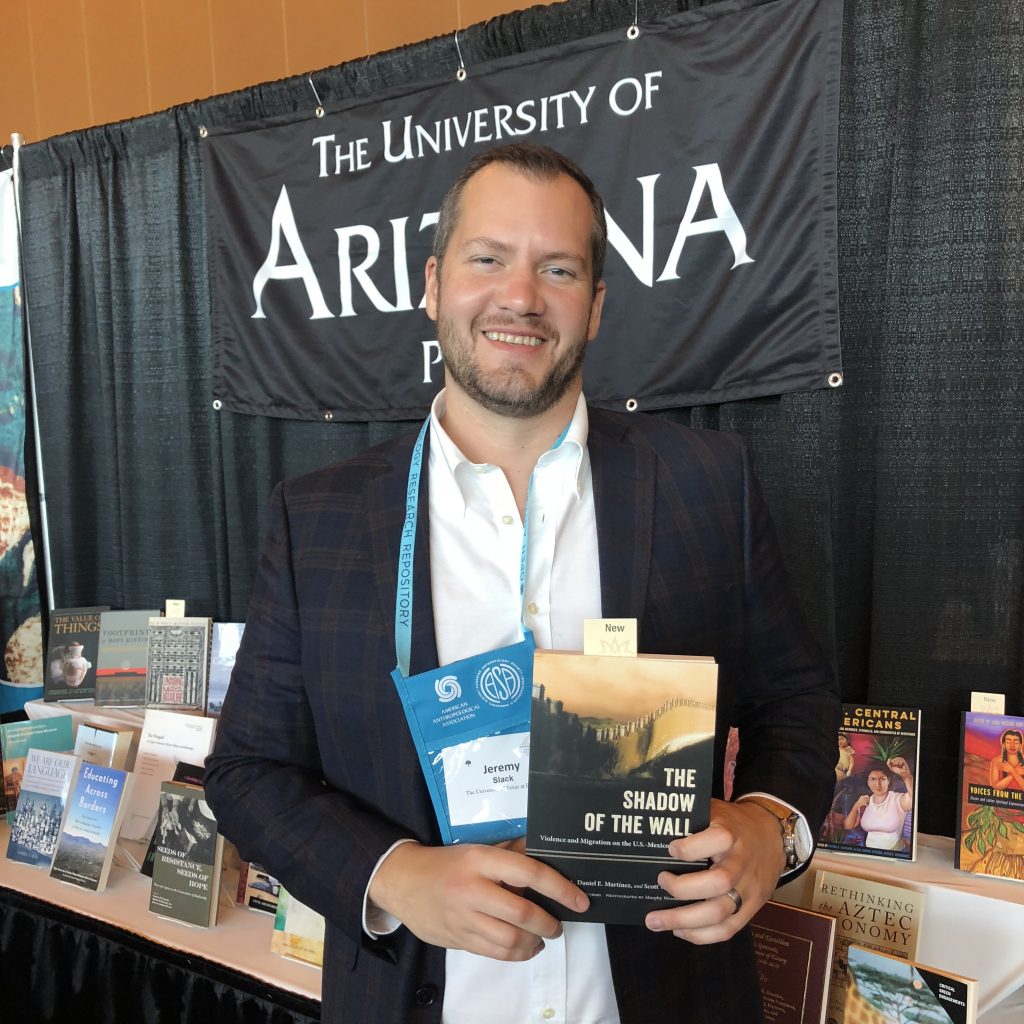
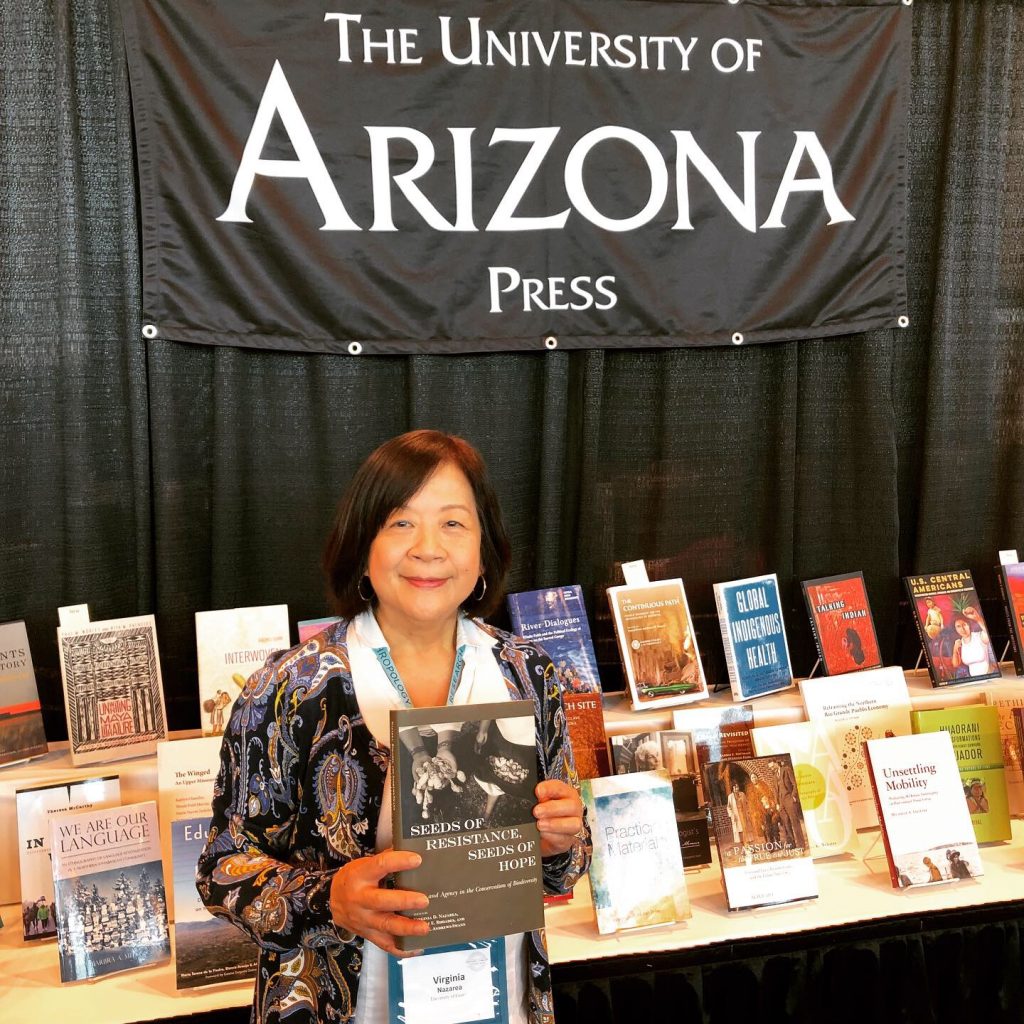
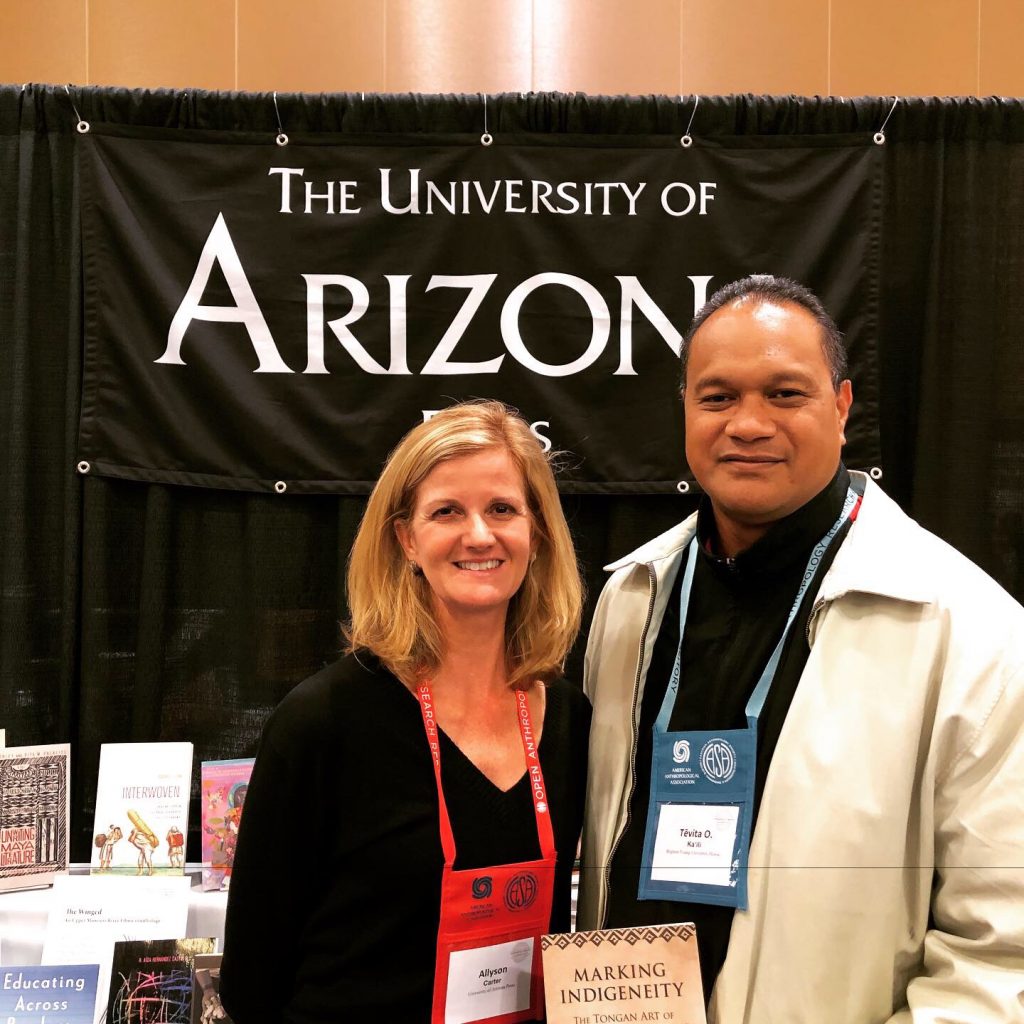
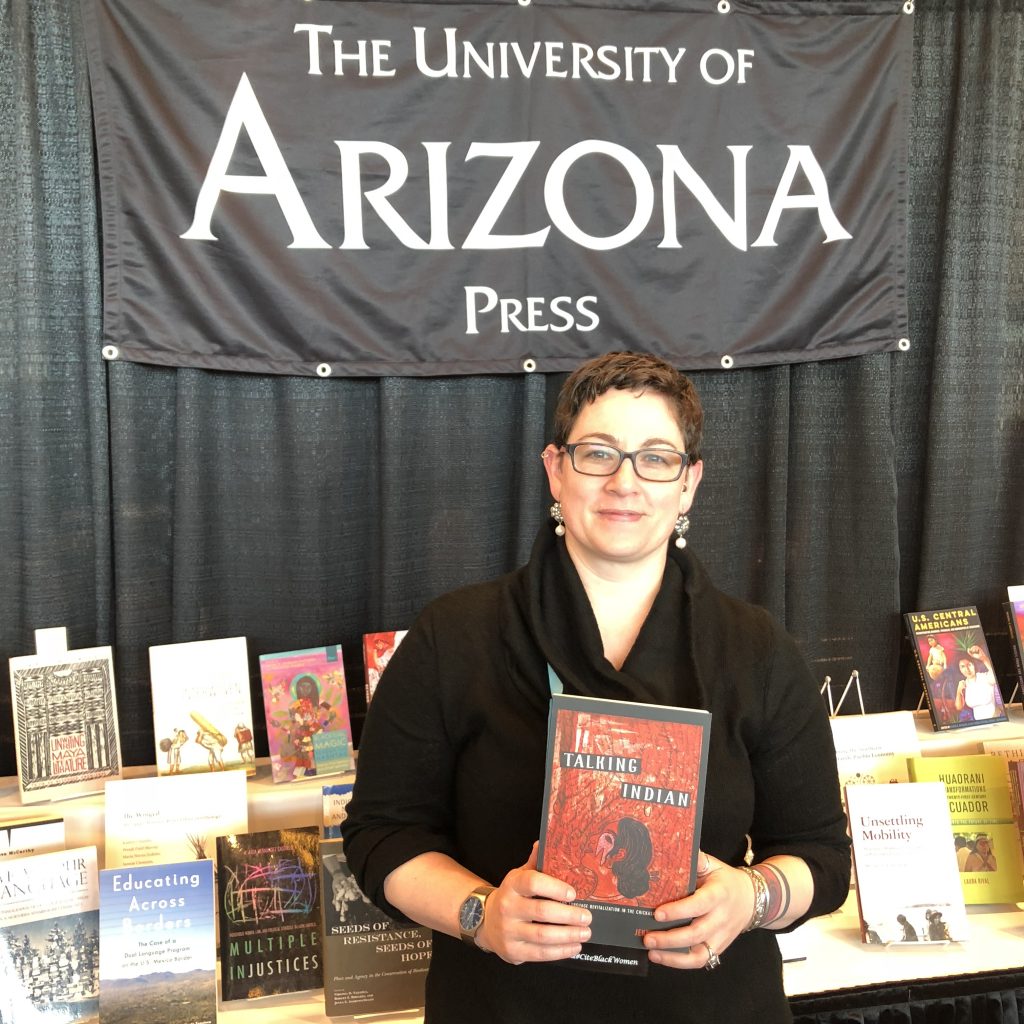
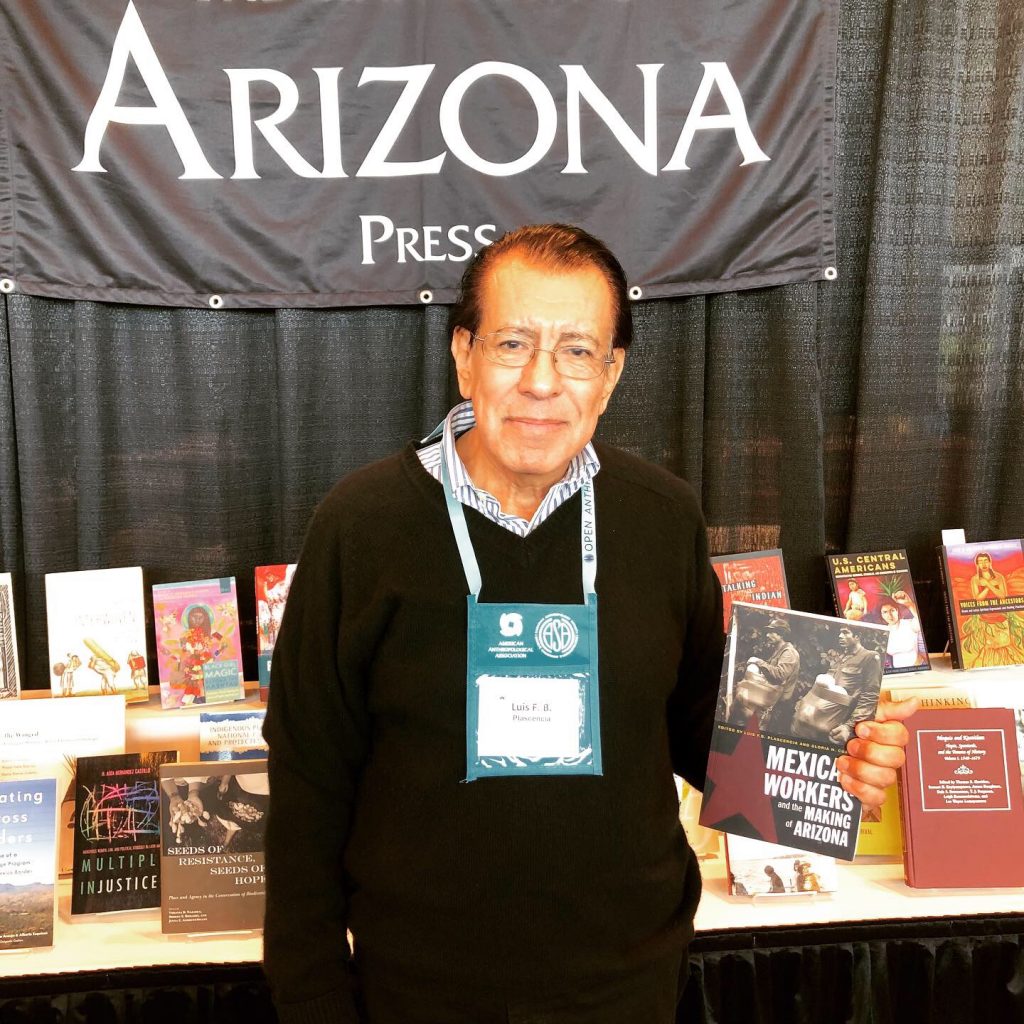
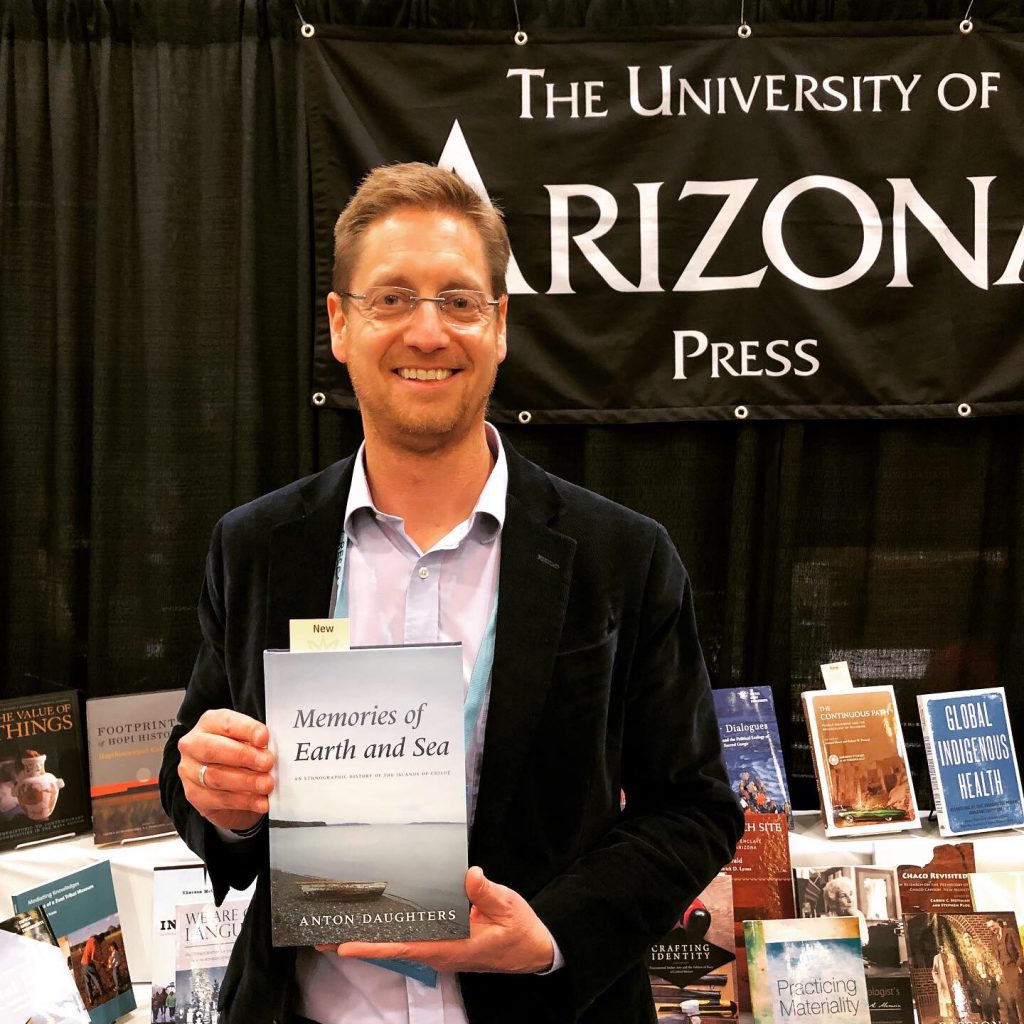
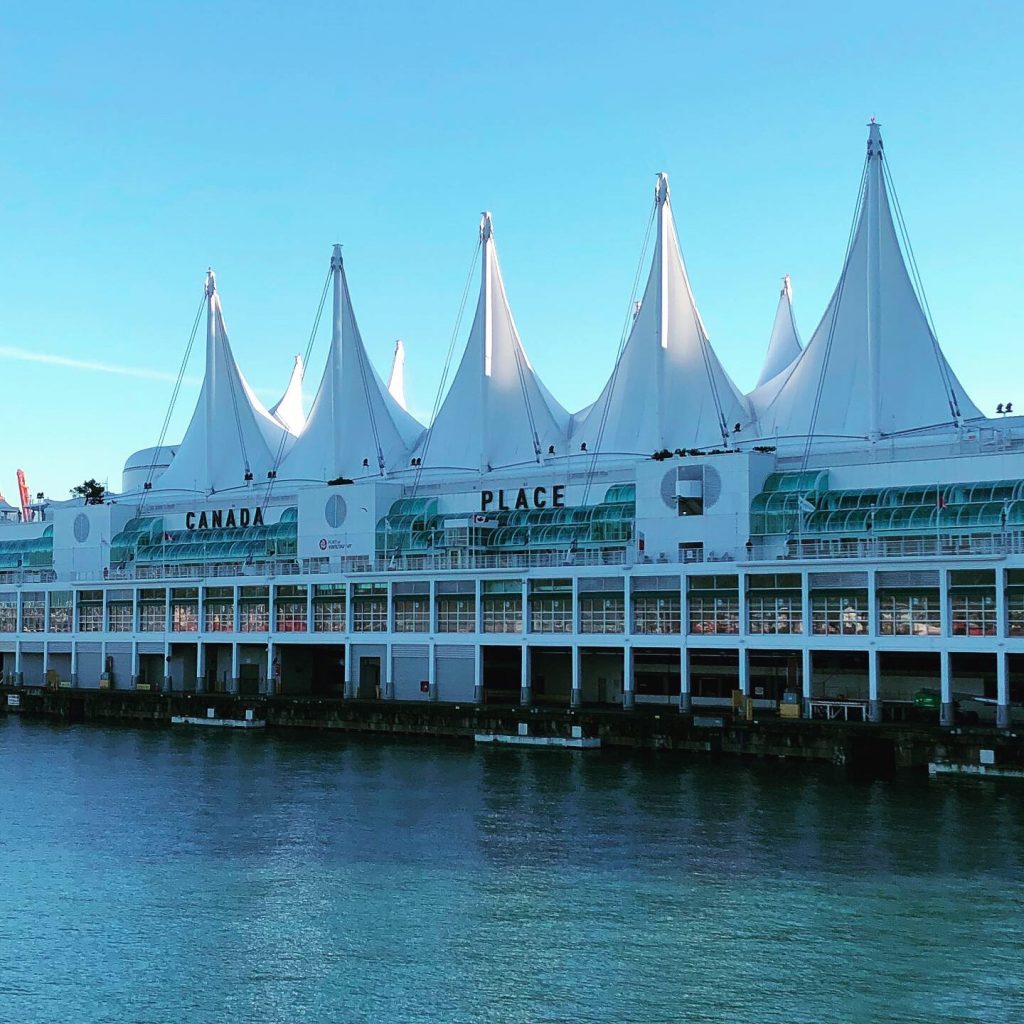
Last week, we attended the American Anthropological Association conference in beautiful Vancouver, British Columbia. It was a wonderful conference, and we can’t wait for next year’s meeting in St. Louis, Missouri. We were thrilled to catch up with so many of our authors! Below, find some photos we snapped at the conference.
The University of Arizona Press publishes the work of leading scholars from around the globe. Learn more about submitting a proposal, preparing your final manuscript, and publication.
The University of Arizona Press is proud to share our books with readers, booksellers, media, librarians, scholars, and instructors. Join our email Newsletter. Request reprint licenses, information on subsidiary rights and translations, accessibility files, review copies, and desk and exam copies.
Support a premier publisher of academic, regional, and literary works. We are committed to sharing past, present, and future works that reflect the special strengths of the University of Arizona and support its land-grant mission.
 The University of Arizona Press