The University of Arizona Press

April 8, 2021
We are excited to participate in the first virtual NACCS meeting! We have an incredible selection of new and recent titles that we hope you will enjoy. Use the code AZNACCS21 at checkout here on our website to receive 40% off all titles, plus free U.S. shipping.
If you have questions about our publishing program, please view our guidelines here, and don’t hesitate to reach out to our Editor-in-Chief, Kristen Buckles. She can be reached at kbuckles@uapress.arizona.edu.
Congratulations to Josie Méndez-Negrete, 2021 NACCS Scholar!
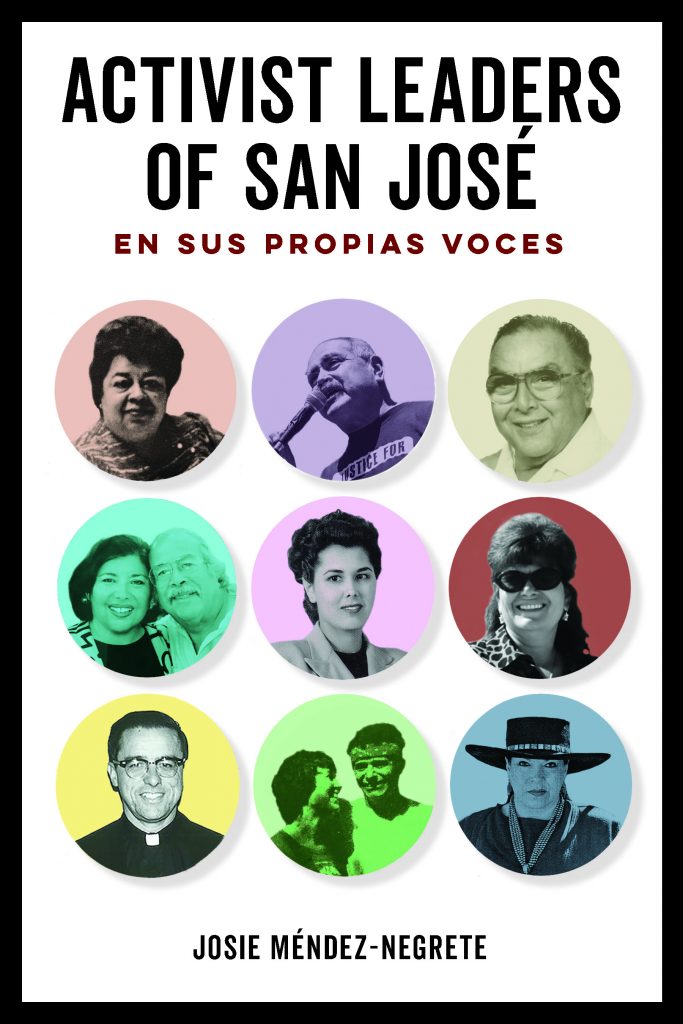
Challenging stereotypes, Activist Leaders of San José unearths and makes visible lived experiences of Chicana and Latino activists from San José, California, who made contributions to the cultural and civic life of the city. Through oral histories, we see a portrait of grassroots leadership in the twentieth century.
We are thrilled to announce that Josie Méndez-Negrete was chosen as the 2021 NACCS Scholar! “The NACCS Scholar Award is a recognition of work – publications, pedagogical, leadership praxis, and personal commitment, Dr. Méndez-Negrete exemplifies this quality among the professoriate of NACCS.” Read more here.
Watch Josie Méndez-Negrete and Lorena V. Márquez discuss California Chicana/o/x community histories here.

Rewriting the Chicano Movement is an insightful new history of the Chicano Movement that expands the meaning and understanding of this seminal historical period in Chicano history. The essays introduce new individuals and struggles previously omitted from Chicano Movement history.
Watch a book release event with editors Mario T. García and Ellen McCracken here, then read five questions with the editors here. Read an interview about the book from University of California Santa Barbara’s news site, The Current here, then read an excerpt from the book here.
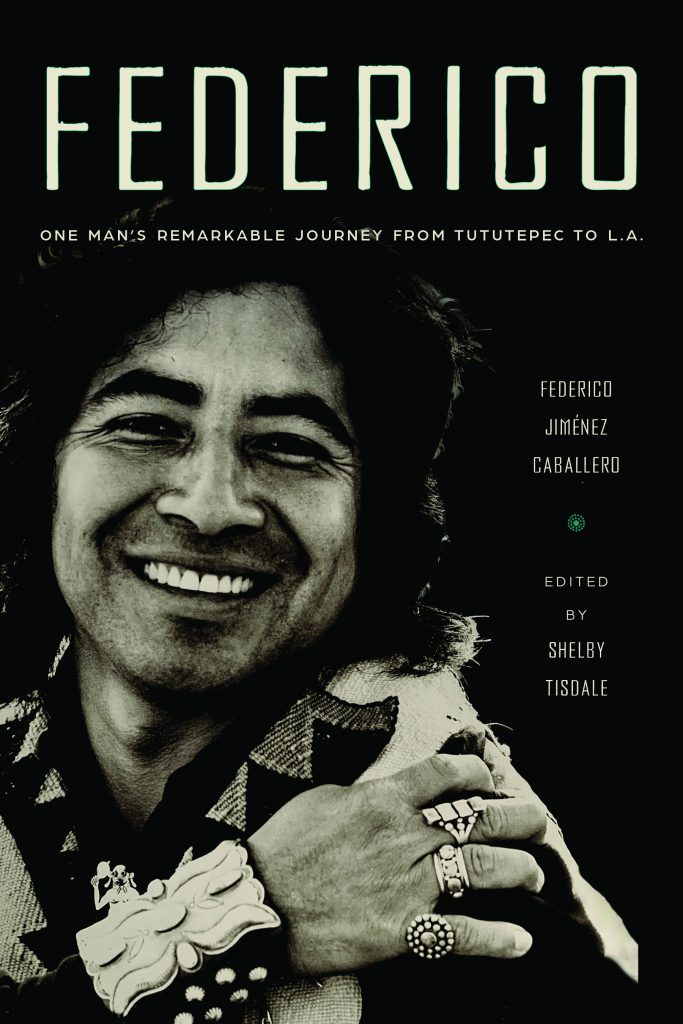
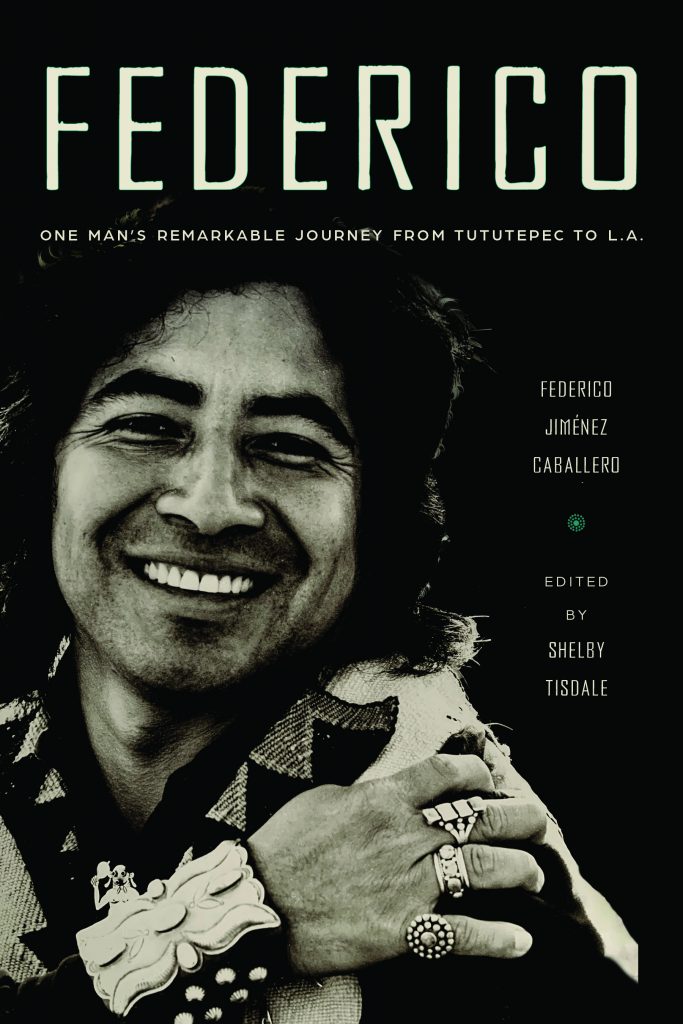
From the day he was born, Federico Jiménez Caballero was predicted to be a successful man. So, how exactly did a young boy from Tututepec, Oaxaca, become a famous Indigenous jewelry artist and philanthropist in Los Angeles? Federico tells the remarkable story of willpower, curiosity, hard work, and passion coming together to change one man’s life forever.
“A remarkable narrative telling of Indigenous origins, transformation in the city, and eventual migration to the United States, Federico by Federico Jiménez Caballero brings life to a unique story beginning in rural Oaxaca and ending in Los Angeles.”—Anna M. Nogar, author of Quill and Cross in the Borderlands: Sor María de Ágreda and the Lady in Blue, 1628 to the Present
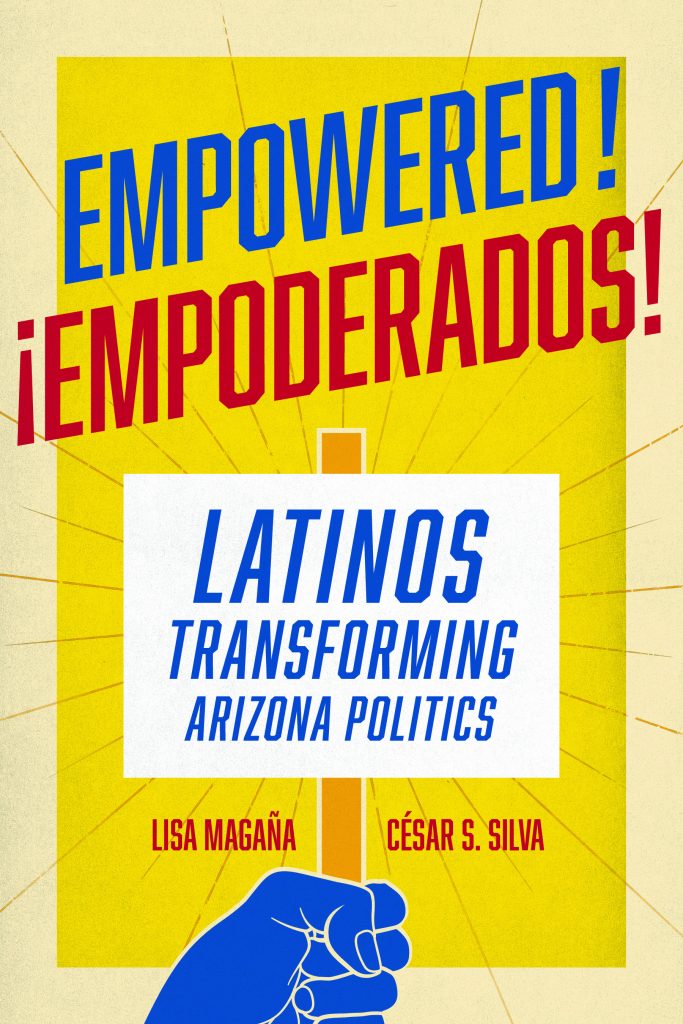
Empowered! examines Arizona’s recent political history and how it has been shaped and propelled by Latinos. This book shows how Latinos are mobilizing to counter proposals for Draconian immigration laws with new and innovative approaches.
Watch authors Lisa Magaña and César S. Silva discuss the book and answer questions here, then read an interview with Lisa Magaña here.
“This book is a fascinating historical account of how Latinos in Arizona have faced political disenfranchisement and outright hostility to their rights and even their very presence in the state and their recent mobilization to push back. It is a book that comes to add substantially to our understanding of how the largest minority in the United States, Latinos, is helping to realign politics—in Arizona, the Southwest, and beyond. This book is a text that shows the reader a microcosm of how minorities have had to struggle to expand political rights through history—first African Americans in the South and now Latinos in the Southwest.”—Tony Payan, author of The Three U.S.-Mexico Border Wars: Drugs, Immigration, and Homeland Security
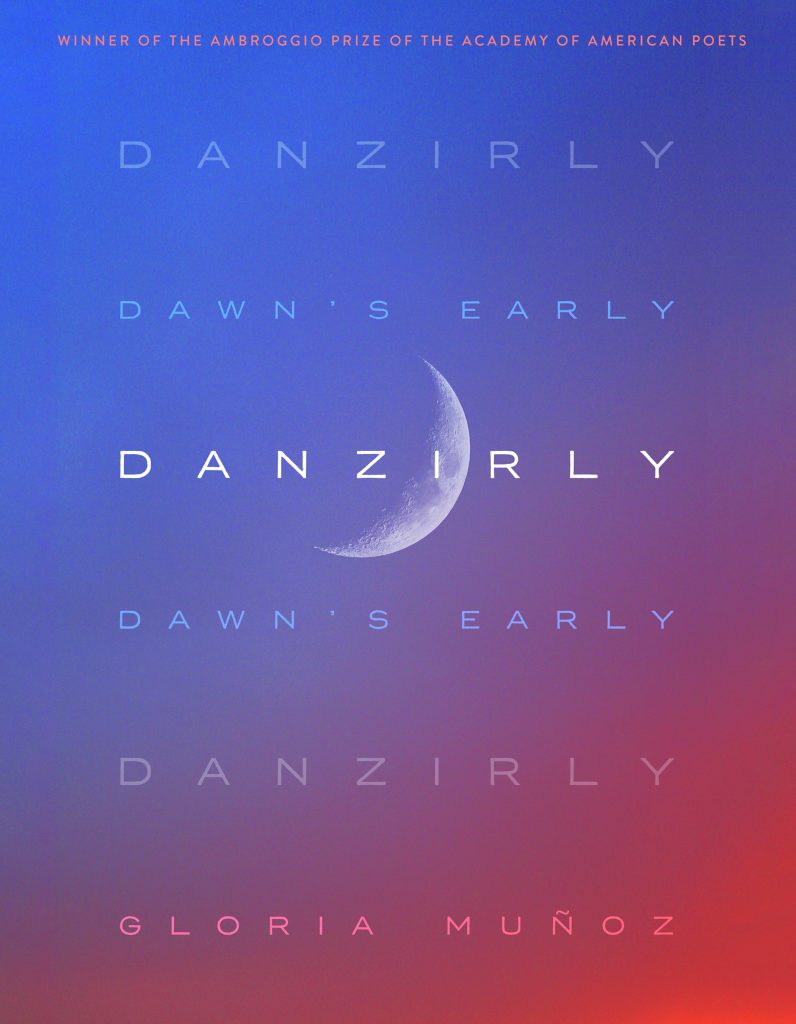
Danzirly is a stunning bilingual poetry collection that considers multigenerational Latinx identities in the rapidly changing United States. Winner of the Academy of American Poets’ Ambroggio Prize, Gloria Muñoz’s collection is an unforgettable reckoning of the grief and beauty that pulses through twenty-first-century America.
Watch a recording of a Tucson Festival of Books virtual book panel with poets Gloria Muñoz and Felicia Zamora here. Sign up for our virtual book release event for Danzirly on April 14 here!
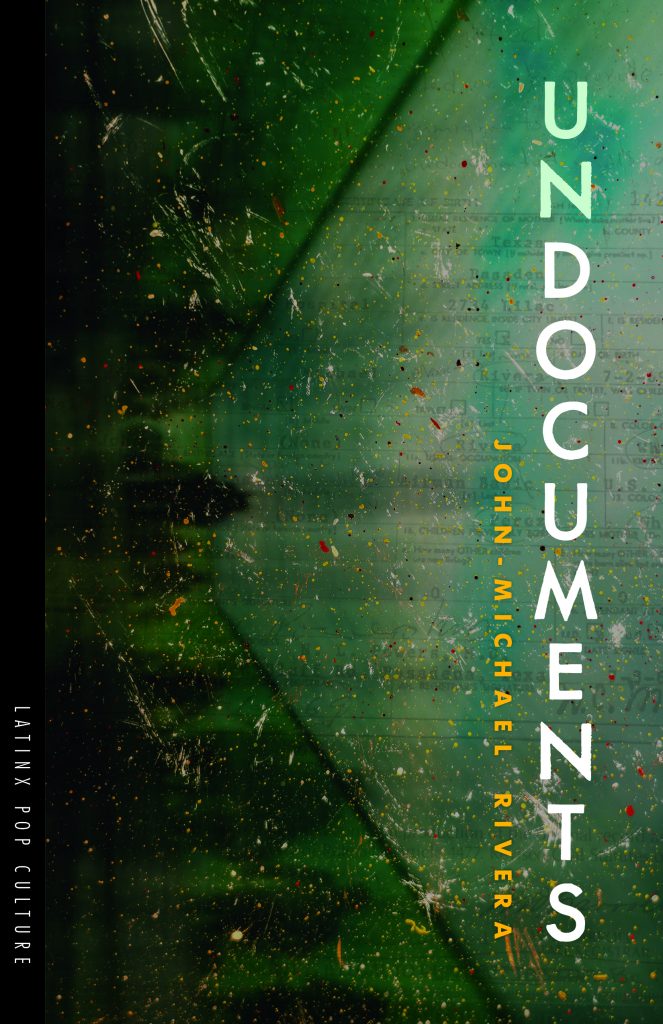
UNDOCUMENTS is an expansive multi-genre exploration of Greater Mexican documentality that reveals the complicated ways all Latinx peoples, including the author, become objectified within cultures. John-Michael Rivera remixes the Florentine Codex and other documents as he takes an intense look at the anxieties and physical detriments tied to immigration.
We are thrilled to announce that UNDOCUMENTS won a 2021 Kayden Book Award! Read more about the award here. Read an excerpt from the book here, then watch a recording of a virtual book release event with John-Michael Rivera and Latinx Pop Culture series editor Frederick Luis Aldama here.
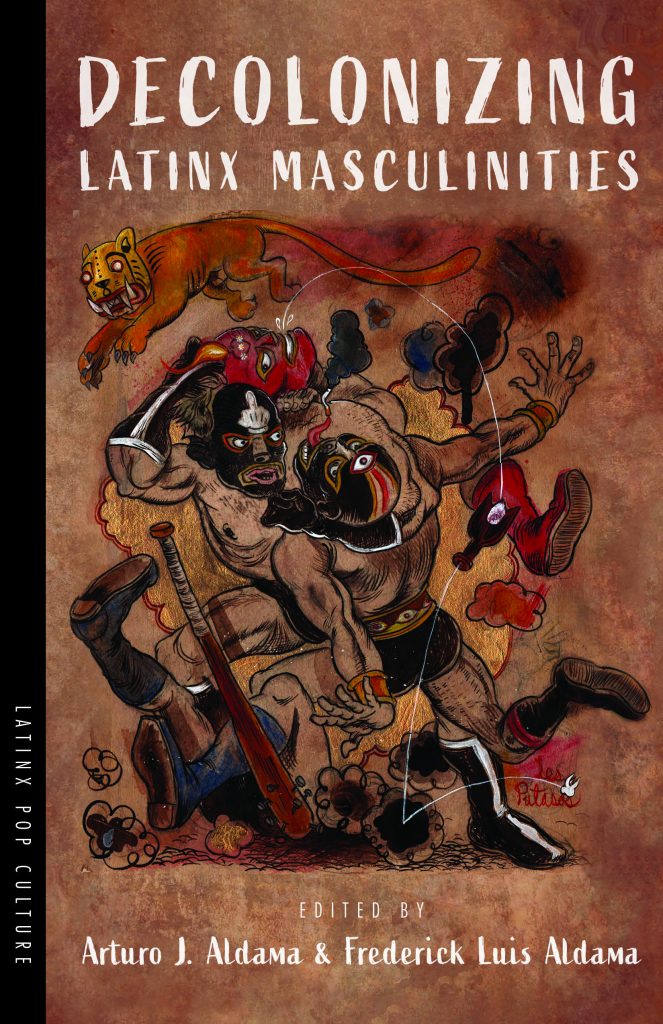
With unity of heart and mind, the creative and the scholarly, Decolonizing Latinx Masculinities opens wide its arms to all non-binary, decolonial masculinities today to grow a stronger, resilient, and more compassionate new generation of Latinxs tomorrow.
Read an interview with the editors, Arturo J. Aldama and Frederick Luis Aldama, here. Then, listen to a New Books Network podcast with Frederick here, and watch a video about Latinx streaming during lockdown here.
“Decolonizing Latinx Masculinities bristles with original insights and illuminating takes on an impressive array of expressive culture. A refreshing and pathfinding collection that leaves behind exhausted considerations of Latinx masculinity, the essays collected here focus our attention on the ever-shifting terms of debate concerning racialized genders and sexualities.”—Richard T. Rodríguez, author of Next of Kin: The Family in Chicano/a Cultural Politics
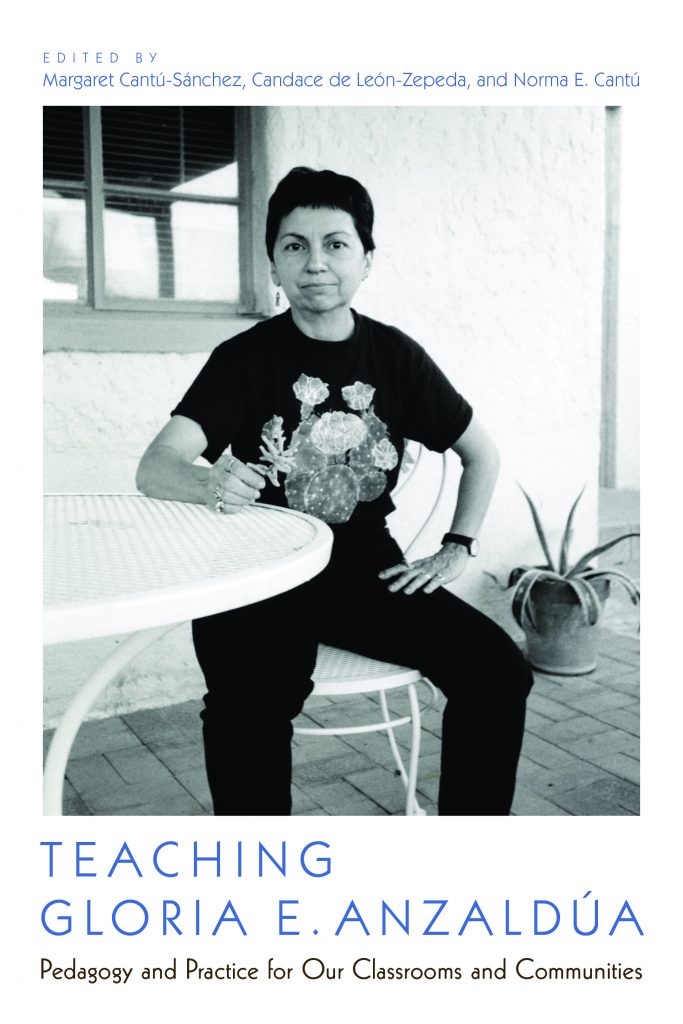
Teaching Gloria E. Anzaldúa provides pedagogical applications of Anzaldúa’s noted theories, including la facultad, the path of conocimiento, and autohistoria, among others. This text provides examples, lesson plans, and activities for scholars, professors, teachers, and community members in various disciplines—such as history, composition, literature, speech and debate, and more—and for those interested in teaching the theories of Gloria Anzaldúa.
Watch a recording of a book release event with the editors of this volume here, then listen to a 1991 recording of Gloria Anzaldúa reading uncollected and unpublished poems here.
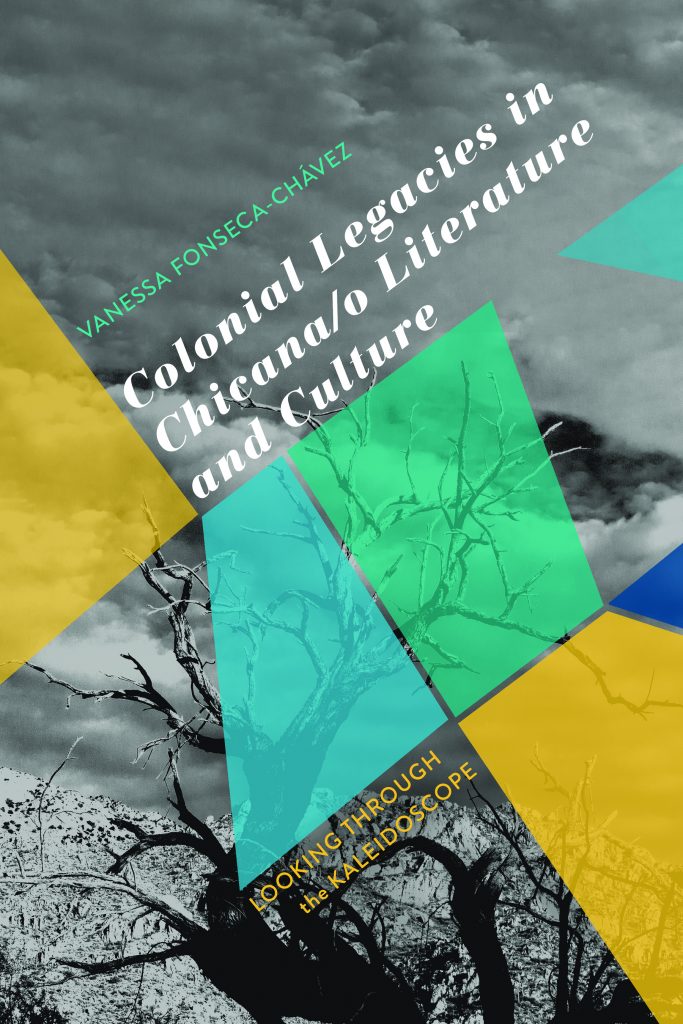
Colonial Legacies in Chicana/o Literature and Culture traces the development of Chicana/o literature and cultural production from the Spanish colonial period to the present. In doing so, it challenges us to look critically at how we simultaneously embody colonial constructs and challenge their legacies.
Read an excerpt from the book here, then listen to author Vanessa Fonseca-Chávez talk about the book on NPR here.
“Colonial Legacies in Chicana/o Literature and Culture does the difficult work of placing pre-Chicano texts such as Jovita González’s Dew on the Thorn in dialogue with later Chicanx, Indigenous, and Chicana texts. Doing so allows Fonseca-Chávez to directly address the politics and power of memory, representation, and canon. Fonseca-Chávez argues that by addressing literary heritages with eyes wide open, we can produce honest critiques of the canon. Only by doing so will we be able to account for the very diverse body that is Chicanx literature. In relation, only by doing so will we be able to form the critical coalitions we need as we move into the twenty-first century.”—Linda Heidenreich, author of “This Land Was Mexican Once”: Histories of Resistance from Northern California
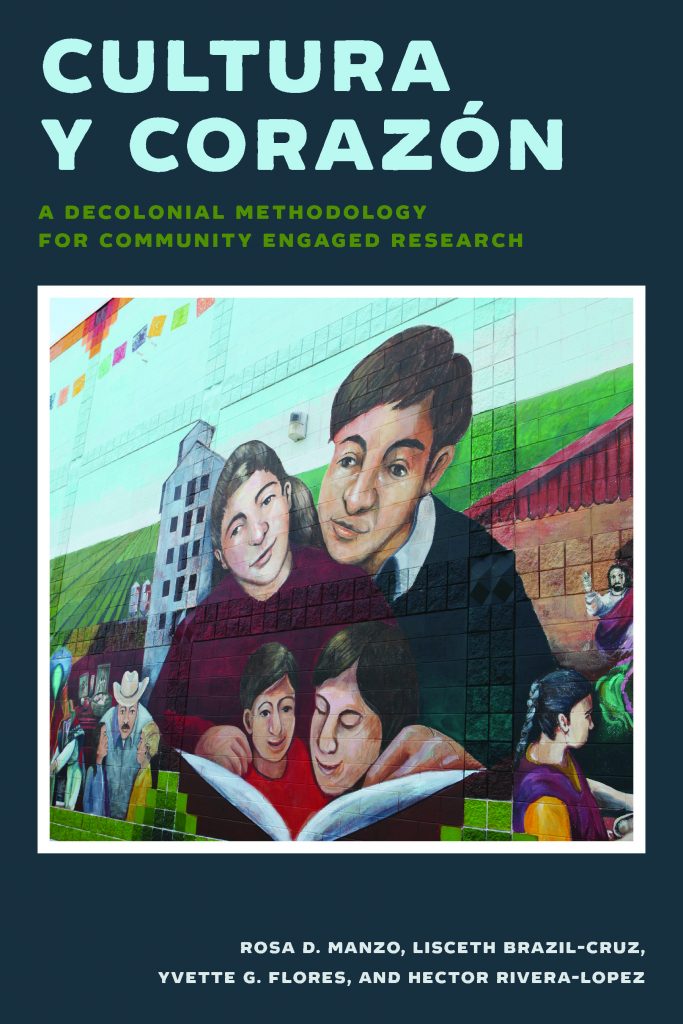
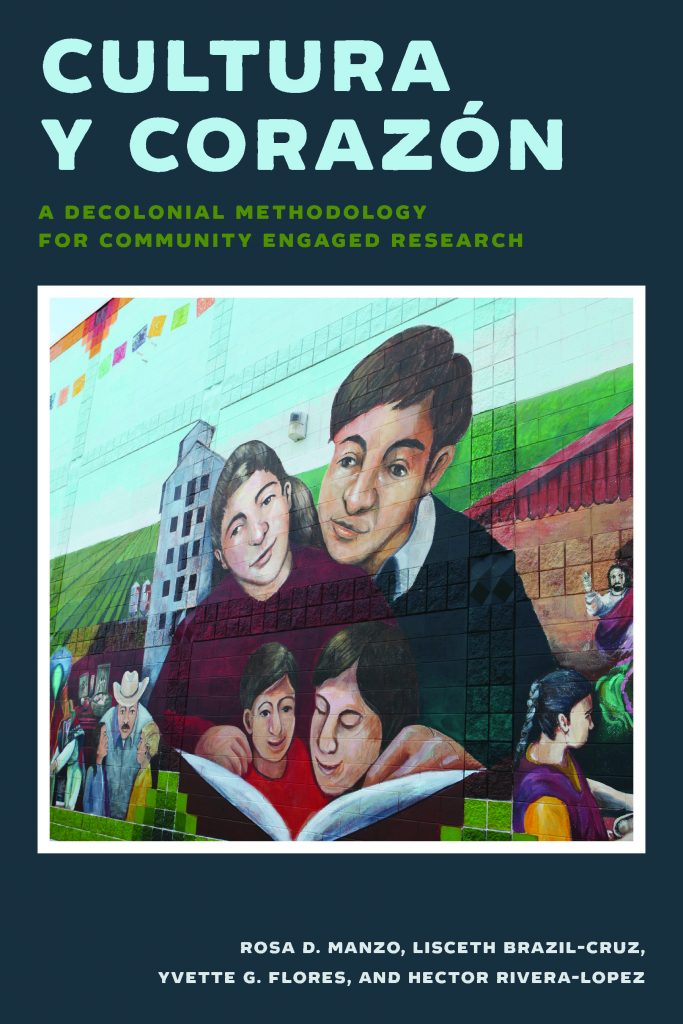
Cultura y Corazón is a cultural approach to research that requires a long-term commitment to community-based and engaged research methodologies. This book presents case studies in the fields of education and health that recognize and integrate communities’ values, culture, and funds of knowledge in the research process.
“Cultura y Corazón is a book we have all been waiting for. Deliberate in its descriptions of how to do ethical community engaged participatory research, the authors provide an excellent model for anyone serious about changing the way we work WITH communities of color. This is mandatory reading for researchers who are invested in providing a symbiotic relationship with communities of color and who no longer abide by helicopter culture-vulture approaches in research relationships.”—Sujey Vega, author of Latino Heartland: Of Borders and Belonging in the Midwest
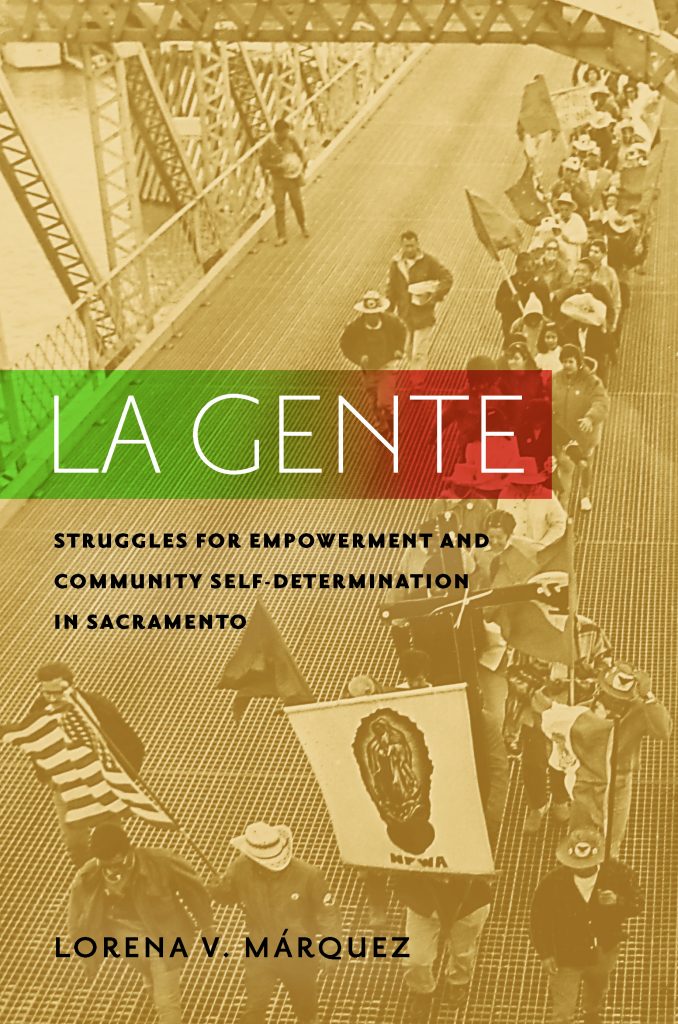
La Gente traces the rise of the Chicana/o Movement in Sacramento and the role of everyday people in galvanizing a collective to seek lasting and transformative change during the 1960s and 1970s. In their efforts to be self-determined, la gente contested multiple forms of oppression at school, at work sites, and in their communities.
Watch a recording of Josie Méndez-Negrete and Lorena V. Márquez discussing California Chicana/o/x community histories here. Watch a recording of an Educators for Anti-Racism interview La Gente author Lorena V. Márquez here. Read an interview with Lorena about the book with the Center for Sacramento History here.
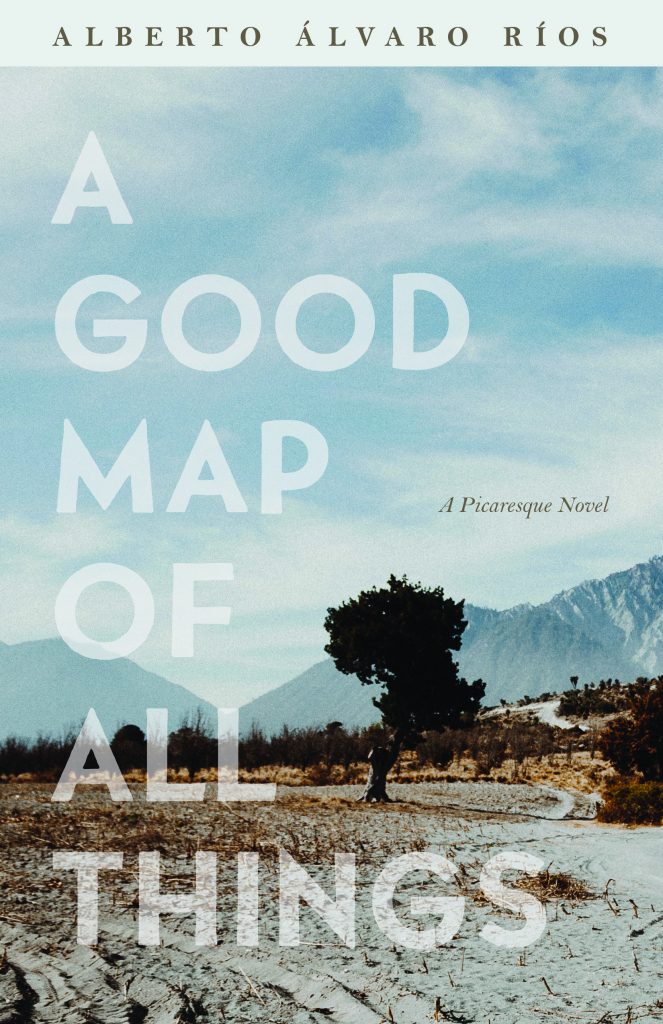
In Alberto Ríos’s new picaresque novel, momentous adventure and quiet connection bring twenty people to life in a small town in northern Mexico. A Good Map of All Things is home to characters whose lives are interwoven but whose stories are their own. Whether your heart belongs to a small town in Mexico or a bustling metropolis, Alberto Ríos has crafted a book overflowing with comfort, humor, warmth, and the familiar embrace of a tightly woven community.
Watch a recording of a Tucson Festival of Books virtual book panel with Lydia Otero and Alberto Álvaro Ríos here, then read an interview with Alberto for High Country News here. We’re thrilled to announce that A Good Map of All Things was chosen as a Southwest Book of the Year!
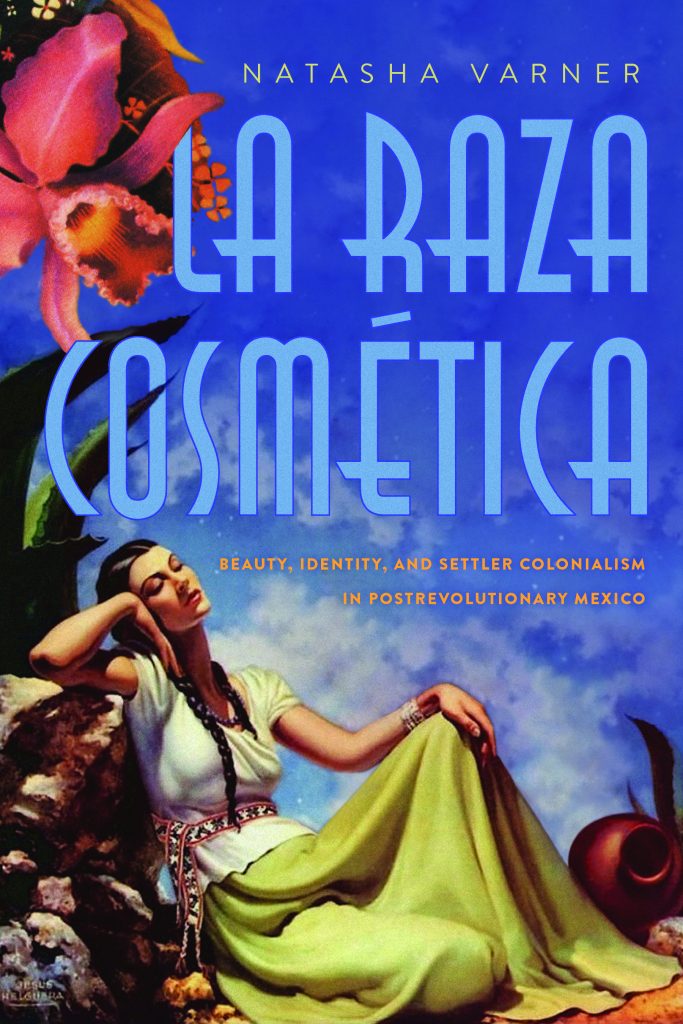
La Raza Cosmética examines postrevolutionary identity construction as a project of settler colonialism that at once appropriated and erased indigeneity. In its critique of Indigenous representation, it also shows how Indigenous women strategically engaged with and resisted these projects as they played out in beauty pageants, films, tourism, art, and other realms of popular culture.
“Natasha Varner’s book insightfully traces how nationalists used the female Indigenous body to construct settler colonialism in postrevolutionary Mexico. In the process, it creatively bridges Indigenous studies in the United States and Latin America.”—Rick A. López, author of Crafting Mexico: Intellectuals, Artisans and the State After the Revolution
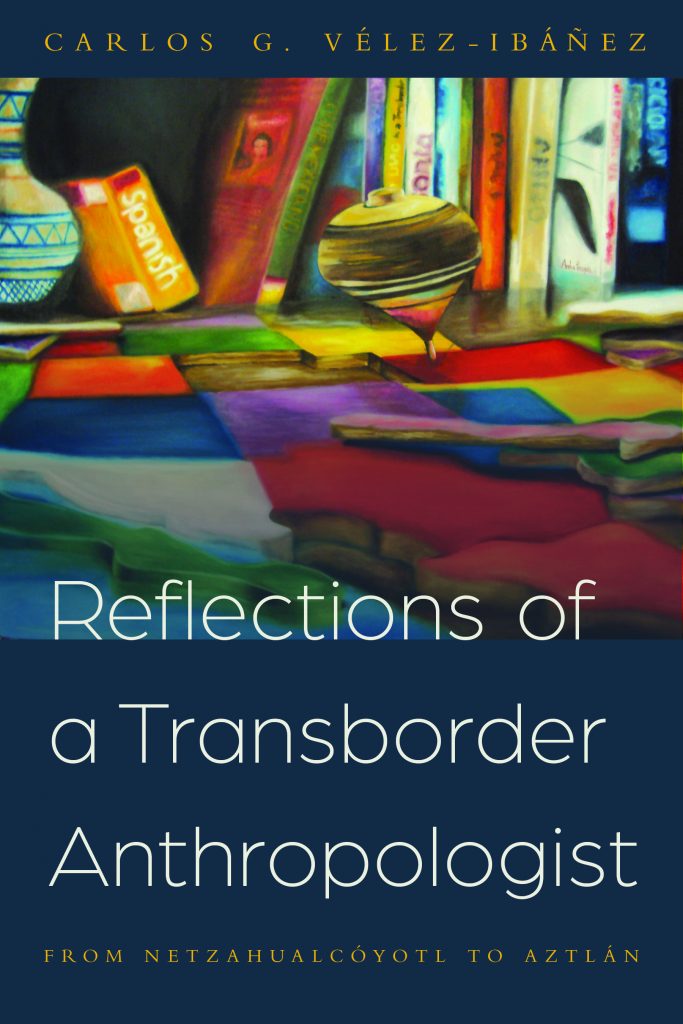
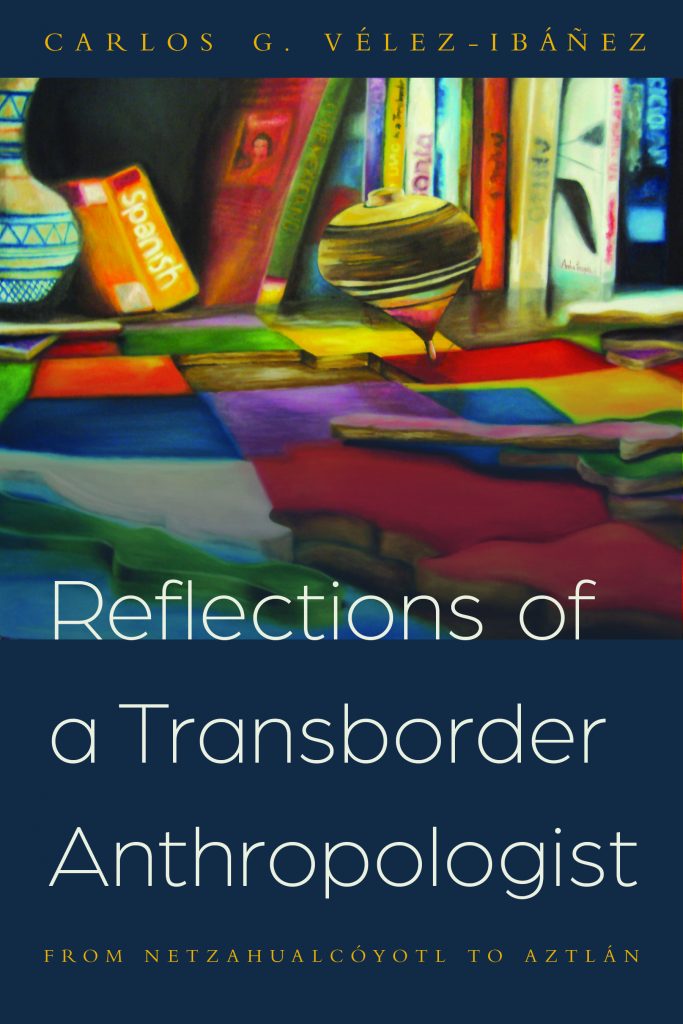
Reflections of a Transborder Anthropologist shows how both Carlos Vélez-Ibáñez and anthropology have changed and formed over a fifty-year period. Throughout, he has worked to understand how people survive and thrive against all odds. Vélez-Ibáñez has been guided by the burning desire to understand inequality, exploitation, and legitimacy, and, most importantly, to provide platforms for the voiceless to narrate their own histories.
We are thrilled that Carlos Vélez-Ibáñez was awarded the inaugural AAHHE Distinguished Author Award! Watch Carlos and his colleagues discuss the book at a virtual book release event here, then read an excerpt from the book here.
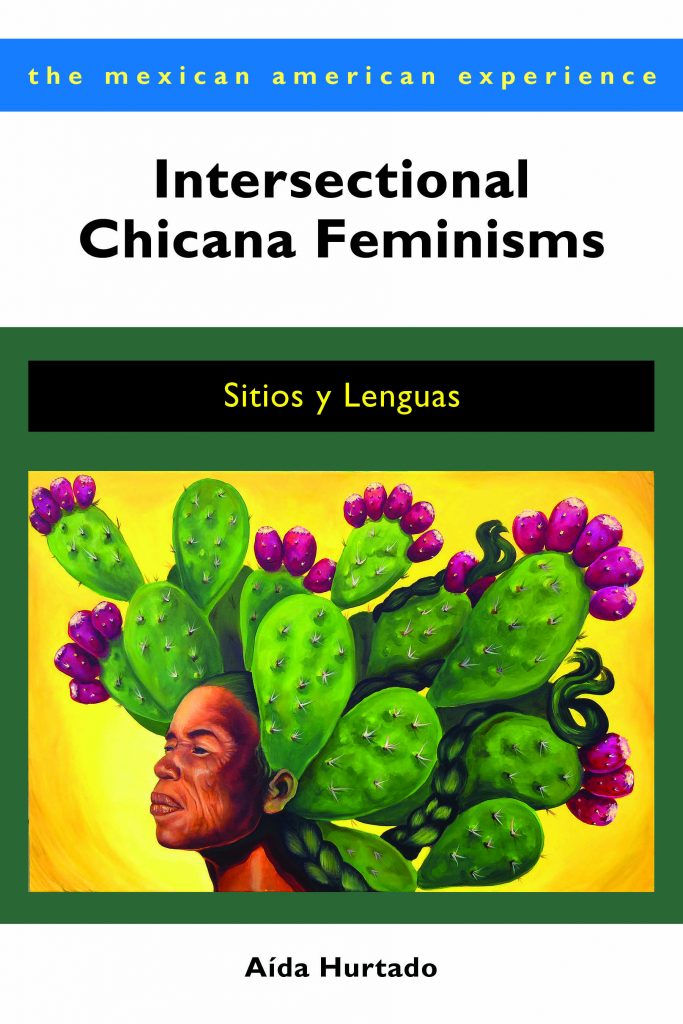
Chicana feminisms are living theory deriving value and purpose by affecting social change. Advocating for and demonstrating the importance of an intersectional, multidisciplinary, activist understanding of Chicanas, Intersectional Chicana Feminisms provides a much-needed overview of the key theories, thinkers, and activists that have contributed to Chicana feminist thought.
Aída Hurtado, a leading Chicana feminist and scholar, traces the origins of Chicanas’ efforts to bring attention to the effects of gender in Chicana and Chicano studies. Highlighting the innovative and pathbreaking methodologies developed within the field of Chicana feminisms—such as testimonio, conocimiento, and autohistoria—this book offers an accessible introduction to Chicana theory, methodology, art, and activism. Hurtado also looks at the newest developments in the field and the future of Chicana feminisms.
We’re thrilled that Aída Hurtado won an AAHHE Distinguished Author Award, and received an honorable mention for the 2020 NWSA Gloria E. Anzaldúa Book Prize!
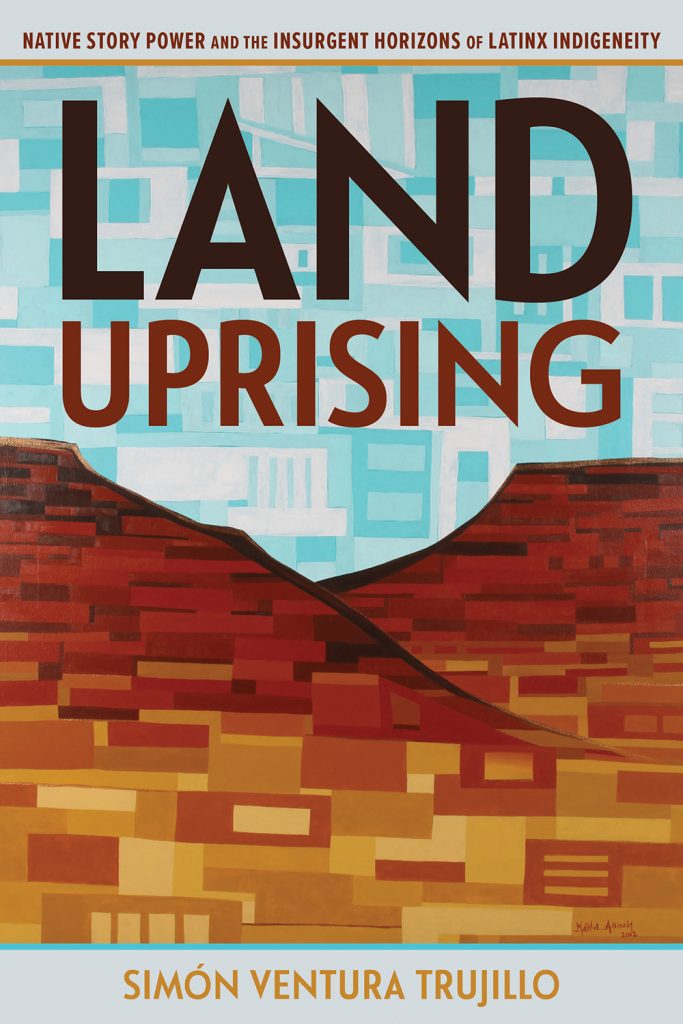
Land Uprising reframes Indigenous land reclamation as a horizon to decolonize the settler colonial conditions of literary, intellectual, and activist labor. Simón Ventura Trujillo argues that land provides grounding for rethinking the connection between Native storytelling practices and Latinx racialization across overlapping colonial and nation-state forms.
“Trujillo explores the ongoing process of insurgent history making by examining an ever-widening array of relevant texts that in their origin and topic spiral out from the New Mexican heartland of the Alianza to encompass kindred indigenous insurgencies as far afield as the Zapatistas of Chiapas in southern Mexico. This is an insightful, complex, and sometimes whimsical musing on land, race, indigeneity, and storytelling.”—P. R. Sullivan, Choice
Watch Simón Trujillo and Vick Quezada Discuss the borderlands of Latinx Indigeneity here.
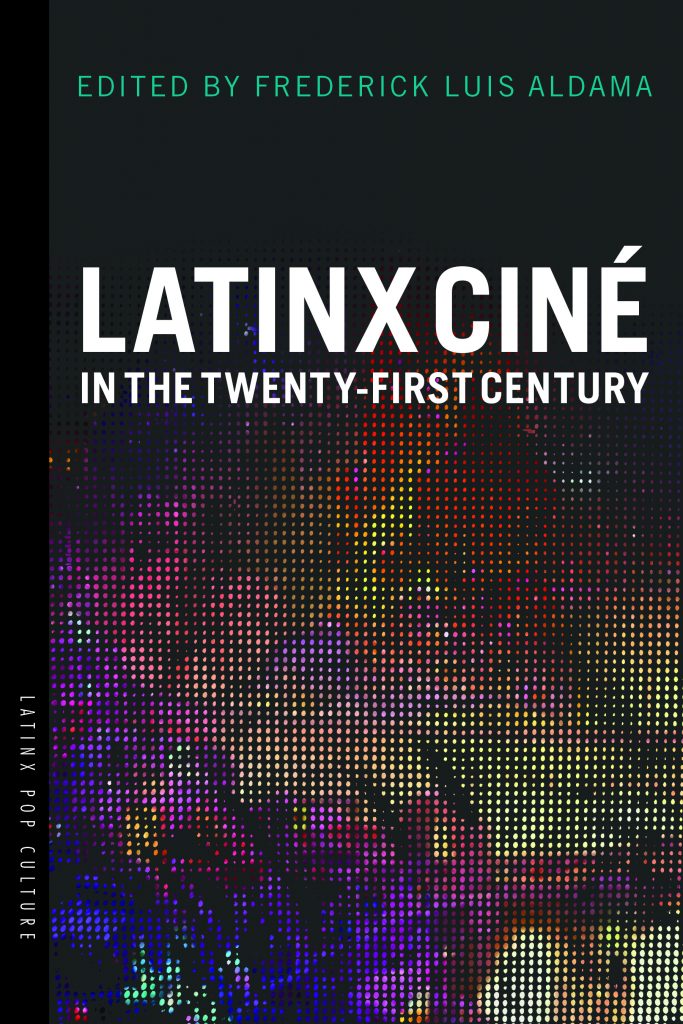
This timeless volume is a significant analysis of the burgeoning field of Latinx filmmaking. Editor Frederick Luis Aldama has gathered together some of the best writing on Latinx ciné in the twenty-first century. Today’s filmmakers show the world a rich Latinidad informed by a complexly layered culture replete with history, biography, and everyday experiences.
“(Latinx Ciné in the twenty-first century) is a tour-de-force in Latinx-Brown film studies, unswervingly challenging, countering, deconstructing, irrupting and disrupting the conscious and contrived Latinx xenophobic and maligned racism, sexism, classism, and cultural invisibility promoted in the Trump era of political expediency and moral despondency.”—Theodoric Manley, Ethnic and Racial Studies
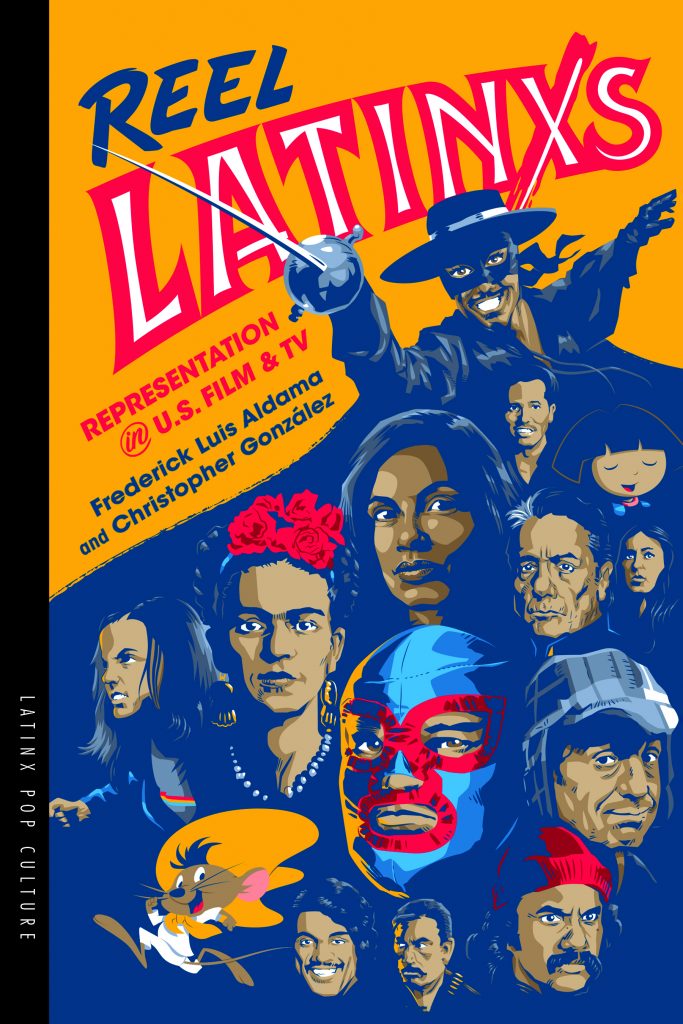
In Reel Latinxs, experts in Latinx pop culture Frederick Luis Aldama and Christopher González explain the real implications of Latinx representation in mainstream TV and film. They also provide a roadmap through a history of mediatized Latinxs that rupture stereotypes and reveal nuanced reconstructions of Latinx subjectivities and experiences.
“Reel Latinxs is an invitation to re-think the problematic history of misrepresentations, to evaluate contemporary texts, and to imagine possible future in which Latinx are represented in yet more complex and nuanced ways.”—Manuel G. Aviles-Santiago, The Journal of Arizona History
We’re thrilled to announce that Reel Latinxs won an International Latino Book Award! Watch a video on Latinx streaming during lockdown with author Frederick Luis Aldama here.
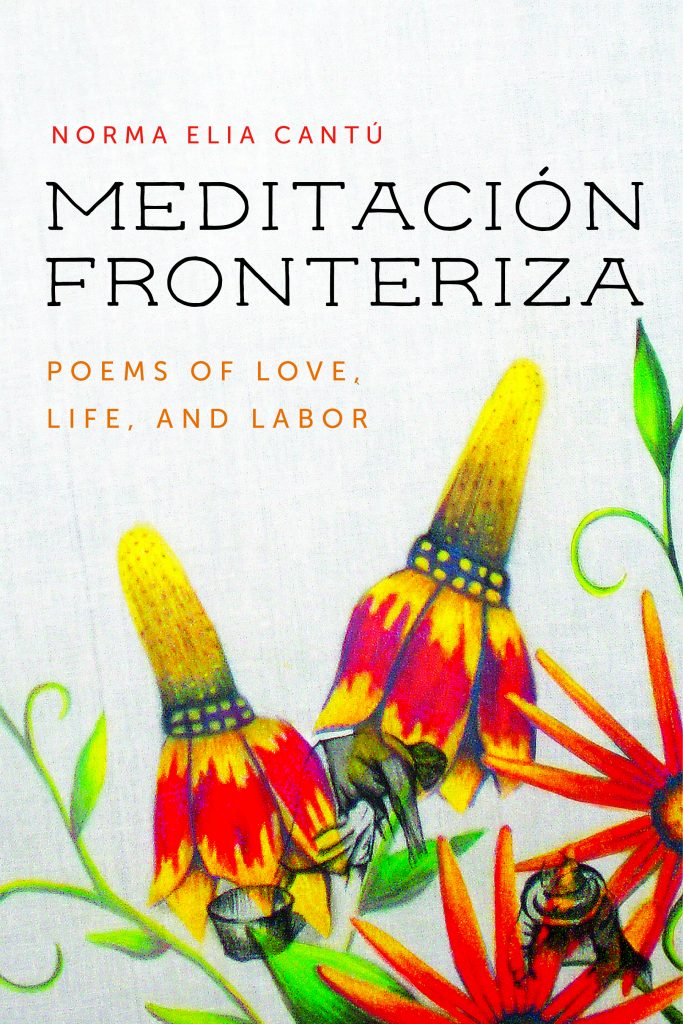
Meditación Fronteriza is a beautifully crafted exploration of life in the Texas-Mexico borderlands. Written by award-winning author Norma Elia Cantú, the poems flow from Spanish to English gracefully as they explore culture, traditions, and solidarity.
“Norma Cantú offers us a prescient and poignant sweep of la fronteriza. These are poems celebrating border life in song, hushed ruminations, elegant verse. Cantú’s offering is one that gives us hope and strength in the midst of difficult times.”—Amelia M. L. Montes
We’re thrilled that Meditación Fronteriza received an honorable mention for an International Latino Book Award! Watch a reading and discussion with poet Norma Elia Cantú here, and read an interview with Norma here.
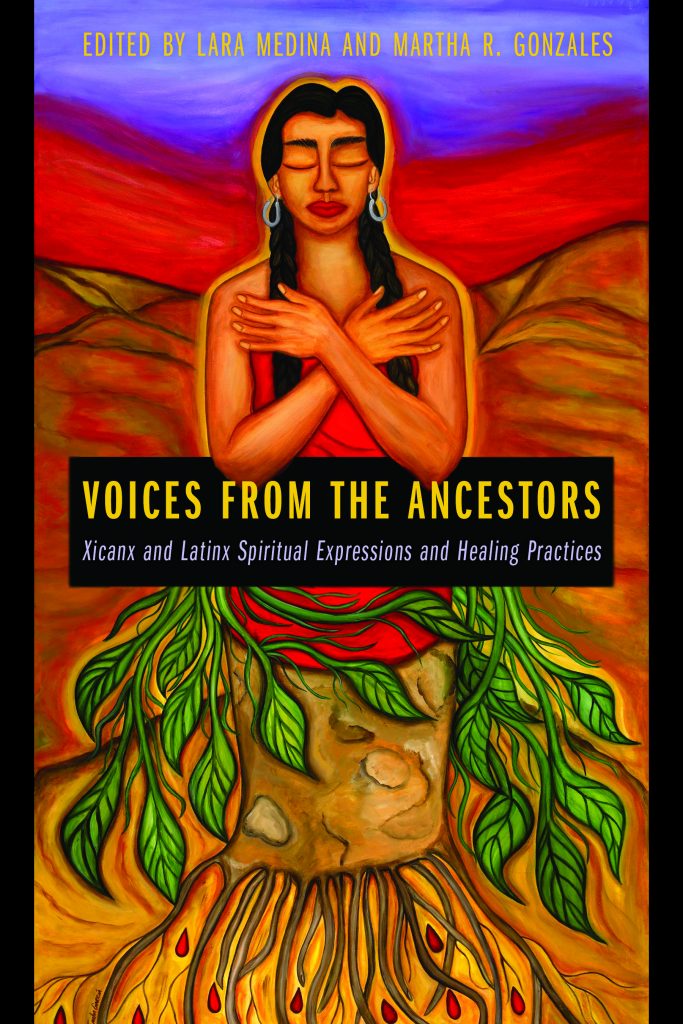
Reclaiming and reconstructing one’s spirituality based on non-Western epistemologies is central to the process of decolonization. Voices from the Ancestors brings together reflective writings and spiritual practices by Chicanx, Latinx, and Afro-Latinx womxn and male allies in the United States who seek to heal from the historical traumas of colonization by returning to ancestral traditions and knowledge.
“This is an innovative and powerful collection that crosses the border between academic and artistic styles. Each contribution works to decolonize the mind and the soul. It is necessary reading for all who are interested in the anti-imperial project.”—Luis D. León, author of The Political Spirituality of Cesar Chavez: Crossing Religious Borders
Latinx Talk interviewed co-editor Lara Medina, you can read it here. Ofrenda Magazine also featured Voices from the Ancestors here.
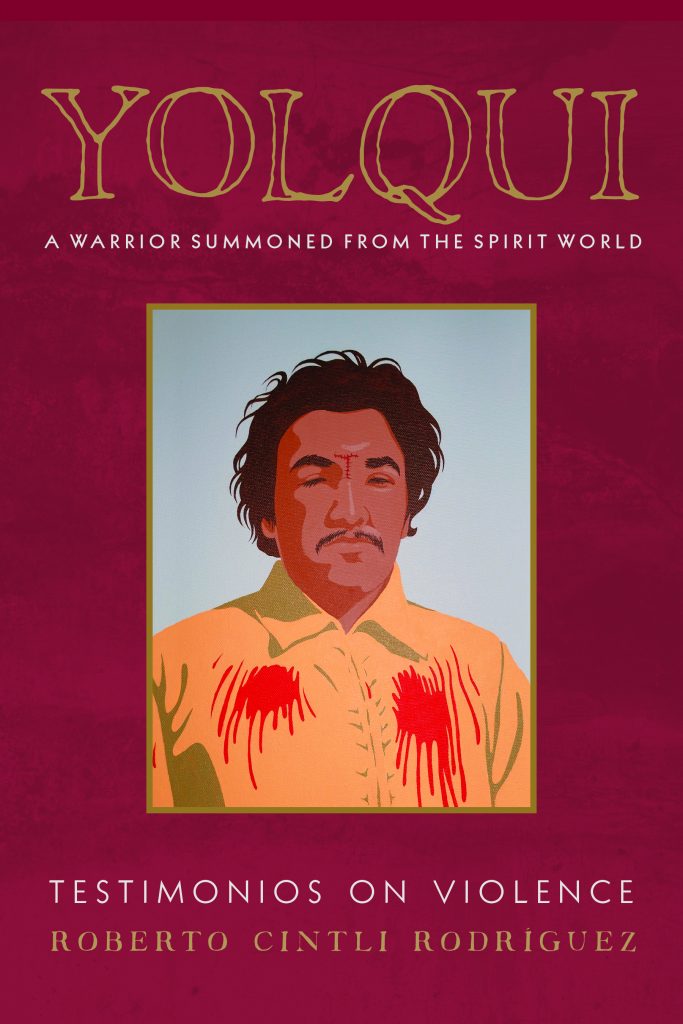
Yolqui is a testimonio, a historia profoundo of the culture of extralegal violence against the Red-Black-Brown communities in the United States that operates with impunity. Framed by Roberto Cintli Rodríguez’s personal testimony of police violence, this book is a clarion call to end that violence and those philosophies that permit such violence to flourish.
“Yolqui is at once a book of mourning and an ultimatum written against the great silencing, against misleading statistics, and against outright lies designed to keep centuries of genocide in place. This book was written for the white supremacist witching hour: an unholy ritual guided by racist doctrine, blood-drenched law, and police executions. This book is written against corruption and coverups, conquest and canon, the past five hundred years recurring every next day.”—Matt Sedillo, Public Intellectuals
Remember the days of in-person events? Read about the great book release event we planned for Yolqui here, then read an excerpt from the book here.
New in Paperback!
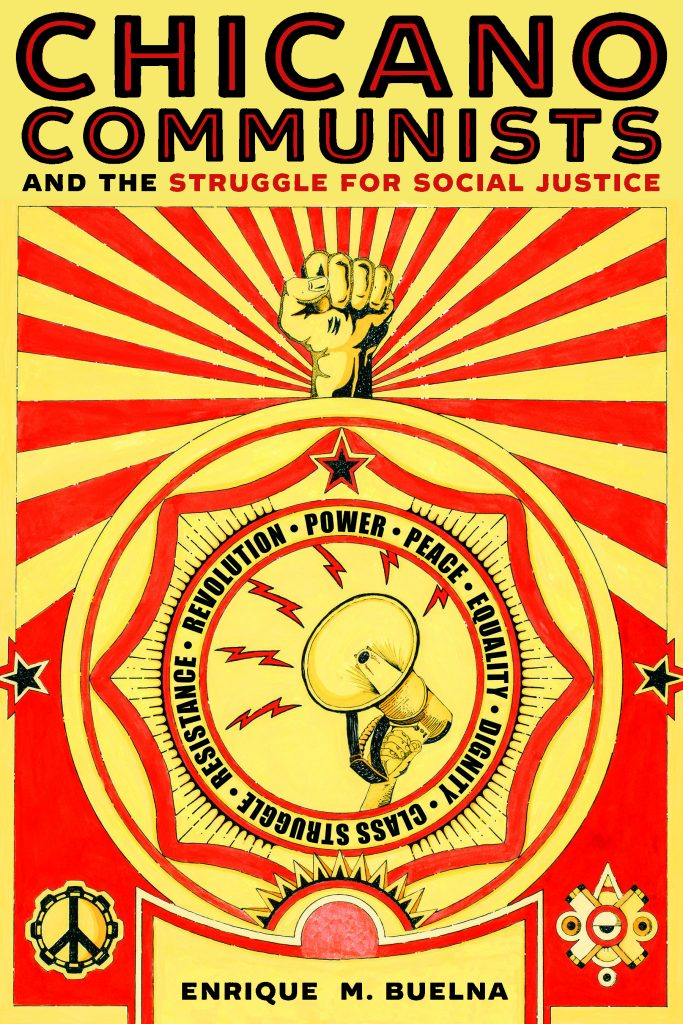
Chicano Communists and the Struggle for Social Justice traces the early roots of the Chicano Movement. It follows the thread of radical activism of the 1930s and 1940s to today, showing the depth of its influence on Mexican Americans struggling to achieve social justice and equality.
“This well-researched study contributes to the fields of California history, Mexican American history, labor history, and race and ethnic studies. The exploration of radical activism by a Mexican American leader is especially significant.” —Ricardo Romo, author of East Los Angeles: History of a Barrio
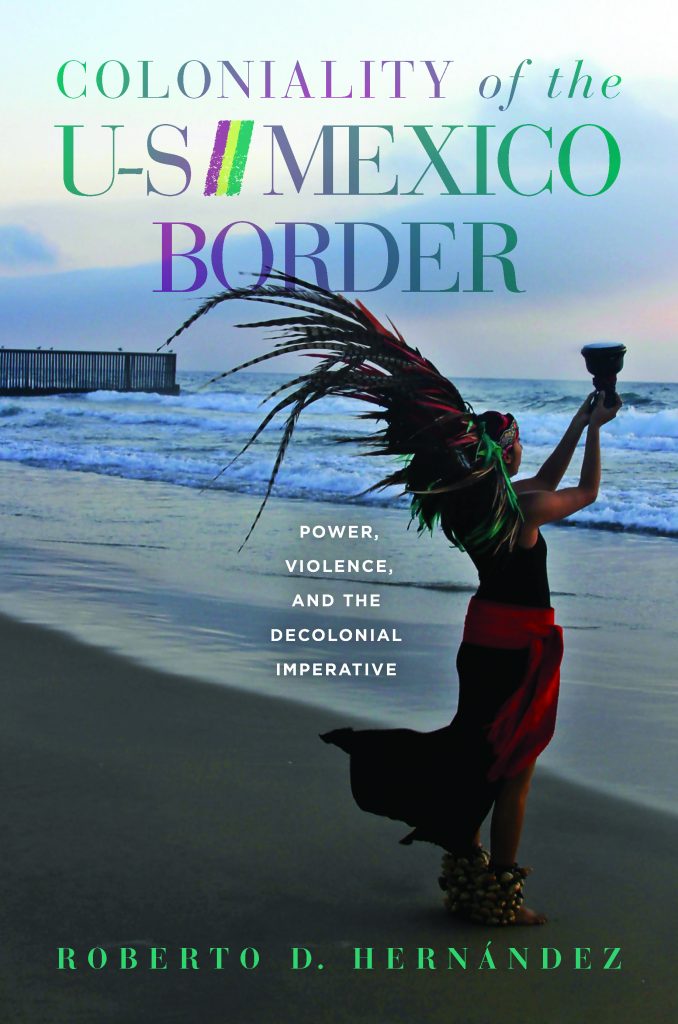
Based on more than twenty years of border activism in San Diego–Tijuana and El Paso–Ciudad Juárez, this book is an interdisciplinary examination that considers the 1984 McDonald’s massacre, Minutemen vigilantism, border urbanism, the ongoing murder of women in Ciudad Juárez, and anti-border music. It is a theoretical and pragmatic analysis of the future of violence at—and because of—national territorial borders, and it offers a call for epistemic and cartographic disobedience.
“Hernández has produced a stunningly brilliant call to action and an intellectually vibrant interdisciplinary interrogation of the origins, nature, and extent of borderlands violence.”—Choice
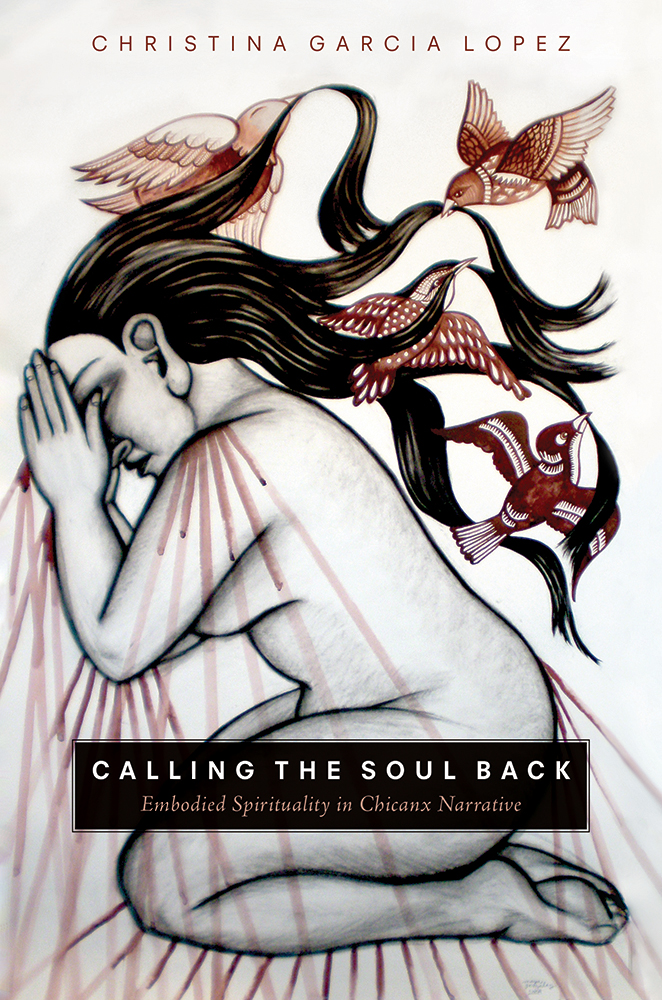
Calling the Soul Back considers how Chicanx literary narrative creatively maps vital connections between mind, body, spirit, and soul. Christina Garcia Lopez reveals the healing potential of narratives, showing how they can reposition one’s conscious ways of knowing and how spirituality can incite radical transformation.
“In this important new work, Garcia Lopez unpacks the significance of Chicanx narratives that center embodied knowledge as a route toward understanding the interrelationships among humans and between humans and earth, shedding light on the shape of ‘environmental consciousness’ in contemporary Chicanx narratives.” —Theresa Delgadillo, Latina/o Studies, Ohio State University
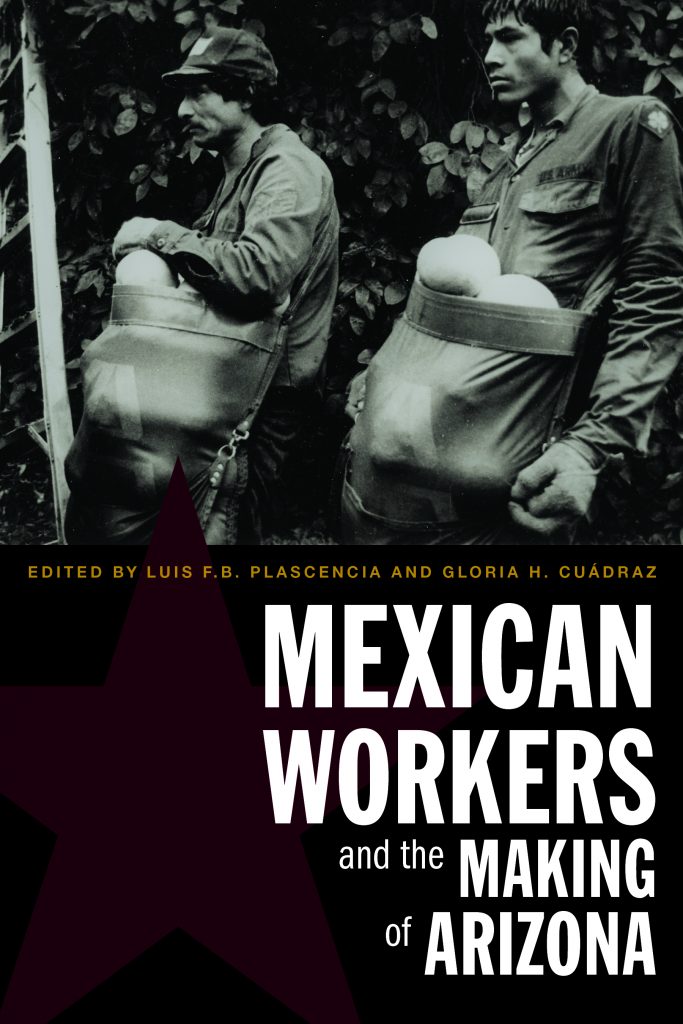
Mexican Workers and the Making of Arizona expands our understanding of the critical role played by Mexican and Mexican American laborers in making Arizona a prominent and influential state in the Southwest and beyond.
Read about the Great Copper Strike here.
“Mexican Workers and the Making of Arizona presents the paradoxical history where Mexicana and Mexicano workers are recruited and desired as laborers who contribute to the wealth and well-being of key sectors in Arizona’s economy, yet simultaneously are racialized as invaders who negatively impact society. The anthology features the work of women contributors and beautifully illustrates the stories of Mexicans’ resilience and resistance.”—Patricia Zavella, Professor Emerita, Latin American and Latino Studies, University of California, Santa Cruz
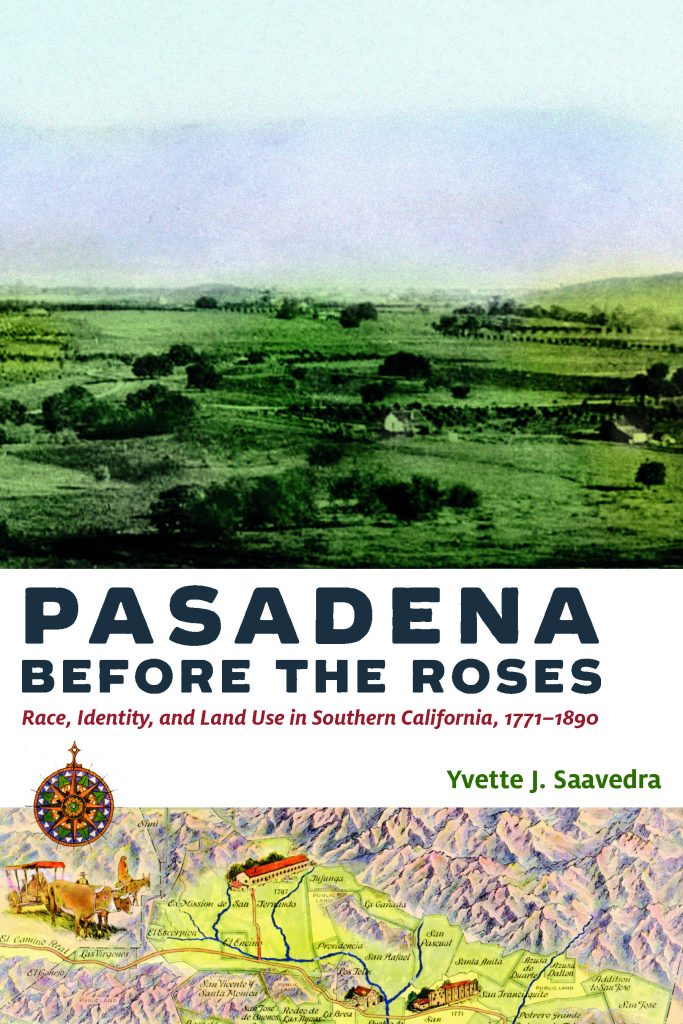
In Pasadena Before the Roses, historian Yvette J. Saavedra shows how Indigenous, Spanish, Mexican, and American groups each have redefined the meanings of land use to build their homes and their lives. This social and cultural history illustrates the interconnectedness of power, ideas of land use, and the negotiation of identity within multiple colonial moments.
“Yvette J. Saavedra shows how issues of race and class and gender made and remade local society in Southern California, and how power and politics shaped this region across the long nineteenth century.”—Stephen Pitti, Department of History, Yale University
We are so thrilled that Yvette Saavedra was awarded the WHA-Huntington Library Martin Ridge Fellowship!