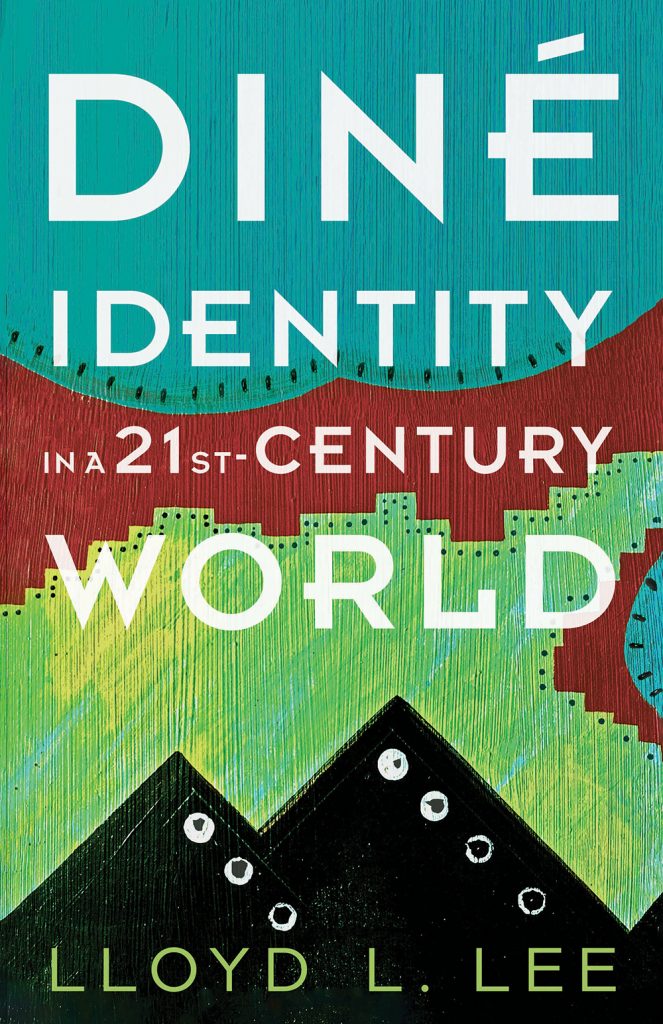
Osher Lifelong Learning Institute‘s online spring speaker series includes many University of Arizona Press authors from our spring 2021 catalog. We’re grateful to OLLI-UA for the continued invitation to be part of their noncredit learning program open to all adults over the age of 50.
Remaining spring program featuring University of Arizona Press authors:
More than 1,400 people are part of OLLI-UA in Southern Arizona. Visit here to learn more about an OLLI-UA membership, program registration, and check program changes.
In case you’ve missed Daniel Chacón reading from his University of Arizona Press book, Kafka in a Skirt: Stories from the Wall, here’s your chance. Chacon read as part of the Fresno Writers Live virtual reading series last year.
In Kafka in a Skirt, Chacón subverts expectation and bends the rules of reality to create stories that are intriguing, hilarious, and deeply rooted in Chicano culture. These stories explore the concept of a wall that reaches beyond our immediate thoughts of a towering physical structure. While Chacón aims to address the partition along the U.S.-Mexico border, he also uses these stories to work through the intangible walls that divide communities and individuals—particularly those who straddle multiple cultures in their daily lives.
Below, browse our recent and forthcoming historical archaeology titles, and get a 35% discount with free U.S. shipping when you use the code AZSHA21 at checkout. If you would like to know more about our publishing program, visit our proposal guidelines page here, or contact our Senior Editor, Allyson Carter, at acarter@uapress.arizona.edu.
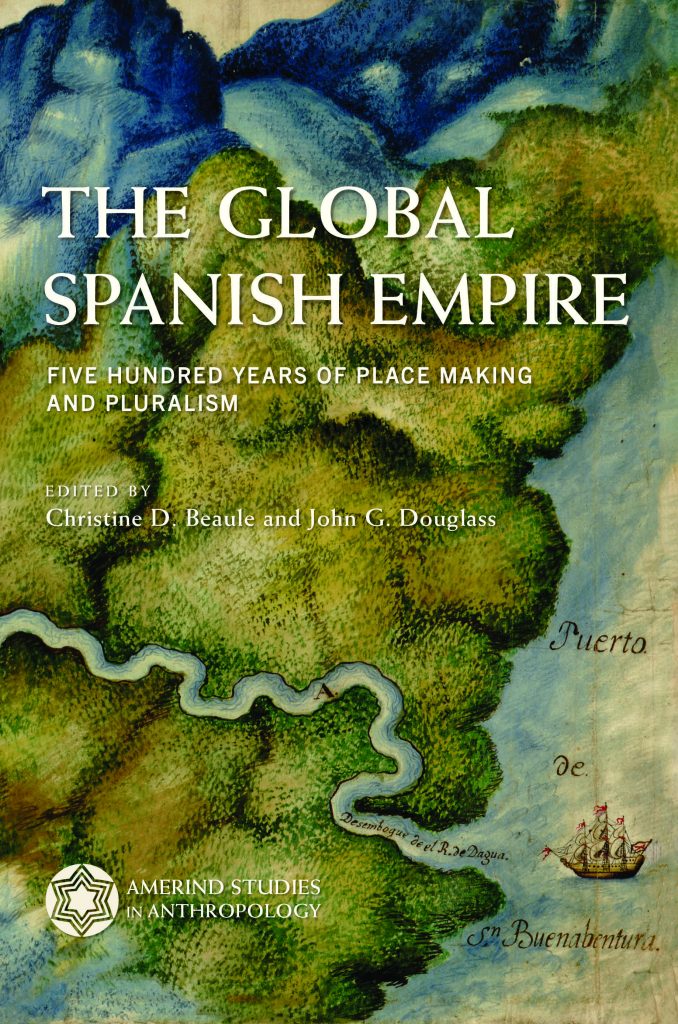
The Global Spanish Empire tackles broad questions about indigenous cultural persistence, pluralism, and place making using a global comparative perspective grounded in the shared experience of Spanish colonialism. Through an expansive range of essays that look at Africa, the Americas, Asia, the Caribbean and the Pacific, this volume brings often-neglected regions into conversation.
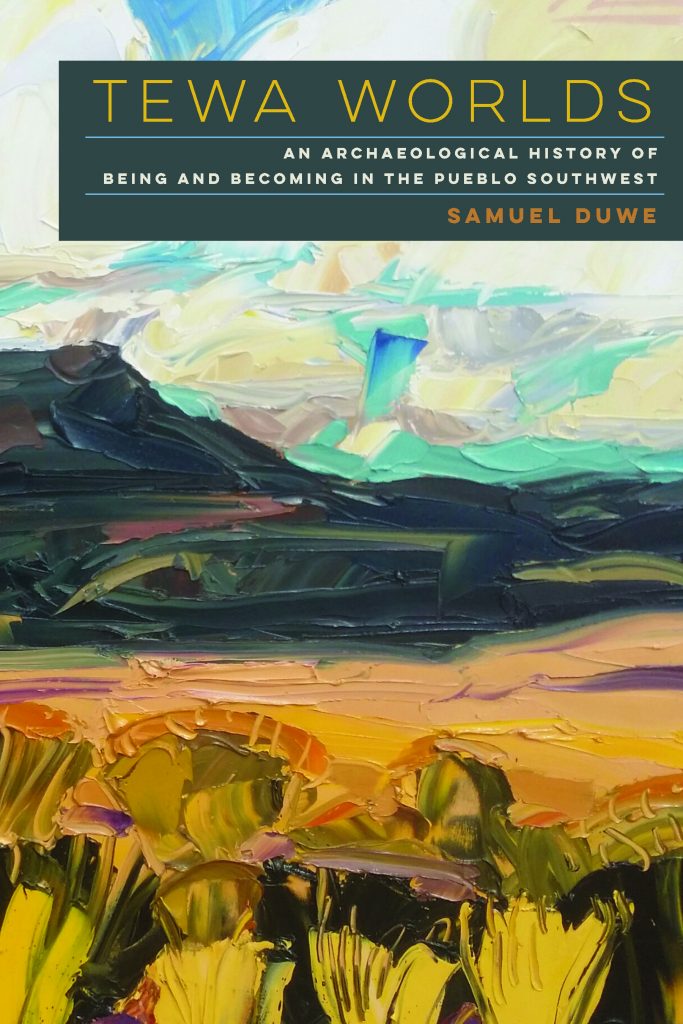
Tewa Worlds by Samuel Duwe offers an archaeological history of eight centuries of Tewa Pueblo history in the Rio Chama Valley through the lens of contemporary Pueblo philosophical and historical discourse. The result gives weight to the deep past, colonial encounters, and modern experiences. It challenges archaeologists to both critically reframe interpretation and to acknowledge the Tewa’s deep but ongoing connection with the land.
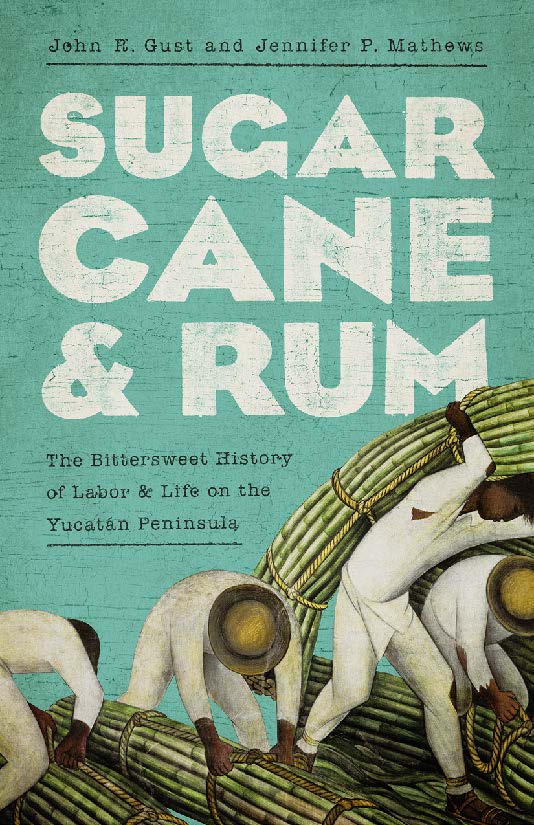
More than a history of coveted commodities, the unique story that unfolds in John R. Gust and Jennifer P. Mathews’s new historySugarcane and Rumis told through the lens of Maya laborers who worked under brutal conditions on small haciendas to harvest sugarcane and produce rum in the Yucatan Peninsula of Mexico.
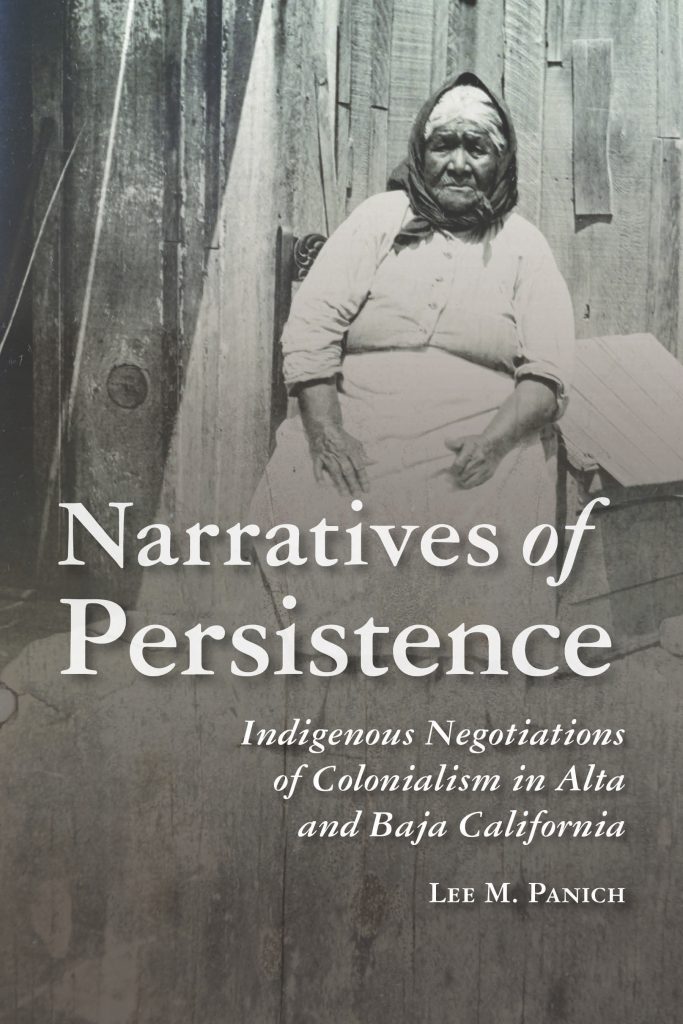
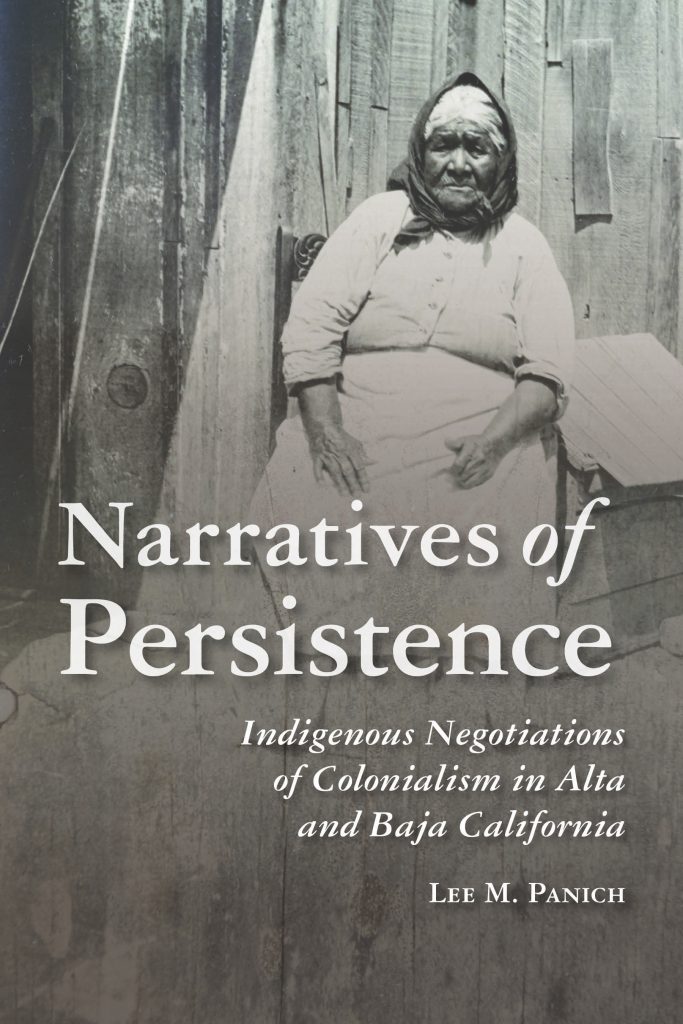
Narratives of Persistence charts the remarkable persistence of California’s Ohlone and Paipai people over the past five centuries. Lee M. Panich draws connections between the events and processes of the deeper past and the way the Ohlone and Paipai today understand their own histories and identities.
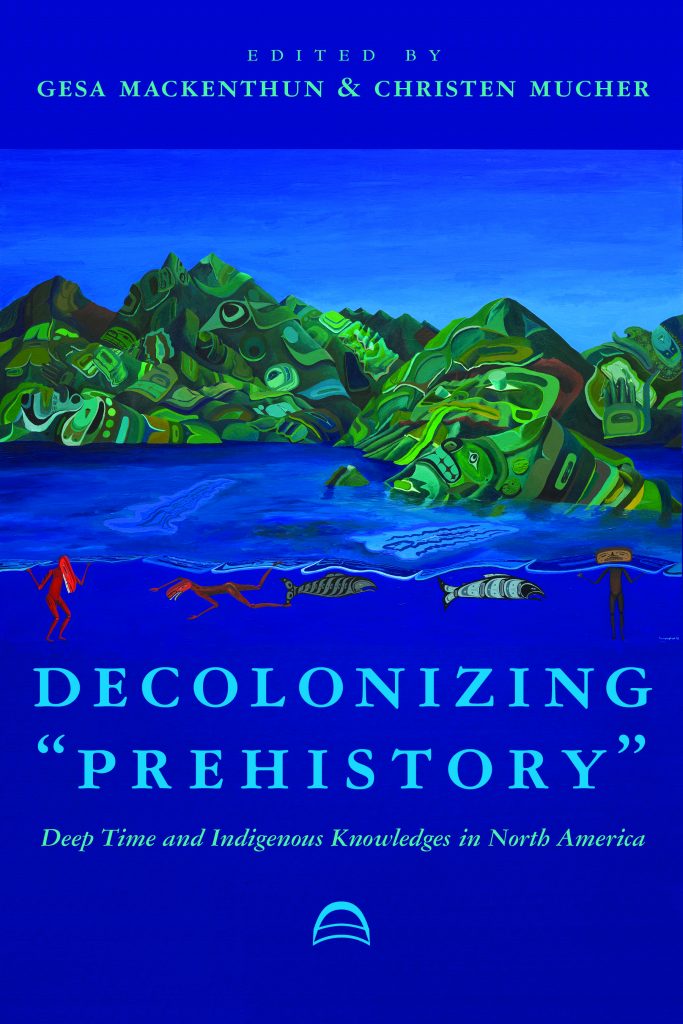
Decolonizing “Prehistory” critically examines and challenges the paradoxical role that modern historical-archaeological scholarship plays in adding legitimacy to, but also delegitimizing, contemporary colonialist practices. Using an interdisciplinary approach, this volume empowers Indigenous voices and offers a nuanced understanding of the American deep past.
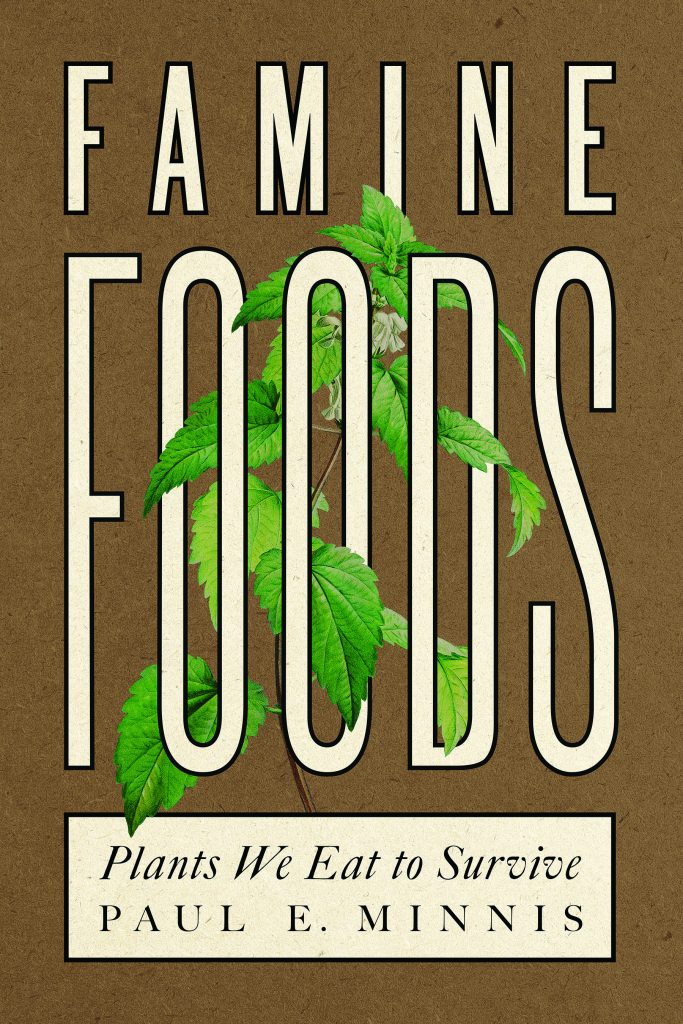
How people eat today is a record of food use through the ages, and Famine Foods offers the first ever overview of the use of alternative foods during food shortages. Paul E. Minnis explores the unusual plants that have helped humanity survive throughout history.
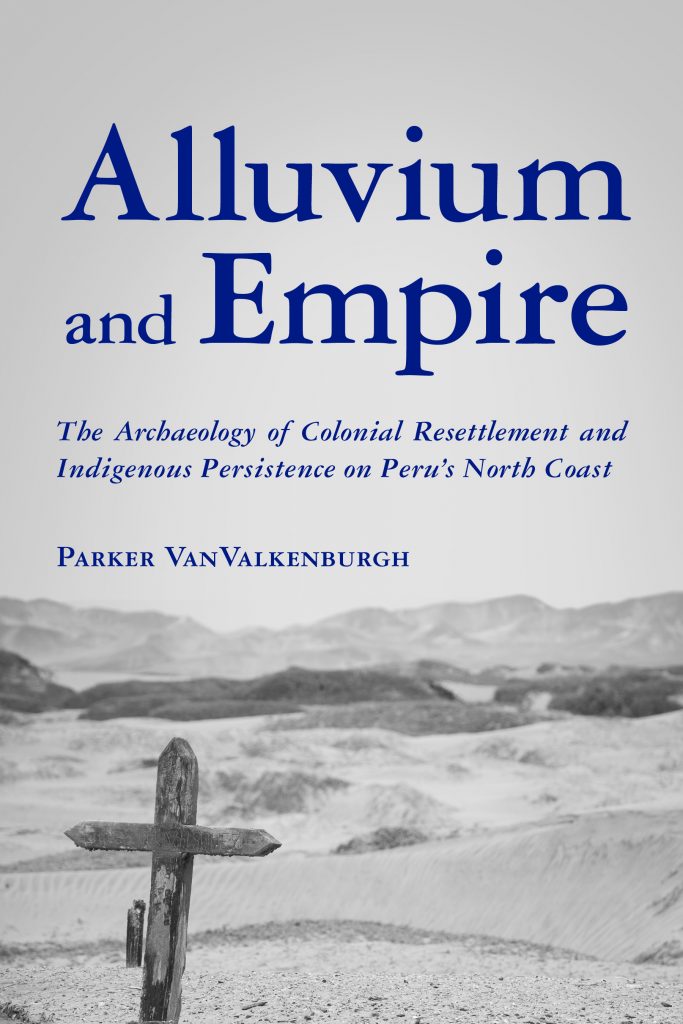
Alluvium and Empire examines the archaeology of Indigenous communities and landscapes that were subject to Spanish colonial forced resettlement during the sixteenth century. Written at the intersections of history and archaeology, the book critiques previous approaches to the study of empire and models a genealogical approach that attends to the open-ended—and often unpredictable—ways in which empires take shape.
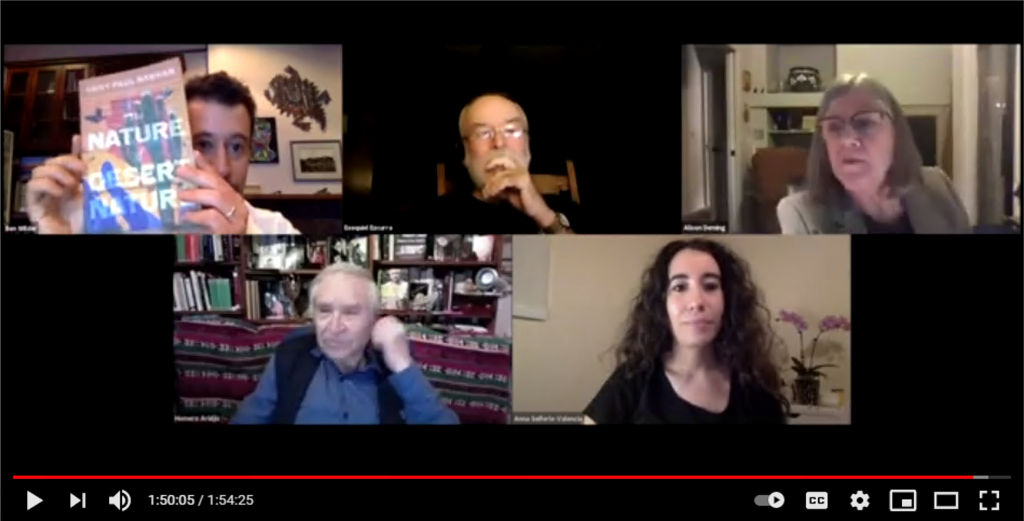
The Desert Laboratory on Tumamoc Hill hosted a special online event on December 9, 2020 to celebrate the book release of The Nature of Desert Nature, edited by Gary Nabhan.
In this new collection of essays and more, Nabhan invites a prism of voices—friends, colleagues, and advisors from his more than four decades of study of deserts—to bring their own perspectives. Scientists, artists, desert contemplatives, poets, and writers bring the desert into view and investigate why these places compel us to walk through their sands and beneath their cacti and acacia.
Introduced by Desert Laboratory Director Ben Wilder, Nabhan was joined by contributors Homero Aridjis, poet and environmental leader; Exequiel Ezcurra, ecologist and science diplomat; and Alison Hawthorne Deming, poet and Regents Professor.
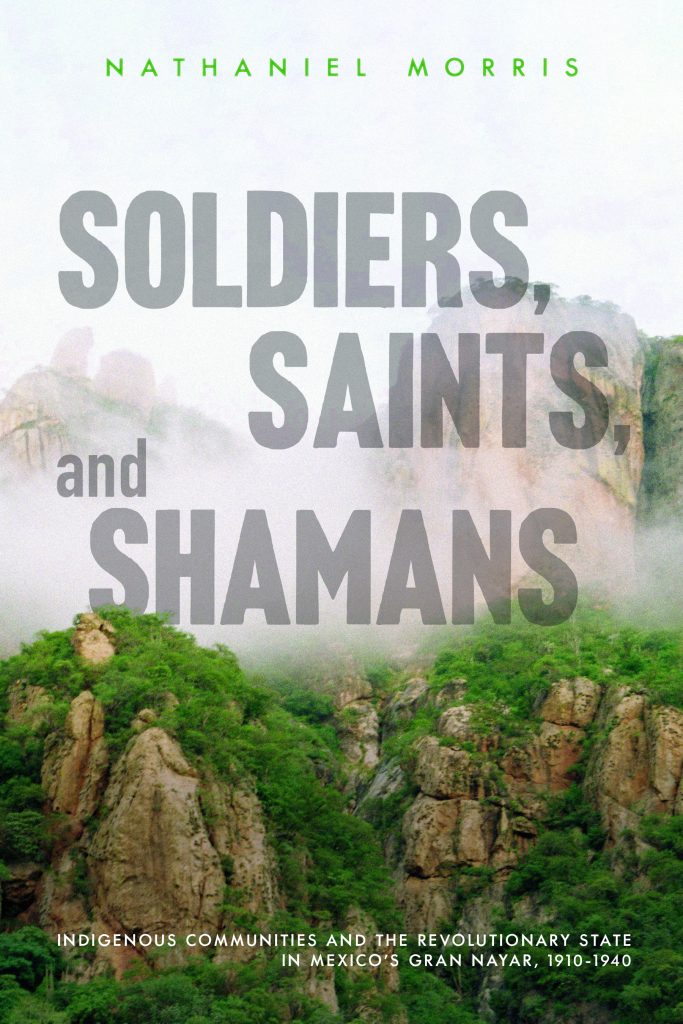
Morris shows that the Náayari, Wixárika, O’dam, and Mexicanero peoples were actively involved in the armed phase of the Mexican Revolution. This participation led to serious clashes between an expansionist, “rationalist” revolutionary state and the highly autonomous communities and heterodox cultural and religious practices of the Gran Nayar’s inhabitants.
If you didn’t have a chance to join in the Virginia G. Piper Center for Creative Writing’s recent book celebration for Alberto Álvaro Ríos’s new picaresque novel, A Good Map of All Things, listen to this interview with KJZZ’s Steve Goldstein on creating art during a pandemic and his new book.
A Good Map tells stories of a Mexican town and its unique inhabitants that feel familiar to all who love and live in Arizona-Sonora borderlands.
From the interview:
You know, I think this particular book is about quiet in its own way, and quiet is not an easily told story. You know, loud — everybody turns toward loud, and we’re living in very loud times. Loud is a magnet. Loud, you know, people are drawn to it. Quiet — that’s a much harder sell. And while I use guise or the setting of the mid-20th century, I think really what I’m trying to write is to the quiet, to the dark side of the moon, if you will — you know, equally there, absolutely there. But getting little attention. And what I’m especially trying to, to make a point of is saying that all of the loud around the border. Well, it’s just loud. The 98% of the rest of people’s lives is this quiet, everyday kind of experience. I was on a panel many years ago with Ursula Le Guin, the great science-fiction writer, and she said something that has always stayed with me. She said, “You know, science fiction,” She said. “It’s, it’s 98% regular, everyday. And 2% on Mars.” And what she was trying to say is the 2% on Mars got all the attention, but it wasn’t accurate to the actual way that we live. And I think in this book, I’m trying to get to the depth of the everyday, which is that 98% of how we actually get through life. And the ’50s happens to be — you know, I was born in the ’50s. That’s when I was growing up. These, the particular adventures, if I can call them that, came from all of the towns that I grew up visiting and spending time in, and that my grandmother and her sisters had been teachers and mercantile workers in these towns. So they were always being talked about and remembered, and they were towns like Rayón and Cucurpe and Ímuris and especially Magdalena, all in the corridor of northern Sonora. And it’s a corridor that’s traditionally been called the Pimería Alta, and it extends from certainly Tucson, you could argue Phoenix — but certainly Tucson all the way to Hermosillo and Guaymas. That corridor, which was a longtime historic trading corridor. That ancientness, that oldness, that old-fashionedness is inherently in the place. And that’s what I’m trying to write to.
The event, also livestreamed on the University of Arizona Press Facebook, was not only a celebration of Anzaldúa and scholarship, but brought together an audience of students, community, and other Chicanx Studies scholars. We are grateful to the editors and contributors for sharing their time.
Teaching Gloria E. Anzaldúa is a pragmatic and inspiring offering of how to apply Anzaldúa’s ideas to the classroom and in the community rather than simply discussing them as theory. The book gathers nineteen essays by scholars, activists, teachers, and professors who share how their first-hand use of Anzaldúa’s theories in their classrooms and community environments.
Under the dome of the Flandrau Science Center‘s planetarium, co-editors Julie Swarstad Johnson and Christopher Cokinos introduced a virtual audience to Beyond Earth’s Edge: The Poetry of Spaceflight, a poetry anthology that celebrates spaceflight and vividly captures the violence of blastoff, the wonders seen by Hubble, and the trajectories of exploration to Mars and beyond through a wide array of lyric celebrations, somber meditations, accessible narratives, concrete poems, and new forms of science fiction.
During the virtual event, Swarstad Johnson and Cokinos social distanced aptly in the planetarium, reading sections of the book and explaining their own passions for space. Between their discussions, video clips were shown of contemporary poets.
Poets featured: Frank Paino, Forrest Gander reading his translation of Pablo Neruda, Alyse Bensel, Donna Kane, Dan Beachy-Quick reading a collaboration written with Srikanth Reddy, Alison Hawthorne Deming, Kyle Dargan, Tawahum Justin Bige, and C. S. E. Cooney.
Heartfelt thanks to the team at Flandrau for co-hosting this remarkable event, and to the book’s editors, for sharing their time with us to celebrate the wonders of space—through poetry.
The Wednesday, October 7 event, moderated by Arizona Daily Star and #ThisIsTucson food writer Andi Berlin, covered topics in Niethammer’s book that tell the story of why Tucson became American’s first UNESCO City of Gastronomy.
A Desert Feast offers a food pilgrimage with color photos, stories and, recipes. You’ll meet the farmers, small-scale food entrepreneurs, and chefs who are dedicated to making Tucson taste like nowhere else.
If you didn’t have a chance to tune in, check out the conversation here.
We are excited to be participating in the first virtual Western History Association conference! As always, we are pleased to offer a conference discount. Use code AZWHA20 to receive 40% off all titles, and get free shipping.
If you are participating in the virtual WHA, make sure to visit our virtual exhibit and chat with us. If you have questions about submitting a manuscript for our history list, contact our editor-in-chief Kristen Buckles at kbuckles@uapress.arizona.edu and view our guidelines here. To learn about requesting exam copies, visit here. We look forward to seeing all of you in person again in the future.
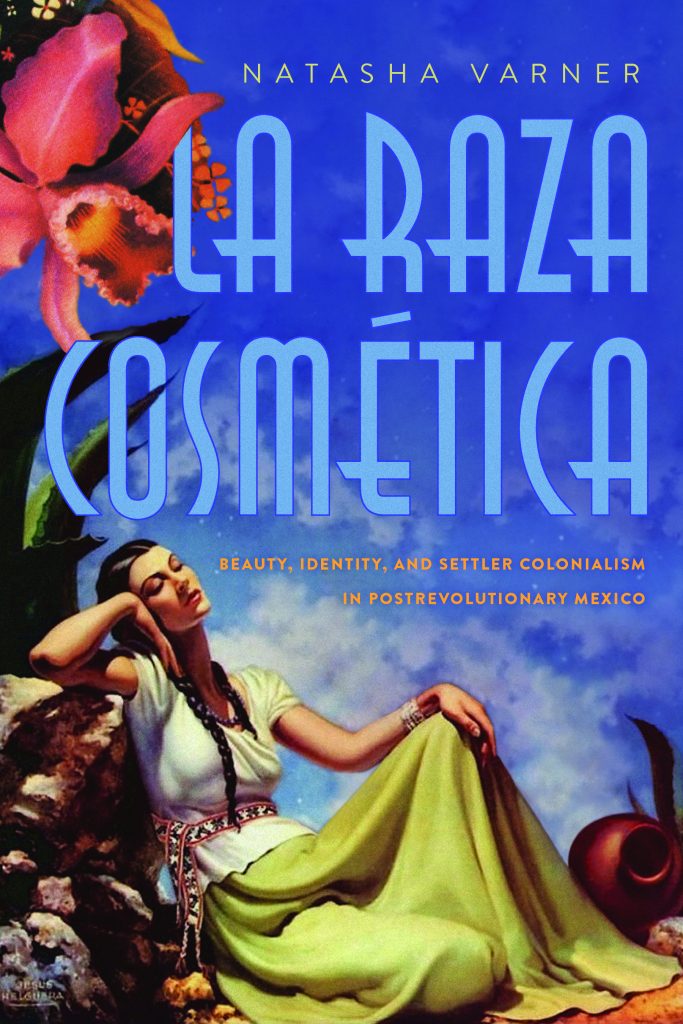
La Raza Cosméticaby Natasha Varner examines postrevolutionary identity construction as a project of settler colonialism that at once appropriated and erased indigeneity. In its critique of Indigenous representation, it also shows how Indigenous women strategically engaged with and resisted these projects as they played out in beauty pageants, films, tourism, art, and other realms of popular culture.
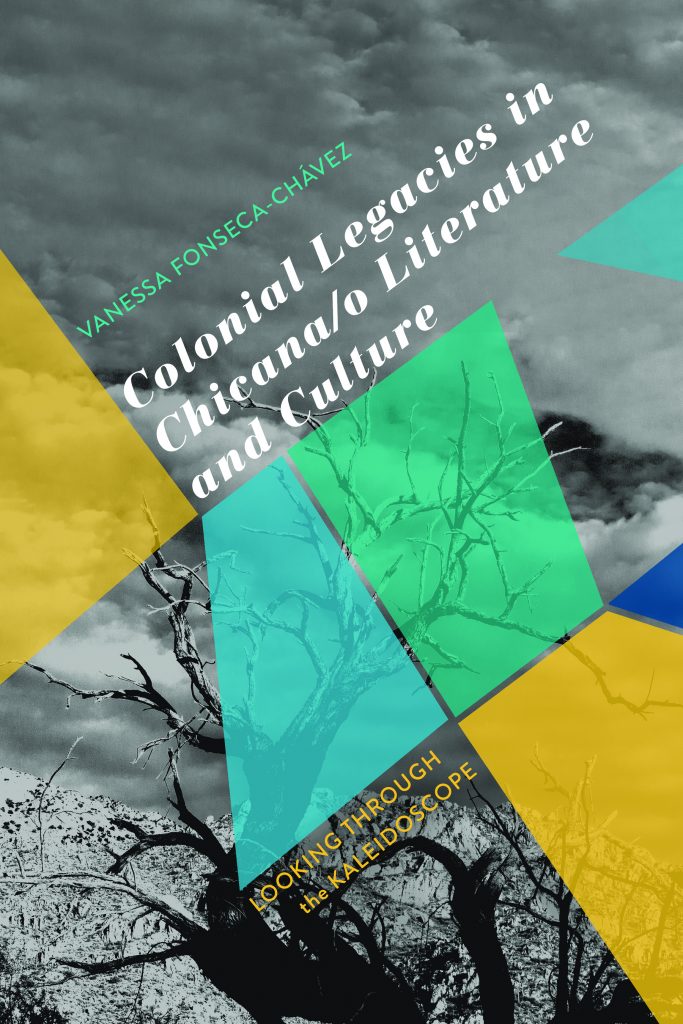
Colonial Legacies in Chicana/o Literature and Culture by Vanessa Fonseca-Chávez traces the development of Chicana/o literature and cultural production from the Spanish colonial period to the present. In doing so, it challenges us to look critically at how we simultaneously embody colonial constructs and challenge their legacies.
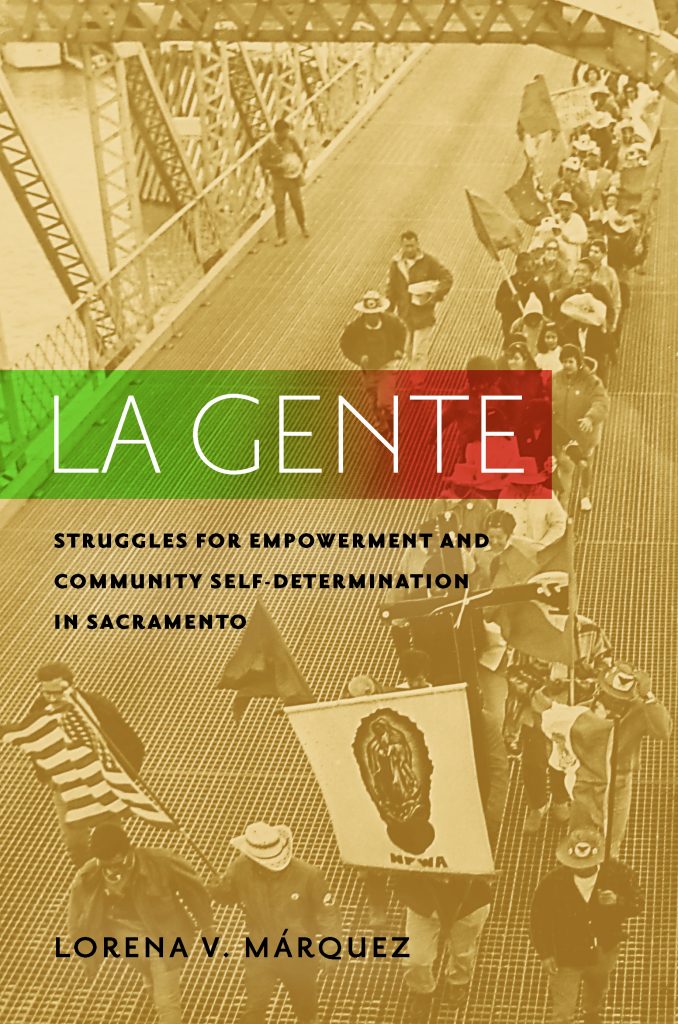
La Gente by Lorena V. Márquez traces the rise of the Chicana/o Movement in Sacramento and the role of everyday people in galvanizing a collective to seek lasting and transformative change during the 1960s and 1970s. In their efforts to be self-determined, la gente contested multiple forms of oppression at school, at work sites, and in their communities.
Watch an interview with the author here, and join the waitlist for an upcoming event featuring the author here.
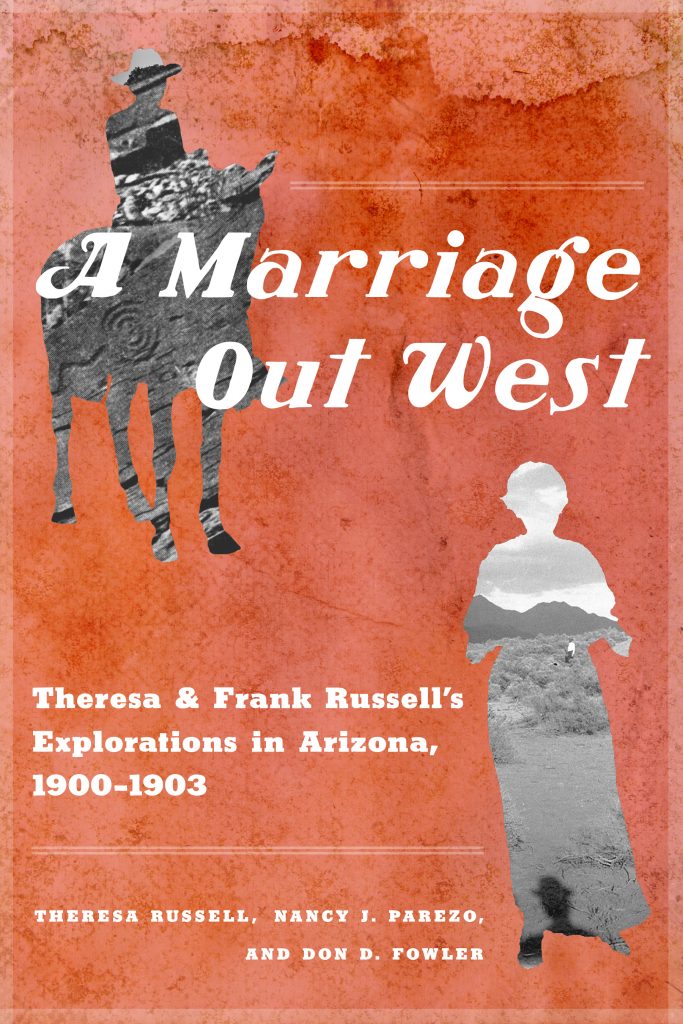
A Marriage Out West is an intimate biographical account of two fascinating figures of twentieth-century archaeology. Frances Theresa Peet Russell, an educator, married Harvard anthropologist Frank Russell in June 1900. They left immediately on a busman’s honeymoon to the Southwest. Their goal was twofold: to travel to an arid environment to quiet Frank’s tuberculosis and to find archaeological sites to support his research.
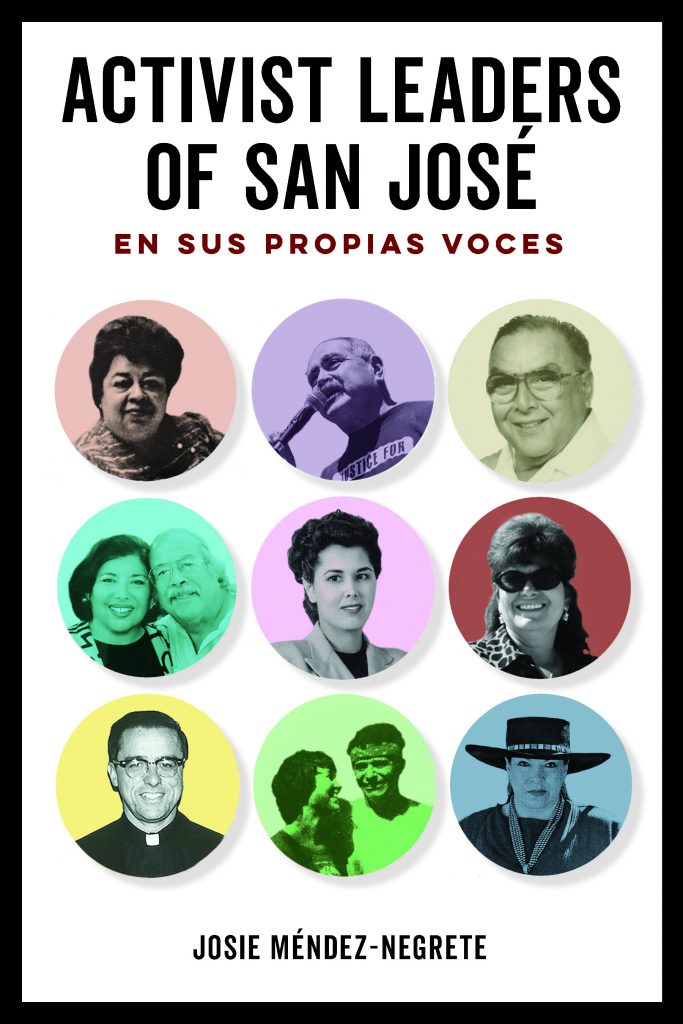
Challenging stereotypes, Activist Leaders of San José by Josie Méndez-Negrete unearths and makes visible lived experiences of Chicana and Latino activists from San José, California, who made contributions to the cultural and civic life of the city. Through oral histories, we see a portrait of grassroots leadership in the twentieth century.
Join the waitlist for an upcoming event that features this author here.
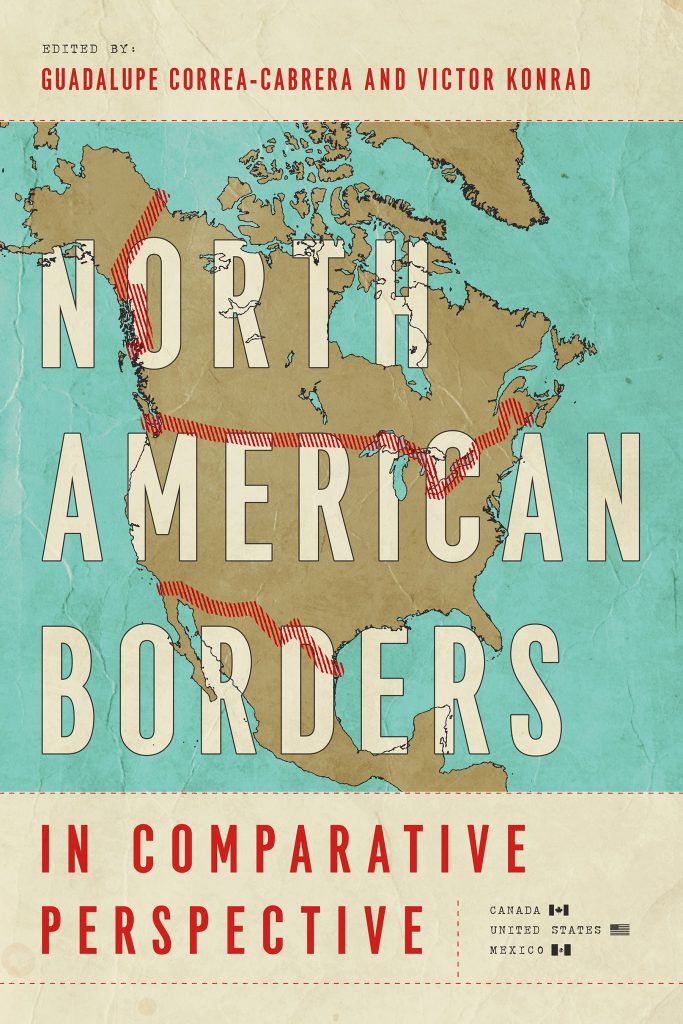
In North American Borders in Comparative Perspective leading scholars provide a contemporary analysis of how globalization and security imperatives have redefined the shared border regions of the United States, Canada, and Mexico.
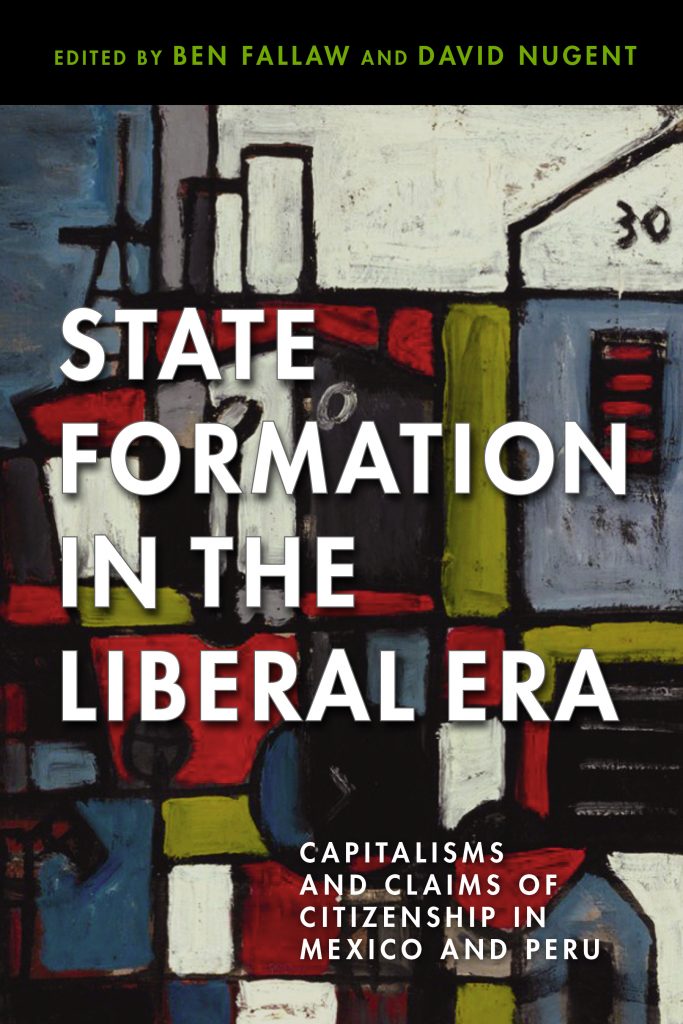
State Formation in the Liberal Eratransforms our understanding of post-colonial Latin America. The volume spans disciplinary and geographic boundaries and offers an insightful look at the tensions between disparate circuits of capital, claims of statehood, and the contested nature of citizenship.
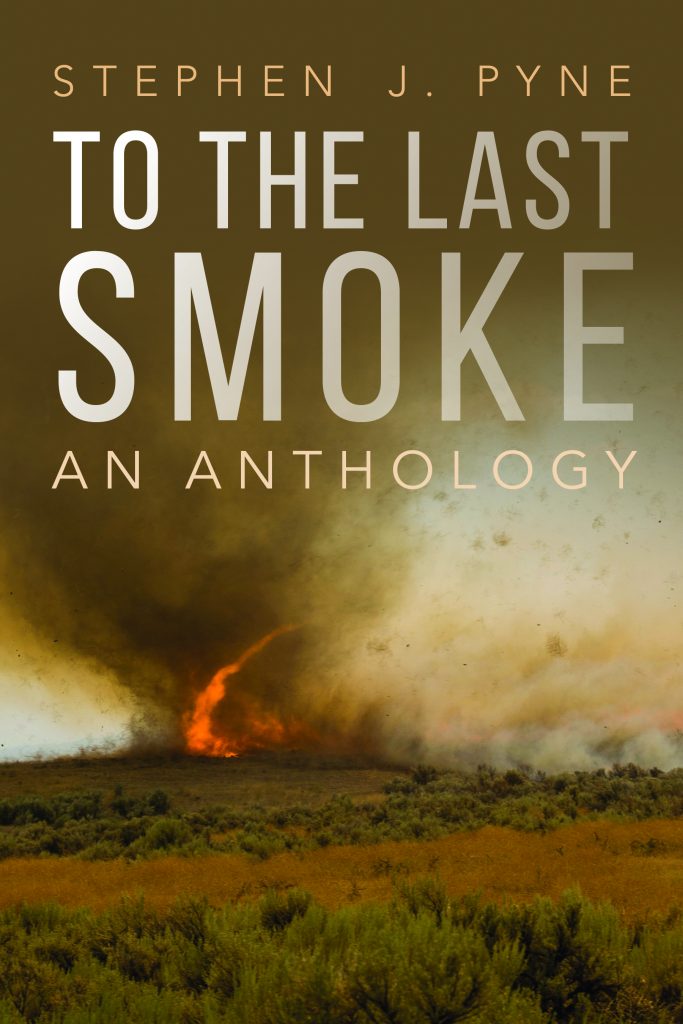
This anthology offers a unique and sweeping view of the nation’s fire scene by distilling observations on Florida, California, the Northern Rockies, the Great Plains, the Southwest, the Interior West, the Northeast, Alaska, the oak woodlands, and the Pacific Northwest into a single, readable volume. The essays offer a color-commentary companion to the play-by-play narrative offered in Pyne’s Between Two Fires: A Fire History of Contemporary America.
To the Last Smokeis Stephen J. Pyne’s way of “keeping with it to the end,” encompassing the directive from his rookie season as a wildland firefighter to stay with every fire “to the last smoke.”
Watch Stephen Pyne talk about his To the Last Smoke series here, and read an excerpt from the book here. Then, read Pyne’s recent op-ed in the Los Angeles Timeshere.
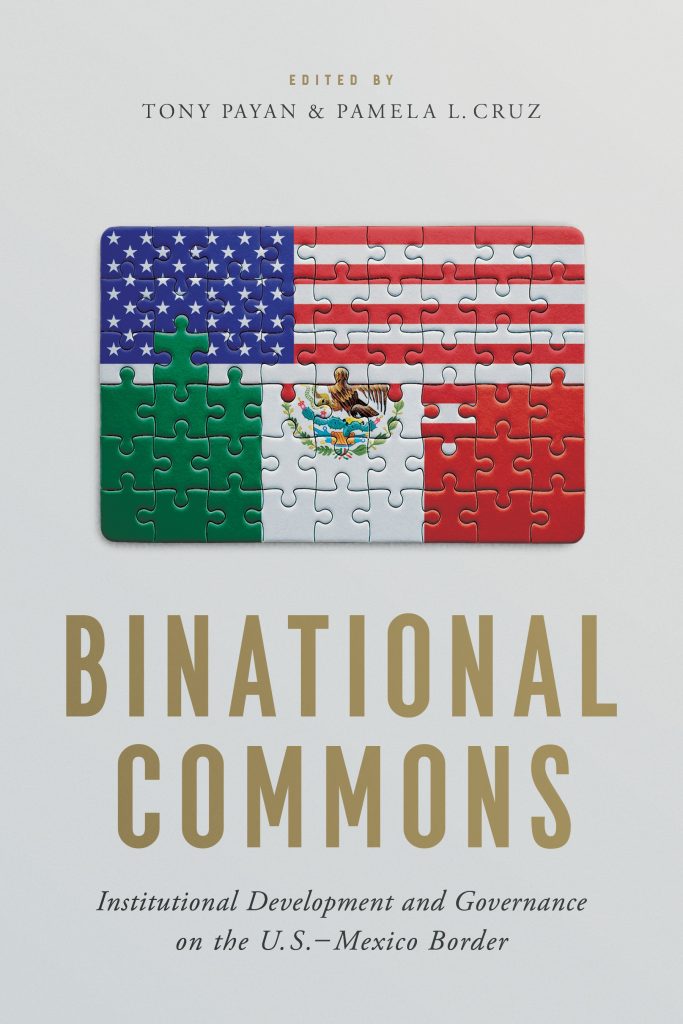
Binational Commons focuses on whether the institutions that presently govern the U.S.-Mexico transborder space are effective in providing solutions to difficult binational problems as they manifest themselves in the borderlands. The volume addresses key binational issues and explores where there are strong levels of institutional governance development, where it is failing, how governance mechanisms have evolved over time, and what can be done to improve it to meet the needs of the U.S.-Mexico borderlands in the next decades.
Soldiers, Saints, and Shamans by Nathaniel Morris documents how and why the Indigenous Náayari, Wixárika, O’dam, and Mexicanero peoples took part in the Mexican Revolution as they struggled to preserve their cultures, lands, and political autonomy in the face of civil war, bandit raids, and radical political reform. In unpacking the ambiguities that characterize their participation in this tumultuous period, it sheds light on the inner contradictions of the revolution itself.
The second of a two-volume series, Moquis and Kastiilamtells the story of the encounter between the Hopis, who the Spaniards called Moquis, and the Spaniards, who the Hopis called Kastiilam, from the Pueblo Revolt through 1781. Balancing historical documents with oral histories, it creates a fresh perspective on the interface of Spanish and Hopi peoples in the period of missionization.
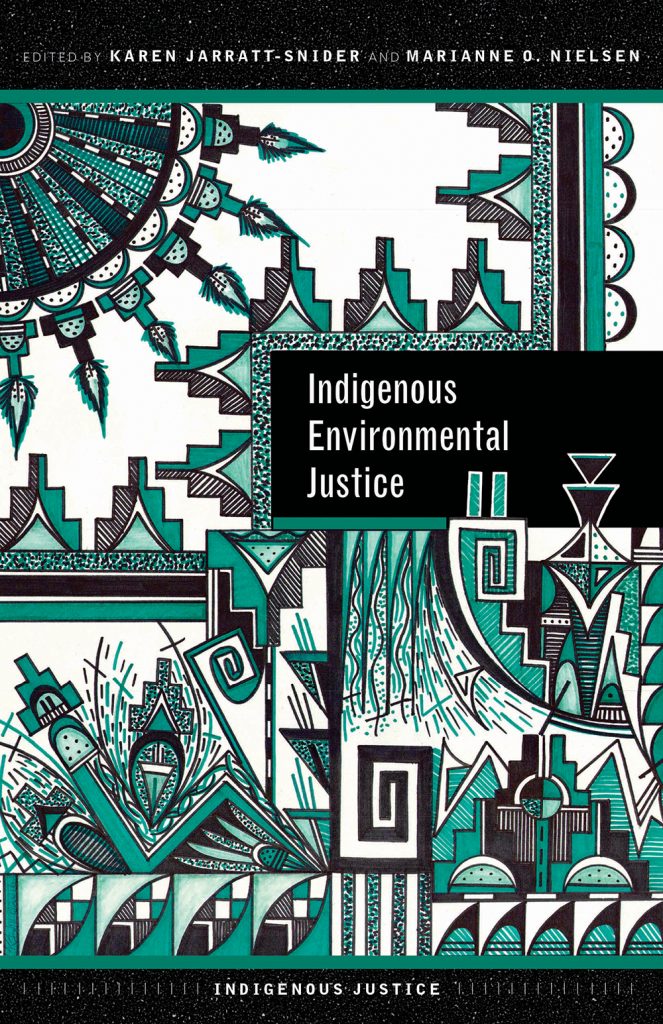
The book explores the ongoing effects of colonization and emphasizes Native American tribes as governments rather than ethnic minorities. Combining elements of legal issues, human rights issues, and sovereignty issues,Indigenous Environmental Justice creates a clear example of community resilience in the face of corporate greed and state indifference.
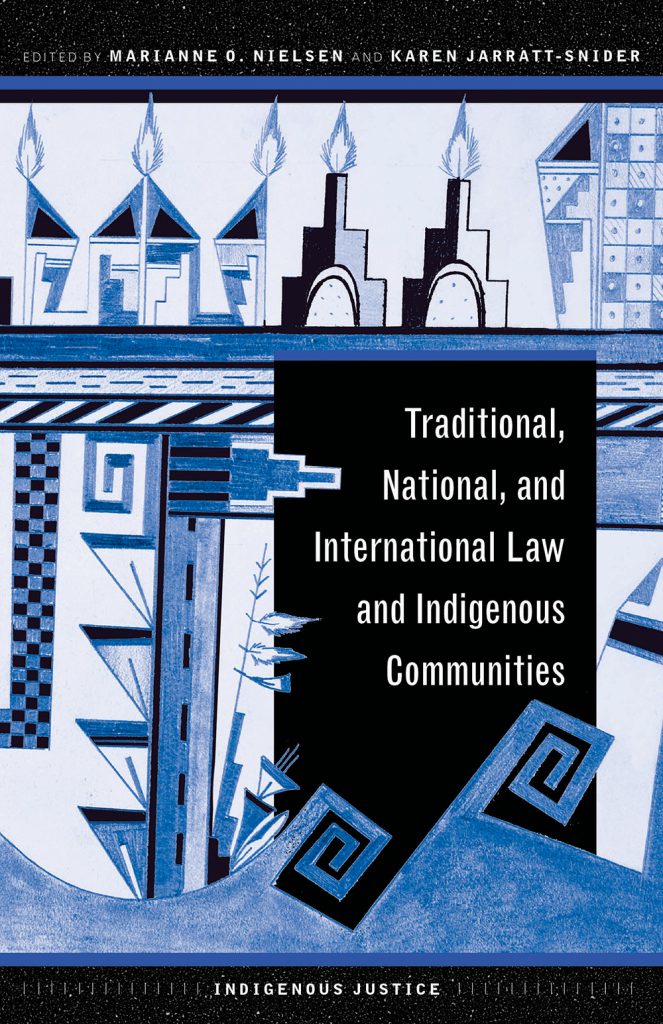
This volume of the Indigenous Justice series explores the global effects of marginalizing Indigenous law. The essays in Traditional, National, and International Law and Indigenous Communities argue that European-based law has been used to force Indigenous peoples to assimilate, has politically disenfranchised Indigenous communities, and has destroyed traditional Indigenous social institutions. The research in this volume focuses on the resurgence of traditional law, tribal–state relations in the United States, laws that have impacted Native American women, laws that have failed to protect Indigenous sacred sites, the effect of international conventions on domestic laws, and the role of community justice organizations in operationalizing international law.
Narratives of Persistence charts the remarkable persistence of California’s Ohlone and Paipai people over the past five centuries. Lee M. Panich draws connections between the events and processes of the deeper past and the way the Ohlone and Paipai today understand their own histories and identities.
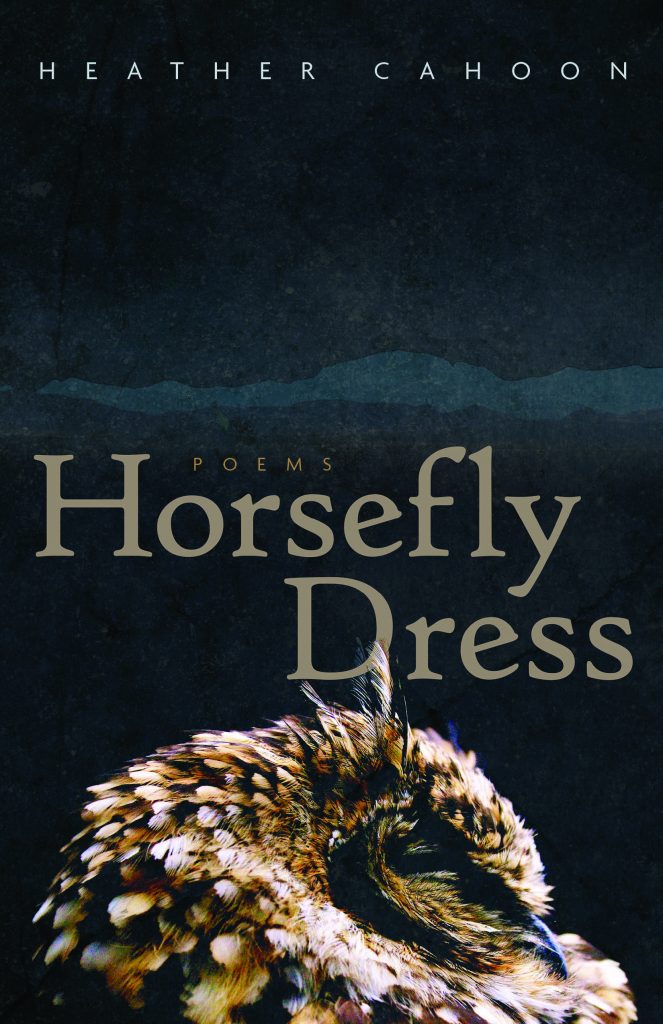
Horsefly Dress is a meditation on the experience and beauty of suffering. Rich in the imagery of autumnal foliage, migrating birds, and frozen landscapes, Heather Cahoon’s collection calls forth the sensory experience of grief and metamorphosis. The transformative powers associated with the human experience of loss belong to the past, present, and future, as do the traditional Salish-Pend d’Oreille stories that create the backbone of these intricate poems.
Watch a virtual book release recording of Heather here, and read a short interview with her here.
For Authors
The University of Arizona Press publishes the work of leading scholars from around the globe. Learn more about submitting a proposal, preparing your final manuscript, and publication.
The University of Arizona Press is proud to share our books with readers, booksellers, media, librarians, scholars, and instructors. Join our email Newsletter. Request reprint licenses, information on subsidiary rights and translations, accessibility files, review copies, and desk and exam copies.
Support a premier publisher of academic, regional, and literary works. We are committed to sharing past, present, and future works that reflect the special strengths of the University of Arizona and support its land-grant mission.
 The University of Arizona Press