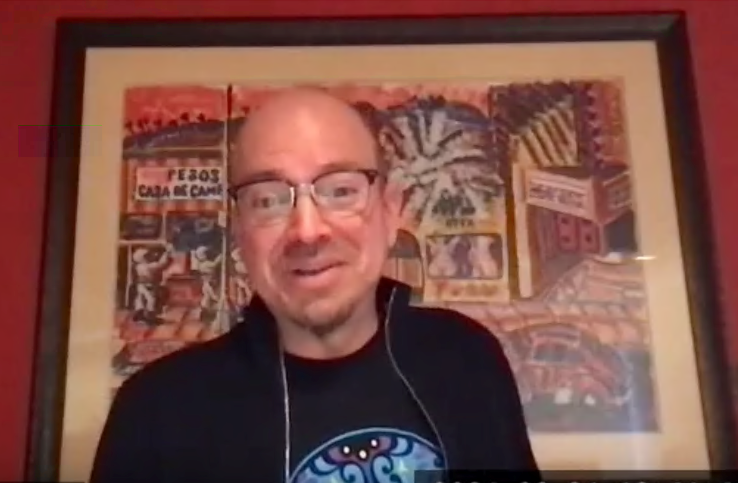
On Wednesday, July 22, the University of Arizona Press presented a virtual panel discussion, From the Border: An Open Book Summer Roundtable, on borderlands studies with noted scholars and authors Maurice S. Crandall, Vanessa Fonseca-Chávez, and Yvette J. Saavedra.
The panelists reflected on the state of borderland studies today, its importance, their own works, and what “open” borderlands scholarship looks like. The event caps a three-year publishing project from the Press called Open Arizona. Open Arizona is a collection of open-access University of Arizona Press titles made available through the support of the Andrew W. Mellon Foundation. The scholarship, histories, and approaches in the selected titles emphasize the relevance of the southwestern United States to understanding contemporary American life. Several works in Open Arizona include new original essays by leading scholars, offering contemporary reflections on these once out-of-print works, including some foundational works in Border Studies.
The New York Public Library’s first World Literature Festival included a recent conversation with University of Arizona Press author Urayoán Noel, as well as fellow poet Dunya Mikhail with NYPL librarians Grace Yamada and Leanna Frankland. In the panel discussion, Languages of Poetry, the poets discussed poetry in translation, their writing process, and other poets they look up to.
Noel’s new poetry collection, Transversal, seeks to disrupt standard English and Spanish, and it celebrates the nonequivalence between languages. Inspired by Caribbean poet and philosopher Édouard Glissant, the collection celebrates Caribbean practices of creolization as maximalist, people-centered, affect-loaded responses to the top-down violence of austerity politics. This groundbreaking, modular approach to poetic translation opens up alternative ways of reading in any language.
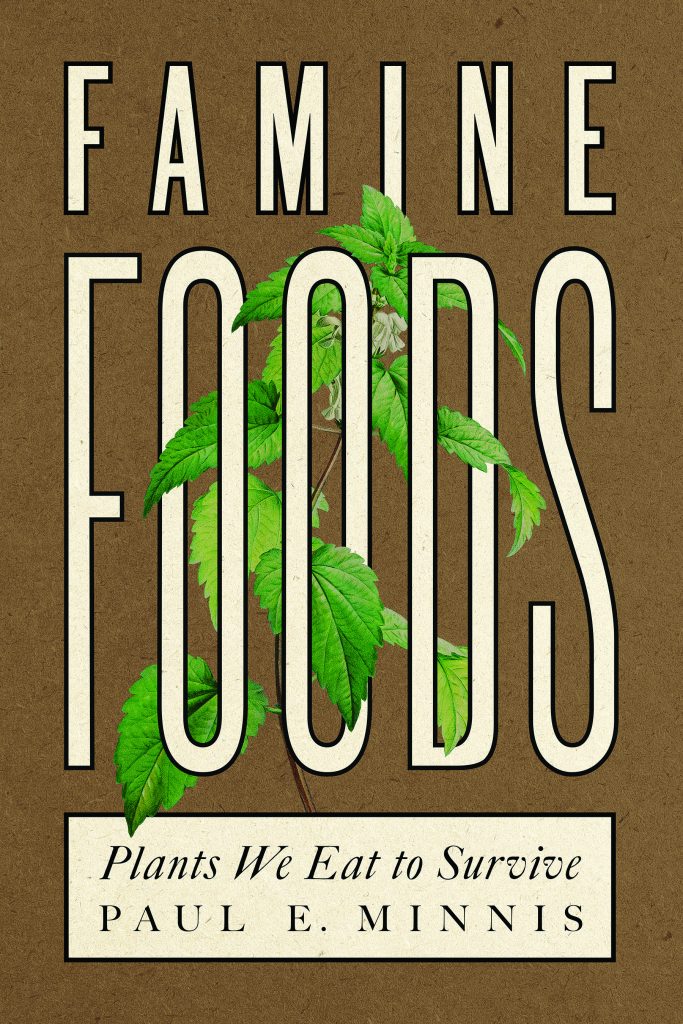
The University of Arizona Press celebrated the launch of Famine Food: Plants We Eat to Survive, by Paul E. Minnis on Wednesday, May 5. Minnis is the author or editor of fourteen books, and is a professor emeritus of anthropology at the University of Oklahoma. Now living in Tucson, Arizona, he is a visiting scholar in the School of Anthropology at the University of Arizona. The virtual event included author Nancy Turner, an ethnobotanist and Distinguished Professor Emerita with the School of Environmental Studies, University of Victoria, Canada.
In conversation, Turner asked Minnis about his book, inspirations, his work as an ethnobotonist, and of course, Famine Foods, which includes fourteen short case studies that examine the use of alternative foods in human societies throughout the world, from hunter-gatherers to major nations. When environmental catastrophes, war, corrupt governments, annual hunger seasons, and radical agricultural policies have threatened to starve populations, cultural knowledge and memories of food shortages have been crucial to the survival of millions of people.
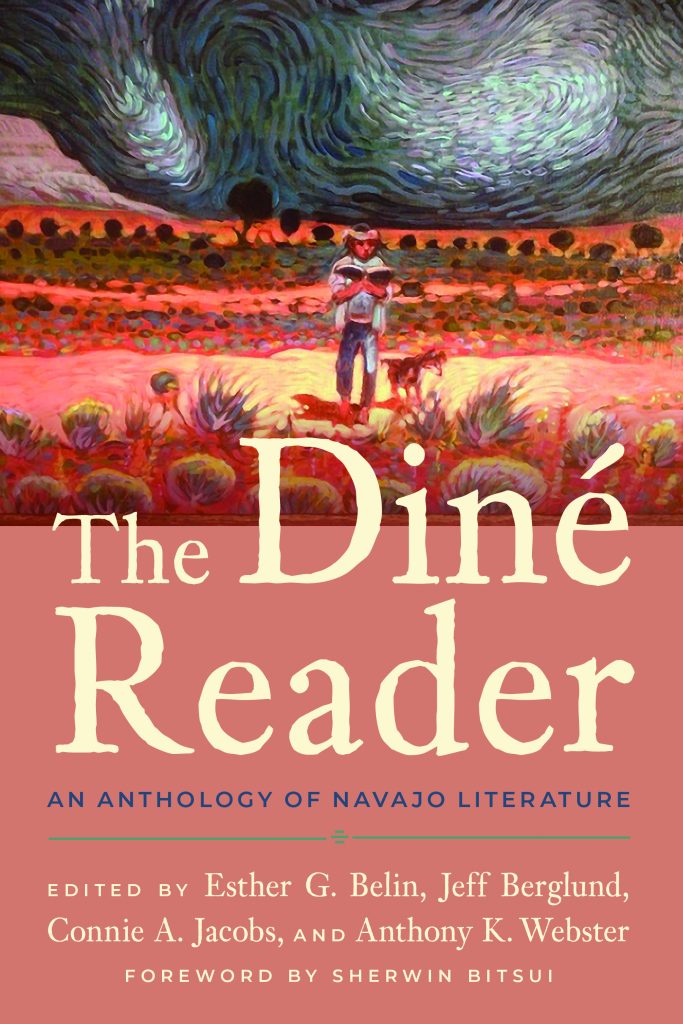
A book release celebration for The Diné Reader: An Anthology of Navajo Literature featured celebrated Diné poets and writers, as well as a special visit from Navajo Nation President Jonathan Nez and First Lady Phefelia Nez.
The online event on Wednesday, April 21, presented by the University of Arizona Press and Birchbark Books, also included the anthology’s editors Esther G. Belin, Jeff Berglund, Connie A. Jacobs, and Anthony Webster. Contributors Sherwin Bitsui, Luci Tapahonso, Laura Tohe, Bojan Louis, Irene Hamilton, Tina Deschenie, Jake Skeets, and Orlando White honored the event reading their work.
The Diné Reader was developed as a way to demonstrate both the power of Diné literary artistry and the persistence of the Navajo people. The volume opens with a foreword by Bitsui, who offers insight into the importance of writing to the Navajo people. The editors then introduce the volume by detailing the literary history of the Diné people, establishing the context for the tremendous diversity of the works that follow, which includes free verse, sestinas, limericks, haiku, prose poems, creative nonfiction, mixed genres, and oral traditions reshaped into the written word.
Please check out the following links to learn more about the work of the contributors:
We are thrilled to be participating in the first virtual Arizona History Convention! We are offering 40% off all titles with free U.S. shipping, just use the code AZHISTORY21 at checkout. Below, take a look at our new and recent Arizona and the Southwest titles.
If you have questions about our publishing program, visit our guidelines here, or contact our Editor-in-Chief, Kristen Buckles, at KBuckles@uapress.arizona.edu.
The Diné Reader: An Anthology of Navajo Literature is unprecedented. It showcases the breadth, depth, and diversity of Diné creative artists and their poetry, fiction, and nonfiction prose.This wide-ranging anthology brings together writers who offer perspectives that span generations and perspectives on life and Diné history. The collected works display a rich variety of and creativity in themes: home and history; contemporary concerns about identity, historical trauma, and loss of language; and economic and environmental inequalities.
Becoming Hopi is a comprehensive look at the history of the people of the Hopi Mesas as it has never been told before. The product of more than fifteen years of collaboration between tribal and academic scholars, this volume presents groundbreaking research demonstrating that the Hopi Mesas are among the great centers of the Pueblo world.
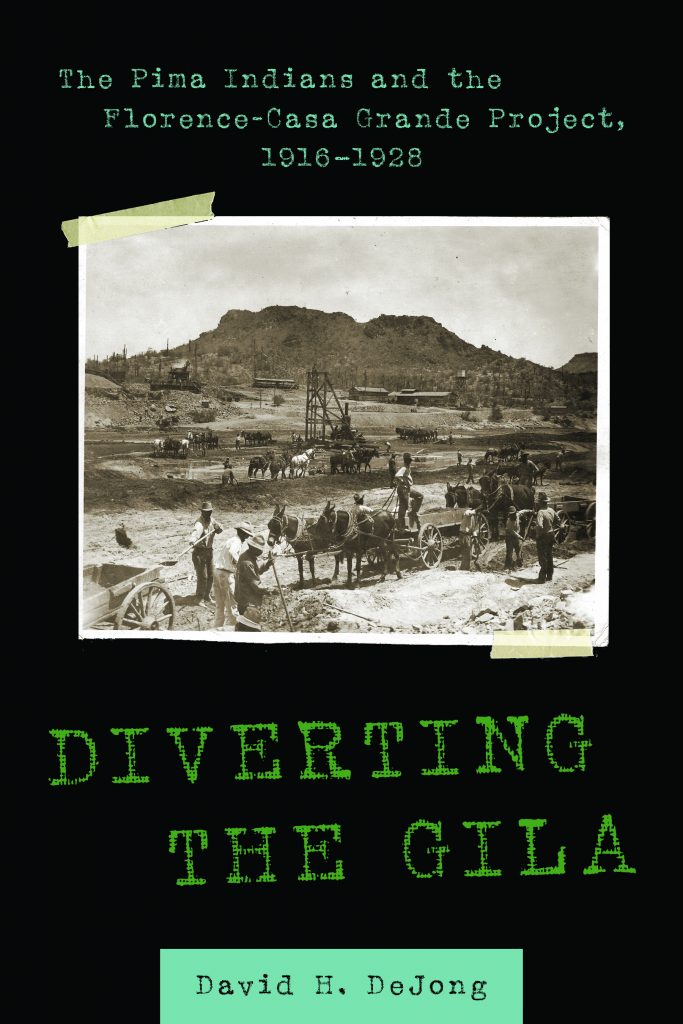
In the late nineteenth and early twentieth centuries, Americans assumed the land and water resources of the West were endless. Water was as vital to newcomers to Arizona’s Florence and Casa Grande valleys as it had always been to the Pima Indians, who had been successfully growing crops along the Gila River for generations when the white settlers moved in.
Diverting the Gila explores the complex web of tension, distrust, and political maneuvering to divide and divert the scarce waters of Arizona’s Gila River among residents of Florence, Casa Grande, and the Pima Indians in the early part of the twentieth century. It is the sequel to David H. DeJong’s 2009 Stealing the Gila, and it continues to tell the story of the forerunner to the San Carlos Irrigation Project and the Gila River Indian Community’s struggle to regain access to their water.
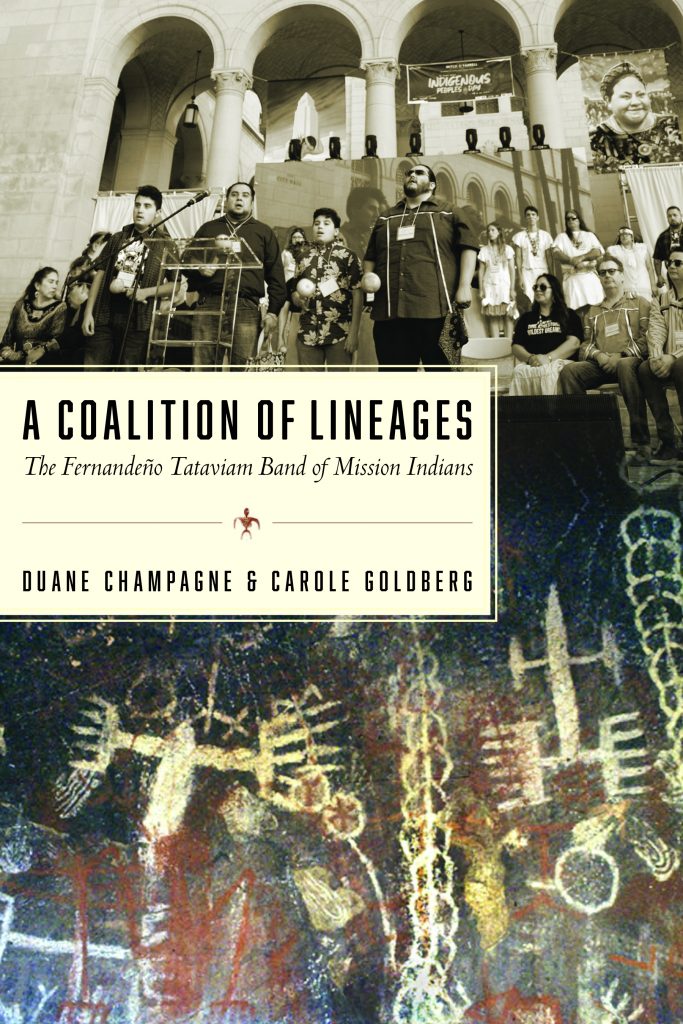
Champagne and Goldberg are leading experts in Native sovereignty policies and histories. They worked in collaboration with members of the Fernandeño Tataviam Band of Mission Indians to illustrate how the community formed and persisted. A Coalition of Lineages is not only the story of a Native Southern California community, it is also a model for multicultural tribal development for recognized and nonrecognized Indian nations in the United States and elsewhere.
“Written to dispel the idea that these lineages ever ceased to exist under colonial power, this book offers a conceptual framework around the lineage that can be useful to historians and scholars.”—Lisbeth Haas, author of Saints and Citizens: Indigenous Histories of Colonial Missions and Mexican California
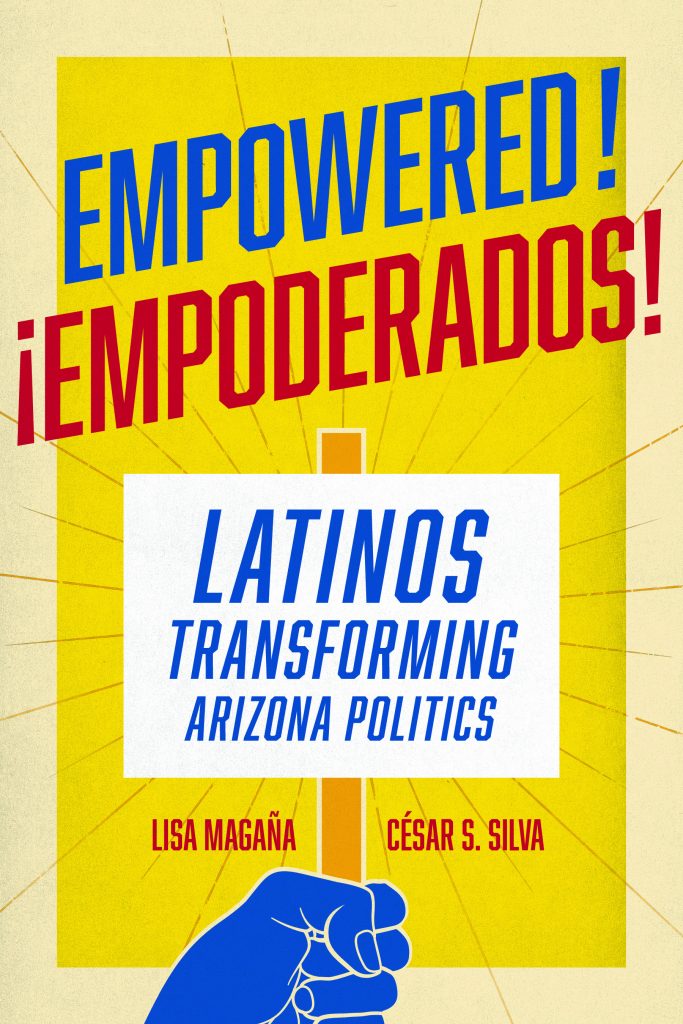
Empowered! focuses on the legacy of Latino activism within politics. It raises important arguments about those who stand to profit financially and politically by stoking fear of immigrants and how resilient politicians and grassroots organizers have worked to counteract that fear mongering. Recognizing the long history of disenfranchisement and injustice surrounding minority communities in the United States, this book outlines the struggle to make Arizona a more just and equal place for Latinos to live.
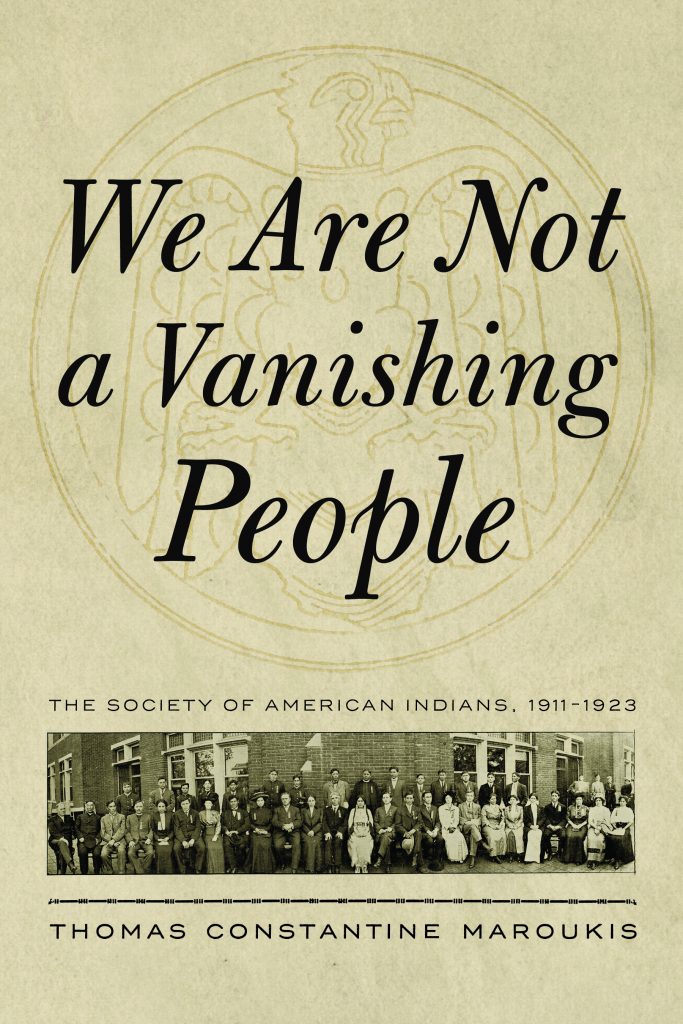
The early twentieth-century roots of modern American Indian protest and activism are examined in We Are Not a Vanishing People. It tells the history of Native intellectuals and activists joining together to establish the Society of American Indians, a group of Indigenous men and women united in the struggle for Indian self-determination.
“This is an essential book for everyone who is interested in modern American Indian history. Thomas Maroukis examines how American Indian leaders organized, used their education (sometimes disagreed with each other), and addressed critical issues in Indian Country in the early twentieth century. He convincingly argues that these new activists pushed back against the government and voiced a clear message that Indians had not vanished!”—Donald L. Fixico, author ofIndian Resilience and Rebuilding: Indigenous Nations in the Modern American West
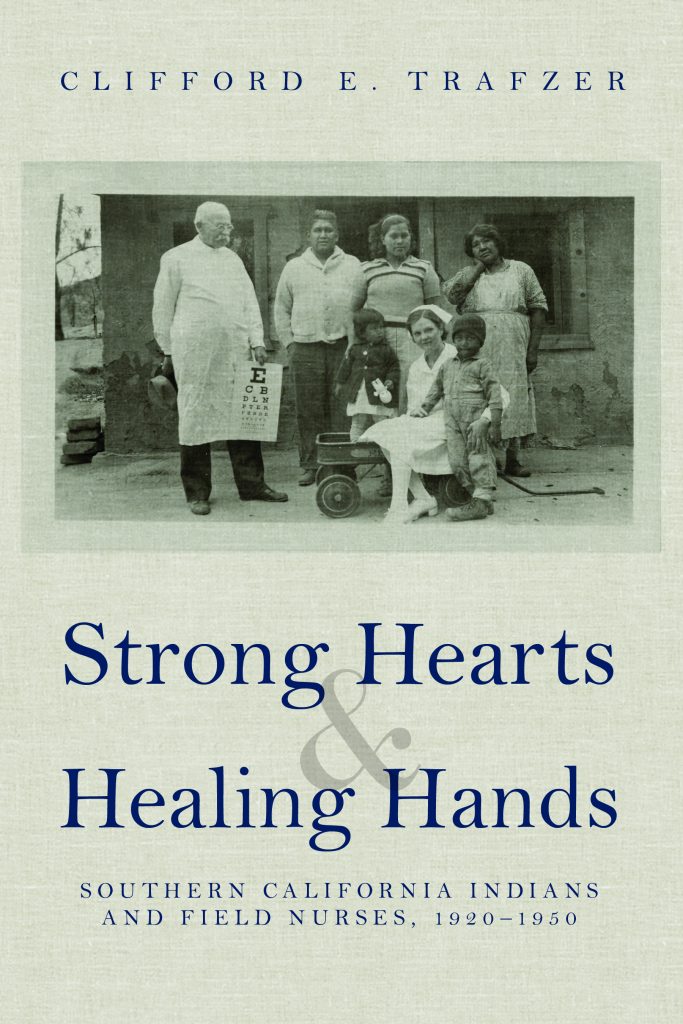
In 1924, the United States began a bold program in public health. The Indian Service of the United States hired its first nurses to work among Indians living on reservations. Strong Hearts and Healing Hands shows how field nurses and Native people formed a positive working relationship that resulted in the decline of mortality from infectious diseases. With strong hearts, Indians eagerly participated in the tuberculosis campaign of 1939–40 to x-ray tribal members living on twenty-nine reservations. Through their cooperative efforts, Indians and health-care providers decreased deaths, cases, and misery among the tribes of Southern California.
Colonial Legacies in Chicana/o Literature and Culture exposes the ways in which colonialism is expressed in the literary and cultural production of the U.S. Southwest, a region that has experienced at least two distinct colonial periods since the sixteenth century. Vanessa Fonseca-Chávez traces how Spanish colonial texts reflect the motivation for colonial domination. She argues that layers of U.S. colonialism complicate how Chicana/o literary scholars think about Chicana/o literary and cultural production. She brings into view the experiences of Chicana/o communities that have long-standing ties to the U.S. Southwest but whose cultural heritage is tied through colonialism to multiple nations, including Spain, Mexico, and the United States.
Read an excerpt from the book here, then listen to her talk about Southwest colonial history on NPR here.
In The Nature of Desert Nature, one of our best writers on desert places, Gary Paul Nabhan, challenges traditional notions of the desert. Beautiful, reflective, and at times humorous, Nabhan’s extended essay also called “The Nature of Desert Nature” reveals the complexity of what a desert is and can be. He passionately writes about what it is like to visit a desert and what living in a desert looks like when viewed through a new frame, turning age-old notions of the desert on their heads.
Watch editor Gary Paul Nabhan and contributor Francisco Cantú discuss the collection here, then watch the Tumamoc Desert Lab book release here. Read an excerpt from the book that Tucson Weekly featured here!
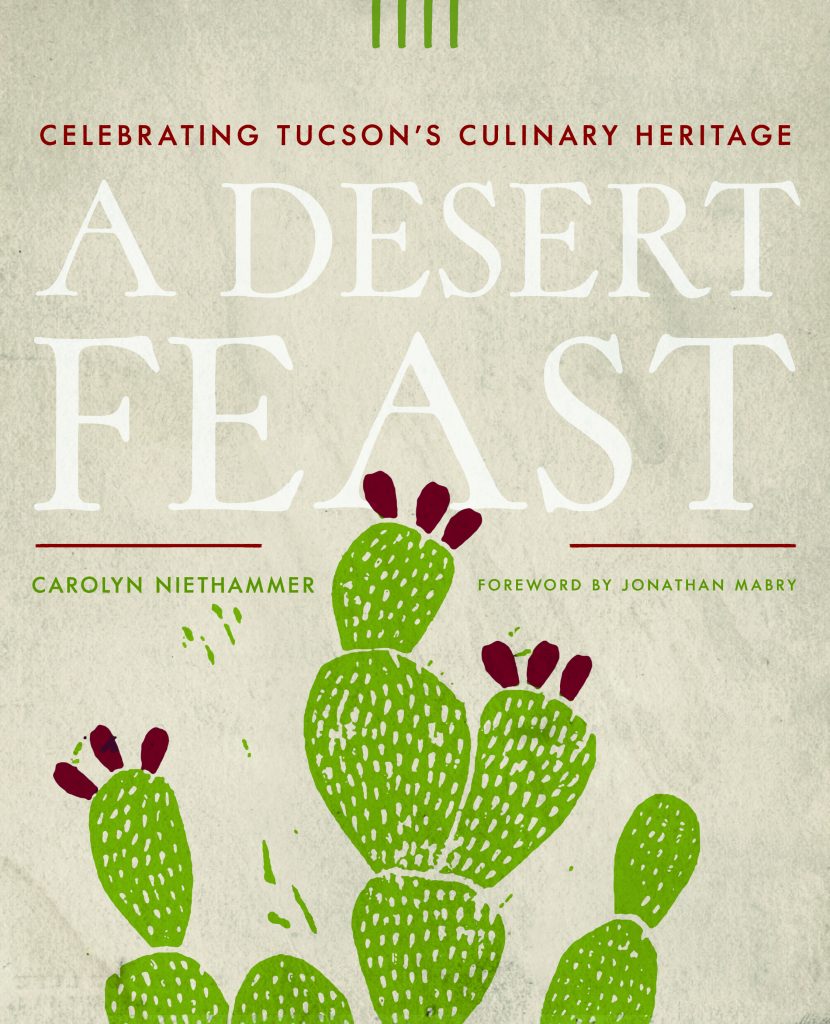
White Sonora wheat, tepary beans, and criollo cattle steaks make Tucson’s cuisine unique. In A Desert Feast, you’ll see pictures of kids learning to grow food at school, and you’ll meet the farmers, small-scale food entrepreneurs, and chefs who are dedicated to growing and using heritage foods. It’s fair to say, “Tucson tastes like nowhere else.”
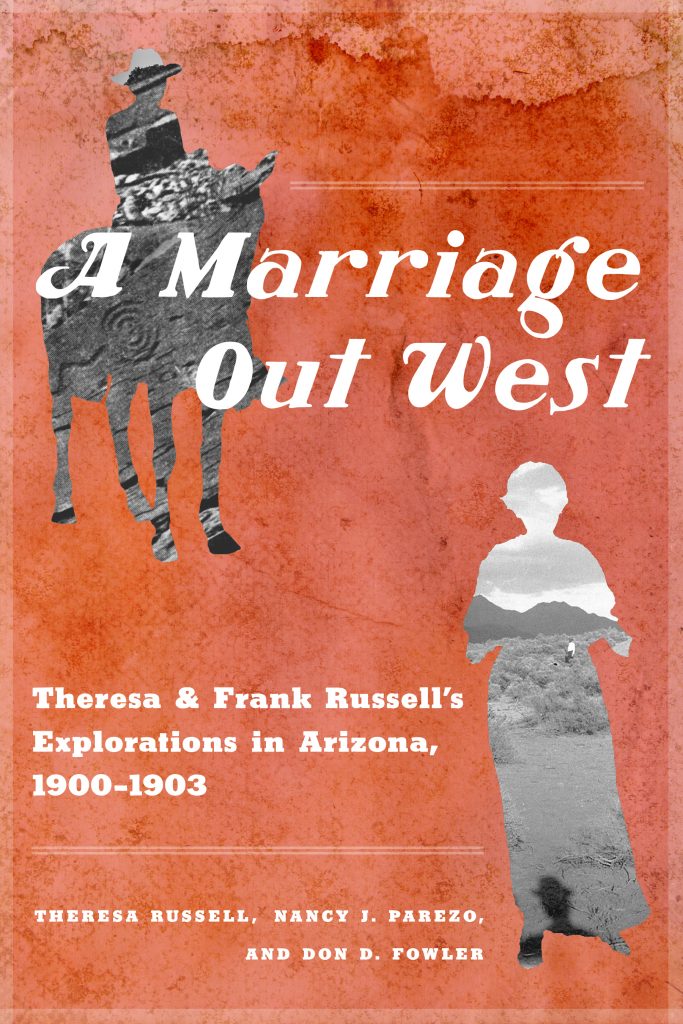
A Marriage Out West is an intimate biographical account of two fascinating figures of twentieth-century archaeology. Frances Theresa Peet Russell, an educator, married Harvard anthropologist Frank Russell in June 1900. They left immediately on a busman’s honeymoon to the Southwest. Their goal was twofold: to travel to an arid environment to quiet Frank’s tuberculosis and to find archaeological sites to support his research.
Make sure to check out the book trailer here, where co-author Don Fowler gives a preview of the book. Then, read an excerpt from the book here.
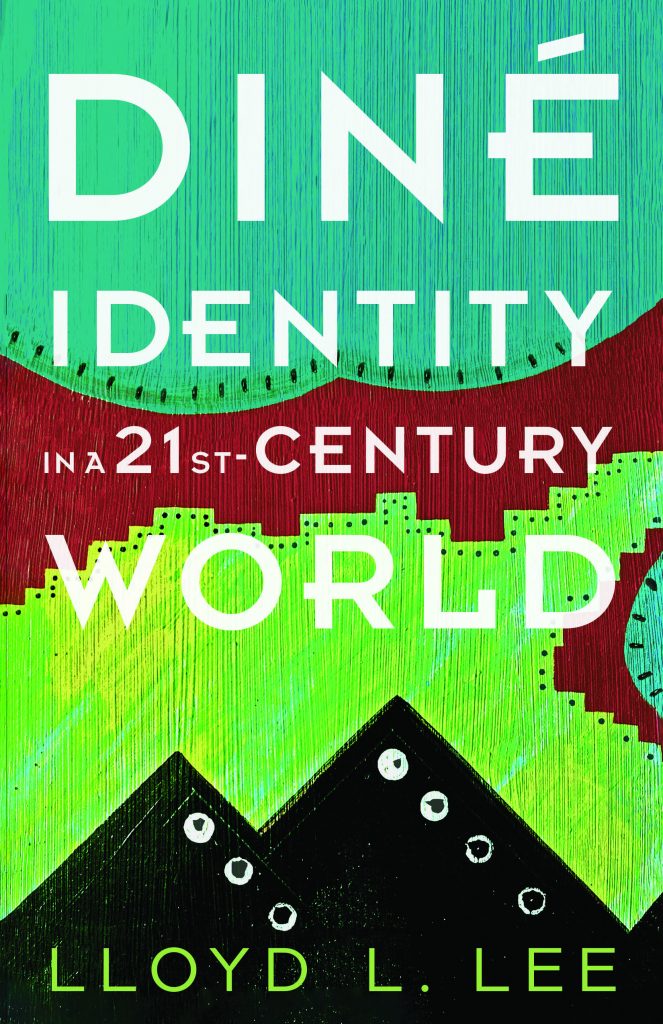
In Diné Identity in a Twenty-First Century World, Lloyd L. Lee, a citizen of the Navajo Nation and an associate professor of Native American studies, takes up and provides insight on the most essential of human questions: who are we? Finding value and meaning in the Diné way of life has always been a hallmark of Diné studies. Lee’s Diné-centric approach to identity gives the reader a deep appreciation for the Diné way of life. Lee incorporates Diné baa hane’ (Navajo history), Sa’ą́h Naagháí Bik’eh Hózhǫ́ǫ́n (harmony), Diné Bizaad (language), K’é (relations), K’éí (clanship), and Níhi Kéyah (land) to address the melding of past, present, and future that are the hallmarks of the Diné way of life.
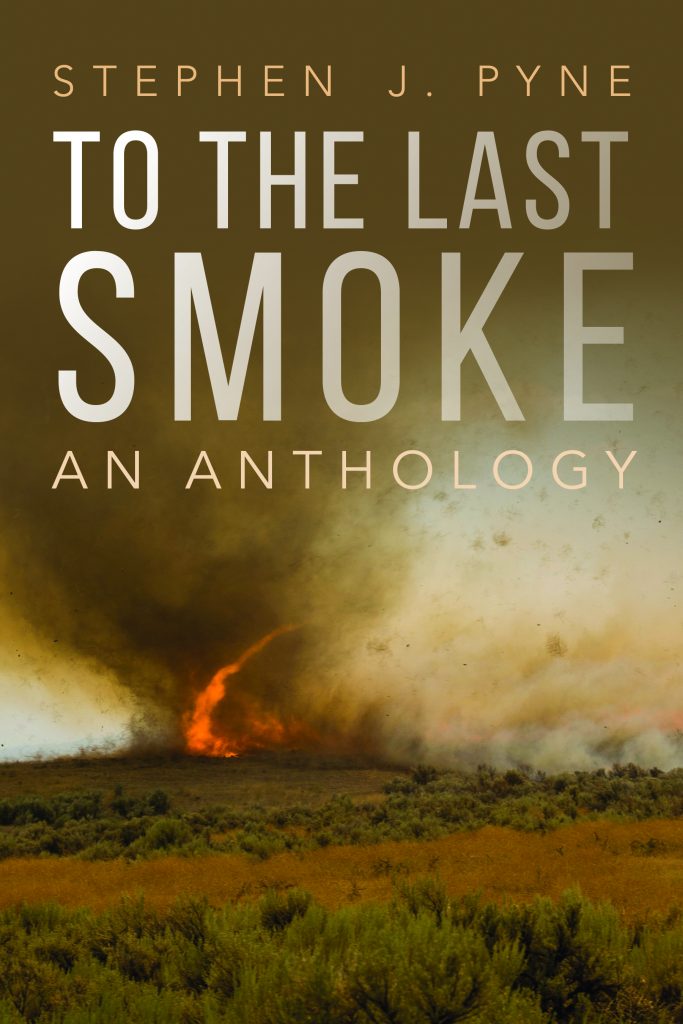
This anthology offers a unique and sweeping view of the nation’s fire scene by distilling observations on Florida, California, the Northern Rockies, the Great Plains, the Southwest, the Interior West, the Northeast, Alaska, the oak woodlands, and the Pacific Northwest into a single, readable volume. The essays offer a color-commentary companion to the play-by-play narrative offered in Pyne’s Between Two Fires: A Fire History of Contemporary America.
To the Last Smokeis Stephen J. Pyne’s way of “keeping with it to the end,” encompassing the directive from his rookie season as a wildland firefighter to stay with every fire “to the last smoke.”
Read Stephen Pyne’s op-ed in the Los Angeles Times here, then read his piece in the Wall Street Journal here.
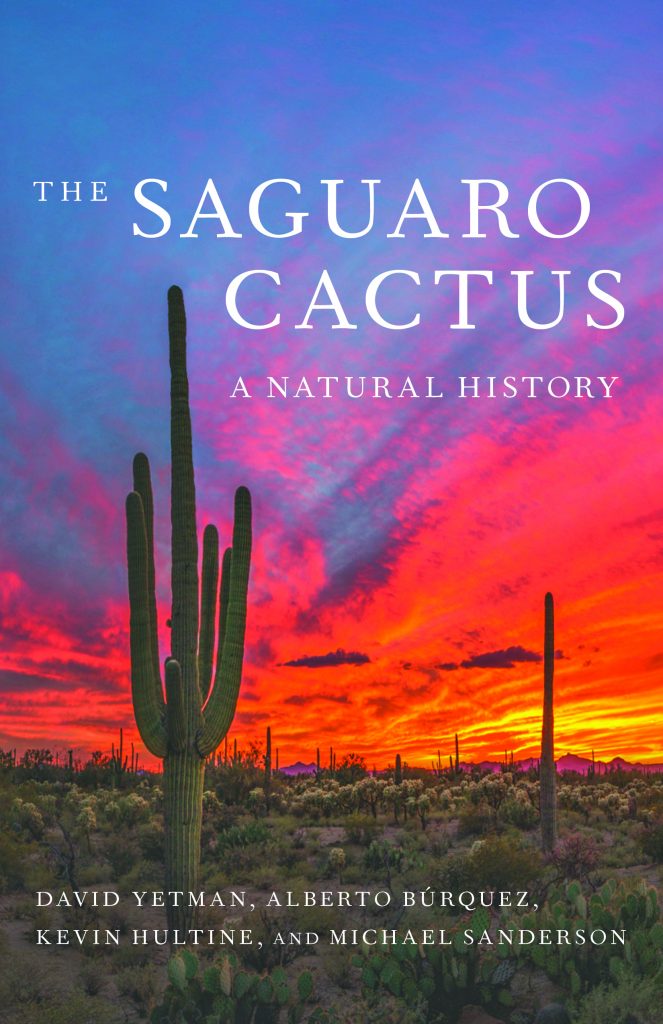
The saguaro, with its great size and characteristic shape, has become the emblem of the Sonoran Desert of southwestern Arizona and northwestern Mexico. The Saguaro Cactus offers a complete natural history of this enduring cactus, the largest and tallest in the United States. From its role in Sonoran Desert ecology, to its adaptations to the desert climate, to its sacred place in Indigenous culture, this book offers a definitive source on a distinguished desert plant.
We miss hosting in-person book releases. Take a look at some great photos from this one! Then, read an excerpt from The Saguaro Cactushere.
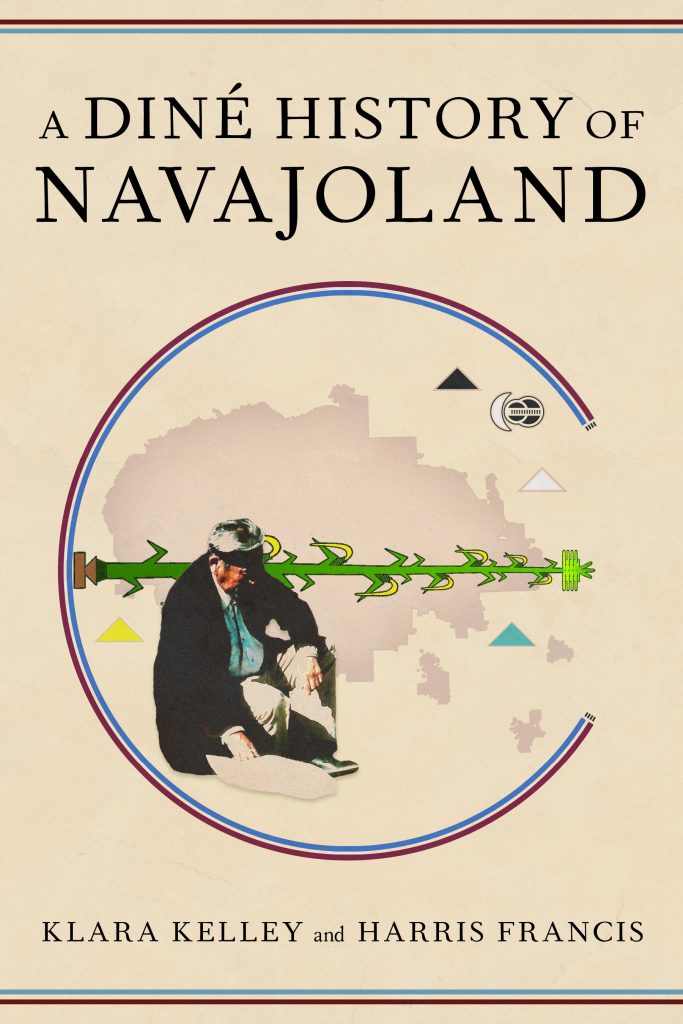
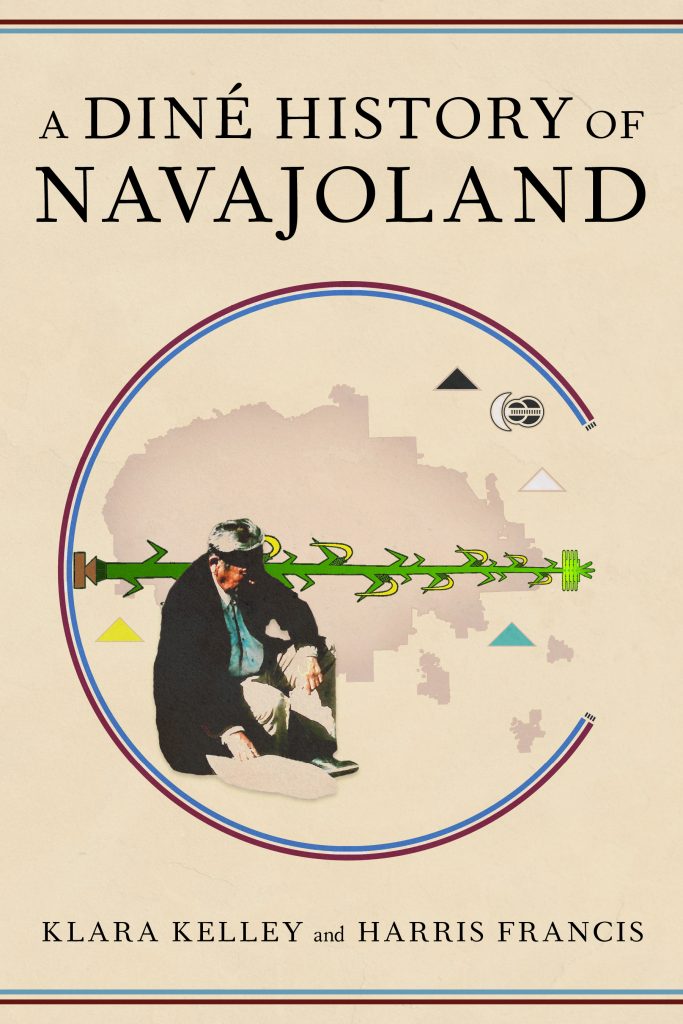
A Diné History of Navajoland brings much-needed attention to Navajo perspectives on the past and present. It is the culmination of a lifelong commitment from the authors, and it is an exemplary work of Diné history through the lens of ceremonial knowledge and oral history. Kelley and Francis present an in-depth look at how scholars apply Diné ceremonial knowledge and oral history to present-day concerns of Navajo Nation leaders and community members. All readers are invited to come along on this exploration of Diné oral traditions.
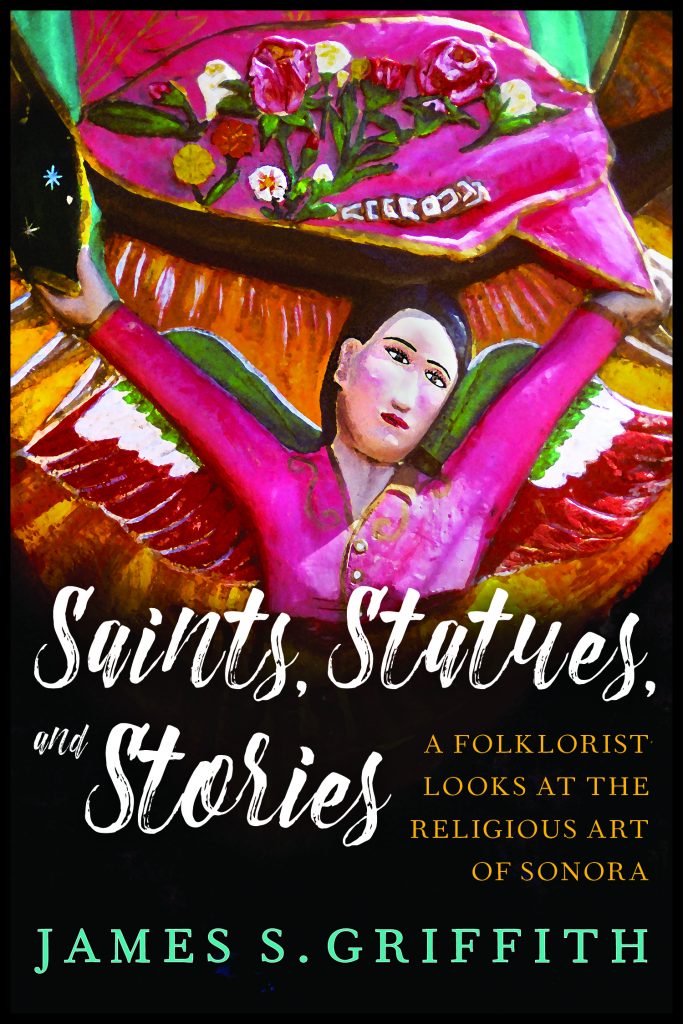
InSaints, Statues, and StoriesJames S. Griffith shares stories of nearly sixty years of traveling through Sonora. As we have come to expect through these journeys, “Big Jim”—as he is affectionately known by many—offers nothing less than the living traditions of Catholic communities. Themes of saints as agents of protection or community action are common throughout Sonora: a saint coming out of the church to protect the village, a statue having a say in where it resides and paying social calls to other communities, or a beloved image rescued from destruction and then revered on a private altar. A patron saint saves a village from outside attackers in one story—a story that has at least ten parallels in Sonora’s former mission communities. Details may vary, but the general narrative remains the same: when hostile nonbelievers attack the village, the patron saint of the church foils them.
We are thrilled that Saints, Statues, and Stories received a Southwest Books of the Year Award! We threw a fabulous party to celebrate Big Jim’s book, take a look at the photos here. This book was also celebrated at Tucson Meet Yourself!
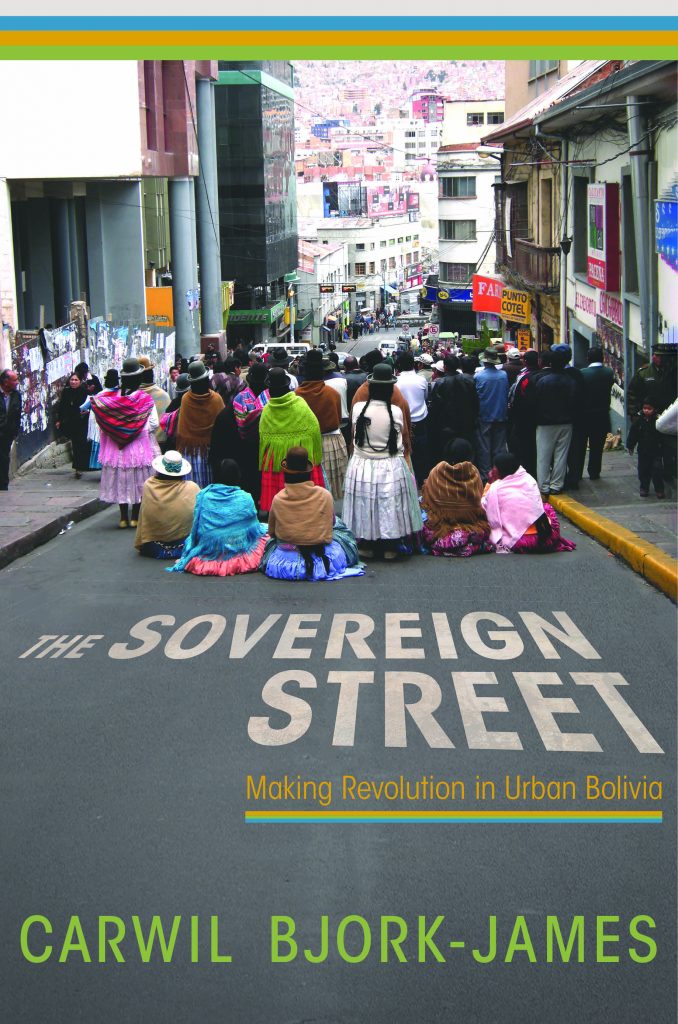
Recently, University of Arizona Press author Carwil Bjork-James presented a talk on Andean extraction at the American Association of Geographers meeting. Taking the streets of Cochabamba, Sucre, and La Paz as its vantage point, Carwil’s new book The Sovereign Street offers a rare look at political revolution as it happens. It documents a critical period in Latin American history, when protests made headlines worldwide, where a generation of pro-globalization policies were called into question, and where the indigenous majority stepped into government power for the first time in five centuries
“As part of an extended panel on the Corporation on at the American Association of Geographers meeting, I presented the following talk on Concession blocks, spiraling pits, and wily start-ups: Spatialities of Andean extractivism (AAG members only). The talk is a deep dive in the technologies and policies that connect open-pit mining w/ speculative capital, built around Sumitomo Corporation’s San Cristobal mine in Potosí, Bolivia and Bear Creek Mining’s failed Santa Ana silver mine project in Puno, Peru.”— Carwil Bjork-James
Carwil Bjork-James is an assistant professor of anthropology at Vanderbilt University. His research, both ethnographic and historical, concerns disruptive protest, grassroots autonomy, state violence, and indigenous collective rights in Bolivia.
The Academy of American Poets and the University of Arizona Press presented a reading and book release celebration with Gloria Muñoz on Wednesday, April 14.
Winner of the Ambroggio Prize, Muñoz read from Danzirly, a striking bilingual poetry collection that fiercely examines the nuances of the American Dream for Latinx people in the United States. The evening included the poet’s father Al Muñoz, who read several of the Spanish versions of the English translations his daughter read.
To say this was a special event is understated, but thrilled to offer this opportunity to watch the poetry magic as often as possible.
We are thrilled to be participating in the first virtual SAA meeting! We have an incredible selection of new and recent titles that we hope you will enjoy. Use the code AZSAA21 at checkout here on our website to receive 40% off all titles, plus free U.S. shipping.
If you have any questions about our publishing program, please read our guidelines here, and feel free to contact our Senior Editor Allyson Carter at ACarter@uapress.arizona.edu.
We put together a video of a few of our recent authors highlighting their new archaeology books. We hope you enjoy the video, and we are looking forward to seeing you all again in the future.
Becoming Hopi is a comprehensive look at the history of the people of the Hopi Mesas as it has never been told before. The product of more than fifteen years of collaboration between tribal and academic scholars, this volume presents groundbreaking research demonstrating that the Hopi Mesas are among the great centers of the Pueblo world.
“How did Hopi farmers sustain large, stable communities in an area that previous scientific models predicted could not support a substantial population? How did waves of migration shape Hopi social organization and ritual calendars? Archaeologists, ethnographers, and Hopi cultural specialists worked collaboratively to answer these and other compelling questions.”—Kelley Hays-Gilpin, co-editor of Color in the Ancestral Pueblo Southwest
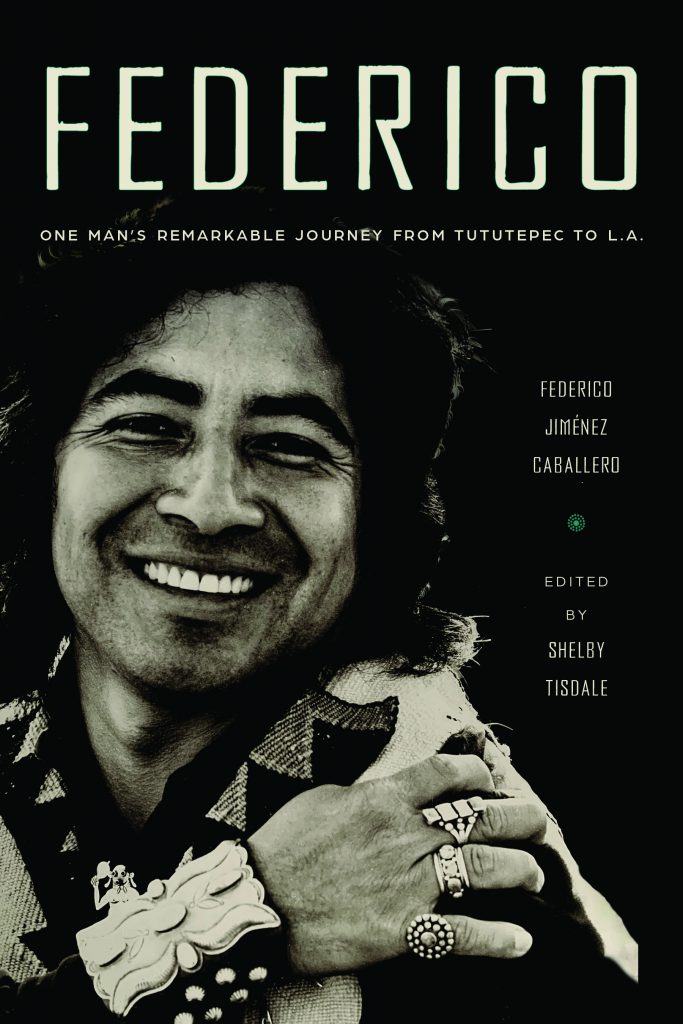
From the day he was born, Federico Jiménez Caballero was predicted to be a successful man. As a child growing up in a small rural town in southern Mexico, Federico Jiménez Caballero faced challenges that most of us cannot imagine, let alone overcome. So, how exactly did a young boy from Tututepec, Oaxaca, become a famous Indigenous jewelry artist and philanthropist in Los Angeles? Federico tells the remarkable story of willpower, curiosity, hard work, and passion coming together to change one man’s life forever.
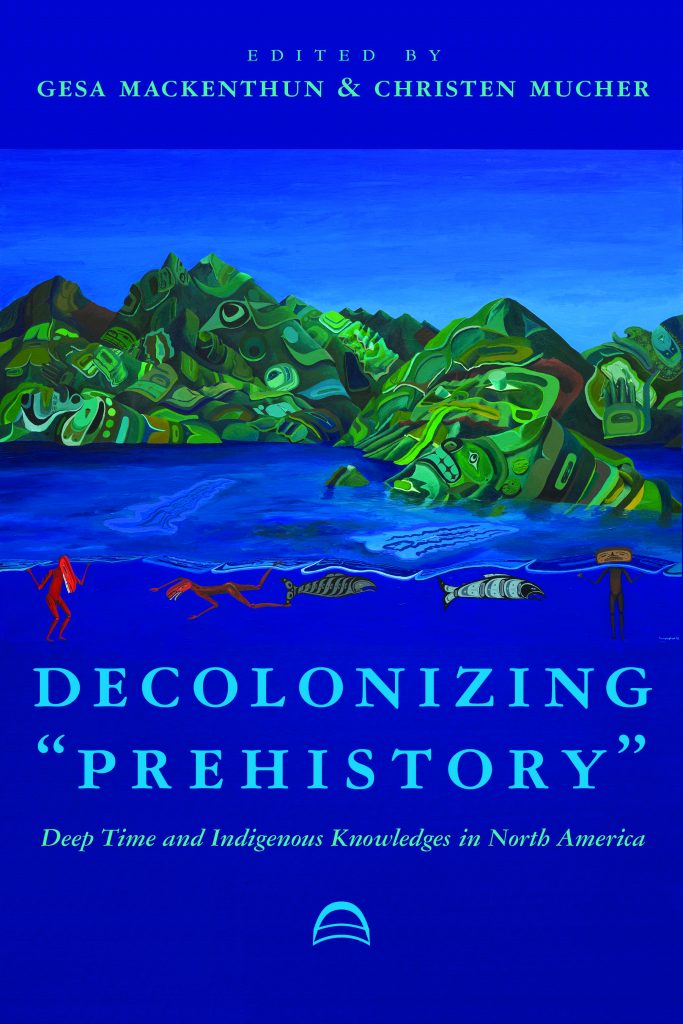
Decolonizing “Prehistory” critically examines and challenges the paradoxical role that modern historical-archaeological scholarship plays in adding legitimacy to, but also delegitimizing, contemporary colonialist practices. Bringing together experts from American studies, archaeology, anthropology, legal studies, history, and literary studies, this interdisciplinary volume offers essential information about the complexity and ambivalence of colonial encounters with Indigenous peoples in North America, and their impact on American scientific discourse.
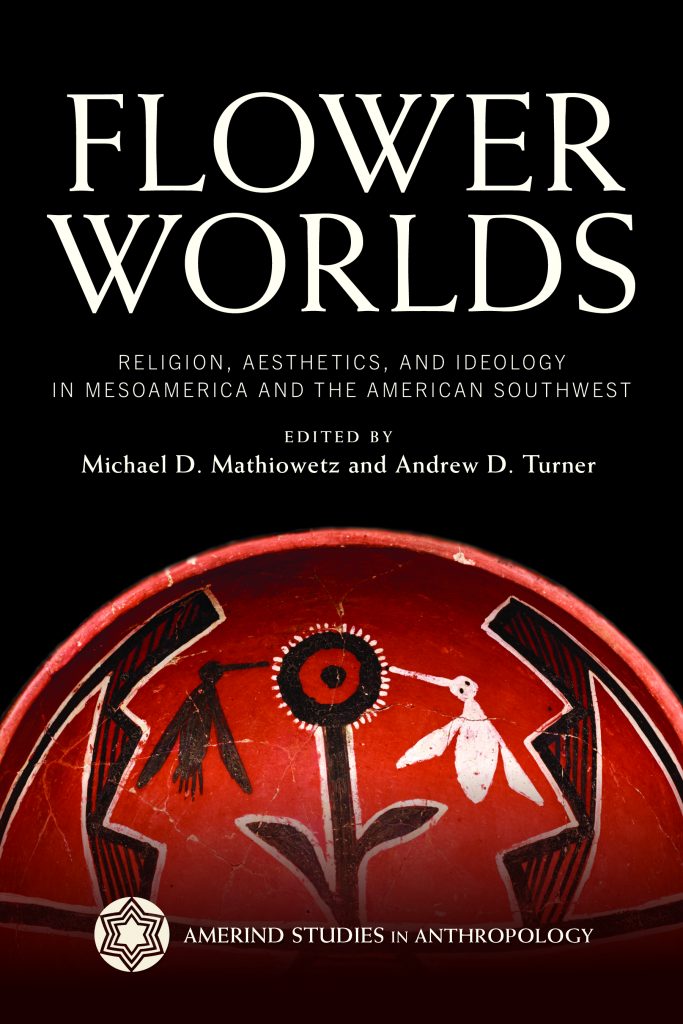
Flower Worlds reaches into multisensory realms that extend back at least 2,500 years, offering many different disciplines, perspectives, and collaborations to understand these domains. Today, Flower Worlds are expressed in everyday work and lived experiences, embedded in sacred geographies, and ritually practiced both individually and in communities. This volume stresses the importance of contemporary perspectives and experiences by opening with living traditions before delving into the historical trajectories of Flower Worlds, creating a book that melds scientific and humanistic research and emphasizes Indigenous voices.
This book is part of the Amerind Studies in Anthropology series. Amerind Studies in Anthropology is a series that publishes the results of the Amerind Seminars, annual professional symposia hosted by the Amerind Foundation in Dragoon, Arizona, and cosponsored by the Society for American Archaeology.
How people eat today is a record of food use through the ages—and not just the decadent, delicious foods but the less glamorous and often life-saving foods from periods of famine as well. In Famine Foods, Paul E. Minnis focuses on the myriad plants that have sustained human populations throughout the course of history, unveiling the those that people have consumed, and often still consume, to avoid starvation. For the first time, this book offers a fascinating overview of famine foods—how they are used, who uses them, and, perhaps most importantly, why they may be critical to sustain human life in the future.
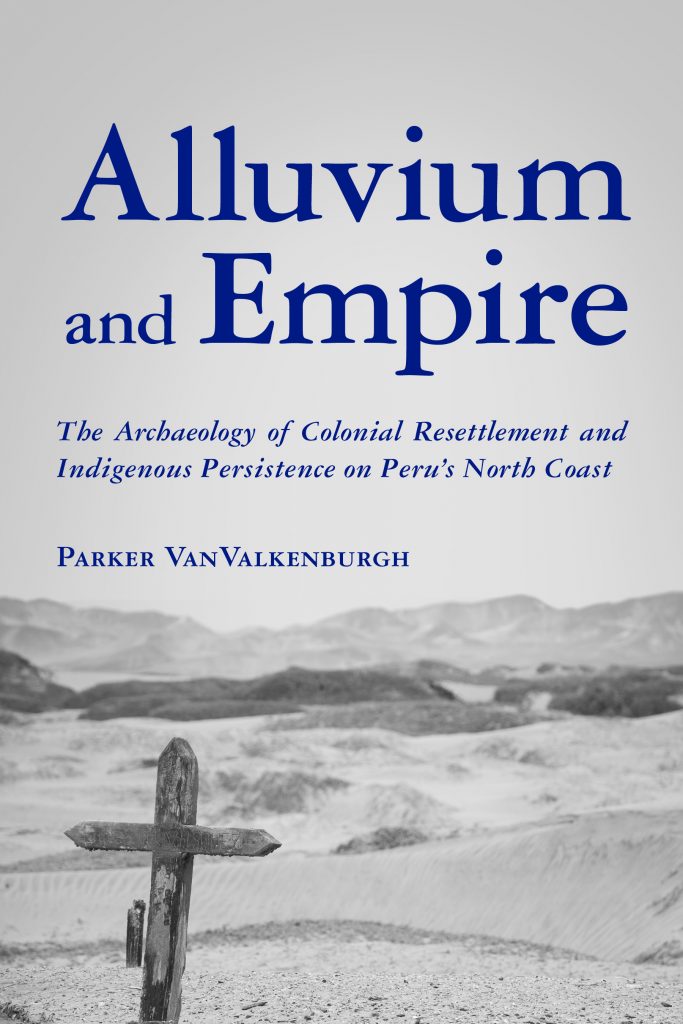
Alluvium and Empire by Parker VanValkenburgh examines the archaeology of Indigenous communities and landscapes that were subject to Spanish colonial forced resettlement during the sixteenth century. Written at the intersections of history and archaeology, the book critiques previous approaches to the study of empire and models a genealogical approach that attends to the open-ended—and often unpredictable—ways in which empires take shape.
“This book represents a much-welcome approach to the archaeology of empire. It combines a sophisticated theoretical framework with rigorous archival and archaeological methods to shed valuable new light on the history of Spanish empire building in Peru.”—Craig Cipolla, author of Foreign Objects: Rethinking Indigenous Consumption in American Archaeology
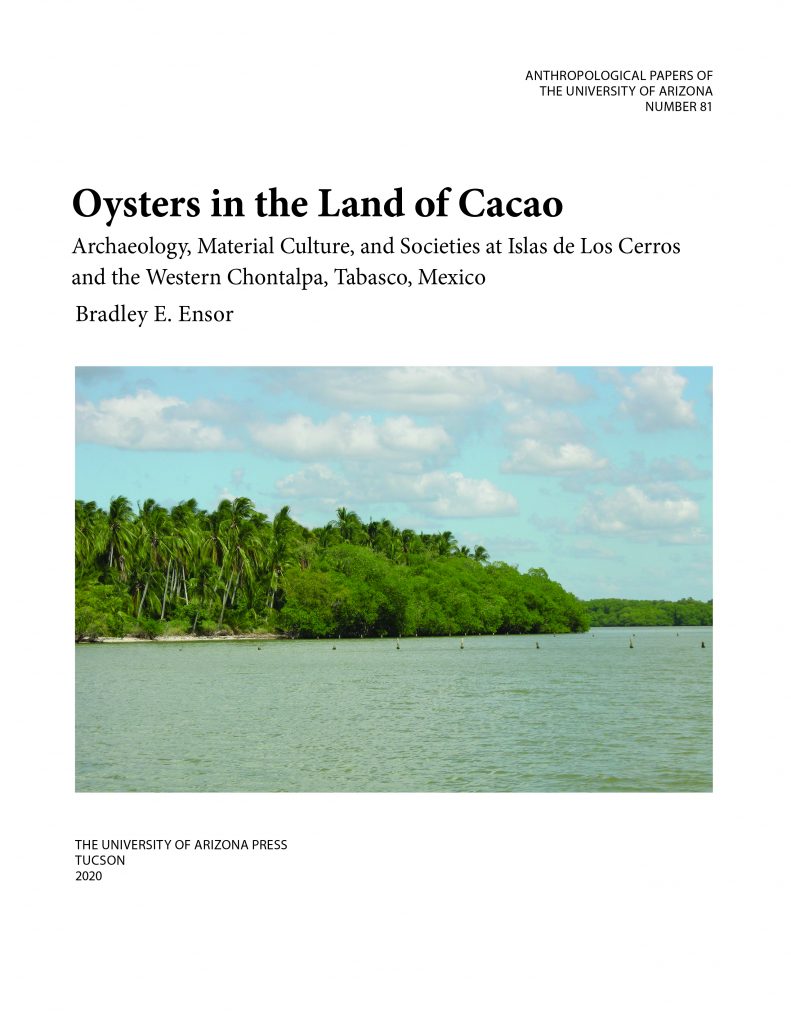
Oysters in the Land of Cacao delivers a long-overdue presentation of the archaeology, material culture, and regional synthesis on the Formative to Late Classic period societies of the western Chontalpa region (Tabasco, Mexico) through contemporary theory. It offers a significant new understanding of the Mesoamerican Gulf Coast.
This book is part of our Anthropological Papers of the University of Arizona series. The Anthropological Papers of the University of Arizona is a peer-reviewed monograph series sponsored by the School of Anthropology. Learn more here.
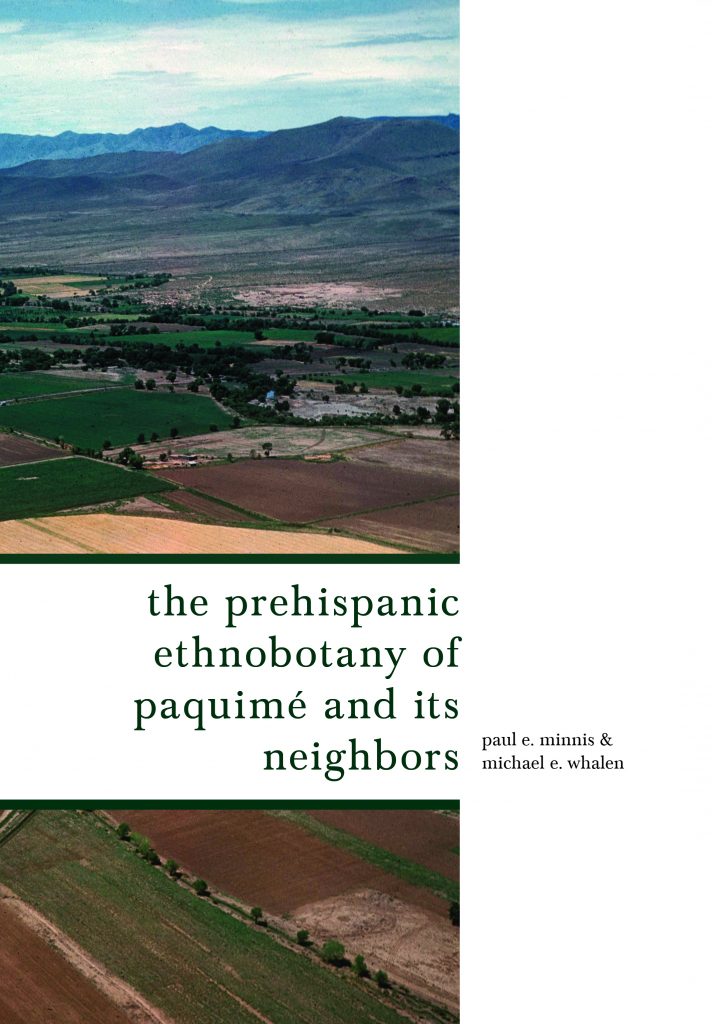
The Prehispanic Ethnobotany of Paquimé and its Neighbors is the first large-scale investigation of the prehispanic ethnobotany of this important ancient site and its neighbors. The authors examine ethnobotanical relationships during Medio Period, AD 1200–1450, when Paquimé was at its most influential. Based on two decades of archaeological research, this book examines uses of plants for food, farming strategies, wood use, and anthropogenic ecology. The authors show that the relationships between plants and people are complex, interdependent, and reciprocal. This volume documents ethnobotanical relationships and shows their importance to the development of the Paquimé polity.
Explore photographs and field notes from editors Paul Minnis and Michael Whalen‘s excavations of Paquimé’s Site 204 here.
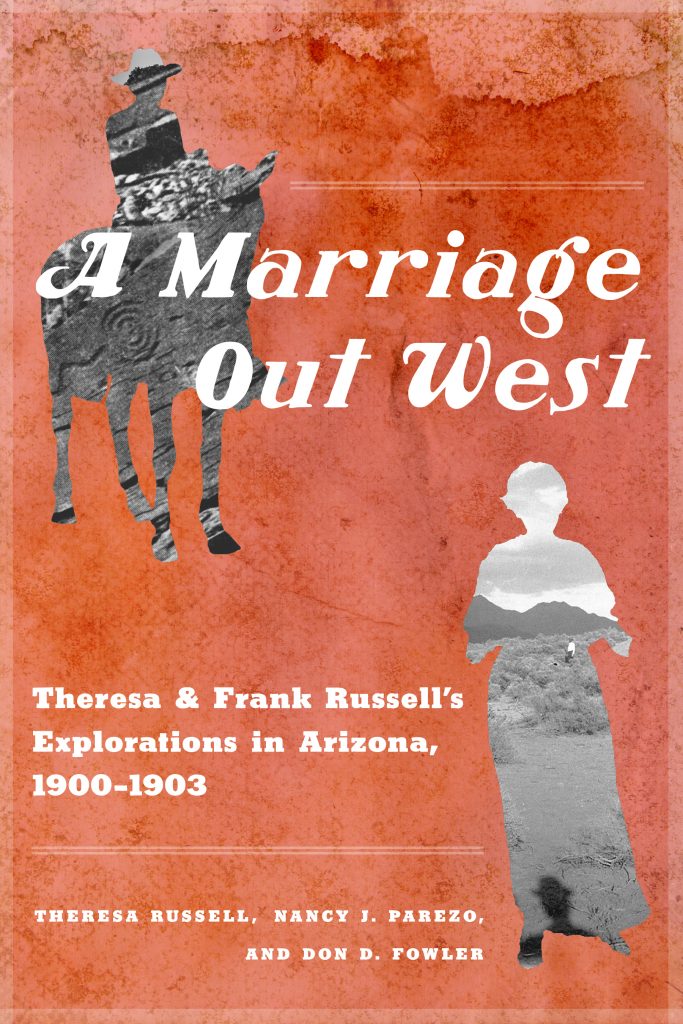
A Marriage Out West is an intimate biographical account of two fascinating figures of twentieth-century archaeology. Frances Theresa Peet Russell, an educator, married Harvard anthropologist Frank Russell in June 1900. They left immediately on a busman’s honeymoon to the Southwest. Their goal was twofold: to travel to an arid environment to quiet Frank’s tuberculosis and to find archaeological sites to support his research.
“A Marriage Out West provides a detailed insight into the intrigue of the early scramble by federal, state, and private organizations for access to Indigenous archaeological sites (almost universally lacking tribal input or consent) as well an exceptional woman’s personal account of her experiences as a neophyte frontiersperson.”—Thatcher A. Rogers, Albuquerque Archaeological Society Newsletter
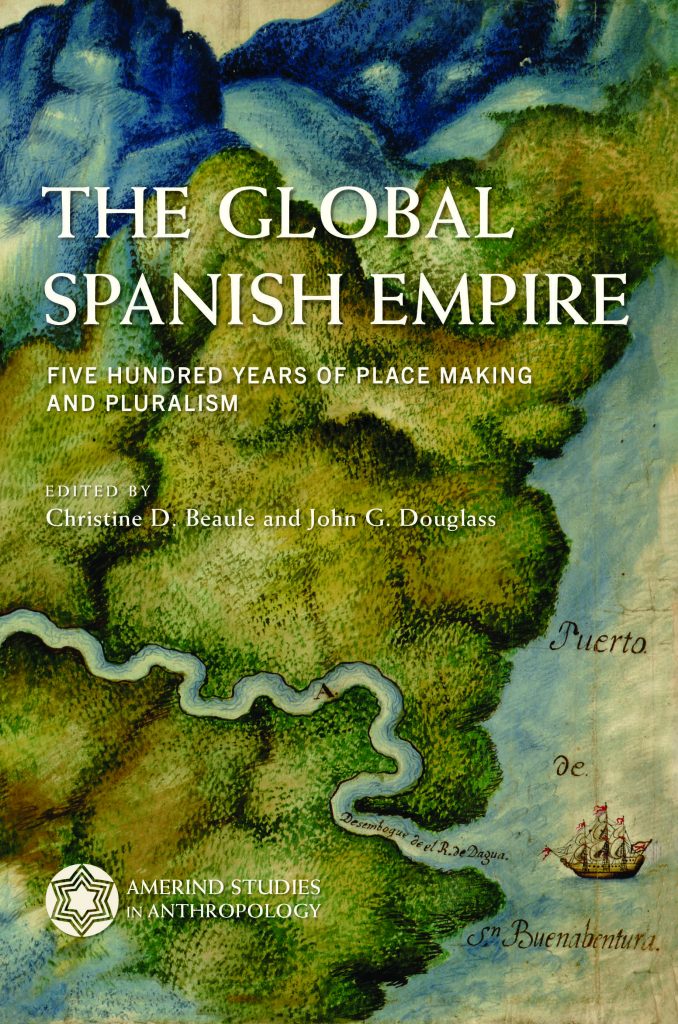
The Global Spanish Empire tackles broad questions about indigenous cultural persistence, pluralism, and place making using a global comparative perspective grounded in the shared experience of Spanish colonialism. Through an expansive range of essays that look at Africa, the Americas, Asia, the Caribbean and the Pacific, this volume brings often-neglected regions into conversation.
“The volume maps the haphazard development of the colonial Spanish Empire, focusing on how indigenous and enslaved populations carved and crafted their own spaces through persistence and imaginative place-making strategies.”—Mariah F. Wade, author of Missions, Missionaries, and Native Americans: Long-Term Processes and Daily Practices
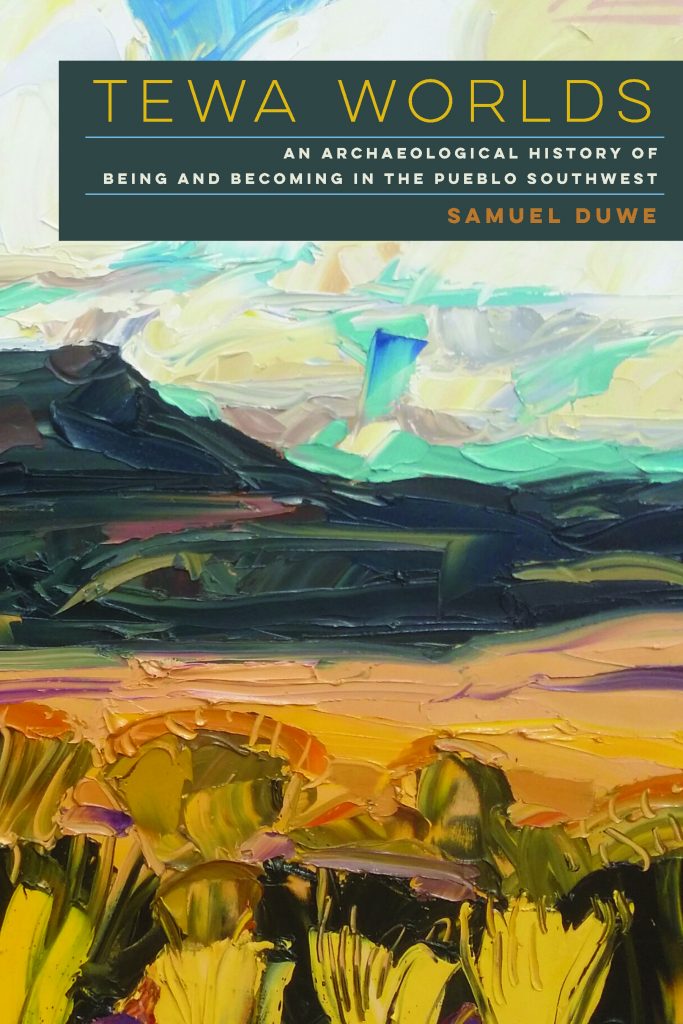
Tewa Worlds offers an archaeological history of eight centuries of Tewa Pueblo history in the Rio Chama Valley through the lens of contemporary Pueblo philosophical and historical discourse. The result gives weight to the deep past, colonial encounters, and modern experiences. It challenges archaeologists to both critically reframe interpretation and to acknowledge the Tewa’s deep but ongoing connection with the land.
“… Tewa Worlds … stands out as exemplary in its investigative scope, rich and thought-provoking interpretations, and focus on establishing a deep history from the archaeological and ethnographic record.”—Thatcher A. Rogers, New Mexico Archeological Council
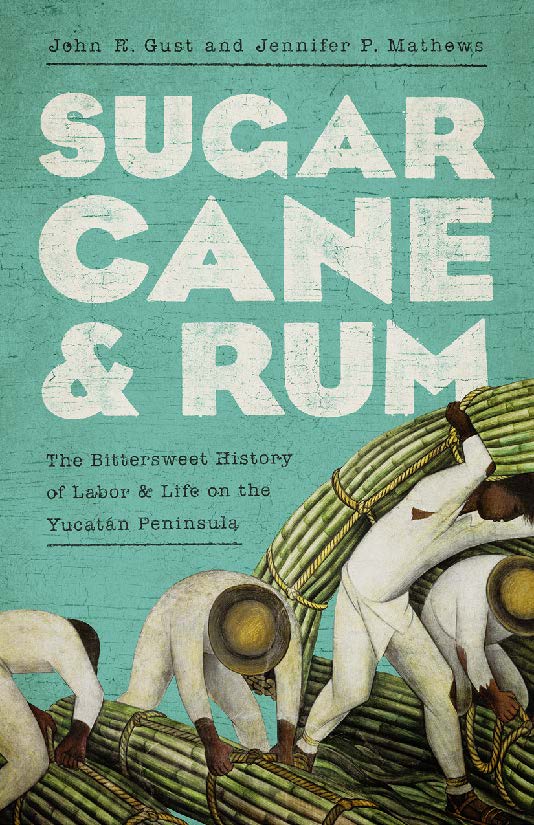
More than a history of coveted commodities, the unique story that unfolds in John R. Gust and Jennifer P. Mathews’s new history Sugarcane and Rum is told through the lens of Maya laborers who worked under brutal conditions on small haciendas to harvest sugarcane and produce rum in the Yucatan Peninsula of Mexico.
“This book is an exciting and innovative contribution to the history of Yucatán. It challenges us to think carefully about the role of commodities in the production of social relations.”—Elizabeth Terese Newman, author of Biography of a Hacienda: Work and Revolution in Rural Mexico
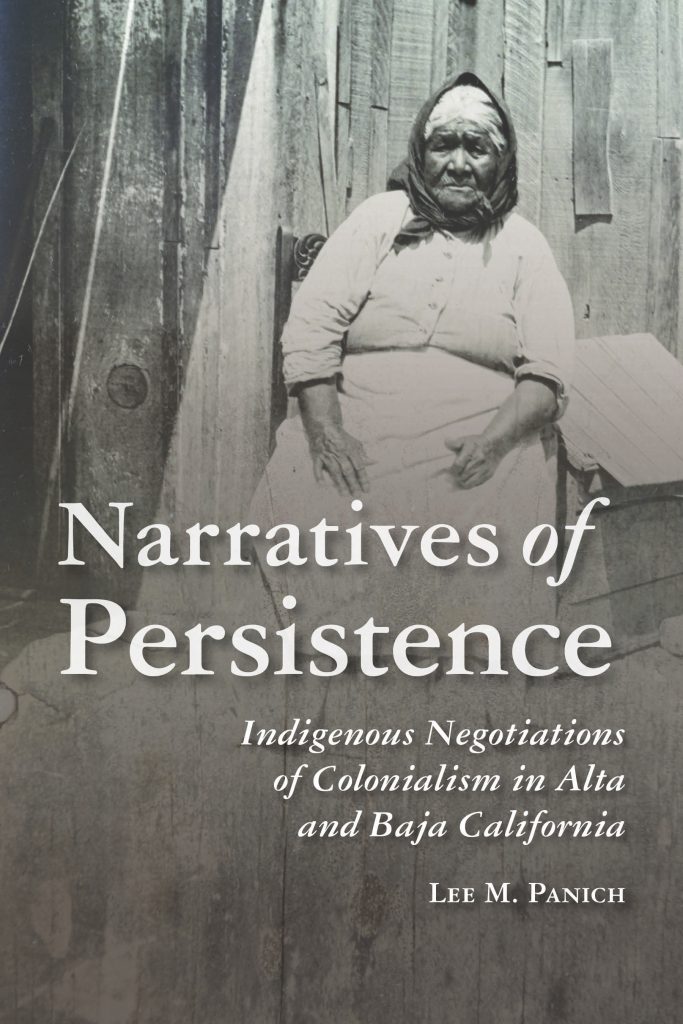
Narratives of Persistence charts the remarkable persistence of California’s Ohlone and Paipai people over the past five centuries. Lee M. Panich draws connections between the events and processes of the deeper past and the way the Ohlone and Paipai today understand their own histories and identities.
“Panich draws connections between the events and processes of the deeper past and the way the Ohlone and Paipai today understand their own histories and identities, offering a model for how scholars of Indigenous histories should think about the connections between the past and the present.”—Ashley Riley Sousa, Middle Tennessee State University
Read an interview with author Lee M. Panich about the book here.
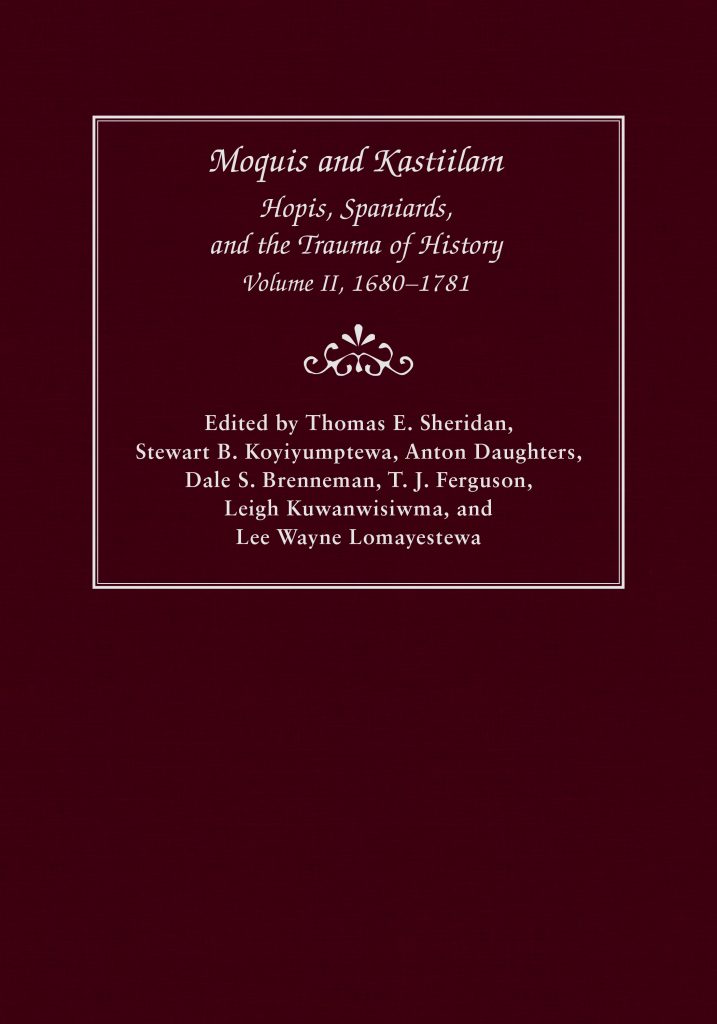
The second of a two-volume series, Moquis and Kastiilam tells the story of the encounter between the Hopis, who the Spaniards called Moquis, and the Spaniards, who the Hopis called Kastiilam, from the Pueblo Revolt through 1781. Balancing historical documents with oral histories, it creates a fresh perspective on the interface of Spanish and Hopi peoples in the period of missionization.
“The editors have offered a fascinating study that will change the way scholars plan and execute community-based research with tribes and tribal people. This volume is a good read and a triumph, offering a model for future research on American Indian people.”—Clifford Trafzer, author of American Indian Medicine Ways
A Diné History of Navajoland brings much-needed attention to Navajo perspectives on the past and present. It is the culmination of a lifelong commitment from the authors, and it is an exemplary work of Diné history through the lens of ceremonial knowledge and oral history. Kelley and Francis present an in-depth look at how scholars apply Diné ceremonial knowledge and oral history to present-day concerns of Navajo Nation leaders and community members. All readers are invited to come along on this exploration of Diné oral traditions.
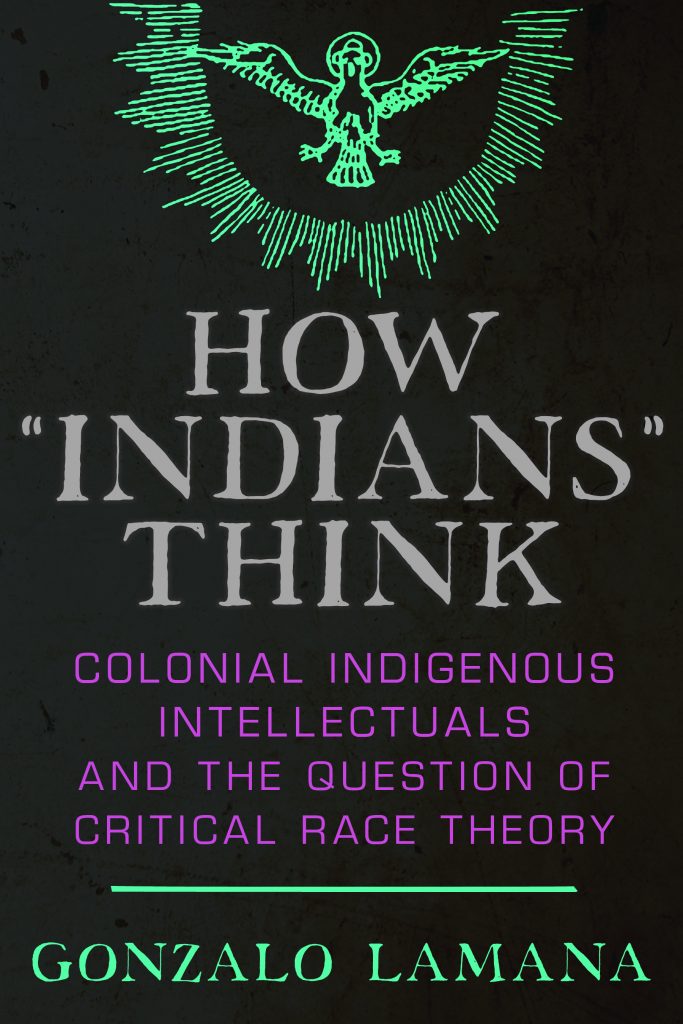
How “Indians” Think shines light on Indigenous perspectives of Spanish colonialism through a novel interpretation of the works of the two most important Amerindian intellectuals in the Andes, Felipe Guaman Poma de Ayala and Garcilaso de la Vega, el Inca. Departing from the predominant scholarly position that views Indigenous-Spanish relations as the clash of two distinct cultures, Gonzalo Lamana argues that Guaman Poma and Garcilaso were the first Indigenous activist intellectuals and that they developed post-racial imaginaries four hundred years ago.
Author Gonzalo Lamana was featured on the New Books Network podcast. Listen to it here.
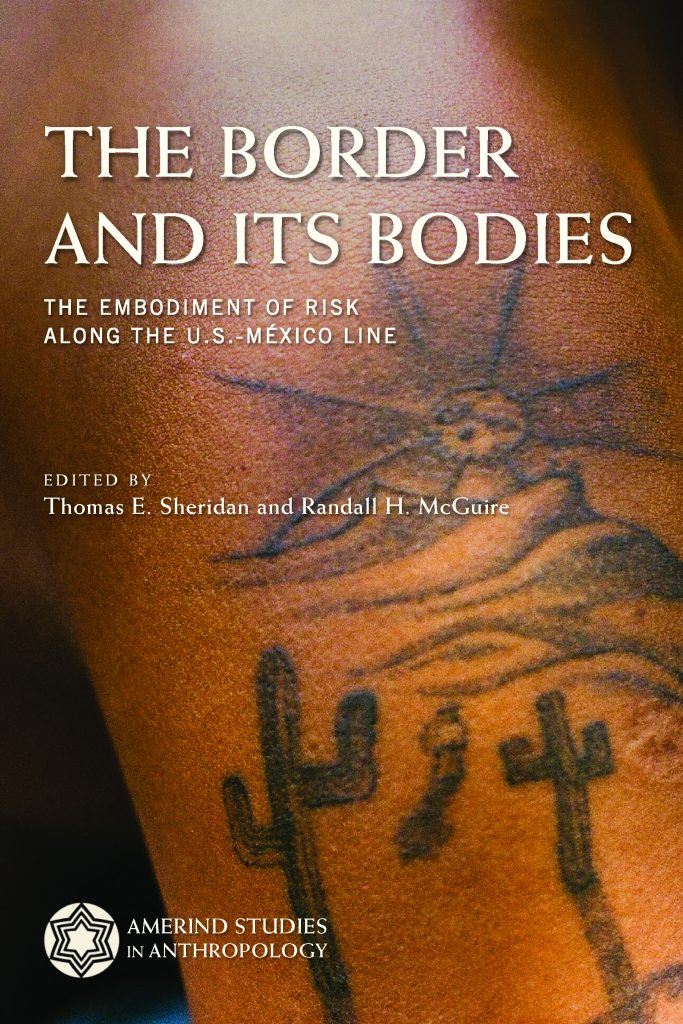
The Border and Its Bodies examines the impact of migration from Central America and México to the United States on the most basic social unit possible: the human body. The increasingly militarized U.S.-México border is an intensely physical place, affecting the bodies of all who encounter it. The essays in this volume explore how crossing becomes embodied in individuals, how that embodiment transcends the crossing of the line, and how it varies depending on subject positions and identity categories, especially race, class, and citizenship.
From the day he was born, Jiménez Caballero was predicted to be a successful man. So, how exactly did a young boy from Tututepec, Oaxaca, become a famous Indigenous jewelry artist and philanthropist in Los Angeles? Federico tells the remarkable story of willpower, curiosity, hard work, and passion coming together to change one man’s life forever.
Rivera, director of the Program for Writing and Rhetoric at the University of Colorado Boulder, read from UNDOCUMENTS, which documents and scrutinizes what it means to seek opportunities in America. With a focus on the poetics of Latinx documentality itself, this book is concerned with the complicated and at times contradictory ways peoples of Greater Mexico have been documented and undocumented within systems of colonial knowledges, and how these peoples have been rendered as specters of the bureaucratic state.
UNDOCUMENTS is from the University of Arizona Press’s Latinx Pop Culture series that aims to shed light on all aspects of Latinx cultural production and consumption as well as the Latinx presence globally in popular cultural phenomena in the late twentieth and early twenty-first centuries.
For Authors
The University of Arizona Press publishes the work of leading scholars from around the globe. Learn more about submitting a proposal, preparing your final manuscript, and publication.
The University of Arizona Press is proud to share our books with readers, booksellers, media, librarians, scholars, and instructors. Join our email Newsletter. Request reprint licenses, information on subsidiary rights and translations, accessibility files, review copies, and desk and exam copies.
Support a premier publisher of academic, regional, and literary works. We are committed to sharing past, present, and future works that reflect the special strengths of the University of Arizona and support its land-grant mission.
 The University of Arizona Press