Field Notes: Susan Alexandra Crate Shares Insights on Climate Change and Permafrost

November 15, 2021

Susan Alexandra Crate has conducted ethnographic research with Viliui Sakha communities of northeastern Siberia, Russia since 1991. Her new book, Once upon the Permafrost, is a longitudinal climate ethnography that explains how her collaborators are affected by and adapting to climate change in the context of their extreme climate. Sakha’s Turkic ancestors migrated north to their present home over 500 years ago and adapted a horse and cattle subsistence to a climate that is characterized by a 100 degree Celsius temperature fluctuation (-60 to +40). They did so by holding their cows in barns nine months of the year and harvesting copious amounts of hay for fodder in the brief sweltering summer. Their adaptation is contingent upon their cosmology that ascertains everything in the world has sentience. This historical belief is also the foundation of the Indigenous knowledge system that informs their adaptation.

Today, Crate shares some notes from her time in northeastern Siberia.

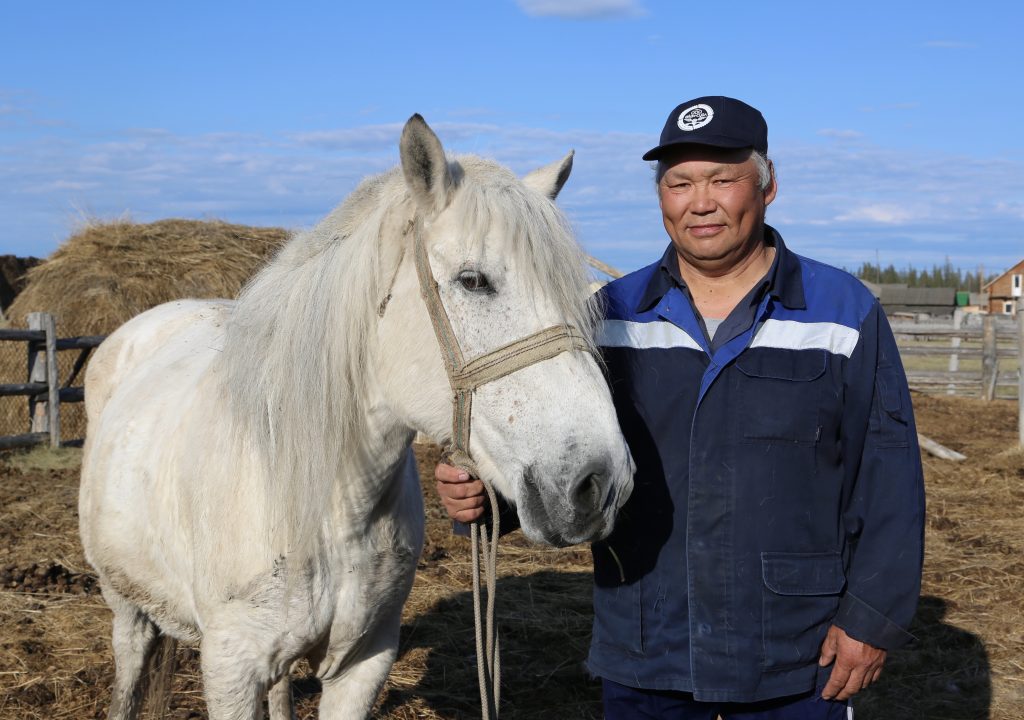
Figure 1: Part of Crate’s investigation involved documenting life histories of individuals who had a certain specialty that privileged them a deeper understanding of how climate change was coming into and affecting their extreme environment. One of those life histories focuses on sylgyhyt (horse breeder) Valerian Yegorovich Afanaseyev, seen here with one of his two riding horses. Valerian’s mantra, ‘Snow is horses’ home’ exemplifies how Sakha horses need a specific climate regime that will deliver the right amount of snow and temperature conditions that allow them to ‘graze’ for fodder under the snow throughout the winter. “They are to work and dig. They need 30-40 cm of snow so they don’t freeze. If it is less than that, they can’t work and so they start going from place to place and they get thin. In short, Khaar sylgy jiete (Snow is horses’ home).” Climate change has disrupted that consistent cycle and horses can no longer prosper. Picture: Valerian Yegorovich Afanaseyev with one of his two riding horses May 21, 2019. Photo by author.

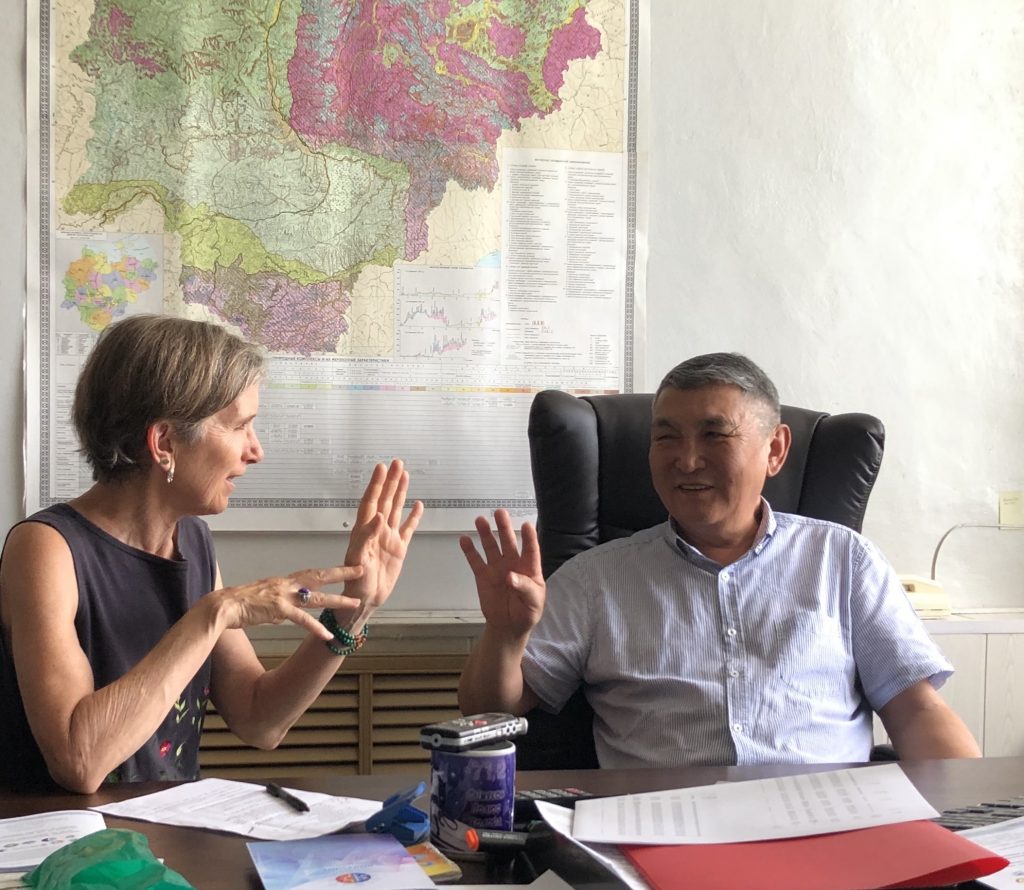
Figure 2: “Since 2005 when inhabitants first began talking about how the winters were not as cold, summers not as hot, rain was ‘wrong’, and other aspects I knew were related to climate change, I sought out a natural scientist to collaborate with to bring an understanding of the physical changes into my work. Since that time I have worked with Alexander Fedorov, permafrost scientist at the Melnikov permafrost Institute, Yakutsk. We conducted ‘knowledge exchanges’ in 2010, working in eight communities in the Viliui regions, to solicit local testimonies of change in the environment and appropriate Alexander’s scientific information for community use. We continue to work to this day, proposing other such knowledge exchange activities in other regions and finding ways to educate inhabitants about how the permafrost is thawing and the effects this has and will have on their lives.” Picture: Crate with Alexander (Sasha), during a work session. Notice the permafrost map gracing the wall. Summer 2018. Photo by Kathryn Tuyaara Yegorov-Crate.

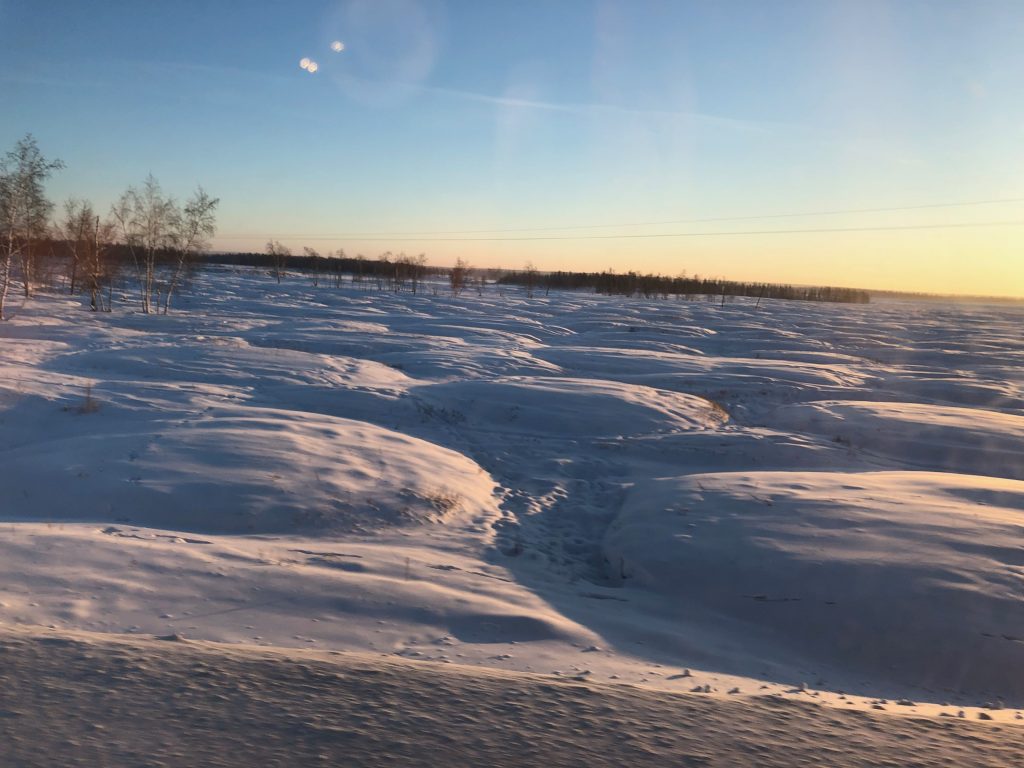
Figure 3: “In the winter of 2018, I made a journey with Alexander to present knowledge exchanges with communities in the Central regions of the Sakha Republic. The last time I had been in these regions was fifteen years ago and I was shocked at how the once flat fields were now transformed into a patchwork of thermokarst, the above ground manifestation of the permafrost layer, found 1-3 meters underground, as it thaws. Our work in the two settlements, Khatilii and Siirdaakh, verified how inhabitants were facing similar challenges that my research communities faced on the Viliui. This included not only changes due to thawing permafrost, unpredictable weather patterns and the like, but also how inhabitants were stopping cattle breeding and young people were leaving for the city, a phenomenon I termed, the complexity of change.” Picture: View out the window as we drove to Khatilii. December, 2018. Photo by author.

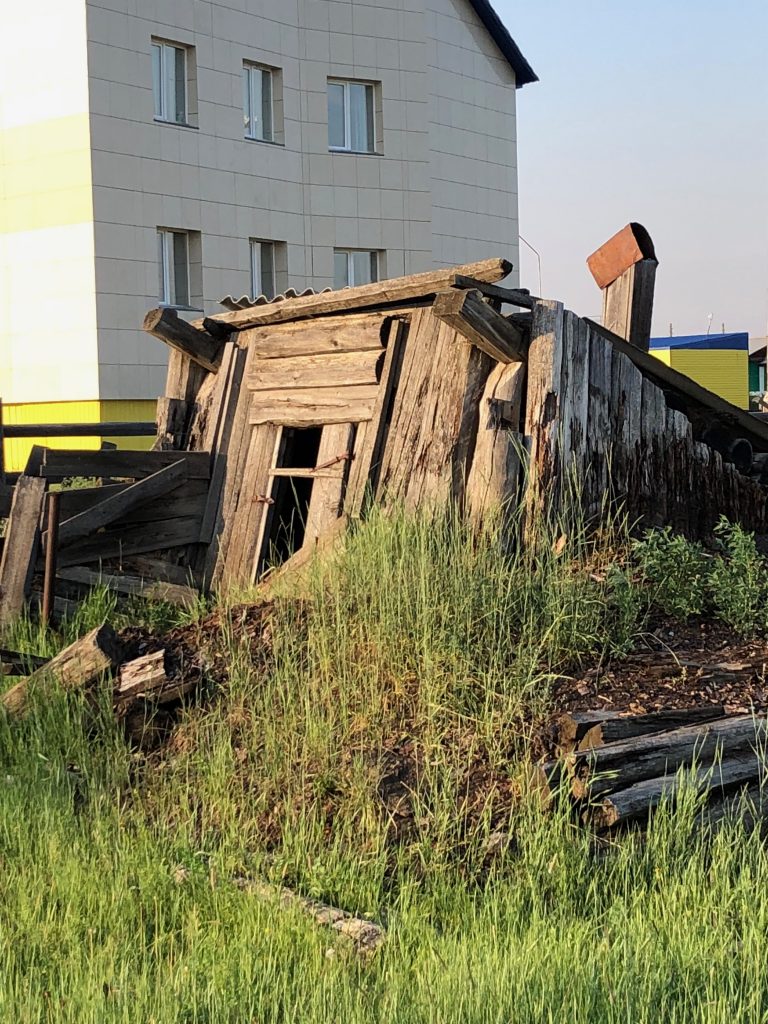
Figure  4: A buluus is an underground storage area that Sakha have used since they came from the south to their northern homeland. It is nothing more than a tunnel dug down to the permafrost layer with a storage space there for perishables to be kept in the temperate seasons. The entryway typically resembles a small hut due to the need for an insulative structure to maintain the permafrost cool. The inundation of the ground with water, due to increases in precipitation and thaw water from permafrost, has flooded most buluus and rendered them useless. One of several comments on this include, “We have a buluus . . . we put our meat there . . . it is deep– but we have to watch it . . . in some places it holds the freeze and in others it doesn’t . . . we know that the permafrost is thawing . . . we can see it in the buluus! It melts now . . . it is not like before.” However, simultaneously inhabitants also have access to electric freezers, which many consider more convenient. The combination of climate change, economic development, and youth out-migration are interacting drivers of change for inhabitants, which I term ‘the complexity of change.’ Picture: “As I was returning to my host’s house after a day of interviews, I saw the juxtaposition of a long-abandoned buluus entry door against the backdrop of the modern Kutana school building and realized how perfectly it visually captured the complexity of change.” Photo by author.

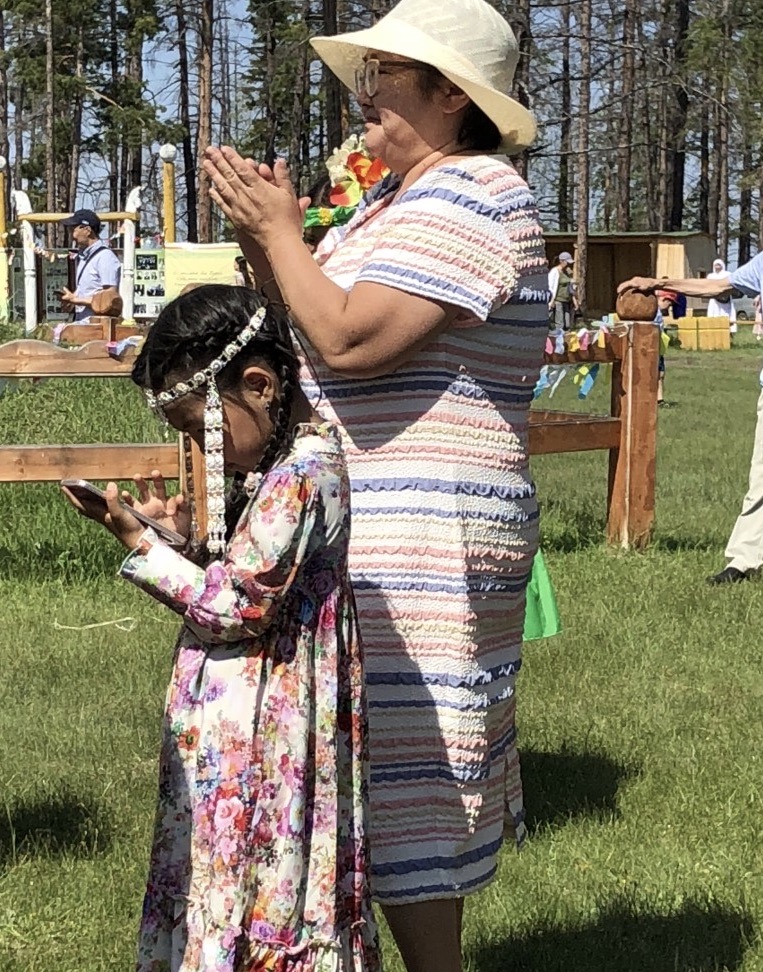
Figure 5: In addition to climate change, economic transformations and demographic shifts in the rural regions, the relatively recent introduction of hi-speed internet has brought about a cultural shift. As one inhabitant put it, “I want to talk about the change in people, in people’s characters . . . now it is very rare to find receptive and interactive people here, for example, on the village streets–they are hard to find. Before people used to take the time to converse with each other. You would meet someone on the street and stop and talk and know the news from each other . . . now everyone walks along staring at their phone–no one needs anyone anymore . . . there is no interaction now . . . today people only interact over WhatsApp!” Picture: Electronic devices are increasingly present in the hands of very young children in both urban and rural settings. Elgeeii yhyakh at Ugut Kÿöl, 2018. Photo by author.

Update from Bears Ears: Summer 2021

June 7, 2021

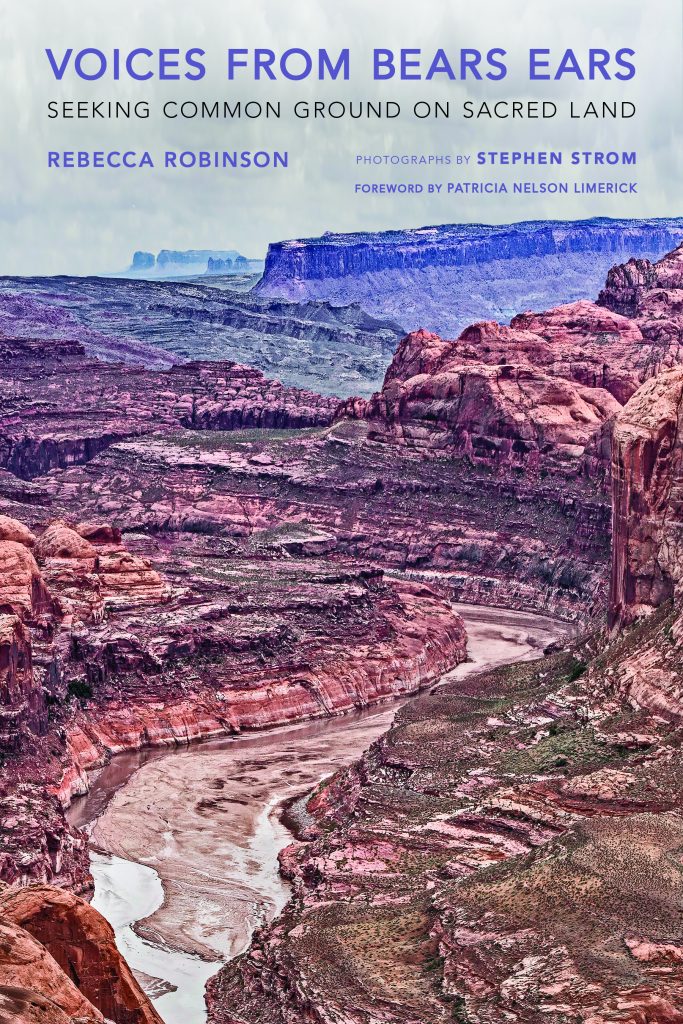
In 2018 we published the book Voices from Bears Ears by Rebecca Robinson with photographs by Stephen E. Strom. The book captures the passions of the debate that led to the creation of Bears Ears National Monument, a land of unsurpassed natural beauty and deep historical significance. The story of this place reflects the cultural crosscurrents that roil our times: maintaining tradition and culture in the face of change, healing the pain of past injustices, creating shared futures, and protecting and preserving lands for future generations. Today author Rebecca Robinson provides an update.

By Rebecca Robinson

It’s been four years since former President Barack Obama established Bears Ears National Monument, and a new chapter in the ongoing debate over the future of a sacred landscape has begun. Here’s what you need to know about all things Bears Ears as the Biden administration prepares to make key decisions about its future.

Where is Bears Ears?

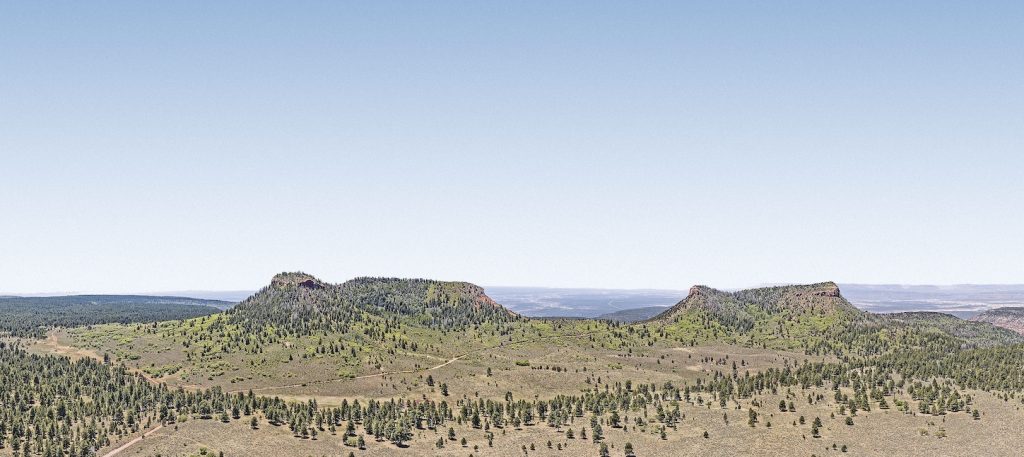
Bears Ears National Monument is located in southeast Utah, not far from the “four corners” where Utah, Colorado, New Mexico, and Arizona meet. Encompassing 1.35 million acres of public land managed by the federal government, and named for twin buttes visible for 60 miles in every direction, Bears Ears is adjacent to the Navajo Nation and Ute Mountain Ute tribal lands, and contains the ancestral homelands of the Hopi, Zuni, Ute Indian Tribe, and other Pueblo tribes. Their cultural and spiritual connection to the landscape is profound; to them, the land is sacred.

Descendants of Mormon pioneers who were the first Anglo settlers in the region also call Bears Ears country home, and similarly feel a strong spiritual attachment to the land their Heavenly Father called them to settle and steward. 

Why was Bears Ears National Monument established?

The Bears Ears region has long been eyed for protection by conservationists drawn to its natural wonders and archaeologists who view the region as historically significant due to the abundance of Indigenous cultural resources: stone structures, tools, pottery, and petroglyphs documenting more than a millennium of human habitation. 

The region’s Indigenous peoples have always had a strong interest in protecting this land, which they have called home since time immemorial. But it was not until the formation of the Bears Ears Inter-Tribal Coalition in 2015 that Native American Tribes successfully petitioned a presidential administration to protect their sacred lands. The Coalition’s proposal laid the foundation for the national monument established by Obama in December 2016, just before he was succeeded as President by Donald J. Trump.

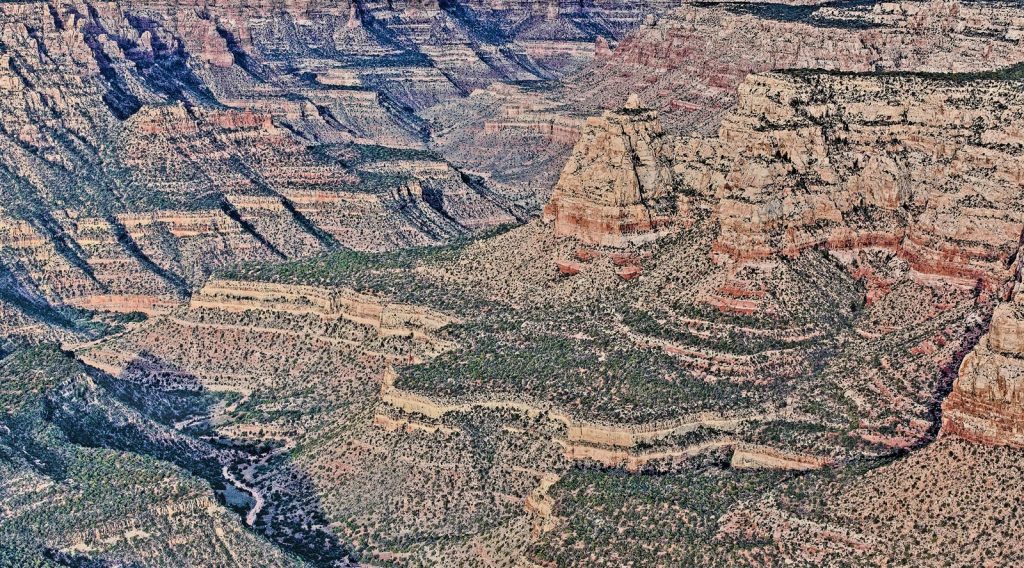
Dark Canyon Aerial by Steve Strom

What happened to Bears Ears during the Trump administration?

Following the establishment of Bears Ears, a small but vocal group of local residents (mostly Anglo, many Mormon pioneer descendants) and key members of Utah’s state and Congressional delegation (all Republican) lobbied the Trump administration to reduce or abolish the monument. In their view, Obama’s establishing the monument using the Antiquities Act – an executive order, as opposed to legislation – was a prime example of federal overreach that would devastate the local economy by preventing drilling and mining on monument land. 

Other locals and advocates nationwide applauded Obama’s decision, viewing it as a victory for the Tribes and the environment and an opportunity to invest in an economic future based on outdoor recreation instead of mineral extraction.

The opponents had Trump’s ear, however, and in December 2017, Trump reduced Bears Ears by 85% and reopened lands protected by Obama to extractive industries. Conservation organizations, recreation companies, and Tribes filed multiple lawsuits, claiming a president does not have the right to reduce a monument created by a predecessor. Those suits are still pending in federal court.

Will anything change now that Joseph R. Biden is president?

While on the campaign trail in 2020, Biden pledged to undo Trump’s “assaults on America’s natural treasures,” including reducing Bears Ears. On his first day in office, Biden signed an executive order directing the new Secretary of the Interior to conduct a review of Trump’s monument reductions and recommend actions Biden can take. 

Who is the new Interior Secretary?

In March 2021, the Senate confirmed former New Mexico Rep. Deb Haaland (D) to lead the Interior Department. Haaland, who is from the Pueblos of Laguna and Jemez, is the first-ever Indigenous Interior Secretary. 

Her appointment would seem to bode well for Bears Ears. Through her past legislative work and in public statements, she has sent a clear message that she is and will continue to be a strong advocate for Native-led efforts to protect and steward public lands.

Last month, Haaland visited southeast Utah and spoke with residents of communities adjacent to Bears Ears about their thoughts, concerns, and visions for the future of the monument. She is expected to make a recommendation to Biden in the coming months.

The Bears Ears Coalition underscored the significance of Haaland’s appointment:

“Historically, the [Interior Department] has maintained a tumultuous and painful relationship with Native peoples. As such, uplifting an Indigenous Pueblo woman to lead in this role is a monumental moment for Indian Country.”

Bears Ears Aerial by Steve Strom

What about the opposition?

Many of Utah’s Republican state and Congressional leaders oppose undoing Trump’s actions, and even want to pass legislation preventing any future president from using the Antiquities Act to establish national monuments in Utah.  

However, all signs point to the Biden administration restoring and perhaps expanding the original boundaries—and a resounding victory for Bears Ears advocates and Tribes.

Rebecca Robinson is a Portland, Oregon–based writer. Her work has been widely published, and she has received numerous awards for her work in print, radio, and online media.

Field Notes: David DeJong Shares Images from the Florence-Casa Grande Project

May 18, 2021

In the late nineteenth and early twentieth centuries, Americans assumed the land and water resources of the West were endless. Water was as vital to newcomers to Arizona’s Florence and Casa Grande valleys as it had always been to the Pima Indians, who had been successfully growing crops along the Gila River for generations when the white settlers moved in. In Diverting the Gila: The Pima Indians the Florence-Casa Grande Project, 1916-1928 author David DeJong explores the complex web of tension, distrust, and political maneuvering to divide and divert the scarce waters of the Gila River.

Today the author shares photos and extended captions that help highlight the history in Diverting the Gila.

Courtesy Museum of Casa Grande

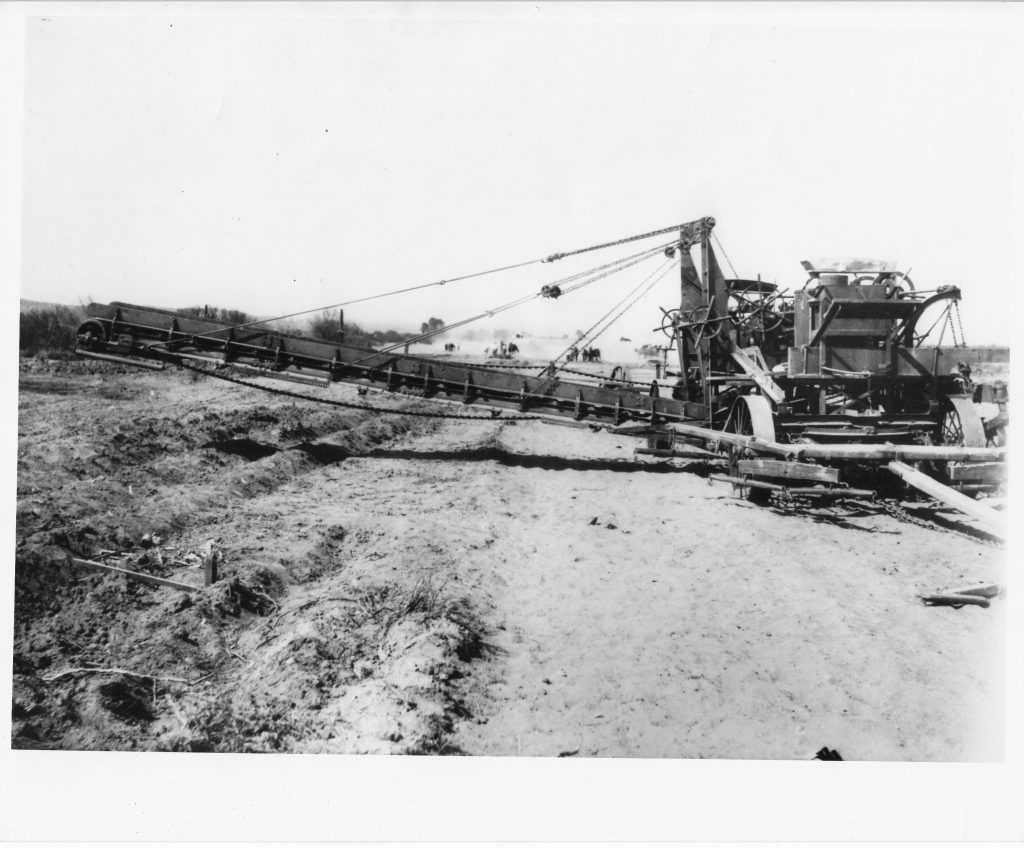
New England Grading Machine. In 1912 the Casa Grande Valley Water Users Association (CGVWUA) purchased a New England Grading Machine for the purpose of excavating the channel of the Casa Grande Canal (present-day Florence-Casa Grande Canal). The CGVWUA was formed in 1911 to construct a canal parallel and upstream to the Florence Canal to convey water to the small agricultural town of Casa Grande. The task was daunting and the CGVWUA managed to construct but half of the canal by 1915. The project failed to be completed and the canal was purchased by the United States for $50,000 and incorporated into the new Indian Irrigation Service constructed and operated Florence-Casa Grande Project (FCGP) to convey water to the Gila River Indian Community and non-tribal growers in the Florence-Casa Grande Valley.

Courtesy of Pinal County Historical Museum in Florence

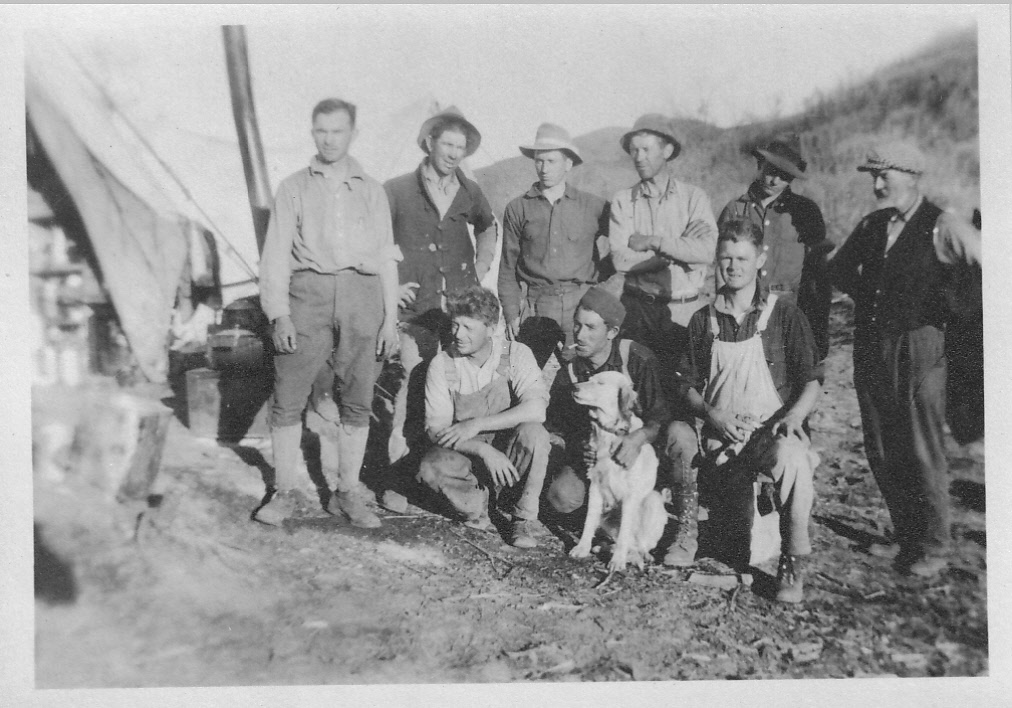
The men of the Florence-Casa Grande Project. The FCGP was authorized in May 1916 but construction did not begin until 1921. In the post-World War One years, the Arizona economy slowed, leaving many people out of work. Local towns encouraged the Indian Service to begin construction as soon as possible to provide employment, but because a landowners’ agreement took time to negotiate, construction was delayed. When work commenced in January 1921, Charles Olberg and his Indian Service engineers hired over 600 employees to construct the diversion dam. Most of the workers were unskilled men earning $2.50 a day while skilled workers were paid $3.00 to $5.00 per day. Nearly all of these men are lost to antiquity but the project they constructed continues to serve its purpose today.

Courtesy of Pinal County Historical Museum in Florence

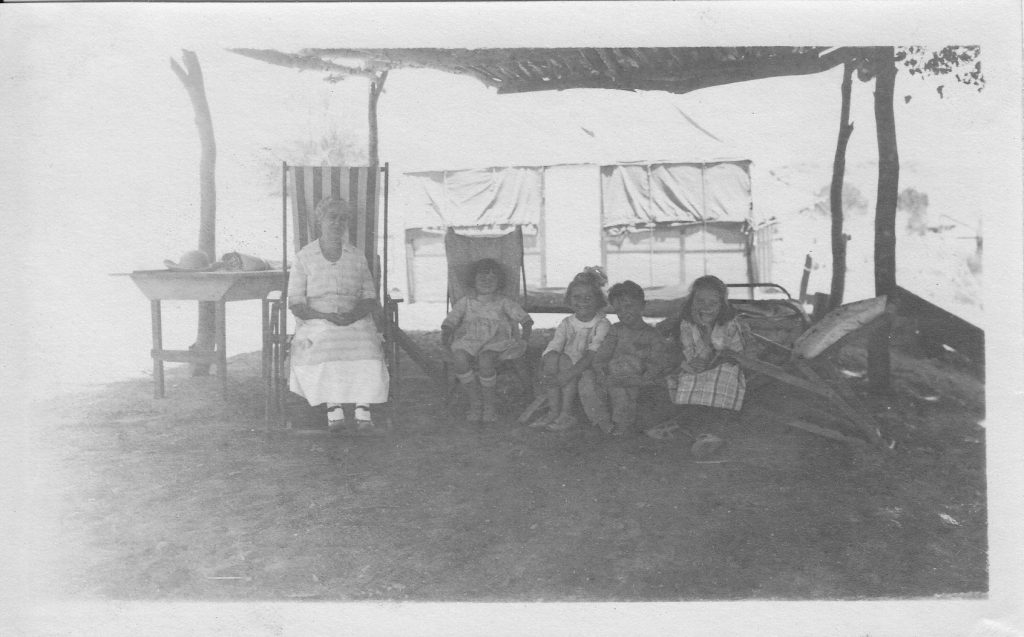
Entire families lived at the diversion dam site. While most of the men who worked at the Florence diversion dam were single, many brought their families. The construction camp at the diversion dam (present-day Ashurst Hayden Diversion Dam) became a small city, complete with a water and sewer system, a telegram and post office, fire department, dry-goods store and a school. Most of the facilities were simple shade structure or tents, with many of the men sleeping outside under ramadas. The engineers and other skilled workers live in more permanent facilities, including chief engineer Charles Olberg who lived in a three-room cottage on site. Olberg’s wife Eloise was the only death, as she died of a stroke in October 1921.

Courtesy of Pinal County Historical Museum in Florence

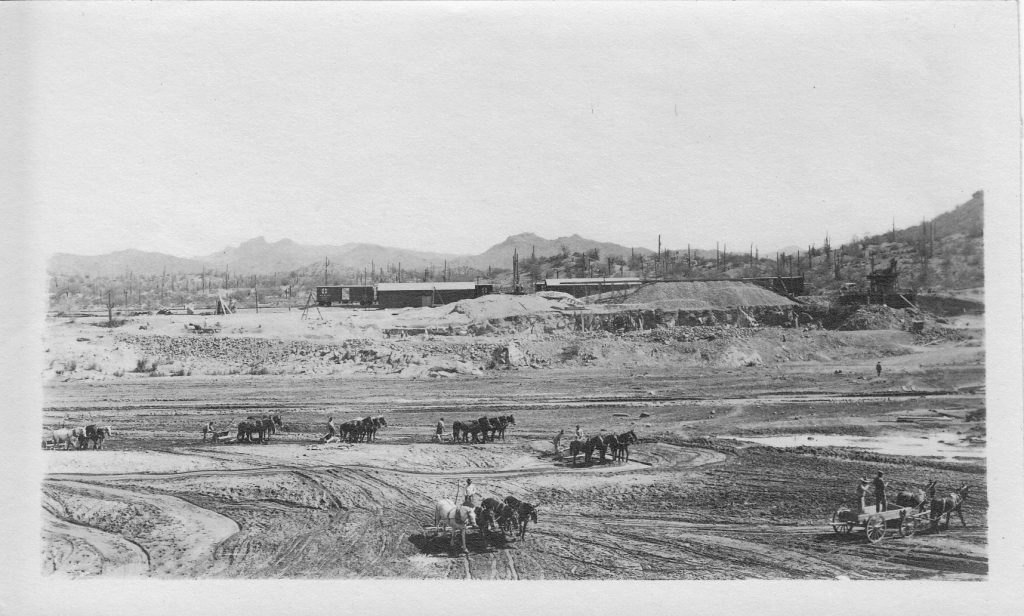
Fresno scrapers. Most of the earthwork at the diversion dam was conducted by four-team Fresno scrapers. Men providing their own horses were paid $20 per month. Scores of locals hired out their wagons (paid $10 to $15 per month) and teams to move rock, cement and other supplies brought in by the Arizona Eastern Railroad, seen on the north side of the Gila River. Challenges with moving cement and dynamite from the railhead on the north side of the river to the south side occurred when the river flooded, as it did on July 4, 1921. A pedestrian bridge was constructed over the river for men but supplies from the north side remained stranded until the river flow diminished.

Courtesy of Pinal County Historical Museum in Florence

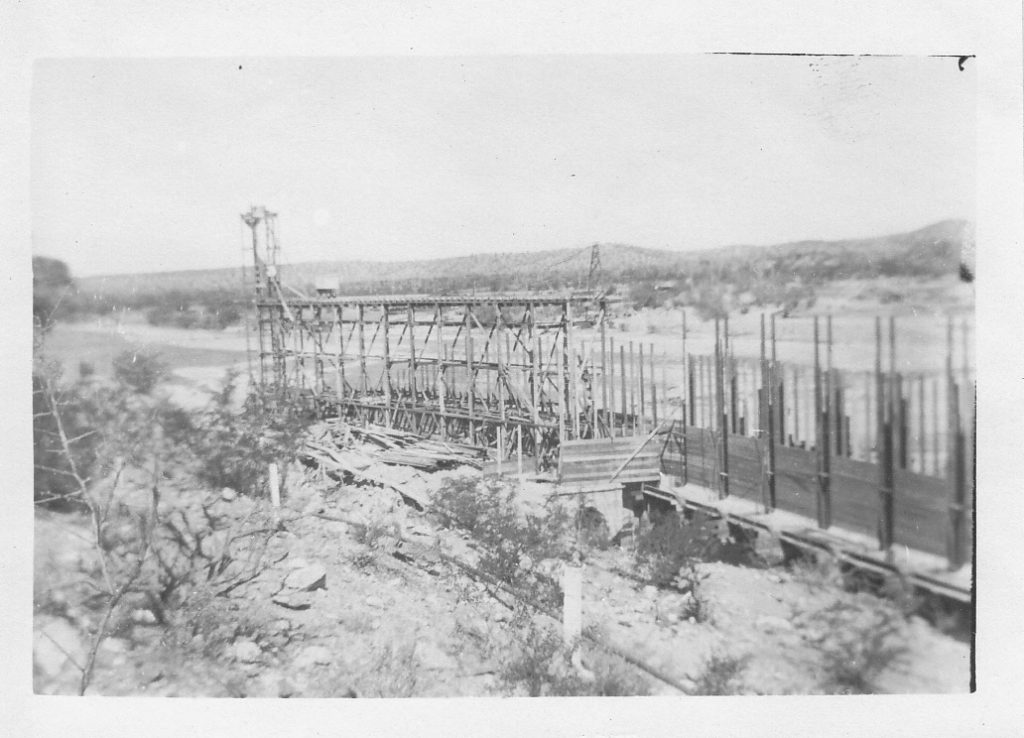
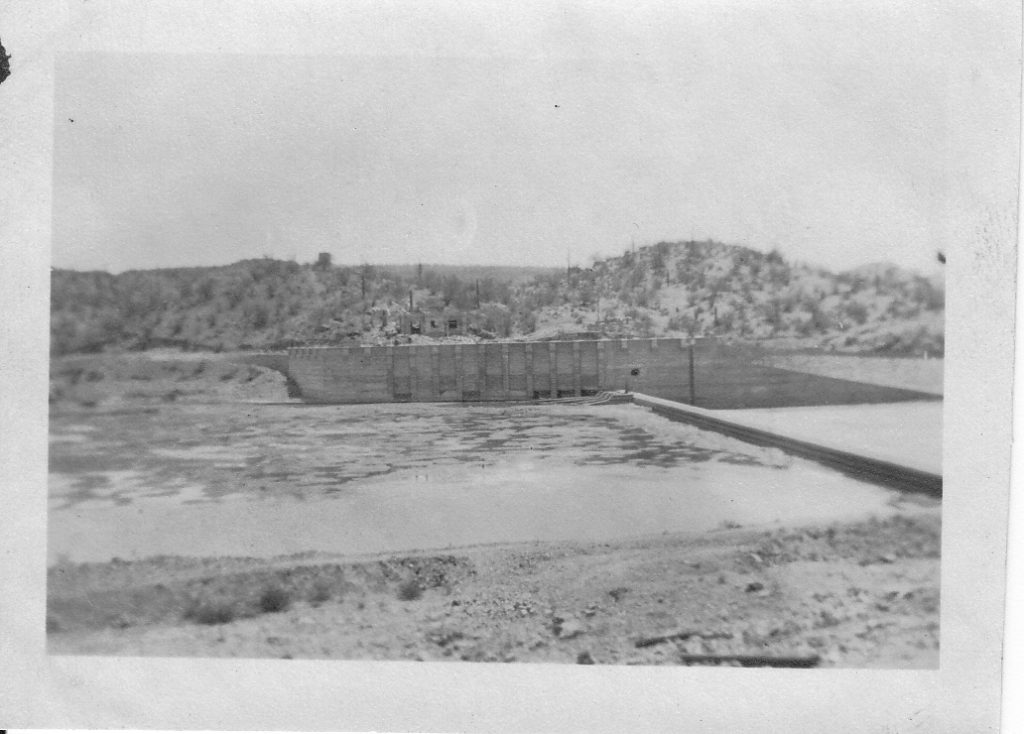
Intake Gates at the diversion dam. The dam across the river was an East Indian Weir that “floated” on the sandy surface of the riverbed. The nine intake gates (right on photo) were located on the south side of the river and were designed to skim water from the river while allowing sediment to go downstream. The design worked poorly as the front of the intake gates was continually choked with sediment. Construction of the vertical wall leading to the top of the inlet gates and the dam tenders house to the south (left side of photo) was without any safety features. Concrete mixed on the north side of the river was conveyed across the river on a narrow gauge trestle with three-quarter cubic yard cars pulled by “dinkies,” or small Ford motor-powered engines. Amazingly, no one was injured during the pouring of the cement walls.

Courtesy of Pinal County Historical Museum in Florence

Completed Florence (Ashurst-Hayden) Diversion Dam. The diversion dam consists of an upstream articulated slab of concrete 142 feet wide and 396 feet long and two to five feet thick. Then there was the “floating” weir 396 feet across the river with a downstream 70 feet wide by 396 feet long concrete slab and talus rock blanket to protect the structure from eroding. Over six hundred men poured the slab working in three shifts 24-hours a day, completing it in twelve days. A gasoline engine provided the power to operate the hydraulic gates inside the inlet structure at the center of the photo. A small building behind the dam housed the engine and supplies. A dam tender’s house was later constructed on the hill to the right of the engine room.

Courtesy of Keith Dindinger

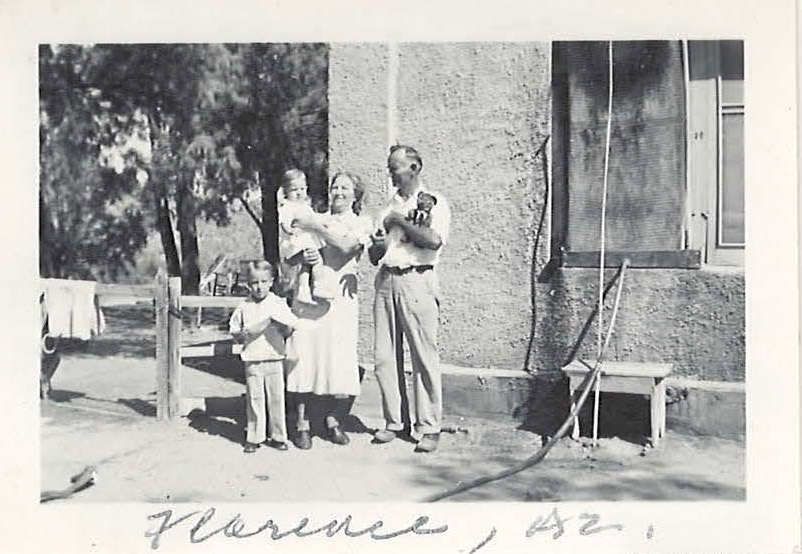
The Dindinger family. Paul Dindinger was the dam tender at the Florence Diversion Dam. He and his wife Olga resided at the dam until the late 1940s. Grandsons Keith (5) and Lee (1) were born in Florence and grew up around the dam and headworks of the Florence-Casa Grande Canal.  Keith now resides in San Diego and travels to the site regularly. The dam tenders house was abandoned in the early 1980s. It was burned to the ground in 2004. Ashurst-Hayden Diversion Dam was rehabilitated under the authority of the Arizona Water Settlements Act of 2004. While no longer requiring a dam tender on site, the dam is still an integral part of the San Carlos Irrigation Project.

David H. DeJong holds MA and PhD degrees in American Indian policy studies from the University of Arizona. He has published seven books, including Stealing the Gila, as well as dozens of articles about federal Indian policy. DeJong is director of the Pima-Maricopa Irrigation Project, a construction project funded by the U.S. Bureau of Reclamation and designed to deliver water—from the Central Arizona Project, the Gila River, and other sources—to the Gila River Indian Reservation.

Field Notes: The Islanders of Chiloé

January 21, 2021

One of the more culturally distinct regions of South America is the Archipelago of Chiloé, a cluster of more than two dozen islands situated a few miles west of the Patagonian coastline. Residents of Chiloé have long resisted cultural pressures from mainland Chile, often identifying themselves as islanders (Chilotes) first and Chileans second. Anton Daughters first visited the region as an adolescent in the mid 1980s. Returning as an anthropologist two decades later, he was struck by the stark shift that much of the archipelago had undergone. Many families once reliant on rural fishing and farming had become dependent on low-wage jobs in the growing salmon-export industry. His research since 2004 has focused on those changes, emphasizing the impact that large-scale economic transformations can have on the collective identity of island communities. The images below–taken between 2006 and 2018–offer snapshots of some of the people and places in Chiloé chronicled in Memories of Earth and Sea.    

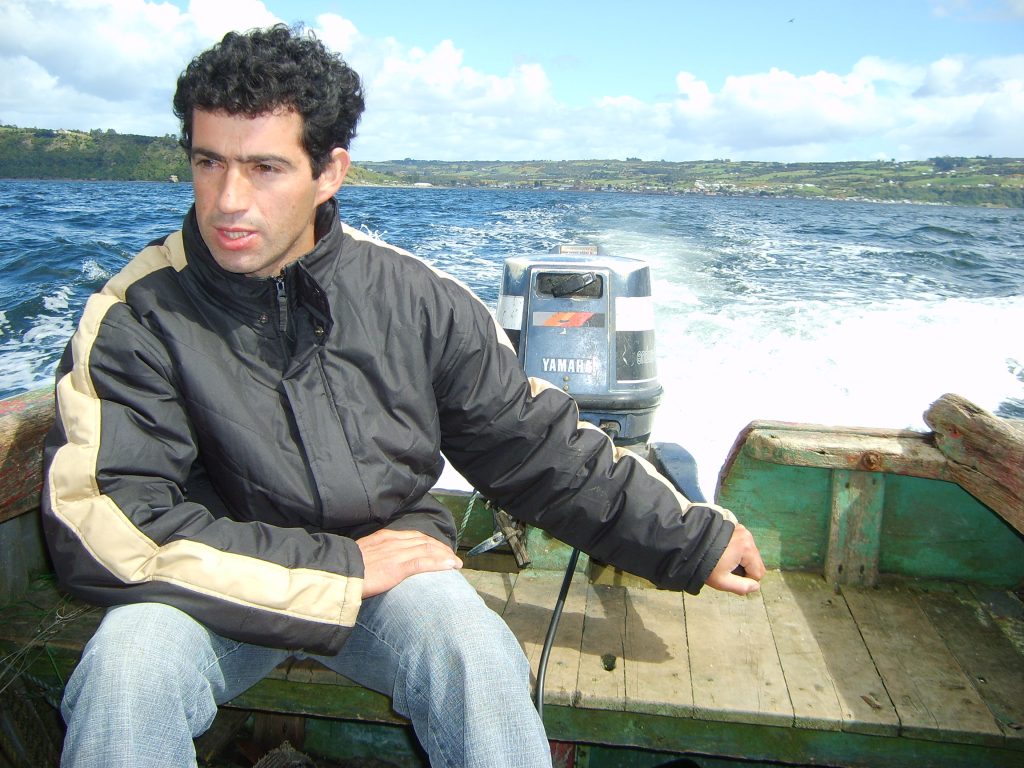
Image 1 – A young man navigates his motor boat between the islands of Llingua and Quinchao in Chiloé. For decades, many islanders relied on small-scale fishing (carried out on motor boats like this one) to supplement farming, shellfish-gathering, and the tending of livestock. The arrival of large-scale aquaculture companies in the 1990s and early 2000s triggered a shift to wage labor, pulling some islanders away from more traditional rural livelihoods and, by extension, their networks of labor reciprocity. Islands like Llingua and Quinchao—whose populations were mostly or entirely rural—were hit especially hard by the changes. While families with motorboats were able to sustain small-scale fishing ventures and fulfill agricultural labor-debts with neighbors, other families were drawn to low-wage jobs and a cash economy that often divorced them of their rural livelihoods and ultimately placed them in more tenuous economic circumstances. (Photo by Anton Daughters)
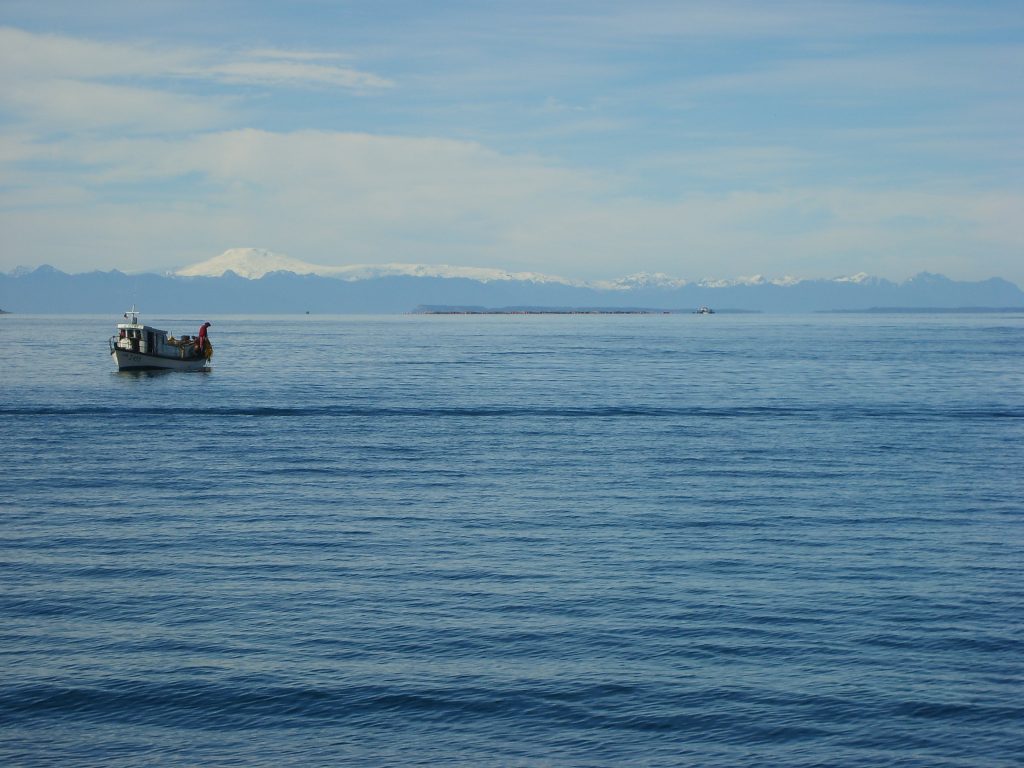
Image 2 – A fisherman scans the waters off Quinchao Island. The tallest peak in the background is Volcano Michinmahuida, located on the mainland of South America in Pumalín Park, a sector of Patagonia. Fishing boats like these form a mainstay of small-scale, artisanal fishing ventures in Chiloé, even while wild stocks of fish (hake, conger eel, and several varieties of bass) have fluctuated significantly over the years. Chile’s national fishing agency placed a series of bans on the extraction of wild hake (merluza) starting in 2014. A red tide crisis in 2016 dealt a further blow to fishing as a viable livelihood. Today, artisanal fishing is carried out only intermittently throughout the archipelago. (Photo by Anton Daughters)
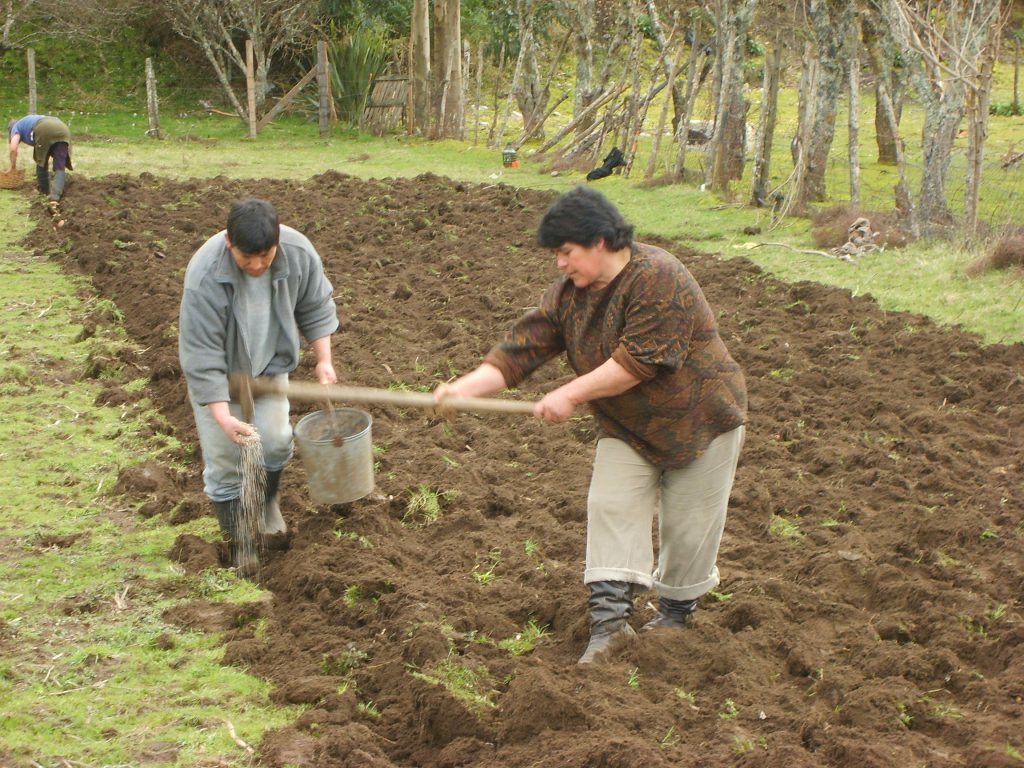
Image 3 – With help from neighbors, Irene Mansilla tills the earth for the planting and fertilizing of potatoes. Irene and her husband are among 400 or so residents of the island of Llingua. For decades, their primary form of subsistence has been farming, fishing, shellfish-extraction, and the tending of a few scattered livestock on their property. Agricultural work is typically done through reciprocal arrangements with neighbors (mingas). Despite the installation of large salmon farms and processing plants along neighboring islands, the Mansillas have been able to maintain a strategy of diversified rural livelihoods, thanks largely to their ownership of a fishing boat, their association years ago with a local fishing cooperative, and the labor assistance they get from neighbors. Other rural islanders have been less fortunate, finding their subsistence livelihoods nearly impossible to maintain in the face of a growing regional cash economy. (Photo by Anton Daughters)

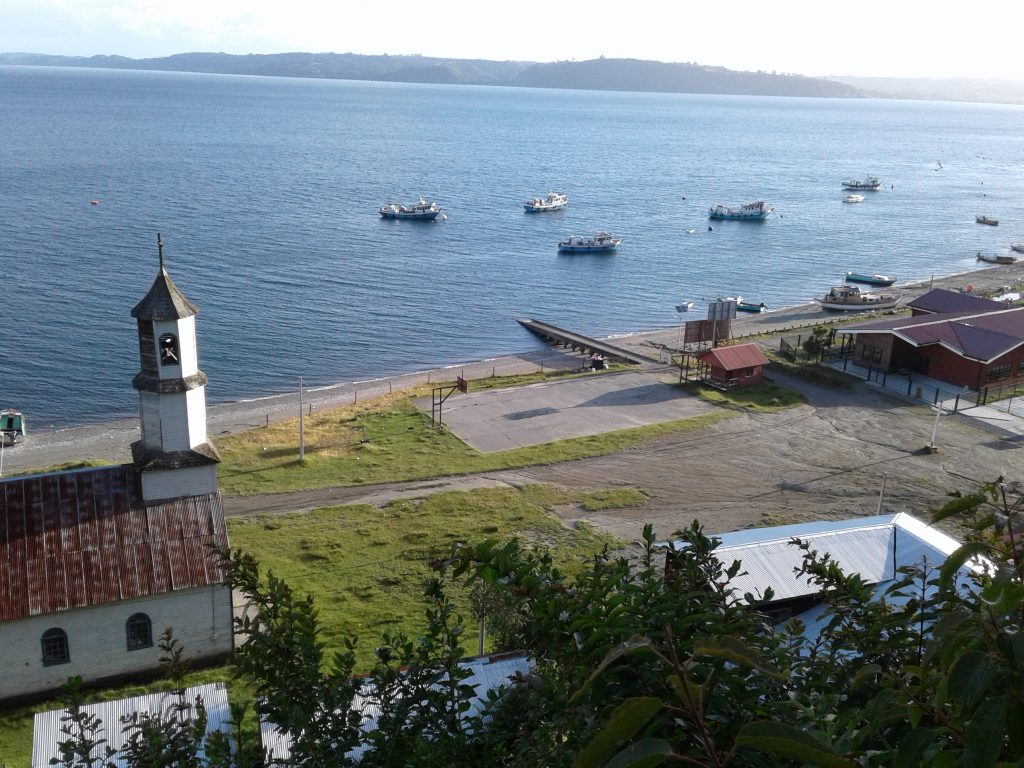
Image 4 – This view of Llingua Island’s steeple (built in 1912) and southern dock also shows the island of Quinchao in the backdrop. Communities on both islands have experienced significant economic shifts over the last two decades, leaving many families struggling to maintain subsistence farming and fishing and networks of labor assistance with neighbors. (Photo by Anton Daughters)
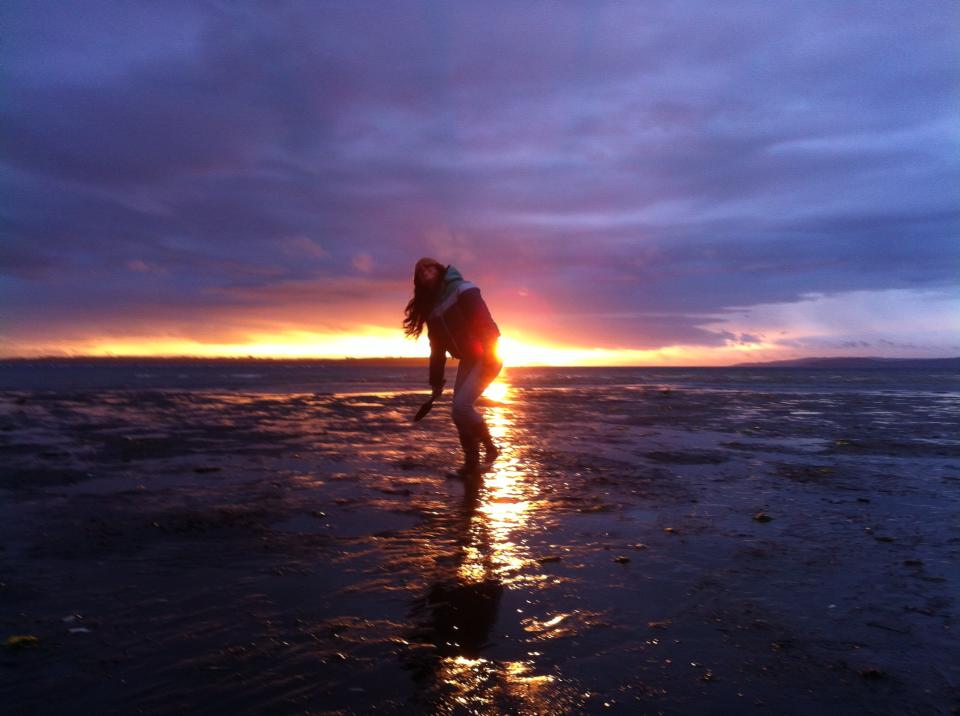
Image 5 – Danny Leviñanco searches for shellfish on the shores of Quinchao. Danny grew up in a rural household on neighboring Caguach Island. Today she works as a resident schoolteacher on the island of Chuit (population 97). She also assists rural islanders in their efforts to legally resist the expansion of large-scale aquaculture industries into their offshore space. (Photo by Danny Leviñanco)

***

Anton Daughters is an associate professor of anthropology at Truman State University.

Field Notes: Nathaniel Morris on Fiestas in the Mountains of Mexico

December 1, 2020

Leafing through documents in the archives could only ever tell historian Nathaniel Morris half of the story he was trying to piece together. He wanted to reconstruct the way in which the Mexican Revolution of 1910-1940 had unfolded in the remote, mountainous Gran Nayar region of western Mexico, and the effects this had had on the identities of its inhabitants. But few of the bandits, teachers, generals, politicians, agronomists or rebel guerrillas active there during that turbulent era left detailed records of their activities. And most of the local population – mostly Indigenous Náayari (Cora), Wixárika (Huichol), O’dam (Tepehuano) and Mexicanero people – had been illiterate, which meant their voices were also largely missing from the documentary record. It was vital, then, for Morris to travel to the Gran Nayar itself, to track down the area’s oldest remaining inhabitants and hear directly from them about how, and why, their forebears (and, in some cases, they themselves) had taken part in the peasant uprisings, military revolts, coups, agrarian reforms and radical cultural projects that swept Mexico during the first half of the twentieth century. These interviews form the core of Morris’ new book, Soldiers, Saints and Shamans, which explores the complex and often conflictive relations between Náayari, Wixárika, O’dam and Mexicanero communities and the revolutionary Mexican state.

Today we share a few of Morris’ photos and extended captions from his fieldwork, which offer insight into the stories and methods that have informed his work.

All photos and captions by Nathaniel Morris.

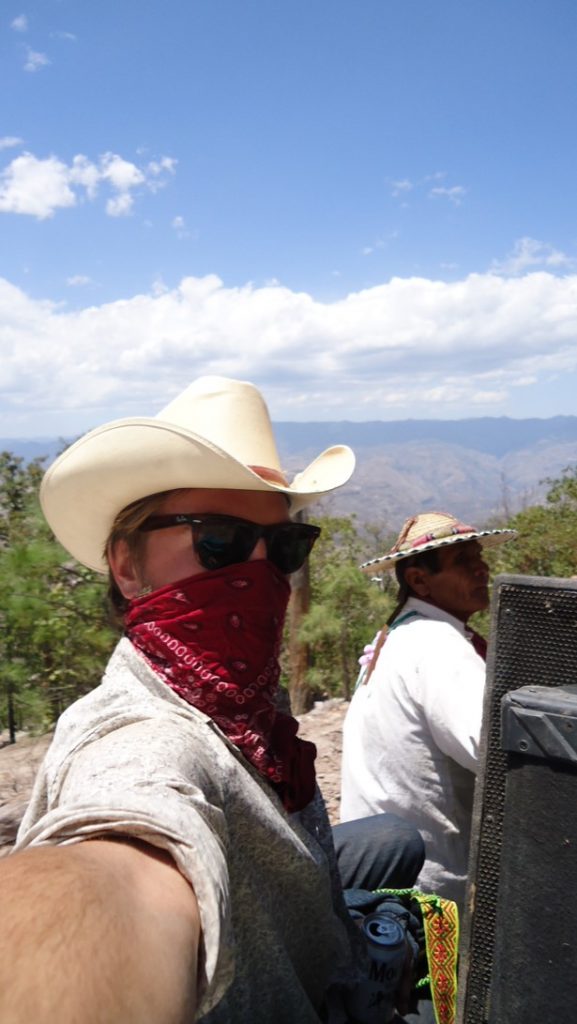
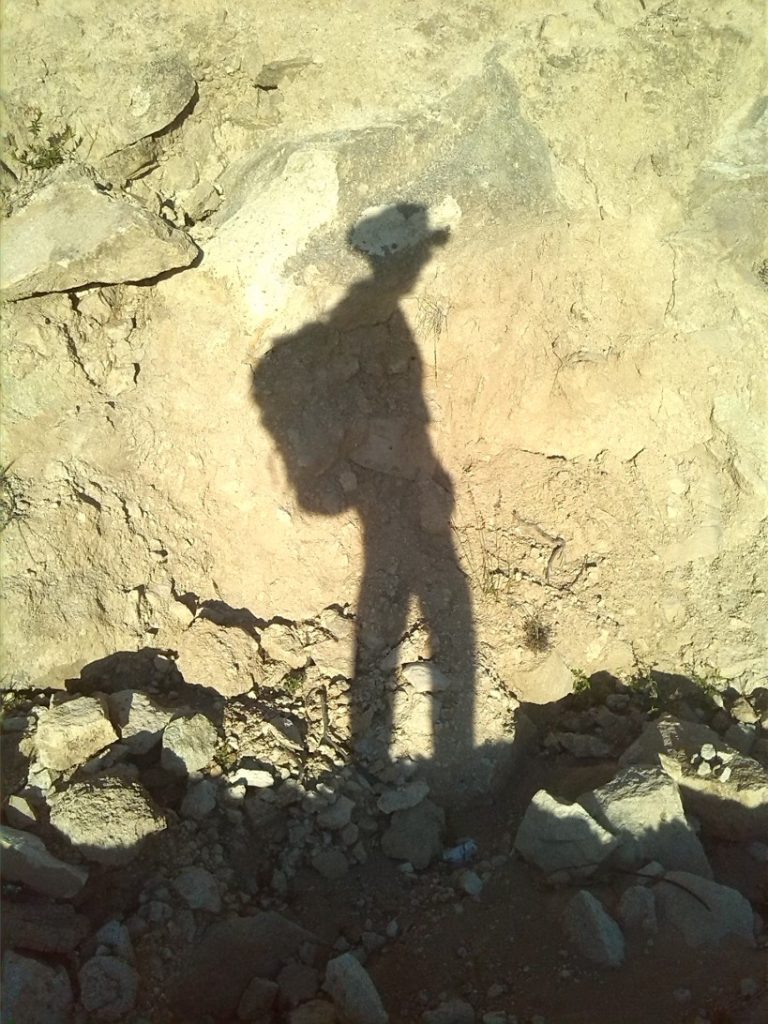
1: To carry out my research in the Gran Nayar – a region of mountains, canyons, pine forests and scrubland with a scattered population and few paved roads – I had to walk, hike, ride horses, and hitch rides in the backs of pick-up trucks. This sort of travel – often gruelling, sometimes scary, but always eye-opening – enabled me to track down many of the region’s surviving eyewitnesses to the revolution; and it also helped me to understand the diverse landscapes and climates in which they and their forebears have made their lives, and the routes and connections between places and people. The beliefs, practices, and the very ethnic identity of the Náayari, Wixárika, O’dam and Mexicanero peoples is completely tied up with the lands in which they live, which the gods brought into being to replace previous worlds destroyed as part of an ongoing “cosmic battle” between light and darkness, order and chaos, aridity and fertility. The story of this creation is inscribed in the geography of the Gran Nayar, which is strewn with thousands of sites identified with the gods and ancestors and their stories. In the Gran Nayar, land is simultaneously culture, identity, and history.

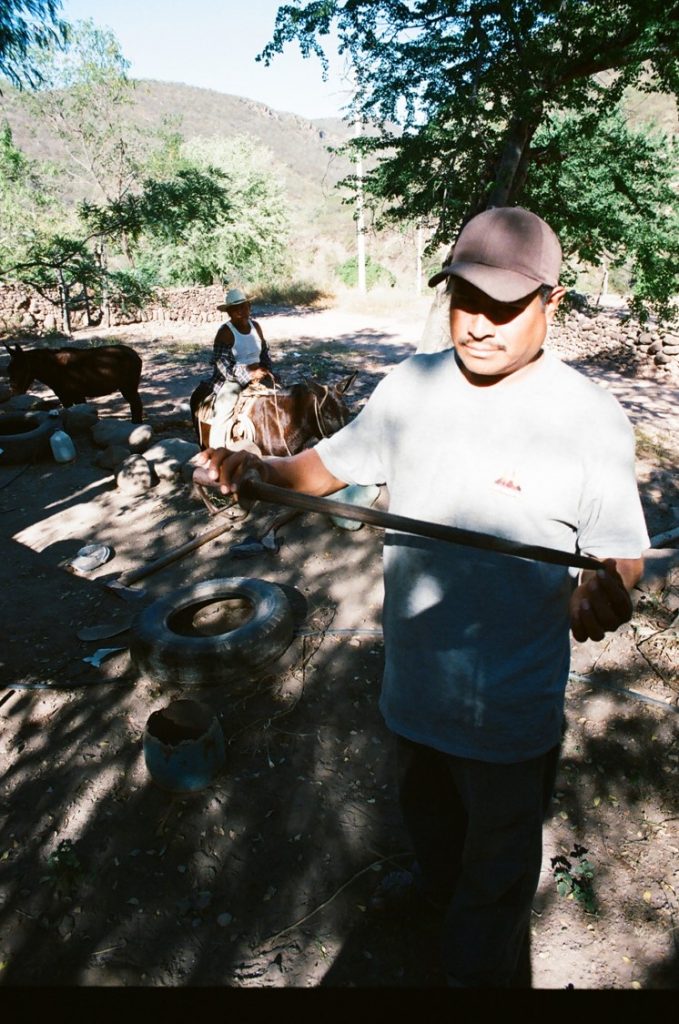
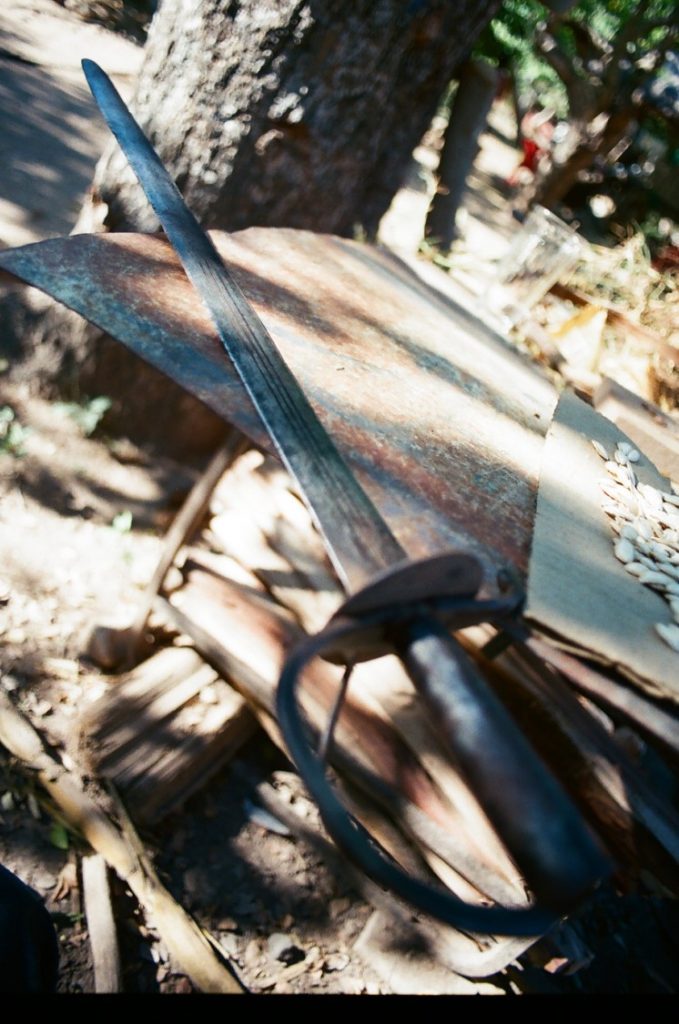
2: Here you can see the great-grandson of Mariano Mejía – one of the central characters in my book, and the single most powerful man in the whole Gran Nayar during the 1920s – showing me Mejía’s sword. Meeting the relatives of the historical figures I was investigating, hearing the stories that had been passed down within their families, and – as in this case – seeing and even being able to hold artefacts from the Revolutionary era, really helped me to connect to my research. While gathering this oral testimony I lived with Náayari, Wixárika, O’dam, Mexicanero and mestizo families. I ate their food, slept on their floors, learned a little (far too little) of their languages, and listened to their own stories — often sad, sometimes hilarious — of their own lives in the region. And so it became almost a personal quest for me to fill in this gaping hole in our records of the Revolution where the Gran Nayar should’ve been.

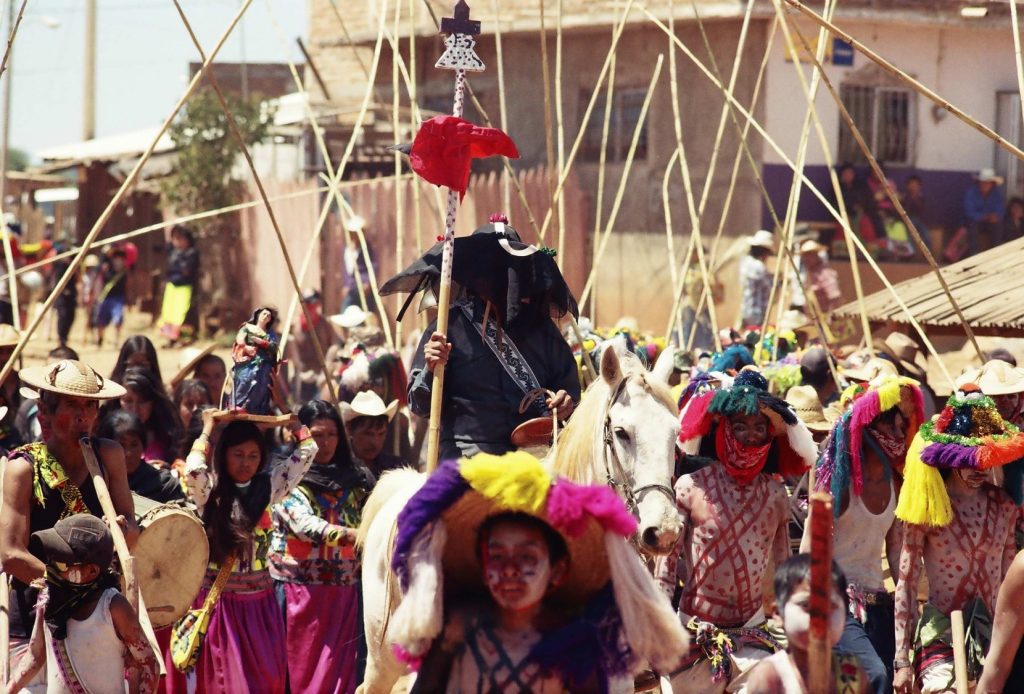
3: You can’t understand politics in the Gran Nayar – even today – without understanding local ceremonial practices, such as the Semana Santa (Holy Week) festival pictured here. Religious beliefs, rituals, prayers, fiestas and thanksgivings still permeate every aspect of Náayari, Wixárika, O’dam, and Mexicanero life, from farming and hunting to politics and warfare. And so the Mexican Revolution was locally experienced—and is today remembered—as both a political and a supernatural event: an era of widespread intercommunal and factional conflict, when the still-unfinished agrarian reform that today divides the region was first begun; but also a time when local warlords channelled occult forces to defend their communities from raiders, and when miraculous statues of Catholic saints resisted the attacks of bandits or soldiers, or even took on human form to lead the charge against their enemies. It is natural, then, to find historical narratives of the Mexican Revolution embedded in the modern ceremonial practices of the Gran Nayar’s inhabitants, whether in the form of bandolier-draped dancers demanding gold from village elders in Tuxpan de Bolaños; painted “devils” shouting their allegiance to the Carrancistas, Villistas, or cristeros in Santa Teresa; or glazed-eyed peyote pilgrims in Santa Catarina irreverently yelling “Long live the supreme government!” as they romp around their ritual dance grounds. Many of the political outcomes of the revolution are also conceived of in terms of their effects on local ethno-religious identities.

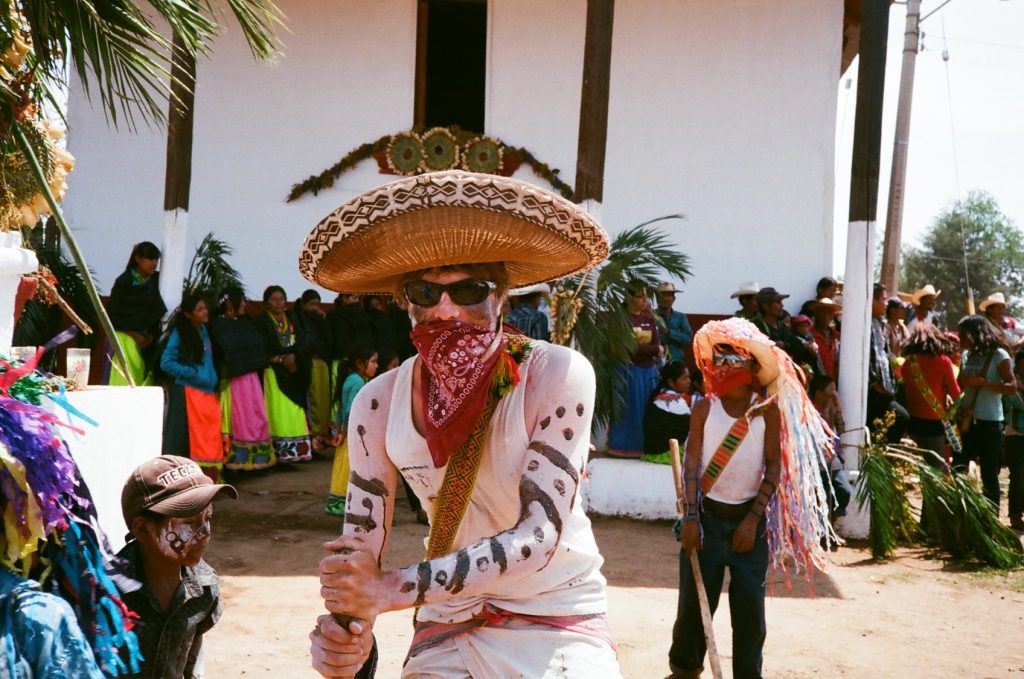
4: In order to try and really understand the relationship between rituals, politics, and history, I had to try and be an ethnologist as well as a historian. And that meant helping to prepare ritual feasts, dancing, praying, drinking, and in Santa Teresa running laps and fighting other stick-wielding “devils” during Semana Santa – here you can see me in my clay- and ash-painted finest at the climax of that exhausting four-day fiesta. Taking part in, rather than just watching, helped me to understand how local rituals express both collective memories and more far-reaching mythical-historical narratives, all of which have been inflected to some degree by local experiences of the revolution.

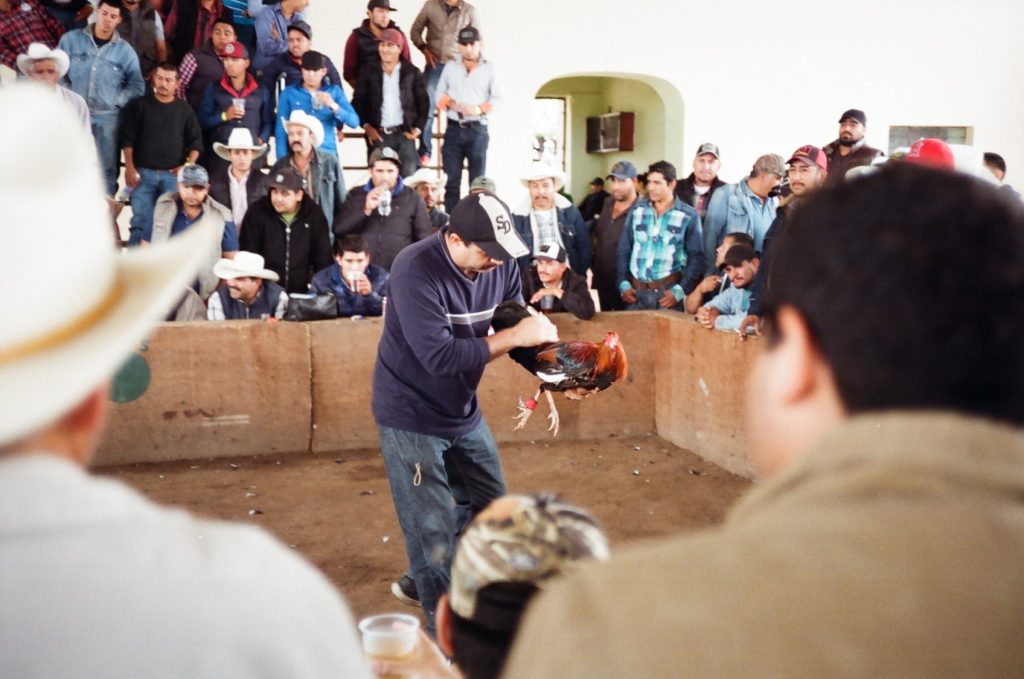
5: It wasn’t just strictly religious, Indigenous festivals that I found myself taking part in – here you can see cockfight – which is about as secular an event as it gets – in Huajimic, a mestizo, rather than Indigenous, community in the mountains of Nayarit. Spanish-speaking mestizo people are a minority in Gran Nayar, but make up the majority of the population in Mexico as a whole. For that reason mestizo people born and raised in the Gran Nayar often played key roles in linking the region to the rest of the country, and so have had an influence on the history of the region that belies their limited numbers. During the Revolution, political violence, exile, political manoeuvring by pro-agrarian reform factions, state-promoted shifts from subsistence agriculture to extractive industry, and the arrival of mestizo settlers from elsewhere in Mexico, also transformed a few originally Indigenous communities into mestizo settlements. And so ethnic tensions between mestizos and Indigenous people that have roots in the Revolution continue to shape politics in the Gran Nayar today.

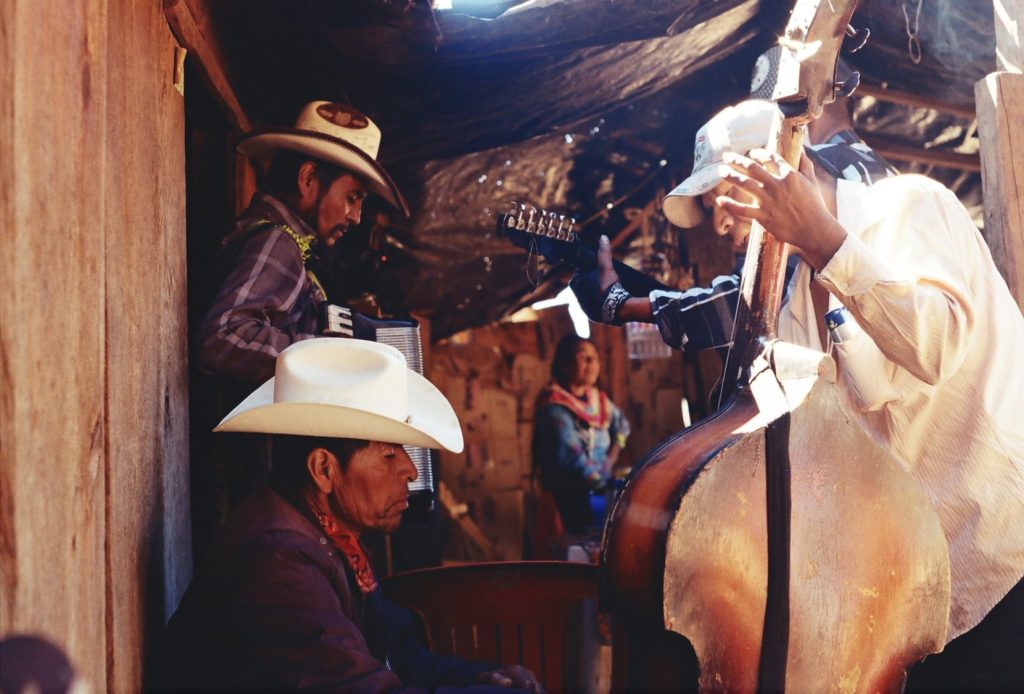
6: As well as interviews and what ethnologists would call ‘participant observation,’ music was also essential to my research in the Gran Nayar. Here you can see a group of Náayari musicians laying down some tunes in the open air just after a fiesta. During the Revolutionary era – and still, to an extent, today – ballads known as ‘corridos’ functioned almost like newspapers in much of rural Mexico, spreading the word about important happenings, the rise and often violent fall of key local leaders, new political movements and much else of interest to a population that was largely illiterate. Today, ballads celebrating—or condemning—the paramount caciques, or telling of important battles, personal tragedies or political victories of the Revolution in the Gran Nayar, endure as popular entertainments during communal fiestas. These songs often contain key details that helped me better piece together not only the local events of the Revolution, but also the ways in which these were perceived and later remembered by the people of the Gran Nayar.

Nathaniel Morris is a historian of modern Mexico. He is currently a Research Fellow at University College London, where he is studying the participation of Indigenous militias in both the Mexican Revolution of 1910-40, and the ‘Drug War’ wracking the country today. Soldiers, Saints, and Shamans is Morris’s first book.

Field Notes: Excavations of Paquimé’s Site 204

October 22, 2020

By Paul Minnis and Michael Whalen

Our research in northwestern Chihuahua focused on the area around the famous and important site of Paquimé (or Casas Grandes), which was most influential during the Medio Period, AD 1200–1450 (give or take a few decades either way). Over the past two decades, we directed multiple field projects in the region. At first, we conducted surveys, systematically walking over an area to record whatever archaeological remains were observable. Then we transitioned to the excavation of a range of sites in an attempt to understand how the Paquimé-dominated society was organized and when it dated to, among other questions.

One of the most important sites we studied—Site 204—is located west of Paquimé in a tributary drainage. We selected this site because it was one of the two largest Medio Period sites near Paquimé, so we could compare it with the small villages we studied at one end of a continuum of size and the premier and largest site, Paquimé, at the other extreme.

1a. before excavation

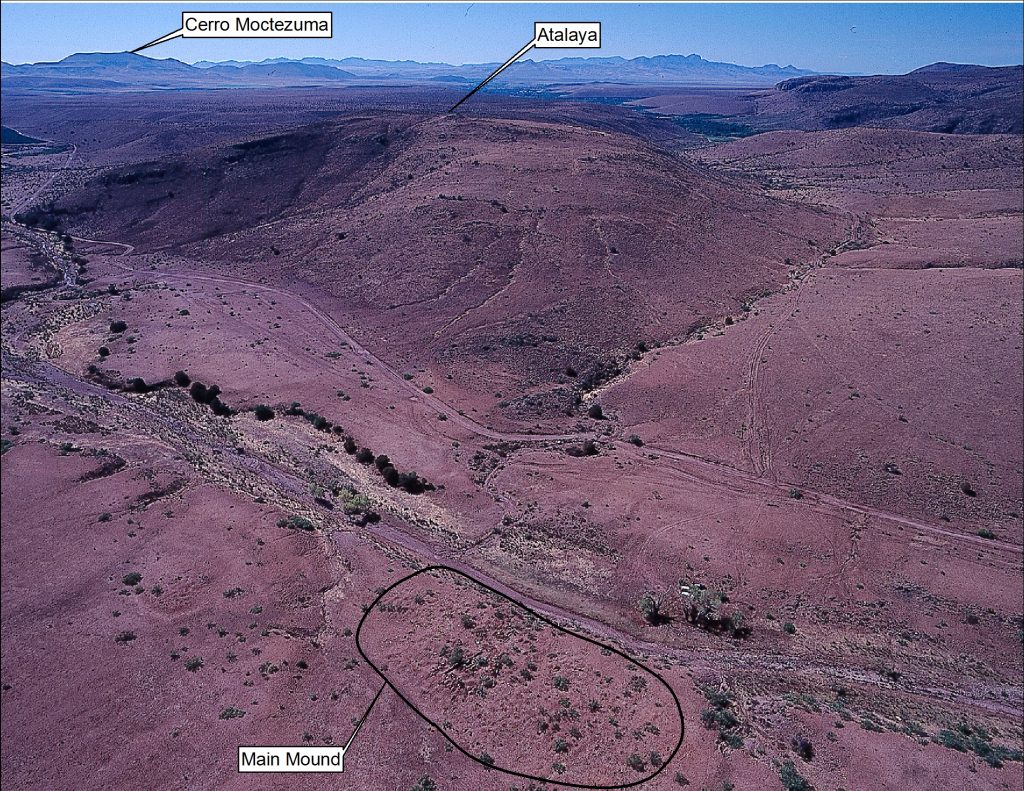
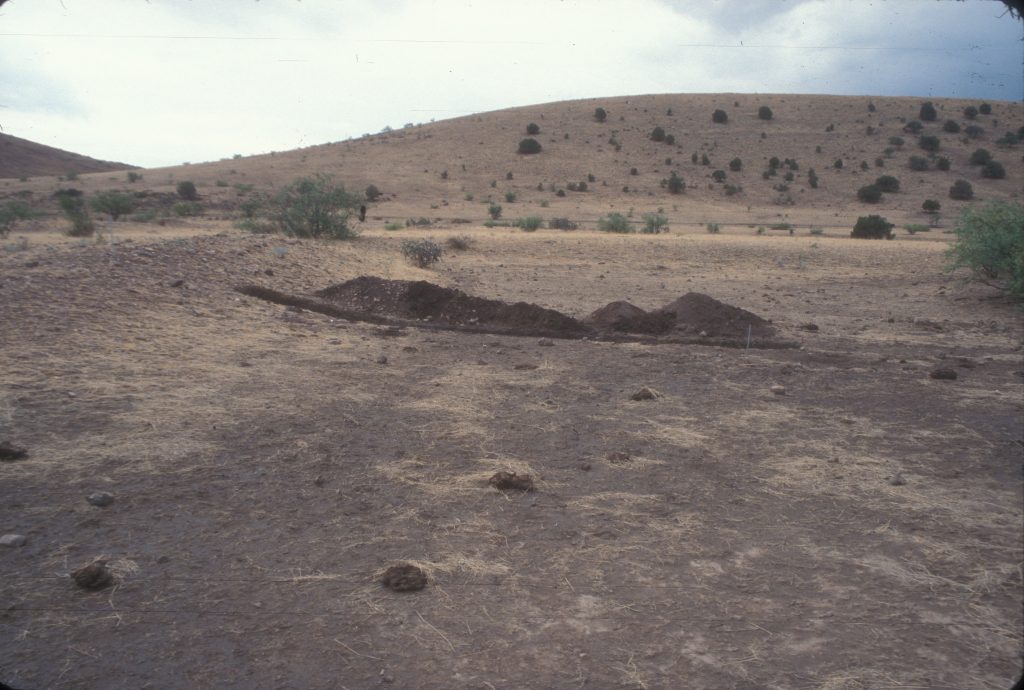
Image 1a: Site 204 is located in a small valley that also has a large number of Medio Period villages. The atalaya is a feature on a hilltop that probably was a shrine and communication point visible from Cerro Moctezuma, which is just west of Paquimé. Cerro Moctezuma was probably one of the major shrines in the local area.

1b. before excavation

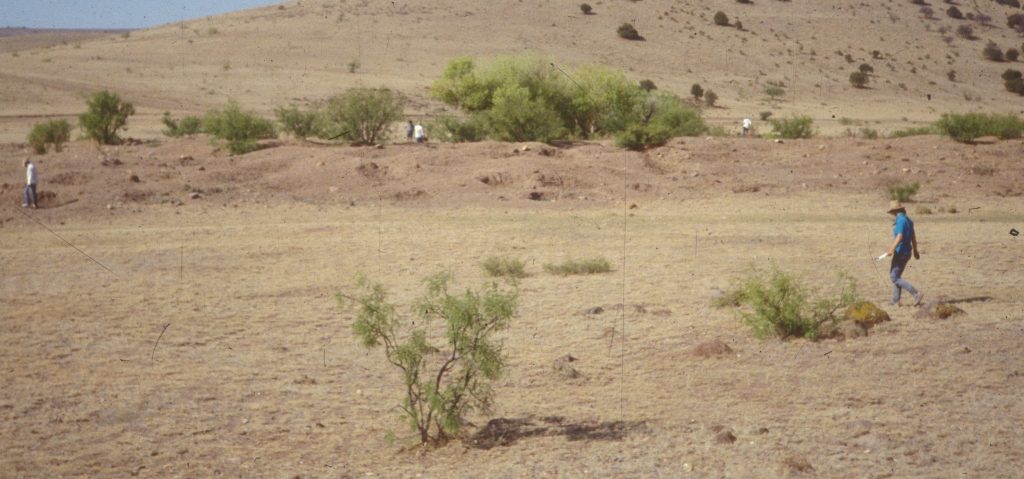
Image 1b: Site 204 has three “mounds” that are the remains of adobe room blocks that have decayed over the centuries into piles of dirt. There are three mounds for a total of about two hundred rooms. In addition, this site has two large ritual roasting pits and a ball court. Like nearly all Medio Period sites, the room blocks have been severely looted.

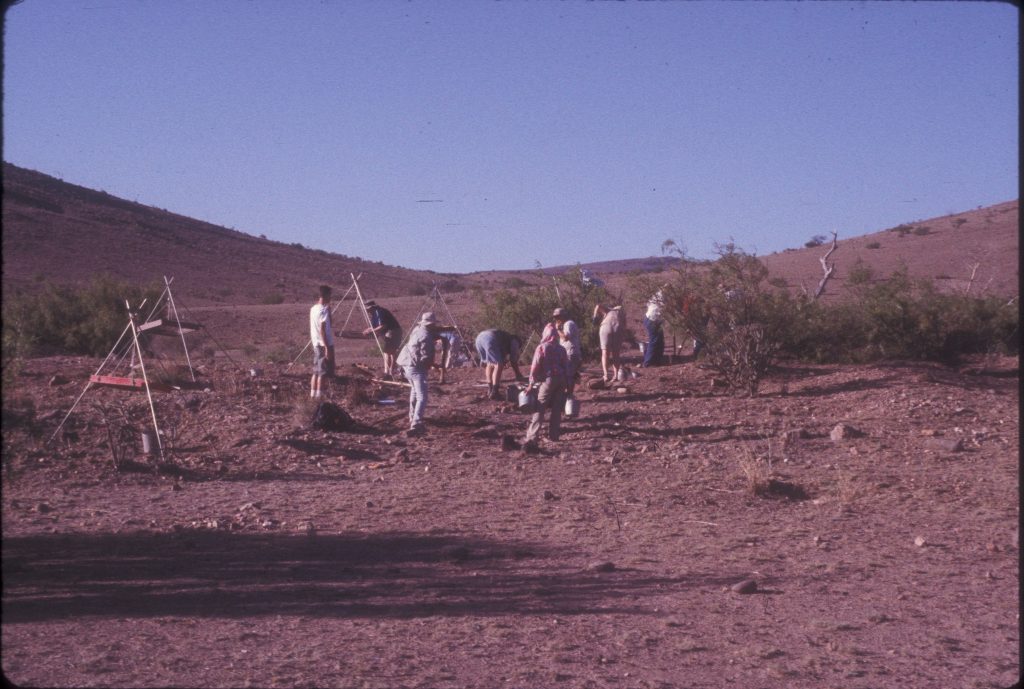
2 first day

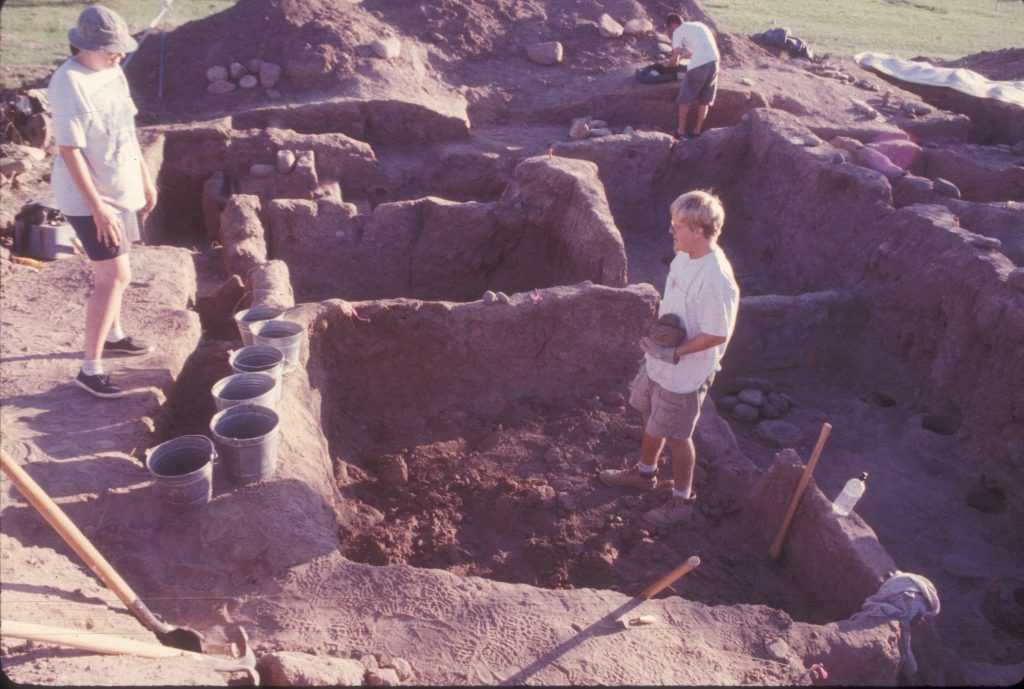
Image 2: The first day of excavation is always exciting and, in a way, terrifying. Questions go through your mind: What is below the ground, what will you find, or did you start in the best place to excavate?

3a. excavated rooms
3b. excavated rooms

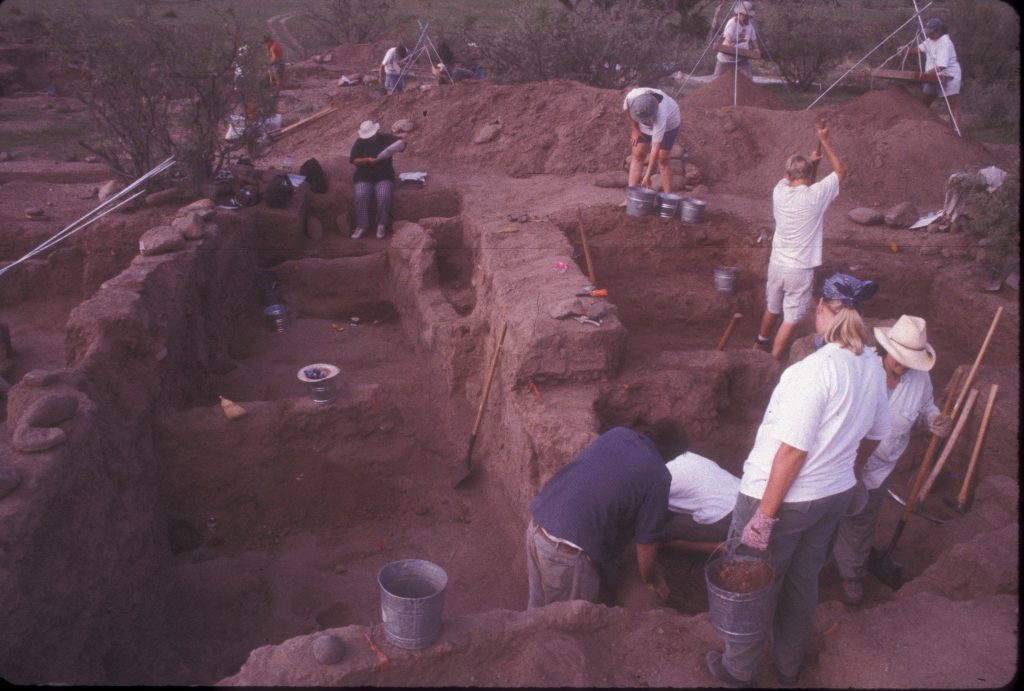
Image 3a & 3b: Excavating using a precise grid system, you slowly find walls and outline rooms. Then you remove the fill in the room in layers, carefully screening the dirt so as not to miss small artifacts. Unfortunately, much of each room has been looted, which mixes the artifacts. Finally, there’s the reward: the excavation of the floor and its features such as hearths and pits. You are not actually done after excavating, mapping, and photographing the rooms: the area below the room is excavated to look for evidence of earlier occupation.

3c. ball court trench

Image 3c: Ball courts were important locations of community events. Site 204 has one ball court that had been dug into the ground forming an I-shape. We also excavated a trench across the ball court.

3d. hillside fields

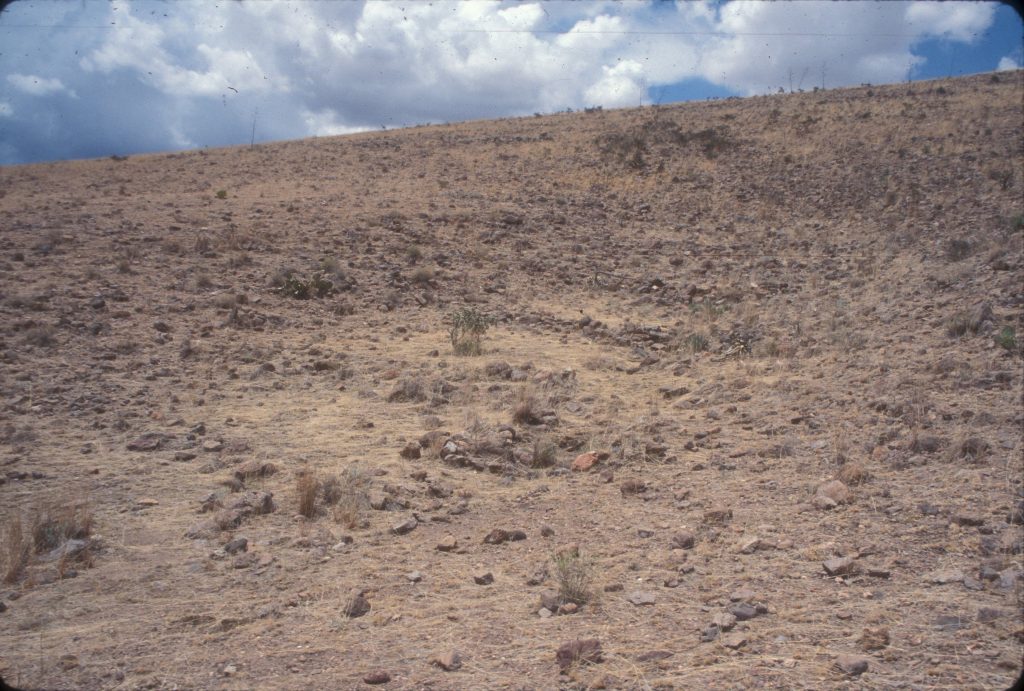
Image 3d: Not all archaeological features are visually interesting or obvious. The faint lines of rocks are rock walls (trincheras) that form small farming plots. The hillside above Site 204 is filled with these features, as are many hillslopes in the Casas Grandes region. While most were farmed by small families, a few seem to have been cacique or chief fields, controlled by leaders and worked by the populous.

4a. stairs

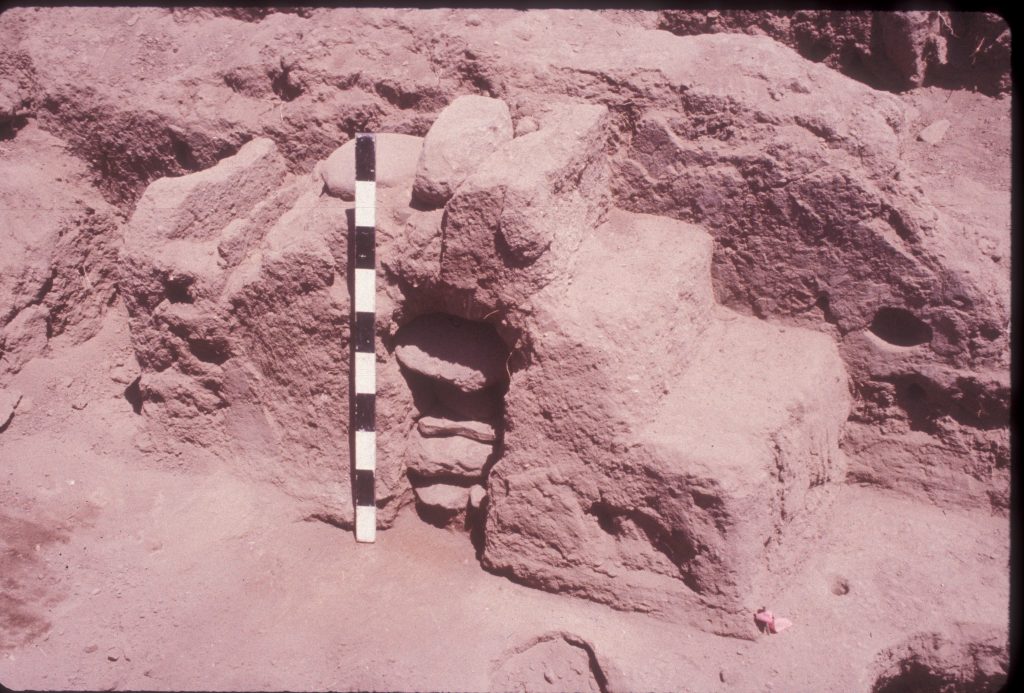
Image 4a: Although not common, we excavated several stairs at the six sites we studied.

4b. closed T-door

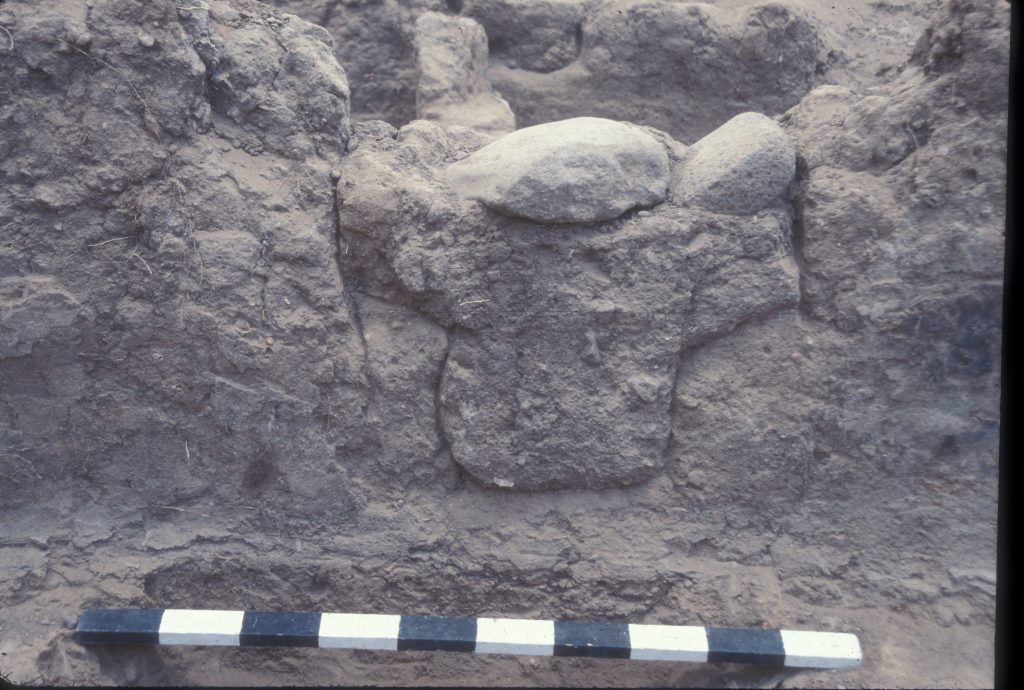
Image 4b: T-shaped doorways are common and likely had important ritual significance. This example is of a T-shaped doorway that was filled to block it off as part of the room’s renovation.

4c. ritual room

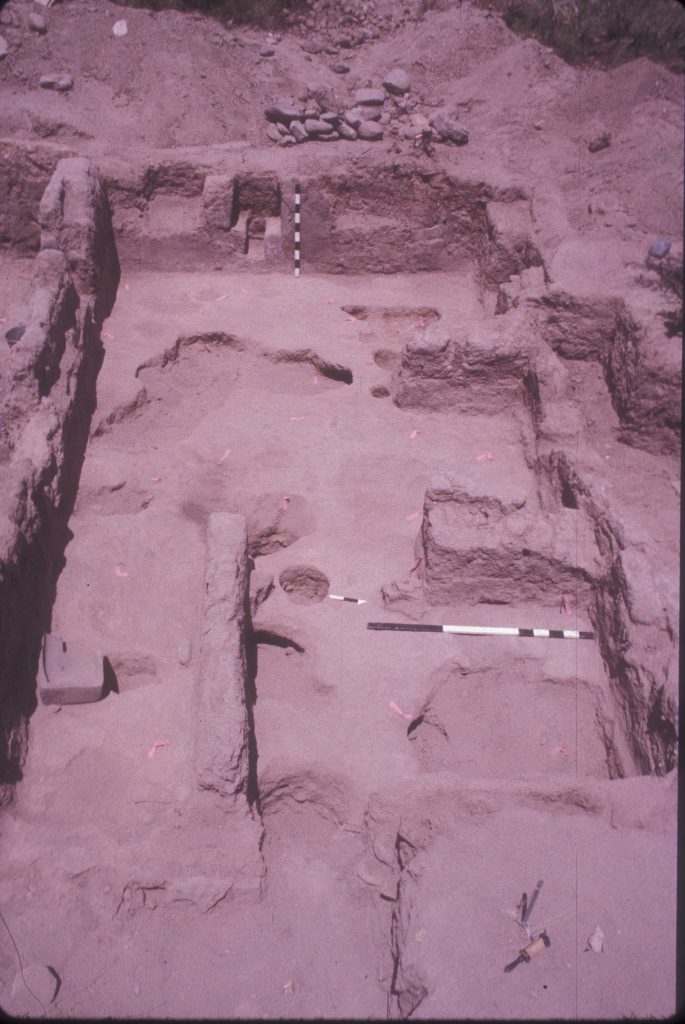
Image 4c: Most rooms at sites in the Casas Grandes region appear to have been used as domestic space where people lived their daily lives. We did excavate some that appear to have had ritual use. This room originally had two columns, and some are artifacts. As you can see, the open space between the columns were closed with a later wall. Also present is a T-shaped door at the far end of the room. The many asymmetrical holes in the floor are the bottom of looters’ holes, an ever-present factor in studying Medio Period sites.

4d corn cobs

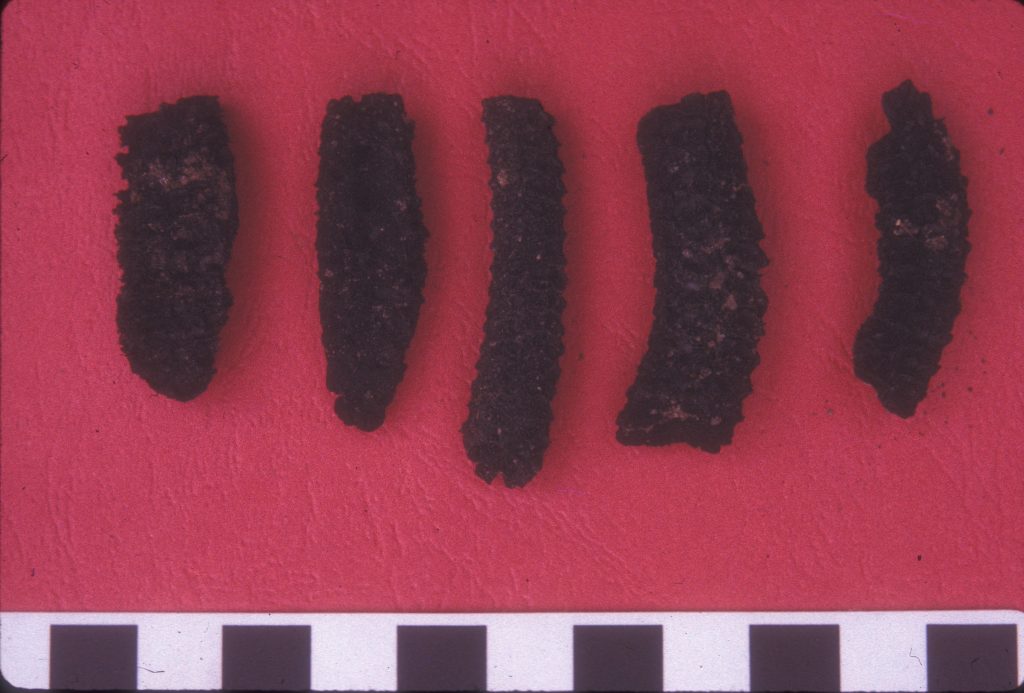
Image 4d: The value of archaeological remains are not determined by their aesthetic appeal or rarity. These charred corn cobs are not especially beautiful, but they help tell us about how the people lived. There is evidence that important community events that drew people from throughout the Casas Grandes area required massive amount of food for feasts.

4e. stone face

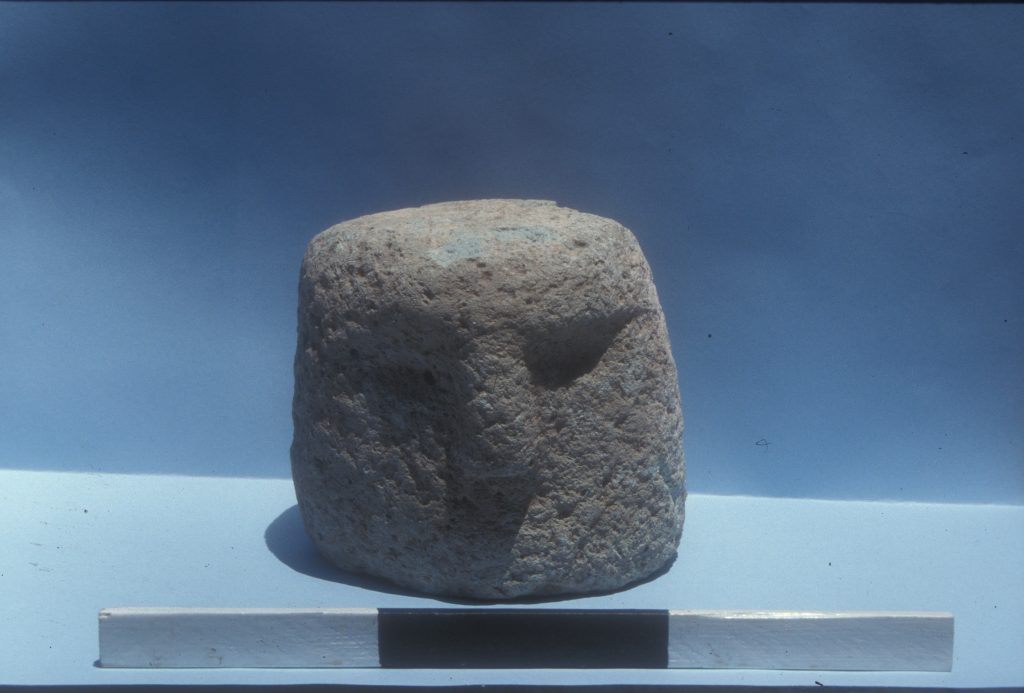
Image 4e: Figures and effigies are common from the Casas Grandes region. While this artifact obviously is a human head, we don’t know what it meant to the ancient peoples of the region.

4f. parrot burial

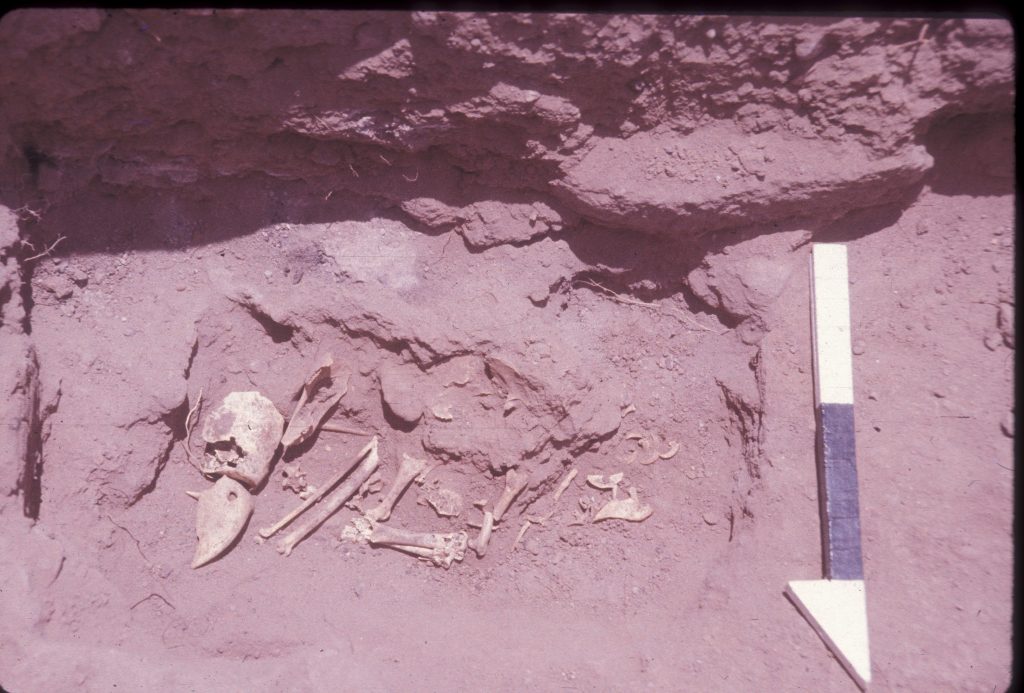
Image 4f: One of the most remarkable activities was the raising of macaws. This is the only macaw skeleton we found in our excavations. It was in a subfloor pit, probably an offering dedicating the room.

4g. pendant
4h. turquoise

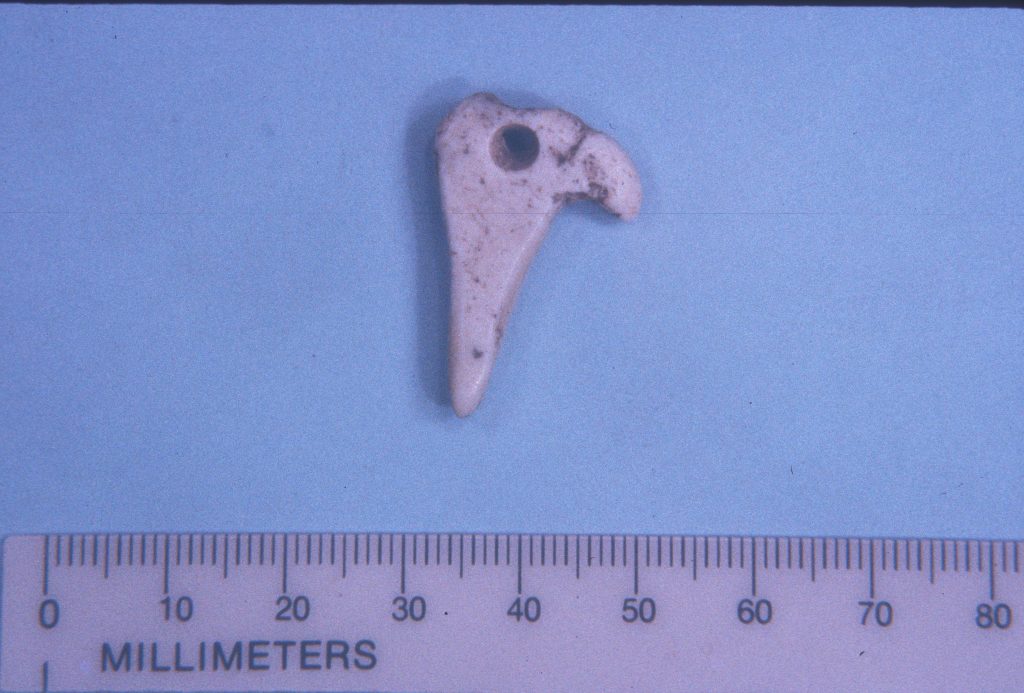
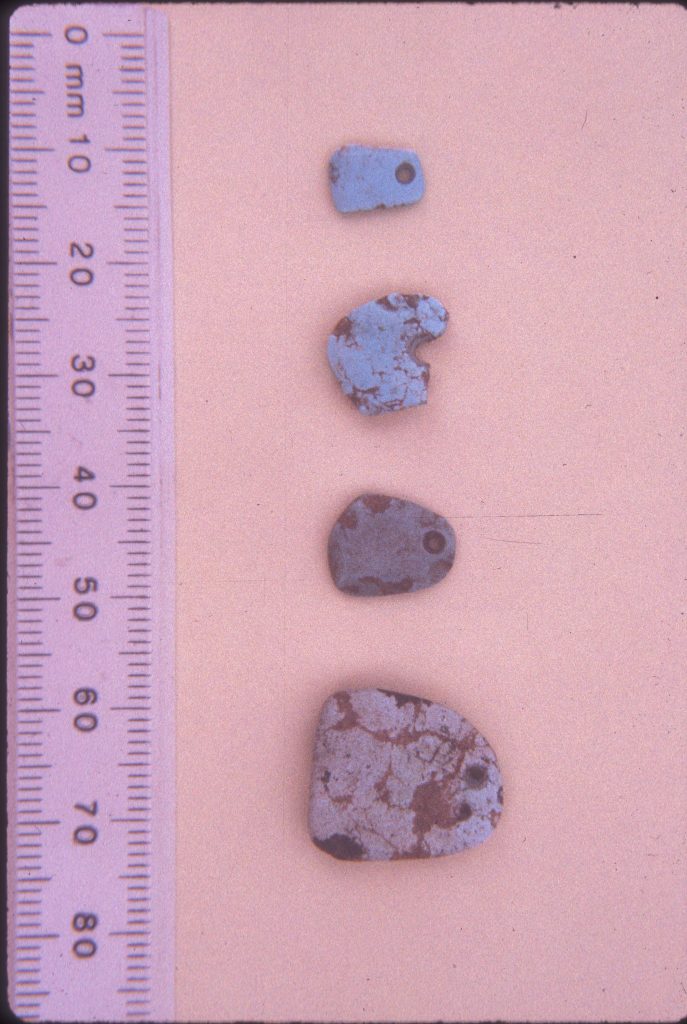
Image 4 G: This pendant may be of a macaw, a parrot, or another bird.

Image 4h: Turquoise is quite rare in Casas Grandes sites, compared to other sites in the U.S. Southwest and northwestern Mexico.

4i. plain ware vessel

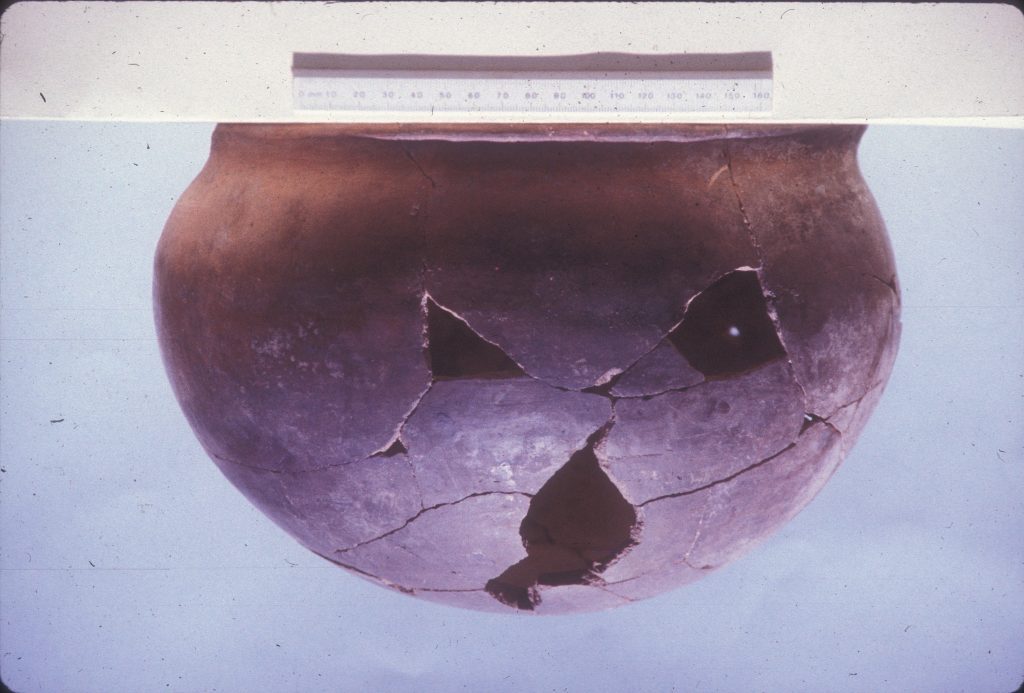
Image 4i: This is a reconstructed pot. Although most attention is on the beautiful and iconic Ramos Polychrome ceramic, most clay vessels were plain like this one.

5 lab work

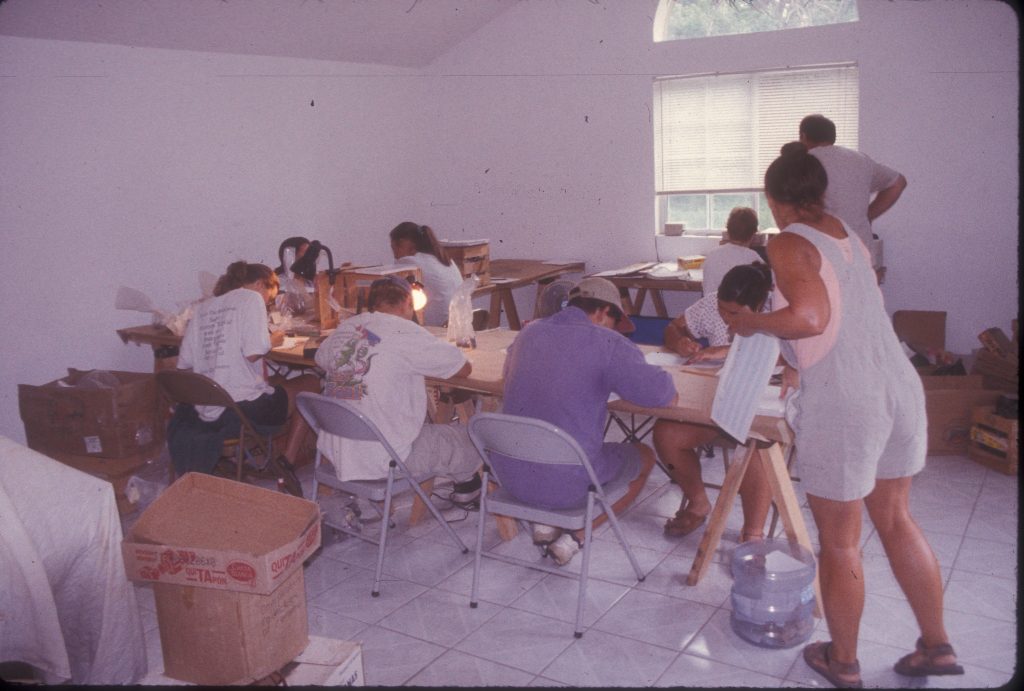
Image 5: Survey and excavation are the best known parts of archaeological research, but at least an equal amount of time is spent in the laboratory analyzing the materials removed during fieldwork.

6 crew friendships

Image 6: One wonderful outcome of being on an archaeological project is that you often develop friendships that last a lifetime . . . literally. This is especially delightful among crews from different countries or regions within a country. Here, one of our crews with members from Mexico, the Unites States, and Canada enjoy a day off visiting the famous cliff dwelling site, Cueva de la Olla, with it enormous granary located in the mountains west of Paquimé.

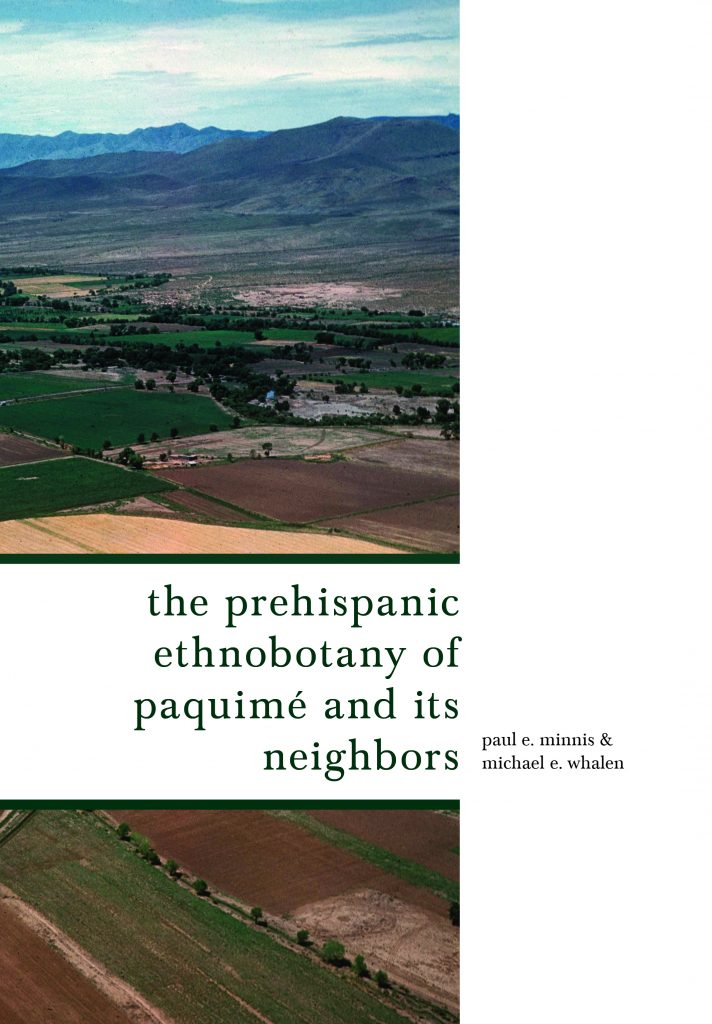
The Prehispanic Ethnobotany of Paquimé and Its Neighbors is the first large-scale investigation of the prehispanic ethnobotany of this important ancient site and its neighbors. Paul Minnis and Michael Whalen examine ethnobotanical relationships during Medio Period, AD 1200–1450, when Paquimé was at its most influential. Based on two decades of archaeological research, this book examines uses of plants for food, farming strategies, wood use, and anthropogenic ecology. The authors show that the relationships between plants and people are complex, interdependent, and reciprocal. This volume documents ethnobotanical relationships and shows their importance to the development of the Paquimé polity.

Paul E. Minnis is a professor emeritus of anthropology at the University of Oklahoma. He is the author or editor of twelve books and numerous articles. He has been president of the Society of Ethnobiology and treasurer and press editor for the Society for American Archaeology, and he is co-founder of the Southwest Symposium.

Michael E. Whalen is a professor emeritus in the Department of Anthropology at the University of Tulsa. He has published a series of books, monographs, chapters, and journal articles on Oaxaca, western Texas, and northwestern Chihuahua. His research has been supported by the National Science Foundation and the National Geographic Society.


All images in the post are copyright the authors.

Indigenous Inclusion and Change in Urban Mexico

November 19, 2019

In the fall of 2018, popular culture both south and north of the border had all eyes on Mixtec actress Yalitza Aparicio, the star of Mexican director Alfonso Cuarón’s Roma. Debates raged on a spectrum of issues, from the movie industry’s ongoing whiteness to the fragility of the autobiographical nature of the film, which is based on the director’s own lifelong relationship with Libo Rodríguez, a woman of Indigenous descent who was employed by his family. Accolades for and criticisms of the storyline took many twists and turns in Latinx social media circles and across demographics in Mexico. But missing from sight of much of these debates was the celebratory way in which young Indigenous women were engaging the newfound fame of Yalitza Aparicio. Her multiple magazine covers and photo shoots circulated lovingly across the Facebook accounts of female Wixarika university students. Aparicio’s global platform spurred conversations about decolonizing beauty standards and the need to speak to the lives of Indigenous domestic workers who sustain much of Mexico’s urban fabric. Aparicio’s own trajectory includes being an educator prior to becoming a celebrity; offering another point of identification that Indigenous women students and professionals pointed to in social media. Young Wixarika women read this moment in popular culture from a place of deep identification and joy that the broader public might finally be breaking with stereotypes that fix their bodies, cultures and political practices to othered rural spaces.

Had the constant struggle for recognition finally turned a page?

In my book, Racial Alterity, Wixarika Youth Activism, and the Right to the Mexican City, I survey Mexico’s long history of engagement with race, ethnicity and space. I do so by centering the experiences and praxis of Wixarika university students and young professionals living in the western cities of Guadalajara and Tepic. What is most moving about representing these stories, is that the majority of the Wixarika protagonists of this work have continued to make exceptional strides forward and many have gained visible platforms in local and regional political, educational, and cultural bodies. From directing state human rights commissions to speaking at international conferences, the cohort of university students and professionals who informed this book, seemingly represent the vanguard of coming generations of Indigenous university students. This vanguard has worked to open spaces in university classrooms, tribunals, medical institutions, government, and in the arts and culture. In sum, Wixarika university students and professionals, like their peers from other Indigenous groups, represent both rootedness and heterogeneity in the pathways they are using to transform themselves and their communities.

Photo by Diana Negrin

This apparent ascension and gained visibility has not occurred without numerous and constant struggles. The principal one remains how to challenge racist practices that shape the policies geared toward Indigenous populations and that shape everyday interracial relations both in urban and rural Mexico. The national and global gaze placed on Indigenous peoples and the consumption of folkloric aspects of their cultures remains a central marker of Mexicanness. For Wixarika peoples, this gaze and consumption has boomed in the past twenty years, as they see themselves being a favored ethnic face for both public and private marketing initiatives. Ironically, at the same time that Wixarika aesthetics are celebrated, commissioned and appropriated, the sacred lands that sustain their celebrated ancestral traditions are threatened by transnational corporate interests that include agroindustry, mining, and tourism.

My hope is that this book contributes to the dialogue surrounding how enduring racial imaginaries, stigmas, ambivalences and hostilities are negotiated and contested by young Indigenous peoples who envision themselves as a new vanguard movement for political economic, social and culture transformation. 

Diana Negrín
University of San Francisco
Wixárika Research Center
November 6, 2019

Diana Negrín is a native of Guadalajara, Jalisco, and the San Francisco Bay Area. Negrín received her doctorate from the Department of Geography at the University of California, Berkeley; she is a professor at the University of San Francisco and president of the Board of Directors of the Wixarika Research Center.

Hernandez Interviews Chacón on Kafka in a Skirt

October 18, 2019

Daniel Chacón and Tim Z. Hernandez, both University of Arizona Press authors with titles in the award-winning Camino del Sol series of Latinx poetry and literature, co-host the literary program Words on a Wire on El Paso’s NPR station KTEP. Chacón is a professor of creative writing at the University of Texas, El Paso. Kafka in a Skirt, is Chacón’s first book of short stories with the UA Press. Hernandez spends his time between Fresno and El Paso, where he’s an assistant professor in the MFA Program in Creative Writing at the University of Texas at El Paso.

Chacón and Hernandez interview writers and poets regularly for their Words on a Wire series. We thought it would be great to ask Hernandez to turn the interview table a bit. In this interview, Hernandez talks to Chacón about writing, identity, and life:

Hernandez: I’d like to start at the beginning. In one of the first stories that appears in this collection, “The Hidden Order of Things,” you state outright, “This is a work of Chicano Literature.” Why, in this post-millennial reality where it seems many writers of color are trying to steer clear of these labels, is this distinction important to you, and to this specific body of work?

Chacón: In the context of the story I don’t think I am either trying to avoid labels nor am I asserting one. Rather, I am admitting a reality, that no matter what I may want for my book, it will be read by some, perhaps by most, as Chicano and or Latinx literature. In fact, the publisher itself is a Latino literary series, and a very good one. A publisher I deeply respect. And many of the stories in Kafka are specific to the Latinx experience, like the “Fuck Shakespeare” story, or the story “Bien Chicano.” Not all the stories should be classified as Latinx literature, and that’s kind of the idea I’m making fun of. I tell the reader, if you’re reading this book because you’re interested in Chicano literature, then here’s the order you should read the stories. Then I give an alternative Table of Contents to the “official” one. I’m saying this is one of many possibilities on how to read the book.

I think as a Latinx writer, who started out as a Chicano writer, long before the term Latinx was used by anyone, I wanted nothing more than to be read by all people, but immediately my work was put in the category of Chicano literature, whether or not I liked it, whether or not I would’ve chose that label. And I think Latinos are often put in that position. In fact, my collection has been called “magical realism,” which is a term I don’t necessarily embrace, nor have I ever set out to write a magical realist story. However, because I am Latino, and because my work belongs in the category of Chicano literature, if something irrreal happens in my stories, if the reality that I present–and by the way, the reality I live on a daily basis  does not parallel what most people think of as reality–because I’m Latino, it will be labeled magical realism. 

The mystic writer Evelyn Underhill says “Reality is the illusion we share with our neighbors.”  When something happens in my stories that is not concrete, linear reality, I don’t think it’s magical realism at all. I think it’s just another level of reality.

So in that story you’re referring to, “The Secret Order of Things,” I am giving readers suggestions on how to read the book, that is, what order to read the stories, depending on their interests. And I was trying to be funny by suggesting that if all they’re looking for is to read “Chicano literature,” after the list I give them, they don’t have to read the rest of the stories.

Hernandez: You’ve written a total of seven books. Each of them ranging in different topics, settings, characters and situations. Each of them also using a conceptual approach to narrative-making, i.e. loops, wormholes, unending rooms. Kafka in a Skirt is no exception, as it strings together seemingly disparate stories with a few common threads in mind. What is the fascination you have with these concepts? And how does this book differ from the previous books?   

Chacón: I’m not sure it so much as a fascination as it is my reality, that things in my life loop back and forth from the past to the future to the present and even at times into a space-time that I’m not even sure exists in the visible universe.

For example, if I’m walking on the sidewalk and I see a paperclip, and I reach down to grab it, I am not only reaching down in that space-time, but I am also reaching down every single time I have reached down or will reach down, as well as reaching in my mind for imaginary paperclips in the stars. I am invoking the energy of every single time I have/or will have done it. And the source of that energy comes from a fundamental concept that I have about paperclips, how paperclips may hold together the pages of my life, and even though I mean that humorously, there was a time when I was obsessed with paperclips. Perhaps obsessed is too strong of a word, but I was very conscious of paperclips as metaphor. I would walk down the street and notice paperclips, whereas most people wouldn’t, as they would notice things that are filtered through their particular consciousness at that particular time. But each time I encountered a paperclip, it deepened other times I have discussed and or encountered paperclips.

One time at a book festival I was going to give a lecture on parallel universes, the multi-verse, and I had planned on talking about the archetype of paperclips and how it manifests itself in various levels of my sense of reality, and as I approached the building where I was going to give this talk, I opened the door and there on the threshold spread about were about 50 brand new, shiny paperclips. I’m not kidding.

Somehow, somebody had dropped paperclips right there at the entrance, so I scooped them up in my hands, and when I started my talk, I open my hands and I showed them the paper clips, and then I let them fall, sparkling all over the ground. When I explained what I was going to say about paperclips, some people couldn’t believe it. They thought I set it up. But that’s just the way reality is, images loop in and out and deepen the experience of life.

So how could it not be true with the fictional worlds that we create? 

An image can come up in one story, and when that image comes up in another story, it releases the same energy, even if that other story is from an entirely different book. Every image is a wormhole. Wormholes take us to other space-times.

In several of my stories, a tubercular bookseller appears, like in the one called “The And Ne Forhtedon Na.” I don’t know why he continues to appear in my stories, but I know that the image of a bookseller who coughs all over his books is somehow part of the fabric of my reality.

Every collection I have written has a tubercular bookseller, even though the stories are vastly different, and the books different, and I believe each time he appears, he releases energy from the other times he appears, from other stories, from other books, and it creates or helps to contribute to an overall connection in the universe.

As for “how is this book different” from others, I think rather than it being different, it is more of a progression of the other books, a further development of the way I piece together lives.  

I like to think that every book that I write, especially my collection of stories, I get better at it, as I begin to understand what it is I am capable of saying about reality.

Hernandez: The characters in your book are so “normal,” but also really strange in their normalness. I think of the character Bino in your story “F&$% Shakespeare,” who is clearly one example. There is also the vegan couple in “The Barbarians,” who are strange in their own way, because the girlfriend has this highly honed sense of smell and can detect meat odors from miles away. Do you set out to find the “strange” in the normal? Or how do these aspects emerge in your characters?

Chacón: At the risk of quoting The Doors, “people are strange.” I don’t care how normal they appear to the rest of us, people are weird.

Tim, you are a very accomplished man, a responsible father, but you’re weird. You have quirks that I’ve never seen in anybody else.  I remember the late poet Andrés Montoya always exclaimed, at these immense moments of joy about surprises in life, God is weird! And what he meant by that, whether he would articulate it this way or not, is that at times life is so unexpectedly synchronous. You live everydayness and forgot to notice the amazing connectedness of reality. We live these patterns, and it seems like nothing’s going to change, and then suddenly, when we most need it, we find a check in the mail that we didn’t expect, for exactly the amount of money that we needed.

Reality is that way.

God is weird.

And people, metaphorically or literally depending on your perspective, are made in God’s image. And I think that when you have a character and you follow that character’s voice, her language, the weirdness comes out, because it’s what distinguishes them from anybody else. I don’t think you need to seek out weirdness in people, you just need to seek their inner voice, and that will lead you to a much more complex personality than most people might suspect.

But one thing I know for sure, when you are sitting around a table, say a department meeting, say–just as a random example–of the Creative Writing Dept at UTEP, everybody sitting at that table is weird! 

But I don’t think of weird as something negative. I think of weird as a part of our personalities that make us unique.

Hernandez: I know you’ve been interested in Mysticism and angelic systems for some time now, and some of this informs parts of the writing throughout. My question is, How do you feel Mysticism has influenced your work? And, what first turned you on to this particular subject?

Chacón: Every first draft I write is the non-thinking draft.

I don’t seek to write about mysticism. I don’t seek to write about physics. I don’t seek to write about Latinx issues. I just follow the language, or the spirit of the character, and that leads me into the story. But yes, I have been studying mysticism for some time now. And perhaps it effects my writing in how it helps shape how I see reality.

One of the first concepts you will encounter in studying Kabbalah, and this is Kabbalah 101, is that what we experience on a day-to-day basis is only 1% of reality.

99% is beyond some sort of veil, and although most of us get a glimpse beyond that veil, very few can sustain that vision for long, and we return to the banality of everydayness.

One day you could be washing dishes and you look out the window and you see a tree blowing in the wind, a cat curled up on the grass, and you feel the warm, sudsy water on your hands and you feel connected to everything.  You feel a surge of joy or gratitude, and all you’re doing is washing dishes. But the next day, you just have to wash the fricken dishes, and you hate it again. There is no joy.

I study mysticism to understand those higher levels of consciousness that we all experience at one time or another.

I study it because I’m intellectually curious about it. And I know it helps my brain, because studying any new subject creates new neurons.

But then, sometimes, when I’m following language into a story, some mystic concepts may appear, and sometimes I go into them, and other times I don’t, but they are available.

Hernandez: In your story, “The And Ne Forhtedon Na!” you make clear that the gift of desire is desire itself, not the attainment of what is desired. And I feel this can be said about the bulk of your stories in this collection. As a reader, there is a desire to find out where the story is going, because you imbue each story with so much mystery and intrigue, and yet, it really is about the desire itself, isn’t it? Why is this desire factor important to you, enough to base a collection of stories loosely on this concept? 

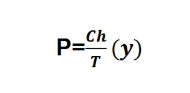
Chacón: I have a simple equation for character-driven stories:

Basically it means that plot equals character over time, times yearning. Desire is what drives us.

Desire is what gets us up in the morning, that which keeps writers isolated in an empty room for hours and hours, days and years of our lives to write a novel.

Desire, without singularizing it to a particular want, is what makes us human.

On the level of mysticism, the “Source,” the divine, God before image, before we place it on a throne and slap a beard across its face, is pure energy. That energy is desire.  I’m not talking about want. A lot of my characters want things, but beyond the want, is desire, that which makes them human and divine. Desire in us is the same thing that turns the seed into a tree. It makes us want to expand, to grow, to be better, to be the best human being we can be, the best fathers we can be, the best teachers, and of course the best writers.

Hernandez: What can we expect next from you? Will there be more short stories? A novel? Poetry?

Chacón: I’m working on two collections of stories right now, one more suitable for adults and another one, tentatively called Stories for Lucinda, which are stories that I tell my daughter, who at this time is six months old and has become the center of my creative being. 

Field Notes: Andrew Flachs Shares Insight from India

September 26, 2019

For anthropologist Andrew Flachs, fieldwork in Telanguana, India, was a critical way to understand the complex problems rural farmers face. In his new book Cultivating Knowledge, Flachs investigates how rural farmers come to plant genetically modified or certified organic cotton, sometimes during moments of agrarian crisis. Through months of on-the-ground ethnographic work, Flachs uncovered the unintended consequences of new technologies, which offer great benefits to some—but at others’ expense.

Today we share a few of Flachs’s photos and extended captions from his fieldwork, which offer insight into the stories and methods that have informed his work.

All photos and captions by Andrew Flachs:

Cultivating Knowledge_Image by Andrew Flachs_IMG_1416

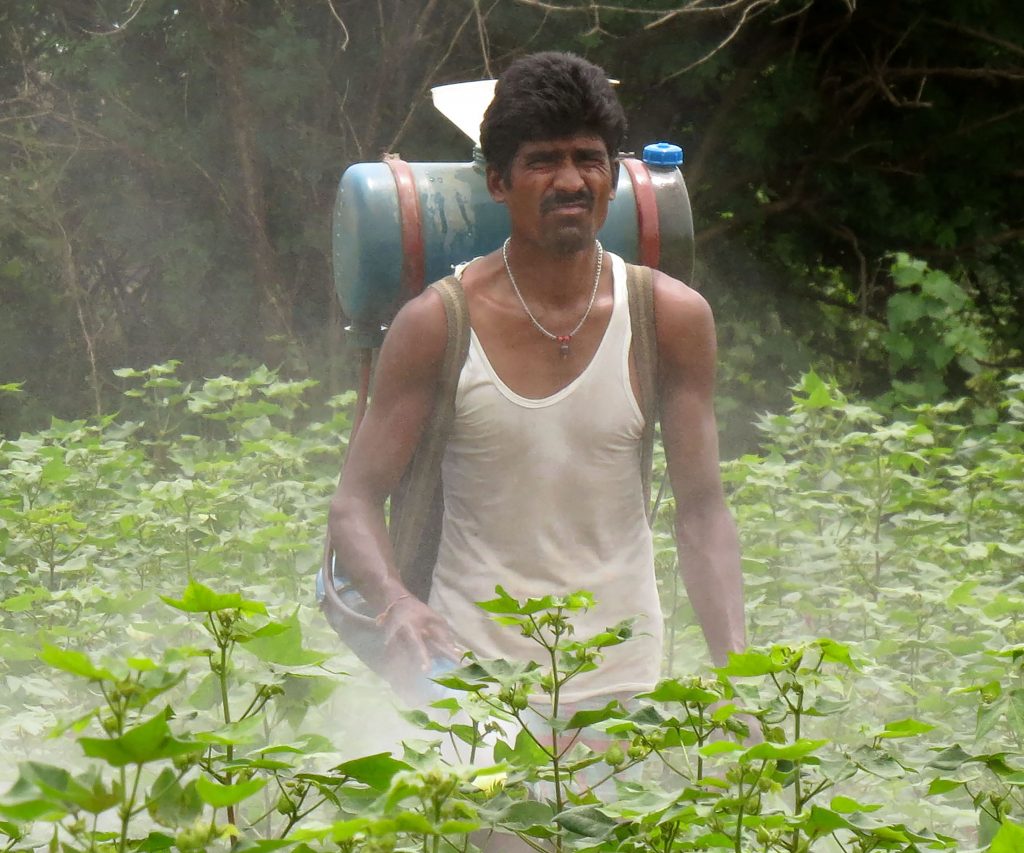
IMG_1416:  A young man in Parvathagiri squints through a pesticide mist as he sprays to control for whiteflies in his cotton crop, a pest unaffected by the pesticide genes for which cotton has been genetically modified. It took four hours to spray his seven acres in 100+ degree heat, he spraying and his brother running back and forth to a stream to gather water in which to dilute the pesticide for the mister. Worried that the monsoon rains would wash the pesticide off the cotton, he had hastily bought a cheaper generic brand pesticide from a local shop known to carry expired chemicals. By the end of the day, all three of us had a headache from the heat and the smell of the mist. “It was a waste”, he told me bitterly a few days later. The pesticide had only killed about a third of the insects eating his crop. Concerned about future losses, he ultimately had to travel to a larger town with a better agricultural shop to buy a more powerful pesticide. “What if this one doesn’t work either,” I asked. He shrugged. “I’ll have to get something even stronger,” he answered, stating the obvious (2013).

Cultivating Knowledge_Image by Andrew Flachs_IMG_1438

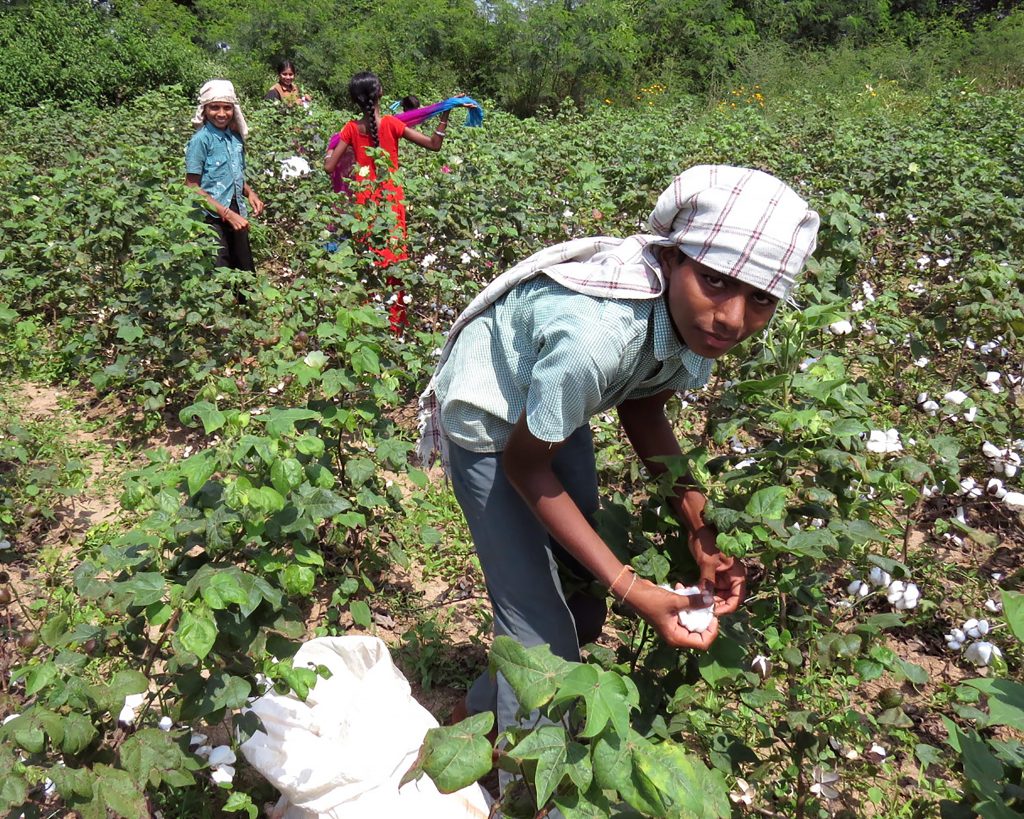
IMG_1438:  A boy in Jangaon helps his family pick organic cotton after school before the bolls can be damaged, still wearing his school uniform. At harvest, it is imperative to gather and protect the cotton as soon as the lint erupts. Delays risk insect attacks, rain, or molds, all of which distort the fibers and discolor the cotton. Any such blemishes are cause to downgrade the lint at the open-air markets where commodities are sold to brokers. Organic agriculture depends upon ethical marketing campaigns to build trust with buyers in the United States, Europe, and East Asia. The development program that sponsors this farm advertises that they do not make use of child labor, and fundraises for school supplies and infrastructure that keeps students out of farm labor. Yet such distinctions are not completely applicable for many household farms, in which everyone is expected to pitch in for the greater good of the family. It would be technically correct but highly misleading to label this child labor – the children in this photo are simply doing their normal chores (2013).

Cultivating Knowledge_Image by Andrew Flachs_IMG_0340

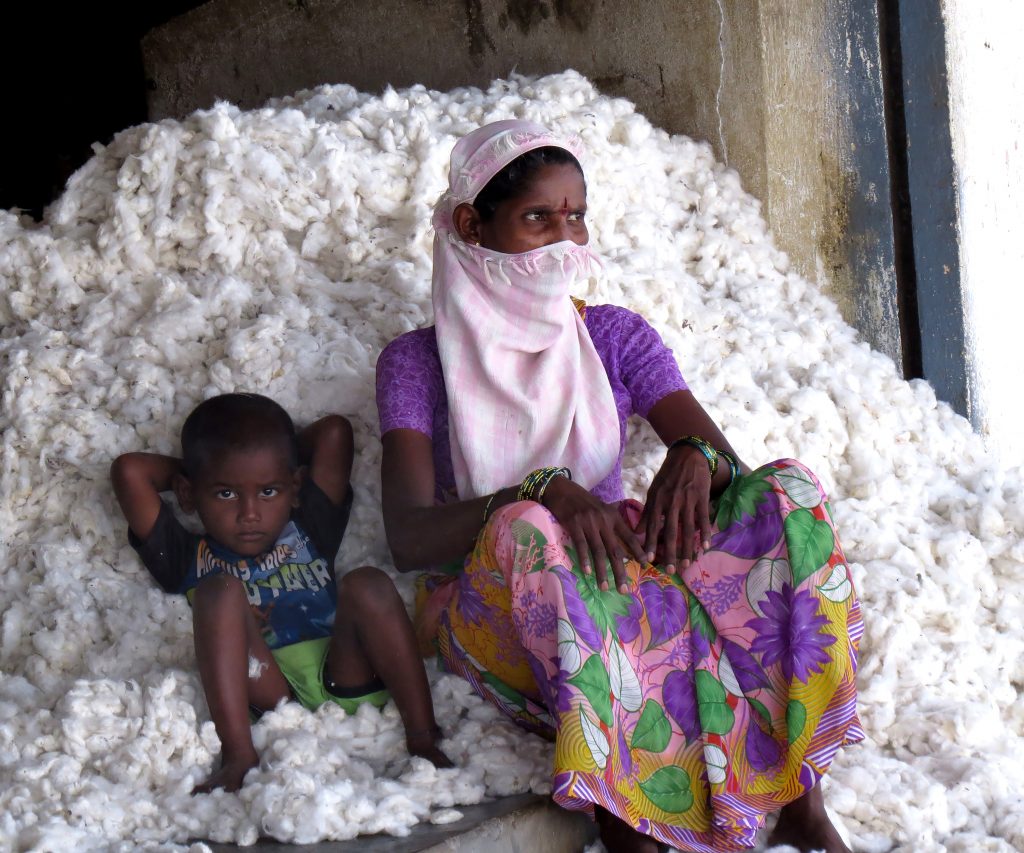
IMG_0340: Although most of the research for this book took place on cotton farms, I also accompanied farmers to sell their cotton in larger markets. This led me to tour gins and learn more about the processing stage of the commodity chain. Cotton is plucked with seeds intact, and farmers speculate about which brands might have the heaviest seeds and thus fetch the highest prices. At gins, seeds are removed from the cotton lint and pressed into oil cakes that may then be fed to livestock. The lint is swept into piles and then compressed into square bales than can be loaded onto trucks. While much of this work is automated, teams of men run the bale pressers and manage the factory floors while women, often accompanied by young children who are not in school, sweep cotton into piles and use bamboo poles to clear obstructions in the gin. Here, a cotton gin worker and her son rest on cotton lint during a shift break at a gin in Warangal (2014).

Cultivating Knowledge_Image by Andrew Flachs_Field pic

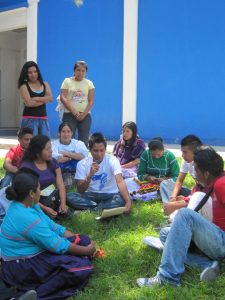
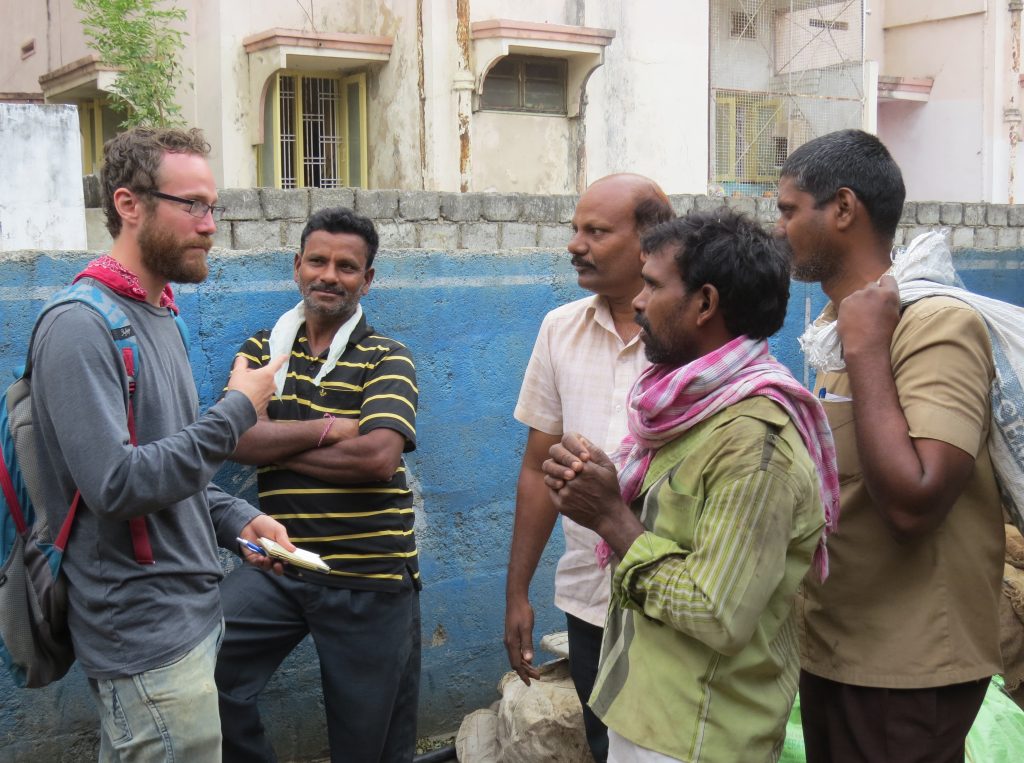
Field pic: To ask questions about how farmers make decisions about their cotton seeds, I used a variety of social science methods: surveys on farm decisions, spatial analysis of farm locations, collection of wild and cultivated plants, participation in and observation of farm life, interviews, and focus groups. Here, a group of farmers compare notes on their cotton seeds with me on the edge of a vegetable and meat market in Hanamkonda. Focus groups like this give people space to debate the nuance of a topic, like which seeds to plant, and explore several possible positions through a conversation.

Andrew Flachs is an assistant professor of anthropology at Purdue University. Trained as an environmental anthropologist, his research spans sustainable agriculture, food studies, the anthropology of knowledge, and political ecology.

The Tucson Festival of Books: Through an Intern’s Eye

March 20, 2019

By Victoria Elizabeth Wacik

During my brief three and a half years in Tucson, this quirky little town has grown very special to me, and I have become quite fond of the desert, the University of Arizona, and the kindness of the people here. As an avid reader, I had visited the Tucson Festival of Books before, but I had only wandered around the University of Arizona’s Mall aimlessly, with no plan, nor had I looked at any of the events or visiting authors. So with a large camera and University of Arizona Press badge in tow, I set off to truly experience the Tucson Festival of Books. It was hot, and crowded, and I got sunburned the first day (My native Pennsylvanian skin is still adjusting to the desert sun). I went to writing workshops and panels, did mini-science experiments, ate bugs, and submerged myself into the literary world.

The funny thing was that Tucson, and more expansively, the American Southwest, was special to many of the authors, too. Scott Whiteford, editor of Shadow of the Wall: Violence and Migration on the U.S.-Mexico Border (UAP, 2018), told me how Tucson, specifically the University of Arizona, was an interesting place to live in relation to his area of study, as the research for his book was all student-driven. The desert, both Tucson’s Sonora Desert and neighboring Mojave Desert, are special to Lawrence Walker, Rebecca Robinson, and Stephen Strom, all published authors by the University of Arizona Press. They all shared their touching personal stories and love for the deserts in their “Stories from Special Places” panel, discussing encounters with wildlife and natives, which I was lucky enough to be able to attend.

Not only did the Tucson Festival of Books give me the opportunity to speak with scholars and authors, it also allowed me to put faces to the names of authors that I worked with as an intern this year. Being able to speak to these scholars and hear them explain what inspired and motivated their projects, and seeing the excitement in their eyes when they spoke about their work was undoubtedly my favorite part of the Festival. This phenomenon was not uncommon during the weekend, as I observed many with this same expression as they found a particular book, learned something new, participated in an experiment, saw a performance, or found their favorite snack. The Tucson Festival of Books allows us to explore our interests as well as ourselves in a place truly loved by its inhabitants.

Victoria Wacik is an intern in our acquiring department. A senior at the University of Arizona, she is majoring in English with minors in Classics and French. She enjoys embroidery, hiking, and reading. Her poetry will be published in the Punk Lit Press, forthcoming April 2019.

For Authors

The University of Arizona Press publishes the work of leading scholars from around the globe. Learn more about submitting a proposal, preparing your final manuscript, and publication.
Inquire

Requests

The University of Arizona Press is proud to share our books with readers, booksellers, media, librarians, scholars, and instructors. Join our email Newsletter. Request reprint licenses, information on subsidiary rights and translations, accessibility files, review copies, and desk and exam copies.
Request

Support the Press
Support a premier publisher of academic, regional, and literary works. We are committed to sharing past, present, and future works that reflect the special strengths of the University of Arizona and support its land-grant mission.
Give