Urayoán Noel Featured on the Poetry Centered Podcast

August 13, 2020

Poetry Centered features curated selections from voca, the University of Arizona Poetry Center’s online audiovisual archive of more than 1,000 recordings of poets reading their work during visits to the Center between 1963 and today. In each episode, a guest poet introduces three poems from voca, sharing their insights about the remarkable performances recorded in our archive. Each episode concludes with the guest poet reading a poem of their own. Our inaugural season includes episodes hosted by Hanif Abdurraqib, Alison Hawthorne Deming, Ada Limón, Urayoán Noel, Maggie Smith, and TC Tolbert.

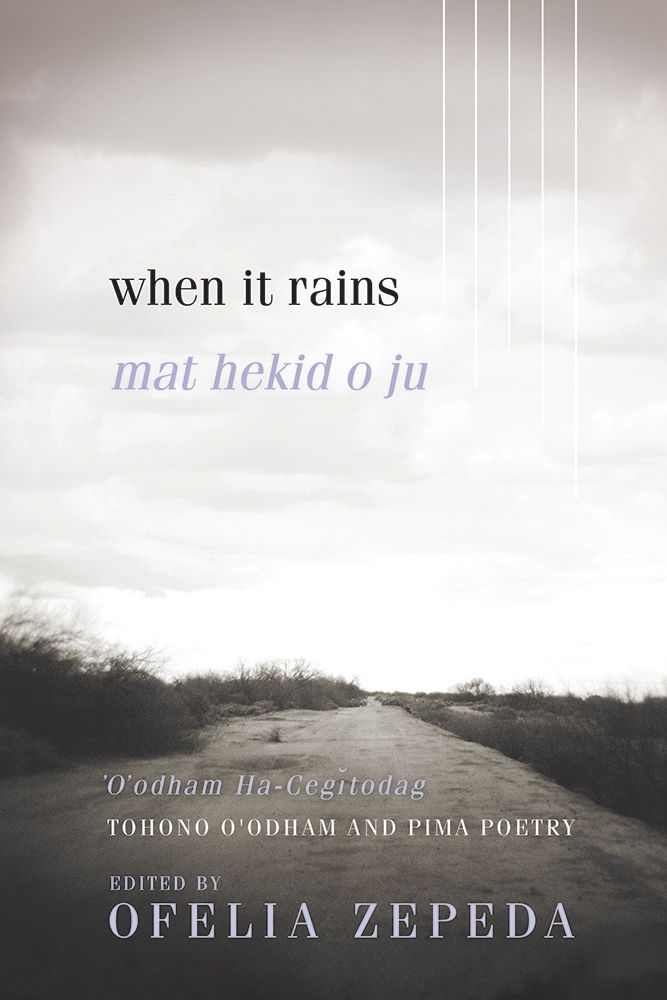
In this episode, Urayoán Noel introduces recordings of Ai engaging with war through necessary fury (“The Root Eater”), Lehua M. Taitano composing a lifeline to communities living with the legacies of colonialism (“A Love Letter to the Chamoru People in the Twenty-first Century”), Ofelia Zepeda on the untranslatability of song (“Ñeñe’i Ha-ṣa:gid / In the Midst of Songs”), and a fable of radical imagination by Gloria E. Anzaldúa (“Nepantla”). Noel ends the episode with his poem “Molecular Modular,” built around open-ended questions considering virality and modes of community.

Urayoán Noel is the author of Buzzing Hemisphere/ Rumor Hemisférico, a playful and irreverent mash-up of voices and poetic traditions from across the Americas, which imagines an alternative to the monolingualism of the U.S. literary and political landscape, and proposes a geo-neuro-political performance attuned to damaged or marginalized forms of knowledge, perception, and identity. Urayoán Noel has been a fellow of CantoMundo and the Ford Foundation, and he is currently the poetry editor of NACLA Report on the Americas. Born in San Juan, Puerto Rico, Noel lives in the Bronx and is an assistant professor of English and Spanish at New York University.

Keep an eye out on our website for a forthcoming collection from Urayoán Noel!

‘Divided Peoples’ Author on Border Policy and Its Impacts on Indigenous Communities

July 31, 2020

Christina Leza, author of Divided Peoples: Policy, Activism, and Indigenous Identities on the U.S.-Mexico Border, recently asked in an essay published in Yes!, ‘What is the U.S.-Mexico border to indigenous peoples who have lived there?’ especially during this latest border wall construction.

An excerpt from the essay:

The Indigenous Alliance has long advocated for the development of comprehensive legislation that would address Indigenous border rights at both the Canada-U.S. and U.S.-Mexico borders, and has envisioned summits that include both tribal government and grassroots community leaders. Recent tribal border summits in Tucson, Arizona, organized by the Pascua Yaqui Tribe, the Tohono O’odham Nation, and the National Congress of American Indians are building toward this vision. The Indigenous Alliance has also advocated for the adoption of the United Nations Declaration on the Rights of Indigenous Peoples by U.S. tribal governments on the U.S.-Mexico border to help build a common reference for Indigenous border rights.

While Indigenous leaders work to address issues they face with U.S.-Mexico border policy, Indigenous members must continue to grapple with the everyday impacts of increasing border enforcement, including the growing presence of Border Patrol and surveillance technology on reservation lands, as well as the disruption of their lands by border barrier construction.

Read the entire essay in Yes! here.

Daniel Olivas Pays Tribute to Father of Chicano Literature

July 29, 2020

University of Arizona Press author Daniel Olivas, author of King of Lighting Fixtures and Book of Want, recently paid tribute to Rudolfo Anaya, who passed away on June 28.

In the Fall 2013, Olivas did a two-question interview for the Los Angeles Review of Books. The interview was only in the LARB print edition, and not online. Olivas asked if that could change, and LARB in return asked if Olivas could write an intro.

Here’s an excerpt of the intro:

On June 28, Rudolfo Anaya died in his home in Albuquerque, New Mexico. The man commonly referred to as the Father of Chicano literature had been suffering from ill health for a while. For many of us who shared in some or all of his cultural touchstones—and who therefore embraced his literature—it felt as though a family member had passed.

Two generations of Latinx writers had been inspired by Anaya to become writers themselves because he proved that our stories matter and could be published and read and appreciated. I can say without a doubt that his trailblazing 1972 novel, Bless Me, Ultima, convinced me to start telling my own stories in fiction, nonfiction, and poetry. Eleven books and one full-length play later, Rudy still inspires me to write.

Yes, I just called the great writer “Rudy.” And that is because I reached out to him seven years ago to propose a short, email interview for LARB regarding his new novel, The Old Man’s Love Story (University of Oklahoma Press). In response, on June 7, 2013, at 12:14 p.m., he responded with a short email: “Ese, email me questions & thanks. Rudy.”

Read the entire intro, as well as Olivas’s interview with Anaya here.
Buelna News Book Review On Chicano Communists

July 28, 2020

Gabriel Buelna gave some positive attention to Chicano Communists and the Struggle for Social Justice, published by the University of Arizona Press, on his online program, Buelna News. Buelna, a Chicano studies professor in Los Angeles, focuses on Latinos and Latin American issues and interests.

Chicano Communists, by Enrique M. Buelna, follows the thread of radical activism and the depth of its influence on Mexican Americans struggling to achieve social justice and equality.

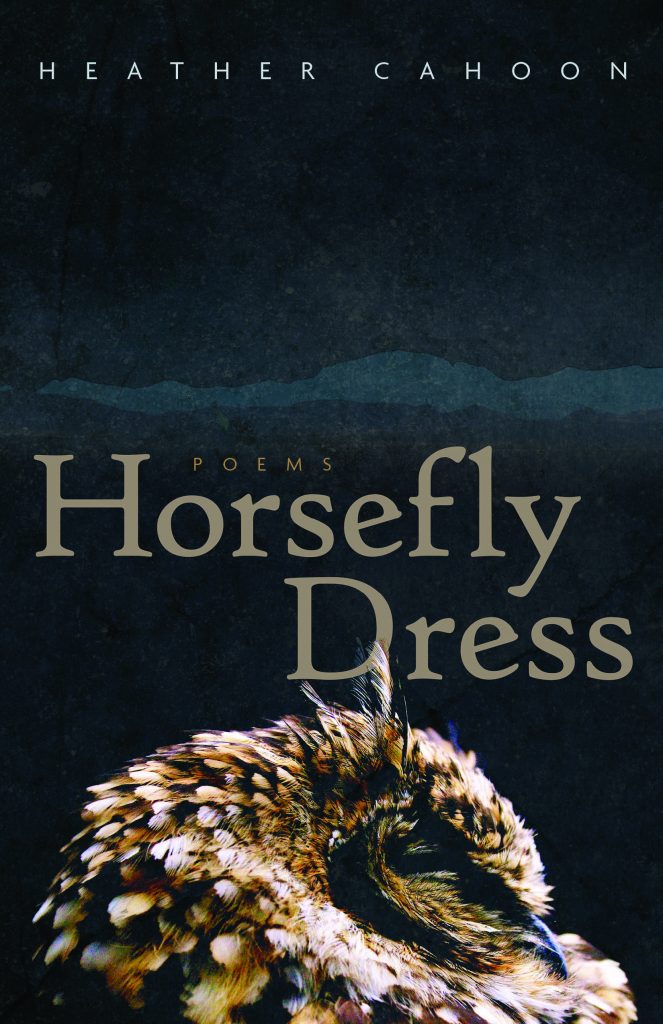
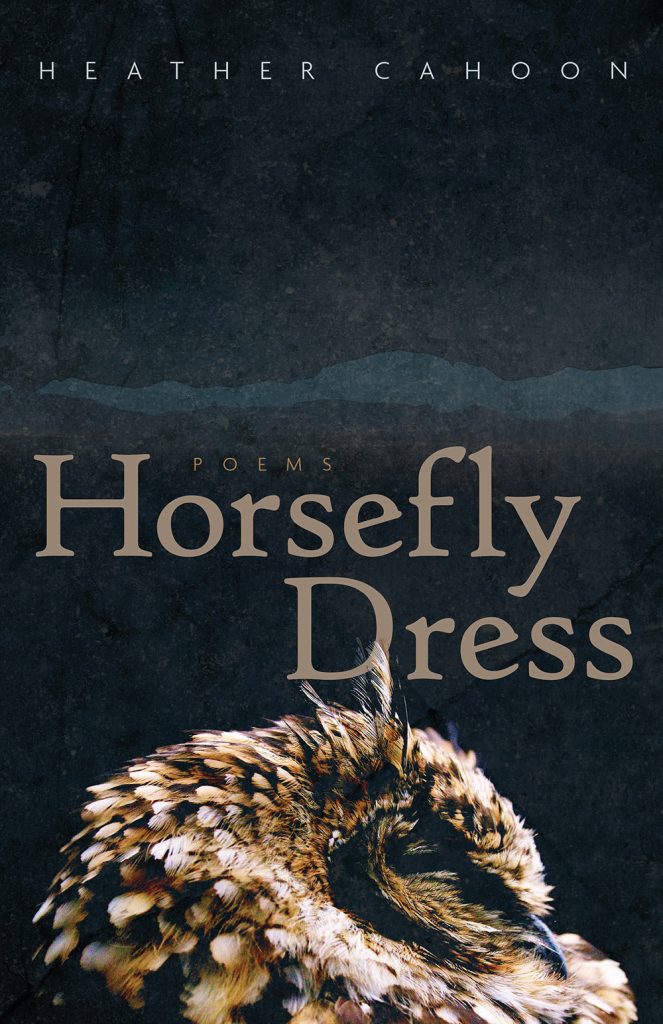
Q & A with Heather Cahoon Offers Deeper Look at Horsefly Dress

July, 2020

Horsefly Dress is a meditation on the experience and beauty of suffering. Rich in the imagery of autumnal foliage, migrating birds, and frozen landscapes, Heather Cahoon’s collection calls forth the sensory experience of grief and metamorphosis. The transformative powers associated with the human experience of loss belong to the past, present, and future, as do the traditional Salish-Pend d’Oreille stories that create the backbone of these intricate poems.

Below, Heather Cahoon answers a few questions about her beautiful new poetry collection.

The poems in Horsefly Dress are influenced by traditional Séliš and Qĺispé stories. How do you think these stories guide and impact the contemporary lives of Salish-Kalispel peoples?

I think it varies a lot from individual to individual and depends on each person’s exposure—or lack thereof—to the stories.  There are many reasons for the lack of exposure but among the foremost are federal Indian policies of assimilation that were designed to acculturate American Indians.  These policies were very aggressive and included on- and off-reservation boarding schools for Native youth, the banning of sacred spiritual practices, and the forced allotment of reservations, among other collateral outcomes from these policies.  Federal assimilation efforts were obviously never fully successful, however, and many people managed to maintain their traditions to varying degrees.  As a result of both of these sort of countervailing efforts by federal officials and tribal people, American Indians today may have more or less access to their cultural traditions, including their traditional stories.  That said, there are definitely segments of my community whose contemporary lives are very much guided and impacted by our traditional stories.  These stories are hyperlocal and relevant; they are located right here where we live out our daily lives and they continue to have so much to teach us about inhabiting this place and about being human.

Avian symbolism plays a powerful role in this collection. Could you please tell us more about the significance of birds in your work?

Some of the significance is tied to tribal symbolism but most of it, in this collection, is personal.  Whenever I’m out trail walking or hiking there are birds present—you can hear them, you often see them moving about the forest and so much of the time they seem to be just part of the scenery.  But every so often, one steps out of that in a way that penetrates my experience or perception of being the primary observer and suddenly I am aware that I am being perceived by something just as alive and sentient as I am.  Some of these exchanges or interactions are longer and more drawn out while some are very brief.  Each one is unique but they are all so poignant and meaningful that they’ll often make their way into my poems.

The poems in Horsefly Dress are bursting with vivid foliage, animals, and natural elements. What is your process for weaving nature so intimately into your poetry?

My family has spent so much time outdoors in the mountains.  Growing up, my father made a living by hunting and by selling things he could harvest from around our reservation and we often helped him in these endeavors.  He sold Christmas trees, firewood, landscaping stones and even dropped deer and elk antlers, which sometimes he would make into antler lamps and chandeliers.  We also spent time as a family just driving to pretty places for either camping or fishing or just to enjoy the peacefulness and smell of the mountains.  It has been my father’s belief that for whatever ails a person, all they need is to retreat into the mountains in order to become well.  Needless to say, I continue to spend time in the outdoors and the experiences I have with local places, flora and fauna inevitably end up in my poems. 

Dreams are featured prominently in this collection. How do dreams affect your creative process?

I occasionally have dreams that are so vivid and powerful that I think about them off and on for days, sometimes even years, until I understand their meaning.  Interestingly, it’s often the creative process of making them into poems—the act of writing about them in such detail—that helps me fully understand them, to see or hear or decode their messages for me. 

What are you working on now?

I am working on and off on a longer-term project that involves revising and expanding my 2005 poetry chapbook Elk Thirst into a full-length collection.  Besides this, I recently launched and direct the American Indian Governance and Policy Institute at the University of Montana and am working to develop a comprehensive tribal public policy needs assessment for each of the tribal governments located our state.  I can get mentally caught up in my policy research and writing, which is very cerebral, but this state is countered by writing poetry, which brings me back to into the present and helps ground me in a bodily experience of time and place.

Read a poem from Horsefly Dress, included below.

RENDER

May I be worthy 
   of my most embattled moments.
          May I find a way    to render meaning 
from the blood marbled-memories
          cached inside
the carcass of the past. 

© 2020 by Heather Cahoon

Heather Cahoon, PhD, earned her MFA in poetry from the University of Montana, where she was the Richard Hugo Scholar. She has received a Potlatch Fund Native Arts Grant and Montana Arts Council Artist Innovation Award. Her chapbook, Elk Thirst, won the Merriam-Frontier Prize. She is an assistant professor of Native American studies at the University of Montana. She is from the Flathead Reservation and is a member of the Confederated Salish and Kootenai Tribes.

Charles Bowden’s Blue Desert Featured in Harper’s Magazine

7/24/2020

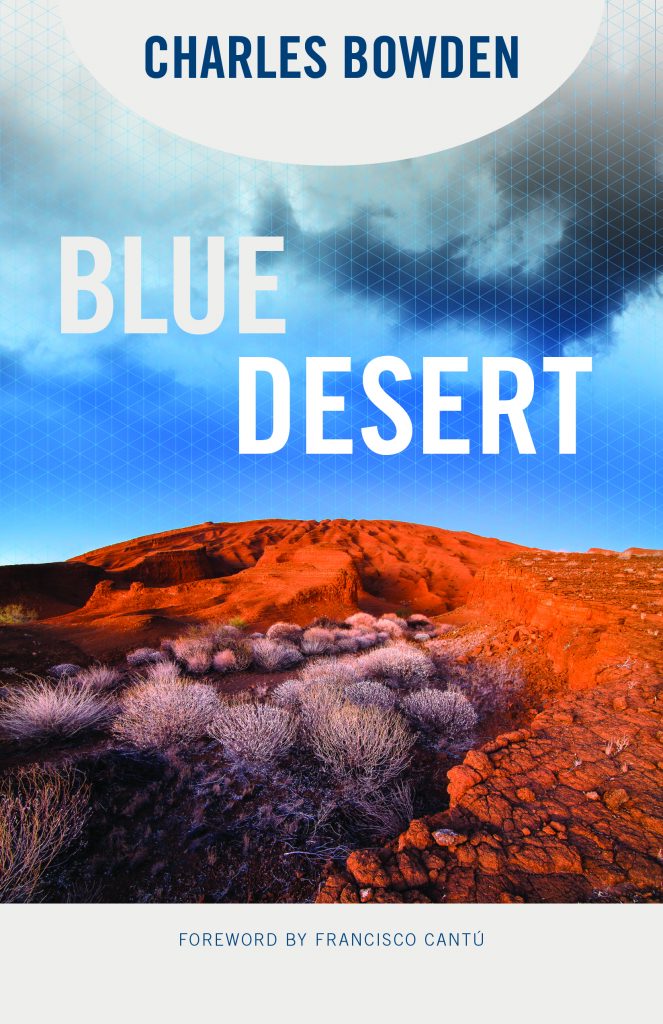
In the August 2020 issue of Harper’s Magazine, Wes Enzinna writes an essay on Charles Bowden that praises, criticizes, and recognizes Bowden as a shrewd predictor of the current chaos surrounding the United States borderlands. Below, read an excerpt from the essay which pertains to our book Blue Desert, originally published in 1986 and recently re-released with a new forward by Fransciso Cantú in 2018.

“For all his cynicism, Bowden’s response to this crisis was never a desire to strengthen the border, but rather to destroy it. ‘There aren’t any Mexican stars or American stars,’ he once said in a radio profile, as he hiked with the correspondent through the Buenos Aires wildlife refuge in southern Arizona, a popular route for migrants sneaking into the United States. ‘It’s like a great biological unity with a meat cleaver of law cutting it in half.’ His work was an attempt to heal this cleavage, and to remind us how our hunger, pollution, and violence connected us all, especially in the Sonoran and Chihuahuan Deserts, where nature was a stingy mother and death ruled over everything. ‘We are becoming more and more aware that our civilization destroys the foundations that support it by devouring the earth and the things of the earth,’ he wrote in Blue Desert. ‘But we don’t have the courage to back away, to stop, to restrain ourselves. I know I don’t.’

Like the beasts and criminals he admired, Bowden was a complicated, contradictory creature. He loved dogs, dirt, wine, worms, Cadillacs, cacti. He held backyard parties to watch summer cereus flowers bloom at midnight, and owned scores of guns but was reluctant to shoot them lest they scare the birds. In Most Alarming, a priest named Gary Paul Nabhan reports that the last time he saw Bowden the surly old tough guy was weeping for a cottonwood tree that had died. Bowden’s teeth were falling out. He was poor and owned little more than a laptop, a Le Creuset pot, a sleeping bag, a Honda Fit, and a pair of binoculars. If in life he sometimes failed to be a decent man, in his writing he tried to be a better animal. ‘The whippoorwill’s name reflects the sounds we hear it make,’ he once wrote in a letter to a friend.”

Read the entire essay here.
Published in 1986, Blue Desert was Charles Bowden’s third book-length work and takes place almost entirely in Arizona, revealing Bowden’s growing and intense preoccupation with the state and what it represented as a symbol of America’s “New West.” In a thoughtful new foreword, Francisco Cantú writes, “In Blue Desert, we follow Bowden in the processes of becoming. We see the version of Bowden that he would likely most want us to remember—someone who did their best to be an honest witness, someone who was haunted by modernity and his place in it, someone who grappled with his demons by gazing deeply into the desert.”

Charles Bowden (1945–2014) was the author of many acclaimed books about the American Southwest and U.S.-Mexico border issues. He was a contributing editor for GQ, Harper’s, Esquire, and Mother Jones. His honors include a PEN First Amendment Award and the Lannan Literary Award for Nonfiction.

Carlos Velez-Ibáñez Honored with the 2020 Franz Boas Award

July 15, 2020

We are thrilled to announce that Carlos Velez-Ibáñez is the recipient of the American Anthropological Association’s 2020 Franz Boas Award for Exemplary Service to Anthropology! This award is presented annually by the AAA to its members whose careers demonstrate extraordinary achievement that have well served the anthropological profession.

Carlos G. Vélez-Ibáñez is a Regents Professor and the Motorola Presidential Professor of Neighborhood Revitalization in the School of Transborder Studies and a Regents Professor of in the School of Human Evolution and Social Change at Arizona State University. His numerous honors include the 2004 Robert B. Textor and Family Prize for Excellence in Anticipatory Anthropology and the 2003 Bronislaw Malinowski Medal. Vélez-Ibáñez was elected fellow of the American Association for the Advancement of Science in 1994 and was named as a corresponding member of the Mexican Academy of Sciences (Miembro Correspondiente de la Academia Mexicana de Ciencias) in 2015, the only American anthropologist so selected.

Carlos is the author of five University of Arizona Press books, including Border Visions, Hegemonies of Language and Their Discontents, An Impossible Living in a Transborder World, and The U.S.-Mexico Transborder Region. His forthcoming book, Reflections of a Transborder Anthropologist, explores Vélez-Ibáñez’s development as a scholar and in so doing the development of the interdisciplinary fields of transborder and applied anthropology.

Congratulations, Carlos!

Explore Our Exciting Space Science Titles

July 9, 2020

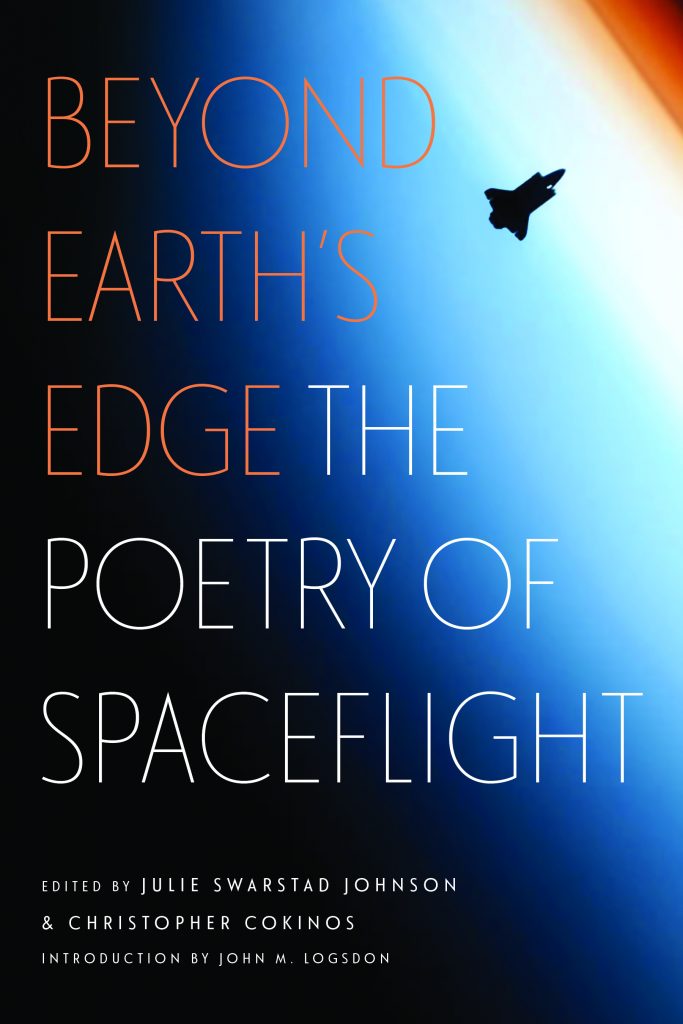
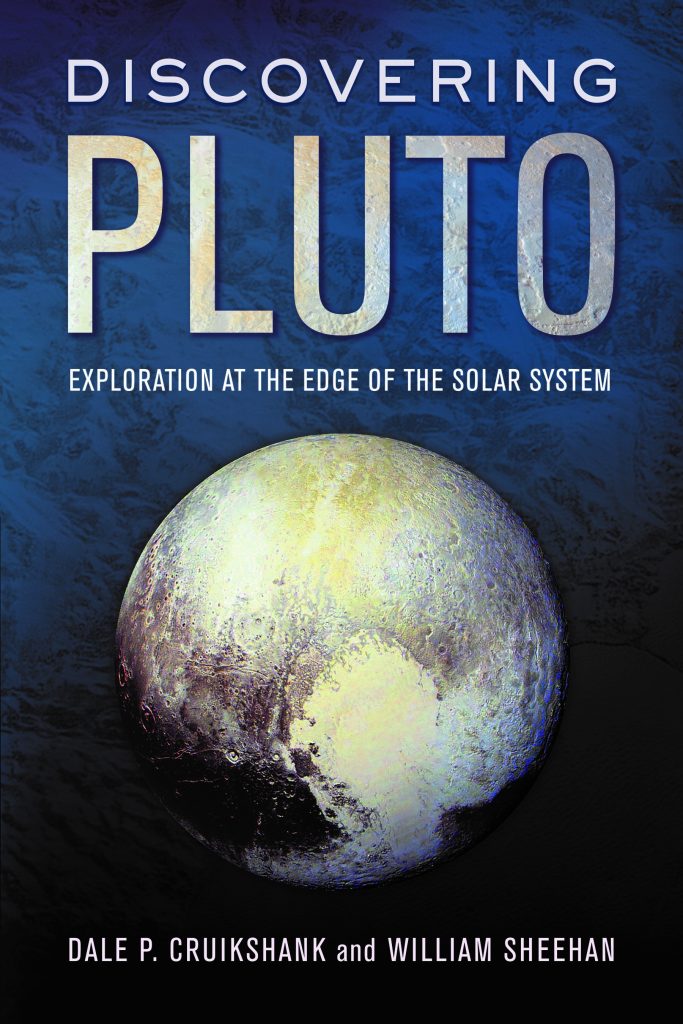
For six decades, the University of Arizona Press has published exceptional works in the field of space science. Below, we’ve highlighted some of our recent space science titles.

Under Desert Skies is currently available as our free e-book of the week until 7/16/2020. Use the code AZSKY20 at checkout!

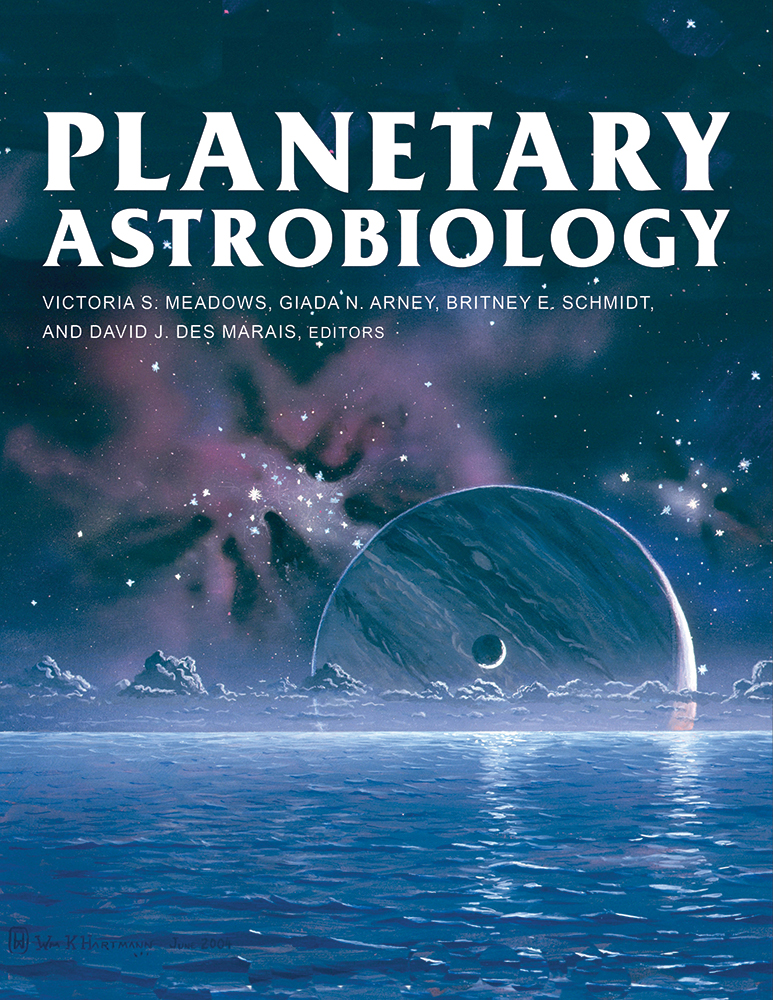
Planetary Astrobiology represents the combined efforts of more than seventy-five international experts consolidated into twenty chapters and provides an accessible, interdisciplinary gateway for new students and seasoned researchers who wish to learn more about this expanding field. Readers are brought to the frontiers of knowledge in astrobiology via results from the exploration of our own solar system and exoplanetary systems.

This book is a part of our incredible Space Science Series.

Enceladus and the Icy Moons of Saturn brings together nearly eighty of the world’s top experts to establish what we currently understand about Saturn’s moons, while building the framework for the highest-priority questions to be addressed through ongoing spacecraft exploration.

This book is also a part of our Space Science Series.

Gerard P. Kuiper and the Rise of Modern Planetary Science describes the life of a man who lived through some of the most dramatic events of the twentieth century and ended up creating a new field of scientific research, planetary science. As NASA and other space agencies explore the solar system, they take with them many of the ideas and concepts first described by Gerard P. Kuiper.

Read an excerpt from Derek W. G. Sears’ book here. We are thrilled to announce that Gerard P. Kuiper and the Rise of Modern Planetary Science won a Foreword Indies Award!
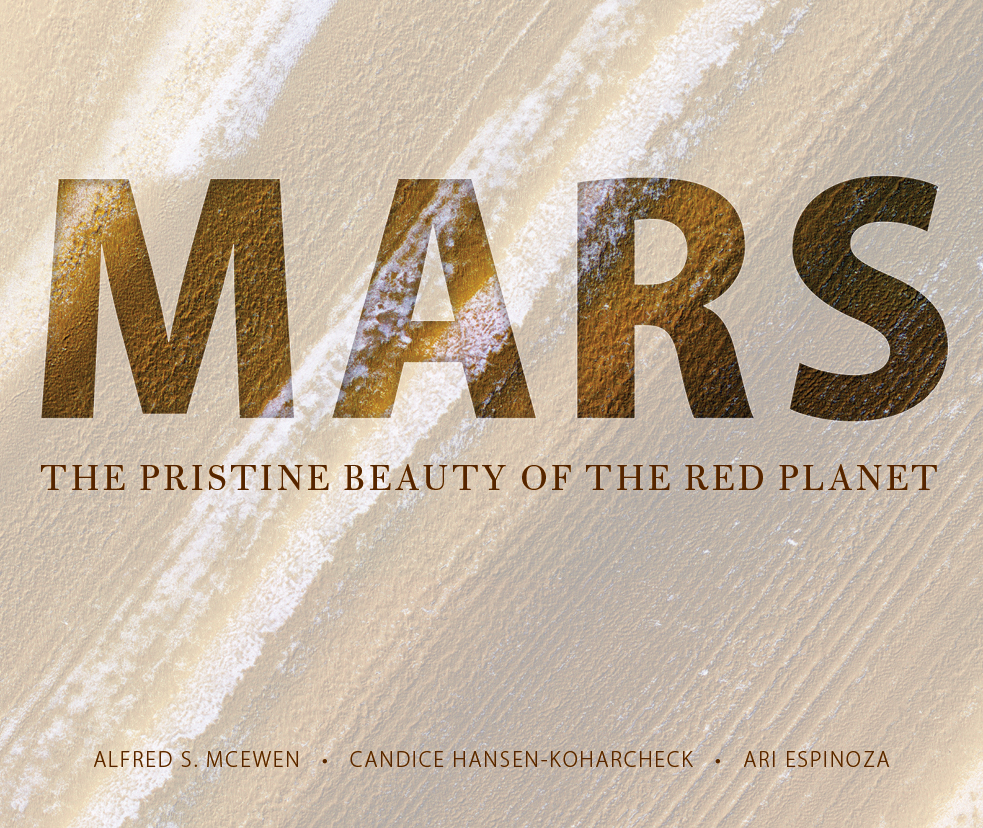
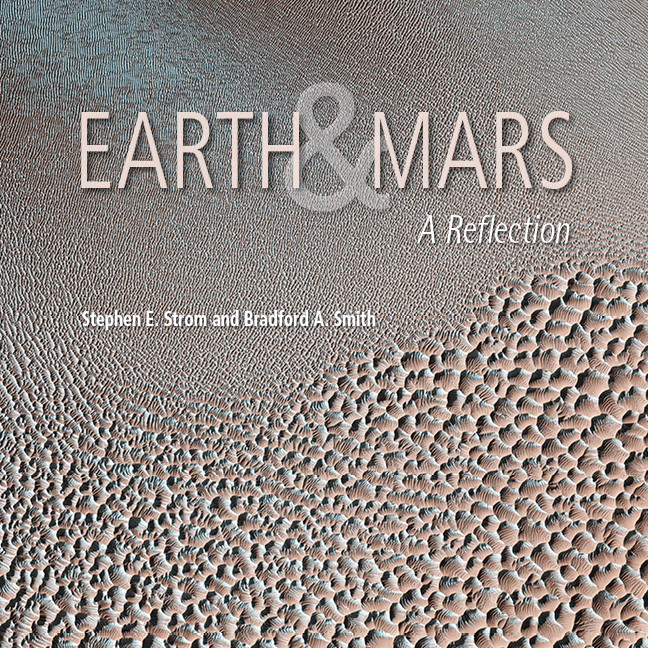
Mars: The Pristine Beauty of the Red Planet is the most outstanding and uniquely curated selection of Mars orbital images ever assembled in one volume. With explanatory captions in twenty-four languages and a gallery of more than 200 images, this distinctive volume brings a timely and clear look at the work of an active NASA mission.

Don’t forget, all e-books are 40% right now with the code AZEBOOK40!

Need Some Summer Reads? We Got You

July 7, 2020

We recently asked several University of Arizona Press authors to recommend a book from the Press that makes for a good read, and beautiful literature. Enjoy!

Bryan Allen Fierro’s Dodger Blue Will Fill Your Soul

We may not have baseball this year (fingers still crossed), but we do have Dodger Blue Will Fill Your Soul. Of course this collection is about more than baseball. Bryan Allen Fierro‘s debut is a series of searing tales set in the barrios of Los Angeles that was rightly recognized as being a testament to all of our shared humanity.

Luis Alberto Urrea, author of In Search of Snow, Wandering Time and Nobody’s Son

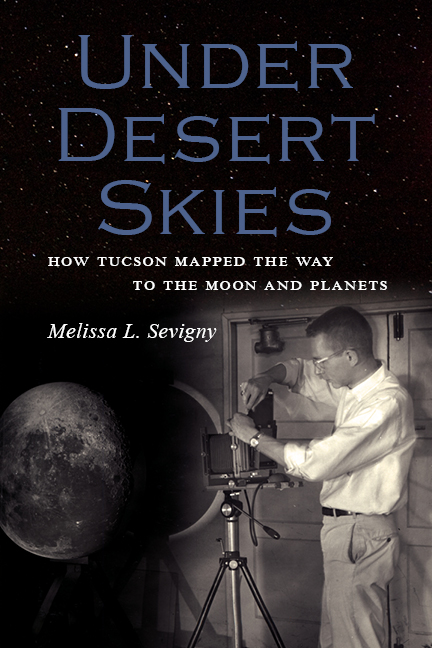
Melissa L. Sevigny’s Under Desert Skies: How Tucson Mapped the Way to the Moon and Planets

Summer evenings are for stargazing. And our desert skies make for some of the best seeing anywhere. Just ask any astronomer or backyard telescope enthusiast. You probably know one or two because Tucson is full of them. Chances are you’ve visited Kitt Peak National Observatory or the Mount Lemmon SkyCenter or the Whipple Observatory on Mount Hopkins, just a few of the telescope collections that dot the peaks of our sky islands.

Indeed, Tucson is the astronomy capital of the world. But we also have a long, fascinating history of planetary science. Melissa L. Sevigny’s 2016 book, Under Desert Skies: How Tucson Mapped the Way to the Moon and Planets, tells the stories of how space pioneers like Gerard Kuiper and Ewen Whitaker founded the UA’s Lunar and Planetary Lab (LPL) and made Tucson the epicenter of exploration of our solar system.

Ken Lamberton, author of Chasing Arizona: One Man’s Yearlong Obsession with the Grand Canyon State

Tom Holm’s The Osage Rose

Want to know more about the Tulsa Race Massacre that’s been in the news recently? Tom Holm‘s novel provides a nuanced examination of this event and two others that happened nearly simultaneously: the Osage Oil Murders and Prohibition, through the actions of believable characters. This is the best work in print that addresses these issues which still have consequences nearly a century since they occurred.

Frances Washburn, author of The Red Bird All-Indian Traveling Band

Carmen Giménez Smith’s Milk and Filth

With so little time, I pick cautiously the guests I invite to share my imagination. I want my VIP guests to tingle flesh and zing my body electric. I want them to stop me in my tracks to hear new contrapuntal melodies and to shiver with pleasure as I lick air that wraps anew words and images—actions and thoughts. I want them to peel back that thick glaze coating the surface of my mind. I want them to jumper-cable shock me out of Twitter bubbles and FB echo chambers. I want a lot. Today, I invite Carmen Giménez Smith and her exquisite Milk and Filth to share my soul.

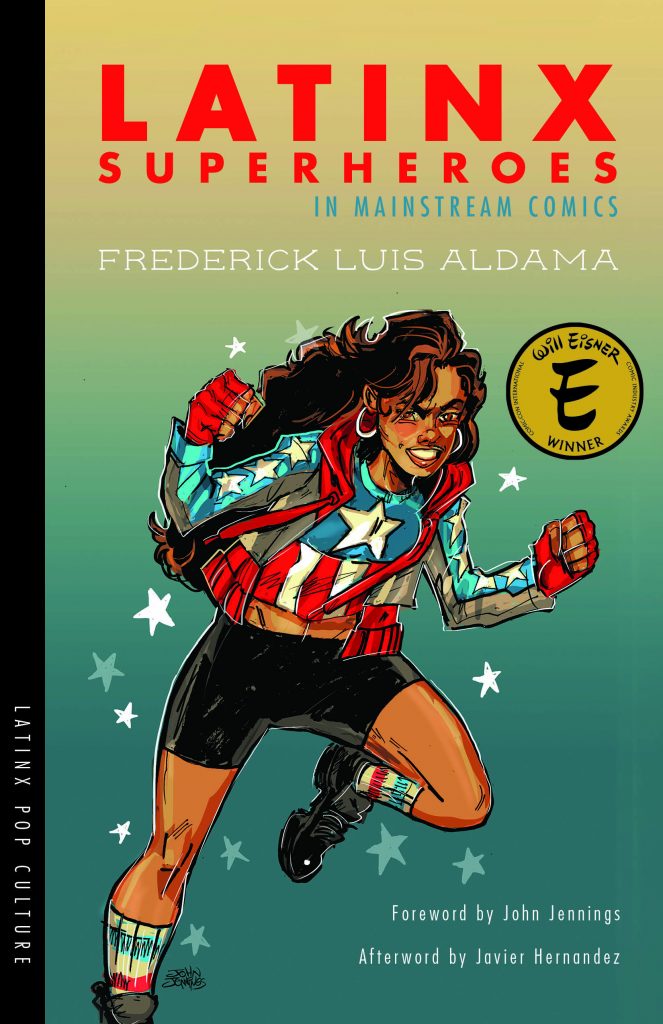
Frederick Luis Aldama, author of Latinx Superheroes in Mainstream Comics

Sara Sue Hoklotubbe’s Sadie Walela Mystery series

I recommend Sara Sue Hoklotubbe‘s award winning Sadie Walela Mystery series. There are precious few Native mystery writers and it is refreshing indeed to read stories authored by writers who know the culture and the territory.

Devon A. Mihesuah, author of The Roads of My Relations

Emmy Pérez’s, With the River on Our Face

Emmy Pérez’s With the River on Our Face, is more than a love letter to the Peoples and ecologies long nourished beyond the cut banks of the Rio Grande. This vital collection is a divining rod. With precise music in her language, Pérez is intentional and patient, and informed. With the River on Our Face is a meditation, border gravity pulling the reader to culturally fertile and voice sustaining, emerald waters. 

Bryan Allen Fierro, author of Dodger Blue Will Fill Your Soul

Gerard P. Kuiper and the Rise of Modern Planetary Science Wins a Foreword Indies Award

June 23, 2020

We are thrilled to announce that Gerard P. Kuiper and the Rise of Modern Planetary Science is the 2019 Bronze Winner of the Science section of the Foreword Indie Book Awards!

Gerard P. Kuiper and the Rise of Modern Planetary Science describes the life of a man who lived through some of the most dramatic events of the twentieth century and ended up creating a new field of scientific research, planetary science. As NASA and other space agencies explore the solar system, they take with them many of the ideas and concepts first described by Gerard P. Kuiper.

Derek W. G. Sears was a professor at the University of Arkansas for thirty years and is now a senior research scientist at NASA. He has published widely on meteorites, lunar samples, asteroids, and the history of planetary science.

Congratulations, Derek!

For Authors

The University of Arizona Press publishes the work of leading scholars from around the globe. Learn more about submitting a proposal, preparing your final manuscript, and publication.

Inquire

Requests

The University of Arizona Press is proud to share our books with readers, booksellers, media, librarians, scholars, and instructors. Join our email Newsletter. Request reprint licenses, information on subsidiary rights and translations, accessibility files, review copies, and desk and exam copies.

Request

Support the Press

Support a premier publisher of academic, regional, and literary works. We are committed to sharing past, present, and future works that reflect the special strengths of the University of Arizona and support its land-grant mission.

Give