Gerard P. Kuiper and the Rise of Modern Planetary Science describes the life of a man who lived through some of the most dramatic events of the twentieth century and ended up creating a new field of scientific research, planetary science. As NASA and other space agencies explore the solar system, they take with them many of the ideas and concepts first described by Gerard P. Kuiper.
Derek W. G. Sears was a professor at the University of Arkansas for thirty years and is now a senior research scientist at NASA. He has published widely on meteorites, lunar samples, asteroids, and the history of planetary science.
North of Tucson, the Santa Catalina Mountains have been aggressively burning for more than a week. As of today, the fire has grown to 23,892 acres, and many residents have evacuated their homes. As we watch the smoke billowing up above the mountain range, we thought it would be an appropriate time to turn our attention toward our books that focus on fire, the environment, and human impacts on the planet.
Below, we have a curated collection of environmentally focused books that dive deep into nature, the implications of human activity, and the devastation and renewal that fire can bring.
Use the code AZPLANET20 to receive 40% off with free shipping on any of the titles mentioned in this post! Don’t forget, Stephen Pyne’s The Southwest is available as a free e-book until 6/25/20 with the code AZFIRE20.
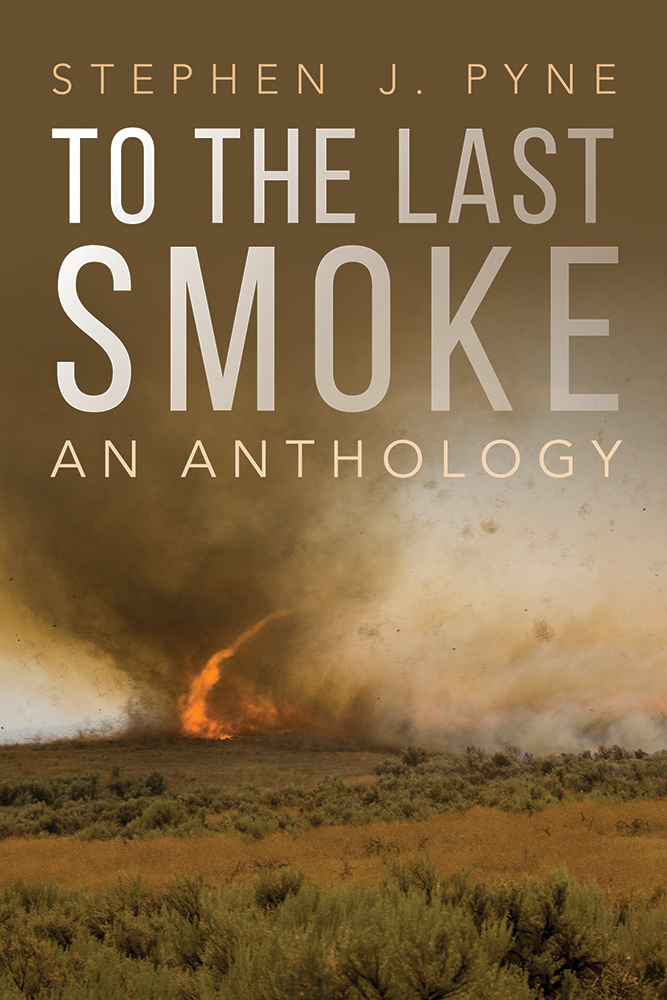
This anthology offers a unique and sweeping view of the nation’s fire scene by distilling observations on Florida, California, the Northern Rockies, the Great Plains, the Southwest, the Interior West, the Northeast, Alaska, the oak woodlands, and the Pacific Northwest into a single, readable volume. The essays offer a color-commentary companion to the play-by-play narrative offered in Pyne’s Between Two Fires: A Fire History of Contemporary America.
To the Last Smokeis Stephen J. Pyne’s way of “keeping with it to the end,” encompassing the directive from his rookie season as a wildland firefighter to stay with every fire “to the last smoke.”
Read an excerpt from the book here, and watch a video about the series here.
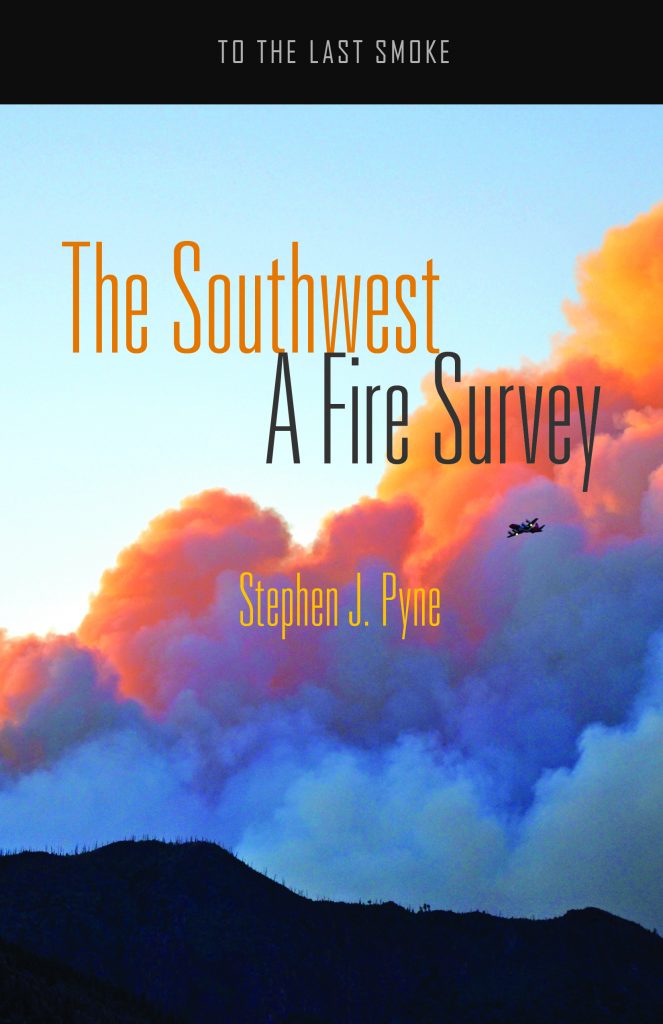
Through a mixture of journalism, history, and literary imagination, fire expert Stephen J. Pyne provides a lively survey of what makes this region distinctive, moving us beyond the usual conversations of science and policy. Pyne explores the Southwest’s sacred mountains, including the Jemez, Mogollon, Huachucas, and Kaibab; its sky islands, among them the Chiricahuas, Mount Graham, and Tanque Verde; and its famous rims and borders. Together, the essays provide a cross-section of how landscape fire looks in the early years of the 21st century, what is being done to manage it, and how fire connects with other themes of southwestern life and culture.
The Southwest is part of the multivolume series describing the nation’s fire scene region by region. The volumes in To the Last Smoke also cover California, the Northern Rockies, the Great Plains, Florida, and several other critical fire regions. The series serves as an important punctuation point to Pyne’s 50-year career with wildland fire—both as a firefighter and a fire scholar.
Read six questions with Stephen J. Pyne here, then read an article on preparing for the pyrocene here. Use the code AZFIRE20 to get this e-book for free through 6/25/20.
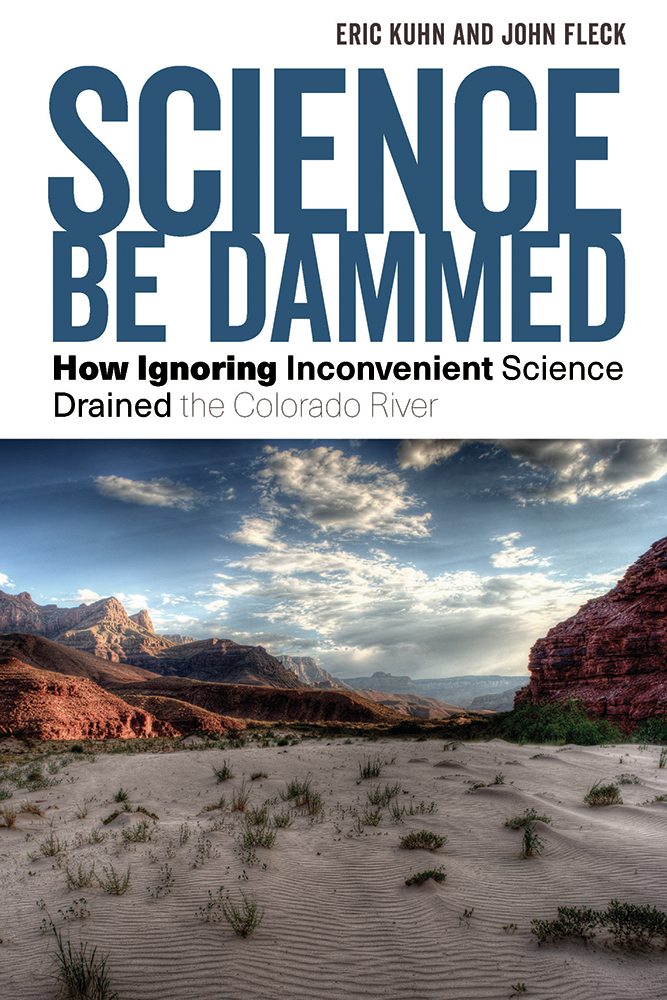
Science Be Dammed is an alarming reminder of the high stakes in the management—and perils in the mismanagement—of water in the western United States. It offers important lessons in the age of climate change and underscores the necessity of seeking out the best science to support the decisions we make.
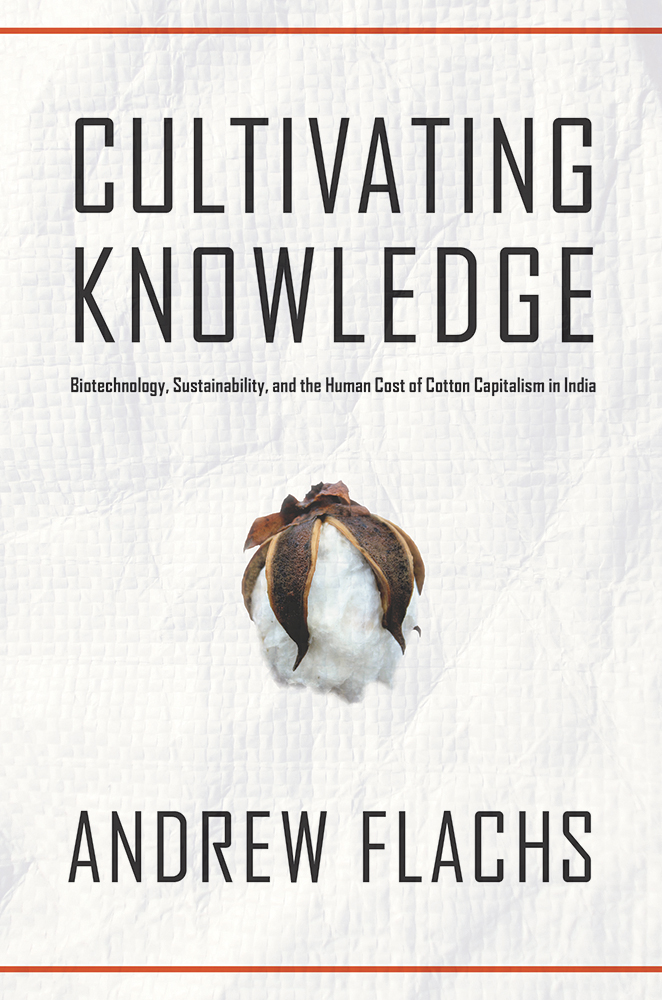
Cultivating Knowledge highlights the agency, creativity, opportunism, and performance of individuals and communities carving out successful lives in a changing agricultural landscape. The practice of sustainable agriculture on the farm—let alone the global challenge of feeding or clothing the world—is a social question, not a technological one. Farmers do not make simple cost-benefit analyses when evaluating new technologies and options. Their choices have dire consequences, sometimes leading to death. Through an ethnography of seeds, Andrew Flachs investigates the human responses to global agrarian change.
View some field notes from Andrew Flachs’ research here, then watch a lecture on anthropology and agriculture here.
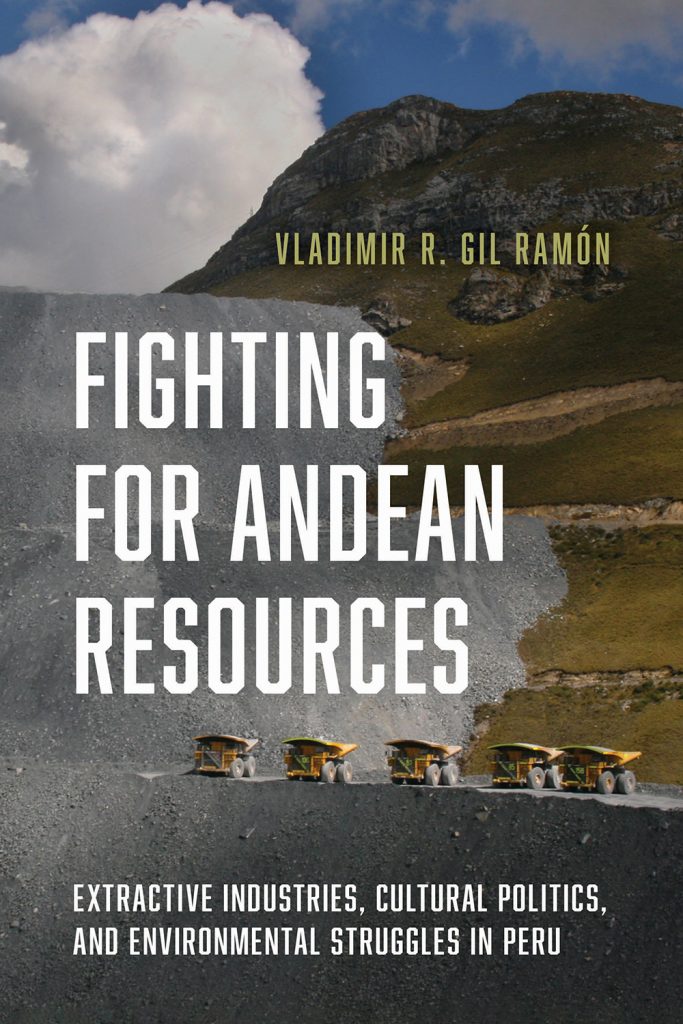
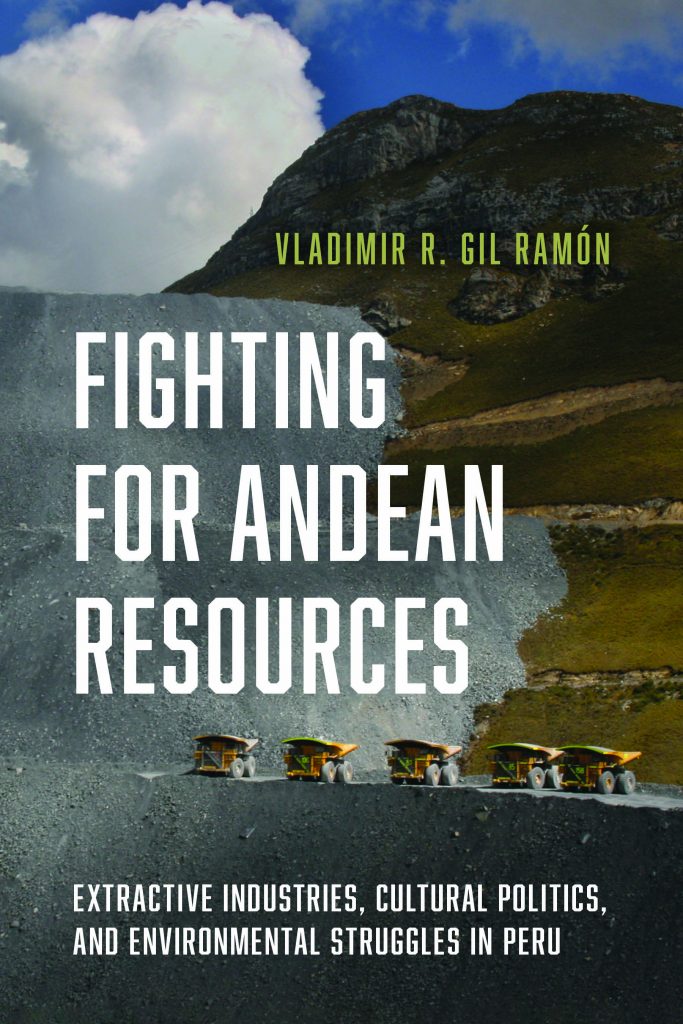
Fighting for Andean Resourcesoffers a singular contribution to the literature critiquing monolithic views of nation-state dynamics and globalization. Vladimir R. Gil Ramón examines the protocols of accountability and the social critique of the application of environmental impact assessments and safeguard policies. His analysis reveals the complex mechanisms for legitimizing decision-making and adds to an understanding of everyday state-nation conflicts and negotiations.
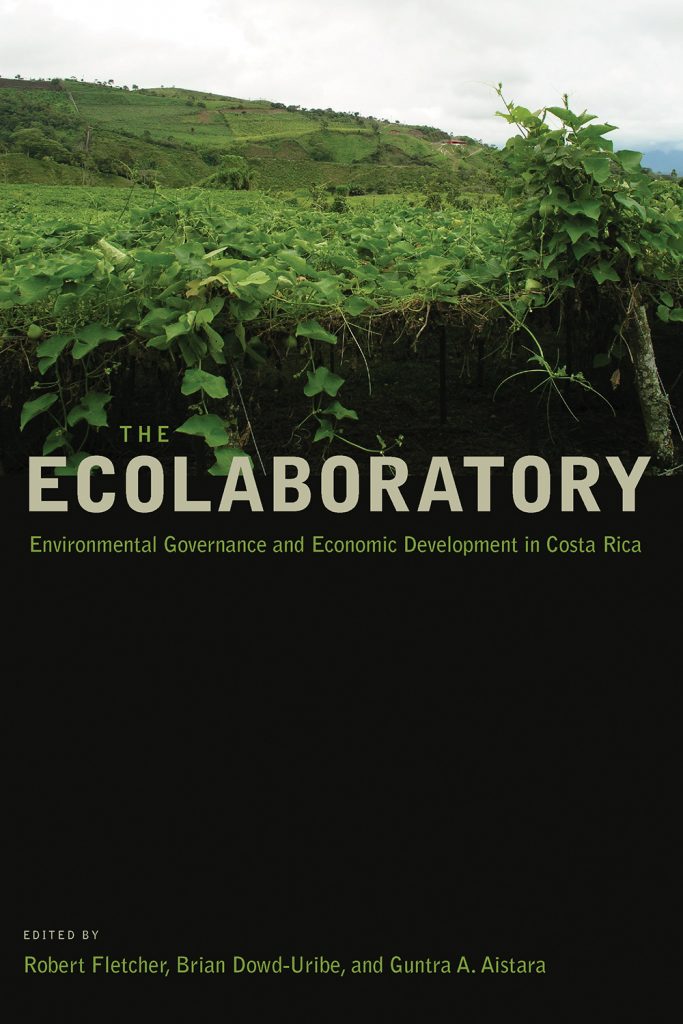
Despite its tiny size and seeming marginality to world affairs, the Central American republic of Costa Rica has long been considered an important site for experimentation in cutting-edge environmental policy. The Ecolaboratory frames Costa Rica as an “ecolaboratory” and asks what lessons we can learn for the future of environmental governance and sustainable development both within the country and elsewhere.
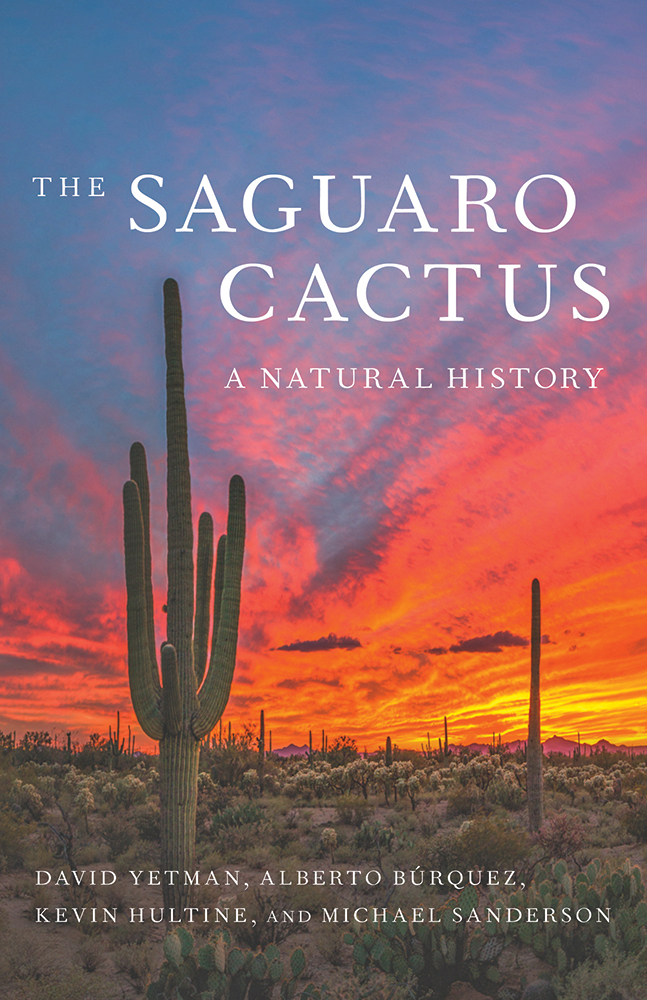
The saguaro, with its great size and characteristic shape, has become the emblem of the Sonoran Desert of southwestern Arizona and northwestern Mexico. The Saguaro Cactus offers a complete natural history of this enduring cactus, the largest and tallest in the United States. From its role in Sonoran Desert ecology, to its adaptations to the desert climate, to its sacred place in Indigenous culture, this book offers a definitive source on a distinguished desert plant.
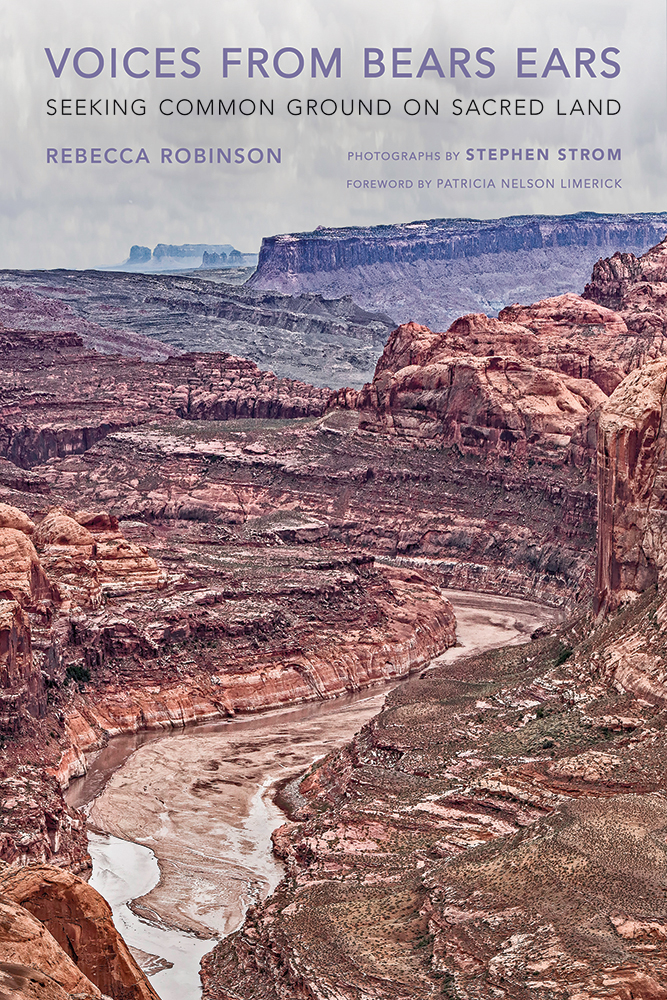
Through twenty individual stories, Voices from Bears Ears captures the passions of the debate that led to the creation of Bears Ears National Monument, a land of unsurpassed natural beauty and deep historical significance. The story of this place reflects the cultural crosscurrents that roil our times: maintaining tradition and culture in the face of change, healing the pain of past injustices, creating shared futures, and protecting and preserving lands for future generations.
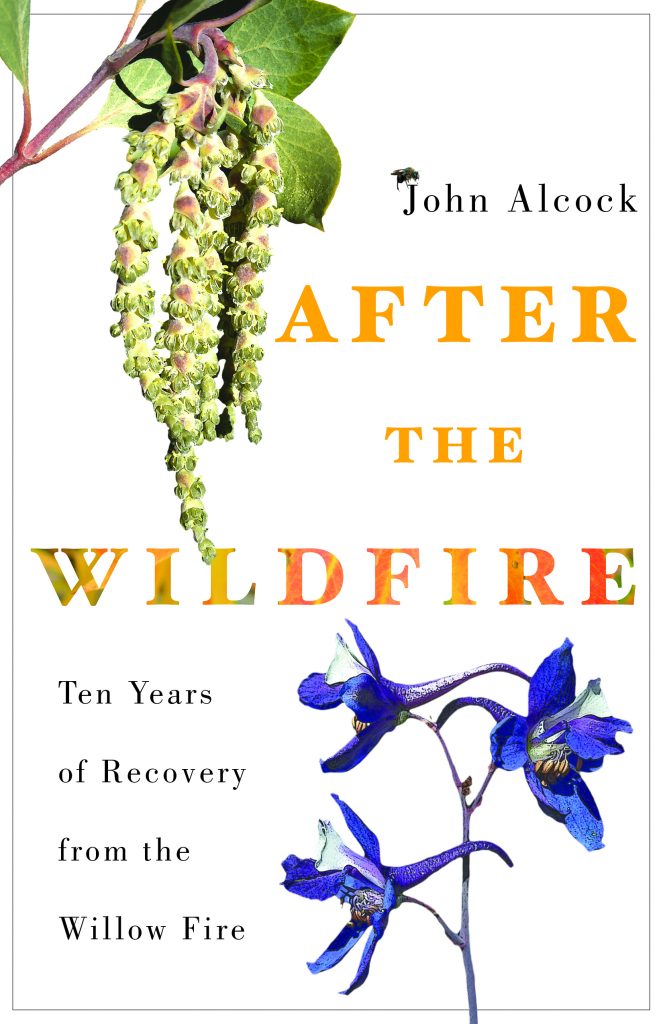
Naturalist John Alcock details the aftermath of a devastating wildfire in the lower reaches of Arizona’s Mazatzal Mountains. Documenting for a decade the chaparral landscape left in the wake of the Willow fire,After the Wildfire thrills at the renewal of the region as he hikes in and photographs plants and animals in a once-blackened wildland now teeming with resurgent life.
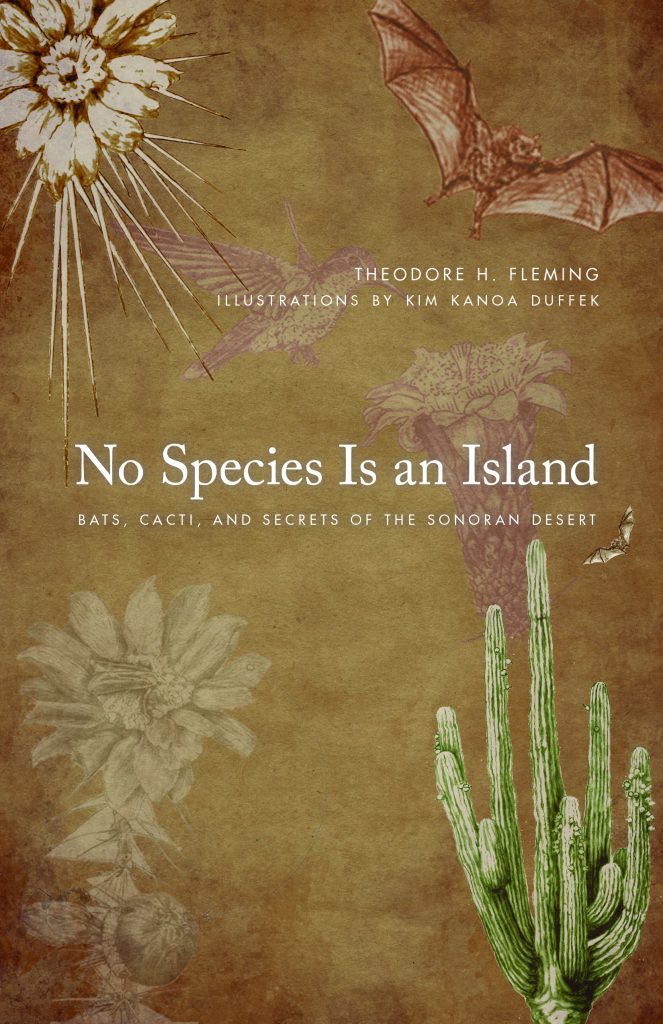
No Species Is an Island describes the surprising results of Theodore H. Fleming’s eleven-year study of pollination biology in Sonora, Mexico, in the most biologically diverse desert in the world. These discoveries serve as a primer on how to conduct ecological research, and offer important conservation lessons for us all. Fleming offers an insightful look at how field ecologists work, and the often big surprises that come from looking carefully at a natural world where no species stands alone.
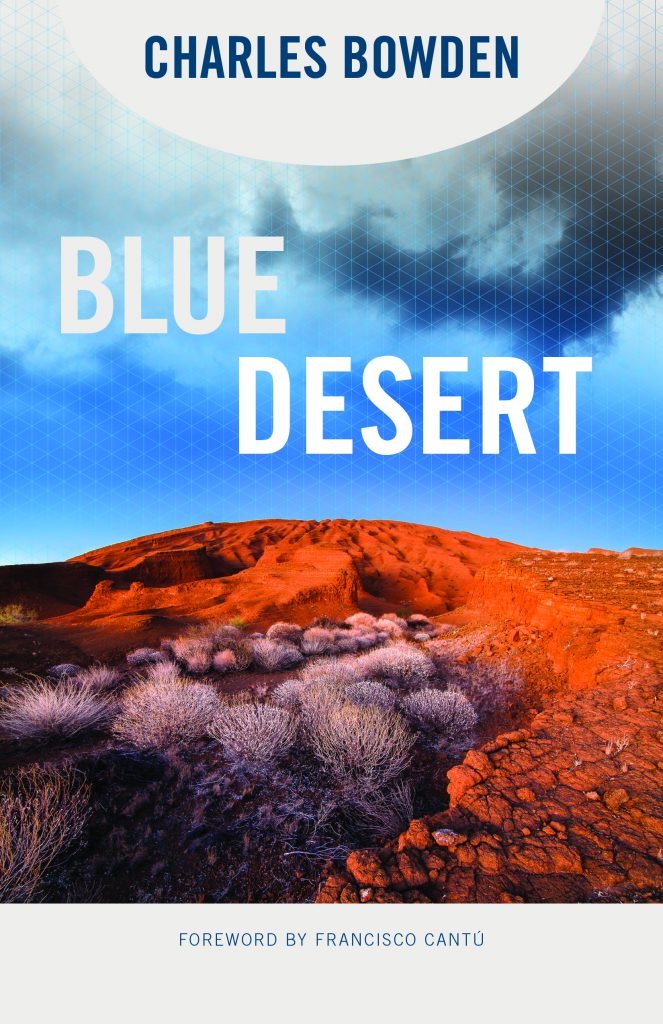
Published in 1986, Blue Desertwas Charles Bowden’s third book-length work and takes place almost entirely in Arizona, revealing Bowden’s growing and intense preoccupation with the state and what it represented as a symbol of America’s “New West.” With a thoughtful new foreword by Francisco Cantú, Blue Desert is a critical piece of Bowden’s oeuvre.
For more than a week, the Tucson community has watched the Bighorn Fire burn its way across the Santa Catalina Mountains. Many people have been ordered to evacuate their homes as firefighters from surrounding regions fight the blaze. As of today, the fire has burned 14,686 acres with 30 percent containment.
Since 2015, we’ve published the works of fire historian Stephen J. Pyne, starting with a narrative examination of fire in the United States Between Two Fires: A Fire History of Contemporary America. Next, we published a series of regional fire surveys. This spring, Pyne brought together the best of each regional study into the anthology To the Last Smoke, which offers a unique and sweeping view of the nation’s fire scene and serves as a punctuation mark to the series.
Pyne is an emeritus professor at Arizona State University. He is the author of more than 30 books, mostly on wildland fire and its history but also dealing with the history of places and exploration, including The Ice, How the Canyon Became Grand, and Voyager.
Below, read an excerpt from the “Southwest” section of Pyne’s new anthology:
“On September 18, 1909, a young Aldo Leopold, then a ranger with the U.S. Forest Service, shot two timber wolves in Arizona’s White Mountains. He noted the episode casually in a letter home. But the incident, like embers in an old campfire, glowed in his mind, and in April 1944 he wrote one of his most celebrated meditations, ‘Thinking Like a Mountain’, in which he described standing over the dying she-wolf and watching the ‘fierce green fire’ in her eyes die and wondered if shooting the wolf had helped unhinge the larger landscape. Too much emphasis on safety, he thought, was dangerous. He quoted Thoreau’s dictum, ‘In wildness is the salvation of the world.’
The essays, or more accurately moral epistle, became one of the founding documents of 20th-century American environmentalism. It helped make the wolf the living emblem of the wild, and wolf restoration a measure of ecological enlightenment. About 10 miles of Leopold’s kill site, Mexican gray wolves were reintroduced in 1998. But his insights also helped underwrite a campaign of nature protection that focused on the preservation of pristine lands. Leopold was the architect of America’s first ‘primitive area’, the Gila, located in an adjacent national forest, which subsequently became the inspiration for a National Wilderness Preservation System 40 years later. In 1984 the system acquired the 11,000-acre Bear Wallow Wilderness, about 10 miles as the crow flies southwest from where Leopold shot is wolf. Between them the three sites from a triangle of environmental thinking transformed into action— the deed into an idea, the emblem into a restored species, the wild into a legally gazetted preserve.
A century later a mammoth wildfire boiled out of the Bear Wallow Wilderness, blew over the wolf reintroduction site, and overran Leopold’s vantage point above the Black River. The Wallow fire, kindled by an untended campfire, burned 50 times as much land as the wilderness held. An idealistic green fire met an all-too-real red one.
The contrast almost overflows with symbolism, but two themes seem most useful. One speaks to nature protection, and that preserving the wild is perhaps not just a paradox but an example of a misguided urge toward safety, in this case the security of nature, not unlike Leopold’s shooting a wolf. ‘In those days we never heard of passing up a chance to kill a wolf.’ Fewer wolves meant more deer, and no wolves meant ‘a hunter’s paradise.’ So, too, it has seemed self-evident that removing the human presence would mean a healthier land, and no people would mean paradise.
The other theme is fire. At the time Leopold killed the green fire, he was also swatting out red ones. Fire control was among the most fundamental of ranger tasks; to ignore fire could be cause for dismissal. Interestingly, posters from the era even equated fire with wolves: the fire wolf running wild through reserves was a ravenous killer that needed to be hunted down and shot. Over time this belief, too, yielded to the realization that fire’s removal, like the wolf’s, could unravel ecosystems. The difference was that fire was renewed annually, if not through human artifice then through lightning (the American Southwest is North America’s epicenter for lightning fire). The spark is always there: if wind and fuel are aligned, fire can spread.
But the deeper story was that the sparks decreased and the fuel was stripped away. Lightning fires were attacked and distinguished at their origin. People quit setting tame fires to substitute for nature’s wild ones. And overgrazing slow-metabolized on a vast scale what fire had formerly fast-burned. Cattle and sheep cleaned out the country’s combustibles. Flame might kindle in the isolated snag; it could not easily spread. Over decades, however, the removal of predatory fire allowed a woody understory to flourish, akin to the metastasizing deer population that blew up after the wolves were extinguished. Both yielded a sick, impoverished landscape.
So a campaign to restore fire ran parallel to that for reinstating wolves. Their histories are oddly symmetrical. The population of neither wolf nor fire has reached its former levels, and the landscape teeters on a metastable ridgeline. The issue is that success requires not merely the presence of wolf and flame but a suitable habitat in which they can thrive. The power of fire resides in the power to propagate, and that sustaining setting was gone. Fire, however, had other properties wolves lacked, notably a capacity not simply to recycle but to transform. A single spark could transmute thousands of acres almost instantaneously.
On Memorial Day weekend, May 2011, flames returned. This time they came as feral fire. It was certainly not a tame fire— not a controlled burn or a prescribed one suitable for wildlands. Neither was it a truly natural fire; it started from a slovenly kept campfire and burned through decades of forests whose structure had been destabilized by logging, of grazing that had destroyed their capacity to carry surface fire, and of doctrines of fire exclusion that had prevented nature’s economy from brokering fuel and flame. The Wallow fire could no more behave as it would have in presettlement times than could a wolf pack dropped into a former hunting site now remade into a Phoenix shopping mall.
Probably fires had burned as widely in the past, but through long seasons in which they crept and swept as the mutable comings and goings of local weather allowed. Undoubtedly, in the past spring winds, underwritten by single-digit humidity, had blown flame through the canopies of mixed-conifer spruce and fir and left landscapes of white ash and sticks. But it is unlikely that earlier times had witnessed a similar combination of size and intensity. The Wallow burn was not what forest officers had in mind when they sought to reintroduce the ecological alchemy of free-burning flame.
If you would like to read more about fire in the Southwest, we are currently offering Stephen J. Pyne’s The Southwest as a free e-book through 6/25/2020. Use the code AZFIRE20 at checkout!
The University of Arizona Press is committed to publishing the voices and scholarship of Black, Indigenous, and Latinx authors. In a world filled with injustices, racism, and inequalities, we encourage people to read books that will educate them on the experiences and perspectives of people of color, furthering understanding as we move forward. The books included in this post highlight social justice, resistance, and social movements— topics which are crucially important now and always.
Use the code AZJUSTICE20 to get 40% off with free shipping on all of the titles included in this post.
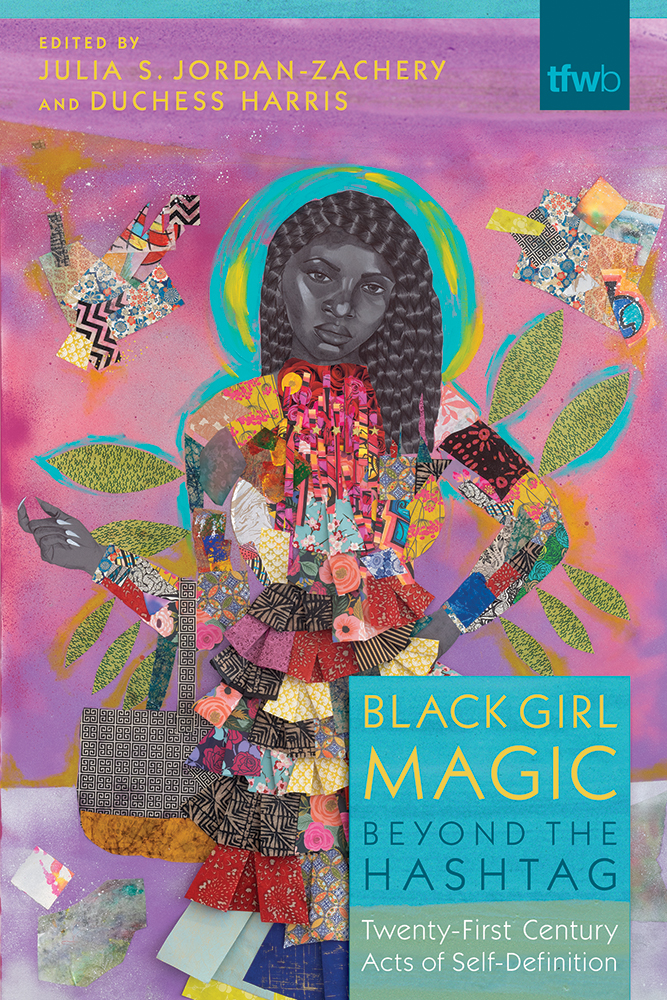
Black Girl MagicBeyond the Hashtag poses the question: how does the #BlackGirlMagic political and cultural movement translate outside of social media? The essays in this volume move us beyond the digital realm and reveals how Black girls and women foster community, counter invisibility, engage in restorative acts, and create spaces for freedom in the face of structural oppression.
Read an excerpt from Black Girl Magic Beyond the Hashtaghere.
Marquis Bey’s debut essay collection unsettles normative ways of understanding Blackness, Black feminism, and queerness. Them Goon Rules is an un-rulebook, a long-form essayistic sermon that meditates on how Blackness and nonnormative gender impact and remix everything we claim to know.
Them Goon Rules is our free e-book of the week from 6/3/2020 to 6/10/2020. Use the code AZBEY20 at checkout.
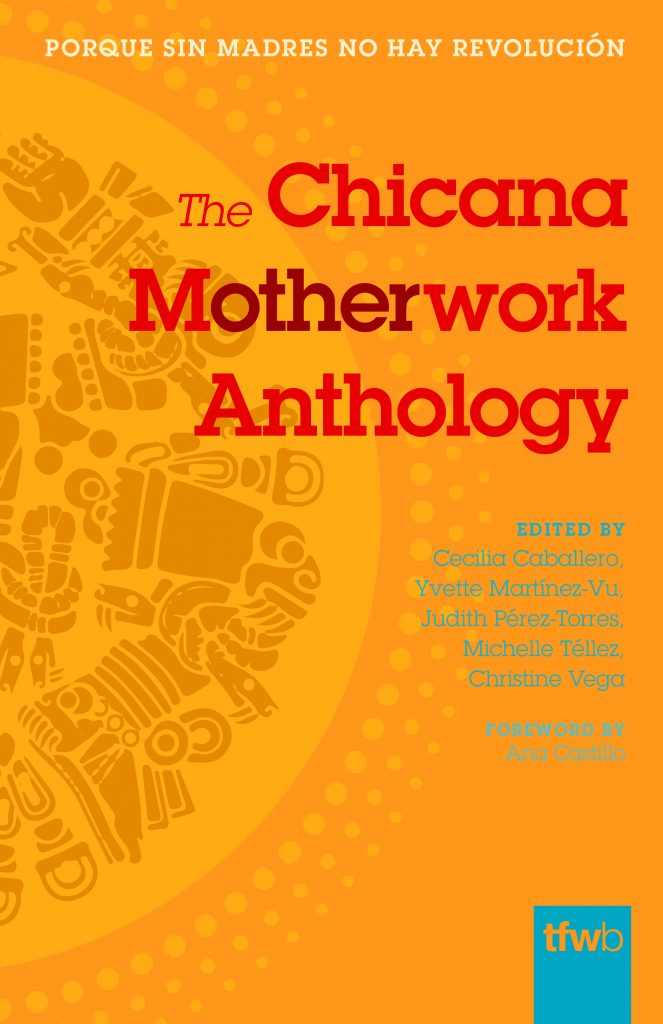
The Chicana M(other)work Anthology is a call to action for justice within and outside academia. This volume brings together emerging scholarship and testimonios by and about self-identified Chicana and Women of Color mother-scholars, activists, and allies who, using an intersectional lens, center mothering as transformative labor.
Read an excerpt from The Chicana M(other)work Anthologyhere.
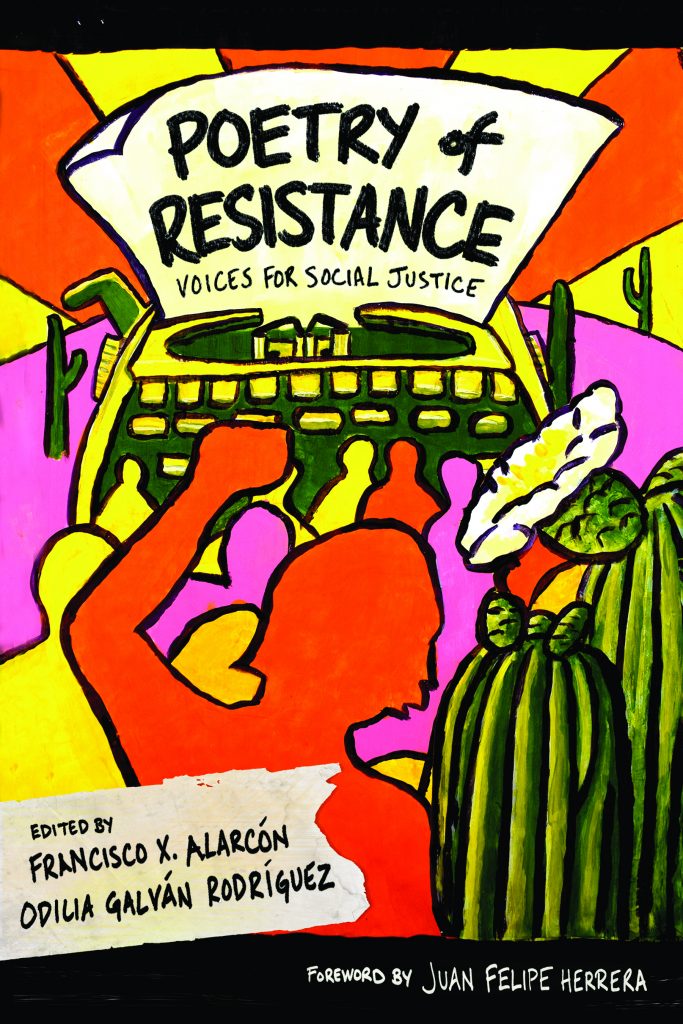
Poetry of Resistance offers a poetic call for tolerance, reflection, reconciliation, and healing. Bringing together more than eighty writers, the anthology powerfully articulates the need for change and the primacy of basic human rights.
“Alarcón and co-editor the eco-poet and activist Odilia Galván Rodríguez selected the strongest work from the hundreds of entries to shape this anthology whose communal message—a plea for social change—will remain timeless and resonant.”—NBC News
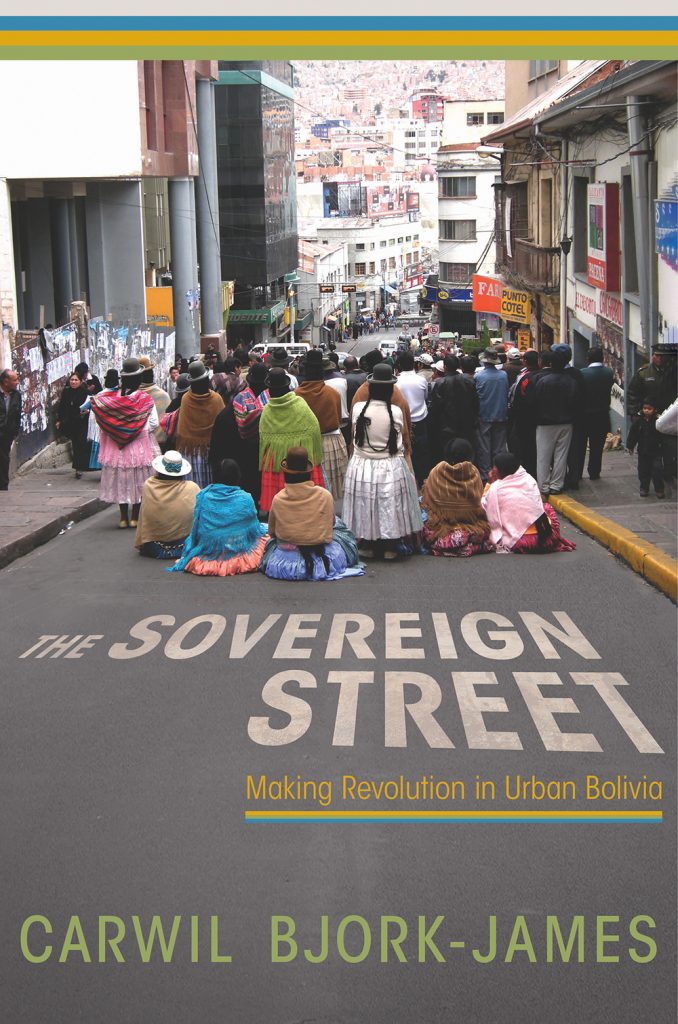
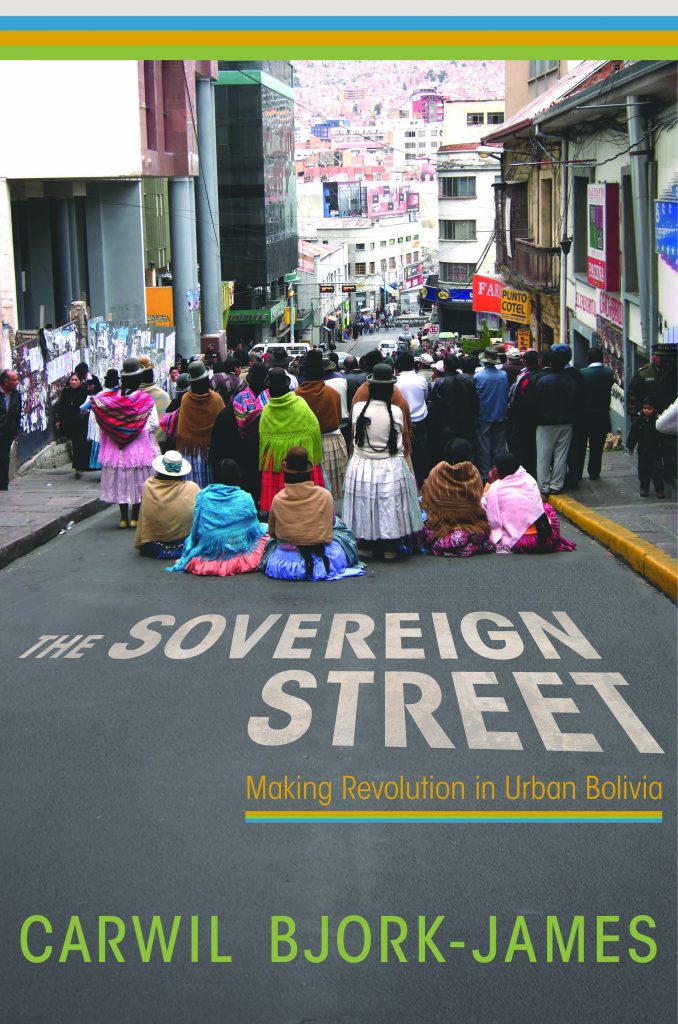
The Sovereign Streetoffers a rare look at political revolution as it happens, showing how mass street protest can change national political life. It documents a critical period in twenty-first century Bolivia, when small-town protests made headlines worldwide, where a generation of pro-globalization policies were called into question, and where the indigenous majority stepped into government power for the first time in five centuries.
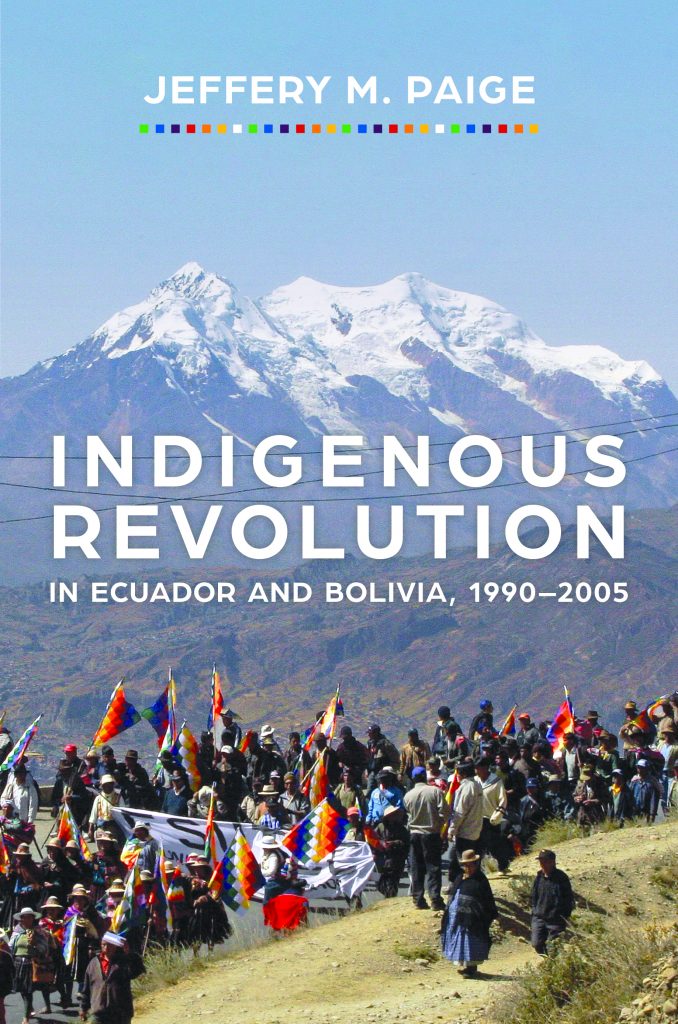
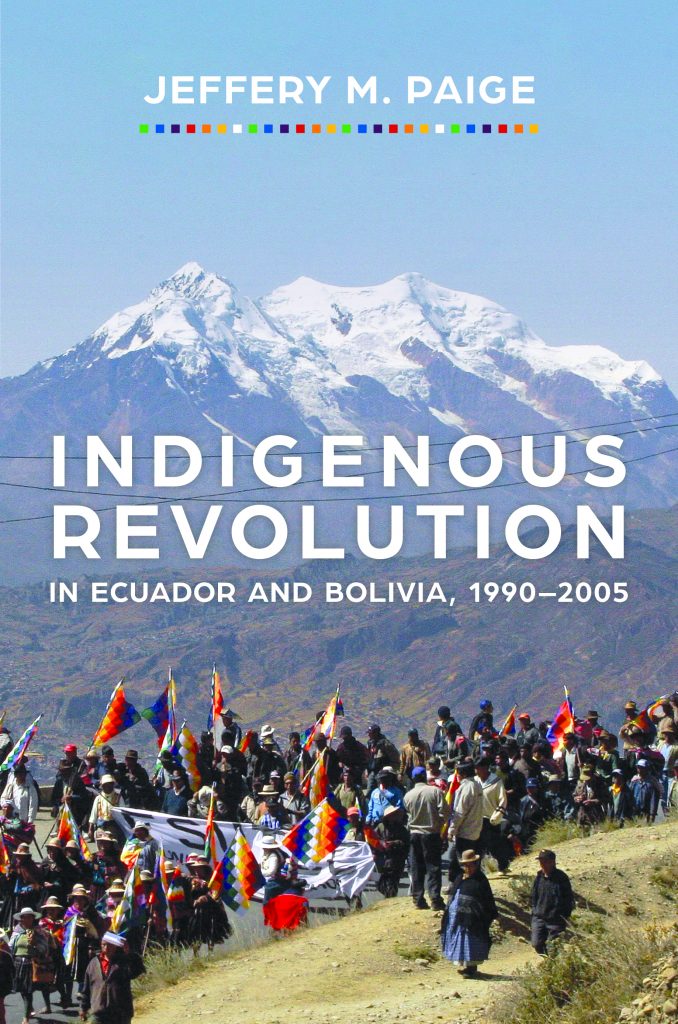
In the fifteen-year span from 1990 to 2005 uprisings of the indigenous peoples of Ecuador and Bolivia changed their societies forever. The combination of mass mobilization, elections, and indigenous socialism created a new form of twenty-first-century revolution that applies to cultures far beyond the Andes. In Indigenous Revolution in Ecuador and Bolivia, 1990-2005, Jeffrey M. Paige’s interviews present the powerful personal experiences and emotional intensity of the revolutionary leadership.
The early 1960s are remembered for the emergence of new radical movements. One such protest movement rose in the Mexican state of Chihuahua. With large timbering companies moving in on the forested sierra highlands, campesinos and rancheros did not sit by as their lands and livelihoods were threatened. Agrarian Revolt in the Sierra of Chihuahua, 1959-1965 is the story of how they organized and demanded agrarian rights—ultimately with deadly consequences.
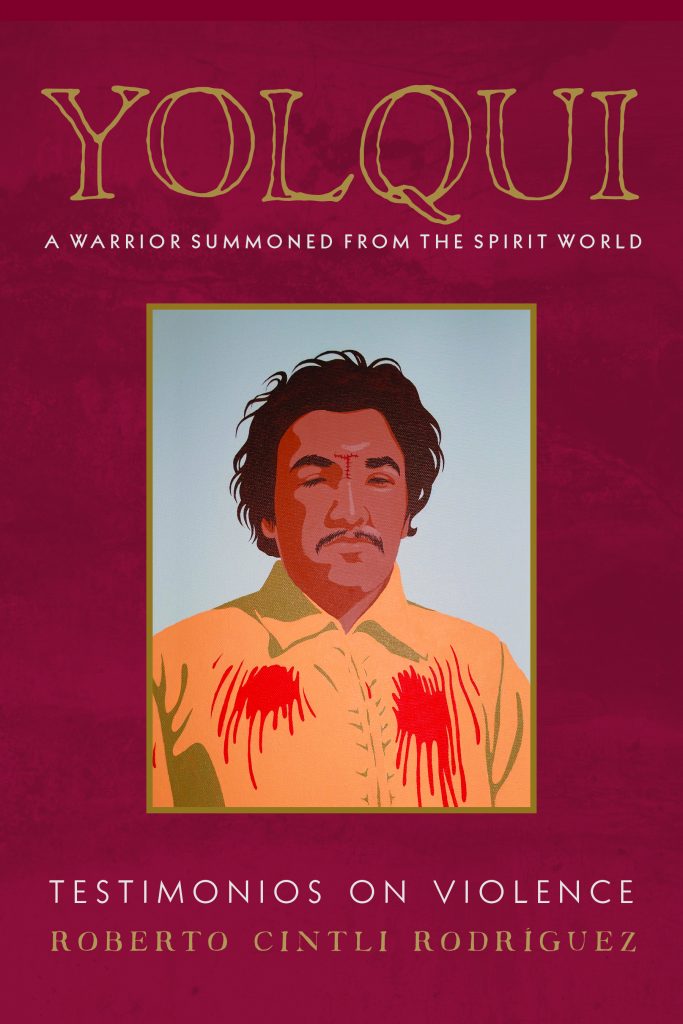
This is a testimonio, a historia profoundo of the culture of extralegal violence against the Red-Black-Brown communities in the United States that operates with impunity. Framed by Roberto Cintli Rodríguez’s personal testimony of police violence,Yolqui, a Warrior Summoned from the Spirit World is a clarion call to end that violence and those philosophies that permit such violence to flourish.
Read an excerpt from Yolqui, a Warrior Summoned from the Spirit Worldhere.
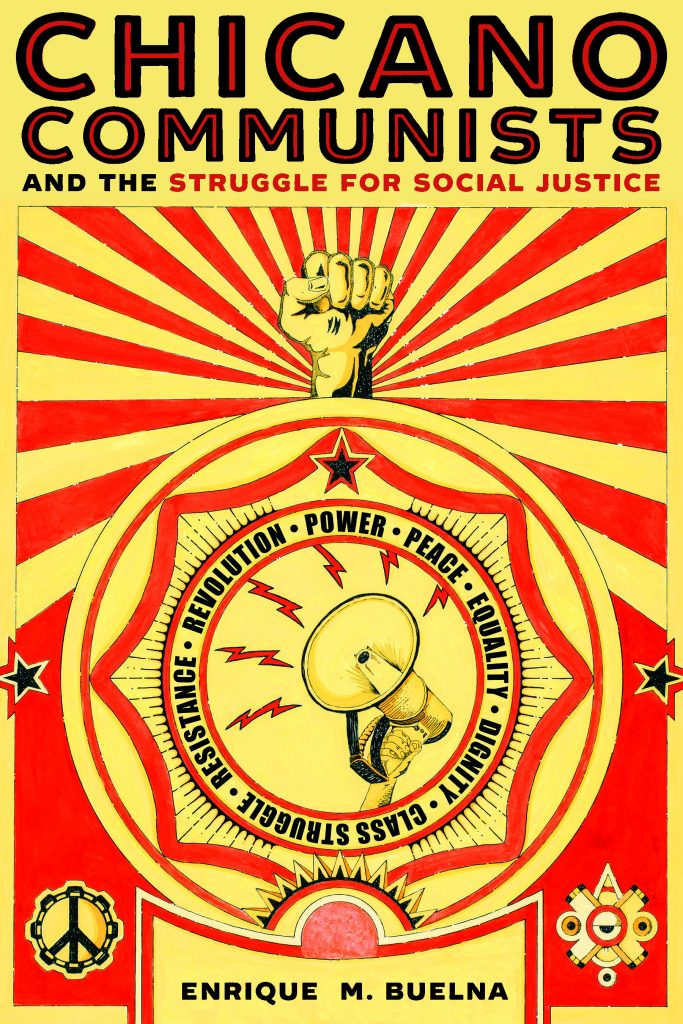
Chicano Communists and the Struggle for Social Justice traces the early roots of the Chicano Movement. It follows the thread of radical activism of the 1930s and 1940s to today, showing the depth of its influence on Mexican Americans struggling to achieve social justice and equality.
Don’t forget, all of our e-books are 40% off right now. Use the code AZEBOOK40 at checkout.
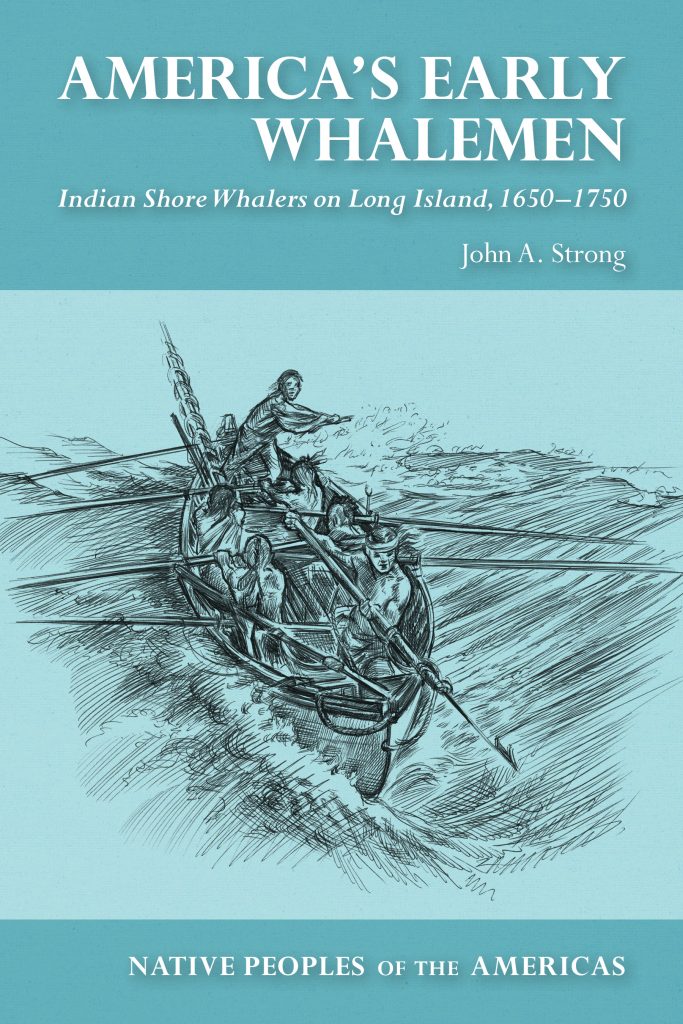
When Strong began teaching at Long Island University in 1964, he found little mention of the local Indigenous people in history books. The Shinnecocks and the neighboring tribes of Unkechaugs and Montauketts were treated as background figures for the celebratory narrative of the “heroic” English settlers. America’s Early Whalemen highlights the important contributions of Native peoples to colonial America.
From the review:
The world of the South and North Forks’ native people changed forever with the permanent arrival of the English in 1639, when Lion Gardiner bought the island soon to bear his name. But nothing prepared them for the broken floodgate, when in the next year there were two sizable settlements on the East End, in Southold and Southampton. By 1645, a group of Southampton residents decamped farther east to found East Hampton. The rest of Mr. Strong’s book is a look at this clash of cultures.
From reading the town records of Southampton and East Hampton, the author agrees with the historian David Goddard, who realized that Southampton’s Puritan pioneers, led by Edward Howell, John Cooper Sr., Daniel How, and Thomas Halsey, were more interested in improving their economic status than in religious piety. There were disputes about ownership of drift whales, so in 1644 Southampton drew up an ordinance that formed four wards, with 11 persons in each. By lot two of each ward were employed in cutting up the whale, and for their work they would receive a double share. The ordinance goes on to describe who gets the rest of the shares, on down to a resident and his child or servant. Such ordinances changed with new arrivals and departures. The English were in charge, but most of the work force was native.
The University of Arizona Press is thrilled to announce a new partnership with the Academy of American Poets.
Beginning in 2020, recipients of the Academy of American Poets’ Ambroggio Prize will have their winning manuscript published in Spanish with the English translation by the University of Arizona Press, a nationally recognized publisher of award-winning works in Latinx and Indigenous literature. The Ambroggio Prize is a $1,000 publication award given for a book-length poetry manuscript originally written in Spanish and with an English translation.
This new partnership is part of the Academy of American Poets’ ongoing commitment to supporting American poets at all stages of their careers, fostering the appreciation of contemporary poetry, and collaborating with other poetry organizations and presses.
“The University of Arizona Press is one of the first publishers to spotlight Latinx literary voices. We are honored to be selected by the Academy of American Poets to publish annually the Ambroggio Prize-winner,” said Kathryn Conrad, director of the University of Arizona Press. “This prize celebrates the voices of many Latinx poets whose first language is Spanish, building on our mission to foreground voices that might otherwise not be heard.”
In addition to the 2020 Ambroggio Prize-winning manuscript, which will be announced in the fall of 2020 and published in the fall of 2021, the University of Arizona Press will publish the 2019 Ambroggio Prize-winning manuscript, Danzsirley/Dawn’s Earlyby Gloria Muñoz in the spring of 2020.
Established in 2017, the Ambroggio Prize is the only annual award of its kind in the United States that honors American poets whose first language is Spanish. It is one of the American Poets Prizes, a collection of eleven major awards given by the Academy of American Poets.
About the Academy of American Poets
The Academy of American Poets is the nation’s leading champion of poets and poetry with supporters in all fifty states. Founded in 1934, the organization produces Poets.org, the world’s largest publicly funded website for poets and poetry; organizes National Poetry Month; publishes the popular Poem-a-Day series and American Poets magazine; provides award-winning resources to K–12 educators, including the Teach This Poem series; administers the American Poets Prizes; hosts an annual series of poetry readings and special events; and coordinates a national Poetry Coalition working together to promote the value poets bring to our culture. Through its prize program, the organization annually awards more funds to individual poets than any other organization, giving a total of $1,250,000 to more than 200 poets at various stages of their careers. This year, in response to the global health crisis, the Academy launched the #ShelterInPoems initiative, inviting members of the public to select poems of comfort and courage from its online collection to share with others on social media. The initiative culminated in the organization’s first-ever virtual reading, which was watched more than 25,000 times by viewers in more than 40 countries around the world. The Academy is also one of seven national organizations that comprise Artist Relief, a multidisciplinary coalition of arts grantmakers and a consortium of foundations working to provide resources and funding to the country’s individual poets, writers, and artists who are impacted by the ongoing Covid-19 pandemic.
About the University of Arizona Press
The University of Arizona Press is nationally recognized for its commitment to publishing the award-winning works of emerging and established voices in Latinx and Indigenous literature, as well as groundbreaking scholarship in Latinx and Indigenous studies. The Camino del Sol series has cultivated an admirable and sizeable list of distinguished contemporary authors, including Richard Blanco, Vicki Vértiz, Juan Felipe Herrera, Carmen Giménez Smith, Francisco X. Alarcon, Emmy Pérez, and Luís Alberto Urrea. The Sun Tracks series focuses exclusively on the creative works of Native American artists, such as Joy Harjo, N. Scott Momaday, Simon J. Ortiz, Casandra López, Santee Frazier, dg nanouk okpik and Luci Tapahonso.
Chicanx studies professor, writer and visual artist Maceo Montoyarecently penned a review of University of Arizona Press author Daniel Chacón‘s short story collection, Kafka in a Skirt: Stories from the Wall.
The review, published in the New York Journal of Books, captures Chacón’s literary landscape that pushes Chicanx literature to a bigger and ever-evolving universe.
Chacón has no qualms about identifying as a Chicano writer. In “The Hidden Order of Things,” he offers us a path to contextualize his work: “This is a work of Chicano literature. Most readers will know that before they buy the book or before they open it, and Chicano literature is one of the fibers of the Latinx literary fabric.”
At the same time, Chacón has created a universe all his own. Beginning with Unending Rooms: Stories (Black Lawrence Press, 2008) and Hotel Juarez: Stories, Rooms, and Loops (Arte Público Press, 2013), Chacón has refused any boundaries on what Chicanx fiction should look like. Yes, he’s interested in identity and his stories explore what it means to straddle cultures, nations, languages—all very Chicanx themes—but he pushes these concepts further, beyond the limiting dichotomy of Mexico and the U.S., Spanish and English, brown and white.
Arroyo, author of Western Avenue and Other Fictions and The Region of Lost Names: A Novel, is an assistant professor of English at Middle Tennessee State University. Chapter 16 is an amazing project with Humanities Tennessee, founded to provide comprehensive coverage of literary news and events in Tennessee.
Sown in Earth is a a collection of personal essays in which Arroyo recollects his childhood, and more specifically his father’s anger and alcohol abuse as a reflection of his place in society, in which his dreams and disappointments are patterned by work and poverty, loss and displacement, memory and belonging.
In trying to convey the cruelty and complexity of his father in the only way he knows how — through writing — Arroyo acts as a witness for all of the men whose names he doesn’t remember. In these essays, he accomplishes what he sets out to do: “to work in a way that honors the struggle and dignity of their lives.” And in doing so, he sets in motion the linguistic memories that compose a life, however incomplete. “The more I delve into the memories of my father, the more I realize his life is an unfinished book; it continues to grow the more I try to write it, new pages revealing themselves day after day, as if this growing will go on without end. Even if I take the next twenty years to write it, I won’t make his life and story any more complete. The story will still be fragmented, small, minor, adrift in a turbulent sea between a kitchen and an island, between a father and son.”
Although his father’s life refuses summation in the end, Arroyo manages to reach an understanding of himself and the forces that shaped him to become the writer he is today.
In March in response to stay-at-home orders to slow the spread of COVID-19 the University of Arizona Press quickly and nimbly shifted focus from in-person to digital events.
We dove into the world of Zoom and live-stream events with our authors across the country. We hosted a series of conversations with our authors, where they shared their poetry, scholarship, and insights into how they crafted their work. If you didn’t have a chance to join us for our panels and conversations, here’s a rundown, really a virtual online celebration of what we love most–books and scholars:
We are already planning for our next season. Take a look at our Fall 2020 catalog here. We can’t wait to continue our important work, connecting our authors with readers.
NAISA had to cancel their annual conference this year, and we really miss the opportunity to meet with our Indigenous studies authors and community. Below, we’ve highlighted our latest Indigenous studies titles that we weren’t able to display at the conference this year. Use the code AZNAISA20 for 40% off all of the titles mentioned in this post, plus free shipping!
Our editor-in-chief, Kristen Buckles, and our senior editor, Allyson Carter, Ph.D., acquire in this field. To propose a project, contact Kristen at kbuckles@uapress.arizona.edu or Allyson at acarter@uapress.arizona.edu.
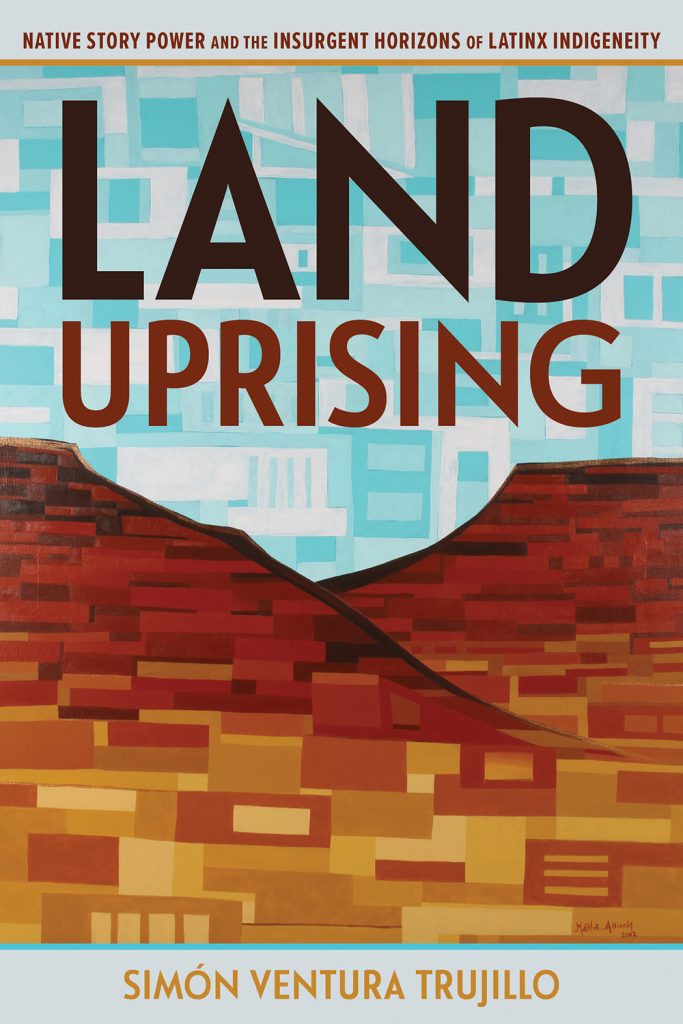
Land Uprising reframes Indigenous land reclamation as a horizon to decolonize the settler colonial conditions of literary, intellectual, and activist labor. Simón Ventura Trujillo argues that land provides grounding for rethinking the connection between Native storytelling practices and Latinx racialization across overlapping colonial and nation-state forms.
The second of a two-volume series, Moquis and Kastiilam tells the story of the encounter between the Hopis, who the Spaniards called Moquis, and the Spaniards, who the Hopis called Kastiilam, from the Pueblo Revolt through 1781. Balancing historical documents with oral histories, it creates a fresh perspective on the interface of Spanish and Hopi peoples in the period of missionization.
In the fifteen-year span from 1990 to 2005 uprisings of the indigenous peoples of Ecuador and Bolivia changed their societies forever. The combination of mass mobilization, elections, and indigenous socialism created a new form of twenty-first-century revolution that applies to cultures far beyond the Andes. Jeffrey M. Paige’s interviews in Indigenous Revolution in Ecuador and Bolivia, 1990-2005 present the powerful personal experiences and emotional intensity of the revolutionary leadership.
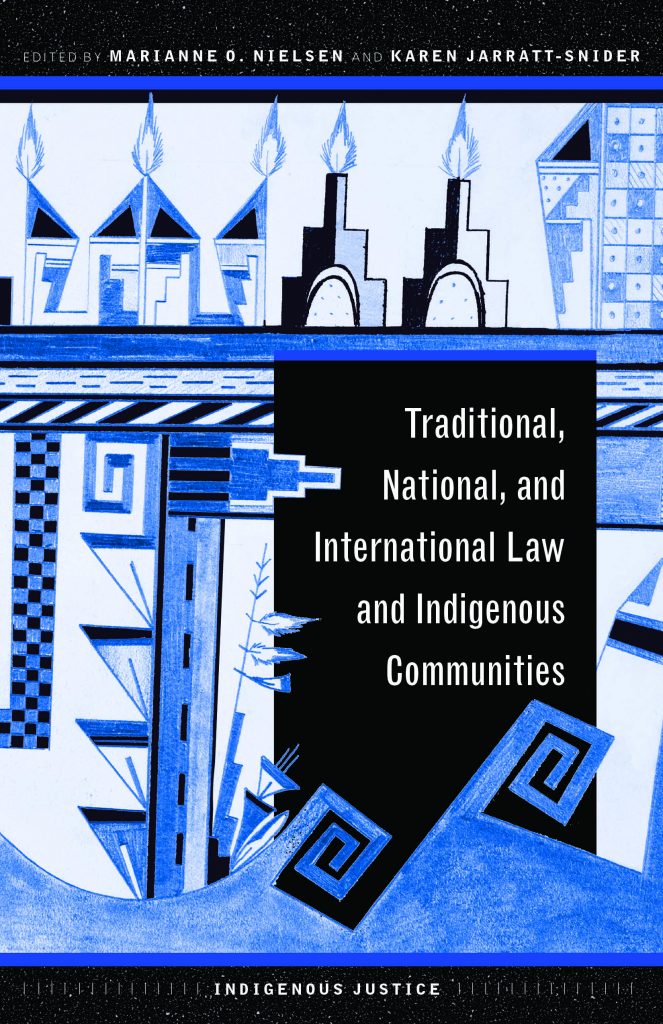
Traditional, National, and International Law and Indigenous Communities, a volume in the Indigenous Justice series, explores the global effects of marginalizing Indigenous law. The essays in this book argue that European-based law has been used to force Indigenous peoples to assimilate, has politically disenfranchised Indigenous communities, and has destroyed traditional Indigenous social institutions. The research in this volume focuses on the resurgence of traditional law, tribal–state relations in the United States, laws that have impacted Native American women, laws that have failed to protect Indigenous sacred sites, the effect of international conventions on domestic laws, and the role of community justice organizations in operationalizing international law.
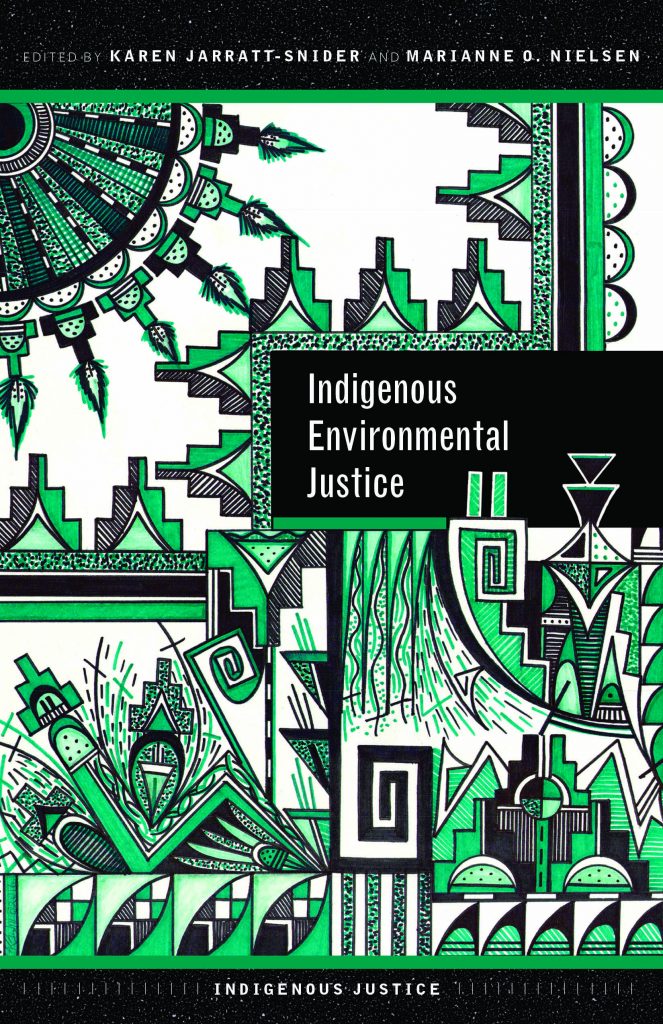
The book explores the ongoing effects of colonization and emphasizes Native American tribes as governments rather than ethnic minorities. Combining elements of legal issues, human rights issues, and sovereignty issues,Indigenous Environmental Justice creates a clear example of community resilience in the face of corporate greed and state indifference.
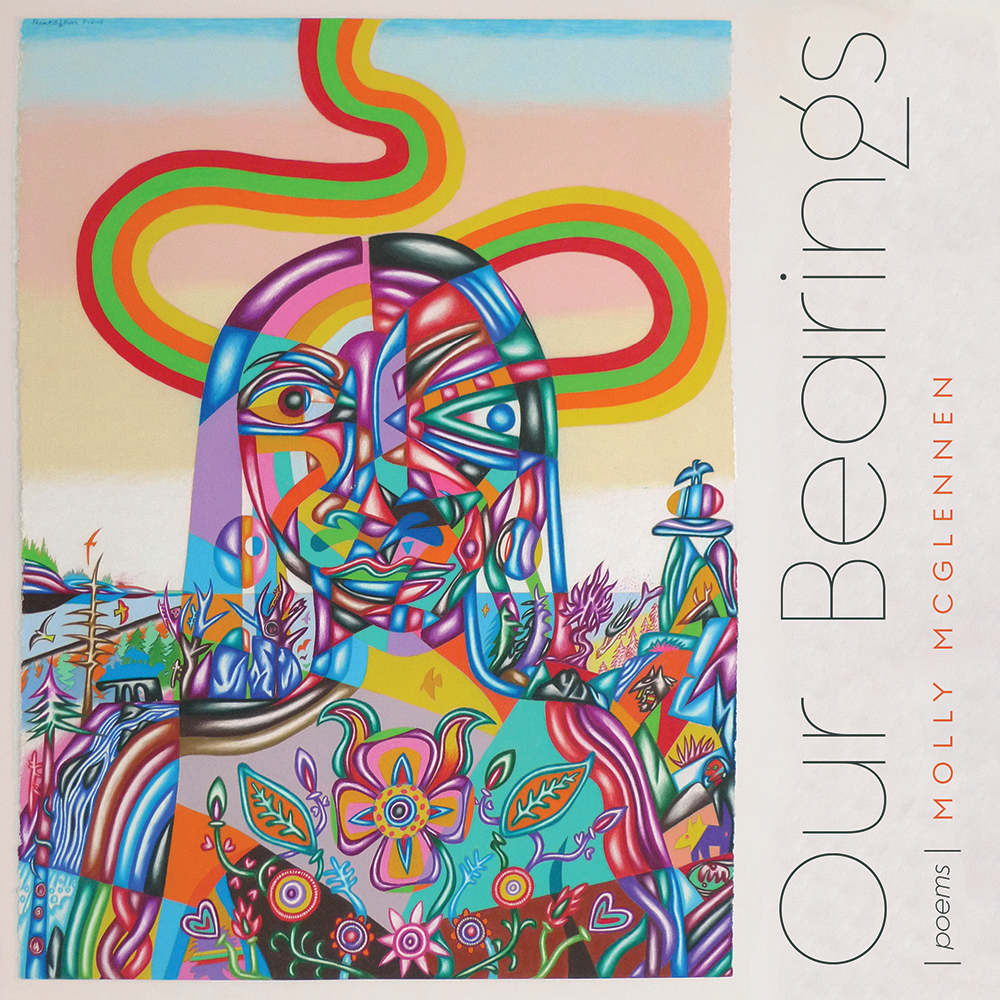
Our Bearings is a collection of narrative poetry that examines and celebrates Anishinaabe life in modern Minneapolis. The poems offer a beautifully layered discourse between landscapes, stories, and the people who inhabit them. Through keen observation and a deep understanding of Native life in Minneapolis, McGlennen has created a timely collection which contributes beautifully to the important conversation about contemporary urban Native life in North America and globally.
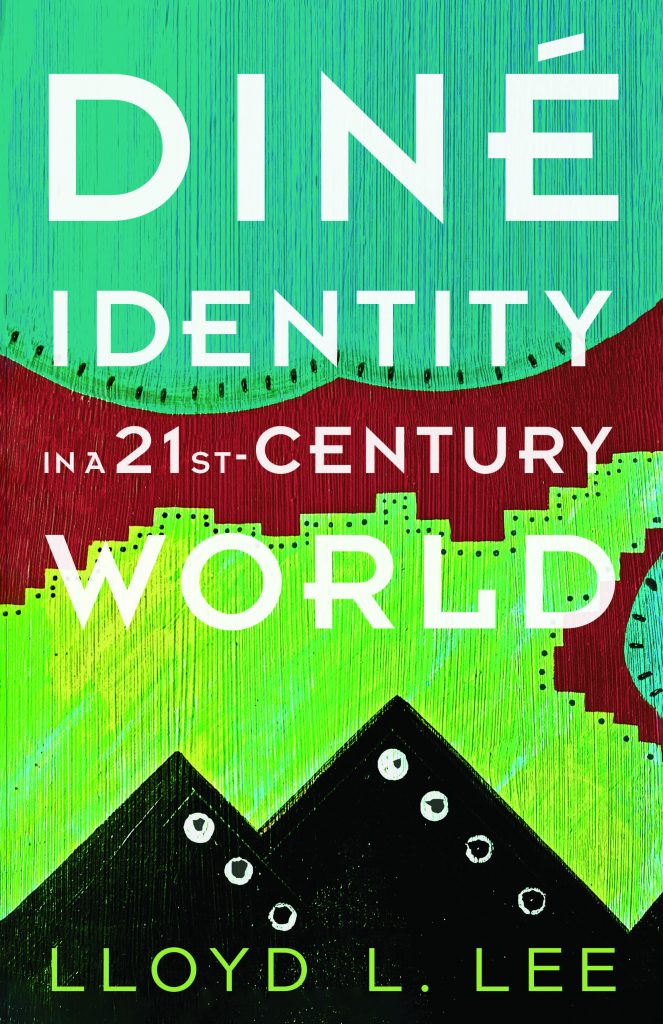
Informed by personal experience and offering an inclusive view, Diné Identity in a Twenty-First-Century Worldshowcases the complexity of understanding and the richness of current Diné identities.
Fighting for Andean Resources offers a singular contribution to the literature critiquing monolithic views of nation-state dynamics and globalization. Vladimir R. Gil Ramón examines the protocols of accountability and the social critique of the application of environmental impact assessments and safeguard policies. His analysis reveals the complex mechanisms for legitimizing decision-making and adds to an understanding of everyday state-nation conflicts and negotiations.
Girl of New Zealand resurrects Māori women from objectification and locates them firmly within Māori whanau/families and communities. In the wake of the Me Too movement and other feminist projects, Michelle Erai’s timely analysis speaks to the historical foundations of negative attitudes toward Indigenous Māori women in the eyes of colonial “others”—outsiders from elsewhere who reflected their own desires and fears in their representations of the Indigenous inhabitants of Aotearoa, New Zealand.
The Sovereign Streetoffers a rare look at political revolution as it happens, showing how mass street protest can change national political life. It documents a critical period in twenty-first century Bolivia, when small-town protests made headlines worldwide, where a generation of pro-globalization policies were called into question, and where the indigenous majority stepped into government power for the first time in five centuries.
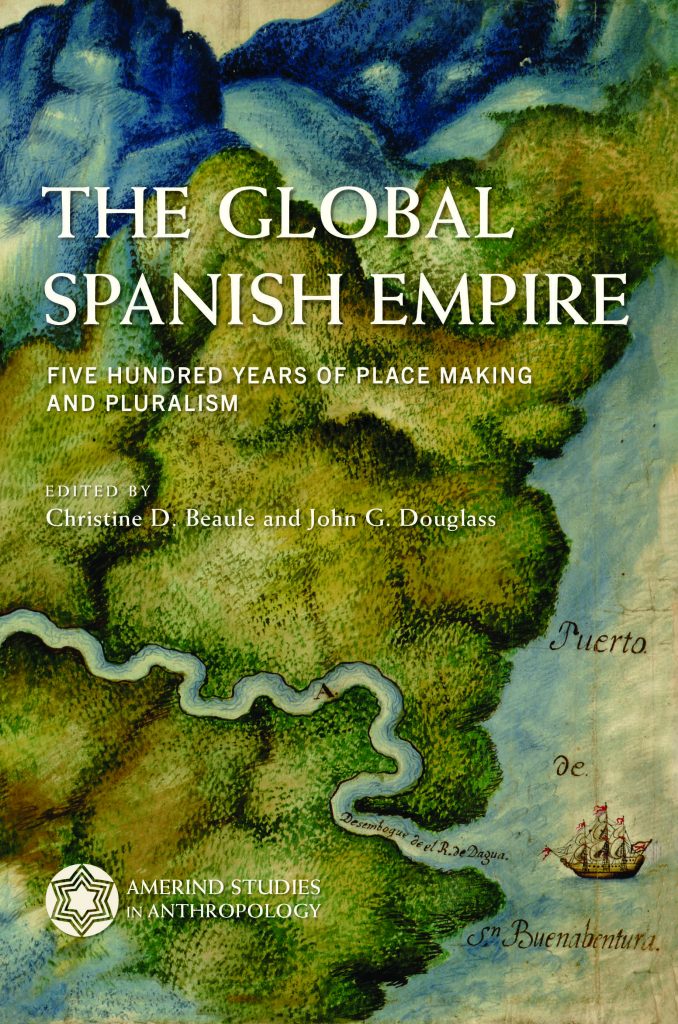
The Global Spanish Empire tackles broad questions about indigenous cultural persistence, pluralism, and place making using a global comparative perspective grounded in the shared experience of Spanish colonialism. Through an expansive range of essays that look at Africa, the Americas, Asia, the Caribbean and the Pacific, this volume brings often-neglected regions into conversation.
Yolqui, a Warrior Summoned from the Spirit World is a testimonio, a historia profoundo of the culture of extralegal violence against the Red-Black-Brown communities in the United States that operates with impunity. Framed by Roberto Cintli Rodríguez’s personal testimony of police violence, this book is a clarion call to end that violence and those philosophies that permit such violence to flourish.
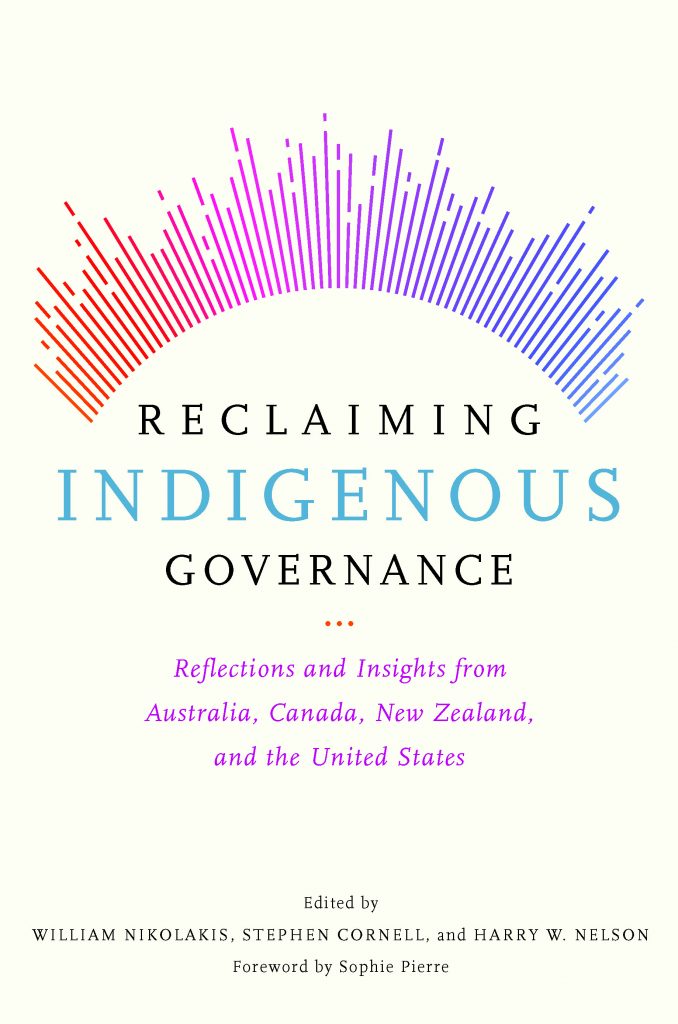
Reclaiming Indigenous Governance examines the efforts of Indigenous peoples in four important countries to reclaim their right to self-govern. Showcasing Native nations, this timely book presents diverse perspectives of both practitioners and researchers involved in Indigenous governance in Canada, Australia, New Zealand, and the United States (the CANZUS states).
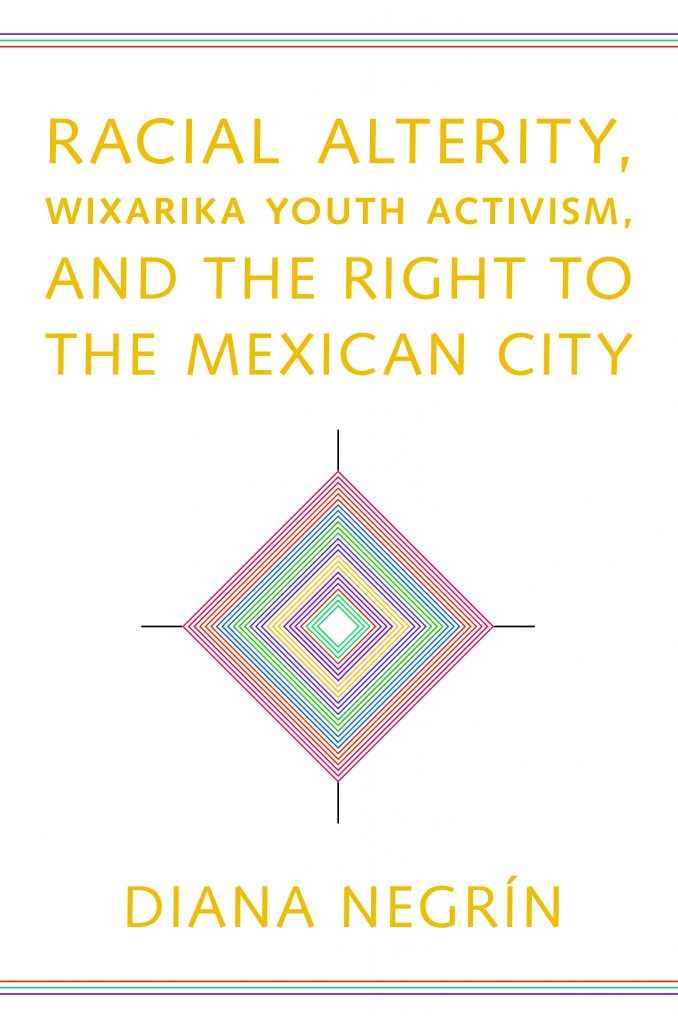
Utilizing archival and ethnographic research, Racial Alterity, Wixarika Youth Activism, and the Right to the Mexican City explores the construction of racial and ethnic imaginaries in the western Mexican cities of Guadalajara and Tepic, and the ways in which these imaginaries shape the contemporary experiences and activism of Wixarika (Huichol) Indigenous university students and professionals living, studying, and working in these two cities.
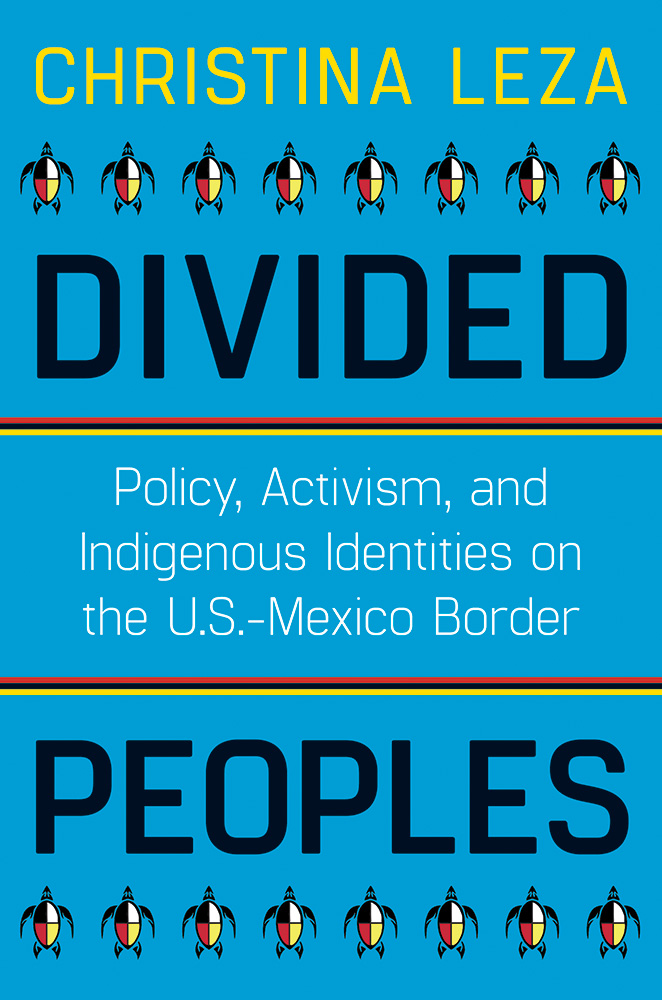
Divided Peoples addresses the impact border policies have on traditional lands and the peoples who live there—whether environmental degradation, border patrol harassment, or the disruption of traditional ceremonies. Anthropologist Christina Leza shows how such policies affect the traditional cultural survival of Indigenous peoples along the border. The author examines local interpretations and uses of international rights tools by Native activists, counter-discourse on the U.S.-Mexico border, and challenges faced by Indigenous border activists when communicating their issues to a broader public.
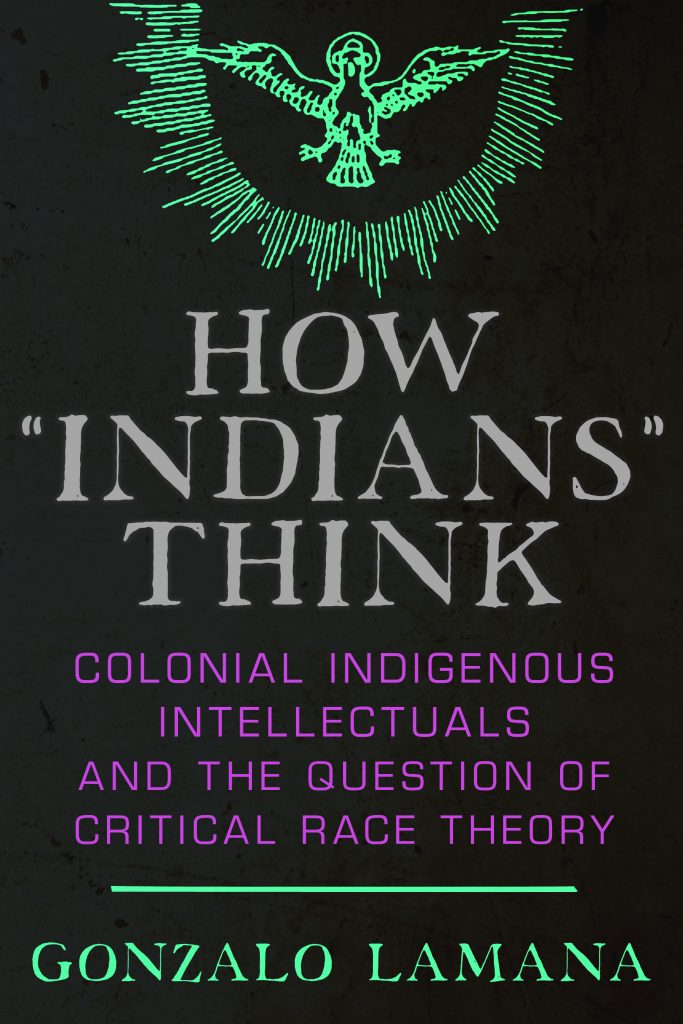
How “Indians” Think shines light on Indigenous perspectives of Spanish colonialism through a novel interpretation of the works of the two most important Amerindian intellectuals in the Andes, Felipe Guaman Poma de Ayala and Garcilaso de la Vega, el Inca. Departing from the predominant scholarly position that views Indigenous-Spanish relations as the clash of two distinct cultures, Gonzalo Lamana argues that Guaman Poma and Garcilaso were the first Indigenous activist intellectuals and that they developed post-racial imaginaries four hundred years ago.
Listen to Gonzalo talk about the book on this podcast.
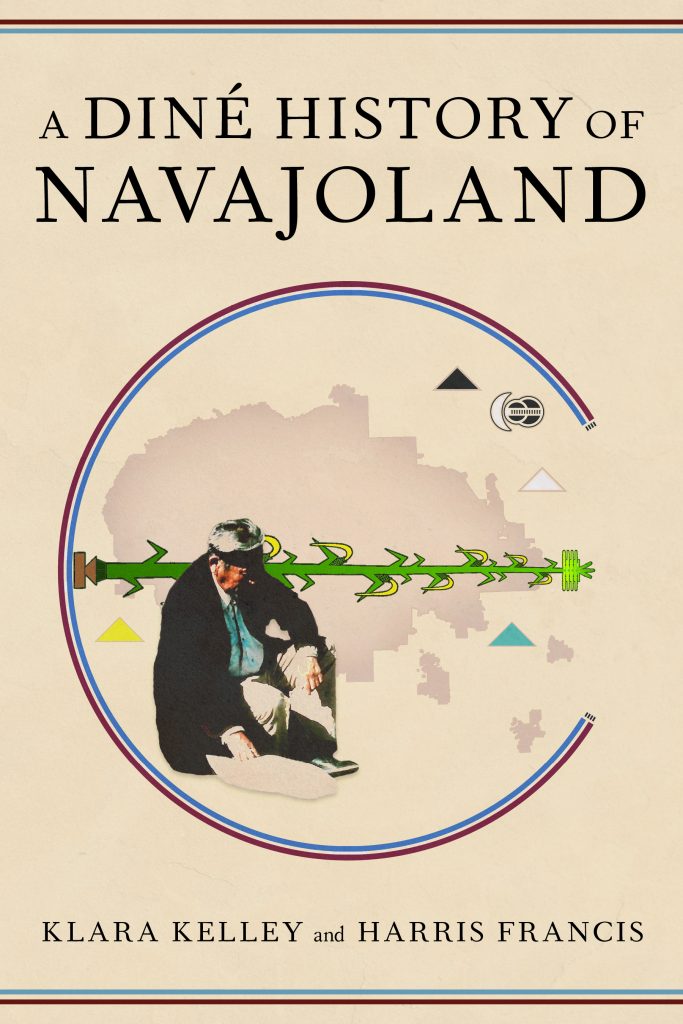
A Diné History of Navajolandbrings much-needed attention to Navajo perspectives on the past and present. It is the culmination of a lifelong commitment from the authors, and it is an exemplary work of Diné history through the lens of ceremonial knowledge and oral history. Klara Kelley and Harris Francis present an in-depth look at how scholars apply Diné ceremonial knowledge and oral history to present-day concerns of Navajo Nation leaders and community members. All readers are invited to come along on this exploration of Diné oral traditions.
Aurumis a fiercely original poetry collection that reveals the marginalized and estranged Native American experience in the wake of industrial progress. With unforgettable imagery and haunting honesty, these poems are powerfully resonant.
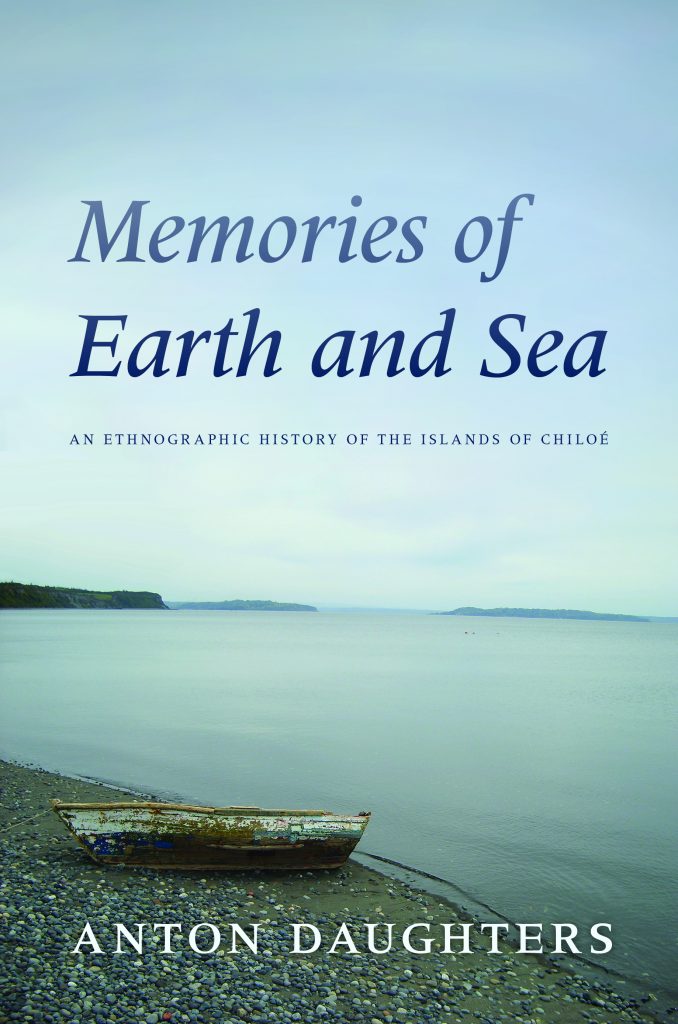
Memories of Earth and Sea explores the daily struggles of islanders living in one of South America’s most culturally distinct regions: the Chiloé Archipelago. Connecting the early history of the islands with the industrialization of the last forty years, the book presents a unique study of large-scale economic changes and the impact these can have on the memories and the collective identity of a people.
Detours is an attempt to crack cultural imperialism by bringing forth the personal as political in academia and research. Speaking from the intersection of race, class, and gender, the contributors explore the hubris and nostalgia that motivate returning again and again to a particular place. Through personal stories, they examine their changing ideas of Latin America and the Caribbean and how those places have shaped the people they’ve become, as writers, as teachers, and as activists.
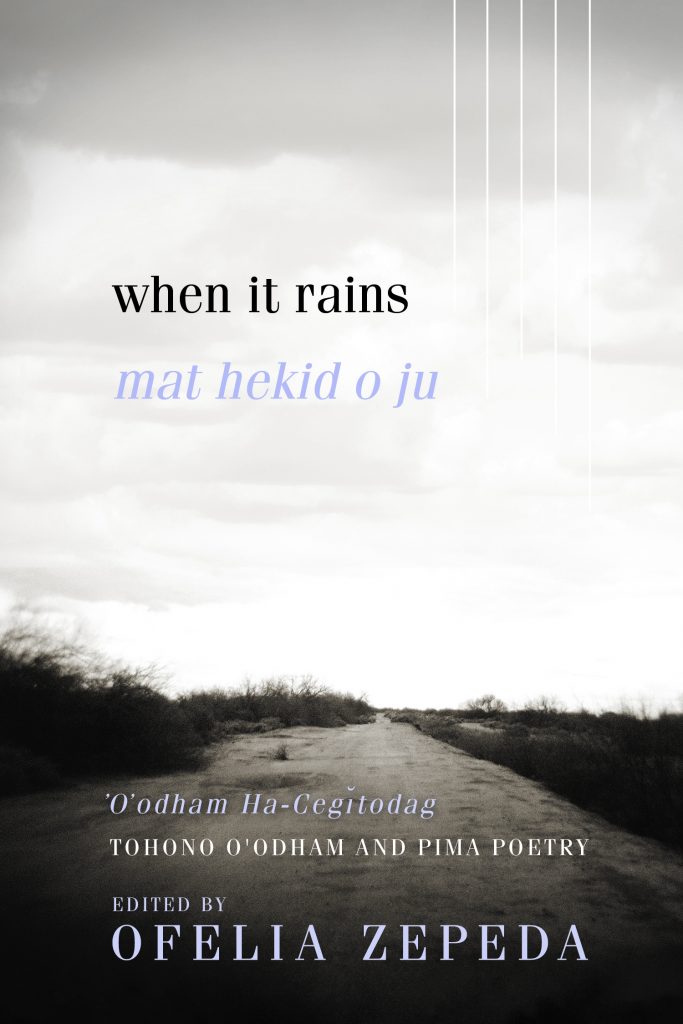
When It Rainsis an intuitive poetry collection that shows us how language connects people. With the poems in both O’odham and English, the volume serves as a reminder of the beauty and changeability of the O’odham language.
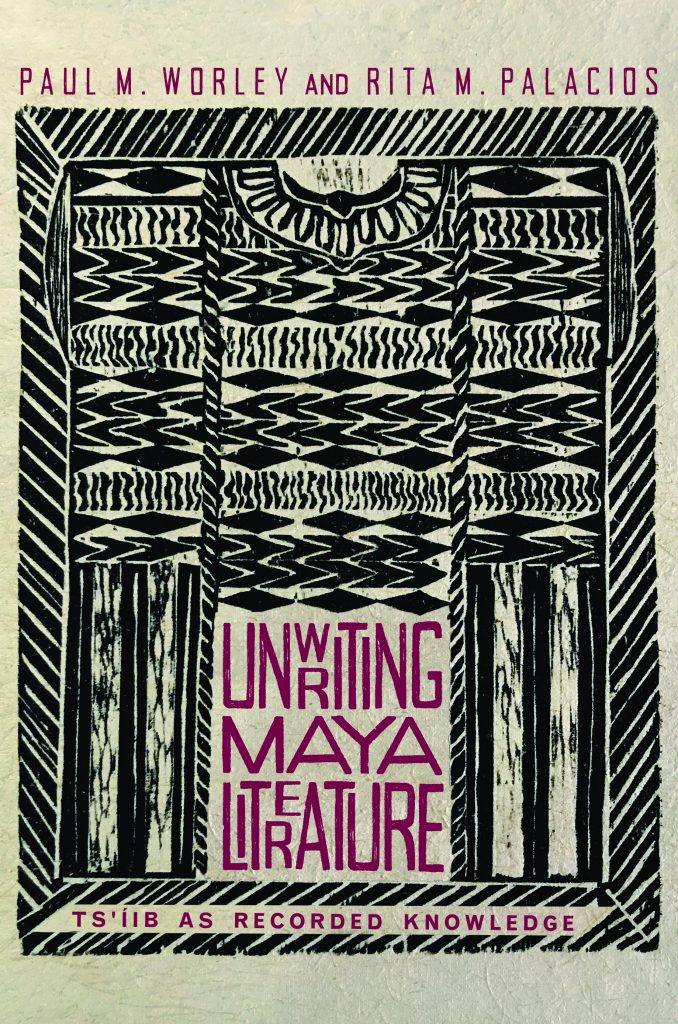
Unwriting Maya Literature provides an important decolonial framework for reading Maya and other Indigenous texts. Through insightful analyses of Maya cultural productions—whether textiles or poetry—this perspective offers a point of departure for the study of Maya literature and art that is situated in an Indigenous way of performing the act of reading.
Unwriting Maya Literature just received an honorable mention from the LASA Mexico Section! Read about it here. Listen to Paul M. Worley and Rita M. Palacios talk about their book on these podcasts.
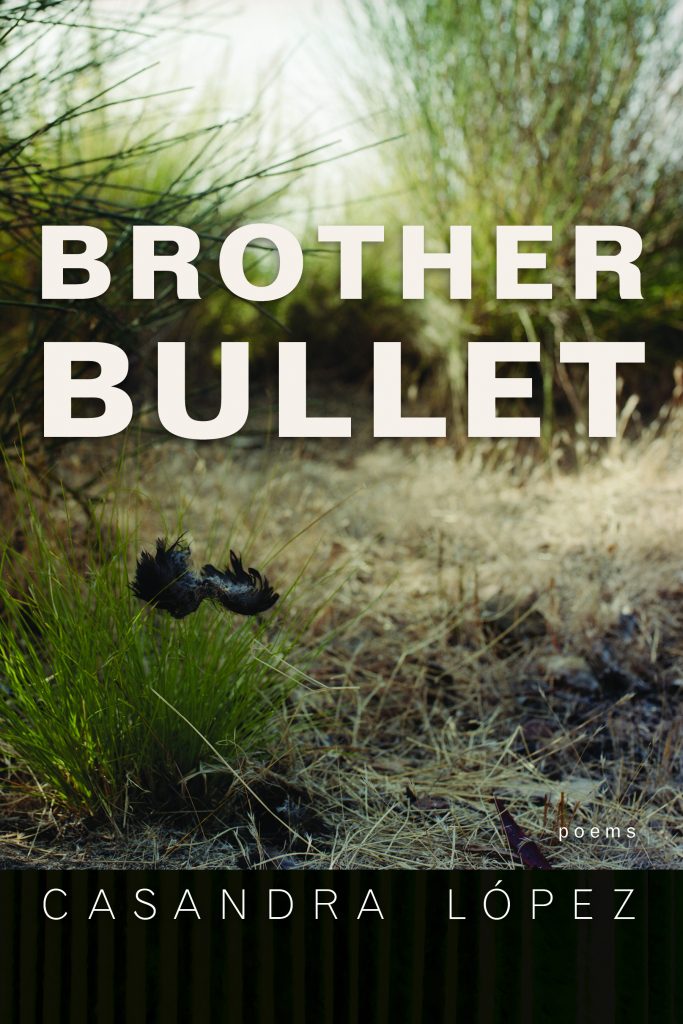
Speaking to both a personal and collective loss, in Brother BulletCasandra López confronts her relationships with violence, grief, trauma, guilt, and, ultimately, survival. Revisiting the memory and lasting consequences of her brother’s murder, López traces the course of the bullet—its trajectory, impact, wreckage—in poems that are paralyzing and raw with emotion, yet tender and alive in revelations of light.
Read an interview with Casandra here, then watch her read poems and talk about the collection in a recorded virtual poetry reading here.
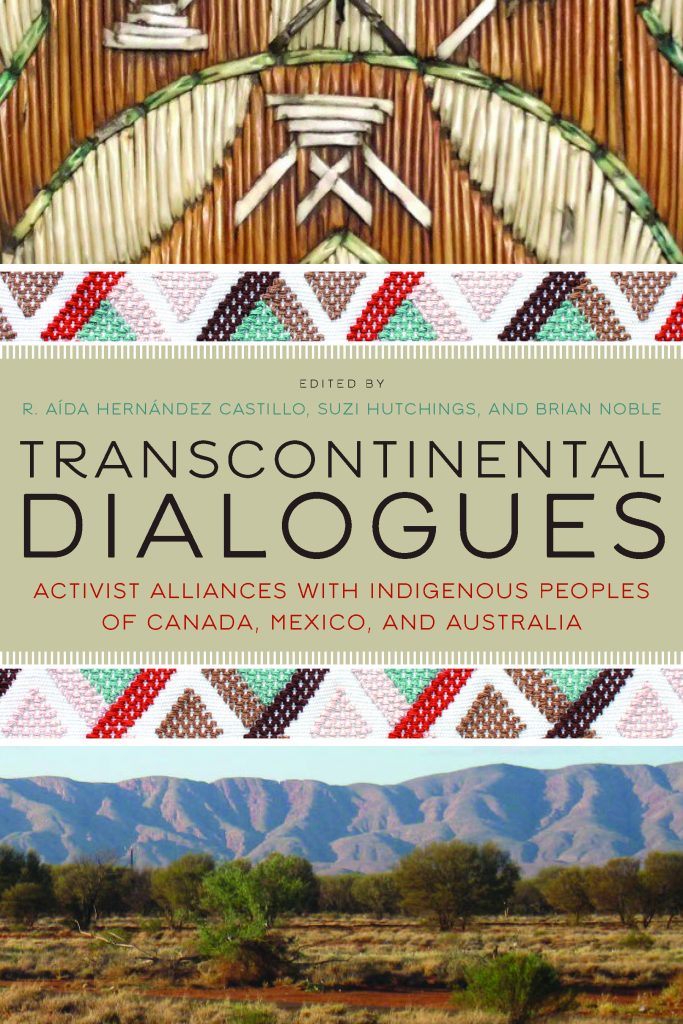
Transcontinental Dialoguespresents innovative discussion, argument, and insight into the interactions between anthropologists and social researchers—both Indigenous and allies—as they negotiate together the terrain of the imposition of ongoing colonialism over Indigenous lives across three countries. The essays explore how scholars can recalibrate their moral, political, and intellectual actions to meet the obligations flowing from the decolonial alliances.
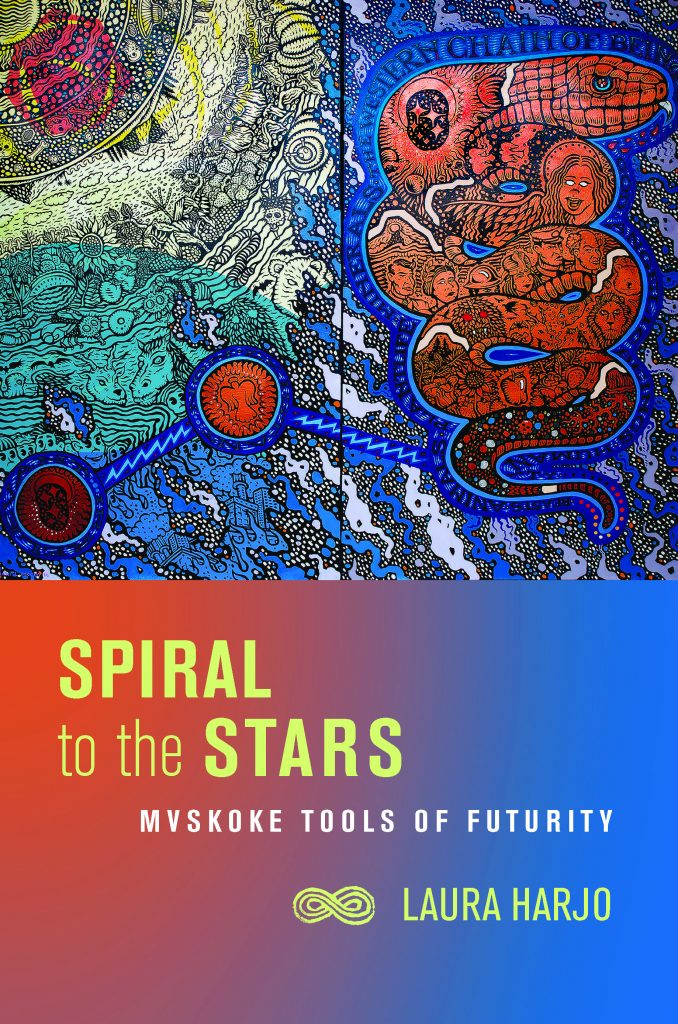
“This country’s first philosophers, poets, artists, and knowledge keepers were Indigenous peoples. The Mvskoke were a major cultural force in the southeast. Laura Harjo’sSpiral to the Stars: Mvskoke Tools of Futurity marks a continuation of the development of our cultural knowledge. Community defines us, and we do not go forward together without the revisioning of all elements that make a living culture. Each generation makes a concentric circle that leans outward into the deepest star knowledges even as it leans inward toward the roots of earth knowledge. We are still here within the shape of this cultural geography. We keep moving forward with the tools Harjo has illuminated here. Mvto.”—Joy Harjo (Mvskoke), U.S. Poet Laureate
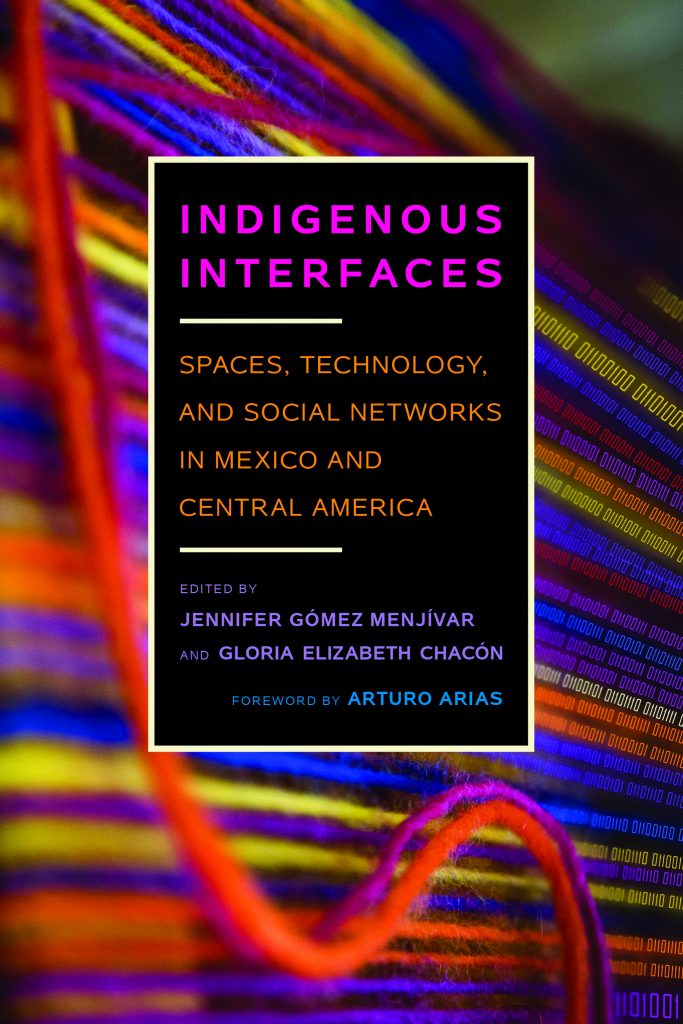
Indigenous Interfaces rejects the myth that Indigeneity and information technology are incompatible through its compelling analysis of the relationships between Indigenous peoples and new media. The volume illustrates how Indigenous peoples are selectively and strategically choosing to interface with cybertechnology, highlights Indigenous interpretations of new media, and brings to center Indigenous communities who are resetting modes of communication and redirecting the flow of information. It convincingly argues that interfacing with traditional technologies simultaneously with new media gives Indigenous peoples an edge on the claim to autonomous and sovereign ways of being Indigenous in the twenty-first century.
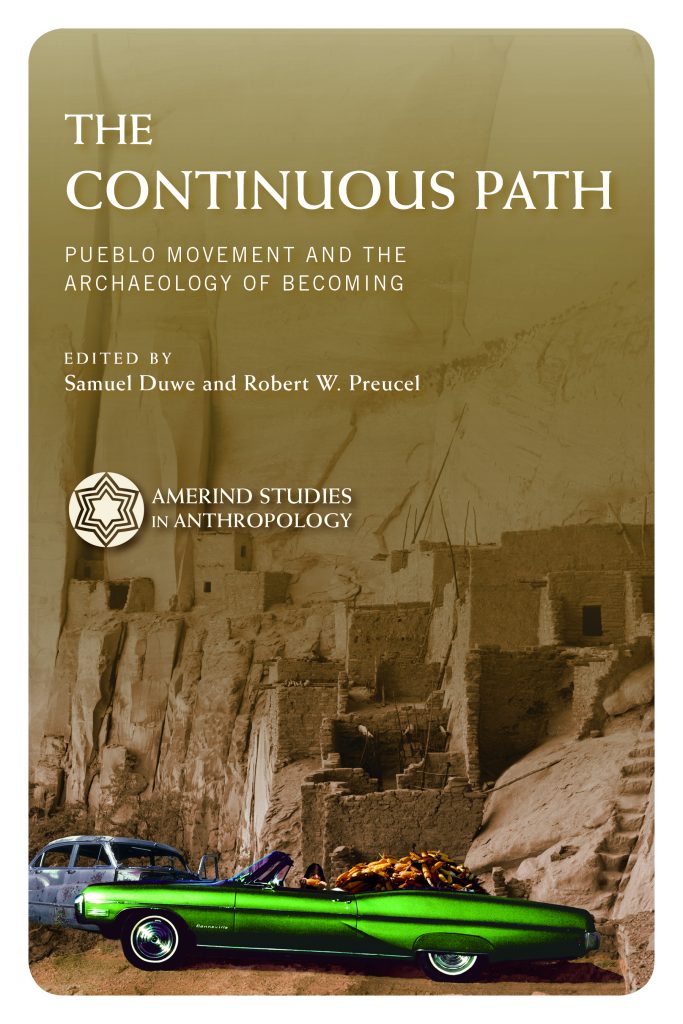
The Continuous Path challenges archaeologists to take Pueblo concepts of movement seriously by privileging Pueblo concepts of being and becoming in the interpretation of anthropological data. The collaborative volume brings together Native community members, archaeologists, and anthropologists to weave multiple perspectives together to write the histories of Pueblo peoples past, present, and future.
We are thrilled that the book recently won the Historical Society of New Mexico’s Gaspar Pérez de Villagrá Award! Read about it here.
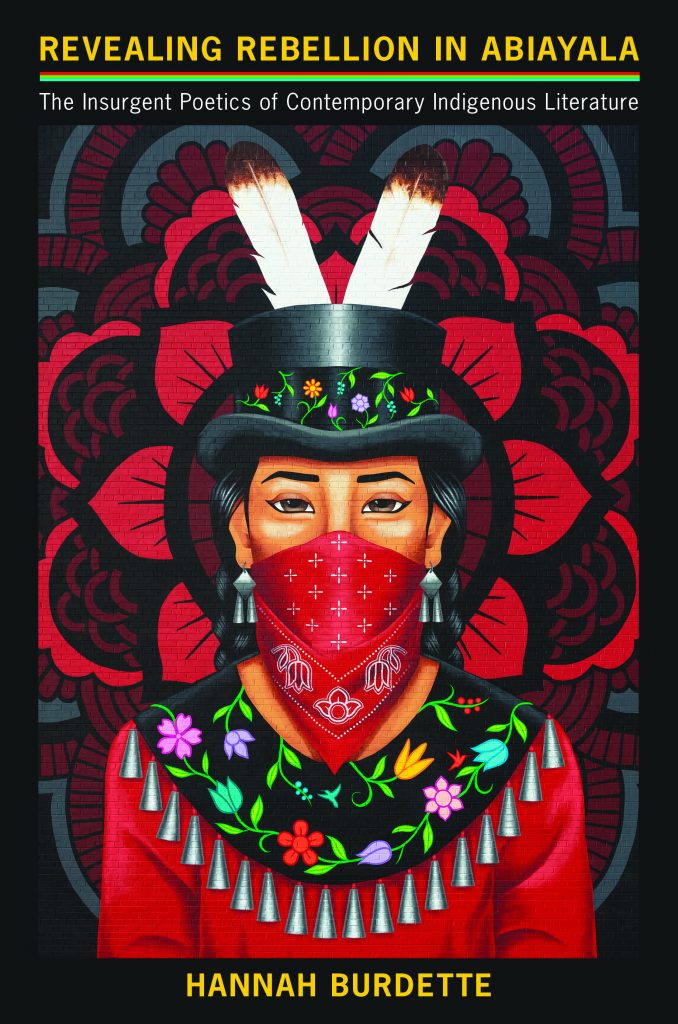
From the Pan-Maya Movement in Guatemala and the Zapatista uprising in Mexico to the Water and Gas Wars in Bolivia and the Idle No More movement in Canada, the twenty-first century has witnessed a notable surge in Indigenous political action. Meanwhile, numerous authors use fiction and poetry to combat their invisibility and envision alternatives to coloniality. Revealing Rebellion in Abiayalaprovides a powerful starting point for rethinking inter-American studies through the lens of literature and Indigenous sovereignty.
The Native Americans of Long Island were integral to the origin and development of the first American whaling enterprise in the years 1650 to 1750. In American’s Early Whalemen, John A. Strong has produced the authoritative source on Indians and shore whaling.
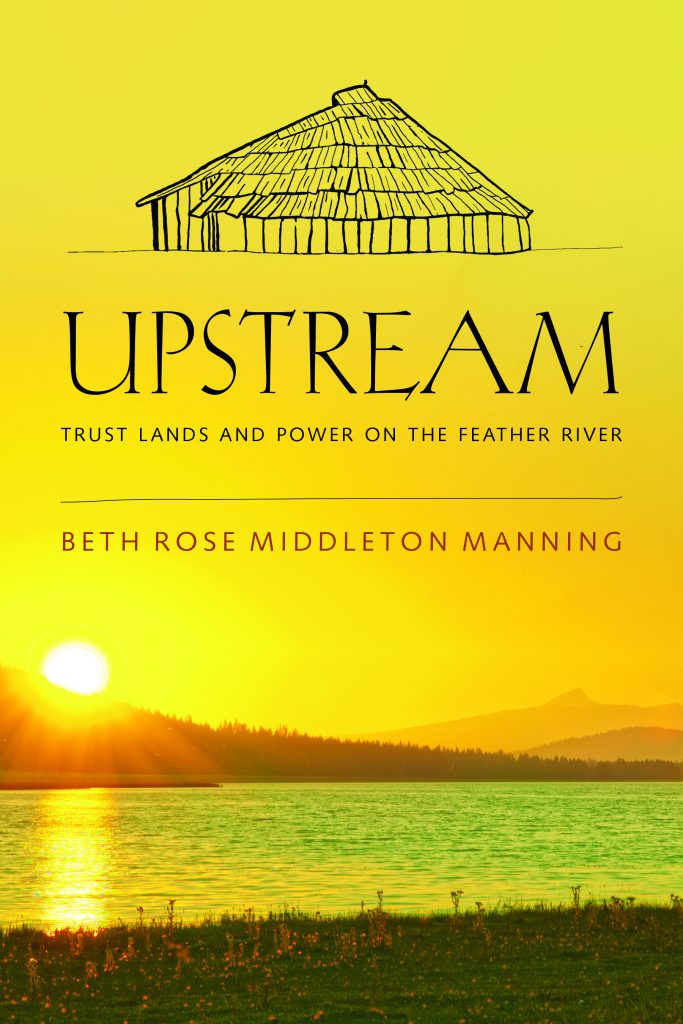
Upstream relates the history behind the nation’s largest state-built water and power conveyance system, California’s State Water Project, with a focus on Indigenous perspectives. Author Beth Rose Middleton Manning illustrates how Indigenous history should inform contemporary conservation measures. She uses a multidisciplinary and multitemporal approach and offers a vision of policy reform that will lead to improved Indigenous futures around the U.S.
In Multiple Injustices, R. Aída Hernández Castillo synthesizes twenty-four years of research and activism among indigenous women’s organizations in Latin America, offering a critical new contribution to the field of activist anthropology and anyone interested in social justice.
Global Indigenous Healthis unique and timely as it deals with the historical and ongoing traumas associated with colonization and colonialism, understanding Indigenous concepts of health and healing, and ways of moving forward for health equity.
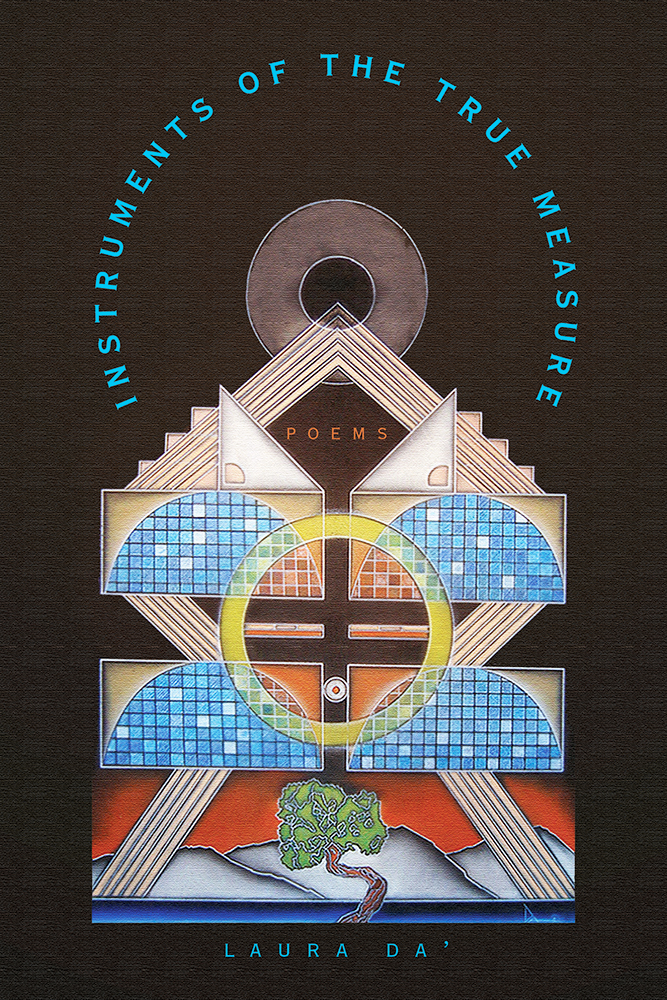
Instruments of the True Measure charts the coordinates and intersections of land, history, and culture. Lyrical passages map the parallel lives of ancestral figures and connect dispossessions of the past to lived experiences of the present.
We are so happy that Instruments of the True Measure won the 2019 Washington Book Award! Read an interview with Laura Da’here, then watch her read poems and talk about the collection in a recorded virtual poetry event here.
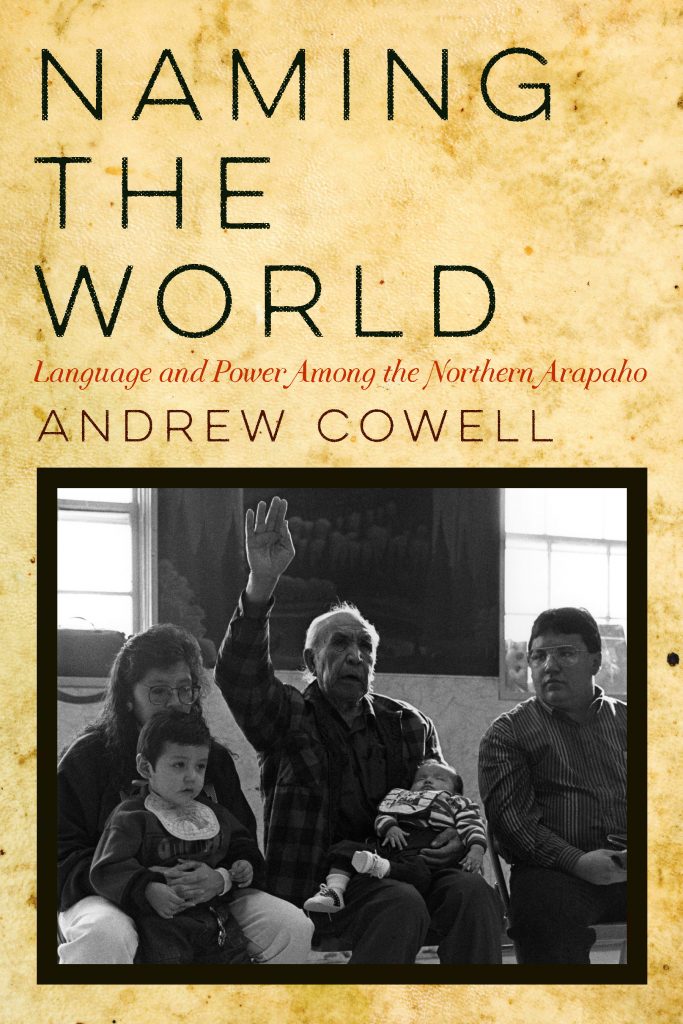
Naming the World is an ethnography of language shift among the Northern Arapaho. It focuses on the often subtle continuities and discontinuities in the society produced by the shift, as well as the diversity of community responses.
Don’t forget, the University of Arizona Press is offering 40% off of all ebooks with the code AZEBOOK40!
For Authors
The University of Arizona Press publishes the work of leading scholars from around the globe. Learn more about submitting a proposal, preparing your final manuscript, and publication.
The University of Arizona Press is proud to share our books with readers, booksellers, media, librarians, scholars, and instructors. Join our email Newsletter. Request reprint licenses, information on subsidiary rights and translations, accessibility files, review copies, and desk and exam copies.
Support a premier publisher of academic, regional, and literary works. We are committed to sharing past, present, and future works that reflect the special strengths of the University of Arizona and support its land-grant mission.
 The University of Arizona Press