Cultivate Community with Our Latest Latinx and Chicanx Studies Books

October 13, 2020

At the University of Arizona Press, we have published a wide range of books that celebrate Latinx and Chicanx communities, document community histories, and record the histories and lives of civil rights movements and activists. We want to share our most recent community and activism-focused titles with you, and invite you to use the discount code AZCOMMUNITY20 for 35% off these titles through 11/15/2020.

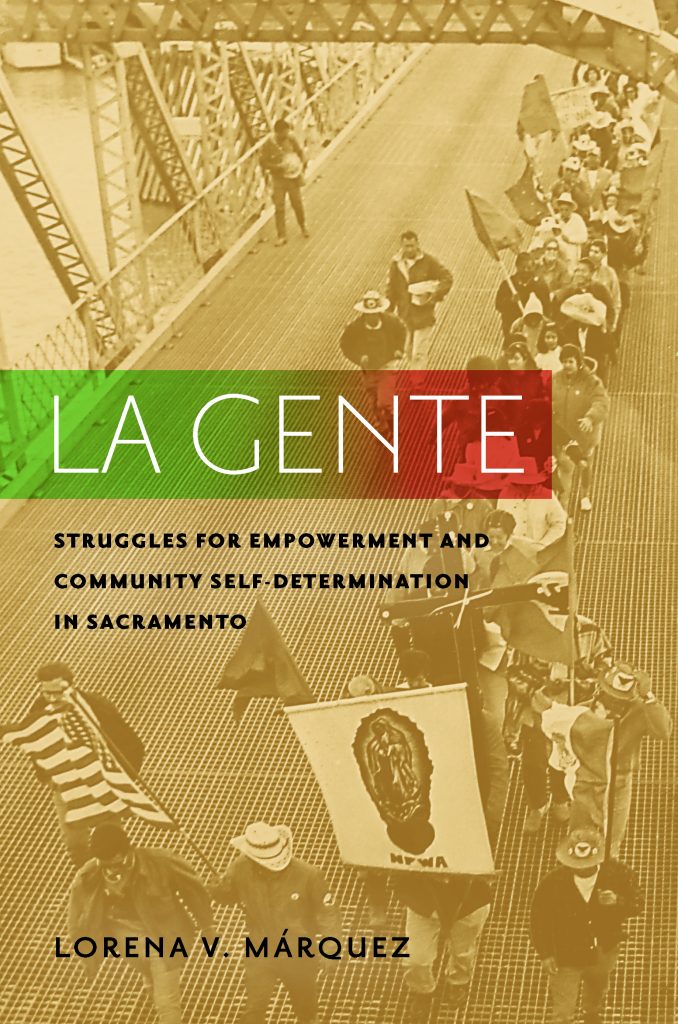
La Gente traces the rise of the Chicana/o Movement in Sacramento and the role of everyday people in galvanizing a collective to seek lasting and transformative change during the 1960s and 1970s. In their efforts to be self-determined, la gente contested multiple forms of oppression at school, at work sites, and in their communities.

On Thursday, October 15, 2020 join University of Arizona Press authors Josie Méndez-Negrete and Lorena V. Márquez for a virtual discussion on their recent University of Arizona Press books that focus on community and activist histories in San Jose and Sacramento, California. This event is currently full, but watch our website to see a recording of the event in coming days.

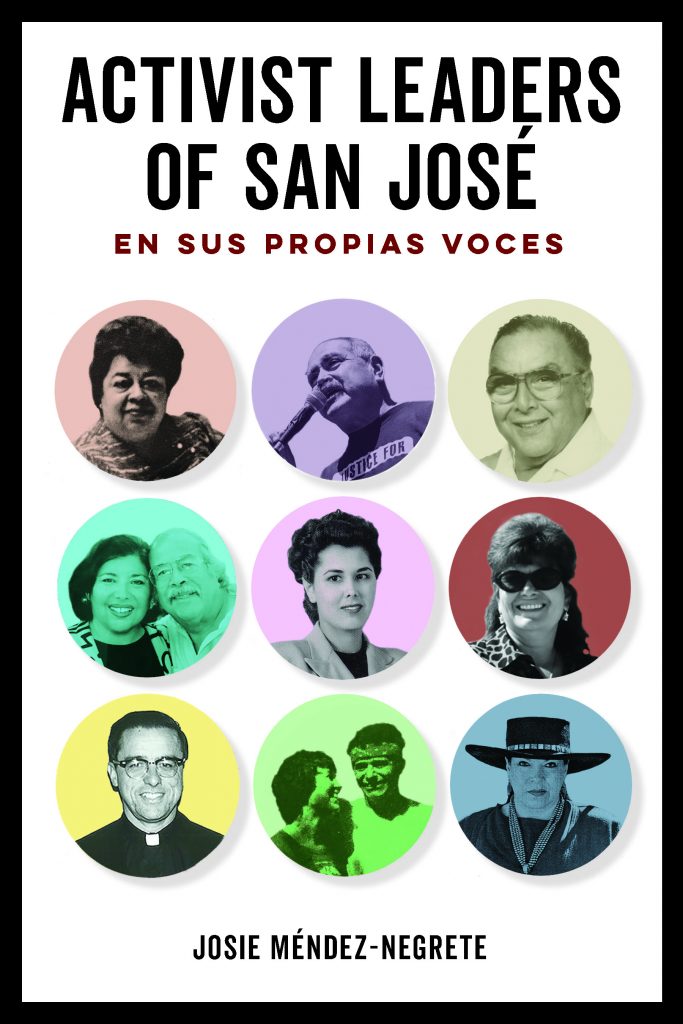
Challenging stereotypes, Activist Leaders of San José by Josie Méndez-Negrete book unearths and makes visible lived experiences of Chicana and Latino activists from San José, California, who made contributions to the cultural and civic life of the city. Through oral histories, we see a portrait of grassroots leadership in the twentieth century.

Don’t forget to check out the event mentioned above!

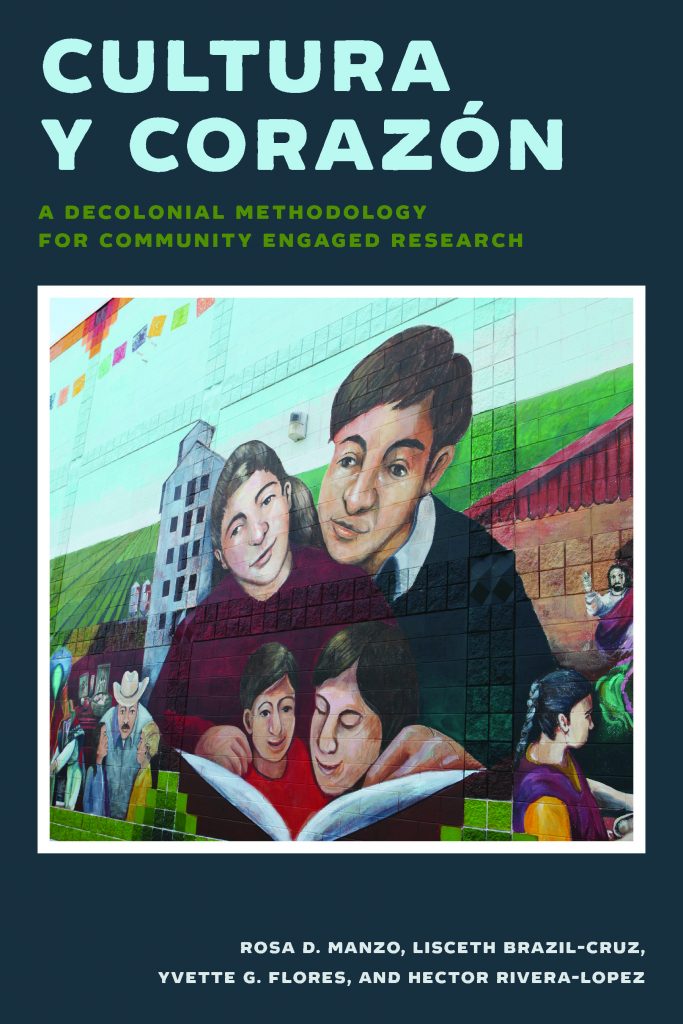
Cultura y Corazón is a cultural approach to research that requires a long-term commitment to community-based and engaged research methodologies. This book presents case studies in the fields of education and health that recognize and integrate communities’ values, culture, and funds of knowledge in the research process.

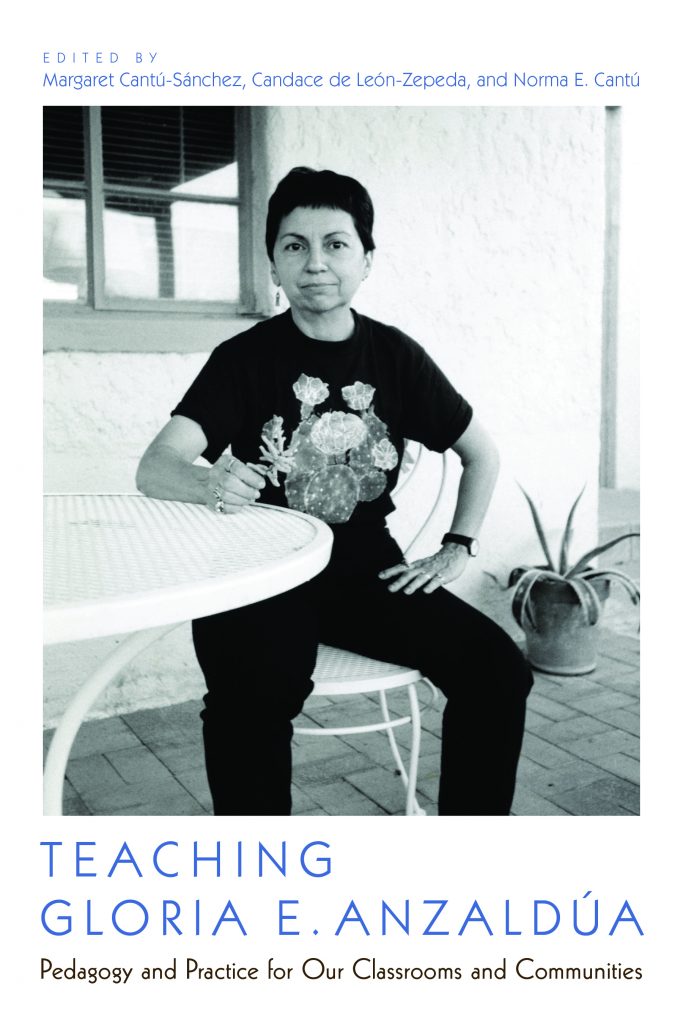
Teaching Gloria E. Anzaldúa provides pedagogical applications of Anzaldúa’s noted theories, including la facultad, the path of conocimiento, and autohistoria, among others. This text provides examples, lesson plans, and activities for scholars, professors, teachers, and community members in various disciplines—such as history, composition, literature, speech and debate, and more—and for those interested in teaching the theories of Gloria Anzaldúa.

On Thursday, October 22, 2020 we are hosting an event with the editors of this book! Registration is currently full, but be sure to check back on our website for a recording of the event. Listen to a recording of Gloria reading some of her uncollected and unpublished poems here.

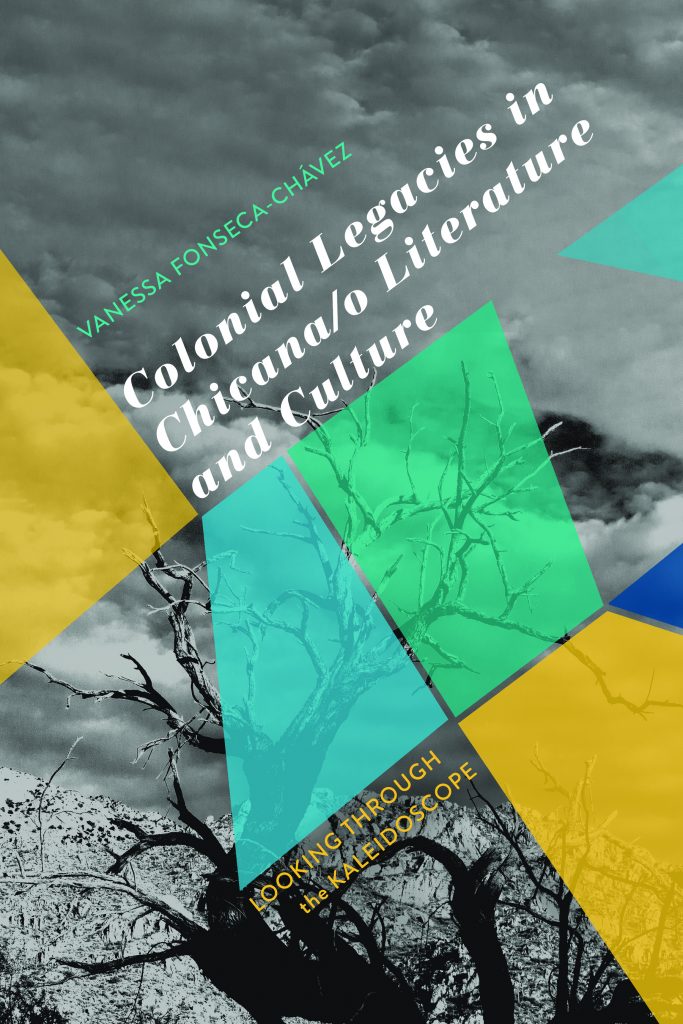
Colonial Legacies in Chicana/o Literature and Culture traces the development of Chicana/o literature and cultural production from the Spanish colonial period to the present. In doing so, it challenges us to look critically at how we simultaneously embody colonial constructs and challenge their legacies.

Listen to an NPR interview with author Vanessa Fonseca-Chávez here. Then, read an excerpt from the book here.

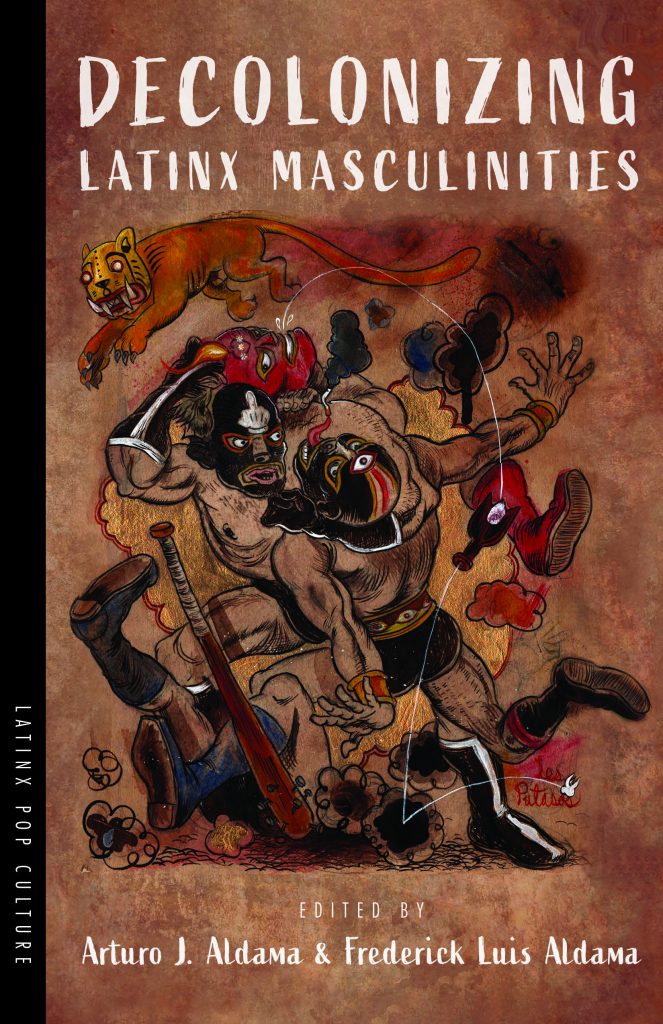
With unity of heart and mind, the creative and the scholarly, Decolonizing Latinx Masculinities opens wide its arms to all non-binary, decolonial masculinities today to grow a stronger, resilient, and more compassionate new generation of Latinxs tomorrow.

Listen to Frederick Luis Aldama talk about the book on the New Books Network podcast here, then read an interview with editors Arturo J. Aldama and Frederick Luis Aldama here. On Thursday, October 22, 2020, there will be a virtual book release celebration for Decolonizing Latinx Masculinities. Register here.

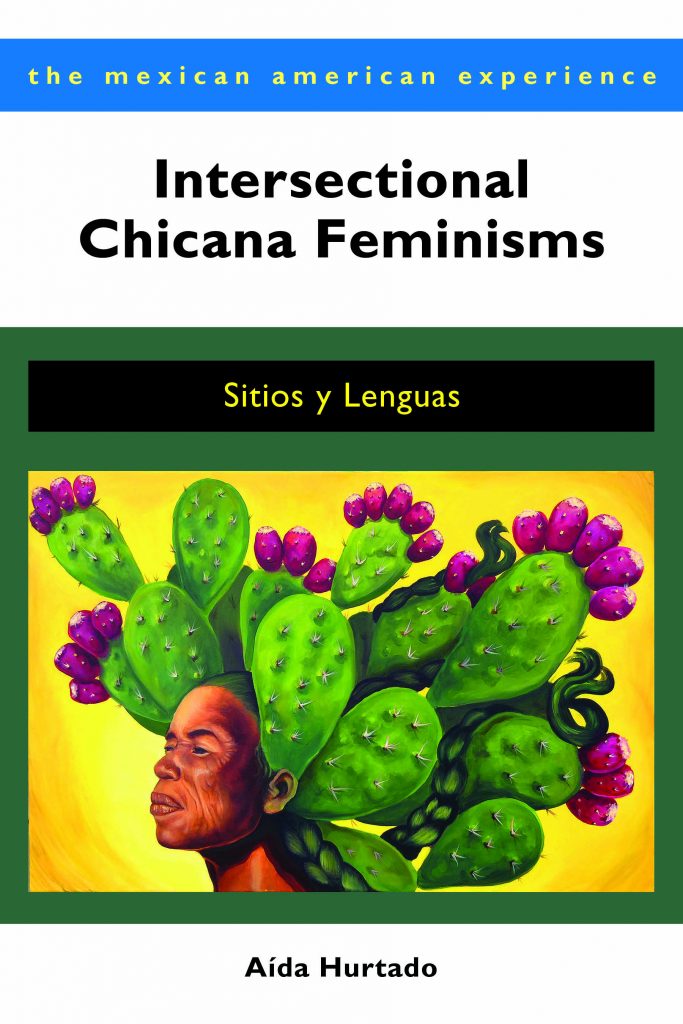
Advocating for and demonstrating the importance of an intersectional, multidisciplinary, activist understanding of Chicanas, Intersectional Chicana Feminisms provides a much-needed overview of the key theories, thinkers, and activists that have contributed to Chicana feminisms.

“Hurtado once again offers a brilliant analysis of Chicana feminisms that is historically situated and honors the legacies of early Chicana feminists. She advocates for and demonstrates the importance of an intersectional, multidisciplinary, and activist understanding of Chicanas.”—Yvette G. Flores, author of Chicana and Chicano Mental Health: Alma, Mente y Corazón

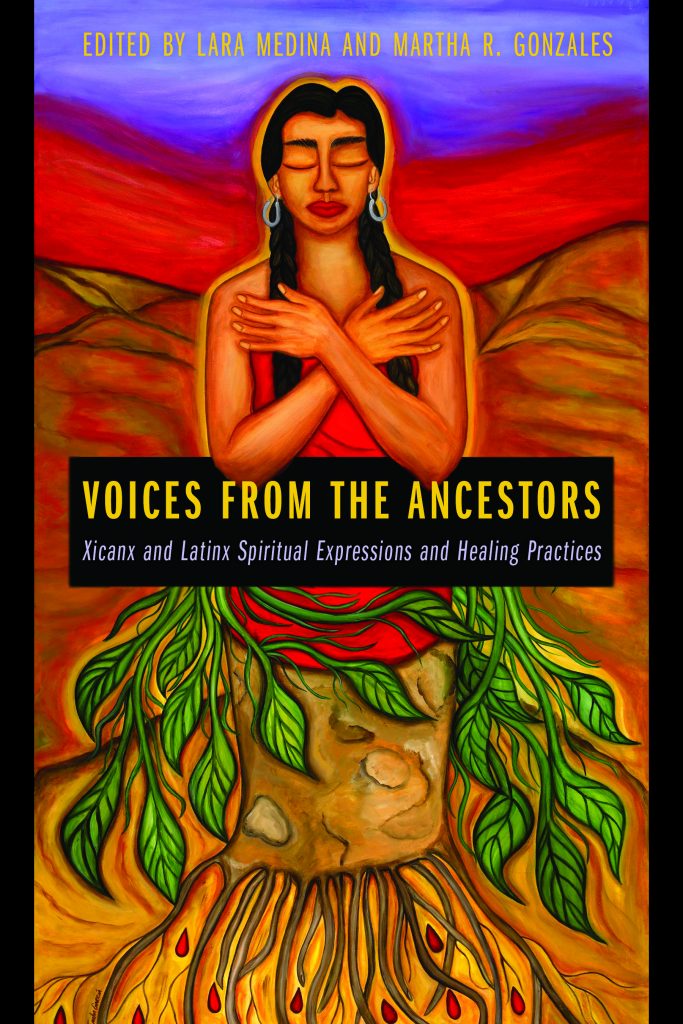
Reclaiming and reconstructing one’s spirituality based on non-Western epistemologies is central to the process of decolonization. Voices from the Ancestors brings together reflective writings and spiritual practices by Chicanx, Latinx, and Afro-Latinx womxn and male allies in the United States who seek to heal from the historical traumas of colonization by returning to ancestral traditions and knowledge.

Watch a recording of an incredible panel with the editors and some of the contributors of this book here.

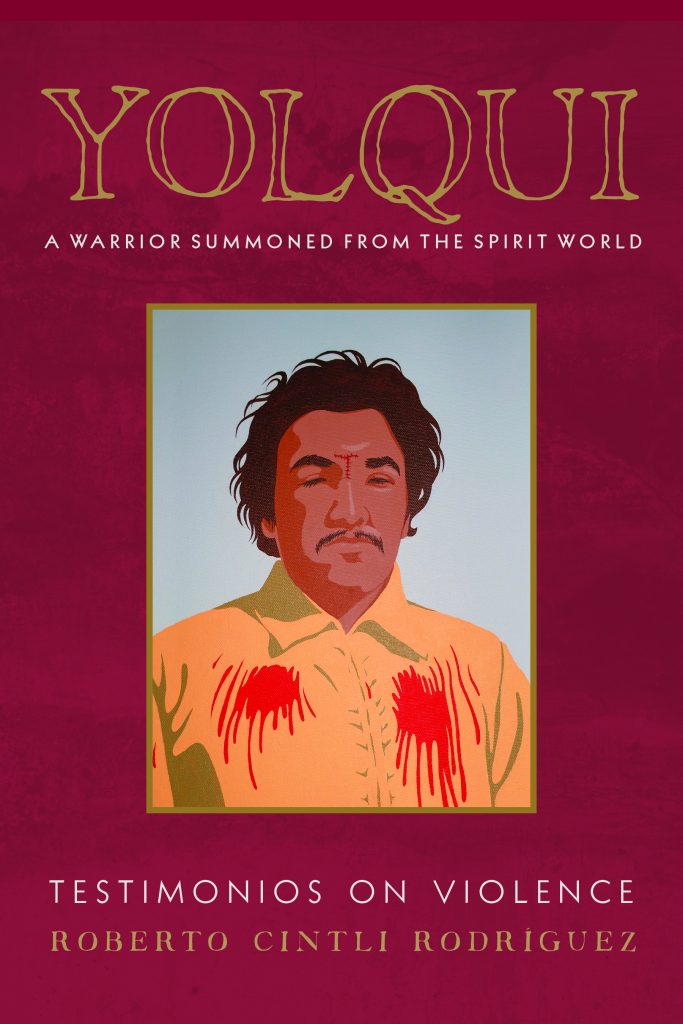
Yolqui, a Warrior Summoned From the Spirit World is a testimonio, a historia profoundo of the culture of extralegal violence against the Red-Black-Brown communities in the United States that operates with impunity. Framed by Roberto Cintli Rodríguez’s personal testimony of police violence, this book is a clarion call to end that violence and those philosophies that permit such violence to flourish.

Read about and view photos from a book release event for Yolqui here, and read about and view photos from a panel that features this author here.

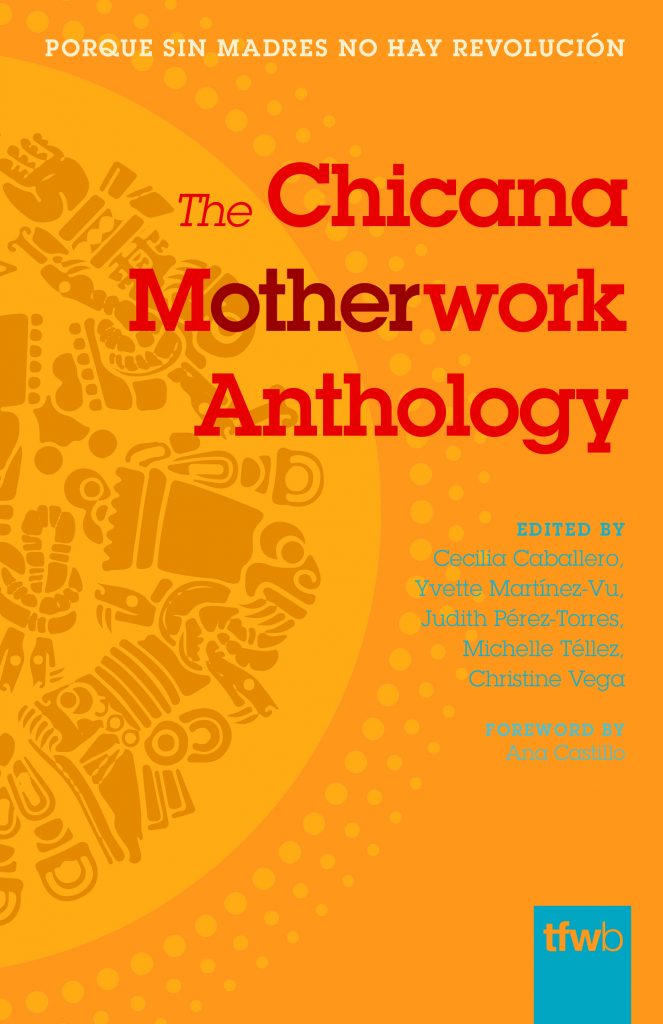
The Chicana M(other)work Anthology is a call to action for justice within and outside academia. This volume brings together emerging scholarship and testimonios by and about self-identified Chicana and Women of Color mother-scholars, activists, and allies who, using an intersectional lens, center mothering as transformative labor.

Read an excerpt from the book here, and read about the Feminist Wire book series here.

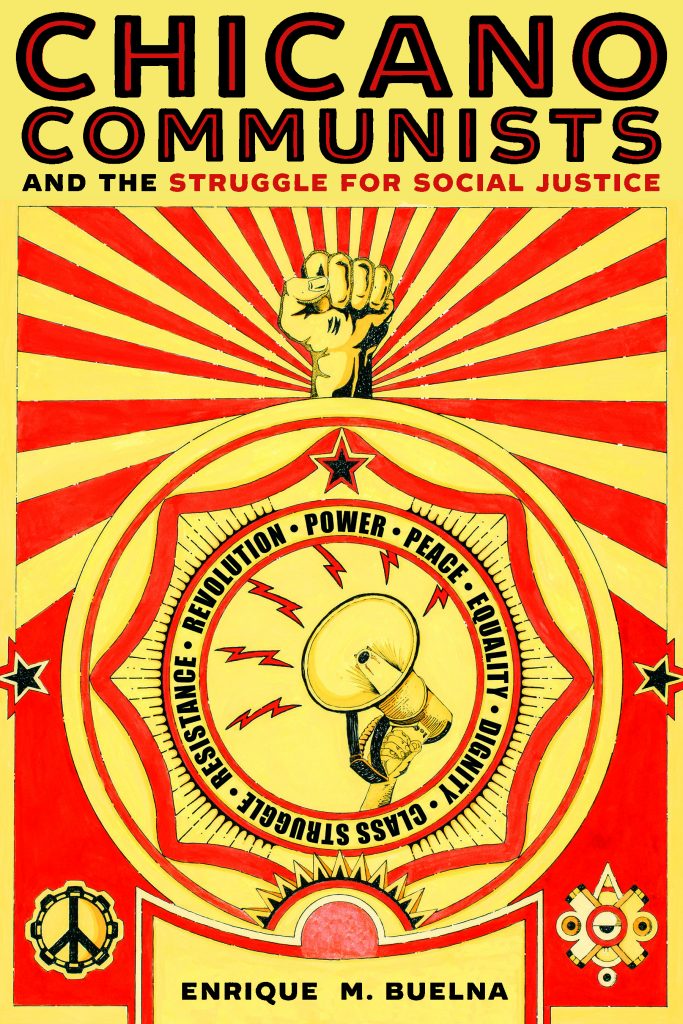
Chicano Communists and the Struggle for Social Justice traces the early roots of the Chicano Movement. It follows the thread of radical activism of the 1930s and 1940s to today, showing thedepth of its influence on Mexican Americans struggling to achieve social justice and equality. 

“Buelna’s book adds another layer to our understanding of American communism at mid-century, as well as the labor fight, community, and race.”–R.D. Screws, Choice Reviews

Listen to a book review of Chicano Communists and the Struggle for Social Justice on Buelna News here.

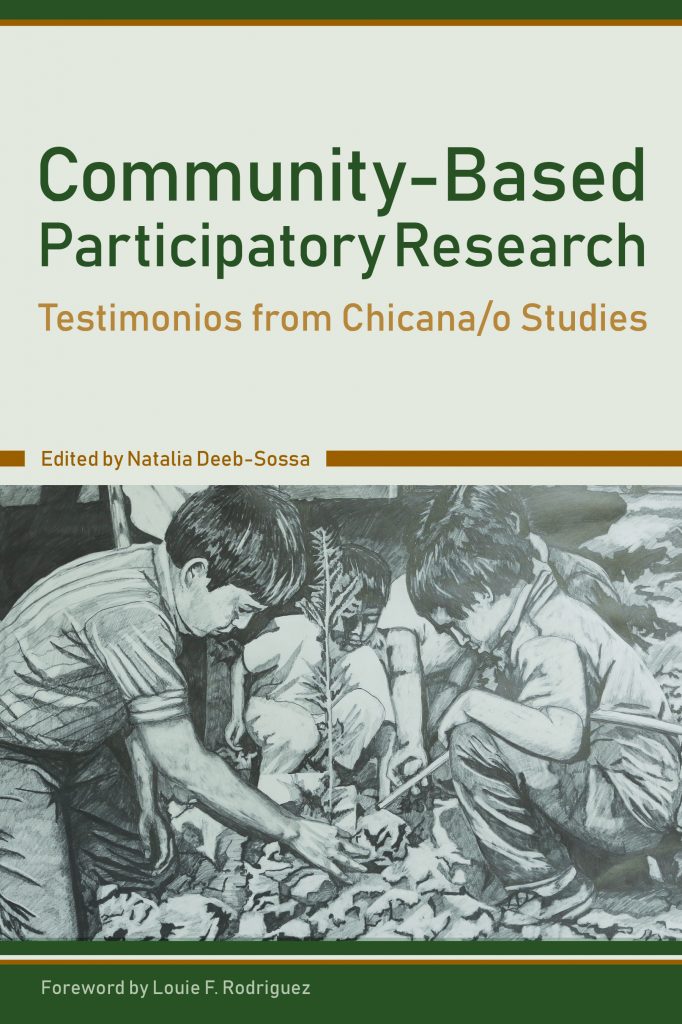
The first of its kind, Community-Based Participatory Research: Testimonios from Chicana/o Studies is a trailblazing collection of personal testimonies that showcase how understandings of community empowerment are incomplete as they have dismissed the variety of ways communities themselves have created social change strategies. In first-person accounts, Chicana/o researchers share their experience doing community-based participatory research (CBPR) praxis to illustrate its complexity and how it might be implemented to create sustainable change and community empowerment.

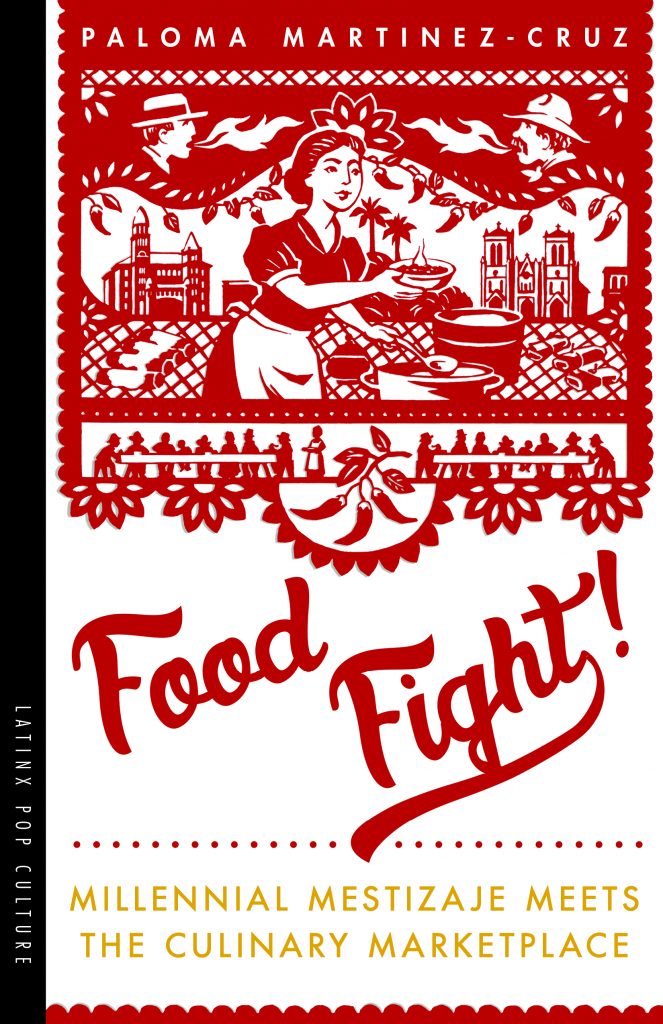
Food Fight! contributes to urgent discussions around the problems of cultural misappropriation, labeling, identity, and imaging in marketing and dining establishments. Not just about food, restaurants, and coffee, this volume employs a decolonial approach and engaging voice to interrogate ways that mestizo, Indigenous, and Latinx peoples are objectified in mainstream ideology and imaginary. 

“Every essay will fill a reader—millennial mestizo or just plain old Chicano—with joyous smiles at the zingers. Advertencia! This book is not one for idle consumption, it’s not fast food. Paloma Martinez-Cruz dishes up a scholarly dissertation of substantial complexity with a heaping portion of humor, verbal sleight-of-hand, and barely-restrained ire.”—La Bloga

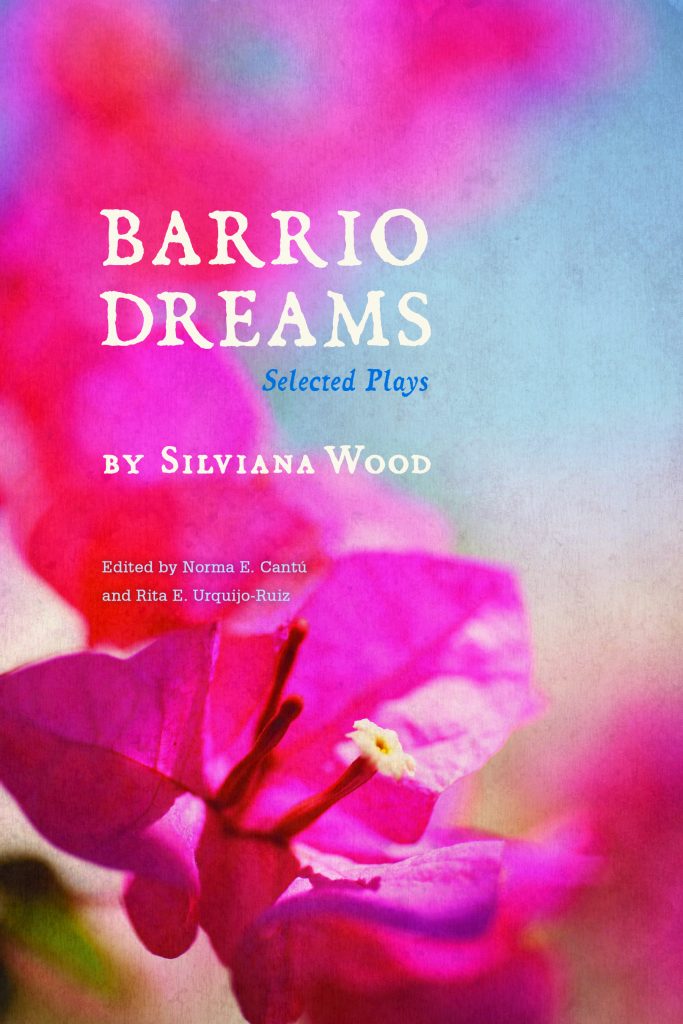
Silviana Wood’s teatro has elicited tears and laughter from audiences young and old. Barrio Dreams brings together for the first time the plays of Wood, one of Arizona’s foremost playwrights. Wood is acclaimed locally, regionally, and nationally as a playwright, actor, director, and activist.

We are excited that the Borderlands Theater in Tucson, Arizona will be hosting two events to honor the lifetime achievements of Silviana Wood. On Saturday, Oct. 17, 7 p.m., there will be a virtual reading of Wood’s play Amor de Hijua, live-streamed on Borderlands Theater’s Facebook and YouTube pages. On Tuesday, Oct. 20 – 6 p.m., A Tribute to Silviana Wood, will be live-streamed on Borderlands Theater’s Facebook and YouTube pages. You can also listen to Silviana Wood on a New Books Network podcast here.

WHA 2020: Browse Our Latest Books, Discounts, and More

October 9, 2020

We are excited to be participating in the first virtual Western History Association conference! As always, we are pleased to offer a conference discount. Use code AZWHA20 to receive 40% off all titles, and get free shipping.

If you are participating in the virtual WHA, make sure to visit our virtual exhibit and chat with us. If you have questions about submitting a manuscript for our history list, contact our editor-in-chief Kristen Buckles at kbuckles@uapress.arizona.edu and view our guidelines here. To learn about requesting exam copies, visit here. We look forward to seeing all of you in person again in the future.

La Raza Cosmética by Natasha Varner examines postrevolutionary identity construction as a project of settler colonialism that at once appropriated and erased indigeneity. In its critique of Indigenous representation, it also shows how Indigenous women strategically engaged with and resisted these projects as they played out in beauty pageants, films, tourism, art, and other realms of popular culture.

Colonial Legacies in Chicana/o Literature and Culture by Vanessa Fonseca-Chávez traces the development of Chicana/o literature and cultural production from the Spanish colonial period to the present. In doing so, it challenges us to look critically at how we simultaneously embody colonial constructs and challenge their legacies.

Listen to the author discuss the topics in this book on an NPR podcast here, then read an excerpt from the book here.

La Gente by Lorena V. Márquez traces the rise of the Chicana/o Movement in Sacramento and the role of everyday people in galvanizing a collective to seek lasting and transformative change during the 1960s and 1970s. In their efforts to be self-determined, la gente contested multiple forms of oppression at school, at work sites, and in their communities.

Watch an interview with the author here, and join the waitlist for an upcoming event featuring the author here.

Informed by personal experience and offering an inclusive view, Diné Identity in a Twenty-First-Century World by Lloyd L. Lee showcases the complexity of understanding and the richness of current Diné identities.

Watch a conversation with Lloyd Lee here.

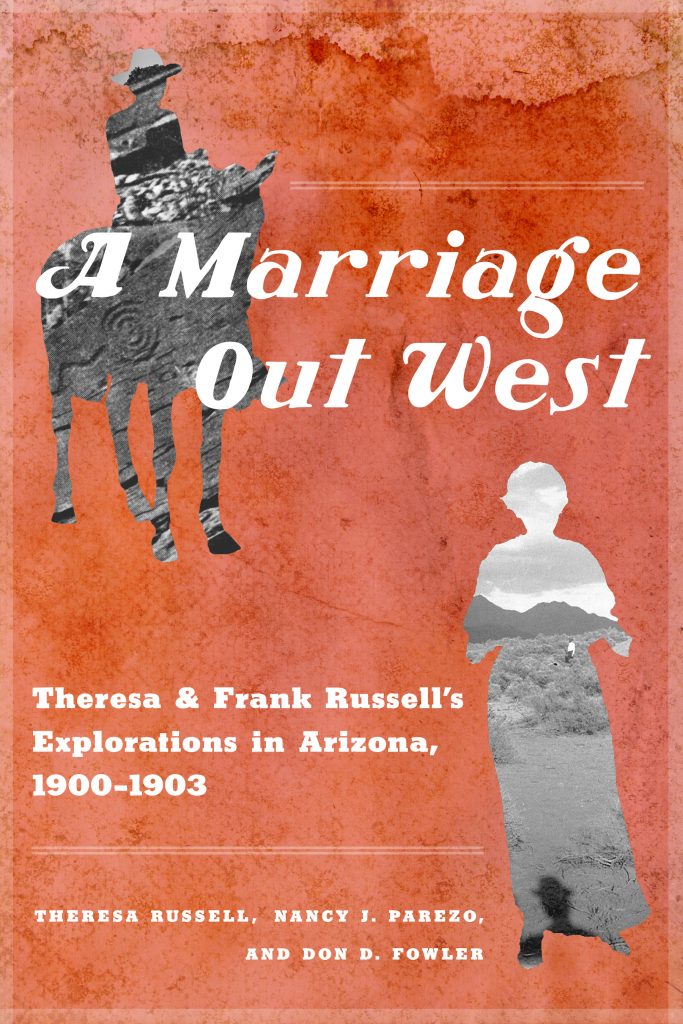
A Marriage Out West is an intimate biographical account of two fascinating figures of twentieth-century archaeology. Frances Theresa Peet Russell, an educator, married Harvard anthropologist Frank Russell in June 1900. They left immediately on a busman’s honeymoon to the Southwest. Their goal was twofold: to travel to an arid environment to quiet Frank’s tuberculosis and to find archaeological sites to support his research.

Learn how to register for a program featuring the authors, Nancy J. Parezo and Don D. Fowler, here.

Challenging stereotypes, Activist Leaders of San José by Josie Méndez-Negrete unearths and makes visible lived experiences of Chicana and Latino activists from San José, California, who made contributions to the cultural and civic life of the city. Through oral histories, we see a portrait of grassroots leadership in the twentieth century.

Join the waitlist for an upcoming event that features this author here.

In North American Borders in Comparative Perspective leading scholars provide a contemporary analysis of how globalization and security imperatives have redefined the shared border regions of the United States, Canada, and Mexico.

Watch an interview with the editors, Guadalupe Correa-Cabrera and Victor Konrad here.

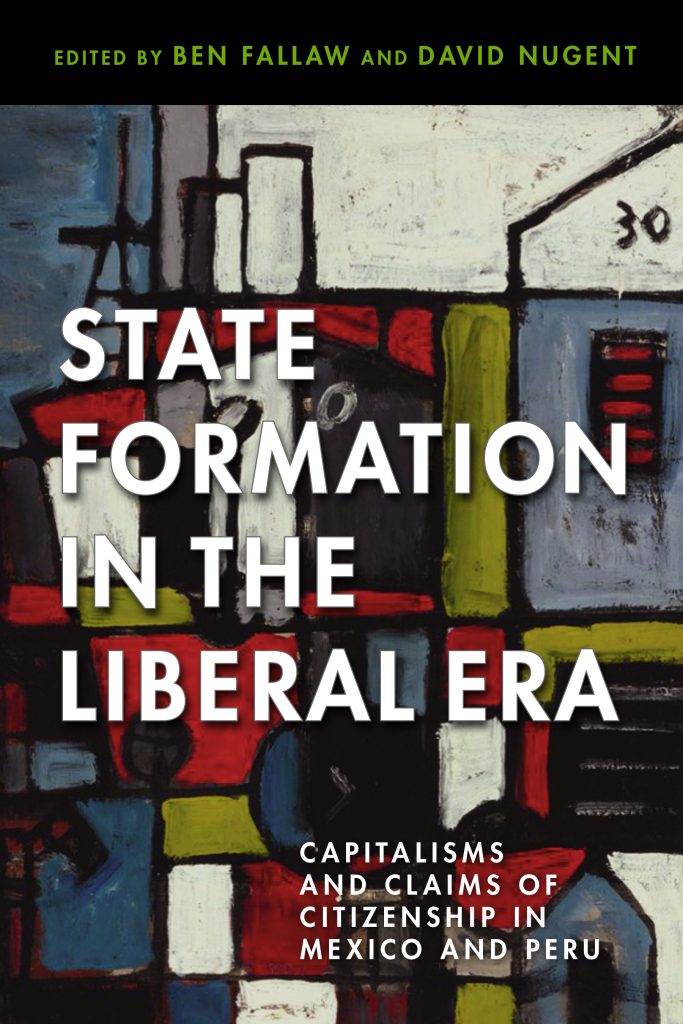
State Formation in the Liberal Era transforms our understanding of post-colonial Latin America. The volume spans disciplinary and geographic boundaries and offers an insightful look at the tensions between disparate circuits of capital, claims of statehood, and the contested nature of citizenship.

This anthology offers a unique and sweeping view of the nation’s fire scene by distilling observations on Florida, California, the Northern Rockies, the Great Plains, the Southwest, the Interior West, the Northeast, Alaska, the oak woodlands, and the Pacific Northwest into a single, readable volume. The essays offer a color-commentary companion to the play-by-play narrative offered in Pyne’s Between Two Fires: A Fire History of Contemporary America.

To the Last Smoke is Stephen J. Pyne’s way of “keeping with it to the end,” encompassing the directive from his rookie season as a wildland firefighter to stay with every fire “to the last smoke.”

Watch Stephen Pyne talk about his To the Last Smoke series here, and read an excerpt from the book here. Then, read Pyne’s recent op-ed in the Los Angeles Times here.

Binational Commons focuses on whether the institutions that presently govern the U.S.-Mexico transborder space are effective in providing solutions to difficult binational problems as they manifest themselves in the borderlands. The volume addresses key binational issues and explores where there are strong levels of institutional governance development, where it is failing, how governance mechanisms have evolved over time, and what can be done to improve it to meet the needs of the U.S.-Mexico borderlands in the next decades.

Learn how to register for a lecture featuring the editors, Tony Payan and Pamela L. Cruz, here.

Soldiers, Saints, and Shamans by Nathaniel Morris documents how and why the Indigenous Náayari, Wixárika, O’dam, and Mexicanero peoples took part in the Mexican Revolution as they struggled to preserve their cultures, lands, and political autonomy in the face of civil war, bandit raids, and radical political reform. In unpacking the ambiguities that characterize their participation in this tumultuous period, it sheds light on the inner contradictions of the revolution itself.

The second of a two-volume series, Moquis and Kastiilam tells the story of the encounter between the Hopis, who the Spaniards called Moquis, and the Spaniards, who the Hopis called Kastiilam, from the Pueblo Revolt through 1781. Balancing historical documents with oral histories, it creates a fresh perspective on the interface of Spanish and Hopi peoples in the period of missionization.

The book explores the ongoing effects of colonization and emphasizes Native American tribes as governments rather than ethnic minorities. Combining elements of legal issues, human rights issues, and sovereignty issues, Indigenous Environmental Justice creates a clear example of community resilience in the face of corporate greed and state indifference.

This volume of the Indigenous Justice series explores the global effects of marginalizing Indigenous law. The essays in Traditional, National, and International Law and Indigenous Communities argue that European-based law has been used to force Indigenous peoples to assimilate, has politically disenfranchised Indigenous communities, and has destroyed traditional Indigenous social institutions. The research in this volume focuses on the resurgence of traditional law, tribal–state relations in the United States, laws that have impacted Native American women, laws that have failed to protect Indigenous sacred sites, the effect of international conventions on domestic laws, and the role of community justice organizations in operationalizing international law.

Narratives of Persistence charts the remarkable persistence of California’s Ohlone and Paipai people over the past five centuries. Lee M. Panich draws connections between the events and processes of the deeper past and the way the Ohlone and Paipai today understand their own histories and identities.

Read an interview with the author here.

Horsefly Dress is a meditation on the experience and beauty of suffering. Rich in the imagery of autumnal foliage, migrating birds, and frozen landscapes, Heather Cahoon’s collection calls forth the sensory experience of grief and metamorphosis. The transformative powers associated with the human experience of loss belong to the past, present, and future, as do the traditional Salish-Pend d’Oreille stories that create the backbone of these intricate poems.

Watch a virtual book release recording of Heather here, and read a short interview with her here.

Borderlands Theater Honors Lifetime Achievements of Silviana Wood

October 5, 2020

Borderlands Theater in Tucson, Arizona will honor dramatist Silviana Wood with two special events. The University of Arizona Press published a collection of Wood’s plays, Barrio Dreams, edited by Norma Elia Cantú and Rita E. Urquijo-Ruiz.

On Saturday, Oct. 17, 7 p.m., there will be a virtual reading of Wood’s play Amor de Hijua, live-streamed on Borderlands Theater’s Facebook and YouTube pages.

Amor de Hijua is a drama about four generations in a working class family set in Arizona. When Consuelo’s father dies her mother, Doña Cuquita, rapidly deteriorates turning Consuelo’s world upside down as she is pulled between taking care of her mother and the needs of her own family.

On Tuesday, Oct. 20 – 6 p.m., A Tribute to Silviana Wood, will be live-streamed on Borderlands Theater’s Facebook and YouTube pages.

The tribute features Tucson elders who recount oral histories and discuss the life and achievements of Wood as playwright, performer, and culture bearer, within the context of the Chicano resistance movement in Tucson. 

The event is hosted by Borderlands Theater’s Veronica Conran and features historian and community organizer, Lupe Castillo; community organizers Ramona Grijalva and Annie Lopez; Borderlands Theater founder and Teatro Libertad member, Barclay Goldsmith; Teatro Libertad members, Teresa Jones, Arturo Martinez, and Francisco Medina; Mujeres que Escriben co-founder, Valerina Quintana; and of course, guest of honor, Silviana Wood. 

From Borderlands:

A writer, activist, performer, teacher, single mother, and in many ways, folklorist of the Mexican-American border culture of Southern Arizona, Silviana Wood is the first and only Chicana from Arizona to have a published anthology of her plays. Her mastery of code-switching in the barrio vernacular known as caló – a dynamic mixing of Spanish, English, and Spanglish – can only be compared to the African-American vernacular in the plays of August Wilson. Her wit and word play rivals that of legendary Mexican performers Cantinflas and Tin Tan. Addressing issues of social justice, linguistic marginalization, oppression, class, gender and sexuality, the dramatic works of Silviana Wood resonate as much today as when they were first written and produced.

Blast Off Into Space With Our Books

September 24, 2020

We are the proud publishers of a wide range of space science titles that inspire wonder and allow readers to delve into the universe. With poetry, art, photographs, history, and beyond, our space-centered books are out of this world! Through 11/1/2020, enjoy a 35% discount on all of our space titles when you use the code AZOUTERSPACE20 at checkout.

Beyond Earth’s Edge vividly captures through poetry the violence of blastoff, the wonders seen by Hubble, and the trajectories of exploration to Mars and beyond. The anthology offers a fascinating record of both national mindsets and private perspectives as poets grapple with the promise and peril of U.S. space exploration across decades and into the present.

Attend our virtual book release event for Beyond Earth’s Edge on October 8, 2020 at 7:00 P.M. MST! This free event will be co-hosted by the Flandrau Science Center and Planetarium. Register here!

“Only two of the contributors to this soaring, adroitly curated anthology actually traveled in space, but nothing stops the rest of them from vaulting skyward on a pillar of words, with a potent gravity-assist from their emotions.”—Dava Sobel, author of Galileo’s Daughter and The Glass Universe: How the Ladies of the Harvard Observatory Took the Measure of the Stars

Planetary Astrobiology represents the combined efforts of more than seventy-five international experts consolidated into twenty chapters and provides an accessible, interdisciplinary gateway for new students and seasoned researchers who wish to learn more about this expanding field. Readers are brought to the frontiers of knowledge in astrobiology via results from the exploration of our own solar system and exoplanetary systems.

Explore other titles in our Space Sciences Series here.

In Gerard P. Kuiper and the Rise of Modern Planetary Science, Derek W. G. Sears describes the life of a man who lived through some of the most dramatic events of the twentieth century and ended up creating a new field of scientific research, planetary science. As NASA and other space agencies explore the solar system, they take with them many of the ideas and concepts first described by Gerard P. Kuiper.

We are so thrilled that Gerard P. Kuiper and the Rise of Modern Planetary Science won a Foreword Indies Award! Read an excerpt from the book here.

In Discovering Pluto, Dale P. Cruikshank and William Sheehan recount the grand story of our unfolding knowledge and exploration of Pluto, its moons, and the outer Solar System. They explain the efforts of scientists, mathematicians, and researchers over the centuries to understand the outer Solar System, leading to the discovery and detailed exploration of Pluto as the premier body in the Kuiper Belt, the so-called third zone of our Solar System.

Read five questions with William Sheehan here, and read the Wall Street Journal review of the book here.

The most outstanding and uniquely curated selection of Mars orbital images ever assembled in one volume. With explanatory captions in twenty-four languages and a gallery of more than 200 images, Mars: The Pristine Beauty of the Red Planet brings a timely and clear look at the work of an active NASA mission.

“For scientists, this book may be a record of Martian geology, history, and even a search for possible future landing sites, while astronomy enthusiasts will find a snapshot of our current scientific understanding of the planet. Dreamers will use it as a tool for a journey through time and space.”—Sky at Night Magazine

Under Desert Skies describes how a small lunar- and planetary-focused laboratory at the University of Arizona forged the field of planetary science at a time when few people studied the solar system. Spanning six decades, the book records the stories of the scientists who, with telescopes and spacecraft, transformed single points of lights into worlds that we can see, touch, study, and compare to Earth.

“A fascinating story of how a small university department became a major powerhouse in our exploration of the solar system, and of how our knowledge of the solar system blossomed with the space age.” —Derek Sears, Space Science and Astrobiology Division, NASA Ames Research Center

Human Spaceflight lays out a new model for the future of humans in space, where robotic technologies extend human presence beyond the solar system. Louis Friedman argues for settlement of Mars, serving as a base for humans to explore the rest of the universe with an expanding arsenal of technology.

“Most books about our future in space are written by dreamers. But Human Spaceflight: From Mars to the Stars is written by an aerospace engineer, Dr. Louis Friedman, who details exactly how exploration needs to unfold if our species is to value it at all.”—Neil deGrasse Tyson, Astrophysicist, American Museum of Natural History

Earth and Mars relates the life story of two planets, celestial siblings in space. The book is a fusion of art and science, a blend of images and essays celebrating the successful creation of our life-sustaining planet. A collection of simple and profoundly beautiful forms, Earth and Mars provides a context to appreciate the common forces responsible for these haunting shapes as well as the divergent paths that led to an Earth teeming with life-forms, while its sibling, Mars, is seemingly devoid of all life.

We Love the Southwest, Explore it Through Our Books!

September 18, 2020

At the University of Arizona Press, we have a long history of celebrating and adoring the southwest. A truly special region filled with unique flora and fauna, food, and traditions, we want to highlight some of our titles that explore our local Sonoran desert and beyond. Use the code AZSOUTHWEST20 for 35% off the titles mentioned in this post until 9/30/2020!

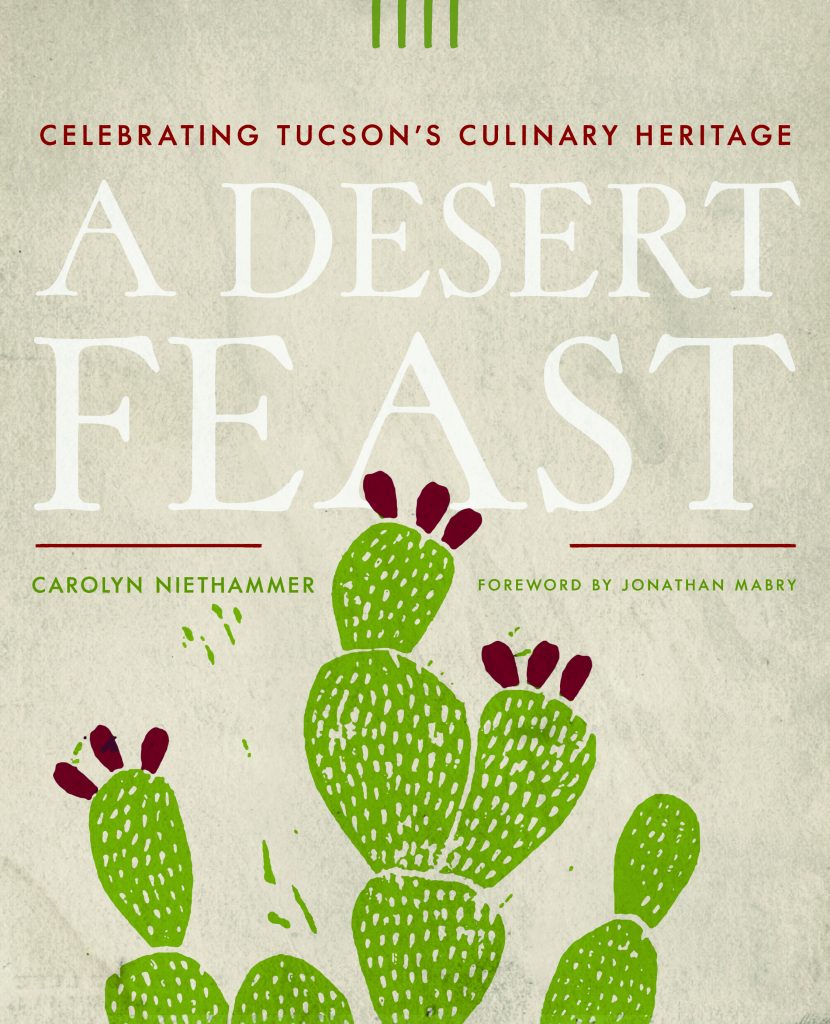
A Desert Feast offers a food pilgrimage, where stories and recipes demonstrate why the desert city of Tucson became American’s first UNESCO City of Gastronomy. You’ll meet the farmers, small-scale food entrepreneurs, and chefs who are dedicated to making Tucson taste like nowhere else.

Watch a video about the book here. Osher Lifelong Learning Institute will feature Carolyn Niethammer as part of their fall speaker series on Monday, September 21, 2020. Other events to watch for include Carolyn’s appearance on the Tucson Festival of Books Authors in Conversation series on October 7, 2020, and a virtual book release event on December 2, 2020. Make sure to register for these events!

Coming soon— preorder now!

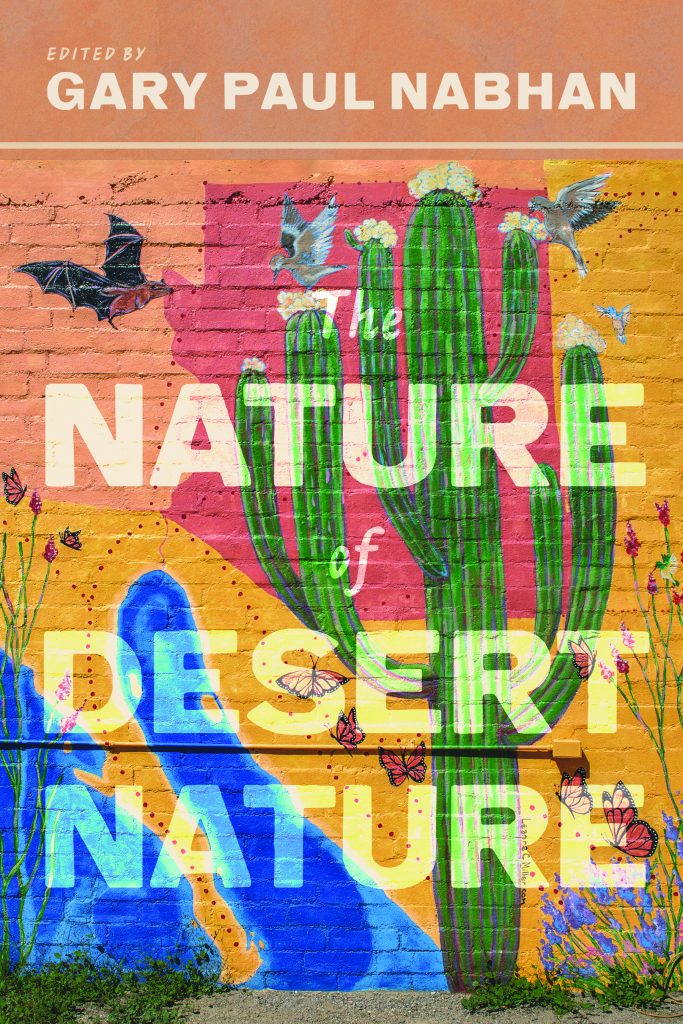
The desert inspires wonder. Attending to history, culture, science, and spirit, The Nature of Desert Nature celebrates the bounty and the significance of desert places. Gary Paul Nabhan invites a prism of voices—friends, colleagues, and advisors from his more than four decades of study of deserts—to bring their own perspectives. Scientists, artists, desert contemplatives, poets, and writers bring the desert into view and investigate why these places compel us to walk through their sands and beneath their cacti and acacia. We observe the spines and spears, stings and songs of the desert anew. Unexpected. Surprising. Enchanting. Like the desert itself, each essay offers renewed vocabulary and thoughtful perceptions.

Keep an eye out for these upcoming events! Gary Paul Nabhan and Francisco Cantú will be featured on the Tucson Festival of Books Authors in Conversation series on November 18, 2020, and on December 9, 2020, as part of its ongoing lecture series, the Desert Laboratory on Tumamoc Hill will host a virtual book release celebration for The Nature of Desert Nature, edited by Gary Paul Nabhan. Make sure you register for these events!

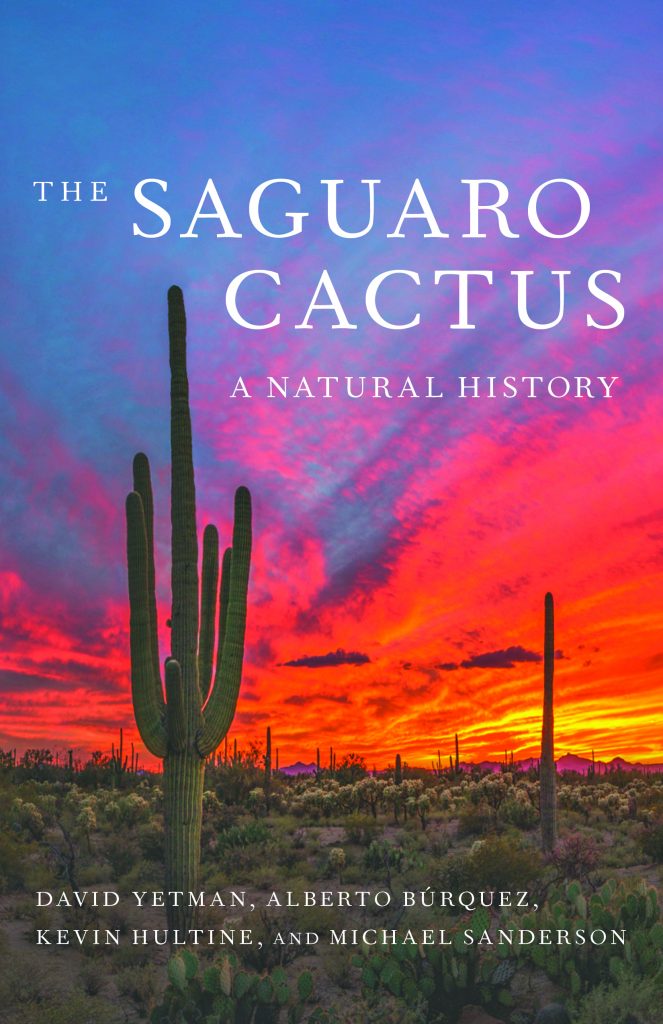
The saguaro, with its great size and characteristic shape, has become the emblem of the Sonoran Desert of southwestern Arizona and northwestern Mexico. The Saguaro Cactus offers a complete natural history of this enduring cactus, the largest and tallest in the United States. From its role in Sonoran Desert ecology, to its adaptations to the desert climate, to its sacred place in Indigenous culture, this book offers a definitive source on a distinguished desert plant.

The Southwest Center is launching a new event series titled Food for Thought with David Yetman and Chef Janos Wilder. David Yetman will be featured on the program on October 9, 2020. Click here to learn more! Read an excerpt from the book here.

In Saints, Statues, and Stories, beloved folklorist James S. Griffith introduces us to the roadside shrines, artists, fiestas, saints, and miracles of northern Mexico. Full-color images add to the pleasure of this delightful journey through the churches and towns of Sonora.

Watch a video about author James “Big Jim” Griffith here, and see some lovely photos we took at our book release party last fall here. We are thrilled that Saints, Statues, and Stories was honored as a Southwest Book of the Year!

Daniel D. Arreola’s Postcards from the Chihuahua Border is a colorful and dynamic visual history of Mexico’s northern border. Drawing on more than three decades of archival work, Arreola invites the reader to time travel, to revisit another era—the first half of the last century—when the border towns of Ciudad Juárez, Ojinaga, and Palomas were framed and made popular through picture postcards.

Read an excerpt from the book here.

Through twenty individual stories, Voices from Bears Ears captures the passions of the debate that led to the creation of Bears Ears National Monument, a land of unsurpassed natural beauty and deep historical significance. The story of this place reflects the cultural crosscurrents that roil our times: maintaining tradition and culture in the face of change, healing the pain of past injustices, creating shared futures, and protecting and preserving lands for future generations.

Published in 1986, Blue Desert was Charles Bowden’s third book-length work and takes place almost entirely in Arizona, revealing Bowden’s growing and intense preoccupation with the state and what it represented as a symbol of America’s “New West.” With a thoughtful new foreword by Francisco Cantú, Blue Desert is a critical piece of Bowden’s oeuvre.

Read about Charles Bowden and Blue Desert in Harper’s Magazine here, and read a brief reflection on Blue Desert here.

When first published in 1987, Frog Mountain Blues documented the creeping sprawl of new development up the foothills of the Santa Catalina Mountains. Today, that development is fully visible, but Charles Bowden’s prescience to preserve and protect a sacred recreational space remains as vivid as ever. Accompanied by Jack W. Dykinga’s photographs from the original work, this book conveys the natural beauty of the Catalinas and warns readers that this unique wilderness could easily be lost.

“A beautifully written, handsomely illustrated love poem to a mountain range that has the fatal curse of being not merely too awesome in its beauty for its own good but, worse, too accessible to man.”—Los Angeles Times Book Review

The Mojave Desert has a rich natural history. Despite being sandwiched between the larger Great Basin and Sonoran Deserts, it has enough mountains, valleys, canyons, and playas for any eager explorer. A Natural History of the Mojave Desert shares how the geology, geography, climate, and organisms, including humans, have shaped and been shaped by this fascinating desert.

Read an excerpt from the book here. We are thrilled that A Natural History of the Mojave Desert was selected as a Southwest Book of the Year!

No Species Is an Island describes the surprising results of Theodore H. Fleming’s eleven-year study of pollination biology in Sonora, Mexico, in the most biologically diverse desert in the world. These discoveries serve as a primer on how to conduct ecological research, and offer important conservation lessons for us all. Fleming offers an insightful look at how field ecologists work, and the often big surprises that come from looking carefully at a natural world where no species stands alone.

Read an excerpt from the book selected by the Arizona Daily Star here.

Between 1900 and the late 1950s, Mexican border towns came of age both as centers of commerce and as tourist destinations. Postcards from the Sonora Border reveals how images—in this case the iconic postcard—shape the way we experience and think about place. Making use of his personal collection of historic images, Daniel D. Arreola captures the evolution of Sonoran border towns, creating a sense of visual “time travel” for the reader. Supported by maps and visual imagery, the author shares the geographical and historical story of five unique border towns—Agua Prieta, Naco, Nogales, Sonoyta, and San Luis Río Colorado.

Anne García-Romero Featured on New Books Network Podcast

September 15, 2020

University of Arizona Press author Anne García-Romero was featured on a recent episode of the New Books Network podcast for her book, The Fornes Frame.

“In The Fornes Frame: Contemporary Latina Playwrights and the Legacy of Maria Irene Fornes (University of Arizona Press, 2016) playwright and theatre scholar Anne García-Romero traces the career and legacy of Maria Irene Fornes.

Fornes was one of the most significant American playwrights of the twentieth century, and her legacy is evident in the dozens of playwrights she mentored over the course of her long career. García-Romero shows how her unique pedagogy and her example as a successful Latina experimental playwright continue to inspire playwrights like Caridad Svich, Cusi Cram, Elaine Romero, Quiara Alegría Hudes, and Karen Zacarías.”

Listen to the podcast and read more here.

Meditación Fronteriza Receives an International Latino Book Award Honorable Mention

September 14, 2020

We are thrilled that Meditación Fronteriza by Norma Elia Cantú received an honorable mention for the Juan Felipe Herrera Best Poetry Book Award section of the International Latino Book Awards!

Meditación Fronteriza is a beautifully crafted exploration of life in the Texas-Mexico borderlands. Written by award-winning author Norma Elia Cantú, the poems flow from Spanish to English gracefully as they explore culture, traditions, and solidarity.

Norma E. Cantú is a scholar-activist who currently serves as the Norine R. and T. Frank Murchison Professor of the Humanities at Trinity University. She is founder and director of the Society for the Study of Gloria Anzaldúa. She has published fiction, poetry, and personal essays in a number of venues.

Think Deeper About Pop Culture with Our Latinx Pop Culture Series

September 11, 2020

This week, we are focusing on books that are part of our Latinx Pop Culture series. Latinx Pop Culture is a new series that aims to shed light on all aspects of Latinx cultural production and consumption as well as the Latinx presence globally in popular cultural phenomena in the late twentieth and early twenty-first centuries.

Use the code AZLATINX20 at checkout to receive 35% off any of the titles mentioned in this post through 9/20/20!

With unity of heart and mind, the creative and the scholarly, Decolonizing Latinx Masculinities opens wide its arms to all non-binary, decolonial masculinities today to grow a stronger, resilient, and more compassionate new generation of Latinxs tomorrow.

Read a Q&A with the editors of Decolonizing Latinx Masculinities, Arturo J. Aldama and Frederick Luis Aldama, here.

In Reel Latinxs, experts in Latinx pop culture Frederick Luis Aldama and Christopher González explain the real implications of Latinx representation in mainstream TV and film. They also provide a roadmap through a history of mediatized Latinxs that rupture stereotypes and reveal nuanced reconstructions of Latinx subjectivities and experiences.

Read a conversation between Frederick and Christopher here, then watch a video on why Latinx pop culture matters with Frederick Luis Aldama, Christopher González, and Ilan Stavans here. We are thrilled that Reel Latinxs was nominated as a finalist for the International Latino Book Award!

Latinx Ciné in the Twenty-First Century is a timeless volume that offers a significant analysis of the burgeoning field of Latinx filmmaking. Editor Frederick Luis Aldama has gathered together some of the best writing on Latinx ciné in the twenty-first century. Today’s filmmakers show the world a rich Latinidad informed by a complexly layered culture replete with history, biography, and everyday experiences.

“An engaging collection that demonstrates both the advances Latinx filmmaking has made in the 2000s, and the acumen of the scholars who appraise them.”—Ryan Rashotte, author of Narco Cinema

Food Fight! contributes to urgent discussions around the problems of cultural misappropriation, labeling, identity, and imaging in marketing and dining establishments. Not just about food, restaurants, and coffee, this volume employs a decolonial approach and engaging voice to interrogate ways that mestizo, Indigenous, and Latinx peoples are objectified in mainstream ideology and imaginary. 

“Every essay will fill a reader—millennial mestizo or just plain old Chicano—with joyous smiles at the zingers. Advertencia! This book is not one for idle consumption, it’s not fast food. Paloma Martinez-Cruz dishes up a scholarly dissertation of substantial complexity with a heaping portion of humor, verbal sleight-of-hand, and barely-restrained ire.”—La Bloga

Sor Juana: Or, The Persistence of Pop encapsulates the life, times, and legacy of seventeenth-century Mexican nun Sor Juana Inés de la Cruz. Ilan Stavans provides a biographical and meditative picture of how popular perceptions of her life and work both shape and reflect Latinx culture.

Read an excerpt from Sor Juana here, and watch a video about why Latinx pop culture matters with Ilan Stavans, Frederick Luis Aldama, and Christopher González here.

Interweaving discussions about the ethnic, racial, and linguistic representations of Latinas/os within network television comedies, Isabel Molina-Guzmán‘s Latina’s and Latinos On TV probes published interviews with producers and textual examples from hit programs like Modern Family, The Office, and Scrubs to understand how these prime-time sitcoms communicate difference in the United States.

Read an excerpt from the book here, then watch a video where Isabel Molina-Guzmán and Frederick Luis Aldama talk about Latinx pop culture here.

Latino Placemaking and Planning offers a pathway to define, analyze, and evaluate the role that placemaking can have with respect to Latino communities in the context of contemporary urban planning, policy, and design practices. Jesus J. Lara illustrates the importance of placemaking as a pathway to sustainable urban revitalization.

“Lara’s work on Latino urbanism both contributes to the rapid evolution of the field and strengthens an epistemic community around it. With this book, Lara both meta-analyzes the field and propels it forward.”—Clara Irazábal-Zurita, Director of Latinx and Latin American Studies, University of Missouri–Kansas City

In Latinx Superheroes in Mainstream Comics, the foremost expert on Latinx comics, Frederick Luis Aldama, guides us through the full archive of all the Latinx superheros in comics since the 1940s. Aldama takes us where the superheroes live—the barrios, the hospitals, the school rooms, the farm fields—and he not only shows us a view to the Latinx content, sometimes deeply embedded, but also provokes critical inquiry into the way storytelling formats distill and reconstruct real Latinos/as.

We are very proud that Latinx Superheroes in Mainstream Comics was the 2018 Eisner Award Winner for Best Scholarly/ Academic work, as well as the 2018 International Latino Book Award winner for Best Latino-Focused Non-Fiction Book. To watch Frederick talk about Latinx streaming during the coronavirus lockdown, visit here.

Embrace Indigenous Poetry with Our Recent Sun Tracks Titles

September 2, 2020

Launched in 1971, Sun Tracks was one of the first publishing programs to focus exclusively on the creative works of Native Americans. The series has included more than eighty volumes of poetry, prose, art, and photography by distinguished artists.

This week, we are featuring our recent Sun Tracks titles— a variety of stunning collections by Indigenous poets. Use the code AZSUNTRACKS20 to receive 30% off all Sun Tracks titles through 9/15/2020.

Horsefly Dress is a meditation on the experience and beauty of suffering. Rich in the imagery of autumnal foliage, migrating birds, and frozen landscapes, Heather Cahoon’s collection calls forth the sensory experience of grief and metamorphosis. The transformative powers associated with the human experience of loss belong to the past, present, and future, as do the traditional Séliš and Qĺispé stories that create the backbone of these intricate poems.

Get an in-depth look at Horsefly Dress by reading an interview with poet and scholar Heather Cahoon here.

Our Bearings is a collection of narrative poetry that examines and celebrates Anishinaabe life in modern Minneapolis. The poems offer a beautifully layered discourse between landscapes, stories, and the people who inhabit them. Through keen observation and a deep understanding of Native life in Minneapolis, poet and scholar Molly McGlennen has created a timely collection, which contributes beautifully to the important conversation about contemporary urban Native life in North America and globally.

Watch a virtual poetry reading with Molly McGlennen, Casandra López, and Laura Da’ here, then read an interview with McGlennen here, and watch her read a poem from Our Bearings here.

Aurum is a fiercely original poetry collection that reveals the marginalized and estranged Native American experience in the wake of industrial progress. With unforgettable imagery and haunting honesty, these poems are powerfully resonant.

Read an interview with Santee Frazier about Aurum here, and explore his previous collection with us, Dark Thirty, here.

Speaking to both a personal and collective loss, in Brother Bullet Casandra López confronts her relationships with violence, grief, trauma, guilt, and, ultimately, survival. Revisiting the memory and lasting consequences of her brother’s murder, López traces the course of the bullet—its trajectory, impact, wreckage—in poems that are paralyzing and raw with emotion, yet tender and alive in revelations of light.

Watch a virtual poetry reading with Molly McGlennen, Casandra López, and Laura Da’ here, then read a Los Angeles Review of Books interview with López here.

When it was first released in 1982, When It Rains was one of the earliest published literary works in the O’odham language. Speakers from across generations shared poems that showcased the aesthetic of the written word and aimed to spread interest in reading and writing in O’odham. When It Rains is an intuitive poetry collection that shows us how language connects people. With the poems in both O’odham and English, the volume serves as a reminder of the beauty and changeability of the O’odham language.

Read Ofelia Zepeda’s new foreword here.

Instruments of the True Measure charts the coordinates and intersections of land, history, and culture. Lyrical passages map the parallel lives of ancestral figures and connect dispossessions of the past to lived experiences of the present.

Watch a virtual poetry reading with Molly McGlennen, Casandra López, and Laura Da’ here, and read an interview with Laura Da’ here.

The Global Lives of Indian Cotton: A Digital Storymap by Andrew Flachs

September 3, 2020

Through cotton, farmers, weavers, scientists, and wearers imagine Others across an ancient global commodity chain. It begins with a seed.

Five to ten million years ago, a member of the Malvacea plant family, which includes okra (Abelmoschus esculentus L.) and ornamental hibiscus (Hibiscus rosa-sinensis L.) branched off from its relatives and evolved twisting, waxy hairs along its seed coat. The fibers of this new Gossypium genus may have been intended to enlist birds in dispersing seeds, they may have been a ploy to sail along the wind like dandelions (Taraxacum officinale L.), or the hairs might have acted like an umbrella to keep the rain off the seeds. Yet as cotton continued to evolve, it attracted an unexpected helper drawn to those threads – human beings.

In a project conceived and designed by University of Arizona Press author Andrew Flachs, with contributions from Elizabeth Brite, Maura Finkelstein, Meena Menon, Robert N. Spengler III, the Udaanta Trust, Jonathan Wendel, and Emily A. Wolff, you can learn a wide range of valuable information about global cotton production via an interactive map. This map is best viewed on a computer, and can be found here.

Cultivating Knowledge highlights the agency, creativity, opportunism, and performance of individuals and communities carving out successful lives in a changing agricultural landscape. The practice of sustainable agriculture on the farm—let alone the global challenge of feeding or clothing the world—is a social question, not a technological one. Farmers do not make simple cost-benefit analyses when evaluating new technologies and options. Their choices have dire consequences, sometimes leading to death. Through an ethnography of seeds, Andrew Flachs investigates the human responses to global agrarian change.

Andrew Flachs is an assistant professor of anthropology at Purdue University. Trained as an environmental anthropologist, his research spans sustainable agriculture, food studies, the anthropology of knowledge, and political ecology.

For Authors

The University of Arizona Press publishes the work of leading scholars from around the globe. Learn more about submitting a proposal, preparing your final manuscript, and publication.
Inquire

Requests

The University of Arizona Press is proud to share our books with readers, booksellers, media, librarians, scholars, and instructors. Join our email Newsletter. Request reprint licenses, information on subsidiary rights and translations, accessibility files, review copies, and desk and exam copies.
Request

Support the Press
Support a premier publisher of academic, regional, and literary works. We are committed to sharing past, present, and future works that reflect the special strengths of the University of Arizona and support its land-grant mission.
Give