TFOB 2024: See you this week at booth #242!

March 4, 2024

Book lovers rejoice: the 2024 Tucson Festival of Books is happening this weekend, March 9th and 10th! As white tents start to pop up on the mall and bibliophiles begin to arrive from all over the world, the University of Arizona Press team is busy getting ready to welcome you to booth #242!

We are thrilled to have a wide variety of authors presenting on panels and signing books at our tent this year. Stop by our booth to browse hundreds of amazing titles and get them signed by the authors. All books will be 25% off during the festival with code AZTFB24, and as always, we’ll have our ever-popular $5 book shelf.

Take a look at the full Tucson Festival of Books schedule to find out where and when you can meet our authors, and come visit them during our booth signings. The lineup is below. We look forward to seeing you this weekend!

Saturday, March 9

10:00 AM: Judith X. Becerra and David Yetman, authors of Elephant Trees, Copales, and Cuajiotes

11:00 AM: Daisy Ocampo, author of Where We Belong

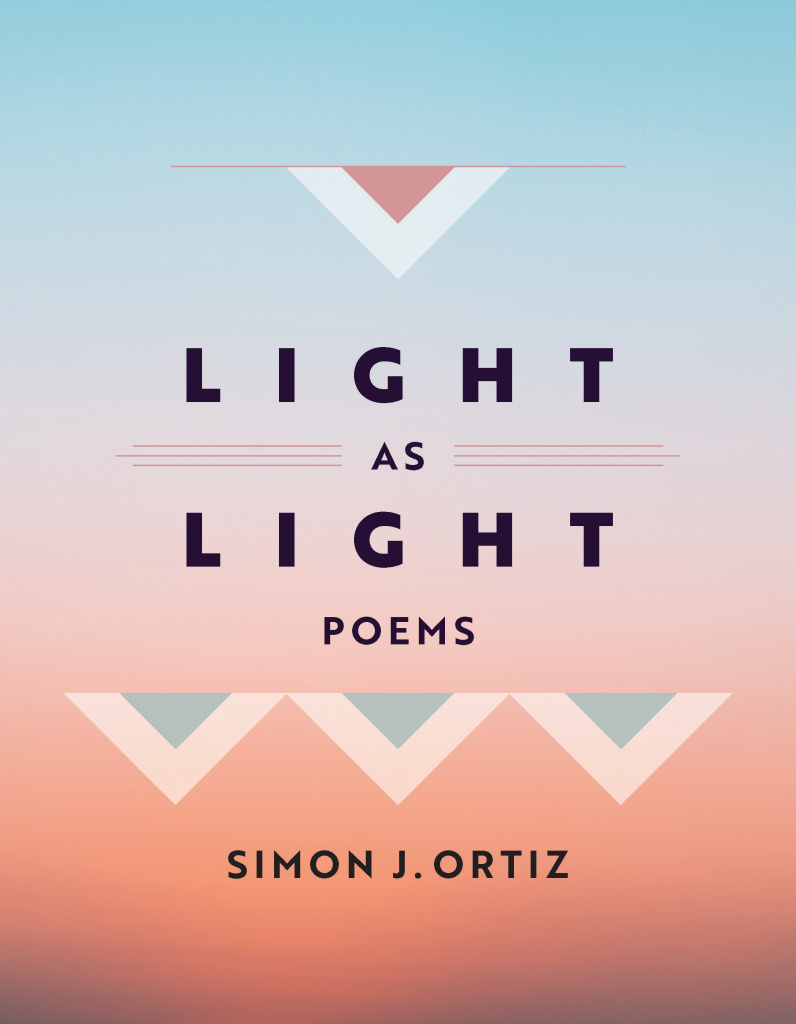
12:00 PM: Simon J. Ortiz, author of Light as Light

12:30 PM: Dante S. Lauretta, Catherine W. V. Wolner & Carina A. Bennett, authors of Bennu 3-D

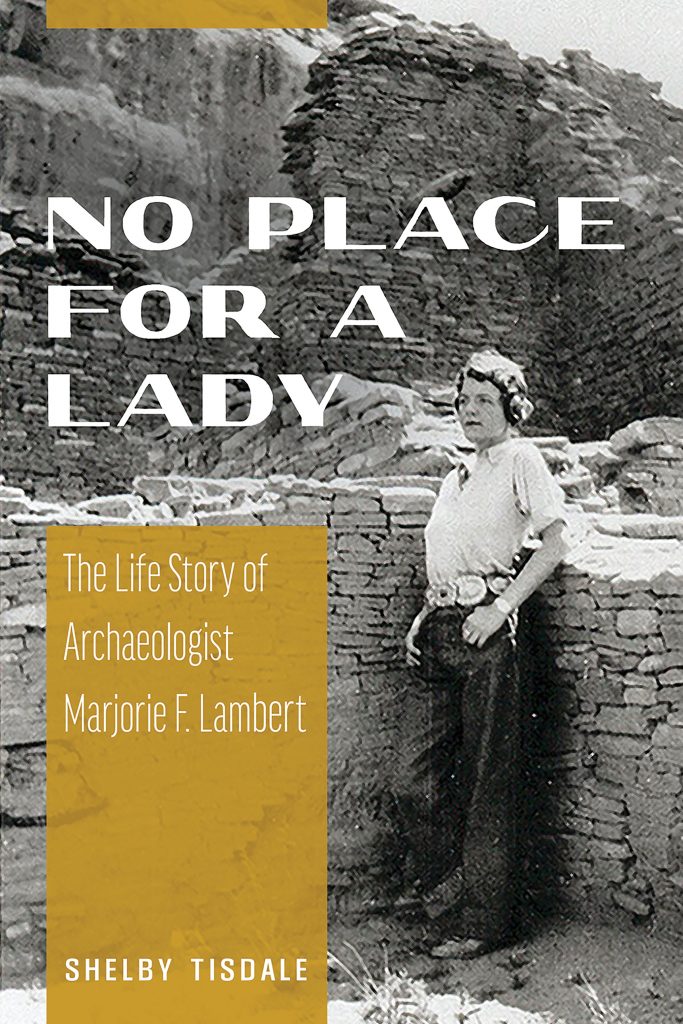
1:00 PM: Shelby Tisdale & A. Thomas Cole, authors of No Place for a Lady & Restoring the Pitchfork Ranch

2:00 PM: Tim Z. Hernandez & Reyes Ramirez , authors of All They Will Call You & Book of Wanderers

Sunday, March 10

10:00 AM: Diego Báez, author of Yaguareté White

11:00 AM: Diane D. Dittemore, author of Woven from the Center

1:00 PM: Tom Zoellner, author of Rim to River

2:00 PM: Stephen J. Pyne, author of Pyrocene Park

For the full festival schedule, click here.

TFOB 2024: Book Signings & Panels with Our Authors

February 8, 2024

Join us for the 2024 Tucson Festival of Books on March 9th and 10th! We will be setting up shop on the University of Arizona campus for a weekend of literary fun.

We are thrilled to have a wide variety of authors presenting on panels and signing books in our booth this year. Stop by booth #242 to browse our amazing books and get them signed by the authors below. All books will be 25% off during the festival, and as always, we’ll have our ever-popular $5 book shelf.

Take a look at the schedule below to find out where and when you can meet our authors, or view the complete Tucson Festival of Books schedule. We look forward to seeing you at the festival!

Book Signing Schedule

Saturday, March 9

10:00 AM: Judith X. Becerra, author of Elephant Trees, Copales, and Cuajiotes

11:00 AM: Daisy Ocampo, author of Where We Belong

12:00 PM: Simon J. Ortiz, author of Light as Light

12:30 PM: Dante S. Lauretta, Catherine W. V. Wolner & Carina A. Bennett, authors of Bennu 3-D

1:00 PM: Shelby Tisdale & A. Thomas Cole, authors of No Place for a Lady & Restoring the Pitchfork Ranch

2:00 PM: Tim Z. Hernandez & Reyes Ramirez , authors of All They Will Call You & Book of Wanderers

Sunday, March 10

10:00 AM: Diego Báez, author of Yaguareté White

11:00 AM: Diane D. Dittemore, author of Woven from the Center

1:00 PM: Tom Zoellner, author of Rim to River

2:00 PM: Stephen J. Pyne, author of Pyrocene Park


Panel Schedule – Saturday, March 9th

10:00 AM

Title:Intersections of Verse y Voz
Location:Nuestras Raíces Stage
Date/Time:Saturday, 10:00 am to 11:00 am
Panelists:Mari Herreras, Simon Ortiz, Brandon Som
Moderators:Melo Dominguez
Genres:Nuestras Raices, Poetry
Signing Area:Pima County Public Library/Nuestras Raíces/Craft Tent & Signing Area
Description:Discover the work of these poets with Southwestern roots who explore the intersection of language, identity, and place in their writing.
Title:Unearthing Legacies
Location:WNPA Stage
Date/Time:Saturday, 10:00 am to 11:00 am
Panelists:Melissa Sevigny, Shelby Tisdale
Moderators:Marie Buck
Genres:Nature / Environment
Signing Area:Sales & Signing Area – National Parks
Description:Embark on a captivating journey as you hear the authors tell two remarkable stories. Discover the trailblazing life of Marjorie Ferguson Lambert, a pioneer in southwestern archaeology, and then brace yourself for the daring 1938 expedition of botanists Elzada Clover and Lois Jotter as they braved the treacherous Colorado River. Learn about these untold adventures and resilience of these women that helped shape the American West.
Title:The Wonders of Bennu
Location:Science City – Main Stage
Date/Time:Saturday, 10:00 am to 11:00 am
Panelists:Carina Bennett, Dante Lauretta, Cat Wolner
Moderators:Jennifer Casteix
Genres:Science / Medicine / Technology
Signing Area:Sales & Signing Area – Science City
Description:The authors of “Bennu 3-D” share the story of OSIRIS-REx and Bennu through vivid descriptions and extraordinary photos. Listeners and readers of the book will feel like they are right there exploring along with the scientists.

11:30 AM

Title:Dual Identities in the Americas
Location:Student Union Kiva
Date/Time:Saturday, 11:30 am – 12:30 pm
Panelists:Diego Báez, Manuel López, Reyes Ramirez
Moderators:Estella González
Genres:Poetry
Signing Area:Sales & Signing Area – UA Bookstore, Main Floor
Description:Three experimental poets discuss how their Salvadoran, Paraguayan, and Mexican heritage has impacted their poetry and their lives.

1:00 PM

Title:Restoring Indigenous Heritage
Location:WNPA Stage
Date/Time:Saturday, 1:00 pm to 2:00 pm
Panelists:Daisy Ocampo, Jared Orsi
Moderators:Jacelle Ramon-Sauberan
Genres:Nature / Environment
Signing Area:Sales & Signing Area – National Parks
Description:Join these two insightful authors for a profound discussion as they explore the preservation of the land and its people. Discover the connection between ecological sustainability, spiritual landscapes, and community well-being in a conversation that reaches beyond the border of time and tradition.

2:30

Title:Looking Beyond the Stars
Location:Science City – Main Stage 
Date/Time:Saturday, 2:30 pm – 3:30 pm
Panelists:Dante Lauretta, Aomawa Shields
Moderators:Carmala Garzione
Genres:Science / Medicine / Technology
Signing Area:Sales & Signing Area – Science City
Description:Award-winning space scientists Aomawa Shields and Dante Lauretta sit down with Science Dean Carmala Garzione and share the stories that shaped them to do the extraordinary.

4:00 PM

Title:Nature’s Revival
Location:WNPA Stage 
Date/Time:Saturday, 4:00 pm – 5:00 pm
Panelists:A. Thomas Cole, Curtis Freese
Moderators:Jessica Moreno
Genres:Nature / Environment
Signing Area:Sales & Signing Area – National Parks
Description:Have you ever wondered how you can help the environment? Listen as these two remarkable individuals, dedicated to ecosystem restoration, share their experiences and inspiration for renewing unique habitats. Discover how we can all contribute to a sustainable and thriving future.

Panel Schedule – Sunday, March 10

10:00 AM

Title:Tales from the Trail
Location:WNPA Stage
Date/Time:Sunday, 10:00 am – 11:00 am
Panelists:Suzanne Roberts, Tom Zoellner
Moderators:Wendy Lotze
Genres:Nature / Environment
Signing Area:Sales & Signing Area – National Parks
Description:Explore the profound journey of these two authors as they share tales of inspiration, contemplation, and realization. Discover how the trails they traveled became more than a physical experience, but a symbolic connection on a path to greater understanding.

11:30 AM

Title:A Celebration of Southwest Poetry
Location:Student Union Kiva
Date/Time:Sunday, 11:30 am – 12:30 pm
Panelists:Tommy Archuleta, Mari Herreras, Simon Ortiz, Brandon Som
Moderators:Gregory McNamee
Genres:Poetry
Signing Area:Sales & Signing Area – UA Bookstore, Main Floor
Description:Today we will celebrating the top works of poetry as judged by the Southwest Books of the Year Award. These four accomplished poets will share the inspiration for their work that is deeply rooted in the Southwest.

1:00 PM

Title:What’s New Latino Poetry
Location:Student Union Kiva
Date/Time:Sunday, 1:00 pm – 2:00 pm
Panelists:Diego Báez, Tim Z. Hernandez, Reyes Ramirez
Moderators:Paola Valenzuela
Genres:Poetry
Signing Area:Sales & Signing Area – UA Bookstore, Main Floor
Description:In this session we will invite three popular poets to discuss their approach to contemporary themes of Latino identity.

2:30 PM

Title:Iconic Southwest Poets in Conversation
Location:Student Union Kiva
Date/Time:Sunday, 2:30 pm – 3:30 pm
Panelists:Simon Ortiz, Ofelia Zepeda
Moderators:Paola Valenzuela
Genres:Poetry
Signing Area:Sales & Signing Area – UA Bookstore, Main Floor
Description:Iconic Indigenous poets Simon J. Ortiz and Ofelia Zepeda discuss their poetic journeys.
Title:Distinctively Arizona
Location:UA Library/Special Collections
Date/Time:Sunday, 2:30 pm – 3:30 pm
Panelists:Virgil Hancock III, Tom Holm, Tom Zoellner
Moderators:Mark Athitakis
Genres:Southwest Books of the Year
Signing Area:Sales & Signing Area – Integrated Learning Center
Description:Iconic Indigenous poets Simon J. Ortiz and Ofelia Zepeda discuss their poetic journeys.

4:00 PM

Title:Discovering Arizona
Location:Student Union Santa Rita
Date/Time:Sunday, 4:00 pm – 5:00 pm
Panelists:Chels Knorr, Roger Naylor, Tom Zoellner
Moderators:Kelly Vaughn
Genres:Memoir / Essays / Creative Nonfiction, Nature / Environment
Signing Area:Sales & Signing Area – UA BookStore Tent
Description:Are you interested in exploring the Grand Canyon State? These three authors have been there and done that. What is more, they love talking about it, and will be happy to recommend their favorite places to hike and explore.

For the full festival schedule, click here.

2024 AWP Conference: Discounts, New Books, and More

February 5, 2024

We are thrilled to be attending the 2024 AWP Conference & Bookfair in Kansas City, Missouri, this week! From February 7 to 10, find us at booth #821 to browse our latest titles and meet with editor Elizabeth Wilder, who oversees our two award-winning series, Camino del Sol and Sun Tracks.

If you can’t attend this year, or if you need an extra copy of a book you discover at our booth, we’ve got you covered: use AZAWP24 for 35% off all titles through 3/9/24.

Are you an author or editor? Do you have a project that would be a great fit for The University of Arizona Press? To learn more about publishing with us, click here.

New & Featured Poetry, Fiction, and Nonfiction Titles

Winner of the 2023 Ambroggio Prize of the Academy of American Poets

Aflame with desire, the eye conjures, dreams, invents itself, sees what it wants. The eye sees what it is able to see. Ojo en celo / Eye in Heat brings into sharp relief the limits of our gaze. It shows us what it is to escape the mirror and move beyond mirages. Margarita Pintado Burgos invites us to ponder the impasse while showing us ways to see better, to break the habit of lying, and to confront images along with language.

In Diego Báez’s debut collection, Yaguareté White, English, Spanish, and Guaraní encounter each other through the elusive yet potent figure of the jaguar. The son of a Paraguayan father and a mother from Pennsylvania, Báez grew up in central Illinois as one of the only brown kids on the block—but that didn’t keep him from feeling like a gringo on family visits to Paraguay. Exploring this contradiction as it weaves through experiences of language, self, and place, Báez revels in showing up the absurdities of empire and chafes at the limits of patrimony, but he always reserves his most trenchant irony for the gaze he turns on himself.

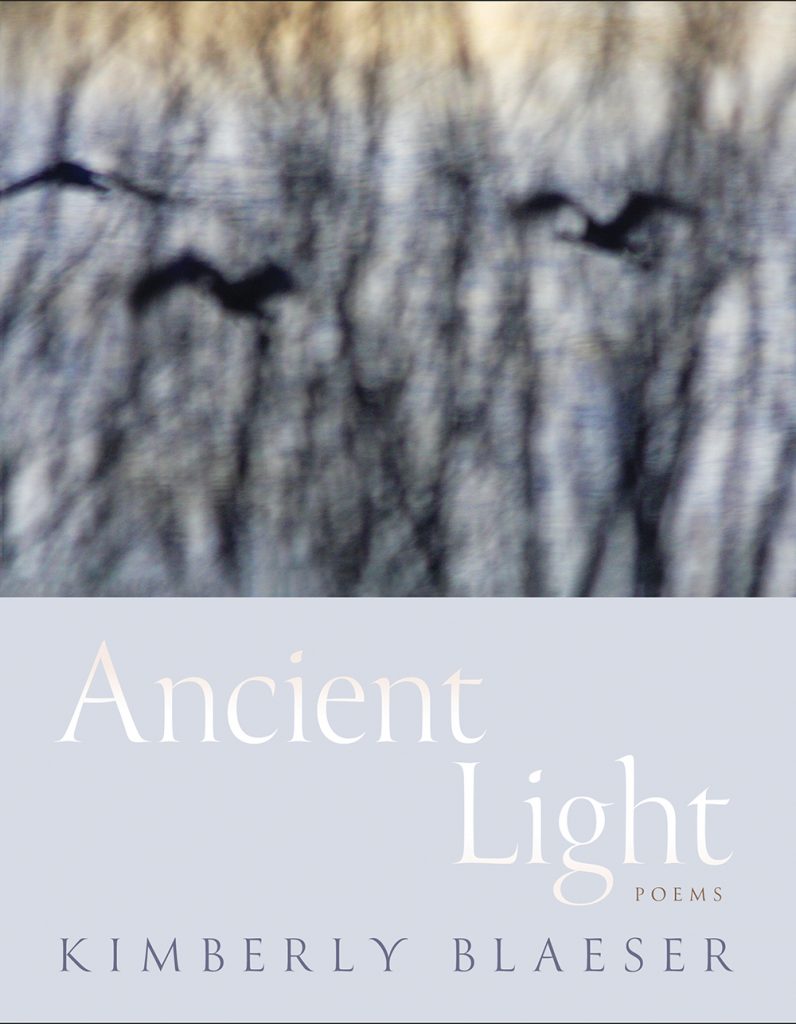
Elegiac and powerful, Ancient Light uses lyric, narrative, and concrete poems to give voice to some of the most pressing ecological and social issues of our time. With vision and resilience, Kimberly Blaeser’s poetry layers together past, present, and futures. Against a backdrop of pandemic loss and injustice, MMIW (Missing and Murdered Indigenous Women), hidden graves at Native American boarding schools, and destructive environmental practices, Blaeser’s innovative poems trace pathways of kinship, healing, and renewal. With an Anishinaabe sensibility, her words and images invoke an ancient belonging and voice the deep relatedness she experiences in her familiar watery regions of Minnesota.

Light As Light is acclaimed poet Simon J. Ortiz’s first collection in twenty years. The poems in this volume celebrate the wonders and joy of love in the present while also looking back with both humorous and serious reflections on youth and the stories, scenes, people, and places that shape a person’s life. Light As Light brims with giddy, wistful long-distance love poems that offer a dialogue between the speaker and his beloved. Written in Ortiz’s signature conversational style, this volume claims poetry for everyday life. The collection also includes prayer poems written for the speaker’s son; poems that retell traditional Acoma stories and history; and poems that engage environmental, political, and social justice issues—making for a well-rounded collection that blends the playful and the profound.

When Language Broke Open collects the creative offerings of forty-five queer and trans Black writers of Latin American descent who use poetry, prose, and visual art to illustrate Blackness as a geopolitical experience that is always changing. Telling stories of Black Latinidades, this anthology centers the multifaceted realities of the LGBTQ community. By exploring themes of memory, care, and futurity, these contributions expand understandings of Blackness in Latin America, the Caribbean, and their U.S.-based diasporas. The works collected in this anthology encompass a multitude of genres—including poetry, autobiography, short stories, diaries, visual art, and a graphic memoir—and feature the voices of established writers alongside emerging voices.

In the border city of El Paso, Texas, two guardedly neighboring families have plunged headlong into a harrowing week. Rose Marie DuPre, wife and mother, has abandoned her family. On the doorstep of the Gonzales home, long-lost rebel Inez appears. As Rose Marie’s husband, Huck (manager of a maquiladora), and Inez’s brother, Jerry (a college professor), struggle separately with the new shape of their worlds, Lourdes, the Mexican maid who works in both homes, finds herself entangled in the lives of her employers, even as she grapples with a teenage daughter who only has eyes for el otro lado—life, American style. All That Rises is a story in which mysteries are unraveled, odd alliances are forged, and the boundaries between lives blur in destiny-changing ways—all in a place where the physical border between two countries is as palpable as it is porous, and the legacies of history are never far away.

Featured Series

Camino del Sol was established in 1994 by writer and poet Ray Gonzalez. As one of the first publishers to spotlight poetry, fiction, and essays from both emerging and established voices in Latinx literature, the University of Arizona Press and its critically acclaimed Camino del Sol series have provided a literary home for distinguished writers such as Juan Felipe Herrera, Carmen Giménez Smith, Luis Alberto Urrea, Richard Blanco, Alberto Ríos, Pat Mora, Tim Z. Hernandez, Emmy Pérez, and Francisco X. Alarcón.

Sun Tracks was one of the first publishing programs to focus exclusively on the creative works of Native Americans. Launched in 1971, the series has included more than eighty volumes of poetry, prose, art, and photography by such distinguished artists as Joy Harjo, N. Scott Momaday, Simon J. Ortiz, Carter Revard, and Luci Tapahonso.

For questions or to submit a proposal to any of these series, please contact Elizabeth Wilder, EWilder@uapress.arizona.edu.

Celebrating “Light As Light”: Photos from Simon J. Ortiz’s Poetry Reading

February 1, 2024

Our wonderful Tucson community came out on January 30, to celebrate the publication of Simon J. Ortiz’s first collection of poems in 20 years, Light As Light. Hosted by the University of Arizona’s Special Collections, we had the privilege of hearing Simon read from his poems. Afterward, Ortiz discussed language, literature, and sovereignty in a conversation with Ofelia Zepeda. The event was sponsored by The University of Arizona Press, the University Libraries Special Collections, and the University of Arizona Poetry Center. Special thanks to everyone who came out to support our authors!

Enjoy the photos below for a recap of the event:

Simon J. Ortiz introducing himself in Keres and English at the University of Arizona Library’s Special Collections Reading Room.
Author Simon J. Ortiz reading from his first book in 20 years, Light as Light (University of Arizona Press, 2024)
Simon Ortiz and Ofelia Zepeda in conversation about poetry, place, the power of language, Indigenous literature, and sovereignty. As Ortiz observed during the discussion, “More language, more knowledge.”
Simon Ortiz and Ofelia Zepeda answering questions (and receiving praise) from the audience.
Simon Ortiz signing copies of Light as Light for Tucson community members.
A long line of patient attendees waited to get their books signed and meet the authors. In the background are materials from the Special Collections exhibit, “Sanctuary: Who Belongs Here? The Search for Homeland on the U.S.-Mexico Border, 1848 to Today,” on exhibit until August 9, 2024.

About the book:

Light As Light is acclaimed poet Simon J. Ortiz’s first collection in twenty years. The poems in this volume celebrate the wonders and joy of love in the present while also looking back with both humorous and serious reflections on youth and the stories, scenes, people, and places that shape a person’s life. Light As Light brims with giddy, wistful long-distance love poems that offer a dialogue between the speaker and his beloved. Written in Ortiz’s signature conversational style, this volume claims poetry for everyday life as the poems find the speaker on a morning run, burnt out from academic responsibilities, missing his beloved, reflecting on sobriety, walking the dog, and pondering the act of poem making. The collection also includes prayer poems written for the speaker’s son; poems that retell traditional Acoma stories and history; and poems that engage environmental, political, and social justice issues—making for a well-rounded collection that blends the playful and the profound.

Simon J. Ortiz (Acoma Pueblo) is a poet, fiction writer, essayist, and storyteller, and a retired Regents Professor of English and American Indian Studies at Arizona State University. Ortiz is the author of Out There SomewhereMen on the Moon: Collected Short StoriesAfter and Before the LightningWoven Stone, and from Sand Creek. He is also the editor of Beyond the Reach of Time and Change: Native American Reflections on the Frank A. Rinehart Photograph Collection and Speaking for the Generations: Native Writers on Writing, as well as the author of the children’s book, The Good Rainbow Road. In 1982, Ortiz won a Pushcart Prize for from Sand Creek. He is also the recipient of the Lila Wallace Reader’s Digest Writer’s Award, the New Mexico Humanities Council Humanitarian Award, the National Endowment for the Arts Discovery Award, and a National Endowment for the Arts Fellowship, and he was an Honored Poet at the 1981 White House Salute to Poetry. In 1993, he received a Lifetime Achievement Award from the Returning the Gift Festival of Native Writers (the Wordcraft Circle of Native Writers and Storytellers) and the Native Writers’ Circle of the Americas.

2023 AAA/CASCA Annual Meeting: Discounts, New Books, and More

November 13, 2023

We are thrilled to be participating in the 2023 AAA/CASCA Annual Meeting in Toronto, Ontario this week! November 15-19, find us at booth #211 to browse our latest anthropology titles and meet with our Senior Editor, Allyson Carter.

If you can’t attend this year, or if you need an extra copy of a book you discover at our booth, we’ve got you covered: use AZAAA23 for 35% off all titles through 12/19/23.

Are you an author or editor? Do you have a project that would be a great fit for The University of Arizona Press? To learn more about publishing with us, click here.

New & Featured Anthropology Titles

In Persistence of Good Living: A’uwe Life Cycles and Well-Being in the Central Brazilian Cerrados, anthropologist James R. Welch transparently presents ethnographic insights from his long-term fieldwork in two A’uwẽ communities. He addresses how distinctive constructions of age organization contribute to social well-being in an era of major ecological, economic, and sociocultural change. Welch shows how A’uwẽ perspectives on the human life cycle help define ethnic identity, promote cultural resilience, and encourage the betterment of youth.

Through careful analysis, Welch shows how contemporary traditional peoples can foster enthusiasm for service to family and community amid dominant cultures that prioritize individual well-being.

Urban Indigeneities: Being Indigenous in the Twenty-First Century is the first book to look at urban Indigenous peoples globally and present the urban Indigenous experience—not as the exception but as the norm. Edited by Dana Brablec and Andrew Canessa, the contributing essays draw on a wide range of disciplines, including sociology, anthropology, architecture, land economy, and area studies, and are written by both Indigenous and non-Indigenous scholars. The analysis looks at Indigenous people across the world and draws on examples not usually considered within the study of indigeneity, such as Fiji, Japan, and Russia.

Based on a decade of ethnographic and archival research in Peru, The Unequal Ocean: Living with Environmental Change along the Peruvian Coast reveals how prevailing representations of the ocean obscure racialized disparities and the ways that different people experience the impacts of the climate crisis.

Maximilian Viatori analyzes a multitude of timely topics, including waves and coastal development, the circulation of ocean waste, El Niño warming events, and the extraction of jumbo squid. This book also addresses expanding scholarly interest in the world’s oceans as sites for thinking about social inequities, environmental politics, and multispecies relationships.

Urban life has long intrigued Indigenous Amazonians, who regard cities as the locus of both extraordinary power and danger. Modern and ancient cities alike have thus become models for the representation of extreme alterity under the guise of supernatural enchanted cities. In Urban Imaginaries in Native Amazonia: Tales of Alterity, Power, and Defiance, editors Fernando Santos-Granero and Emanuele Fabiano seek to analyze how these ambiguous urban imaginaries—complex representations that function as cognitive tools and blueprints for social action—express a singular view of cosmopolitical relations, how they inform and shape forest-city interactions, and the history of how they came into existence.

The Carbon Calculation examines how climate science, the policy world, and neoliberalism have mutually informed each other to define the problem of climate change as one of “market failure”—precluding alternatives to market-based solutions.

Raquel Rodrigues Machaqueiro critically highlights the ways in which politics has reinforced a scientific focus on one possible solution to the problem of climate change—namely those that largely absolve the industrialized world from undertaking politically painful transformations in its own economic model.

Continually recognized as one of the “hottest” of all the world’s biodiversity hotspots, the island of Madagascar has become ground zero for the most intensive market-based conservation interventions on Earth. Hottest of the Hotspots: The Rise of Eco-precarious Conservation Labor in Madagascar details the rollout of market conservation programs, including the finding of drugs from nature—or “bioprospecting”—biodiversity offsetting, and the selling of blue carbon credits from mangroves. It documents the tensions that exist at the local level, as many of these programs incorporate populations highly dependent on the same biodiversity now turned into global commodities for purposes of saving it. Providing a voice for those community workers many times left out of environmental policy discussions, Benjamin Neimark proposes critiques that aim to build better conservation interventions with perspectives of the local eco-precariat.

Challenging traditional and long-standing understandings, Our Hidden Landscapes: Indigenous Stone Ceremonial Sites in Eastern North America provides an important new lens for interpreting stone structures that had previously been attributed to settler colonialism. Instead, the contributors to this volume argue that these locations are sacred Indigenous sites.

Editors Lucianne Lavin and Elaine Thomas introduce readers to eastern North America’s Indigenous ceremonial stone landscapes (CSLs)—sacred sites whose principal identifying characteristics are built stone structures that cluster within specific physical landscapes, presenting these often unrecognized sites as significant cultural landscapes in need of protection and preservation.

Featured Series

Amerind Studies in Anthropology is a series that publishes the results of the Amerind Seminars, annual professional symposia hosted by the Amerind Foundation in Dragoon, Arizona, and cosponsored by the Society for American Archaeology (SAA). Series titles that emerge from these symposia focus on timely topics like the analysis of regional archaeological sites, current issues in methodology and theory, and sweeping discussions of world phenomena such as warfare and cultural settlement patterns.

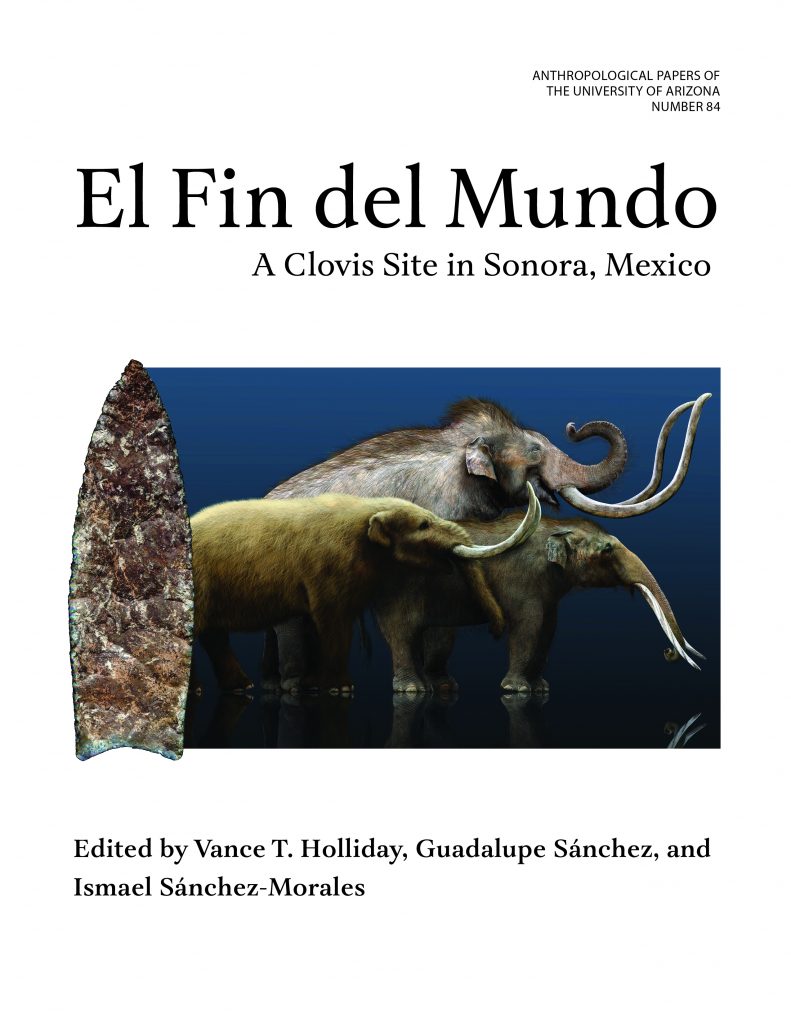
The Anthropological Papers of the University of Arizona is a peer-reviewed monograph series sponsored by the School of Anthropology. Established in 1959, the series publishes archaeological and ethnographic papers that use contemporary method and theory to investigate problems of anthropological importance in the southwestern United States, Mexico, and related areas.

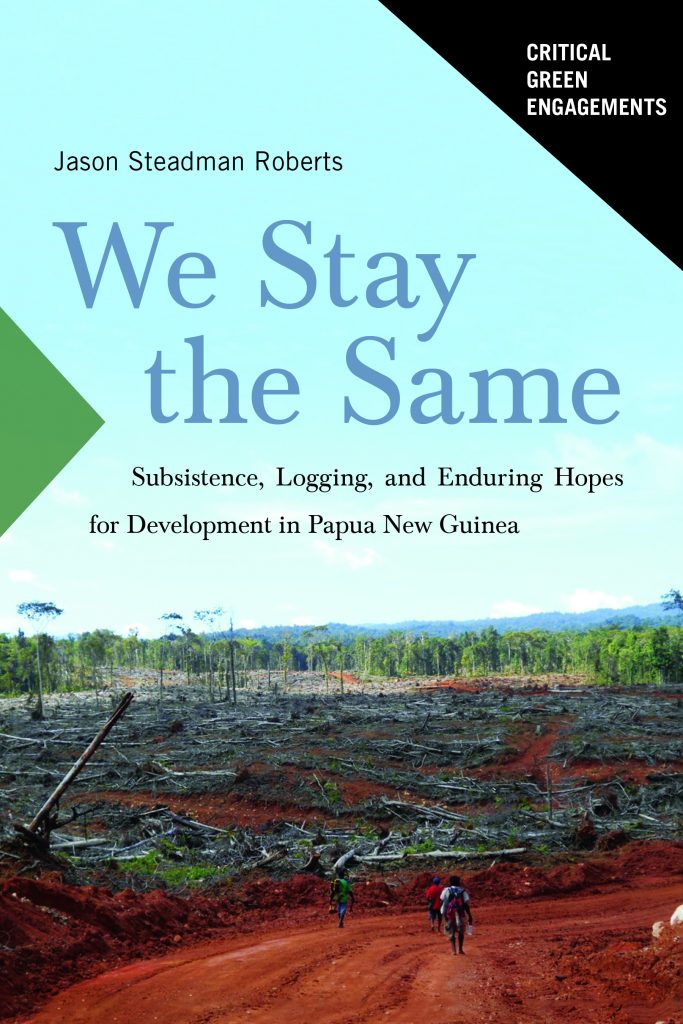
Critical Green Engagements: Investigating the Green Economy and Its Alternatives is a series that critically engages with the growing global advocacy of the “green economy” model for environmental stewardship and puts forth alternatives to discourses that dominate “green” practices. The series explores how different advocates, bystanders, and opponents engage with the changes envisaged by policy directives and environmental visions.

Native Peoples of the Americas is an ambitious series whose scope ranges from North to South America and includes Middle America and the Caribbean. Each volume takes unique methodological approaches—archaeological, ethnographic, ecological, and/or ethno-historical—to frame cultural regions. Volumes cover select theoretical approaches that link regions, such as Native responses to conquest and the imposition of authority, environmental degradation, loss of Native lands, and the appropriation of Native knowledge and cosmologies.

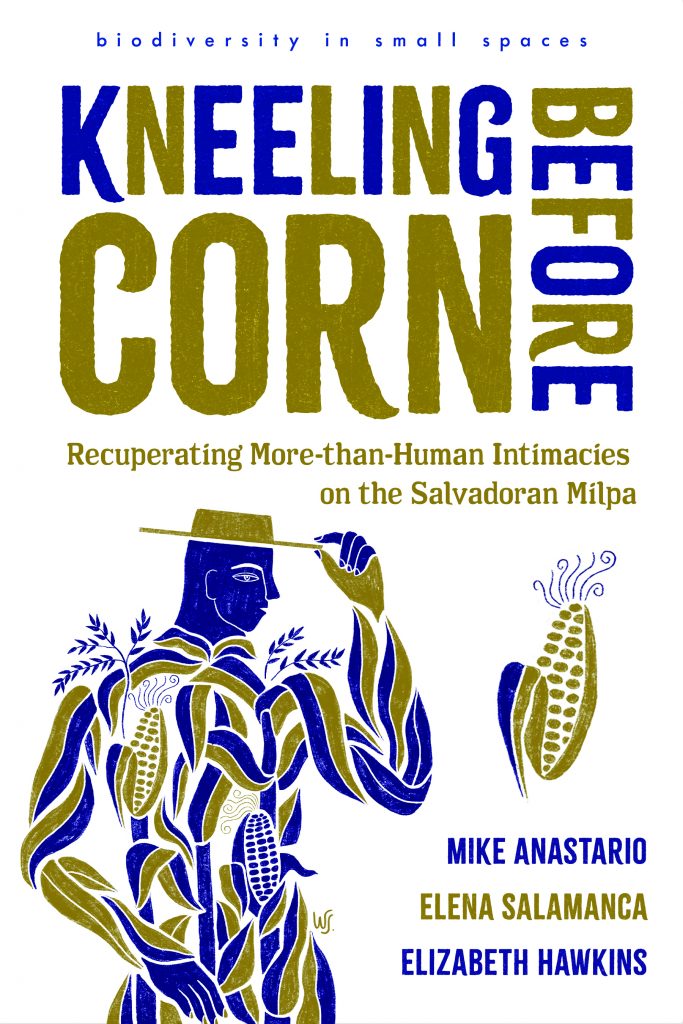
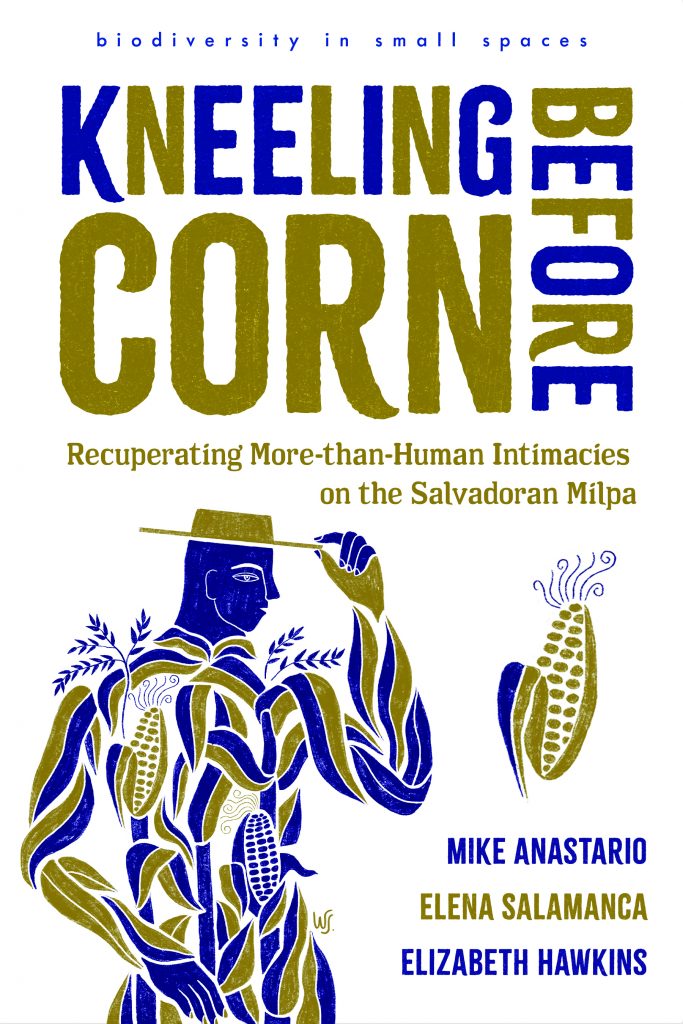
Biodiversity in small spaces is a series that provides short, to-the-point books that re-examine the conservation of biodiversity in small places and focus on the interplay of memory, identity, and affect in determining what matters, and thus what stays, thereby shaping the fabric of biodiversity in the present and, ultimately, the future.

Critical Issues in Indigenous Studies anchors intellectual work within an Indigenous framework that reflects Native-centered concerns and objectives. Series titles expand and deepen discussions about Indigenous people beyond nation-state boundaries, and complicate existing notions of Indigenous identity.

The Archaeology of Indigenous-Colonial Interactions in the Americas is a series that highlights leading current research and scholarship focused on Indigenous-colonial processes and engagement throughout all regions of the Americas. The series builds on the success of its predecessor, The Archaeology of Colonialism in Native North America.

Global Change/Global Health: Revealing Critical Interactions Between Social and Environmental Processes is a new series for scholarly monographs that treat global change and human health as interconnected phenomena. The goals of the series are to advance scholarship across the social and health sciences, contribute to public debates, and inform public policies about the human dimensions of global change.

For questions or to submit a proposal to any of these series, please contact Allyson Carter, acarter@uapress.arizona.edu.

Photos from Alma García’s Book Launch in Seattle

November 8, 2023

Alma García, celebrated her debut novel All That Rises at two Seattle bookstores. Although originally from Texas and New Mexico, García now makes her home in the Pacific Northwest. She launched her novel at Secret Garden Books where she used to work as a bookseller. Her “OG” booksellers surprised her at the celebration. Everyone enjoyed music by Jenny&Birch and Los Flacos. Next up, Kristen Millares interviewed García at Elliott Bay Book Company. Seattle is a great town for authors and readers!

If you live in Texas or New Mexico, Alma García is coming your way:

Nov. 10: Guadalupe Cultural Arts Center in San Antonio

Nov. 11: Texas Book Festival in Austin

Nov. 14 Búho Books in Brownsville

Nov. 16 Daniel Chacón Talks with Alma García in El Paso

Nov. 17 Bookworks in Albuquerque

Readers with the book and Alma García reading at Secret Garden Books. Los Flacos and Jenny&Birch brought the book launch rhythm.

At Elliot Bay Book Company, readers celebrated the debut novelist. Kristen Millares (on the right in red) interviewed Alma García, then the author read from All That Rises.

About the book:

In the border city of El Paso, Texas, two guardedly neighboring families have plunged headlong into a harrowing week. Rose Marie DuPre, wife and mother, has abandoned her family. On the doorstep of the Gonzales home, long-lost rebel Inez appears. As Rose Marie’s husband, Huck (manager of a maquiladora), and Inez’s brother, Jerry (a college professor), struggle separately with the new shape of their worlds, Lourdes, the Mexican maid who works in both homes, finds herself entangled in the lives of her employers, even as she grapples with a teenage daughter who only has eyes for el otro lado—life, American style.

Brandy McDougall Is Keynote Speaker at Schools of the Future Conference

October 31, 2023

Brandy Nālani McDougall will speak at the The Schools of the Future Conference (SOTF Conference) on November 16, 1 -2 p.m., in Honolulu. In her keynote presentation, she will share her poems and poems by other Hawaiʻi poets, as well as reflections on her experience as both a haumana (student) and as a kumu (teacher) within Hawaiʻi school systems.

McDougall, the author of  Aina Hanau/Birth Land and Finding Meaning, (Kanaka ‘Ōiwi) is a poet, scholar, mother, and aloha ‘āina from Aʻapueo, Maui, and now living with her ʻohana in Kalaepōhaku, Oʻahu. She is director of the Mānoa Center for the Humanities and Civic Engagement and an associate professor of Indigenous studies in the University of Hawaiʻi at Mānoa’s American Studies Department.

The SOTF Conference explores a wide-range of topics and ideas related to best and emerging practices in education. The annual conference is the largest event of its nature in Hawai’i and serves as an opportunity for teachers and administrators, across Hawaii’s public, private and charter schools, to reflect upon how to better serve children. The conference is produced annually in partnership with the Hawai’i State Department of Education, the Hawai’i Association of Independent Schools, the Hawai’i Community Foundation and the Hawai’i Society for Technology in Education.

National Book, Jacket, and Journal Show at UA Press

October 27, 2023

The University of Arizona Press will host this year’s Association of University Presses 58th annual Book, Jacket, and Journal Show, Nov. 13 – Dec. 23, 2023. The show coincides with the 10th anniversary University Press Week, Nov. 13 – 17. One winning design above is from Princeton University Press Designer Chris Ferrante and The Original Bambi, The Story of a Life in the Forest, by Felix Salten, illustrated by Alenka Sottler.

The show will recognize, honor, and celebrate the work of design and production professionals in university publishing.

“There is so much knowledge and creativity in this community,” said Wendy McMillen, Production and Design Manager at the University of Notre Dame Press, who, along with Mindy Basinger Hill, Art Director at the University of Washington Press, co-chaired this year’s Book, Jacket, and Journal Show Committee. “The AUPresses Book, Jacket, and Journal Show gets better every year!”

Open to AUPresses member publishers worldwide, this year’s competition attracted 488 submissions, published during 2022 in these categories:

  • Scholarly typographic books
  • Scholarly illustrated books
  • Trade typographic books
  • Trade illustrated books
  • Poetry and literature books
  • Reference books
  • Journals
  • Jackets and covers (of books and journals)

Come check out the winners at the UA Press office, 5th Floor of the Main Library, University of Arizona.

2023 Arizona Historic Preservation Conference: Discounts, Featured Books, and More

October 23, 2023

We are thrilled to be participating in the 2023 Arizona Historic Preservation Conference this week! This year, the conference will be held October 25-28 right here in Tucson, Arizona. View the full schedule here.

One more reason to attend is a chance to hear keynote speaker, Lydia Otero, who has written extensively on urban space, place, and history. We’ll have extra copies of Otero’s La Calle: Spatial Conflicts and Urban Renewal in a Southwest City at our booth!

If you can’t attend this year, or if you need an extra copy of a book you discover at our booth, we’ve got you covered: use AZHPC23 for 35% off all titles through 11/28/23.

New & Featured History Titles

Becoming Hopi is a comprehensive look at the history of the people of the Hopi Mesas as it has never been told before. The Hopi Tribe is one of the most intensively studied Indigenous groups in the world. Most popular accounts of Hopi history romanticize Hopi society as “timeless.” The archaeological record and accounts from Hopi people paint a much more dynamic picture, full of migrations, gatherings, and dispersals of people; a search for the center place; and the struggle to reconcile different cultural and religious traditions. Becoming Hopi weaves together evidence from archaeology, oral tradition, historical records, and ethnography to reconstruct the full story of the Hopi Mesas, rejecting the colonial divide between “prehistory” and “history.”

Diverting the Gila, the sequel to David H. DeJong’s 2009 Stealing the Gila, continues to tell the story of the forerunner to the San Carlos Irrigation Project and the Gila River Indian Community’s struggle to regain access to their water. DeJong explores the complex web of tension, distrust, and political maneuvering to divide and divert the scarce waters of the Gila River.

On March 1, 1966, the voters of Tucson approved the Pueblo Center Redevelopment Project—Arizona’s first major urban renewal project—which targeted the most densely populated eighty acres in the state. For close to one hundred years, tucsonenses had created their own spatial reality in the historical, predominantly Mexican American heart of the city, an area most called “la calle.” Here, amid small retail and service shops, restaurants, and entertainment venues, they openly lived and celebrated their culture. To make way for the Pueblo Center’s new buildings, city officials proceeded to displace la calle’s residents and to demolish their ethnically diverse neighborhoods, which, contends Lydia Otero, challenged the spatial and cultural assumptions of postwar modernity, suburbia, and urban planning.

La Calle examines conflicting claims to urban space, place, and history as advanced by two opposing historic preservationist groups: the La Placita Committee and the Tucson Heritage Foundation. She gives voice to those who lived in, experienced, or remembered this contested area, and analyzes the historical narratives promoted by Anglo American elites in the service of tourism and cultural dominance.

In the first half of the twentieth century, the canyons and mesas of the Southwest beckoned and the burgeoning field of archaeology thrived. Among those who heeded the call, Marjorie Ferguson Lambert became one of only a handful of women who left their imprint on the study of southwestern archaeology and anthropology. In No Place for a Lady, Shelby Tisdale successfully combines Lambert’s voice from extensive interviews with her own to take us on a thought-provoking journey into how Lambert created a successful and satisfying professional career and personal life in a place she loved (the American Southwest) while doing what she loved.

Western History Association 2023: Discounts, New Books, and More

October 23, 2023

We are thrilled to be participating in the 2023 Western History Association meeting in Los Angeles, California this week! Find us near the exhibit hall entrance at booth #201 to browse our latest history titles and meet with our Editor-in-Chief, Kristen Buckles.

If you can’t attend this year, or if you need an extra copy of a book you discover at our booth, we’ve got you covered: use AZWHA23 for 30% off all titles through 11/28/23.

Are you an author or editor? Do you have a project that would be a great fit for The University of Arizona Press? To learn more about publishing with us, click here.

New & Featured History Titles

In From the Skin, contributors demonstrate the real-world application of Indigenous theory to the work they do in their own communities and how this work is driven by urgency, responsibility, and justice—work that is from the skin.

Editors J. Jeffery Clark and Elise Boxer propose and develop the term practitioner-theorist to describe how the contributors theorize and practice knowledge within and between their nations and academia. The practitioner-theorists of this volume envision and labor toward decolonial futures where Indigenous peoples and nations exist on their own terms.

In the Arms of the Saguaros shows how, from the botanical explorers of the nineteenth century to the tourism boosters in our own time, saguaros and their images have fulfilled attention-getting needs and expectations. Through text and lavish images, author William L. Bird Jr. explores the saguaro’s growth into a western icon from the early days of the American railroad to the years bracketing World War II, when Sun Belt boosterism hit its zenith and proponents of tourism succeed in moving the saguaro to the center of the promotional frame.

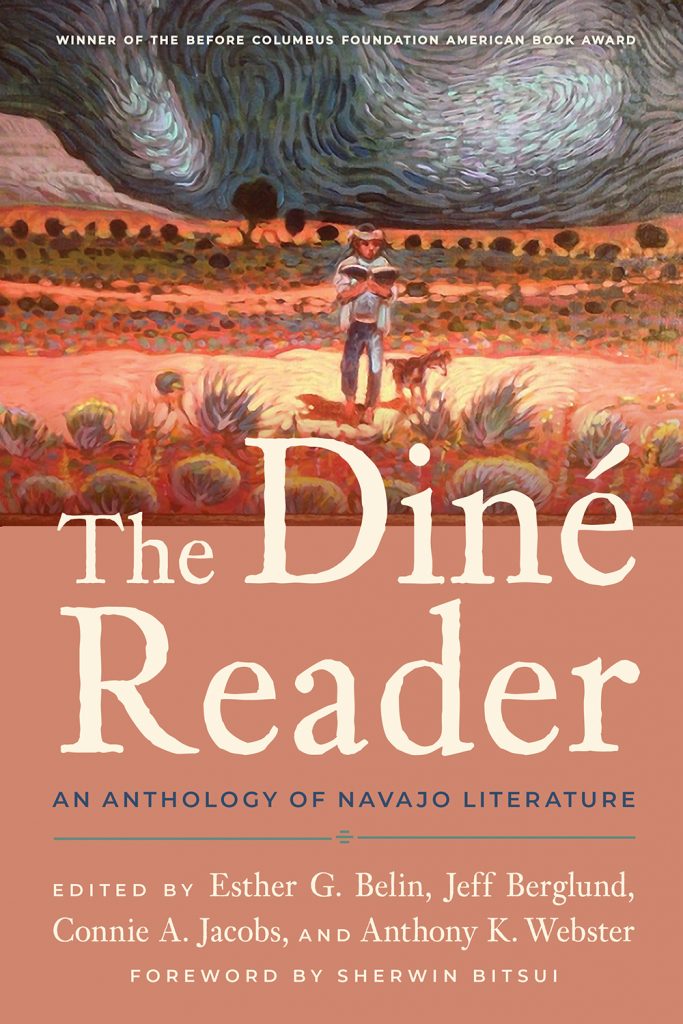
While various books have investigated Native American reservations and homelands, Nihikéyah is from Diné individuals’ experiences, observations, and examinations. Lloyd L. Lee gathers poets, writers, and scholars who frame their thoughts on four key questions: What are the thoughts/perspectives on nihikéyah/Navajo homeland? What challenges does nihikéyah face in the coming generations, and what should all peoples know about nihikéyah? And how can nihikéyah build a strong and positive Navajo Nation for the rest of this century and beyond?

Where We Belong dispels the harmful myth that Native people are unfit stewards of their sacred places. In this comparative work, Daisy Ocampo brings together the stories of two peoples and places in North America, establishing Indigenous preservation practices as sustaining approaches to the caretaking of the land that embody ecological sustainability, spiritual landscapes, and community well-being.

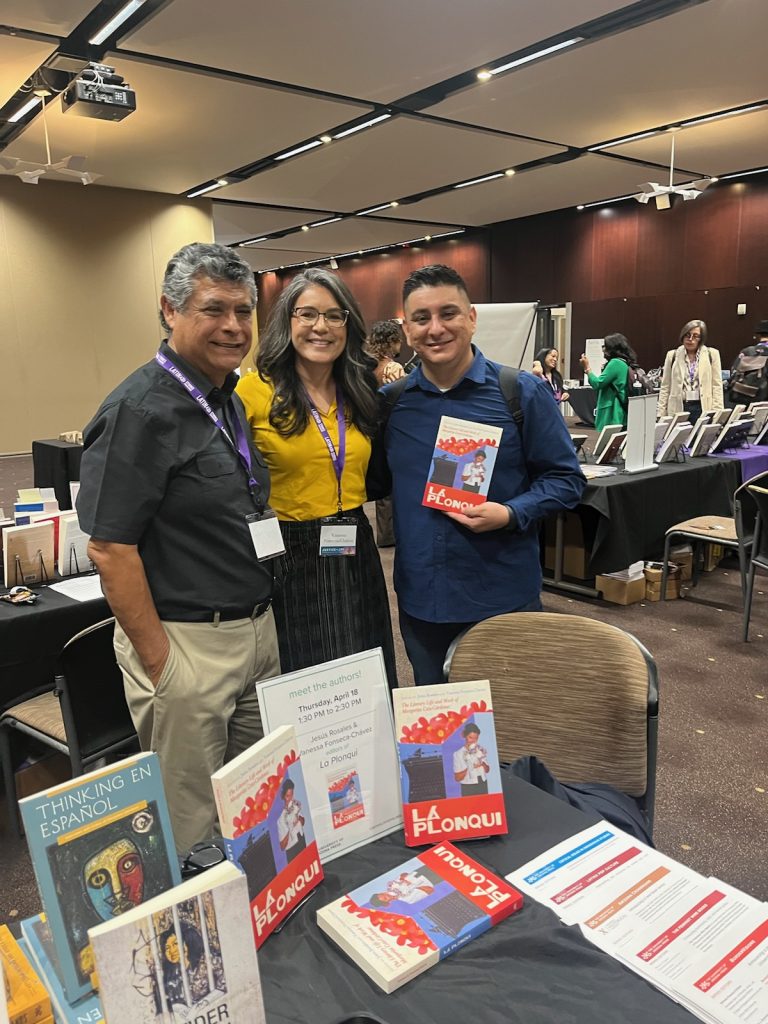
Celebrating more than forty years of creative writing by Chicana author Margarita Cota-Cárdenas, La Plonqui includes critical essays, reflections, interviews, and previously unpublished writing by the author herself to document the lifelong craft and legacy of a pioneering writer in the field. Editors Jesús Rosales and Vanessa Fonseca-Chávez affirm Margarita Cota-Cárdenas’s significant role in shaping the field of Chicana literature and emphasize the importance of honoring a celebrated author who wrote a majority of her works in Spanish—one of the few Chicana writers to do so.

A comprehensive new work, Carbon Sovereignty offers a deep dive into the complex inner workings of energy shift in the Navajo Nation. Geographer Andrew Curley, a member of the Navajo Nation, examines the history of coal development within the Navajo Nation, including why some Diné supported coal and the consequences of doing so. He explains the Navajo Nation’s strategic choices to use the coal industry to support its sovereignty as a path forward in the face of ongoing colonialism.

Chicano-Chicana Americana is a cultural history of Mexican Americans in film, television, and theater. Through biographical sketches of performers such as Anthony Quinn, Katy Jurado, Robert Beltran, and Lupe Ontiveros, this work asserts Mexican Americans’ proper place in the national narratives of our collective imaginary. Conveying a multicentered, polycultural America, Anthony Macías shows us intriguing performers in bit parts who steal the scene and redefine what it means to be American.

Featured Series

We are excited to be adding new titles to our BorderVisions, Arizona Crossroads, Modern American West, and Critical Issues in Indigenous Studies series this year! Learn more below.

BorderVisions, edited by Vanessa Fonseca-Chávez and Yvette J. Saavedra, engages the U.S.-Mexico borderlands’ dynamic histories and cultures and expands our understanding of the borderlands beyond a site of geopolitical inquiry. We are especially interested in books that address the complexities and richness of borderlands experiences at different historical, cultural, and sociopolitical moments. Watch a recording of the series launch for BorderVisions here.

Arizona Crossroads, edited by Anita Huizar-Hernández, Eric V. Meeks, and Katherine G. Morrissey, is a series in collaboration with the Arizona Historical Society that explores the history of peoples and cultures, events and struggles, ideas and practices in the place we know today as Arizona. We are open to a variety of book formats: monographs, multi-authored works, and edited collections, as well as broader more synthetic works. Interdisciplinary projects that engage the past are encouraged.

Critical Issues in Indigenous Studies, edited by Jeffrey P. Shepherd and Myla Vicenti Carpio, anchors intellectual work within an Indigenous framework that reflects Native-centered concerns and objectives. Series titles expand and deepen discussions about Indigenous people beyond nation-state boundaries, and complicate existing notions of Indigenous identity. The series editors are especially interested in works that analyze colonization, land dispossession, and oppression while foregrounding Indigenous peoples’ resistance to these processes.

Modern American West, edited by Flannery Burke and Andrew G. Kirk, seeks to advance scholarly and public understanding of the rich history of the twentieth-century American West by publishing creative works of research and synthesis. Volumes in the series are distinguished by both original research and careful analysis of existing secondary literature. The series editors seek single- or co-authored works that identify new directions for scholarship and develop new interpretive frameworks, while also providing comprehensive introductions to particular topics.

For questions or to submit a proposal to any of these series, please contact Kristen Buckles, kbuckles@uapress.arizona.edu.

For Authors

The University of Arizona Press publishes the work of leading scholars from around the globe. Learn more about submitting a proposal, preparing your final manuscript, and publication.

Inquire

Requests

The University of Arizona Press is proud to share our books with readers, booksellers, media, librarians, scholars, and instructors. Join our email Newsletter. Request reprint licenses, information on subsidiary rights and translations, accessibility files, review copies, and desk and exam copies.

Request

Support the Press

Support a premier publisher of academic, regional, and literary works. We are committed to sharing past, present, and future works that reflect the special strengths of the University of Arizona and support its land-grant mission.

Give