Photos from Picturing Sabino celebration

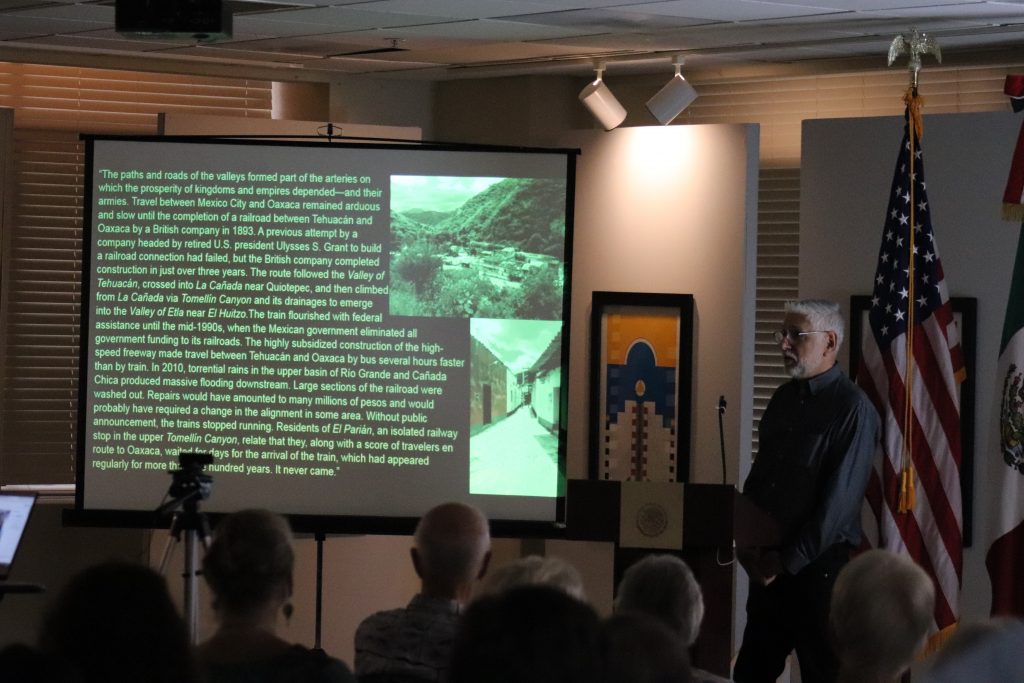
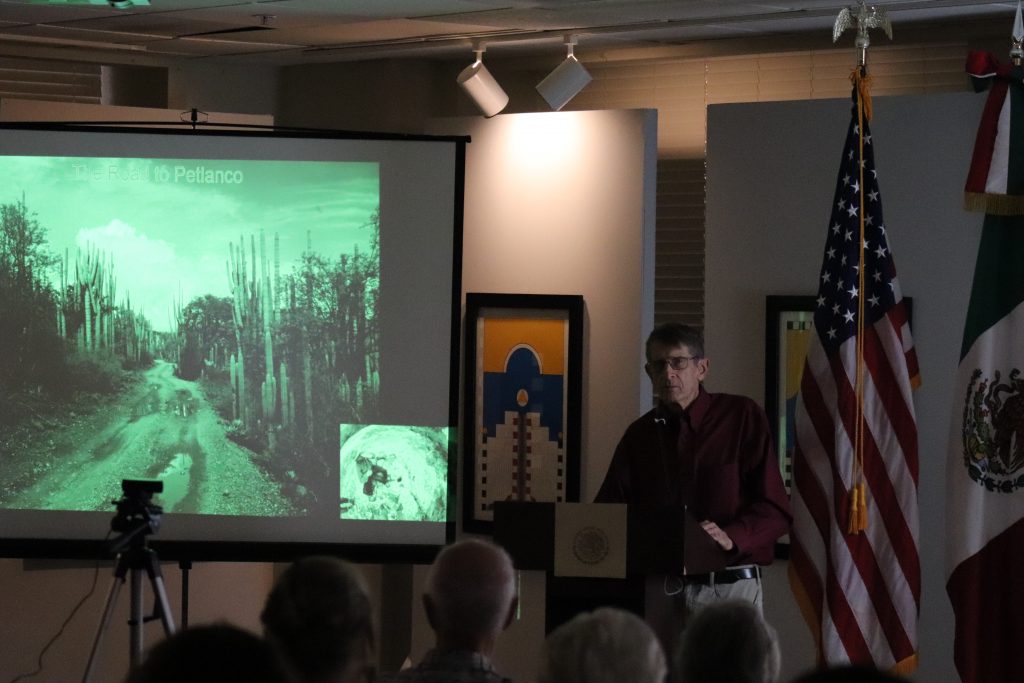
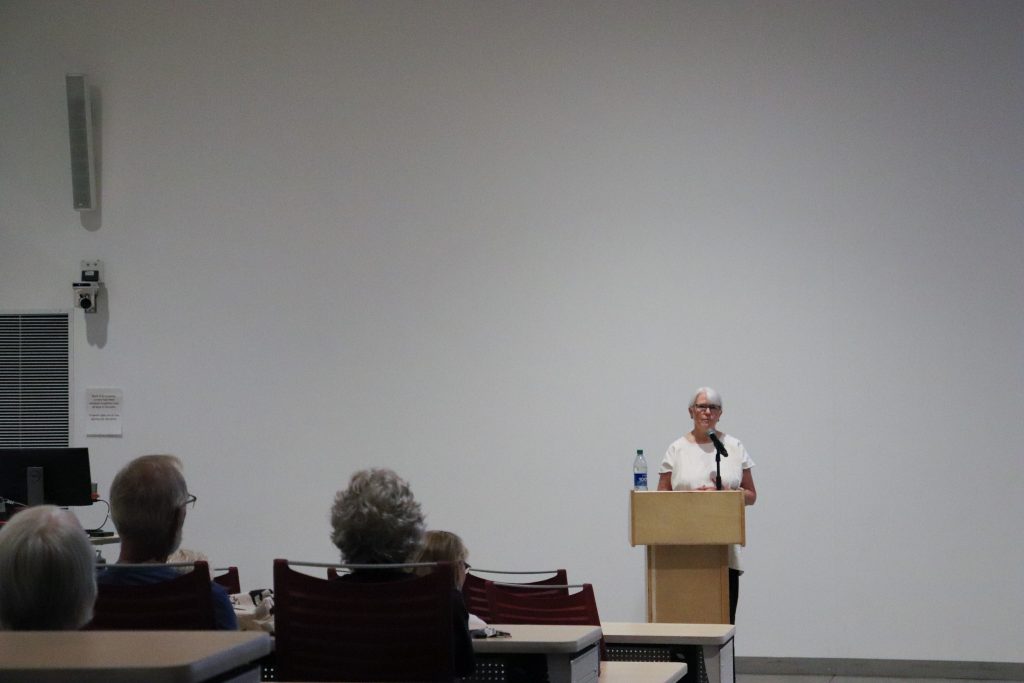
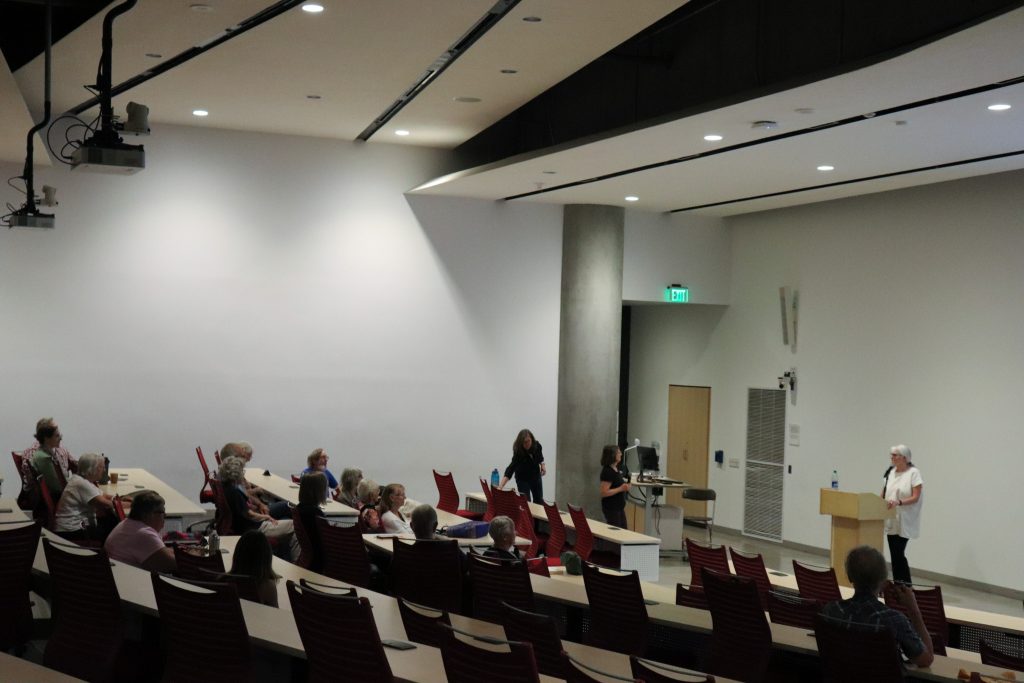
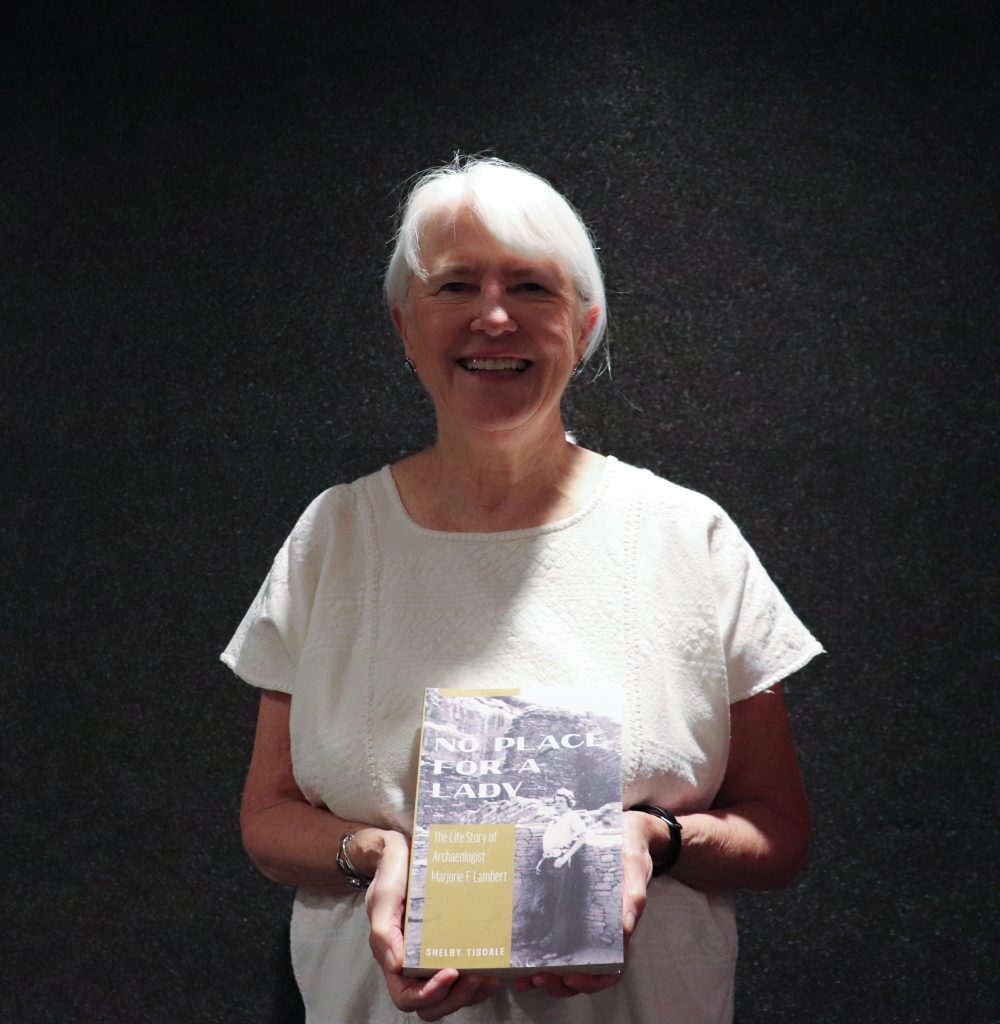
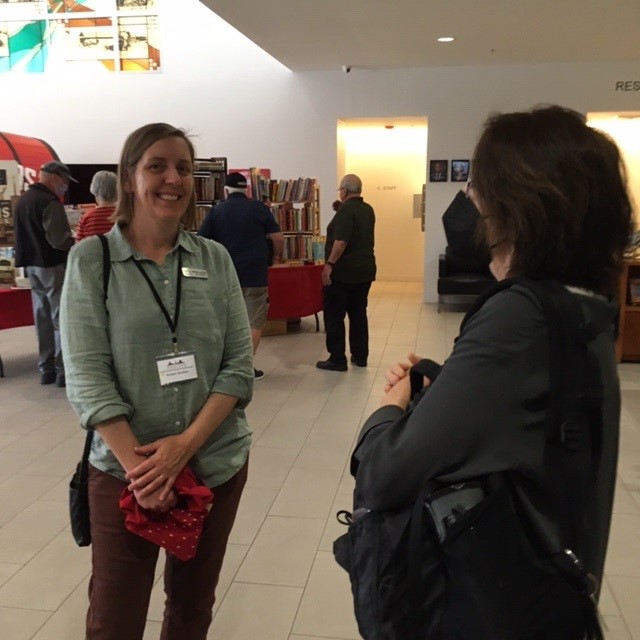
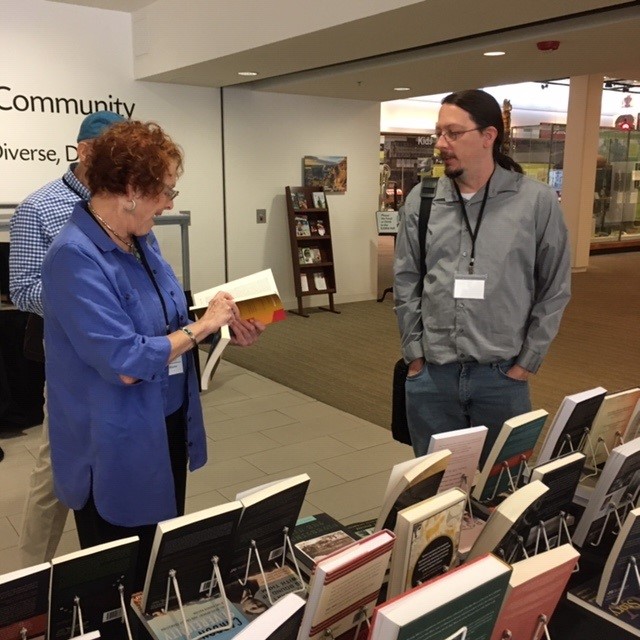
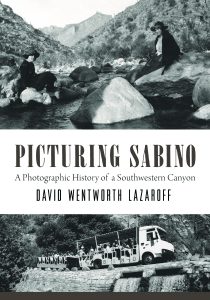
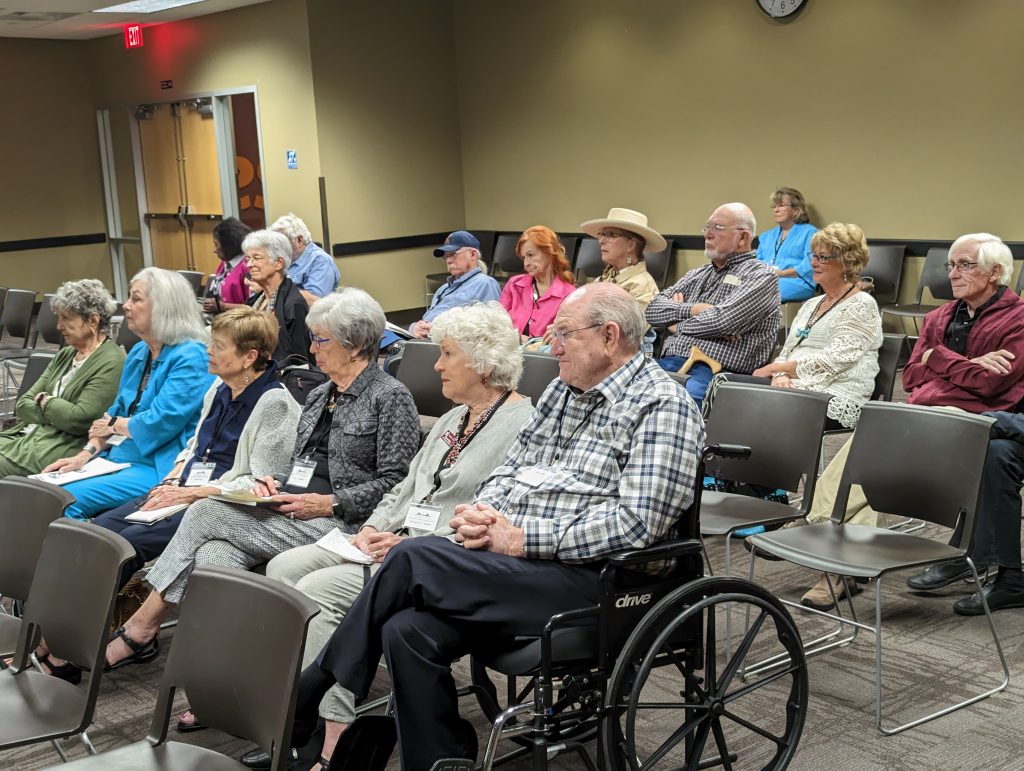
David Wentworth Lazaroff celebrated the publication of his book, Picturing Sabino: A Photographic History of a Southwestern Canyon, at the Sabino Canyon Visitors Center in Tucson on April 4, 2023. Because Lazaroff founded the Sabino Canyon Volunteer Naturalists (SCVN) when he was an environmental educator in the Canyon, many members of SCVN joined in the celebration including the past and current presidents of the group. Everyone enjoyed Lazaroff’s myth-busting of familiar Sabino Canyon stories, his behind-the-scenes tales of writing and collecting historic photos for this book, and of course, cake.

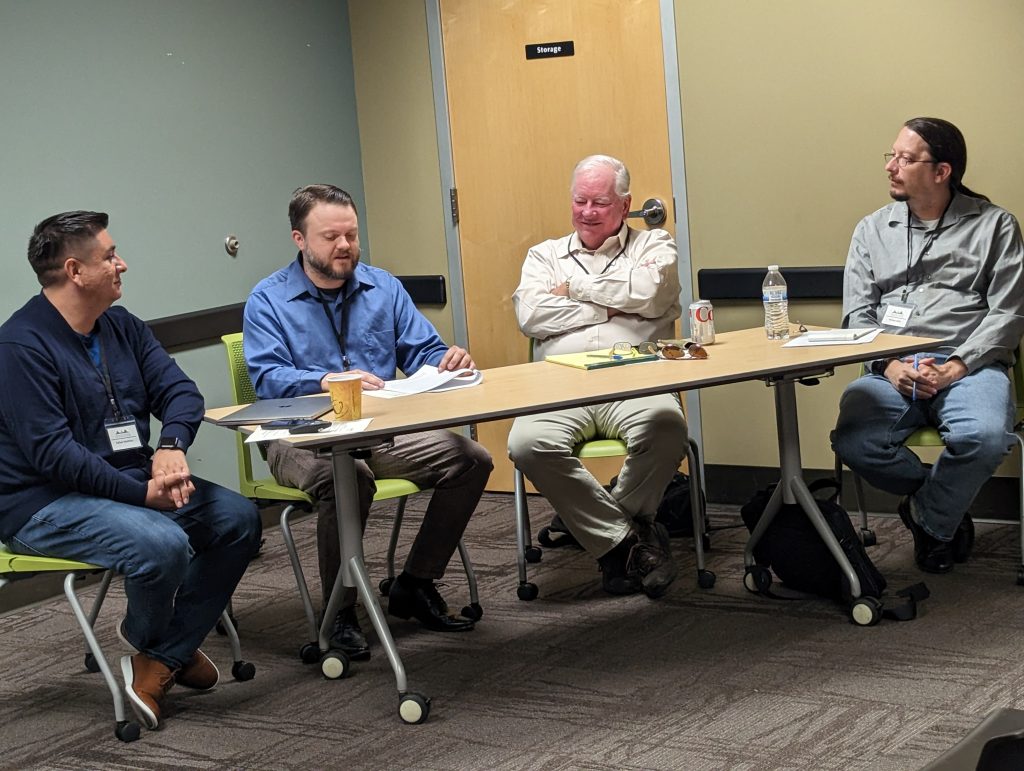
David Lazaroff (far left) with current and former presidents of Sabino Canyon Volunteer Naturalists
Rugged books holding someone’s place in line for book signing.
Waiting in line to get books signed.
One last question for author David Lazaroff.

SAA 2023: Recent Books, Conference Discounts, and More!

March 28, 2023

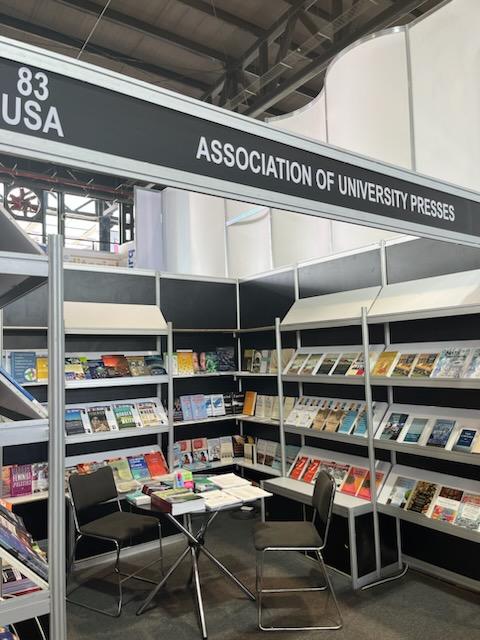
Join us for the Society for American Archaeology meeting in Portland, Oregon, on March 29 – April 2! Visit our booth to browse our books and purchase titles at a 30% conference discount, and to talk with our Senior Editor, Allyson Carter, Ph.D. We hope to catch up with you at the conference, but if you’re unable to make it, please browse our latest titles below! Use the code AZSAA23 for 30% off plus free U.S. shipping through 5/5/2023. If you have questions about our publishing program, visit this page or contact Allyson at acarter@uapress.arizona.edu.

Exploring the multiple social, ecological, cultural, and ontological dimensions of food in the Andean past, this book offers a diverse set of theoretical perspectives and methodological approaches that reveal the richness, sophistication, and ingenuity of Andean peoples. With forty-six contributors from ten countries, the studies presented in this volume employ new analytical methods, integrating different food data and interdisciplinary research to show how food impacts sociopolitical relationships and ontologies that are otherwise invisible in the archaeological record.

Set in the arid lands of northwestern Mexico, this book foregrounds the knowledge of Indigenous peoples who harvested the desert as bountiful in its material resources and sacred spaces. Author Cynthia Radding uses the tools of history, anthropology, geography, and ecology to re-create the means of defending Indigenous worlds through colonial encounters, the formation of mixed societies, and the direct conflicts over forests, grasslands, streams, and coastal estuaries that sustained wildlife, horticulture, foraging, hunting, fishing, and—after European contact—livestock and extractive industries. She returns in each chapter to the spiritual power of nature and the enduring cultural significance of the worlds that Indigenous communities created and defended.

This book explores variability in Mimbres Mogollon pithouse sites using a case study from La Gila Encantada to further our understanding of the full range of pithouse occupations in the area. Because the site is away from the major river valleys, the data from excavations at the site provides valuable information on the differences in cultural practices that occurred away from the riverine villages, as well as environmental differences, economic practices, and social constructs.

This book illustrates how descendant communities can take control of their history and heritage through active collaboration with archaeologists. Drawing on the Philippine Cordilleran experiences, Indigenous Archaeology in the Philippines discusses how changing historical narratives help empower peoples who are traditionally ignored in national histories.

Read an excerpt from the book here.

This book contextualizes the discovery of a Venus astronomical pattern by a female Mayan astronomer at Chich’en Itza and the discovery’s later adaptation and application at Mayapan. Calculating Brilliance brings different intellectual threads together across time and space, from the Classic to the Postclassic, the colonial period to the twenty-first century to offer a new vision for understanding Mayan astronomy.

This volume explores the complex and nuanced experience of doing community-based research as a graduate student. Contributors from a range of scholarly disciplines share their experiences with Community Based Participatory Research in the arts, humanities, social sciences, public health, and STEM fields.

This monograph summarizes findings from nine seasons of excavation at Barger Gulch Locality B, a Folsom campsite in the Colorado Rocky Mountains. Archaeologist Todd A. Surovell explains the spatial organization of the camp and the social organization of the people who lived there.

The multiple vivid colors of scarlet macaws and their ability to mimic human speech are key reasons they were and are significant to the Native peoples of the U.S. Southwest and Mexican Northwest. Although the birds’ natural habitat is the tropical forests of Mexico and Central and South America, they were present at multiple archaeological sites in the region yet absent at the vast majority. In Birds of the Sun, leading experts in southwestern archaeology explore the reasons why.

Read an excerpt from the book here.

NACCS 2023: Recent Titles, Conference Discounts, and More!

March 27, 2023

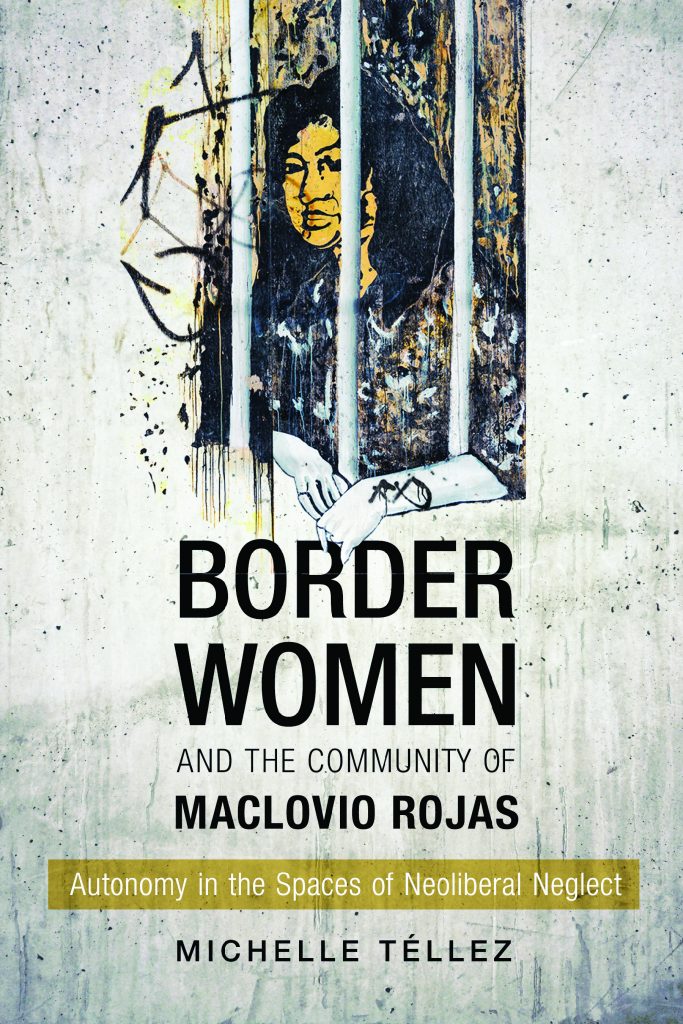
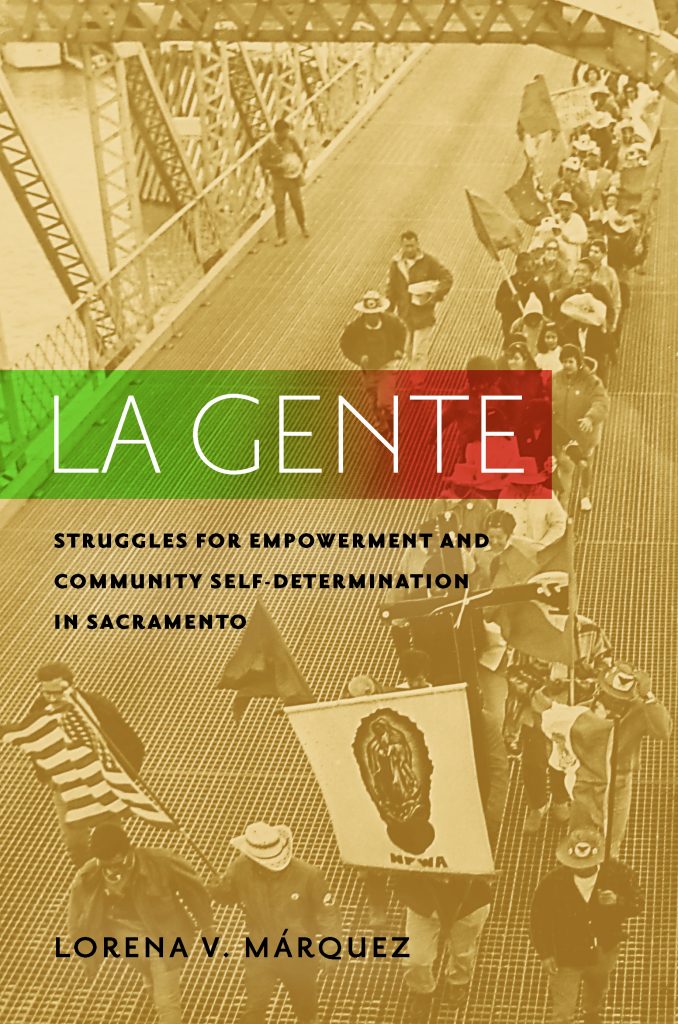
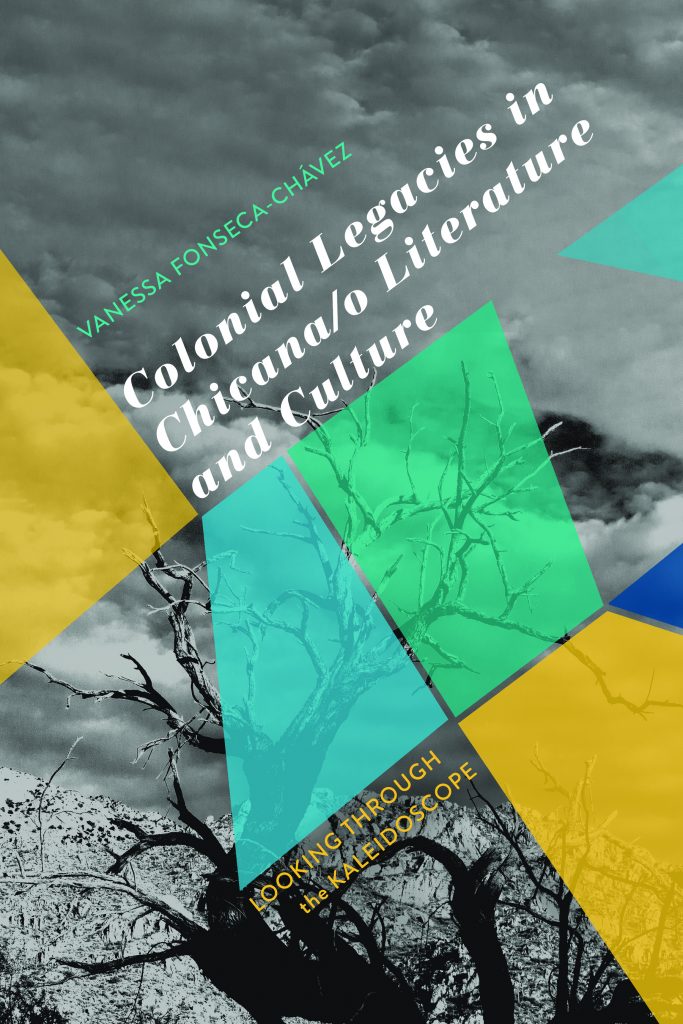
Join us for the 2023 National Association for Chicana and Chicano Studies conference on March 29 – April 2 in Denver, Colorado! Make sure to stop by our table to browse our latest books and to speak with our Editor-in-Chief, Kristen Buckles. If you aren’t able to attend the conference this year, make sure to browse our latest books below and use the code AZNACCS23 for 30% off with free U.S. shipping through 5/5/2023. If you have questions about our publishing program, visit this page or contact Kristen at kbuckles@uapress.arizona.edu.
LGBTQ Politics in Nicaragua provides the previously untold history of the LGBTQ community’s emergence as political actors—from revolutionary guerillas to civil rights activists.

“This comprehensive English-language review of LGBTQ movements in Nicaragua is a welcome addition to the expanding cross-cultural scholarship on the politics of sex and gender diversity.”—CHOICE

Children Crossing Borders draws much-needed attention to the plight of migrant children and their families, illuminating the human and emotional toll that children experience as they crisscross the Americas. Exploring the connections between education, policy, cultural studies, and anthropology, the essays in this volume navigate a space of transnational children’s rights central to Latin American life in the twentieth and twenty-first centuries.

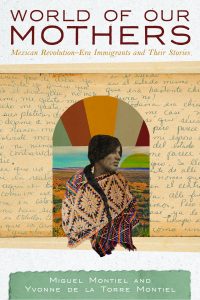
World of Our Mothers highlights the largely forgotten stories of forty-five women immigrants in the early twentieth century. Through interviews in Arizona mining towns, Phoenix barrios, and selected areas of California, Texas, and the Midwest, we learn how they negotiated their lives with their circumstances.

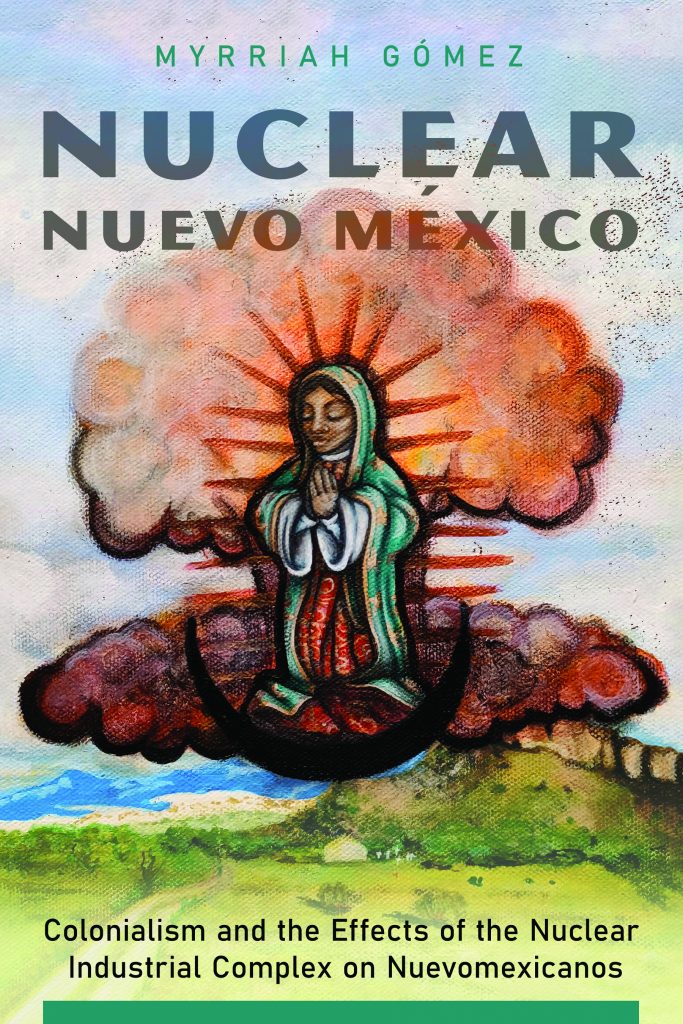
Nuclear Nuevo México recovers the voices and stories that have been lost or ignored in the telling of U.S. nuclear history. By recuperating these narratives, Myrriah Gómez tells a new story of New Mexico, one in which the nuclear history is not separate from the collective colonial history of Nuevo México but instead demonstrates how earlier eras of settler colonialism laid the foundation for nuclear colonialism in New Mexico.

Read an excerpt from the book here, then read a brief interview with the author here.

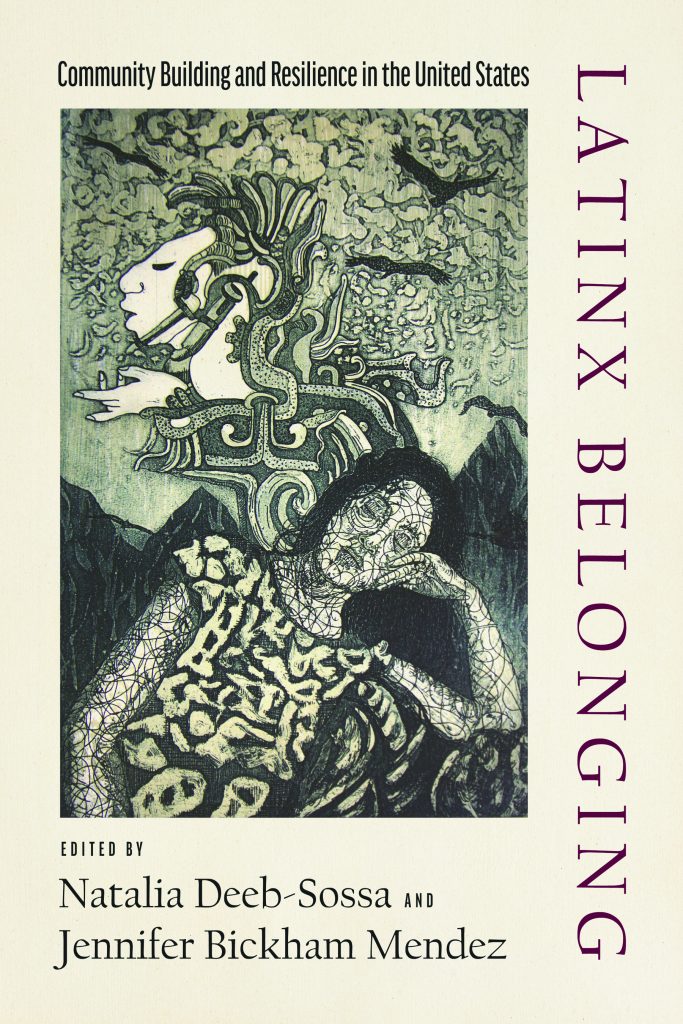
Accessible and engaging, Latinx Belonging underscores and highlights Latinxs’ continued presence and contributions to everyday life in the United States as they both carve out and defend their place in society.

Gardening at the Margins explores how a group of home gardeners grow food in the Santa Clara Valley to transform their social relationships, heal from past traumas, and improve their health, communities, and environments.

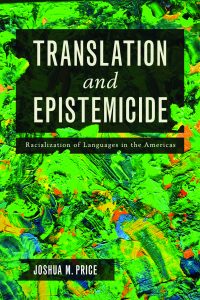
From the early colonial period to the War on Terror, translation practices have facilitated colonialism and resulted in epistemicide, or the destruction of Indigenous and subaltern knowledge. This book discusses translation-as-epistemicide in the Americas and providing accounts of decolonial methods of translation.

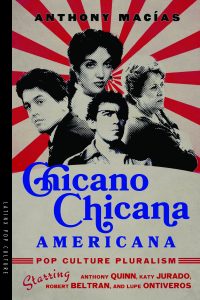
This exciting new cultural history documents how Mexican Americans in twentieth-century film, television, and theater surpassed stereotypes, fought for equal opportunity, and subtly transformed the mainstream American imaginary. Through biographical sketches of underappreciated Mexican American actors, this work sheds new light on our national character and reveals the untold story of a multicentered, polycultural America.

Lotería is a collection of deeply evocative coming-of-age poems that take the reader on a voyage through the intimate experiences of displacement. In this bilingual collection, Colombian American poet Elizabeth Torres threads together the stories of family dynamics and the realities of migration with the archetypes of tarot and the traditional Lotería game, used for centuries as an object of divination and entertainment. Through these themes and images, the poems in Lotería narrate intimate moments in the lives and journeys of migrants, refugees, and all who have been forced into metamorphosis in order to reach the other side of the river.

Sitting at the intersection of border studies, immigration studies, and Latinx studies, this concise volume shows how Central American migrants in transit through Mexico survive the precarious and unpredictable road by forming different types of social ties, developing trust, and engaging in acts of solidarity. The accessible writing and detailed ethnographic narratives of different associations, ties, and groups that migrants form while in transit weave together theory with empirical observations to highlight and humanize the migrant experience.

Photos from AWP 2023

We loved seeing many of our authors at the AWP Bookfair University of Arizona Press exhibit booth last week! Poets, novelists, and editors celebrated together. Here are a few photos from Seattle, courtesy of UA Press Assistant Editor Elizabeth Wilder.

Poets Carlos Aguasaco and Elizabeth Torres
Poet Cynthia Guardado
Author Daniel Olivas
Poet Casandra López
Camino del Sol Editor Rigoberto González
Poets Gloria Muñoz and Urayoán Noel
Poet Robert Davis Hoffman
Alma García, author of All That Rises, forthcoming this fall from The University of Arizona Press

Photos from University of Arizona Libraries Spring Author Talk with John P. Schaefer

University of Arizona President Emeritus John P. Schaefer celebrated his new book, Desert Jewels, at the University of Arizona Libraries Spring Author Talk on March 6. The UA Libraries hosted the event at the Tucson Botanical Gardens with introductions from University President Robert Robbins, University Dean of Libraries Shan Sutton, and The University of Arizona Press Director Kathryn Conrad.

Cactus flowers are jewels of the desert—they add brilliant pops of color to our arid surroundings. In Desert Jewels, renowned Tucson photographer John P. Schaefer brings the exquisite and unexpected beauty of the cactus flower to the page. Hundreds of close-up photographs of cactus flowers native to the U.S. Southwest and Mexico offer a visual feast of color and texture, nuance and light.

Dean Sutton and President Robbins explain how President Emeritus John Schaefer brought international recognition to the University of Arizona.
President Emeritus and Author John Schaefer tells how his early life inspired his later creativity in photography.
University of Arizona Press Director Kathryn Conrad introduces John Schaefer.
John Schaefer signs Desert Jewels.

Tucson Festival of Books Photos

Our authors enjoyed presenting at the Tucson Festival of Books, March 4-5, 2023, and signing books at our booth! Readers filled the tent each day and walked away with armfuls of books from our 2023 Spring Catalog, as well as best sellers and unique books from previous years.

Senior editor Allyson Carter and Author Tim Hunter
Authors Miguel Montiel and Yvonne de La Torre Montiel chat with readers.
On the right, author Tom Zoellner speaks at a panel sponsored by UA Press at UA Libraries Special Collections.
Author Devon Mihesuah, Publicity Manager Abby Mogollon, Author Gary Paul Nabhan, and UA Press Director Kathryn Conrad.
Author John P. Schaefer and Editorial Assistant Alana Enriquez.
Author Juan Martinez signs his book.

Author Tom Zoellner signs and chats with readers.
A reader chats with a few Mineralogy of Arizona authors: Harvey Jong, Ron Gibbs, and Jan Rasmussen
Poet and Editor Allison Adelle Hedge Coke and Editor Elizabeth Wilder

AWP 2023: Recent Books, Conference Discounts, and More!

March 6, 2023

Join us at the 2023 AWP conference in Seattle, Washington on March 8-11! Make sure to stop by our booth to browse our latest titles, get your books signed by several of our authors, and purchase books at a 30% conference discount and catch up with our Assistant Editor, Elizabeth Wilder, Ph.D. We hope to catch up with you at the conference, but if you can’t make it to Seattle this year, make sure to browse our latest titles below. Use the code AZAWP23 for 30% off with free U.S. shipping through 4/15/2023. If you have questions about our publishing program, visit this page or contact Elizabeth at ewilder@uapress.arizona.edu.
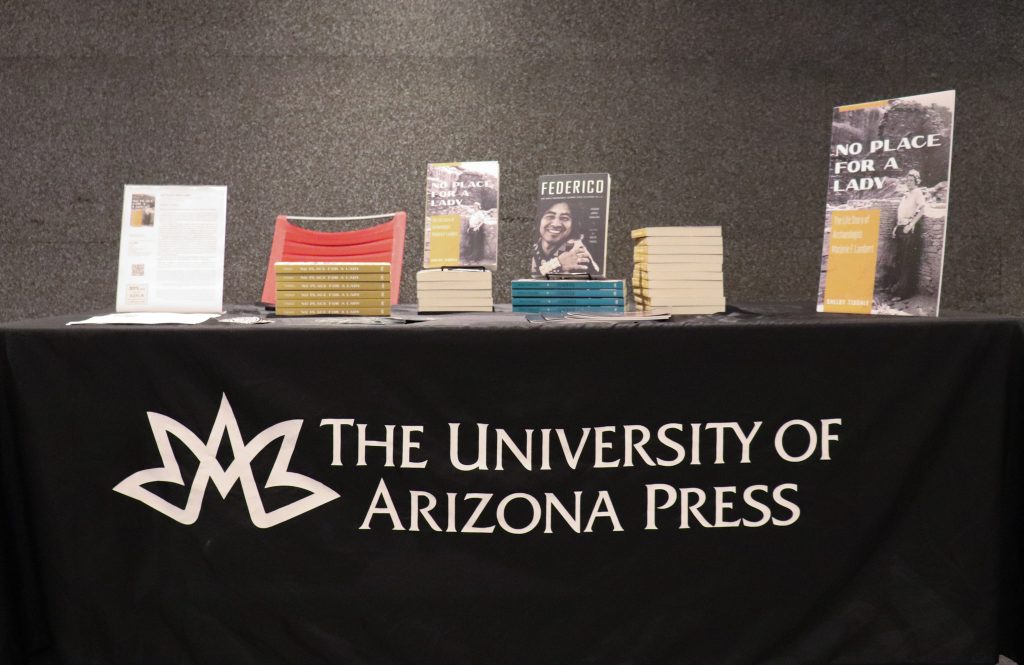
AWP 2023 Book Signings

Thursday, March 9:

1:30 PM – 2:30 PM: Elizabeth Torres signing copies of Lotería.
Friday, March 10:

11:00 AM – 12:00 PM: Gloria Muñoz signing copies of Danzirly.

1:00 PM – 2:00 PM: Jennifer Givhan signing copies of Rosa’s Einstein.

2:00 PM – 3:30 PM: Carlos Aguasaco and Jennifer Rathbun signing copies of Cardinal in My Window with a Mask on Its Beak.

Saturday, March 11:

3:00 PM – 4:00 PM: Cynthia Guardado signing copies of Cenizas.

Cenizas offers an arresting portrait of a Salvadoran family whose lives were shaped by tumultuous global politics. Cynthia Guardado’s poems argue that the Salvadoran Civil War permanently altered the Salvadoran people’s reality by forcing them to become refugees who continue to leave their homeland, even decades after the war.

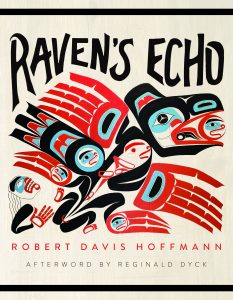
In Raven’s Echo, Tlingit artist and poet Robert Davis Hoffmann’s poetry grapples with reconstructing a life within Tlingit tradition and history. The destructiveness of colonialism brings a profound darkness to some of the poems in Raven’s Echo, but the collection also explores the possibility of finding spiritual healing in the face of historical and contemporary traumas.

Watch a poetry reading and Q&A with poet Robert Davis Hoffmann here.

Extended Stay is a horror novel about an undocumented brother and sister who end up at a Las Vegas hotel that exploits and consumes anyone who comes into its orbit.

Extended Stay was featured in Book Riot, read more here. Extended Stay was also listed as one of the most anticipated Chicago books of 2023!

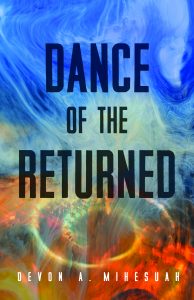
In Dance of the Returned, the disappearance of a young Choctaw leads Detective Monique Blue Hawk to investigate a little-known ceremonial dance. As she traces the steps of the missing man, she discovers that the seemingly innocuous Renewal Dance is not what it appears to be. After Monique embarks on a journey that she never thought possible, she learns that the past and future can converge to offer endless possibilities for the present. She must also accept her own destiny of violence and peacekeeping.

Read a brief interview with author Devon A. Mihesuah here. Listen to Devon talk about her new book on Native American Calling here.

Lotería is a collection of deeply evocative coming-of-age poems that take the reader on a voyage through the intimate experiences of displacement. In this bilingual collection, Colombian American poet Elizabeth Torres threads together the stories of family dynamics and the realities of migration with the archetypes of tarot and the traditional Lotería game, used for centuries as an object of divination and entertainment. Through these themes and images, the poems in Lotería narrate intimate moments in the lives and journeys of migrants, refugees, and all who have been forced into metamorphosis in order to reach the other side of the river.

Lotería is the winner of the Ambroggio Prize of the Academy of American Poets.

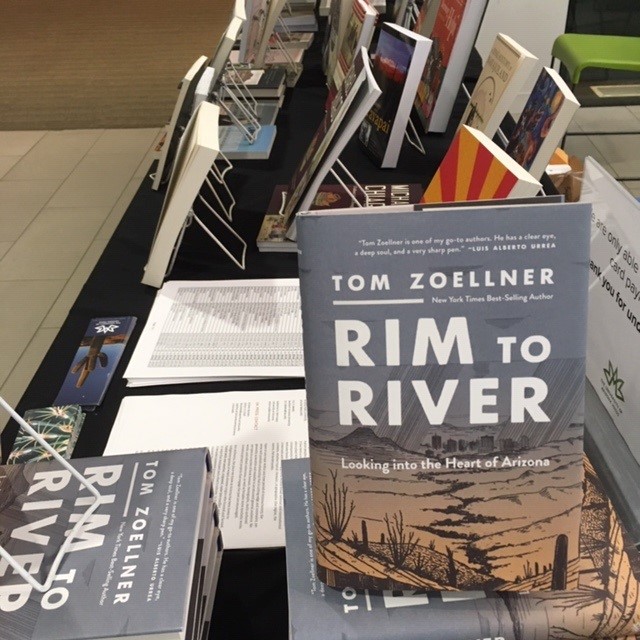
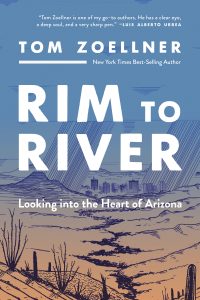
A sharp examination of Arizona by a nationally acclaimed writer, Rim to River follows Tom Zoellner on a 790-mile walk across his home state as he explores key elements of Arizona culture, politics, and landscapes. This book is essential reading for anyone interested in learning more about a vibrant and baffling place.

Photos from We Love the Night Sky celebration

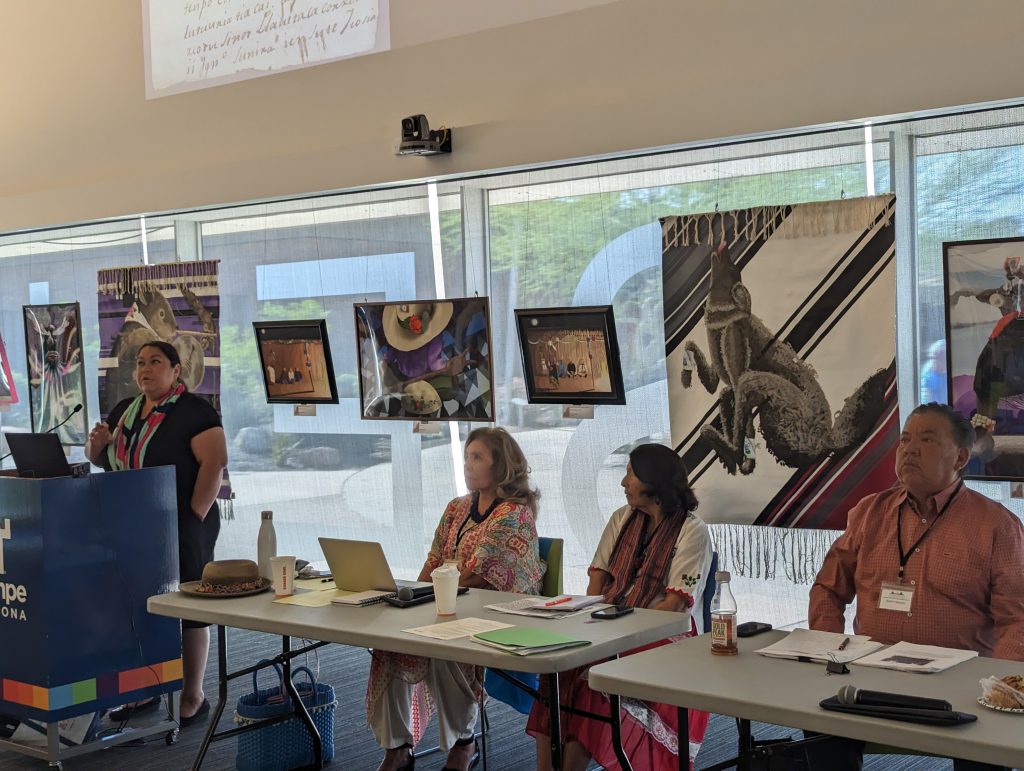
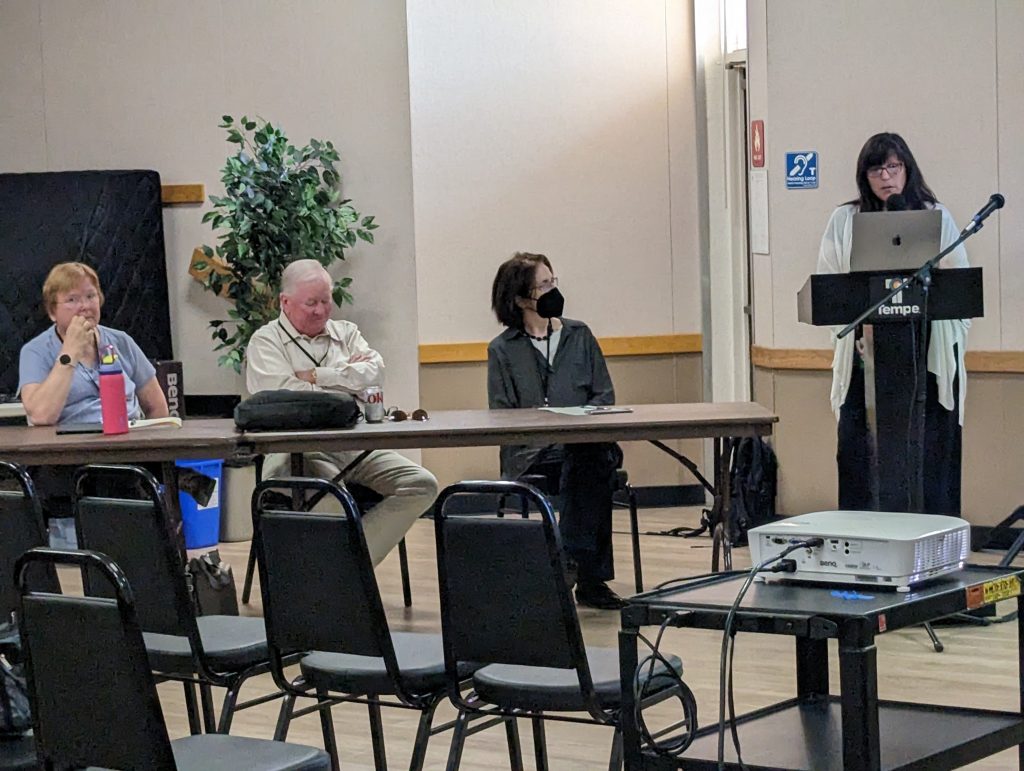
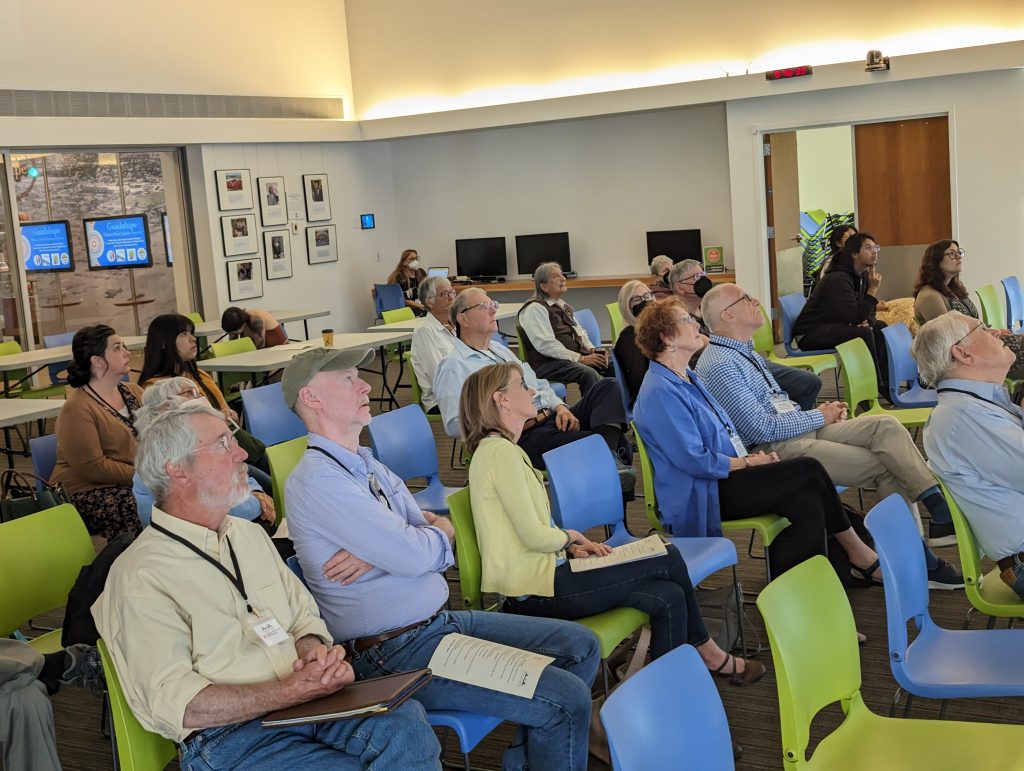
On February 15, Tim Hunter, author of The Sky at Night, spoke at Western National Parks Association, in Oro Valley, Arizona. Fueled by cookies and hot chocolate, participants saw Jupiter and the Galilean moons through telescopes. David Levy, Tim Hunter, and other astronomers pointed out planets, bright stars, and constellations in the sky.

Author Tim Hunter speaks about his book: The Sky at Night: Easy Enjoyment from Your Backyard
Author Tim Hunter explains the planisphere, an analog star chart
We looked at Jupiter from the same telescope as President Obama (POTUS). This telescope went to the White House!
Chuck and Steve from Astronomy Adventures set up Celestron Telescope
Author Tim Hunter signs The Sky at Night
Half moon and star cookies and hot chocolate

AISA 2023: Recent Books, Conference Discounts, and More!

January 30, 2023

Join us at the 24th annual American Indian Studies Association conference in Tempe, Arizona, on February 1-3! Visit our table to browse our recent titles and purchase books at a 30% conference discount, or browse our recent titles below and receive a 30% discount with free U.S. shipping with the code AZAISA23 through 3/5/2023. If you have questions about our publishing program, visit this page.

Postindian Aesthetics is a collection of critical, cutting-edge essays on a new generation of Indigenous writers who are creatively and powerfully contributing to a thriving Indigenous literary canon that is redefining the parameters of Indigenous literary aesthetics.

Read an excerpt from the book here.

Our Fight Has Just Begun illuminates Native voices while exposing how the justice system has largely failed Native American victims and families. This book tells the untold stories of hate crimes committed against Native Americans in the Four Corners region of the United States.

Bennett offers a reference point for understanding contemporary issues of racial violence, underscoring the firm entrenchment of systemic racism. Highly recommended.”— G. R. Campbell, CHOICE

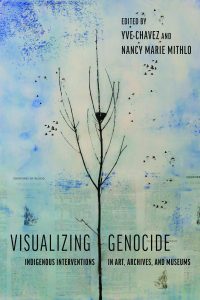
Visualizing Genocide engages the often sparse and biased discourses of genocidal violence against Indigenous communities documented in exhibits, archives, and museums. Essayists and artists from a range of disciplines identify how Native knowledge can be effectively incorporated into memory spaces.

Read an excerpt from the book here.

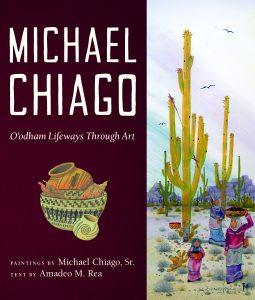
O’odham artist Michael Chiago Sr.’s paintings provide a window into the lifeways of the O’odham people. This book offers a rich account of how Tohono O’odham and Akimel O’odham live in the Sonoran Desert now and in the recent past.

Read about a book celebration we hosted with Western National Parks Association here.

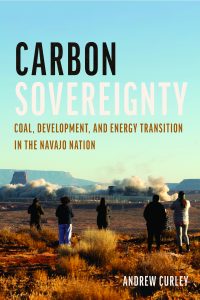
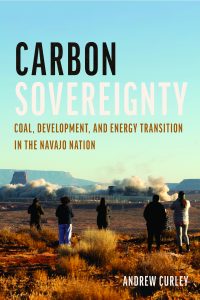
Carbon Sovereignty is a deep dive into the coal industry and the Navajo Nation captures a pivotal moment in the history of energy shift and tribal communities. Geographer Andrew Curley spent more than a decade documenting the rise and fall coal, talking with those affected most by the changes—Diné coal workers, environmental activists, and politicians.

Trickster Academy is a collection of poems that explore the experience of being Native in Academia—from land acknowledgement statements, to mascots, to the histories of using Native American remains in anthropology. This collection illuminates the shared experiences of Indians across many regions, and all of us who live amongst Tricksters.

On the heels of the fiftieth anniversary of the founding of the Department of Diné Education, this important education history explains how the current Navajo educational system is a complex terrain of power relationships, competing agendas, and jurisdictional battles influenced by colonial pressures and tribal resistance. In providing the historical roots to today’s challenges, Wendy Shelly Greyeyes clears the path and provides a go-to reference to move discussions forward.

Read a brief interview with the author here.

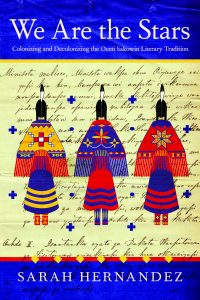
Critically examining the United States as a settler colonial nation, this literary analysis recenters Oceti Sakowin (historically known to some as the Sioux Nation) women as their tribes’ traditional culture keepers and culture bearers, while offering thoughtful connections between settler colonialism, literature, nationalism, and gender.

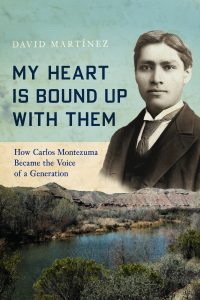
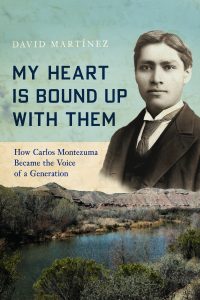
Centering historically neglected Indigenous voices as its primary source material, author David Martínez shows how Carlos Montezuma’s correspondence and interactions with his family and their community influenced his advocacy—and how his important work in Arizona specifically motivated his work on a national level.

A New Deal for Navajo Weaving provides a history of early to mid-twentieth-century Diné weaving projects by non-Natives who sought to improve the quality and marketability of Diné weaving but in so doing failed to understand the cultural significance of weaving and its role in the lives of Diné women.

Informed by personal experience and offering an inclusive view, Diné Identity in a Twenty-First-Century World showcases the complexity of understanding and the richness of current Diné identities.

Watch a conversation about the book with author Lloyd D. Lee here.

Indigenous Economics explains how Indigenous peoples organize their economies for good living by supporting relationships between humans and the natural world. This work argues that creating such relationships is a major alternative to economic models that stress individualism and domination of nature.

Transforming Diné Education honors the perspectives and voices of Diné educators in culturally relevant education, special education, Diné language revitalization, well-being, tribal sovereignty, self-determination in Diné education, and university-tribal-community partnerships. The contributors offer stories about Diné resilience, resistance, and survival by articulating a Diné-centered pedagogy and politics for future generations.

TFOB 2023: Book Signings & Panels with Our Authors

January 26, 2023

Join us for the 2023 Tucson Festival of Books on March 4th and 5th! We will be setting up shop on the University of Arizona campus for a weekend of literary fun. We are thrilled to have a wide variety of our most recent authors presenting on panels and signing books in our booth this year. Take a look at the schedule below to see where you can find University of Arizona Press authors at this year’s festival! We hope you’ll stop by our booth to browse our great titles— which you can purchase for a 25% discount— and to meet our authors and press staff!

Book Signing Schedule

Saturday, March 4:

11:00 AM: Cynthia Guardado, author of Cenizas
12:00 PM: John Schaefer, author of Desert Jewels
2:00 PM: Yvonne de la Torre Montiel and Miguel Montiel, authors of World of Our Mothers
3:00 PM: Allison Adelle Hedge Coke, co-editor of Sing

Sunday, March 5:

10:00 AM: Tim Hunter, author of The Sky at Night
11:00 AM: Tom Zoellner, author of Rim to River
12:00 PM: Ted Fleming, author of Sonoran Desert Journeys
1:00 PM: Devon Mihesuah, author of Dance of the Returned
1:30 PM: Juan Martinez, author of Extended Stay
2:00 PM: Co-Authors of Mineralogy of Arizona, 4th Edition

Saturday, March 4th Panel Schedule

10:00 AM:

Title:Photographing Arizona
Location:UA Library – Special Collections
Date/Time:Saturday, 10:00 am to 11:00 am
Panelists:Virgil Hancock, John Schaefer, Thomas Wiewandt
Moderators:Shan Sutton
Genres:Fine Arts / Photography
Signing Area:Sales & Signing Area – Integrated Learning Center

Description:
Three expert photographers, one of them former UA President John Schaefer, will discuss their craft and the secrets of shooting the perfect picture.

Title:Going Off Grid
Location:Koffler Room 218
Date/Time:Saturday, 10:00 am to 11:00 am
Panelists:Ted Conover, Janet Fogg, Bob West, Tom Zoellner
Moderators:Mary Holden
Genres:Memoir / Essays / Creative Nonfiction
Signing Area:Sales & Signing Area – UA BookStore Tent (on Mall)

Description:
Today we will hear several different perspectives of the American West and our authors’ approach writing their reflections about this iconic part of the United States.

1:00 PM:

Title:Arizona, Up Close and Personal
Location:UA Library – Special Collections
Date/Time:Saturday, 1:00 pm to 2:00 pm
Panelists:Gilbert Storms, Jim Turner, Tom Zoellner
Moderators:Heidi Osselaer
Genres:History / Biography
Signing Area:Sales & Signing Area – Integrated Learning Center

Description:
Gilbert Storms, Jim Turner and Tom Zoellner have studied Arizona for years, each in their very own way. Today they will explore our state’s past and present, and maybe even look into its future a bit!

2:30 PM:

Title:The Meaning of Home
Location:Nuestras Raíces Stage
Date/Time:Saturday, 2:30 pm to 3:30 pm
Panelists:Cynthia Guardado, Alejandro Varela, Javier Zamora
Moderators:Ernesto Portillo Jr.
Genres:Nuestras Raices
Signing Area:Pima County Public Library/Nuestras Raíces/Craft Tent & Signing Area

Description:
These authors share a common bond regarding home and homeland, through their different genres: literary, poetic and memoir.

Title:Workshop: Infusing Humor, Horror, Joy
Location:UA Main Library 254/Main Floor
Date/Time:Saturday, 2:30 pm to 3:30 pm
Panelists:Juan Martinez
Genres:Nuestras Raices
Signing Area:Sales & Signing Area – Integrated Learning Center

Description:
We neglect the importance of affect when working on our drafts. We build characters, we engage imagery and plot and language, but we forget to exploit the comic or horrific possibilities in what we’re building. In this session, we’ll explore how to tune a piece so that it’s funnier, scarier, or sadder.

4:00 PM:

Title:Global Deception
Location:Student Union Tucson Room
Date/Time:Saturday, 4:00 pm to 5:00 pm
Panelists:Francine Mathews, Devon Mihesuah, Camilla Trinchieri
Moderators:Wanda Morris
Genres:Mystery / Thrillers
Signing Area:Sales & Signing Area – UA BookStore Tent (on Mall)

Description:
It doesn’t matter where you live in the world, there are always mysteries to be solved. Just ask Francine Matthews, Devon Mihesuah and Camilla Trinchieri.

Title:Mundo de Nuestras Madres
Location:Nuestras Raíces Stage
Date/Time:Saturday, 4:00 pm to 5:00 pm
Panelists:Yvonne de la Torre MontielMiguel Montiel, Luis Alberto Urrea
Moderators:Cristina Ramirez
Genres:Nuestras Raices
Signing Area:Pima County Public Library/Nuestras Raíces/Craft Tent & Signing Area

Description:
Three authors share inspiring stories of the historical journeys of brave and courageous women.

Title:Taking it Outside
Location:National Parks Experience
Date/Time:Saturday, 4:00 pm to 5:00 pm
Panelists:Susan Lamb, Tom Zoellner
Moderators:Roger Naylor
Genres:Nature / Environment / Outdoor Adventure
Sponsors:Western National Parks Association
Signing Area:Sales & Signing Area – Science City

Description:
Sitting down to tell a tale is only a small part of writing a good book about nature. The real work, and the real fun, is being there. Today, Susan Lamb and Tom Zoellner will explain why hitting the trail is so important to getting to know a place.

Sunday, March 5 Panel Schedule

11:30 AM:

Title:Those Starry Skies
Location:Science City – Main Stage
Date/Time:Sunday, 11:30 am to 12:30 pm
Panelists:Lindy Elkins-Tanton, Tim Hunter
Moderators:Timothy Swindle
Genres:Science / Medicine / Technology
Signing Area:Sales & Signing Area – Science City

Description:
Join authors Lindy Elkins-Tanton and Tim Hunter as they sit down with UArizona’s Space Institute Director Timothy Swindle to discuss what drew them to learning about planets, stars and the vastness of space.

Title:Leaving, Loving, and Returning Home through Poetry
Location:Student Union Kiva
Date/Time:Sunday, 11:30 am to 12:30 pm
Panelists:Cynthia Guardado, José Olivarez, Laura Villareal
Genres:Poetry
Signing Area:Sales & Signing Area – UA Bookstore, Main Floor

Description:
Join poets Laura Villareal, Jose Olivarez and Cynthia Guardado as they explore poetry’s ability to restore a sense of home and heal the traumatic legacies of exile and the domestic violence.

Title:That Got Weird
Location:Student Union Kachina
Date/Time:Sunday, 11:30 am to 12:30 pm
Panelists:Juan Martinez, Ander Monson
Moderators:Matt Bell
Genres:Memoir / Essays / Creative Nonfiction, Sci-Fi / Fantasy / Horror
Signing Area:Sales & Signing Area – UA BookStore Tent (on Mall)

Description:
In this session, Juan Martinez and Ander Monson will chat about finding and deploying horror and science fiction tropes in unexpected places. Moderator Matt Bell is pretty good at that himself!

2:30 PM:

Title:Can Nature Cooperate?
Location:National Parks Experience
Date/Time:Sunday, 2:30 pm to 3:30 pm
Panelists:Stephen Buchmann, Theodore Fleming, Kristin Ohlson
Moderators:Carol Schwalbe
Genres:Nature / Environment / Outdoor Adventure, 2023 Big Read
Sponsors:Western National Parks Association
Signing Area:Sales & Signing Area – National Parks

Description:
Stephen Buchmann, Theodore Flemming and Kristin Ohlson all write about nature, which means they understand exactly how unpredictable nature can be. We ask them, “Can nature cooperate?”

Title:Wait for It, Wait for It …
Location:Student Union Tucson Room
Date/Time:Sunday, 2:30 pm to 3:30 pm
Panelists:Tracy Clark, Sean Doolittle, Devon Mihesuah
Moderators:Terry Shames
Genres:Mystery / Thrillers
Signing Area:Sales & Signing Area – UA BookStore Tent (on Mall)

Description:
Three of our favorite authors — Tracy Clark, Sean Doolittle and Devon Mihesuah — keep us on the edge of our seats until the last page. How do they know when it’s time to reveal whodunit?

4:00 PM:

Title:Que Susto: What a Fright!
Location:Nuestras Raíces Stage
Date/Time:Sunday, 4:00 pm to 5:00 pm
Panelists:Ramona Emerson, Juan Martinez, Silvia Moreno-Garcia
Moderators:Megan Hellwig
Genres:Nuestras Raices
Signing Area:Pima County Public Library/Nuestras Raíces/Craft Tent & Signing Area

Description:
These authors take you on a roller-coaster ride of terror, horror, and fright. Hold on to your seats!

For the full festival schedule, click here.

For Authors

The University of Arizona Press publishes the work of leading scholars from around the globe. Learn more about submitting a proposal, preparing your final manuscript, and publication.

Inquire

Requests

The University of Arizona Press is proud to share our books with readers, booksellers, media, librarians, scholars, and instructors. Join our email Newsletter. Request reprint licenses, information on subsidiary rights and translations, accessibility files, review copies, and desk and exam copies.

Request

Support the Press

Support a premier publisher of academic, regional, and literary works. We are committed to sharing past, present, and future works that reflect the special strengths of the University of Arizona and support its land-grant mission.

Give