Southwest Symposium 2023: Recent Books, Discounts, and More

January 4, 2023

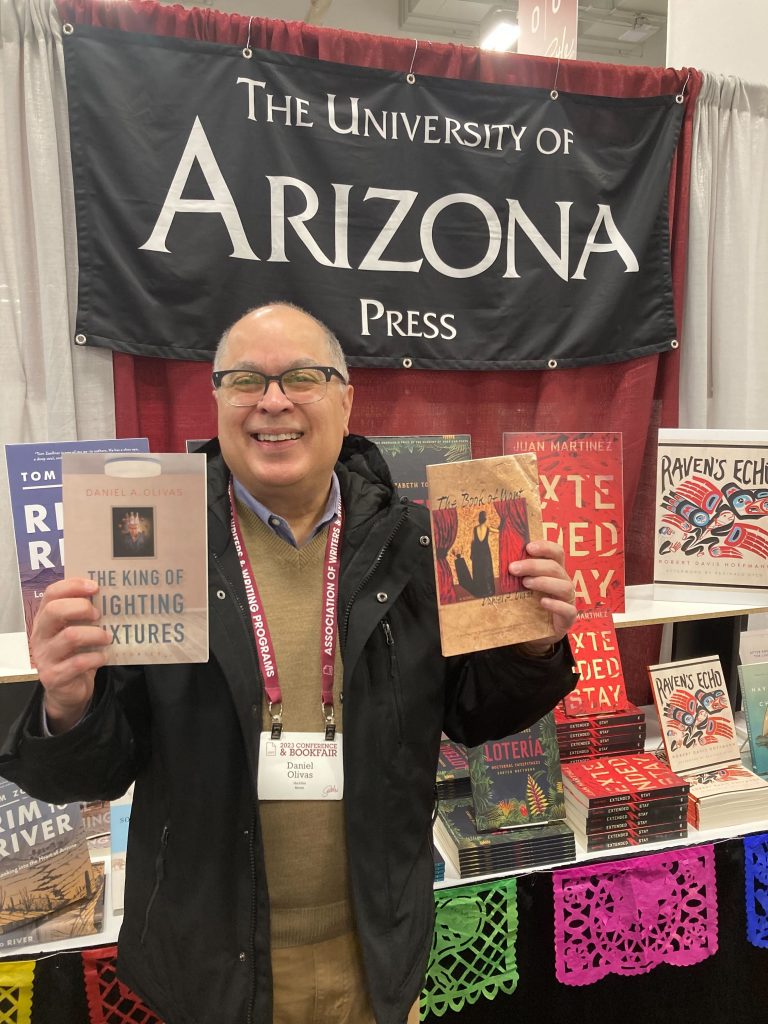
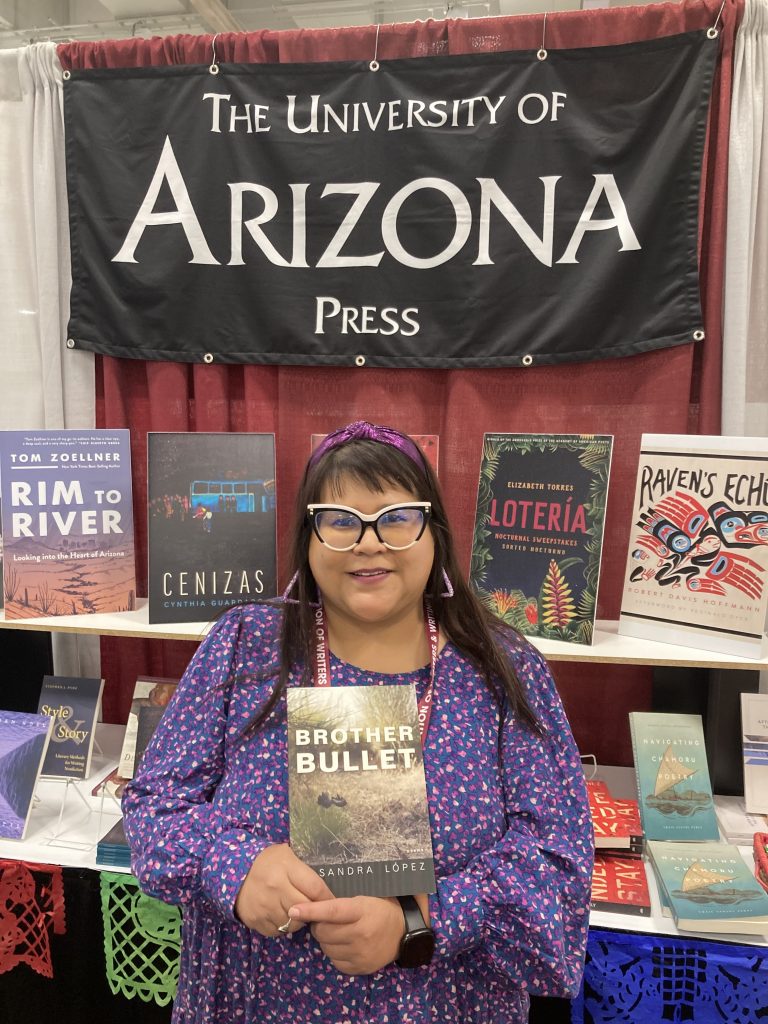
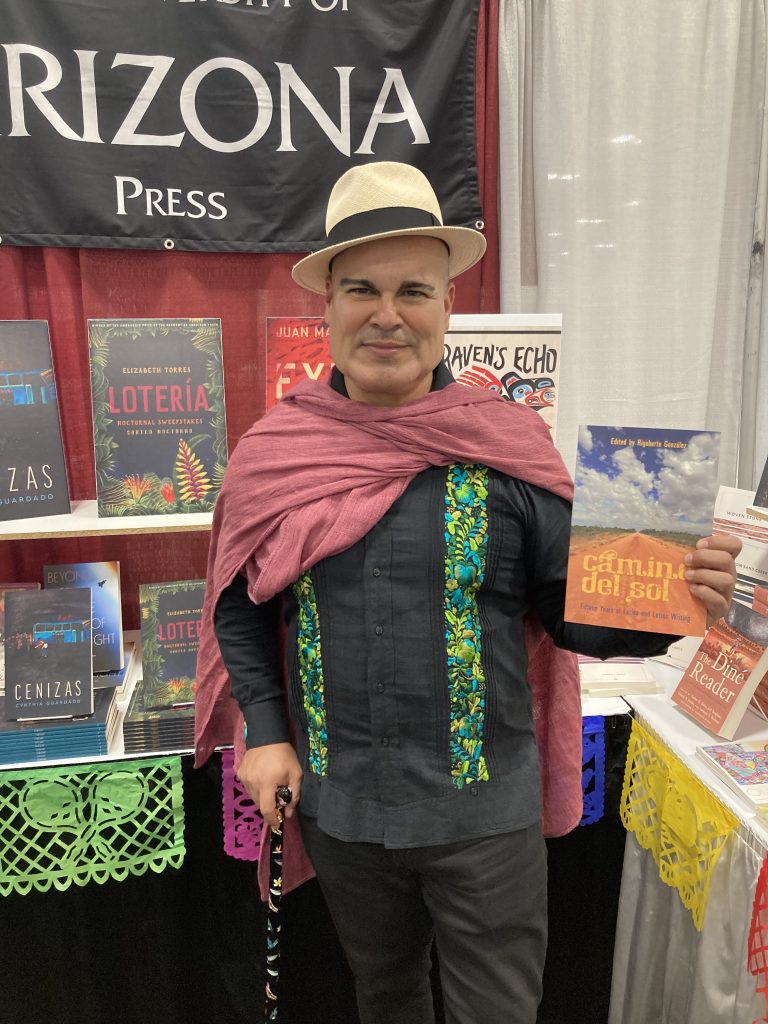
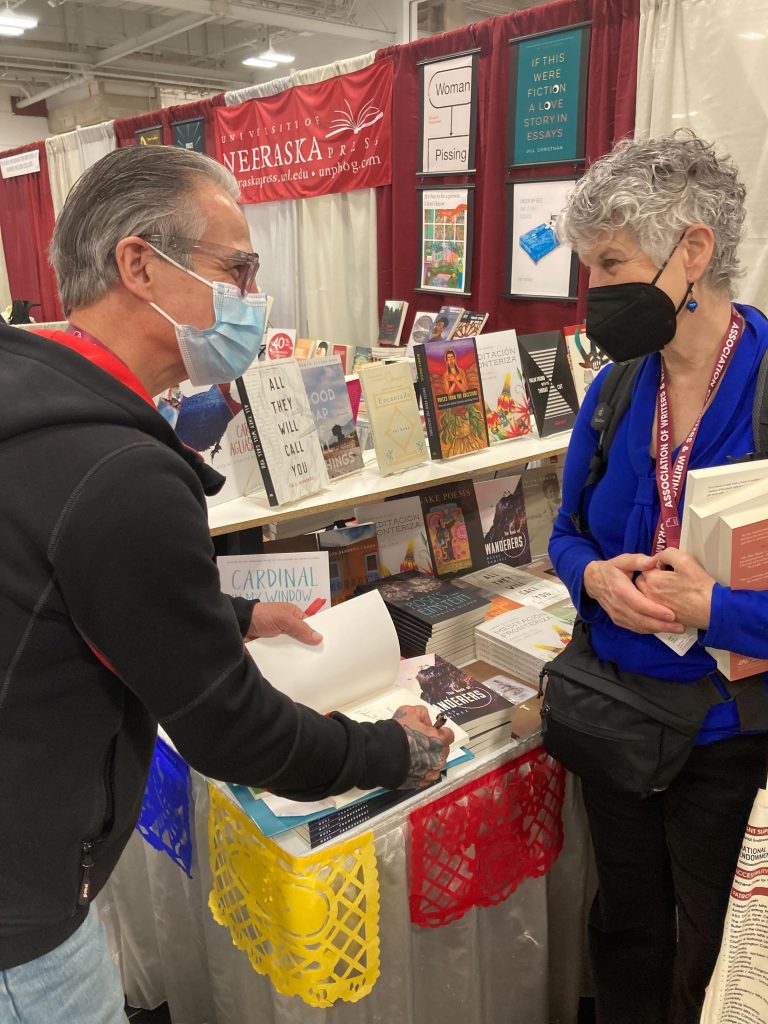
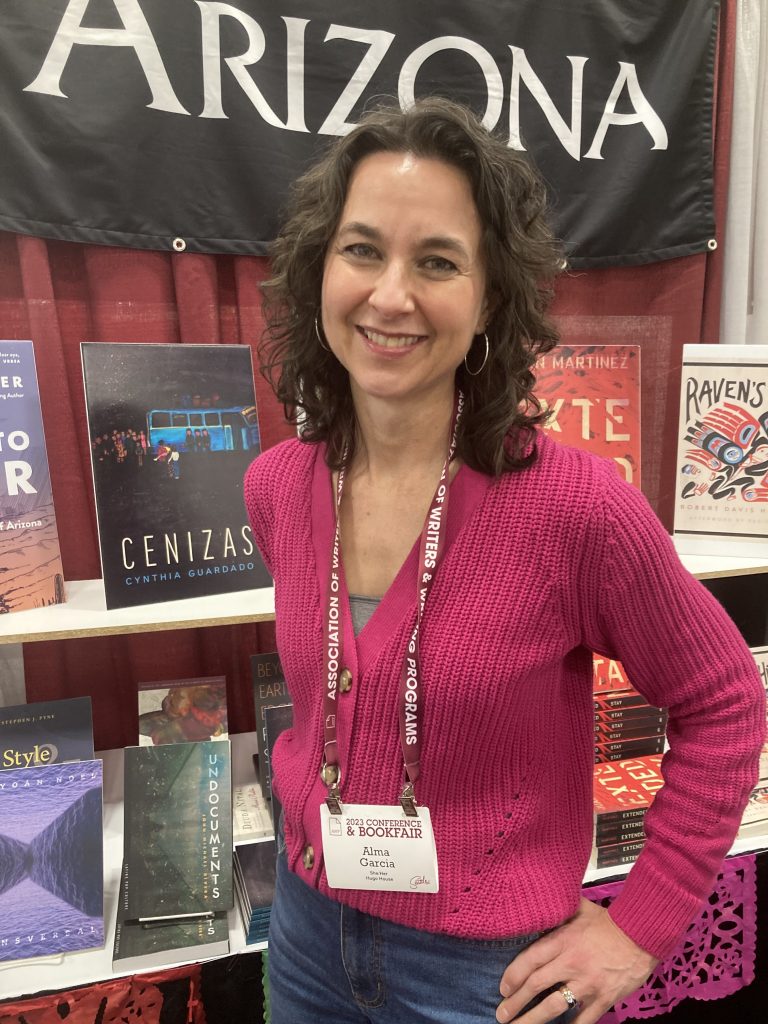
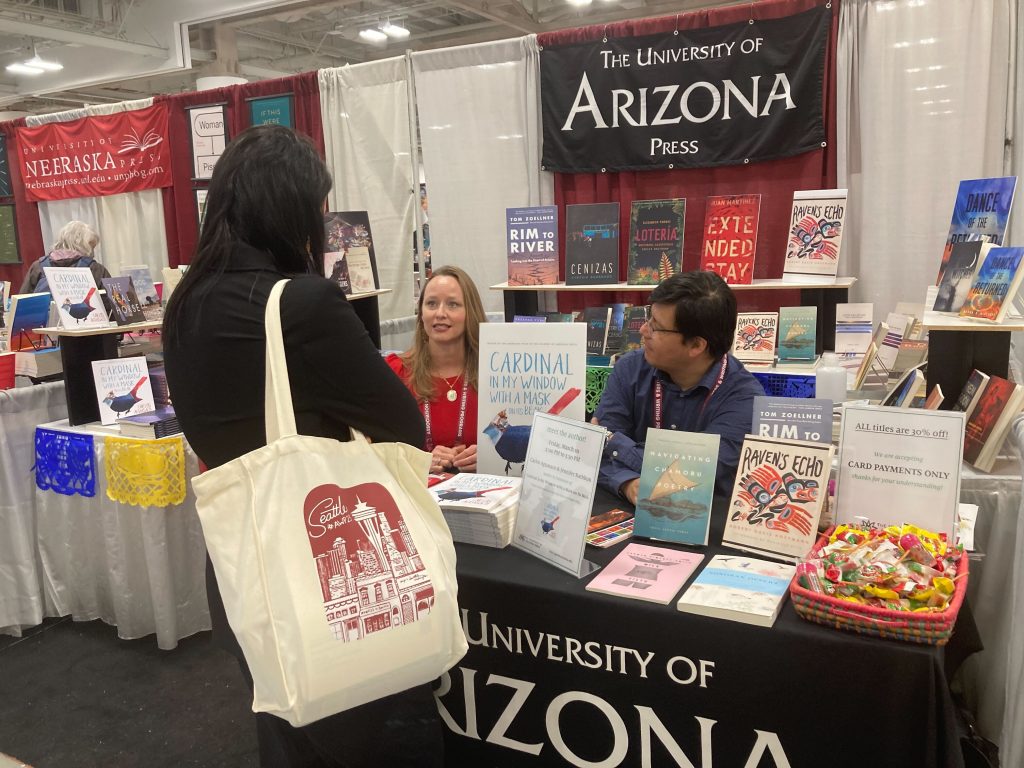
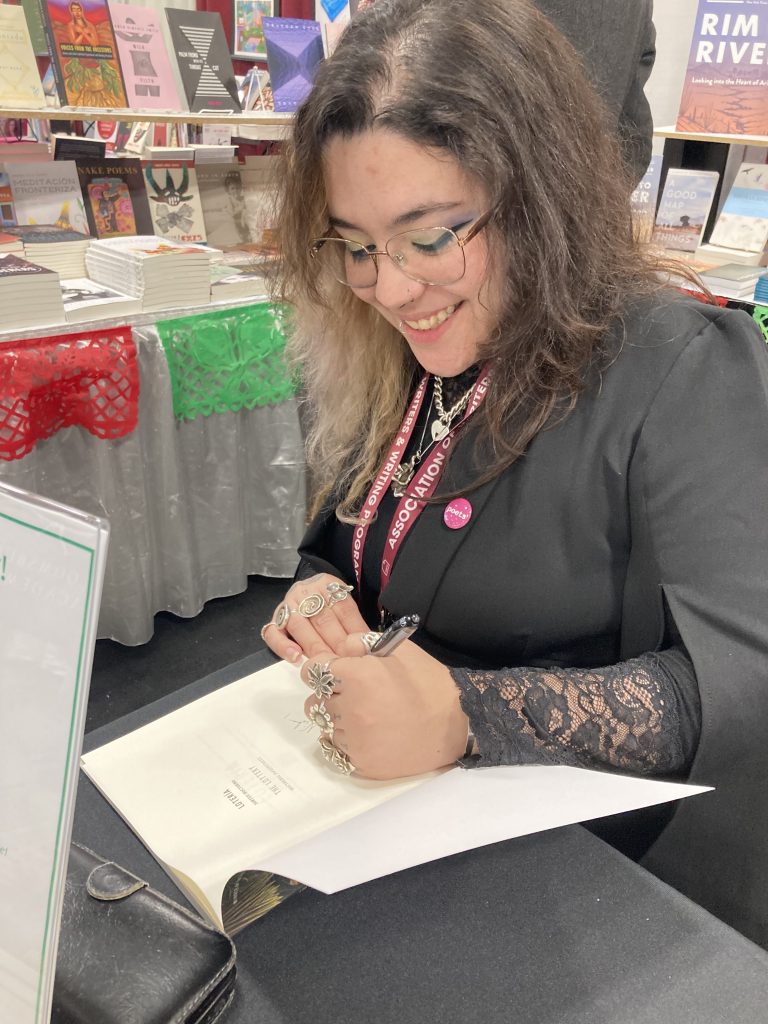
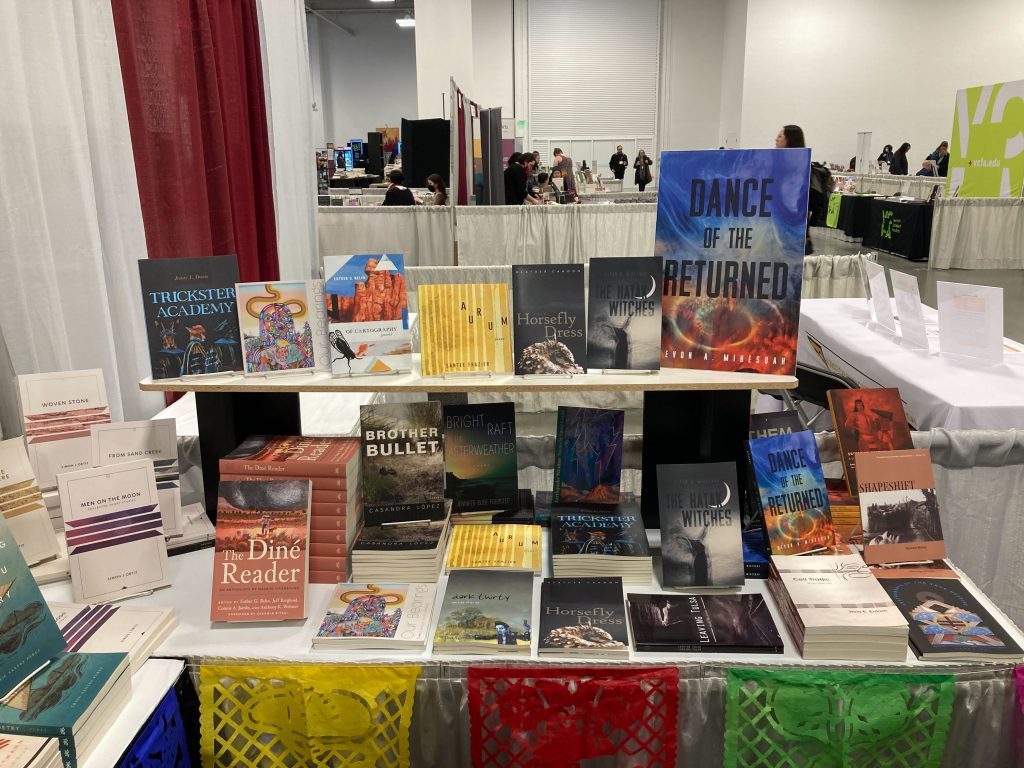
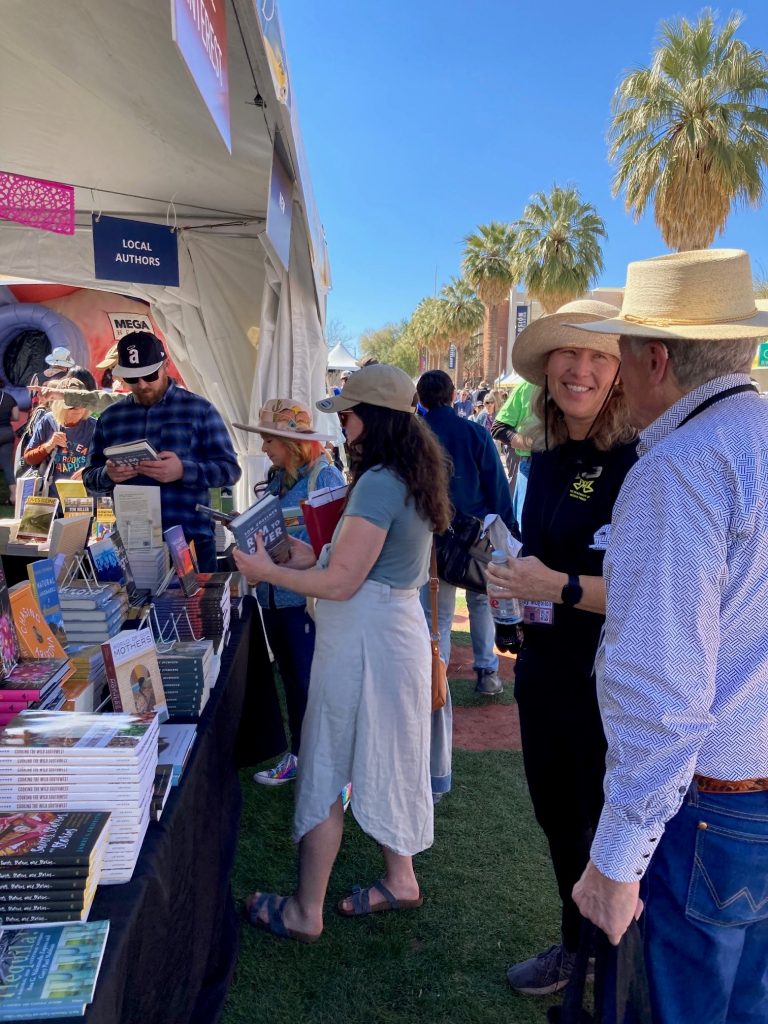
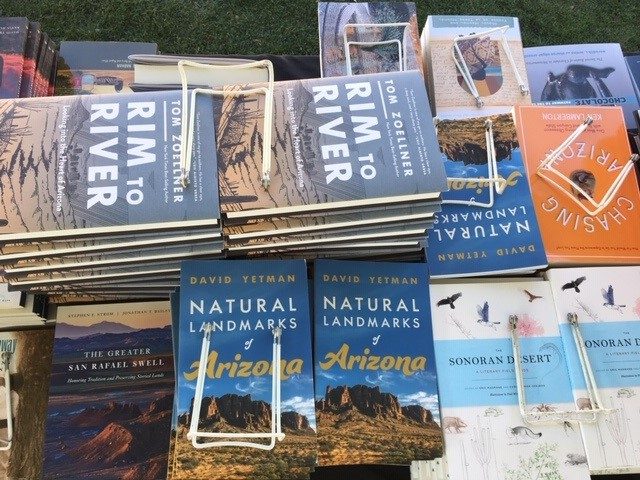
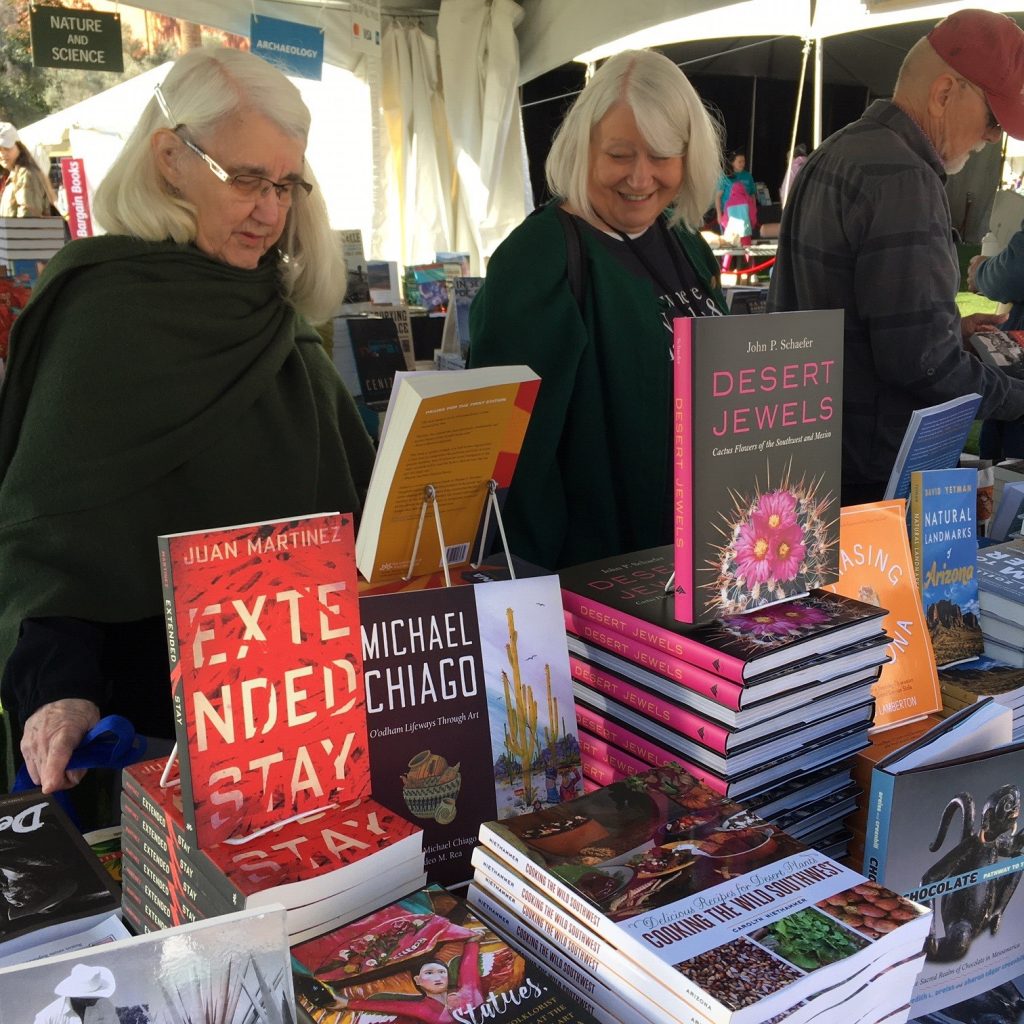
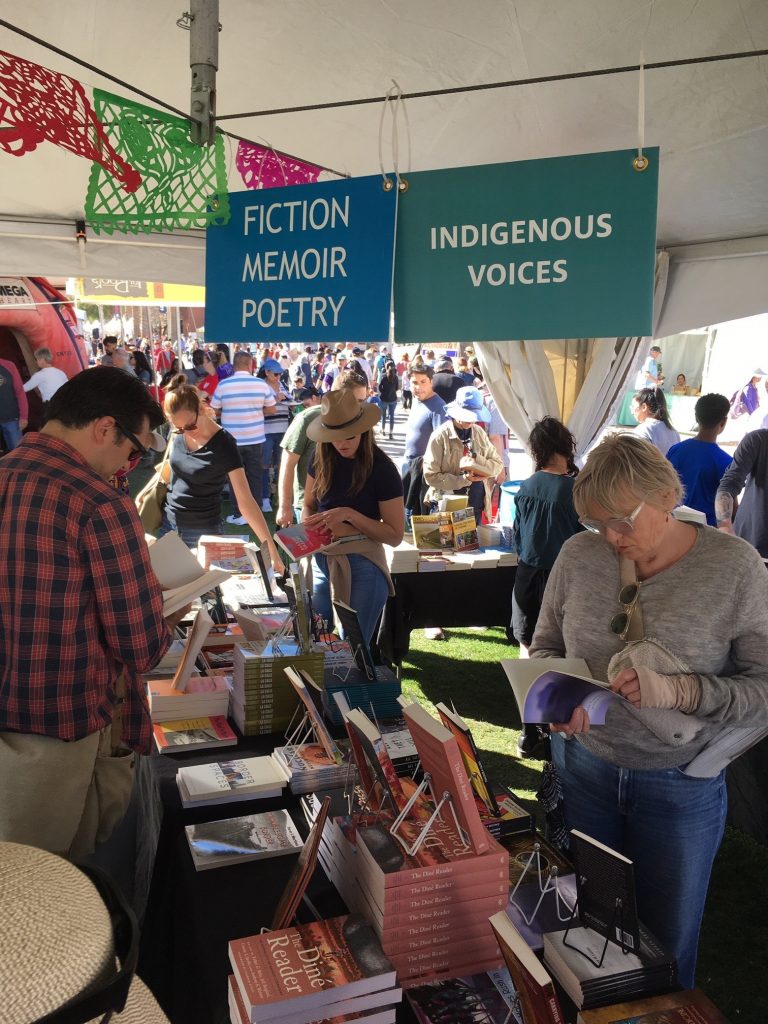
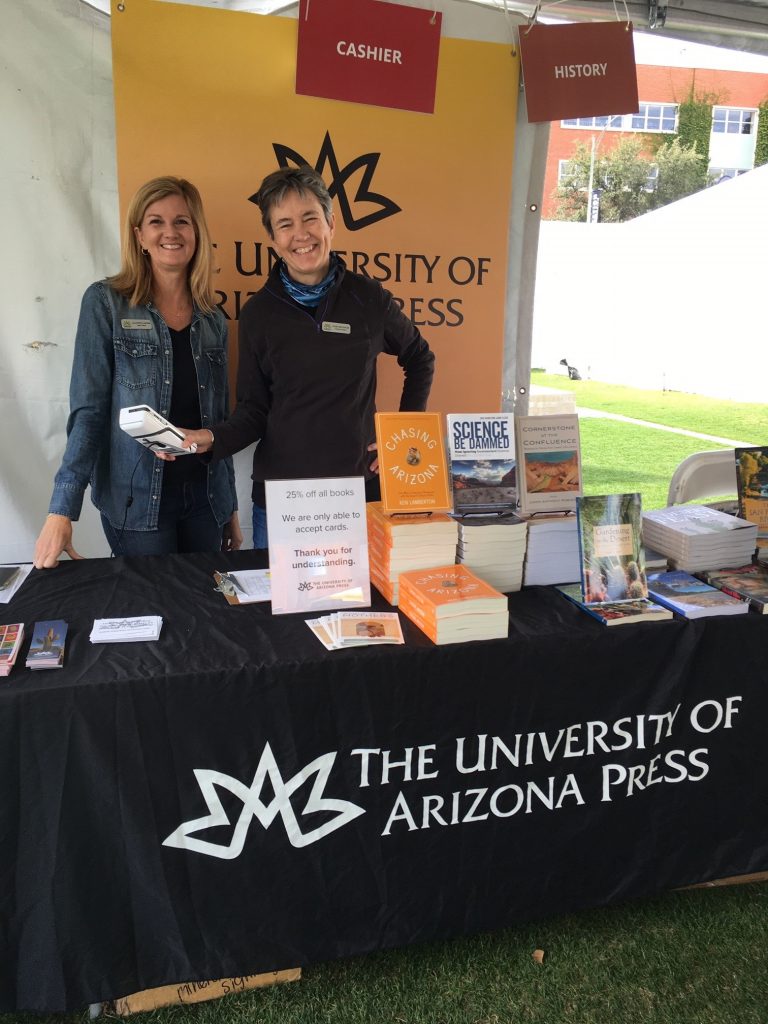
We are excited to be participating in the 2023 Southwest Symposium in Santa Fe, New Mexico! If you are attending the conference on January 5-7, stop by our table to browse our latest books and speak with our Senior Editor, Allyson Carter, Ph.D. We’re offering a 30% discount with free shipping in the continental U.S. with the code AZSWSYMP23 from now until 2/5/23!

If you aren’t able to make it to the symposium this year, make sure to take a look at our latest books below, and visit this page to learn more about our publishing program.

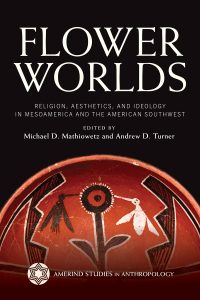
The recognition of Flower Worlds is one of the most significant breakthroughs in the study of Indigenous spirituality in the Americas. Flower Worlds is the first volume to bring together a diverse range of scholars to create an interdisciplinary understanding of floral realms that extend at least 2,500 years in the past.

Read an excerpt from the book here, and learn more by watching the book trailer here!

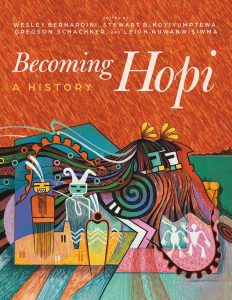
Becoming Hopi is a comprehensive look at the history of the people of the Hopi Mesas as it has never been told before. The product of more than fifteen years of collaboration between tribal and academic scholars, this volume presents groundbreaking research demonstrating that the Hopi Mesas are among the great centers of the Pueblo world.

We are thrilled that Becoming Hopi won the 2022 SAA Best Scholarly Book Award, a Southwest Book of the Year award, and a Southwest Book Award!

Learn more by watching the book trailer here.

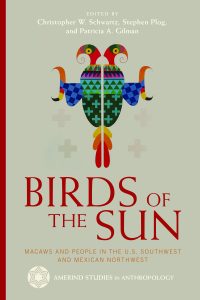
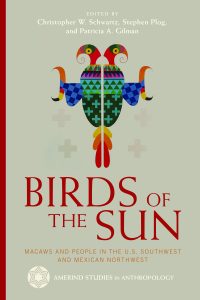
The multiple vivid colors of scarlet macaws and their ability to mimic human speech are key reasons they were and are significant to the Native peoples of the U.S. Southwest and Mexican Northwest. Although the birds’ natural habitat is the tropical forests of Mexico and Central and South America, they were present at multiple archaeological sites in the region yet absent at the vast majority. In Birds of the Sun, leading experts in southwestern archaeology explore the reasons why.

Read an excerpt from the book here.

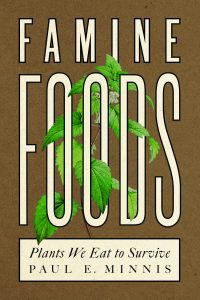
How people eat today is a record of food use through the ages, and Famine Foods offers the first ever overview of the use of alternative foods during food shortages. Paul E. Minnis explores the unusual plants that have helped humanity survive throughout history.

Watch Paul Minnis and Nancy Turner discuss Famine Foods here, then listen to Minnis on the Foodie Pharmacology podcast here.

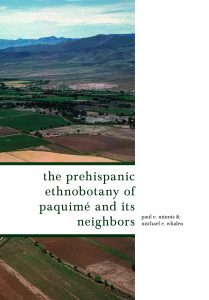
The Prehispanic Ethnobotany of Paquimé and Its Neighbors is a major ethnobotanical study for the ancient U.S. Southwest and northwestern Mexico. The results reorient our perspective in the rise of one of the most impressive communities in the international region.

Read field notes from the book’s editors, Paul Minnis and Michael Whalen, here.

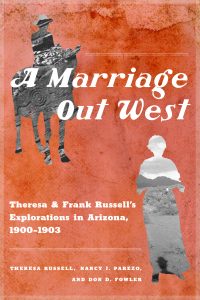
A Marriage Out West is an intimate biographical account of two fascinating figures of twentieth-century archaeology. Frances Theresa Peet Russell, an educator, married Harvard anthropologist Frank Russell in June 1900. They left immediately on a busman’s honeymoon to the Southwest. Their goal was twofold: to travel to an arid environment to quiet Frank’s tuberculosis and to find archaeological sites to support his research.

Read an excerpt from the book here, then watch a book trailer here!

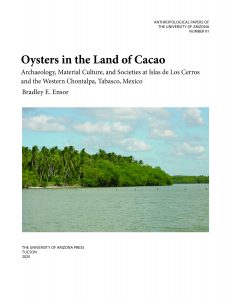
Oysters in the Land of Cacao delivers a long-overdue presentation of the archaeology, material culture, and regional synthesis on the Formative to Late Classic period societies of the western Chontalpa region (Tabasco, Mexico) through contemporary theory. It offers a significant new understanding of the Mesoamerican Gulf Coast.

Watch a book trailer here!

Pre-order now!

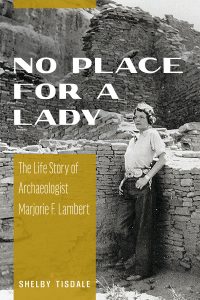
Marjorie Lambert’s life story is intricately entwined in the development of archaeology in the American Southwest. In Shelby Tisdale’s compelling biography, No Place for a Lady, Lambert’s work as an archaeologist, museologist, and museum curator in Santa Fe comes to life and serves as inspiration for today.

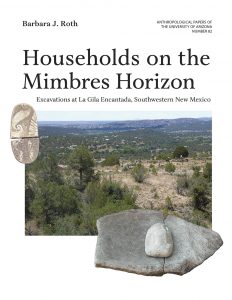
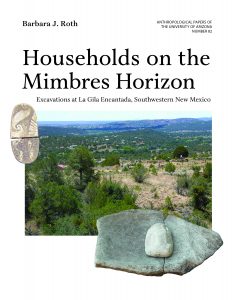
Households on the Mimbres Horizon explores variability in Mimbres Mogollon pithouse sites using a case study from La Gila Encantada to further our understanding of the full range of pithouse occupations in the area. Because the site is away from the major river valleys, the data from excavations at the site provides valuable information on the differences in cultural practices that occurred away from the riverine villages, as well as environmental differences, economic practices, and social constructs.

American Anthropological Association 2022: Recent Books, Discounts, and More

November 7, 2022

We are thrilled to be attending the annual American Anthropological Association conference in Seattle, Washington this year! Make sure to stop by our booth to browse and buy our latest anthropology titles and speak with our Senior Editor, Allyson Carter, Ph.D. We are offering a 30% discount on all books at the conference, and you can also receive this discount when you order online with the code AZAAA22 at checkout. Enjoy 30% off all titles, plus free shipping in the continental U.S. from now until 12/15/22.

If you aren’t attending AAA 2022 in person, make sure to learn about our latest anthropology titles below. If you have any questions about our publishing program, visit this page, or contact Allyson Carter at acarter@uapress.arizona.edu.

In Corporate Nature, Sarah Milne draws from personal experience to look inside the black box of mainstream conservation NGOs and finds that corporate behavior and technical thinking dominate global efforts to save nature, opening the door to unethical conduct and failure on the ground.

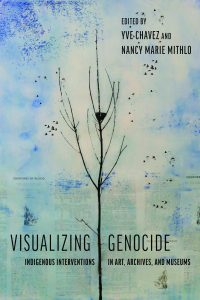
Visualizing Genocide engages the often sparse and biased discourses of genocidal violence against Indigenous communities documented in exhibits, archives, and museums. Essayists and artists from a range of disciplines identify how Native knowledge can be effectively incorporated into memory spaces.

Guarded by Two Jaguars is an ethnography that examines the role of language and embodied behaviors in producing a congregational split in a Catholic parish serving Guatemala’s Q’eqchi’ Maya people. Drawing on a range of methods from linguistic and cultural anthropology, author Eric Hoenes del Pinal examines how the introduction of the Catholic Charismatic Renewal movement in the parish produced a series of debates between parishioners that illustrate the fundamentally polyvocal nature of Catholic Christianity.

Read field notes from the author here.

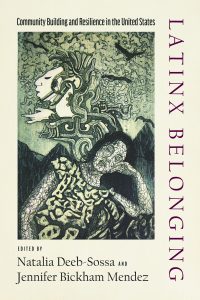
Accessible and engaging, Latinx Belonging underscores and highlights Latinxs’ continued presence and contributions to everyday life in the United States as they both carve out and defend their place in society.

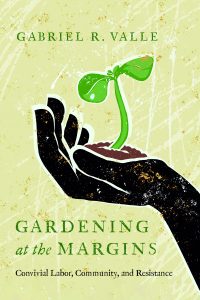
Gardening at the Margins tells the remarkable story of a diverse group of neighbors working together to grow food and community in the Santa Clara Valley in California. Based on four years of deeply engaged ethnographic field research via a Participatory Action Research project with the people and ecosystems of La Mesa Verde home garden program, Gabriel R. Valle develops a theory of convivial labor to describe how the acts of care among the diverse gardeners—through growing, preparing, and eating food in one of the most income unequal places in the country—are powerful, complex acts of resistance.

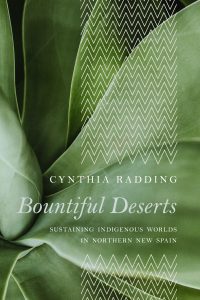
Set in the arid lands of northwestern Mexico, Bountiful Deserts foregrounds the knowledge of Indigenous peoples who harvested the desert as bountiful in its material resources and sacred spaces. Author Cynthia Radding uses the tools of history, anthropology, geography, and ecology to re-create the means of defending Indigenous worlds through colonial encounters, the formation of mixed societies, and the direct conflicts over forests, grasslands, streams, and coastal estuaries that sustained wildlife, horticulture, foraging, hunting, fishing, and—after European contact—livestock and extractive industries. She returns in each chapter to the spiritual power of nature and the enduring cultural significance of the worlds that Indigenous communities created and defended.
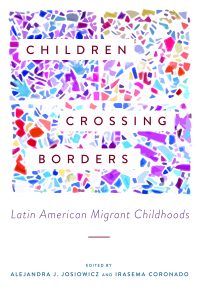
Children Crossing Borders draws much-needed attention to the plight of migrant children and their families, illuminating the human and emotional toll that children experience as they crisscross the Americas. Exploring the connections between education, policy, cultural studies, and anthropology, the essays in this volume navigate a space of transnational children’s rights central to Latin American life in the twentieth and twenty-first centuries.

Read an excerpt from the book here.

Running After Paradise looks at social-environmental activism in one of the world’s most important and threatened tropical forests—Southern Bahia, Brazil. It explores what it means to be in and of a place through the lenses of history, environment, identity, class, and culture. It uncovers not only what separates people but also what brings them together as they struggle and strive to create their individual and collective paradise.

Pachamama Politics examines how campesinos came to defend their community water sources from gold mining upstream and explains why Ecuador’s “pink tide” government came under fire by Indigenous and environmental rights activists.

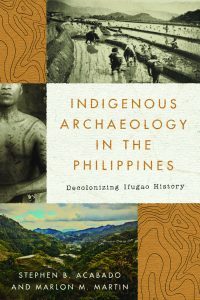
Indigenous Archaeology in the Philippines illustrates how descendant communities can take control of their history and heritage through active collaboration with archaeologists. Drawing on the Philippine Cordilleran experiences, Indigenous Archaeology in the Philippines discusses how changing historical narratives help empower peoples who are traditionally ignored in national histories.

Read an excerpt from the book here.
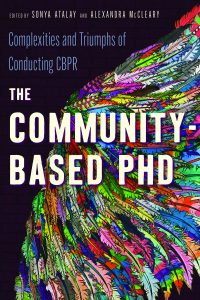
The Community-Based PhD explores the complex and nuanced experience of doing community-based research as a graduate student. Contributors from a range of scholarly disciplines share their experiences with CBPR in the arts, humanities, social sciences, public health, and STEM fields.
The multiple vivid colors of scarlet macaws and their ability to mimic human speech are key reasons they were and are significant to the Native peoples of the U.S. Southwest and Mexican Northwest. Although the birds’ natural habitat is the tropical forests of Mexico and Central and South America, they were present at multiple archaeological sites in the region yet absent at the vast majority. In Birds of the Sun, leading experts in southwestern archaeology explore the reasons why.

Read an excerpt from the book here.
American Studies Association 2022: Recent Books, Discounts, and More

October 31, 2022

We are thrilled to be participating in the annual American Studies Association meeting in New Orleans, LA this year! If you are attending the conference in person, make sure to stop by our booth to browse our latest titles and chat with our Editor-in-Chief, Kristen Buckles! Use the code AZASA22 at checkout to receive 30% off all of our titles, plus free shipping in the continental U.S., through 12/15/22.

If you can’t make it to New Orleans for this year’s meeting, take a look at some of our newest books below. If you have questions about our publishing program, visit this page, or send Kristen a note at kbuckles@uapress.arizona.edu.

Accessible and engaging, Latinx Belonging underscores and highlights Latinxs’ continued presence and contributions to everyday life in the United States as they both carve out and defend their place in society.

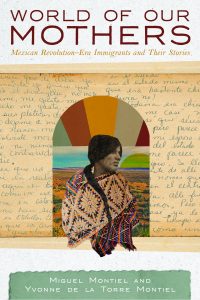
World of Our Mothers highlights the largely forgotten stories of forty-five women immigrants in the early twentieth century. Through interviews in Arizona mining towns, Phoenix barrios, and selected areas of California, Texas, and the Midwest, we learn how they negotiated their lives with their circumstances.

In 1981, Chicana feminist intellectuals Cherríe Moraga and Gloria Anzaldúa published what would become a foundational legacy for generations of feminist women of color—the seminal This Bridge Called My Back: Writings by Radical Women of Color. To celebrate and honor this important work, editors gloria j. wilson, Joni B. Acuff, and Amelia M. Kraehe offer new generations A Love Letter to This Bridge Called My Back.

Read an excerpt from the book here. We’re thrilled that La Bloga featured the book here!
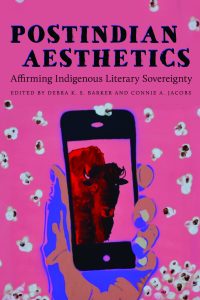
Postindian Aesthetics is a collection of critical, cutting-edge essays on a new generation of Indigenous writers who are creatively and powerfully contributing to a thriving Indigenous literary canon that is redefining the parameters of Indigenous literary aesthetics.

Read an excerpt from the book here.
Latinx Teens examines how Latinx teenagers influence twenty-first-century U.S. popular culture. The book explores the diverse ways that contemporary mainstream film, television, theater, and young adult literature invokes, constructs, and interprets adolescent Latinidad.

Read a brief interview with authors Trevor Boffone and Cristina Herrera here. We are thrilled that Latinx Teens received an honorable mention for the International Latino Book Awards!

Latinx TV in the Twenty-First Century offers an expansive and critical look at contemporary television by and about U.S. Latinx communities. This volume unpacks the negative implications of older representation and celebrates the progress of new representation, all while recognizing that television still has a long way to go.

Watch editor Frederick Luis Aldama (aka Professor Latinx) and Mighty Peter discuss their top 5 Latinx TV shows here, then watch a special conversation series with some of the contributors here.

For the first time, Navigating CHamoru Poetry focuses on Indigenous CHamoru (Chamorro) poetry from the Pacific Island of Guåhan (Guam). In this book, poet and scholar Craig Santos Perez navigates the complex relationship between CHamoru poetry, cultural identity, decolonial politics, diasporic migrations, and native aesthetics.

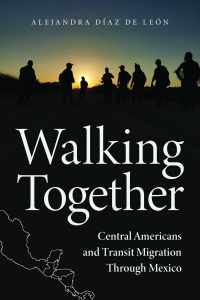
Border Women and the Community of Maclovio Rojas is a book about hope, struggle, and possibility in the context of gendered violences of racial capitalism on the Mexican side of the U.S.-Mexico border.

New Books Network interviewed author Michelle Téllez about the book: listen here. We are thrilled that Border Women received an honorable mention for the International Latino Book Awards! We held a fantastic book release event in Tucson for this book, read about it here.

In The Sound of Exclusion, Christopher Chávez critically examines National Public Radio’s professional norms and practices that situate white listeners at the center while relegating Latinx listeners to the periphery. By interrogating industry practices, we might begin to reimagine NPR as a public good that serves the broad and diverse spectrum of the American public.

KUOW NPR’s Soundside host Libby Denkmann interviewed Christopher Chávez about the book: listen here. NiemanLab’s Hanaa’ Tameez also interviewed Chávez about the book: listen here. New Books Network featured the book on their podcast here. Chávez was part of a PubWest event that featured a Q&A with three authors, watch it here. Current shared an excerpt from the book, read it here. The Latinx Project at New York University shared an op-ed from the author, read it here. We are thrilled that The Sound of Exclusion received an honorable mention for the International Latino Book Awards!

Visualizing Genocide engages the often sparse and biased discourses of genocidal violence against Indigenous communities documented in exhibits, archives, and museums. Essayists and artists from a range of disciplines identify how Native knowledge can be effectively incorporated into memory spaces.

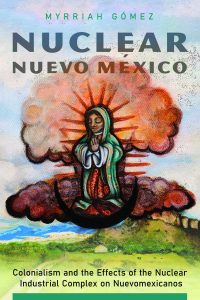
Nuclear Nuevo México recovers the voices and stories that have been lost or ignored in the telling of U.S. nuclear history. By recuperating these narratives, Myrriah Gómez tells a new story of New Mexico, one in which the nuclear history is not separate from the collective colonial history of Nuevo México but instead demonstrates how earlier eras of settler colonialism laid the foundation for nuclear colonialism in New Mexico.

Read a brief interview with the author here.

Children Crossing Borders draws much-needed attention to the plight of migrant children and their families, illuminating the human and emotional toll that children experience as they crisscross the Americas. Exploring the connections between education, policy, cultural studies, and anthropology, the essays in this volume navigate a space of transnational children’s rights central to Latin American life in the twentieth and twenty-first centuries.

Read an excerpt from the book here.
Colonialism has the power to corrupt. Finding Right Relations argues that even the early Quakers, who had a belief system rooted in social justice, committed structural and cultural violence against their Indigenous neighbors.

Read a brief interview with authors Marianne O. Nielsen and Barbara M. Heather here.

Native American doctoral graduates of American Indian Studies (AIS) at the University of Arizona, the first AIS program in the United States to offer a PhD, gift their stories. In American Indian Studies, Native PhD recipients share their journeys of pursuing and earning the doctorate, and its impact on their lives and communities.

Read an excerpt from the book here, then watch a book celebration for the book here.

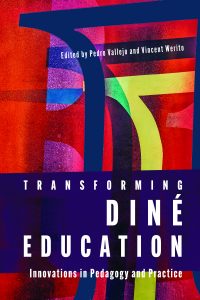
Transforming Diné Education honors the perspectives and voices of Diné educators in culturally relevant education, special education, Diné language revitalization, well-being, tribal sovereignty, self-determination in Diné education, and university-tribal-community partnerships. The contributors offer stories about Diné resilience, resistance, and survival by articulating a Diné-centered pedagogy and politics for future generations.

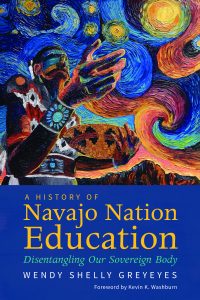
On the heels of the fiftieth anniversary of the founding of the Department of Diné Education, A History of Navajo Nation Education explains how the current Navajo educational system is a complex terrain of power relationships, competing agendas, and jurisdictional battles influenced by colonial pressures and tribal resistance. In providing the historical roots to today’s challenges, Wendy Shelly Greyeyes clears the path and provides a go-to reference to move discussions forward.

Read a brief interview with the author here.

Western History Association 2022: Discounts, New Books, and More

October 12, 2022

We are thrilled to be participating in the 2022 Western History Association meeting in San Antonio, Texas this week! Make sure to stop by our booth to browse our latest history titles, and meet with our Editor-in-Chief, Kristen Buckles. If you aren’t attending the meeting in person, check out some of our recent history titles below!

Use the code AZWHA22 for 30% off with free continental U.S. shipping through 11/15/22. To learn more about our publishing program, click here.

We are excited to be launching two new series, BorderVisions and Arizona Crossroads, this year! Learn more below.

BorderVisions, edited by Vanessa Fonseca-Chávez and Yvette J. Saavedra, engages the U.S.-Mexico borderlands’ dynamic histories and cultures and expands our understanding of the borderlands beyond a site of geopolitical inquiry. The series conceptualizes borderlands as both a place and a methodology and addresses the constraints of traditional fields, challenging authors to think creatively and critically about the expansive frameworks and possibilities of borderlands studies. This series will deepen our understanding of the ways in which gender, class, race, sexuality, and other intersectional concerns are reflected in humanities and humanistic social science borderlands scholarship. This series will publish monographs and edited collections by new and established authors who employ innovative interdisciplinary methodologies on topics reflecting both sides of the U.S.-Mexico border. We seek to foster an intellectual space that envisions and manifests the multitude of perspectives for understanding the borderlands through interdisciplinary humanities and humanistic social sciences scholarship. We are especially interested in books that address the complexities and richness of borderlands experiences at different historical, cultural, and sociopolitical moments.

Watch a recording of the series launch for BorderVisions here.

Arizona Crossroads, edited by Anita Huizar-Hernández, Eric V. Meeks, and Katherine G. Morrissey, is a series in collaboration with the Arizona Historical Society that explores the history of peoples and cultures, events and struggles, ideas and practices in the place we know today as Arizona. Throughout its history, Arizona has long served as a crossroads between Native peoples, settler colonists, and immigrants from around the world. It has been a contested site among peoples, nations, and empires; it is also a place where events, decisions, and struggles have had far-reaching consequences beyond its shifting borders. As the series title suggests, we welcome books that deepen our understanding of Arizona as a diverse crossroads and meeting ground within broad national and transnational contexts, whether topical, thematic, or geographic (the region, the nation, the borderlands). Open to any topic within any time period of Arizona history, the series will publish scholarship that is cutting-edge and innovative, yet generally accessible and readable to an educated general audience. We are open to a variety of book formats: monographs, multi-authored works, and edited collections, as well as broader more synthetic works. Interdisciplinary projects that engage the past are encouraged.

Watch a recording of the series launch for Arizona Crossroads here.

For questions or to submit a proposal to either of these series, please contact Kristen Buckles, kbuckles@uapress.arizona.edu.

On the heels of the fiftieth anniversary of the founding of the Department of Diné Education, A History of Navajo Nation Education explains how the current Navajo educational system is a complex terrain of power relationships, competing agendas, and jurisdictional battles influenced by colonial pressures and tribal resistance. In providing the historical roots to today’s challenges, Wendy Shelly Greyeyes clears the path and provides a go-to reference to move discussions forward.

Read a brief interview with the author here.

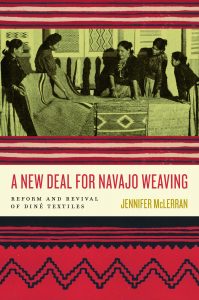
A New Deal for Navajo Weaving by Jennifer McLerran provides a history of early to mid-twentieth-century Diné weaving projects by non-Natives who sought to improve the quality and marketability of Diné weaving but in so doing failed to understand the cultural significance of weaving and its role in the lives of Diné women.

The Greater San Rafael Swell by Stephen E. Strom and Jonathan T. Bailey offers the story of how citizens of a small county in the rural West – Emery County, Utah—resolved perhaps the most volatile issue in the region – the future of public lands.

Explore field notes from Jonathan T. Bailey here, and explore field notes from Stephen E. Strom here.

Visualizing Genocide, edited by Yve Chavez and Nancy Marie Mithlo, engages the often sparse and biased discourses of genocidal violence against Indigenous communities documented in exhibits, archives, and museums. Essayists and artists from a range of disciplines identify how Native knowledge can be effectively incorporated into memory spaces.

Nuclear Nuevo México recovers the voices and stories that have been lost or ignored in the telling of U.S. nuclear history. By recuperating these narratives, Myrriah Gómez tells a new story of New Mexico, one in which the nuclear history is not separate from the collective colonial history of Nuevo México but instead demonstrates how earlier eras of settler colonialism laid the foundation for nuclear colonialism in New Mexico.

World of Our Mothers by Miguel Montiel and Yvonne de la Torre Montiel highlights the largely forgotten stories of forty-five women immigrants in the early twentieth century. Through interviews in Arizona mining towns, Phoenix barrios, and selected areas of California, Texas, and the Midwest, we learn how they negotiated their lives with their circumstances.

Set in the arid lands of northwestern Mexico, Bountiful Deserts foregrounds the knowledge of Indigenous peoples who harvested the desert as bountiful in its material resources and sacred spaces. Author Cynthia Radding uses the tools of history, anthropology, geography, and ecology to re-create the means of defending Indigenous worlds through colonial encounters, the formation of mixed societies, and the direct conflicts over forests, grasslands, streams, and coastal estuaries that sustained wildlife, horticulture, foraging, hunting, fishing, and—after European contact—livestock and extractive industries. She returns in each chapter to the spiritual power of nature and the enduring cultural significance of the worlds that Indigenous communities created and defended.

Esther Belin Accepts Before Columbus Foundation’s 2022 American Book Award for The Diné Reader

October 11, 2022

Esther Belin accepted the Before Columbus Foundation’s 2022 American Book Award for The Diné Reader at their virtual awards ceremony on October 9, 2022 on behalf of the editors and contributors to the volume. You can watch her acceptance speech below. Congratulations to all of the editors and contributors to this incredible work!

Western National Parks Association Event Celebrated New Book from Michael Chiago

August 29, 2022

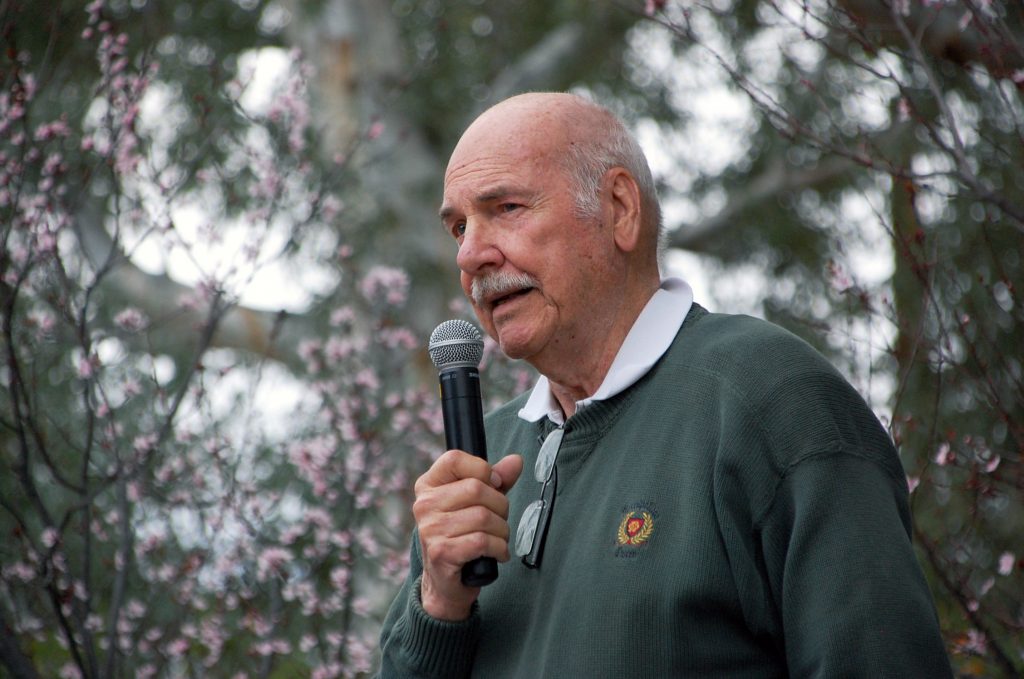
Michael Chiago speaking to attendees at the WNPA event about his work as an artist.

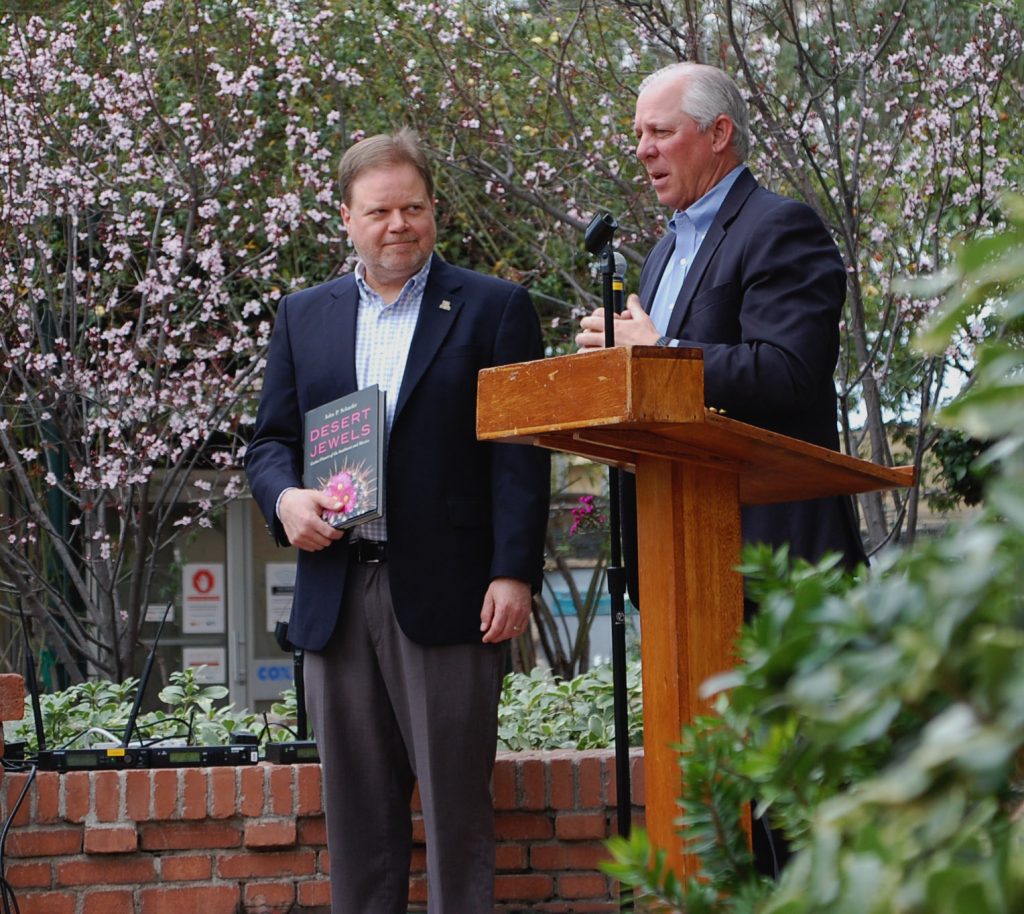
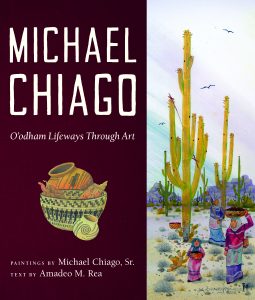
On Thursday, August 25, 2022, the Western National Parks Association and the University of Arizona Press co-hosted an event to celebrate the launch of Michael Chiago: O’odham Lifeways Through Art with Tohono O’odham artist Michael Chiago at the WNPA headquarters in Oro Valley, Arizona.

From left to right: Wade C. Sherbrooke, Joanna Johnson, and Michael Chiago.

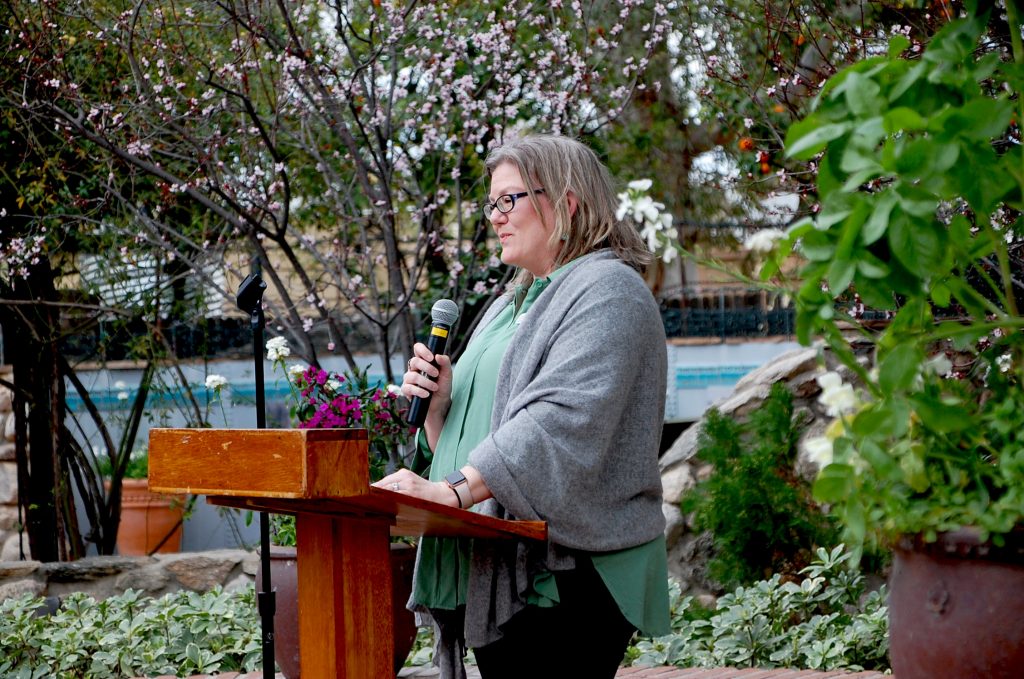
Joanna Johnson, WNPA operations manager, welcomed the audience of book and art lovers, and introduced Wade C. Sherbrooke, a herpetologist who wrote the book’s forward and helped make it a reality.  Chiago spoke to the audience about his work as an artists, the many experiences he’s had in teaching and traveling, and even recalled his military service in Vietnam.

A full-house at the WNPA,enjoying Michael Chiago talking about his work as an artist.

The book, by Chiago and ethnobiologist Amadeo M. Rea, offers an artistic depiction of O’odham lifeways through the paintings of the internationally acclaimed Chiago. Rea collaborated with the artist to describe the paintings in accompanying text, making this unique book a vital resource for cultural understanding and preservation. A joint effort in seeing, this work explores how the artist sees and interprets his culture through his art.

MALCS 2022: Recent Books, Discounts, and More

July 27, 2022

We are thrilled to be participating in the 2022 MALCS Summer Institute! While we can’t make it to the meeting in-person, you’ll be able to find some of our new and recent books on display, our latest catalogs, and special discount slips. Were offering a 30% discount plus free U.S. shipping on all titles when you use the code AZMALCS22 at checkout through 8/31/22.

If you have any questions about our publishing program, visit our proposal guidelines page here, or contact our Editor-in-Chief, Kristen Buckles, at kbuckles@uapress.arizona.edu.

We’re excited to highlight our new series, BorderVisions! BorderVisions engages the U.S.-Mexico borderlands’ dynamic histories and cultures and expands our understanding of the borderlands beyond a site of geopolitical inquiry. This series will publish monographs and edited collections by new and established authors who employ innovative interdisciplinary methodologies on topics reflecting both sides of the U.S.-Mexico border. Read more about the series here, and hear about BorderVisions from series editors Vanessa Fonseca-Chávez and Yvette J. Saavedra in a recorded event here.

Advocating for and demonstrating the importance of an intersectional, multidisciplinary, activist understanding of Chicanas, Intersectional Chicana Feminisms provides a much-needed overview of the key theories, thinkers, and activists that have contributed to Chicana feminisms.

We are thrilled that author Aída Hurtado won the AAHHE Distinguished Author Award, and received an honorable mention for the 2020 NWSA Gloria E. Anzaldúa Book Prize. Intersectional Chicana Feminisms also won a bronze medal for the International Latino Book Awards.

Colonial Legacies in Chicana/o Literature and Culture traces the development of Chicana/o literature and cultural production from the Spanish colonial period to the present. In doing so, it challenges us to look critically at how we simultaneously embody colonial constructs and challenge their legacies.

Read an excerpt from the book here, then listen to author Vanessa Fonseca-Chávez speak about the book on NPR here.

The Chicana M(other)work Anthology is a call to action for justice within and outside academia. This volume brings together emerging scholarship and testimonios by and about self-identified Chicana and Women of Color mother-scholars, activists, and allies who, using an intersectional lens, center mothering as transformative labor.

Learn more about the collection here.

In Pasadena Before the Roses, historian Yvette J. Saavedra shows how Indigenous, Spanish, Mexican, and American groups each have redefined the meanings of land use to build their homes and their lives. This social and cultural history illustrates the interconnectedness of power, ideas of land use, and the negotiation of identity within multiple colonial moments.

We are thrilled that author Yvette Saavedra was awarded the 2019 WHA-Huntington Library Martin Ridge Fellowship!

Divided Peoples addresses the impact border policies have on traditional lands and the peoples who live there—whether environmental degradation, border patrol harassment, or the disruption of traditional ceremonies. Anthropologist Christina Leza shows how such policies affect the traditional cultural survival of Indigenous peoples along the border. The author examines local interpretations and uses of international rights tools by Native activists, counter-discourse on the U.S.-Mexico border, and challenges faced by Indigenous border activists when communicating their issues to a broader public.

Read an article by the author here.

Challenging stereotypes,  Activist Leaders of San José unearths and makes visible lived experiences of Chicana and Latino activists from San José, California, who made contributions to the cultural and civic life of the city. Through oral histories, we see a portrait of grassroots leadership in the twentieth century.

Watch author Josie Méndez-Negrete and Lorena V. Márquez discuss the book and other topics here. We are thrilled that Josie Méndez-Negrete was chosen as the 2021 NACCS Scholar!

The decolonial approaches found in Writing the Goodlife provide rich examples of mutually respectful relations between humans and nature. Ybarra’s book takes on two of today’s most discussed topics: environmentalism and Latina/o population growth. Ybarra shines a light on long-established traditions of environmental thought that have existed in Mexican American literary history for at least 150 years.

Fleshing the Spirit brings together established and new writers to explore the relationships between the physical body, the spirit and spirituality, and social justice activism. The anthology incorporates different genres of writing—such as poetry, testimonials, critical essays, and historical analysis—and stimulates the reader to engage spirituality in a critical, personal, and creative way.

Teaching Gloria E. Anzaldúa provides pedagogical applications of Anzaldúa’s noted theories, including la facultad, the path of conocimiento, and autohistoria, among others. This text provides examples, lesson plans, and activities for scholars, professors, teachers, and community members in various disciplines—such as history, composition, literature, speech and debate, and more—and for those interested in teaching the theories of Gloria Anzaldúa.

Watch editors and contributors to the volume discuss the book here.

Silviana Wood’s teatro has elicited tears and laughter from audiences young and old. Barrio Dreams brings together for the first time the plays of Wood, one of Arizona’s foremost playwrights. Wood is acclaimed locally, regionally, and nationally as a playwright, actor, director, and activist.

Author Silviana Wood was featured on New Books Network podcast. You can listen here.

Meditación Fronteriza is a beautifully crafted exploration of life in the Texas-Mexico borderlands. Written by award-winning author Norma Elia Cantú, the poems flow from Spanish to English gracefully as they explore culture, traditions, and solidarity.

Read a brief interview with the author here, then watch a conversation with her here. We are thrilled that Meditación Fronteriza won the NACCS Tejas Book Award and that it received an honorable mention for the International Latino Book Award!

Mexican Workers and the Making of Arizona expands our understanding of the critical role played by Mexican and Mexican American laborers in making Arizona a prominent and influential state in the Southwest and beyond.

Read an excerpt from the book here.
To offer testimonio is inherently political, a vehicle that counters the hegemony of the state and illuminates the repression and denial of human rights. Claiming Home, Shaping Community offers the testimonios from and about the lives of Mexican-descent people who left rural agricultural valles, specifically the Imperial and the San Joaquín Valleys, to pursue higher education at a University of California campus. Through telling their stories, the contributors seek to empower others on their journeys to and through higher education.

Letras y Limpias is the first book to explore the literary significance of the curandera. It offers critical new insights about how traditional medicine and folk healing underwrite Mexican American literature. Amanda Ellis traces the significance of the curandera and her evolution across a variety of genres written by Mexican American authors such as Gloria E. Anzaldúa, Manuel Munoz, ire’ne lara silva, and more.

Cultura y Corazón is a cultural approach to research that requires a long-term commitment to community-based and engaged research methodologies. This book presents case studies in the fields of education and health that recognize and integrate communities’ values, culture, and funds of knowledge in the research process.

Reclaiming and reconstructing one’s spirituality based on non-Western epistemologies is central to the process of decolonization. Voices from the Ancestors brings together reflective writings and spiritual practices by Chicanx, Latinx, and Afro-Latinx womxn and male allies in the United States who seek to heal from the historical traumas of colonization by returning to ancestral traditions and knowledge.

Read brief interviews with the editors here and here.

Through in-depth interviews and focus groups with both Mexicana/o and Chicana/o students, Cynthia Bejarano explores such topics as the creation of distinct styles that reinforce differences between the two groups; the use of language to further distinguish themselves from one another; and social stratification perpetuated by internal colonialism and the “Othering” process. These and other issues are shown to complicate how Latinas/os ethnically identify as Mexicanas/os or Chicanas/os and help explain how they get to this point.

Poem from Raquel Salas Rivera’s ‘x/ex/exis’ Used in Pride Month Event Celebrating Brahms

July 27, 2022

Byron Schenkman and Friends’ Pride Month event, “A Double Portrait: Johannes Brahms & Jonathan Woody”, premiered on June 26. This concert, an intimate, Pride-friendly celebration of Brahms’ music, features two of Jonathan Woody’s works, including the world premiere of ‘nor shape of today’ for voice, viola, and piano set to text by poet Raquel Salas Rivera from his Ambroggio Prize-winner x/ex/exis: poemas para la nación.

Written in the early days of the rise of world-wide fascism and the poet’s gender transition, x/ex/exis: poemas para la nación/poems for the nation accepts the invitation to push poetic and gender imaginaries beyond the bounds set by nation.

From teen dysphoria, to the incarceration of anticolonial activists Oscar López and Nina Droz Franco, to the entanglement of church and state, these poems acknowledge the violence of imposed binaries. For Salas Rivera, the marks Puerto Rican transness in a world that seeks trans death, denial, and erasure. Instead of justifying his existence, he takes up the flag of illegibility and writes an apocalyptic book that screams into an uncertain future, armed with nothing to lose.

For more on the celebration:

Here is the concert:

Latina/o Studies Association 2022: Recent Books, Discounts, and More

July 11, 2022

We are so thrilled to be participating in the 2022 Latina/o Studies Association conference in South Bend, Indiana! Be sure to visit our tables to browse our latest Latinx studies titles and speak with our Editor-in-Chief, Kristen Buckles! If you happen to miss her at the conference, send her a message at kbuckles@uapress.arizona.edu if you have questions about our publishing program.

We are happy to be offering a 30% discount with free U.S. shipping until 8/15/2022. Use the code AZLSA22 at checkout!

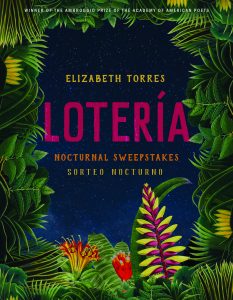
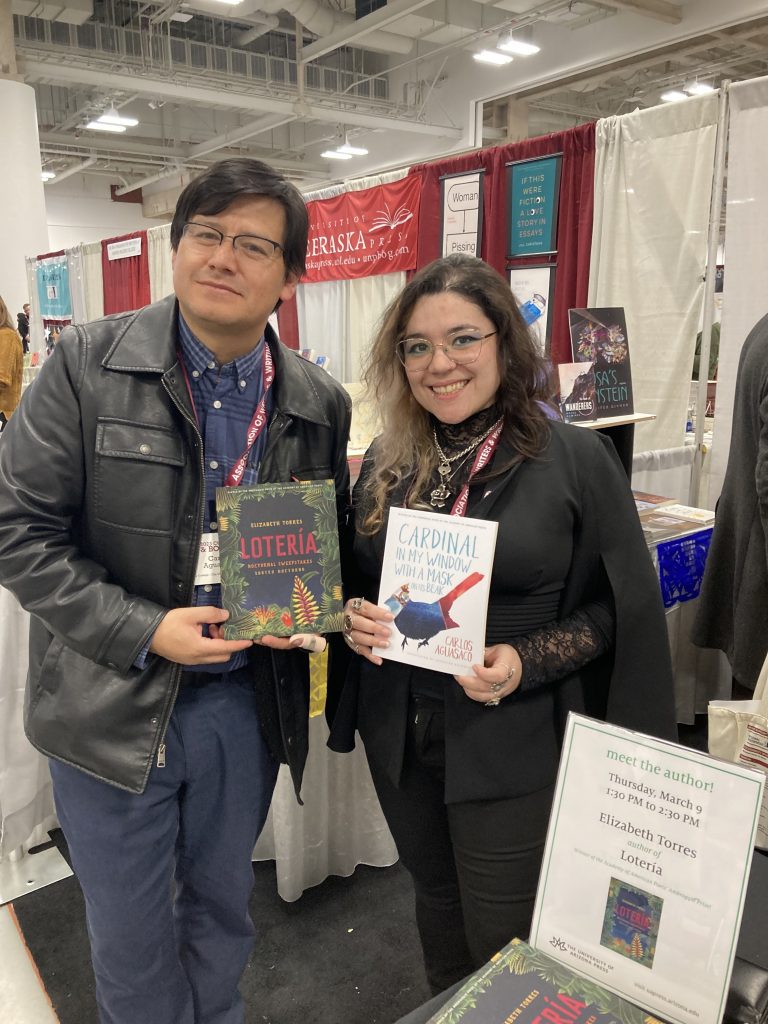
Winner of the 2021 Ambroggio Prize of the Academy of American Poets

Cardinal in My Window with a Mask on Its Beak offers the insightful voice of a first-generation immigrant to the United States in both Spanish and English. The poems, both fantastical and real, create poetic portraits of historical migrants, revealing shocking and necessary insights into humanity while establishing a transatlantic dialogue with the great voices of the Spanish Renaissance.

We are thrilled that Cardinal in My Window with a Mask on Its Beak received an honorable mention for the International Latino Book Awards!

Latinx TV in the Twenty-First Century offers an expansive and critical look at contemporary television by and about U.S. Latinx communities. This volume unpacks the negative implications of older representation and celebrates the progress of new representation, all while recognizing that television still has a long way to go.

Watch a special conversation series between the contributors to the book here, then watch editor Frederick Luis Aldama (Professor Latinx) and Mighty Peter talk about their top 5 Latinx TV shows here.

Latinx Teens examines how Latinx teenagers influence twenty-first-century U.S. popular culture. The book explores the diverse ways that contemporary mainstream film, television, theater, and young adult literature invokes, constructs, and interprets adolescent Latinidad.

Read a brief interview with authors Trevor Boffone and Cristina Herrera here.

We are so thrilled that Latinx Teens received an honorable mention for the International Latino Book Award!

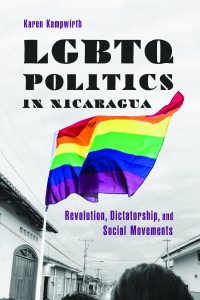
LGBTQ Politics in Nicaragua provides the previously untold history of the LGBTQ community’s emergence as political actors—from revolutionary guerillas to civil rights activists. This is a story of struggle and defeat, progress and joy.

The Book of Wanderers is a dynamic short story collection that shows readers what a family of luchadores, a teen on the run, a rideshare driver, a lucid dreamer, a migrant worker in space, a mecha soldier, and a zombie-and-neo-Nazi fighter can have in common. Reyes Ramirez takes readers on a journey through Houston, across dimensions, and all the way to Mars with riveting stories that unpack what it means to be Latinx in contemporary—and perhaps future—America.

Read a brief interview with the author here!

In 1981, Chicana feminist intellectuals Cherríe Moraga and Gloria Anzaldúa published what would become a foundational legacy for generations of feminist women of color—the seminal This Bridge Called My Back: Writings by Radical Women of Color. To celebrate and honor this important work, editors gloria j. wilson, Joni B. Acuff, and Amelia M. Kraehe offer new generations A Love Letter to This Bridge Called My Back.

Read an excerpt from the book here!

In The Sound of Exclusion, Christopher Chávez critically examines National Public Radio’s professional norms and practices that situate white listeners at the center while relegating Latinx listeners to the periphery. By interrogating industry practices, we might begin to reimagine NPR as a public good that serves the broad and diverse spectrum of the American public.

Read an excerpt from the book here, then listen to two different interviews with the author here and here. Read an op-ed from the author here, then watch a recorded event that features the book here.

We are thrilled that The Sound of Exclusion received an honorable mention for the International Latino Book Awards!

Land Uprising reframes Indigenous land reclamation as a horizon to decolonize the settler colonial conditions of literary, intellectual, and activist labor. Simón Ventura Trujillo argues that land provides grounding for rethinking the connection between Native storytelling practices and Latinx racialization across overlapping colonial and nation-state forms.

Listen to Simón Ventura Trujillo and Vick Quezada discuss the project here. We are thrilled that Land Uprising received an honorable mention for the MLA Prize in United States Latina and Latino and Chicana and Chicano Literary and Cultural Studies!

Letras y Limpias is the first book to explore the literary significance of the curandera. It offers critical new insights about how traditional medicine and folk healing underwrite Mexican American literature. Amanda Ellis traces the significance of the curandera and her evolution across a variety of genres written by Mexican American authors such as Gloria E. Anzaldúa, Manuel Munoz, ire’ne lara silva, and more.

Empowered! examines Arizona’s recent political history and how it has been shaped and propelled by Latinos. This book shows how Latinos are mobilizing to counter proposals for Draconian immigration laws with new and innovative approaches.

Read a brief interview wit Lisa Magaña here, then watch the authors discuss the book here.

Count is a powerful book-length poem that reckons with the heartbreaking reality of climate change. With sections that vary between poetry, science, Indigenous storytelling, numerical measurement, and narration, Valerie Martínez’s new work results in an epic panorama infused with the timely urgency of facing an apocalyptic future.

Read a brief interview with the poet here, then watch a recording of a book celebration event for Count here.

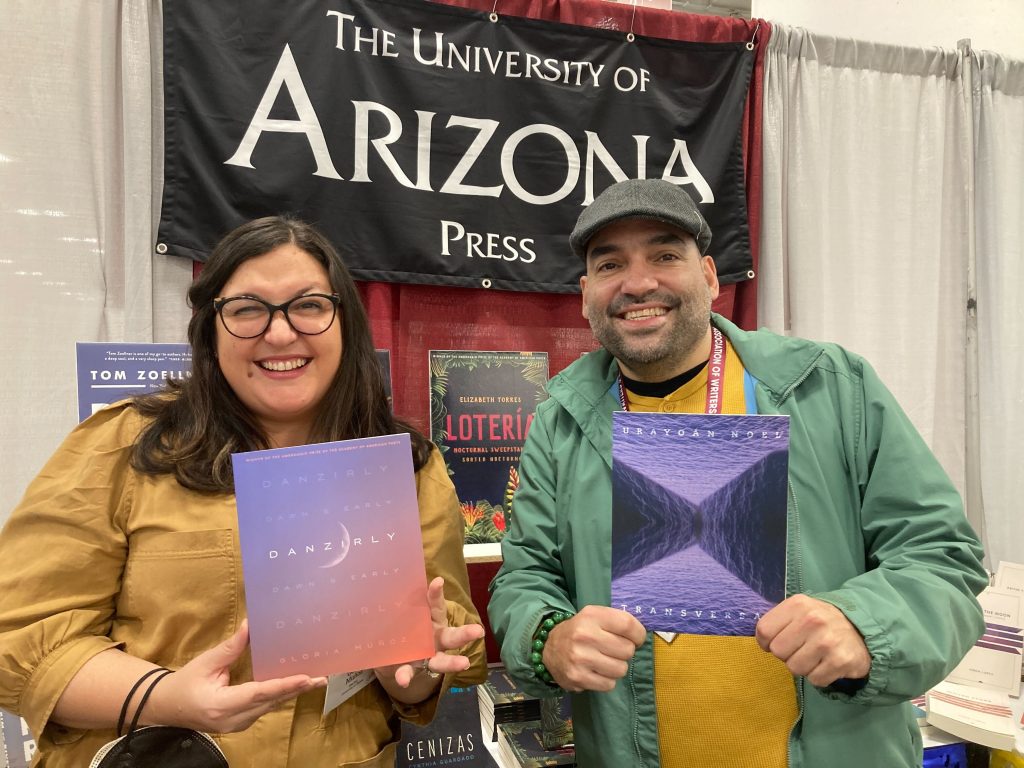
Danzirly is a stunning bilingual poetry collection that considers multigenerational Latinx identities in the rapidly changing United States. Winner of the Academy of American Poets’ Ambroggio Prize, Gloria Muñoz’s collection is an unforgettable reckoning of the grief and beauty that pulses through twenty-first-century America.

Watch the poet read from her collection here!

We are thrilled that Danzirly is the gold-medal winner of the 2021 Florida Book Awards poetry section, and Danzirly also received an honorable mention for the 2021 Foreword INDIES awards!

Transversal takes a groundbreaking, disruptive approach to poetic translation, opening up alternative ways of reading as poems get translated or transcreated into entirely new pieces. In this collection, Urayoán Noel masterfully examines his native Puerto Rico and the broader Caribbean as sites of transversal poetics and politics.

Read a brief interview with the poet here, then watch him read from Transversal here and present at New York Public Library’s World Literature Festival here.

We are thrilled that Transversal was on the longlist for the 2022 PEN American Open Book Award, and that it was also chosen by New York Public Library as one of the Best Books of 2021!

Deuda Natal finds the beauty within vulnerability and the dignity amidst precariousness. As one of the most prominent voices in Puerto Rican poetry, Mara Pastor uses the poems in this new bilingual collection to highlight the way that fundamental forms of caring for life—and for language—can create a space of poetic decolonization.

Watch poet Mara Pastor in conversation with Siomara España at International Literature Festival here, then watch the poet read from her collection here.

UNDOCUMENTS is an expansive multi-genre exploration of Greater Mexican documentality that reveals the complicated ways all Latinx peoples, including the author, become objectified within cultures. John-Michael Rivera remixes the Florentine Codex and other documents as he takes an intense look at the anxieties and physical detriments tied to immigration.

Read an excerpt from the book here, then listen to other author read from the book here.
We are thrilled that UNDOCUMENTS won a 2021 Eugene M. Kayden Book Award, and that John-Michael Rivera was awarded by the Carolyn Woodward Pope Endowment for UNDOCUMENTS!

Colonial Legacies in Chicana/o Literature and Culture traces the development of Chicana/o literature and cultural production from the Spanish colonial period to the present. In doing so, it challenges us to look critically at how we simultaneously embody colonial constructs and challenge their legacies.

Read an excerpt from the book here, then listen to the author on NPR here. Watch the author, Vanessa Fonseca-Chávez, in conversation with other borderlands scholars here, then learn more about her here.
Written in the early days of the rise of world-wide fascism and the poet’s gender transition, x/ex/exis: poemas para la nación/poems for the nation accepts the invitation to push poetic and gender imaginaries beyond the bounds set by nation. For Raquel Salas Rivera, the x marks Puerto Rican transness in a world that seeks trans death, denial, and erasure. Instead of justifying his existence, he takes up the flag of illegibility and writes an apocalyptic book that screams into an uncertain future, armed with nothing to lose.

Read a brief interview with the author here.
We are thrilled that x/ex/exis is a 2022 Lambda Literary Awards finalist!

Border Women and the Community of Maclovio Rojas tells the story of the community’s struggle to carve out space for survival and thriving in the shadows of the U.S.-Mexico geopolitical border. This ethnography by Michelle Téllez demonstrates the state’s neglect in providing social services and local infrastructure. This neglect exacerbates the structural violence endemic to the border region—a continuation of colonial systems of power on the urban, rural, and racialized poor.
We are thrilled that Border Women and the Community of Maclovio Rojas received an honorable mention for the International Latino Book Awards!

Watch: Carlos Vélez-Ibáñez Delivers Inaugural Bazy Tankersley Southwest Laureate Lecture

June 7, 2022

In April, Arizona State University anthropologist and University of Arizona Press author Carlos Vélez-Ibáñez delivered the Inaugural Bazy Tankersley Southwest Laureate Lecture, “The Southwest Northwest Region, a Political Ecology of Cultures and Hegemonies.” Due to the audience enthusiasm the Southwest Center will schedule a second conversation in September.

Vélez-Ibáñez’s latest book with the Press is Reflections of a Transborder Anthropologist: From Netzahualcóyotl to Aztlán, which takes us on a journey of remembering and rediscovery with the anthropologist as he explores his development as a scholar and in so doing the development of the interdisciplinary fields of transborder and applied anthropology. He shows us his path through anthropology as both a theoretical and an applied anthropologist whose work has strongly influenced borderlands and applied research. Importantly, he explains the underlying, often hidden process that led to his long insistence on making a difference in lives of people of Mexican origin on both sides of the border and to contribute to a “People with Histories.”

If you missed the lecture or want to watch it again, you can catch it here:

For Authors

The University of Arizona Press publishes the work of leading scholars from around the globe. Learn more about submitting a proposal, preparing your final manuscript, and publication.
Inquire

Requests

The University of Arizona Press is proud to share our books with readers, booksellers, media, librarians, scholars, and instructors. Join our email Newsletter. Request reprint licenses, information on subsidiary rights and translations, accessibility files, review copies, and desk and exam copies.

Request

Support the Press

Support a premier publisher of academic, regional, and literary works. We are committed to sharing past, present, and future works that reflect the special strengths of the University of Arizona and support its land-grant mission.

Give