NAISA 2022: Recent Books, Discounts, and More

May 6, 2022

The NAISA conference shifted to small, local gatherings this year, but we still want to celebrate our new and recent Native American and Indigenous studies books and offer a discount on all of our great titles. From now until 6/30/2022, use the code AZNAISA22 at checkout for 30% off plus free U.S. shipping.

If you have any questions about our publishing program, visit this page, or contact our Editor-in-Chief Kristen Buckles at kbuckles@uapress.arizona.edu.

Returning Home features and contextualizes the creative works of Diné (Navajo) boarding school students at the Intermountain Indian School, which was the largest federal Indian boarding school between 1950 and 1984. Diné student art and poetry reveal ways that boarding school students sustained and contributed to Indigenous cultures and communities despite assimilationist agendas and pressures.

Watch editors Farina King and Michael P. Taylor talk about the book here, then read an excerpt from the book here.
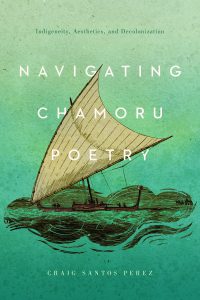
For the first time, Navigating CHamoru Poetry focuses on Indigenous CHamoru (Chamorro) poetry from the Pacific Island of Guåhan (Guam). In this book, poet and scholar Craig Santos Perez navigates the complex relationship between CHamoru poetry, cultural identity, decolonial politics, diasporic migrations, and native aesthetics.

As an Indigenous scholar researching the history and archaeology of his own tribe, Tsim D. Schneider provides a unique and timely contribution to the growing field of Indigenous archaeology, and his book, The Archaeology of Refuge and Recourse, offers a new perspective on the primary role and relevance of Indigenous places and homelands in the study of colonial encounters.

Watch Tsim D. Schneider introduce his new book here, then watch him give a talk on the book here.
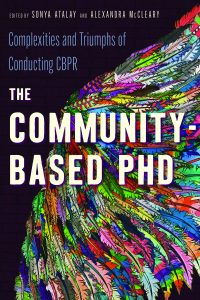
The Community-Based PhD explores the complex and nuanced experience of doing community-based research as a graduate student. Contributors from a range of scholarly disciplines share their experiences with CBPR in the arts, humanities, social sciences, public health, and STEM fields.

See the table of contents here.
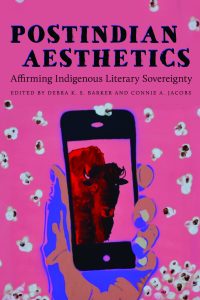
Postindian Aesthetics is a collection of critical, cutting-edge essays on a new generation of Indigenous writers who are creatively and powerfully contributing to a thriving Indigenous literary canon that is redefining the parameters of Indigenous literary aesthetics.

The works featured are inventive and current, and the writers covered are visionaries. The artists covered include Orlando White, LeAnne Howe, Stephen Graham Jones, Deborah Miranda, Heid E. Erdrich, Sherwin Bitsui, and many others.

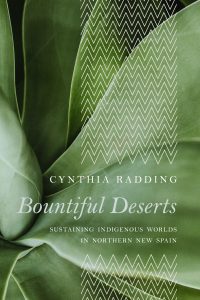
O’odham artist Michael Chiago Sr.’s paintings provide a window into the lifeways of the O’odham people. This book offers a rich account of how Tohono O’odham and Akimel O’odham live in the Sonoran Desert now and in the recent past.

Watch a talk from the artist, Michael Chicago Sr., here.
We are partnering with Western National Parks Association to host a book launch event for this book on August 25, 2022! Read more information here.
Trickster Academy is a collection of poems that explore the experience of being Native in Academia—from land acknowledgement statements, to mascots, to the histories of using Native American remains in anthropology. This collection illuminates the shared experiences of Indians across many regions, and all of us who live amongst Tricksters.

“With wry humor moistening the margins of her poems, Jenny Davis showcases how her Indigenous people have become experts in sorrow and seethe.”—Matt Sutherland, Foreword Reviews

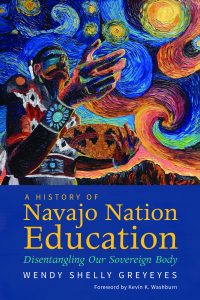
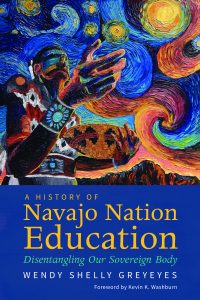
On the heels of the fiftieth anniversary of the founding of the Department of Diné Education, this important education history explains how the current Navajo educational system is a complex terrain of power relationships, competing agendas, and jurisdictional battles influenced by colonial pressures and tribal resistance. In providing the historical roots to today’s challenges, A History of Navajo Nation Education by Wendy Shelly Greyeyes clears the path and provides a go-to reference to move discussions forward.
Read a brief interview with the author here.

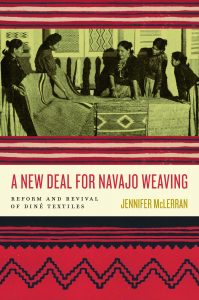
A New Deal for Navajo Weaving provides a history of early to mid-twentieth-century Diné weaving projects by non-Natives who sought to improve the quality and marketability of Diné weaving but in so doing failed to understand the cultural significance of weaving and its role in the lives of Diné women.

Challenging the distinctions between “old” and “new” media and narratives about the deprecation of orality in favor of inscribed forms, The Maya Art of Speaking Writing draws from Maya concepts of tz’ib’ (recorded knowledge) and tzij, choloj, and ch’owen (orality) to look at expressive work across media and languages.

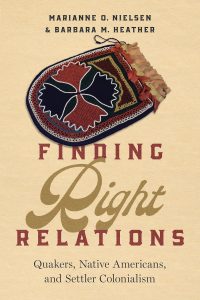
Centering on the relationship between Quaker colonists and the Lenape people, Finding Right Relations explores the contradictory position of the Quakers as both egalitarian, pacifist people, and as settler colonists. This book explores major challenges to Quaker beliefs and resulting relations with American Indians from the mid-seventeenth century to the late nineteenth century. It shows how the Quakers not only failed to prevent settler colonial violence against American Indians but also perpetuated it.

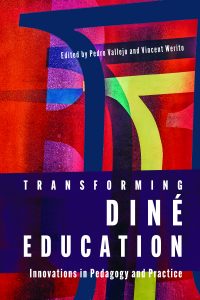
Transforming Diné Education honors the perspectives and voices of Diné educators in culturally relevant education, special education, Diné language revitalization, well-being, tribal sovereignty, self-determination in Diné education, and university-tribal-community partnerships. The contributors offer stories about Diné resilience, resistance, and survival by articulating a Diné-centered pedagogy and politics for future generations.

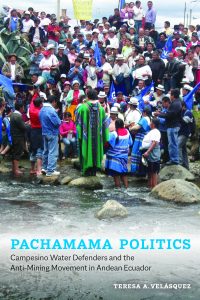
Pachamama Politics examines how campesinos came to defend their community water sources from gold mining upstream and explains why Ecuador’s “pink tide” government came under fire by Indigenous and environmental rights activists.

“This is a brilliant ethnography of Indigenous anti-mining movements in Ecuador from an activist-scholar who has spent decades working with social movements and learning from them.”—Nicole Fabricant, author of Mobilizing Bolivia’s Displaced: Indigenous Politics and the Struggle over Land

LASA 2022: Recent Books, Discounts, and More

April 29, 2022

We are thrilled to be participating in the virtual LASA Congress! This year’s theme is: Polarización socioambiental y rivalidad entre grandes potencias, or Socio-environmental polarization and rivalry between great powers. If you are participating in the virtual congress, we invite you to visit the virtual exhibit hall and explore our latest titles here. We have also compiled our new and recent Latin American Studies books for you to learn more about below.

We are currently offering a 30% discount with free U.S. shipping when you use the code AZLASA22 at checkout. This discount is valid through 6/15/2022.

To learn more about our publishing program, visit this page, or contact our Editor-in-Chief, Kristen Buckles, at kbuckles@uapress.arizona.edu.

Museum Matters tells the story of Mexico’s national collections through the trajectories of its objects. The essays in this book show the many ways in which things matter and affect how Mexico imagines its past, present, and future.

Watch the book trailer, featuring editors Miruna Achim, Susan Deans-Smith, and Sandra Rozental, here.

This book contextualizes the discovery of a Venus astronomical pattern by a female Mayan astronomer at Chich’en Itza and the discovery’s later adaptation and application at Mayapan. Calculating Brilliance by Gerardo Aldana brings different intellectual threads together across time and space, from the Classic to the Postclassic, the colonial period to the twenty-first century to offer a new vision for understanding Mayan astronomy.

Postcards have a magical pull. They allow us to see the past through charming relics that allow us to travel back in time. Daniel D. Arreola’s Postcards from the Baja California Border offers a window into the historical and geographical past of storied Mexican border communities. Once-popular tourist destinations from the 1900s through the 1950s, the border communities explored in Postcards from the Baja California Border used to be filled with revelers, cabarets, curio shops, and more. The postcards in this book show the bright and dynamic past of California’s borderlands while diving deep into the historic and geographic significance of the imagery found on the postcards.

Take a look inside of the book here.

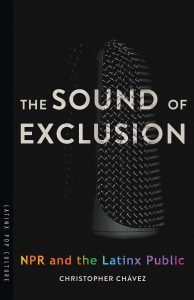
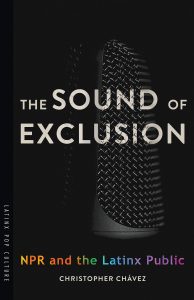
In The Sound of Exclusion, Christopher Chávez critically examines National Public Radio’s professional norms and practices that situate white listeners at the center while relegating Latinx listeners to the periphery. By interrogating industry practices, we might begin to reimagine NPR as a public good that serves the broad and diverse spectrum of the American public.

Read an interview with the author by NiemanLab here, and listen to the New Books Network podcast about the book here. Read an op-ed by the author featured on the Latinx Project here, and an excerpt from the book shared by Current here.

Drug Wars and Covert Netherworlds describes the history of Mexican narco cartels and their regional and organizational trajectories and differences. Covering more than five decades, sociologist James H. Creechan unravels a web of government dependence, legitimate enterprises, and covert connections.

Watch the author talk about his book to Osher Lifelong Learning Institute members here.

The Beloved Border is a potent and timely report on the U.S.-Mexico border. Though this book tells of the unjust death and suffering that occurs in the borderlands, Miriam Davidson gives us hope that the U.S.-Mexico border could be, and in many ways already is, a model for peaceful coexistence worldwide.

Watch the author talk about her book to Osher Lifelong Learning Institute members here. Read an op-ed by the author in The Progressive here, then read an excerpt from the book here. Read a brief interview with Davidson here.

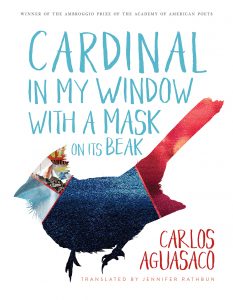
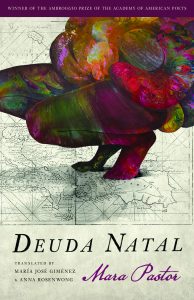
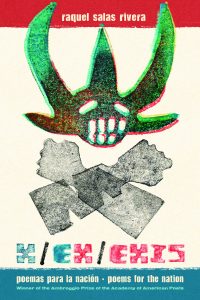
Winner of the Ambroggio Prize of the Academy of American Poets.

Deuda Natal finds the beauty within vulnerability and the dignity amidst precariousness. As one of the most prominent voices in Puerto Rican poetry, Mara Pastor uses the poems in this new bilingual collection to highlight the way that fundamental forms of caring for life—and for language—can create a space of poetic decolonization. This collection was translated by María José Giménez and Anna Rosenwong.

Watch poet Mara Pastor in conversation with Siomara España at the International Literature Festival here. Deuda Natal was featured by Orion Magazine during Latinx Heritage Month! Read about it here.

Latin American Immigration Ethics advances philosophical conversations and debates about immigration by theorizing migration from the Latin American and Latinx context. Following an extended period of near silence on the subject, many social and political philosophers are now treating immigration as a central theme of the discipline. For the first time, this edited volume brings together original works by prominent philosophers writing about immigration ethics from within a Latin American context.

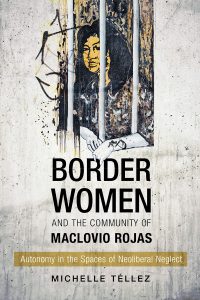
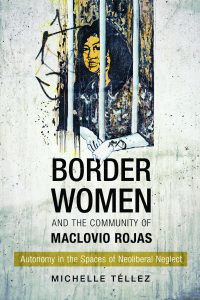
Near Tijuana, Baja California, the autonomous community of Maclovio Rojas demonstrates what is possible for urban place-based political movements. Border Women and the Community of Maclovio Rojas tells the story of the community’s struggle to carve out space for survival and thriving in the shadows of the U.S.-Mexico geopolitical border. This ethnography by Michelle Téllez demonstrates the state’s neglect in providing social services and local infrastructure.

Listen to a New Books Network interview with the author here. We held a wonderful celebration for the book in Tucson, read about it here!

Winnow of the Ambroggio Prize of the Academy of American Poets.

Cardinal in My Window with a Mask on Its Beak by Carlos Aguasaco offers the insightful voice of a first-generation immigrant to the United States in both Spanish and English. The poems, both fantastical and real, create poetic portraits of historical migrants, revealing shocking and necessary insights into humanity while establishing a transatlantic dialogue with the great voices of the Spanish Renaissance. This collection was translated by Jennifer Rathbun.

La Bloga highlighted this collection, read about it here.

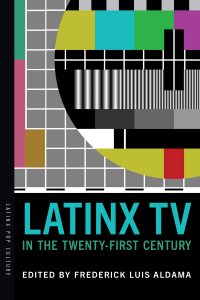
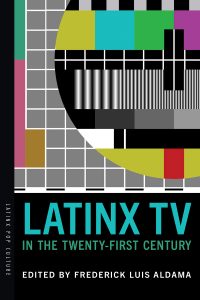
Latinx TV in the Twenty-First Century offers an expansive and critical look at contemporary television by and about U.S. Latinx communities. This volume unpacks the negative implications of older representation and celebrates the progress of new representation, all while recognizing that television still has a long way to go.

Professor Latinx (Frederick Luis Aldama) brought Latinx TV contributors together to celebrate the book in a special video series. Watch it here!

Watch Professor Latinx and Mighty Peter talk about their top five Latinx TV shows here. Aldama was included in a USA Today debate on the use of the word “Latinx”, read more about it here. La Bloga highlighted Latinx TV, read more here.

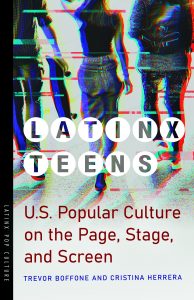
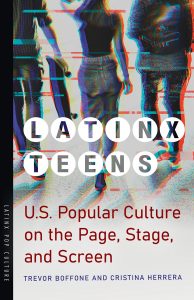
Latinx Teens by Trevor Boffone and Cristina Herrera examines how Latinx teenagers influence twenty-first-century U.S. popular culture. The book explores the diverse ways that contemporary mainstream film, television, theater, and young adult literature invokes, constructs, and interprets adolescent Latinidad.

La Bloga highlighted Latinx Teens, read more here.

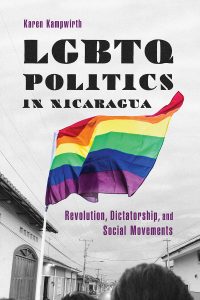
LGBTQ Politics in Nicaragua by Karen Kampwirth provides the previously untold history of the LGBTQ community’s emergence as political actors—from revolutionary guerillas to civil rights activists.
Karen Kampwirth is a renowned scholar of the Nicaraguan Revolution, who has been writing at the intersection of gender and politics for decades. In this chronological telling of the last fifty years of political history in Nicaragua, Kampwirth deploys a critical new lens: understanding politics from the perspective of the country’s LGBTQ community.

Challenging the distinctions between “old” and “new” media and narratives about the deprecation of orality in favor of inscribed forms, The Maya Art of Speaking Writing by Tiffany D. Creegan Miller draws from Maya concepts of tz’ib’ (recorded knowledge) and tzij, choloj, and ch’owen (orality) to look at expressive work across media and languages.

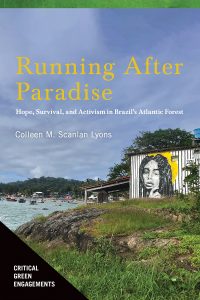
Running After Paradise by Colleen M. Scanlan-Lyons looks at social-environmental activism in one of the world’s most important and threatened tropical forests—Southern Bahia, Brazil. It explores what it means to be in and of a place through the lenses of history, environment, identity, class, and culture. It uncovers not only what separates people but also what brings them together as they struggle and strive to create their individual and collective paradise.

The book takes an intersectional approach to the study of anti-mining struggles and explains how campesino communities and their allies identified with and redeployed Indigenous cosmologies to defend their water as a life-sustaining entity. Pachamama Politics by Teresa A. Velásquez shows why progressive change requires a shift away from the extractive model of national development to a plurinational defense of community water systems and Indigenous peoples and their autonomy.

Now in Paperback!

Soldiers, Saints, and Shamans by Nathaniel Morris documents how and why the Indigenous Náayari, Wixárika, O’dam, and Mexicanero peoples took part in the Mexican Revolution as they struggled to preserve their cultures, lands, and political autonomy in the face of civil war, bandit raids, and radical political reform. In unpacking the ambiguities that characterize their participation in this tumultuous period, it sheds light on the inner contradictions of the revolution itself.

Watch Nathaniel Morris discuss the book with UCLAmericas here, then read field notes from the book here.
 

Watch: Professor Latinx Brings ‘Latinx TV’ Contributors Together to Celebrate Book in Special Conversation Series

April 19, 2022

Yesterday, Frederick Luis Aldama, aka Professor Latinx, celebrated the launch of Latinx TV in the Twenty-First Century with a virtual convo emceed by Ben Lopez, considered a huge champion of diversity, inclusion and belonging in the entertainment and media industries (and happens to be a University of Arizona graduate).

Joining Aldama and Lopez was Cristina Rivera and William “Memo” Nericcio, Latinx TV contributors. The new book, published by the University of Arizona Press and edited by Aldama, brings together leading experts who show how Latinx TV is shaped by historical, social, cultural, regional, and global contexts. Contributors address head on harmful stereotypes in Latinx representation while giving key insights to a positive path forward.

The launch was part of a virtual countdown of conversations between Aldama and Latinx TV contributors posted on the University of Arizona Press’s Twitter and Facebook accounts. Latinx TV is also part of the Press’s Latinx Pop Culture Series, co-edited by Aldama and Arturo J. Aldama. The first chat of the launch series, begn Thursday, April 14 with Mauricio Espinoza and Jim Miranda:

Next on the countdown with Aldama on Friday, April 15 were contributors Irma J. Zamora Fuerte and Carlos Gabriel Kelly González:

Stacey Alex, Mathew Sandoval, and Katlin Sweeny joined Aldama on Monday, April 18 for another Latinx TV convo:

On Tuesday, April 19, followers were given some extra with a bonus convo featuring contributors José Muñoz and Ryan Rashotte before the official launch:

Aldama also got to the heart of the goals and purpose of Latinx TV in an article that came out yesterday in Latinx Spaces:

At the Academy Awards 2022 Ariana DeBose steps up to receive one of those coveted gold statuettes. She invites the audience to celebrate with her as “an openly queer Afrolatina who found strength in life and art.” She opens her arms to everyone who has been forced to “live in those gray spaces.” Audiences around the country let leak tears of joy, celebrating Ariana, LGBTQ+, and Afrolatinx representation. 

We did the same when Afrolatino Jharrel Jerome gave his “te quiero” shout outs to his mamá and papá at the 2019 Emmys. On both occasions, we replenished our wells of hope, thinking that maybe now the Media Industrial Complex would finally pay attention to representation of Latinx peoples in all our richness and complexity.

While optimistic, we remain rightfully weary as we continue to carry the huge weight of our continued skepticism. 

Read the entire article here.

Big thanks to Professor Latinx for bringing these brilliant contributors together to celebrate the book’s publication!

SAA 2022 Recap!

April 14, 2022

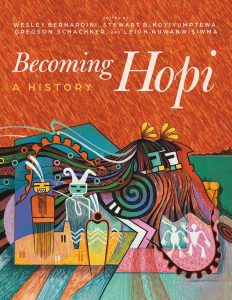
We really enjoyed attending SAA in Chicago this spring! We got to reconnect with so many authors we haven’t seen in years, meet new archaeologists, and talk about our beautiful books with so many scholars. We also had the great honor of attending the award ceremony, where Becoming Hopi was awarded the SAA Scholarly Book Award! We got some great photos of our authors with their books. Take a look below.

Wesley Bernardini with his SAA Scholarly Book Award-winning book, Becoming Hopi!
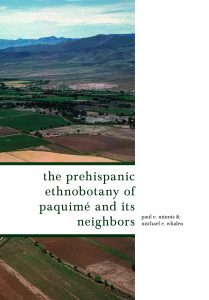
Paul Minnis posed with ALL of his UA Press books, including his newest book Famine Foods.
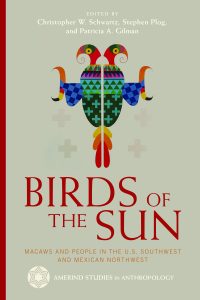
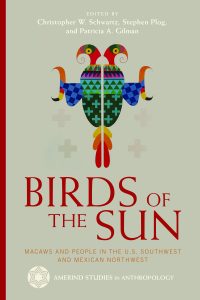
Patricia Gilman with her co-edited volume, Birds of the Sun.
Christopher Schwartz with his co-edited volume, Birds of the Sun.
Todd Surovell with his new UA Press book, Barger Gulch.
Alexandra McCleary with a poster of her new UA Press book, The Community-Based PhD.
John Douglass with his co-edited volume, The Global Spanish Empire.
You can’t visit Chicago without snapping a picture of the Bean! (And yes, we know it’s actually called Cloud Gate.)
The views from Lake Michigan are stunning. Thanks, Chicago!

Watch: Book Celebration for ‘American Indian Studies: Native PhD Graduates Gift Their Stories’

April 11, 2022

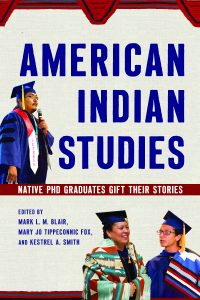
The University of Arizona Press hosted a virtual book celebration on Wednesday, April 6, 2022 with the editors and contributors of American Indian Studies: Native PhD Graduates Gift Their Stories, an important book on the University of Arizona’s American Indian Studies (AIS) doctoral program, the first such program of its kind detailing student stories of endurance and resiliency, hardship and struggle, and accomplishment and success

Joining the editors and contributors was Kristen Buckles, University of Arizona Press editor-in-cheif, and Matthew Sakiestewa Gilbert, head of Department of American Indian Studies. The event was a beautiful reunion, full of emotional stories that link each graduate and this PhD program.

Virtual NACCS 2022: Recent Books, Conference Discounts, and More

March 30, 2022

We are thrilled to be participating in the virtual NACCS annual conference from April 20-23, 2022! This conference will be celebrating 50 years of activist scholarship, and we have some incredible new books from these scholars for you to browse. Use the code AZNACCS22 for 30% off all titles, plus free U.S. shipping, through 5/31/22.

If you have questions about our publishing program, please visit this page, or contact our Editor-in-Chief, Kristen Buckles, at KBuckles@uapress.arizona.edu.

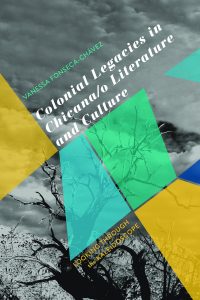
We have an exciting new series at the University of Arizona Press! BorderVisions engages the U.S.-Mexico borderlands’ dynamic histories and cultures and expands our understanding of the borderlands beyond a site of geopolitical inquiry. This series will publish monographs and edited collections by new and established authors who employ innovative interdisciplinary methodologies on topics reflecting both sides of the U.S.-Mexico border. To learn more about the series from editors Vanessa Fonseca-Chávez and Yvette J. Saavedra, watch this video.

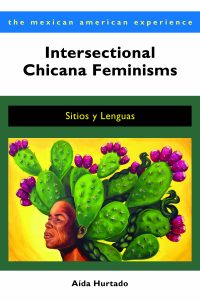
We are incredibly honored to announce that two University of Arizona Press books received honorable mentions for the NACCS Book Award this year! Congratulations to Aída Hurtado with Intersectional Chicana Feminisms: Sitios y Lenguas and Lorena V. Márquez with La Gente: Struggles for Empowerment and Community Self-Determination in Sacramento. You can learn more about their books below.

Intersectional Chicana Feminisms provides a much-needed overview of the key theories, thinkers, and activists that have contributed to Chicana feminist thought. Aída Hurtado, a leading Chicana feminist and scholar, traces the origins of Chicanas’ efforts to bring attention to the effects of gender in Chicana and Chicano studies. Highlighting the innovative and pathbreaking methodologies developed within the field of Chicana feminisms—such as testimonio, conocimiento, and autohistoria—this book offers an accessible introduction to Chicana theory, methodology, art, and activism.

La Gente traces the rise of the Chicana/o Movement in Sacramento and the role of everyday people in galvanizing a collective to seek lasting and transformative change during the 1960s and 1970s. In their efforts to be self-determined, la gente contested multiple forms of oppression at school, at work sites, and in their communities. Historian Lorena V. Márquez documents early community interventions to challenge the prevailing notions of desegregation by barrio residents, providing a look at one of the first cases of outright resistance to desegregation efforts by ethnic Mexicans.

New and Recent Books

Weaving together archaeology, mathematics, history, and astronomy, Calculating Brilliance brings to light the discovery by a female Mayan astronomer, which is recorded in the Venus Table of the Dresden Codex. As the book demonstrates, this brilliant discovery reverberated throughout Mayan science. But it has remained obscured to modern eyes.

Postcards have a magical pull. They allow us to see the past through charming relics that allow us to travel back in time. Daniel D. Arreola’s Postcards from the Baja California Border offers a window into the historical and geographical past of storied Mexican border communities. Once-popular tourist destinations from the 1900s through the 1950s, the border communities explored in Postcards from the Baja California Border used to be filled with revelers, cabarets, curio shops, and more. The postcards in this book show the bright and dynamic past of California’s borderlands while diving deep into the historic and geographic significance of the imagery found on the postcards.

In The Sound of Exclusion, Christopher Chávez critically examines how National Public Radio conceptualizes the Latinx listener, arguing that NPR employs a number of industry practices that secure its position as a white public space while relegating Latinx listeners to the periphery. These practices are tied to a larger cultural logic. Latinx identity is differentiated from national identity, which can be heard through NPR’s cultivation of an idealized dialect, situating whiteness at its center.

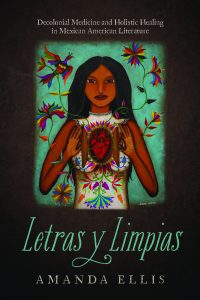
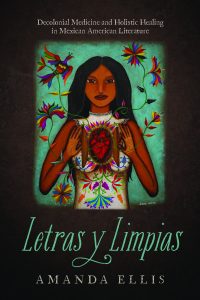
Letras y Limpias is the first book to explore the literary significance of the figure of the curandera within Mexican American literature. Amanda Ellis traces the significance of the curandera and her evolution across a variety of genres written by leading Mexican American authors, including Américo Paredes, Rudolfo Anaya, Gloria E. Anzaldúa, Manuel Munoz, ire’ne lara silva, and more.

Latin American Immigration Ethics advances philosophical conversations and debates about immigration by theorizing migration from the Latin American and Latinx context. The volume, which includes contributions that explore the moral challenges of immigration that either arise within Latin America, or when Latin Americans and Latina/o/xs migrate to and reside within the United States, is now available Open Access.

Near Tijuana, Baja California, the autonomous community of Maclovio Rojas demonstrates what is possible for urban place-based political movements. More than a community, Maclovio Rojas is a women-led social movement that works for economic and political autonomy to address issues of health, education, housing, nutrition, and security. Border Women and the Community of Maclovio Rojas tells the story of the community’s struggle to carve out space for survival and thriving in the shadows of the U.S.-Mexico geopolitical border.

Cardinal in My Window with a Mask on Its Beak takes readers on a journey through poetic portraits, exploring the lives of passionate social justice advocates and historical migrants such as Ota Benga, Sarah Baartman, Isidro Marcelino Orbés, César Vallejo, and Gertrude Stein, among others. Raw and unapologetic, the poems in this bilingual collection ask readers to question their role in today’s society. The verses press the reader to examine what it means to have social justice in our globalized world, as Carlos Aguasaco confronts how society treats the Other—be that the immigrant, the Indigenous person, or anyone who embodies Otherness.

Latinx TV in the Twenty-First Century offers an expansive and critical look at contemporary television by and about U.S. Latinx communities. This volume is comprehensive in its coverage while diving into detailed and specific examples as it navigates the complex and ever-changing world of Latinx representation and creation in television. In this volume, editor Frederick Luis Aldama brings together leading experts who show how Latinx TV is shaped by historical, social, cultural, regional, and global contexts.

What can Latinx youth contribute to critical conversations on culture, politics, identity, and representation? Latinx Teens answers this question and more by offering an energetic, in-depth look at how Latinx teenagers influence twenty-first-century U.S. popular culture. In this exciting new book, Trevor Boffone and Cristina Herrera explore the diverse ways that contemporary mainstream film, television, theater, and young adult literature invokes, constructs, and interprets adolescent Latinidad. Latinx Teens shows how coming-of-age Latinx representation is performed in mainstream media, and how U.S. audiences consume Latinx characters and stories.

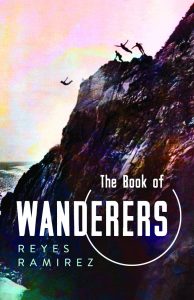
What do a family of luchadores, a teen on the run, a rideshare driver, a lucid dreamer, a migrant worker in space, a mecha soldier, and a zombie-and-neo-Nazi fighter have in common? Reyes Ramirez’s dynamic short story collection follows new lineages of Mexican and Salvadoran diasporas traversing life in Houston, across borders, and even on Mars. In The Book of Wanderers themes of wandering weave throughout each story, bringing feelings of unease and liberation as characters navigate cultural, physical, and psychological separation and loss from one generation to the next in a tumultuous nation.

In 1981, Chicana feminist intellectuals Cherríe Moraga and Gloria Anzaldúa published what would become a touchstone work for generations of feminist women of color—the seminal This Bridge Called My Back: Writings by Radical Women of Color. To celebrate and honor this important work, editors gloria j. wilson, Joni B. Acuff, and Amelia M. Kraehe offer new generations A Love Letter to This Bridge Called My Back. In A Love Letter, creators illuminate, question, and respond to current politics, progressive struggles, transformations, acts of resistance, and solidarity, while also offering readers a space for renewal and healing. The central theme of the original Bridge is honored, exposing the lived realities of women of color at the intersections of race, class, gender, ethnicity, and sexuality, advancing those early conversations on what it means to be Third World feminist conscious.

AWP 2022 Recap!

March 30, 2022

We had a truly wonderful time at AWP in Philadelphia, our first in-person conference in a very long time! Getting to spend time with our authors, meet new writers, and talk about our amazing books with conference goers is always the perfect way to spend a week. We got some great photos of our authors with their books. Take a look below.

It was wonderful to see Reyes Ramirez, who held a signing at our booth for his new work, The Book of Wanderers!
We were so happy to see Esther Belin, who is pictured here with The Diné Reader.
We had a great time hosting Carlos Aguasaco and Jennifer Rathbun’s book signing at our booth!
We loved talking to Julie Swarstad Johnson, co-editor of Beyond Earth’s Edge.
It was great to see Casandra López again, author of Brother Bullet.
We were happy to say hello to Carmen Giménez Smith, author of Milk and Filth!
Philadelphia was a gorgeous city for AWP.
If you can’t find us, we’re probably at the bookstore!

Society for Linguistic Anthropology: Recent Books, Discounts, and More

March 28, 2022

We are excited to participate in the Society for Linguistic Anthropology spring conference! You can browse our books at an un-staffed table at the in-person conference in Boulder, Colorado, or you can learn more about our recent titles by visiting our virtual booth or reading the information below. Use the code AZSLA22 for 30% off all titles, plus free U.S. shipping, until 5/15/22.

If you have questions about our publishing program, visit this page or contact our Senior Editor, Allyson Carter, PhD, at ACarter@uapress.arizona.edu.

Revitalization Lexicography by Patricia M. Anderson is a unique look under the hood of lexicography in a small community, highlighting how the creation of the Tunica dictionary was intentionally leveraged to shape the revitalization of the Tunica language. It details both the theoretical and the practical aspects that contributed to the Tunica dictionary in manner compelling to readers from all walks of life.

Why can’t a Quechua speaker wear pants? Anna M. Babel uses this question to open an analysis of language and social structure at the border of eastern and western, highland and lowland Bolivia. Between the Andes and the Amazon opens new ways of thinking about what it means to be a speaker of an indigenous or colonial language—or a mix of both.

Naming the World by Andrew M. Cowell is an ethnography of language shift among the Northern Arapaho. It focuses on the often subtle continuities and discontinuities in the society produced by the shift, as well as the diversity of community responses.

Talking Indian explores community, tribal identity, and language during rapid economic and demographic shifts in the Chickasaw Nation. These shifts have dramatically impacted who participates in the semiotic trends of language revitalization, as well as their motivations. Jenny L. Davis uncovers how such language processes are intertwined with economic growth.

Talking Indian won the Beatrice Medicine Award for Best Monograph in American Indian Studies in 2019!

Language, Coffee, and Migration on an Andean-Amazonian Frontier by Nicholas Q. Emlen takes us to remote Amazonian villages, dusty frontier towns, roadside bargaining sessions, and coffee traders’ homes to offer a new view of settlement frontiers as they are negotiated in linguistic interactions and social relationships. The book brings together a fine-grained analysis of multilingualism with urgent issues in Latin America today. It is a timely on-the-ground perspective on the agricultural colonization of the Amazon, which has triggered an environmental emergency threatening the future of the planet.

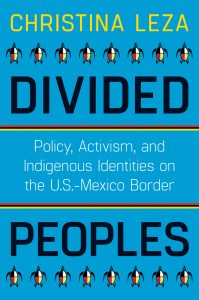
Divided Peoples addresses the impact border policies have on traditional lands and the peoples who live there—whether environmental degradation, border patrol harassment, or the disruption of traditional ceremonies. Anthropologist Christina Leza shows how such policies affect the traditional cultural survival of Indigenous peoples along the border. The author examines local interpretations and uses of international rights tools by Native activists, counter-discourse on the U.S.-Mexico border, and challenges faced by Indigenous border activists when communicating their issues to a broader public.

2022 Tucson Festival of Books: Panels, Signings, and Discounts

March 2, 2022

The University of Arizona Press is gearing up for the Tucson Festival of Books (TFOB), to be held Saturday, March 12, and Sunday, March 13, on the University of Arizona campus in Tucson, Arizona!

TFOB is a major literary event, regularly drawing more than 400 authors from across the country and more than 135,000 attendees. Panels, readings, and other author activities present a fantastic opportunity to hear from talented authors on a wide range of subjects. Visit the TFOB website and the official panel grid to browse the offerings by participant or genre. There are also plenty of book and food vendors, plus lots of family and entertainment activities.

The Press will have a large booth on the mall, and we’ll be selling a wide selection of books at a discount! Make sure to come visit us at booth 238, across from the Modern Languages building. Below, find a list of author signings we’ll be hosting at our booth throughout the weekend of the festival. Plus, see a list of panels that our authors will be participating in. Staff members are moderating panels, as well. We are thrilled that so many of our authors are participating in this year’s Tucson Festival of Books!

Book Signings on Saturday, March 12:

10:00am to 10:30am: David Yetman signing Natural Landmarks of Arizona
11:00am to 11:30am: Daniel Olivas signing The King of Lighting Fixtures
12:00pm to 12:30pm: Miriam Davidson signing The Beloved Border
1:00pm to 1:30pm: Stephen Pyne signing The Great Ages of Discovery
2:00pm to 2:30pm: Editor and contributors of The Diné Reader
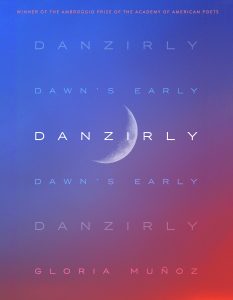
3:00pm to 3:30pm: Carlos Aguasaco signing Cardinal in My Window with a Mask on Its Beak and Gloria Muñoz signing Danzirly

Book Signings on Sunday, March 13:

10:00am to 10:30am: Carolyn Niethammer signing A Desert Feast and Seth Schindler signing Sowing the Seeds of Change
11:00am to 11:30am: Editors and contributors of Becoming Hopi

Panels on Saturday, March 12:

10:00am to 11:00am: The Diné Reader in the Student Union Kiva Room
10:00am to 11:00am: Finding Hope on the Border in the Integrated Learning Center Room 150
11:30am to 12:30pm: Two Views of the Sonoran Desert in the Student Union Tucson Room
11:30am to 12:30pm: Our Climate Counts in the Student Union Kiva Room
11:30am to 12:30pm: Hopi History in the Student Union Santa Rita Room
11:30am to 12:30pm: Reporting from the Homelands on the Nuestras Raíces Stage
1:00pm to 2:00pm: Diné Bizaad is Poetry on the Nuestras Raíces Stage
2:30pm to 3:30pm: Fire! at the Science City Main Stage
2:30pm to 3:30pm: Parables for Our Times at the Integrated Learning Center Room 150

Panels on Sunday, March 13:

10:00am to 11:00am: Exploring Space at the Science City Main Stage
10:00am to 11:00am: Can We Talk About the Border? at the UA Bookstore
11:30am to 12:30pm: Poems from Diné Bikeyah: Navajo Poets and the Land at the Student Union Tucson Room
11:30am to 12:30pm: Arizona Foodways at the Koffler Room 216
11:30am to 12:30pm: Prize-Winning Poets in the Student Union Kiva Room
1:00pm to 2:00pm: Poetry as Protest in the Integrated Learning Center Room 141
1:00pm to 2:00pm: Hopi Voices on Nuestras Raíces Stage
2:30pm to 3:30pm: Our Search for Identity in the Student Union Kiva Room
2:30pm to 3:30pm: To Live and Die en La Ciudad: Chicanx Short Fiction in the Urban Southwest on the Nuestras Raíces Stage

For more details, visit the Festival’s panel grid!

AISA 2022: New and Recent American Indian Studies Titles, Conference Discounts, and More

February 25, 2022

American Indian Studies Association 22nd Annual Conference is going virtual! The new conference dates are March 3rd and 4th, and you can register for the conference here: https://specialevents.asu.edu/asu-aisa-2022. This year’s theme is Indigenous Survivance and Resilience in the age of COVID-19. We are excited to offer a 30% conference discount with free U.S. shipping on our new and recent American Indian Studies titles with the code AZAISA22 at checkout. This discount is good through 4/1/2022.

If you have any questions about our publishing program, please visit our proposal guidelines here, or contact our Editor-in-Chief, Kristen Buckles, at KBuckles@uapress.arizona.edu.

Our Fight Has Just Begun illuminates Native voices while exposing how the justice system has largely failed Native American victims and families. This book tells the untold stories of hate crimes committed against Native Americans in the Four Corners region of the United States.

While this book looks deeply at multiple generations of unnecessary and ongoing pain and violence, it also recognizes that this is a time of uncertainty and hope. The movement to abolish racial injustice and racially motivated violence has gained fierce momentum. Our Fight Has Just Begun shows that racism, hate speech, and hate crimes are ever present and offers recommendations for racial justice.

In American Indian Studies, Native American doctoral graduates of American Indian Studies (AIS) at the University of Arizona, the first AIS program in the United States to offer a PhD, gift their stories. The Native PhD recipients share their journeys of pursuing and earning the doctorate, and its impact on their lives and communities.

“Native Americans are chronically and severely underrepresented in graduate education in the United States. This collection of autobiographical essays by former Native American doctoral students (all graduates of the University of Arizona’s American Indian Studies program) offers a compelling and poignant portrait of the challenges that Native peoples face on the road to, through, and beyond graduate education. At the same time, the essays affirm the enduring value of Indigenous knowledge and relationships to family and land.”—N. Bruce Duthu, author of Shadow Nations: Tribal Sovereignty and the Limits of Legal Pluralism

On the heels of the fiftieth anniversary of the founding of the Department of Diné Education, A History of Navajo Nation Education is an important education history that explains how the current Navajo educational system is a complex terrain of power relationships, competing agendas, and jurisdictional battles influenced by colonial pressures and tribal resistance. In providing the historical roots to today’s challenges, Wendy Shelly Greyeyes clears the path and provides a go-to reference to move discussions forward.

“Well written and well thought out, this book illustrates what is happening within the Navajo Nation School System. I would strongly recommend this book be added to your personal or professional library.”―Geraldine Garrity, Provost of Diné College

Transforming Diné Education honors the perspectives and voices of Diné educators in culturally relevant education, special education, Diné language revitalization, well-being, tribal sovereignty, self-determination in Diné education, and university-tribal-community partnerships. The contributors offer stories about Diné resilience, resistance, and survival by articulating a Diné-centered pedagogy and politics for future generations.

Transforming Diné Education is a valuable addition to Navajo educational literature. It presents the ideas and experiences of Navajo educators working with Navajo students who believe traditional Navajo values and beliefs have central role to play in improving the lives of Navajo students and decolonizing Navajo education.”—Jon Reyhner, co-author of American Indian Education: A History, Second Edition

Returning Home features and contextualizes the creative works of Diné (Navajo) boarding school students at the Intermountain Indian School, which was the largest federal Indian boarding school between 1950 and 1984. Diné student art and poetry reveal ways that boarding school students sustained and contributed to Indigenous cultures and communities despite assimilationist agendas and pressures.

Read an excerpt from the book here. Make sure to check out the great book trailer videos from authors Farina King and Michael P. Taylor on the book’s page here!

For the first time, Navigating CHamoru Poetry focuses on Indigenous CHamoru (Chamorro) poetry from the Pacific Island of Guåhan (Guam). In this book, poet and scholar Craig Santos Perez navigates the complex relationship between CHamoru poetry, cultural identity, decolonial politics, diasporic migrations, and native aesthetics.

“This book takes the reader on a transoceanic journey, ranging from Guåhan to the heart of the American empire and to the many seas that the poets of the CHamoru diaspora have sailed. Weaving together groundbreaking archival research, subtle literary analysis, and decolonial Indigenous methodologies, Craig Santos Perez demonstrates how CHamoru poets have transformed their experience of cultural colonialism into weapons of resistance. A must-read for everyone invested in fighting for decolonization, demilitarization, and Indigenous sovereignty.”—Anaïs Maurer, author of Oceania First: Climate Warriors and Post-Apocalyptic Nuclear Stories

Learn more about the Critical Issues in Indigenous Studies series here.

The Diné Reader: An Anthology of Navajo Literature is a comprehensive collection of creative works by Diné poets and writers. This anthology is the first of its kind.

“This collection is essential to American literature and should be required for anyone studying American, First Nations, or world literature.”—Joy Harjo, U.S. Poet Laureate

Read an excerpt from the book here, then watch a recording of the virtual book release event for The Diné Reader here. Read the Publisher’s Weekly of this book here, then listen to an interview with editor Esther G. Belin on Native America Calling Radio Program here.

Becoming Hopi is a comprehensive look at the history of the people of the Hopi Mesas as it has never been told before. The product of more than fifteen years of collaboration between tribal and academic scholars, this volume presents groundbreaking research demonstrating that the Hopi Mesas are among the great centers of the Pueblo world.

“How did Hopi farmers sustain large, stable communities in an area that previous scientific models predicted could not support a substantial population? How did waves of migration shape Hopi social organization and ritual calendars? Archaeologists, ethnographers, and Hopi cultural specialists worked collaboratively to answer these and other compelling questions.”—Kelley Hays-Gilpin, co-editor of Color in the Ancestral Pueblo Southwest

Make sure to watch the book trailer video on the book’s page here!

Duane Champagne and Carole Goldberg are leading experts in Native sovereignty policies and histories. They worked in collaboration with members of the Fernandeño Tataviam Band of Mission Indians to illustrate how the community formed and persisted. A Coalition of Lineages is not only the story of a Native Southern California community, it is also a model for multicultural tribal development for recognized and nonrecognized Indian nations in the United States and elsewhere.

Make sure to watch the book trailer video on the book’s page here!

The early twentieth-century roots of modern American Indian protest and activism are examined in We Are Not a Vanishing People. It tells the history of Native intellectuals and activists joining together to establish the Society of American Indians, a group of Indigenous men and women united in the struggle for Indian self-determination.

“This is an essential book for everyone who is interested in modern American Indian history. Thomas Maroukis examines how American Indian leaders organized, used their education (sometimes disagreed with each other), and addressed critical issues in Indian Country in the early twentieth century. He convincingly argues that these new activists pushed back against the government and voiced a clear message that Indians had not vanished!”—Donald L. Fixico, author of Indian Resilience and Rebuilding: Indigenous Nations in the Modern American West

Read a brief interview with author Thomas Constantine Maroukis here.

For Authors

The University of Arizona Press publishes the work of leading scholars from around the globe. Learn more about submitting a proposal, preparing your final manuscript, and publication.

Inquire

Requests

The University of Arizona Press is proud to share our books with readers, booksellers, media, librarians, scholars, and instructors. Join our email Newsletter. Request reprint licenses, information on subsidiary rights and translations, accessibility files, review copies, and desk and exam copies.

Request

Support the Press

Support a premier publisher of academic, regional, and literary works. We are committed to sharing past, present, and future works that reflect the special strengths of the University of Arizona and support its land-grant mission.

Give