We are missing the annual Society for American Archaeology meeting right now, so we are highlighting our recent archaeology titles that would have been displayed front-and-center at the meeting.
Use the code AZARCH20 to get 40% off all University of Arizona Press titles, plus free shipping! The code is valid through 7/11/2020.
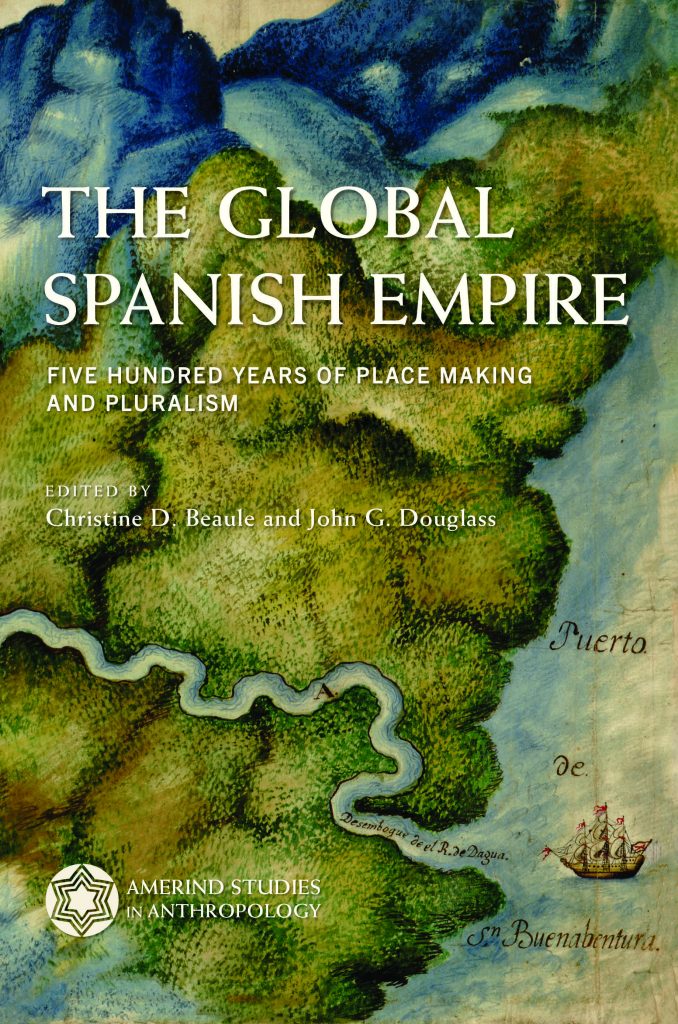
The Global Spanish Empire tackles broad questions about indigenous cultural persistence, pluralism, and place making using a global comparative perspective grounded in the shared experience of Spanish colonialism. Through an expansive range of essays that look at Africa, the Americas, Asia, the Caribbean and the Pacific, this volume brings often-neglected regions into conversation.
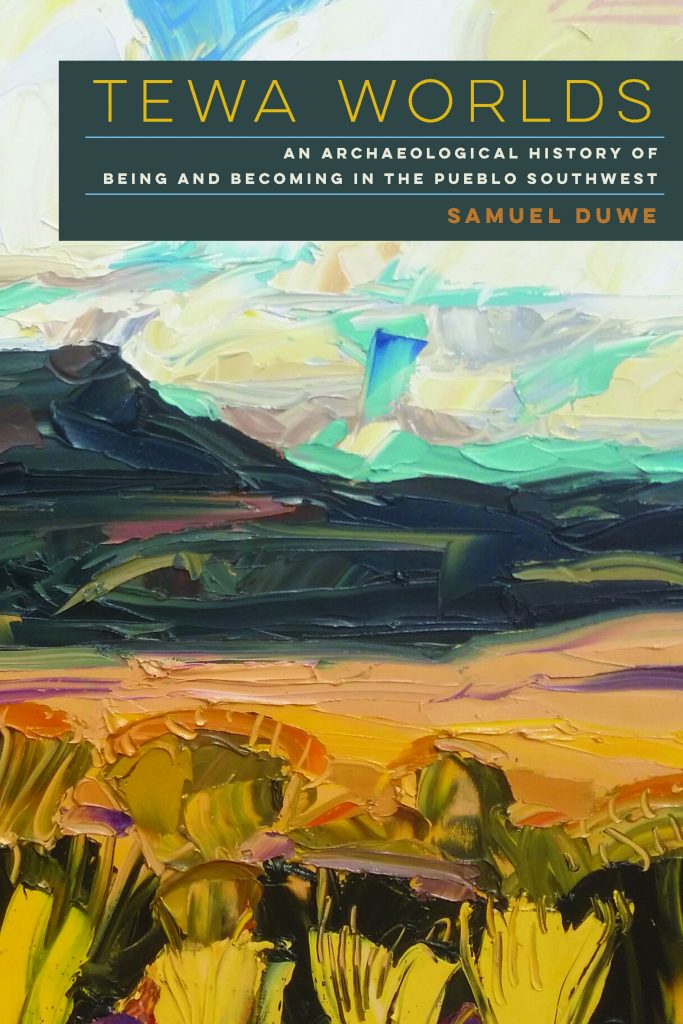
Tewa Worlds offers an archaeological history of eight centuries of Tewa Pueblo history in the Rio Chama Valley through the lens of contemporary Pueblo philosophical and historical discourse. The result gives weight to the deep past, colonial encounters, and modern experiences. It challenges archaeologists to both critically reframe interpretation and to acknowledge the Tewa’s deep but ongoing connection with the land.
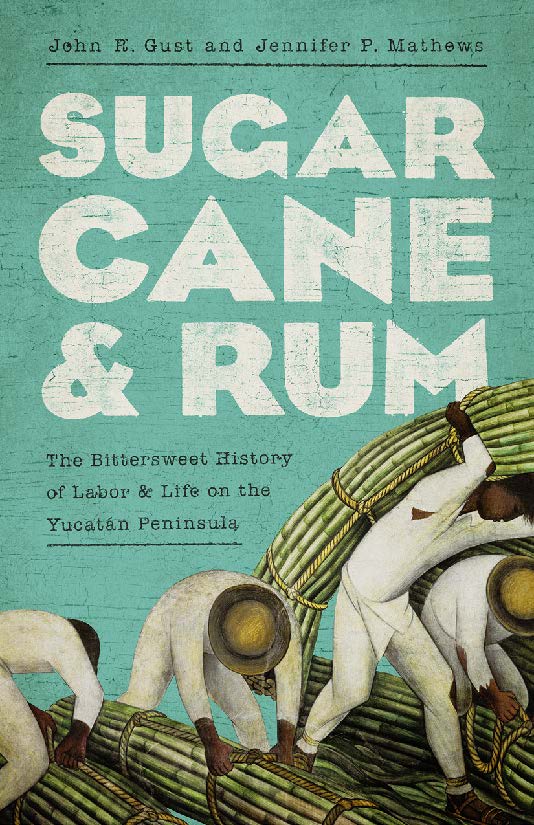
More than a history of coveted commodities, the unique story that unfolds in John R. Gust and Jennifer P. Mathews’s new history Sugarcane and Rum is told through the lens of Maya laborers who worked under brutal conditions on small haciendas to harvest sugarcane and produce rum in the Yucatan Peninsula of Mexico.
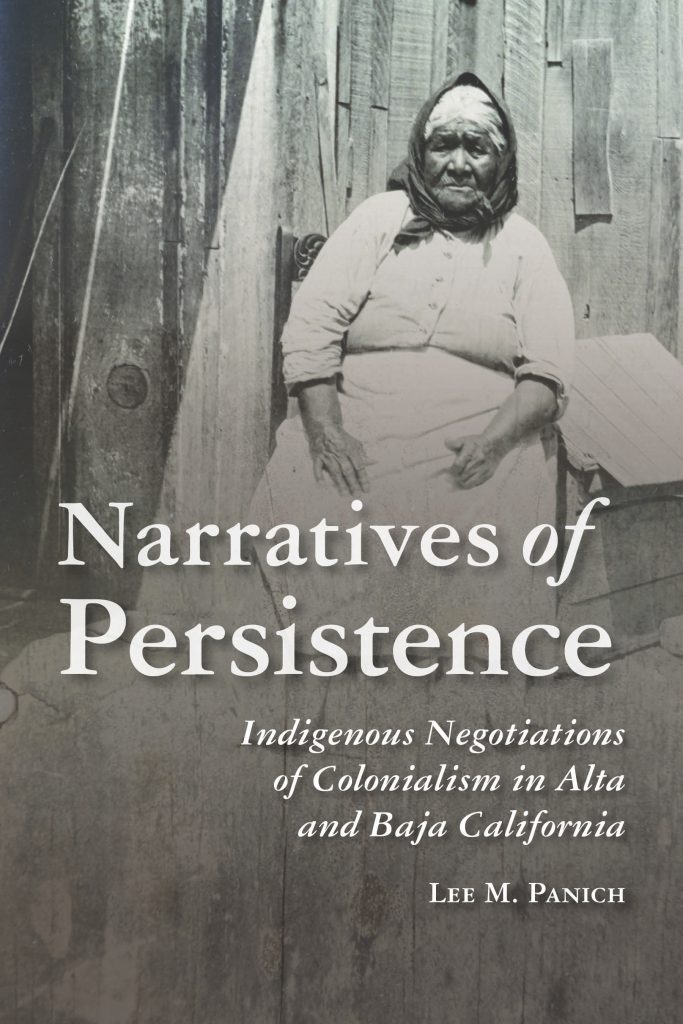
Narratives of Persistence charts the remarkable persistence of California’s Ohlone and Paipai people over the past five centuries. Lee M. Panich draws connections between the events and processes of the deeper past and the way the Ohlone and Paipai today understand their own histories and identities.
Read an interview about the book with Lee Panich here.
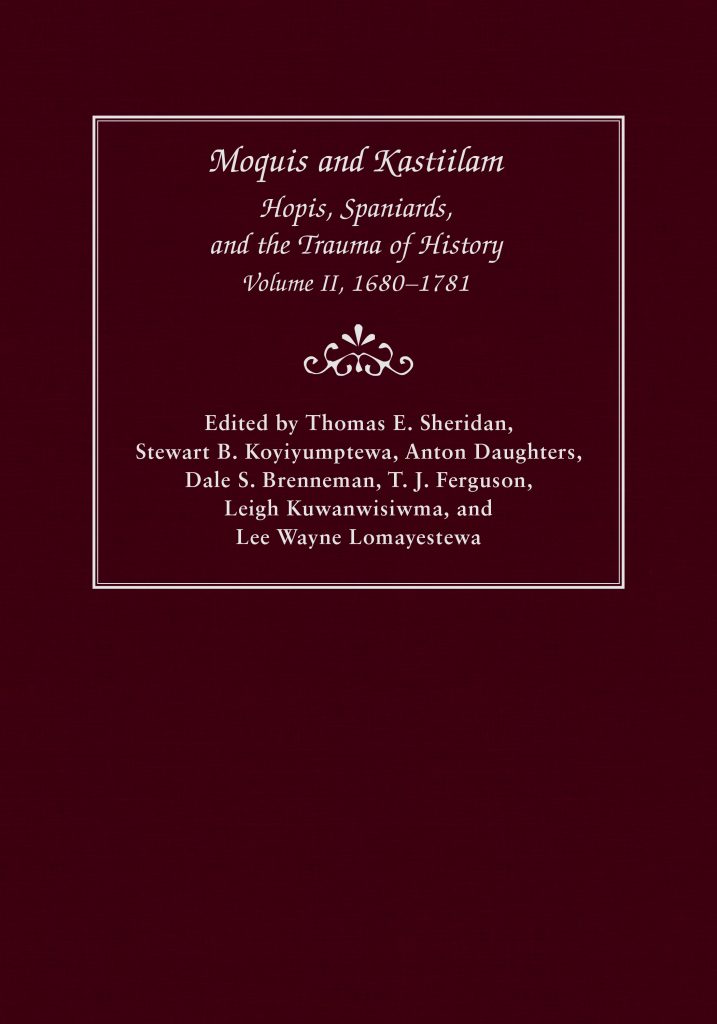
The second of a two-volume series, Moquis and Kastiilam tells the story of the encounter between the Hopis, who the Spaniards called Moquis, and the Spaniards, who the Hopis called Kastiilam, from the Pueblo Revolt through 1781. Balancing historical documents with oral histories, it creates a fresh perspective on the interface of Spanish and Hopi peoples in the period of missionization.
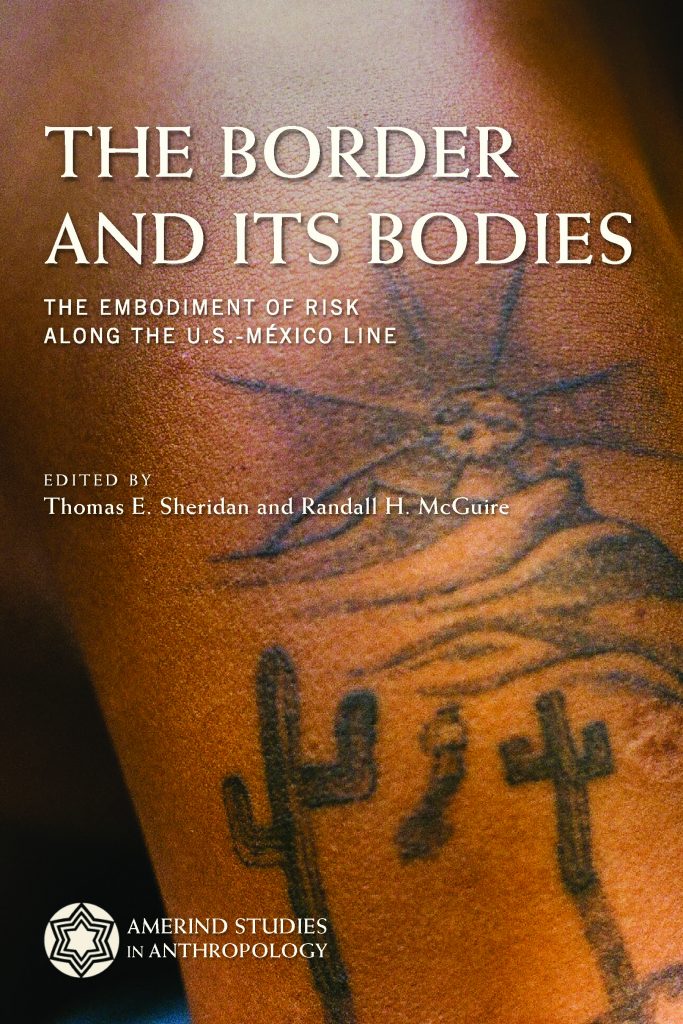
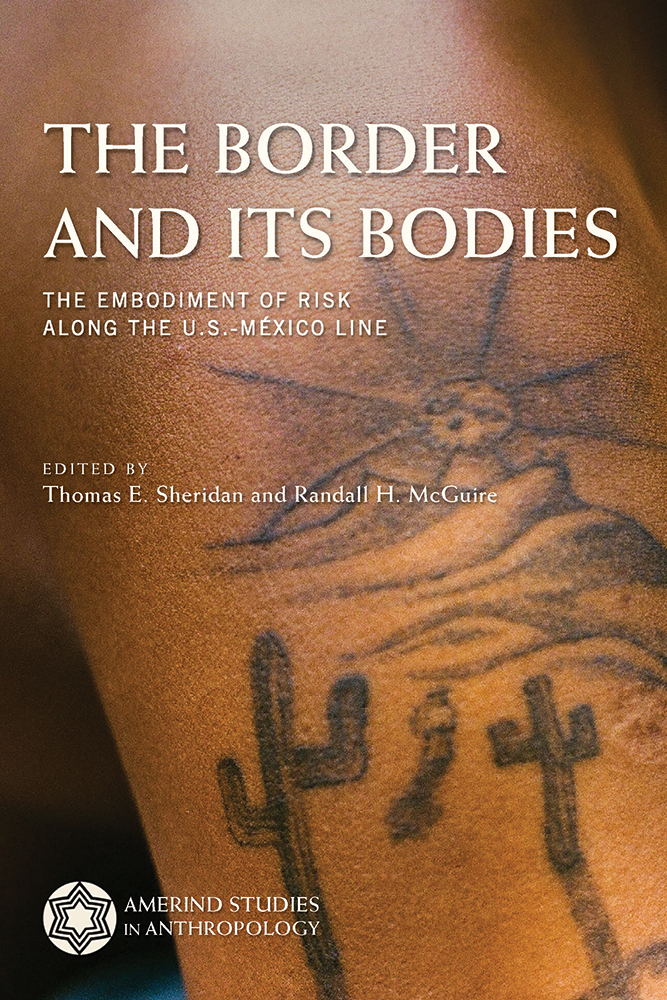
The increasingly militarized U.S.-México border is an intensely physical place, affecting the bodies of all who encounter it. The essays in The Border and Its Bodies explore how crossing becomes embodied in individuals on the most basic social unit possible: the human body.
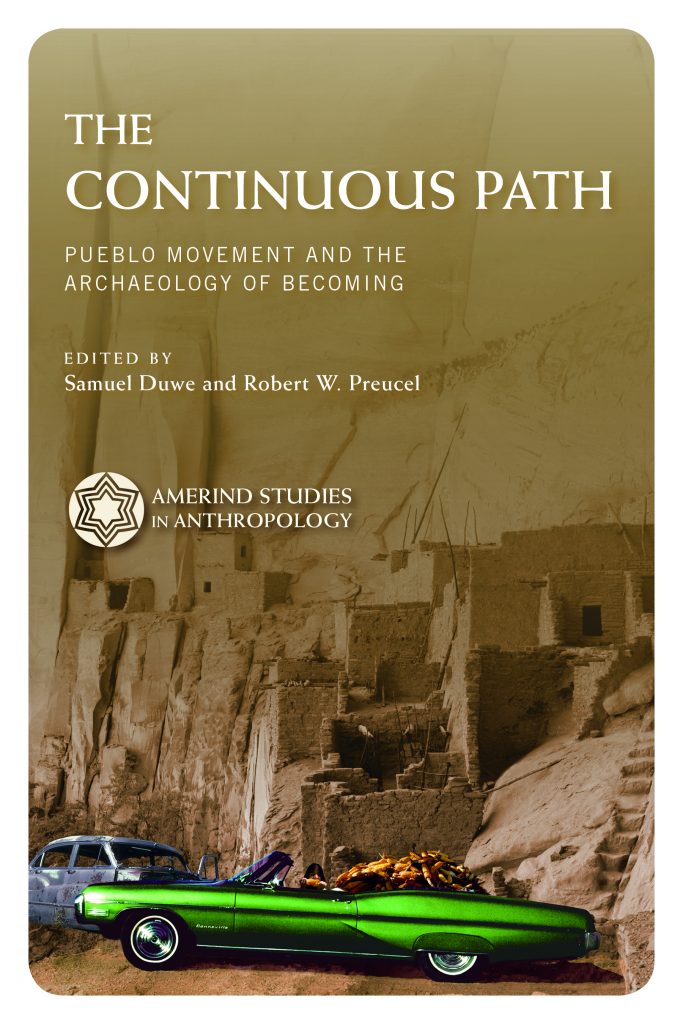
The Continuous Path challenges archaeologists to take Pueblo concepts of movement seriously by privileging Pueblo concepts of being and becoming in the interpretation of anthropological data. The collaborative volume brings together Native community members, archaeologists, and anthropologists to weave multiple perspectives together to write the histories of Pueblo peoples past, present, and future.
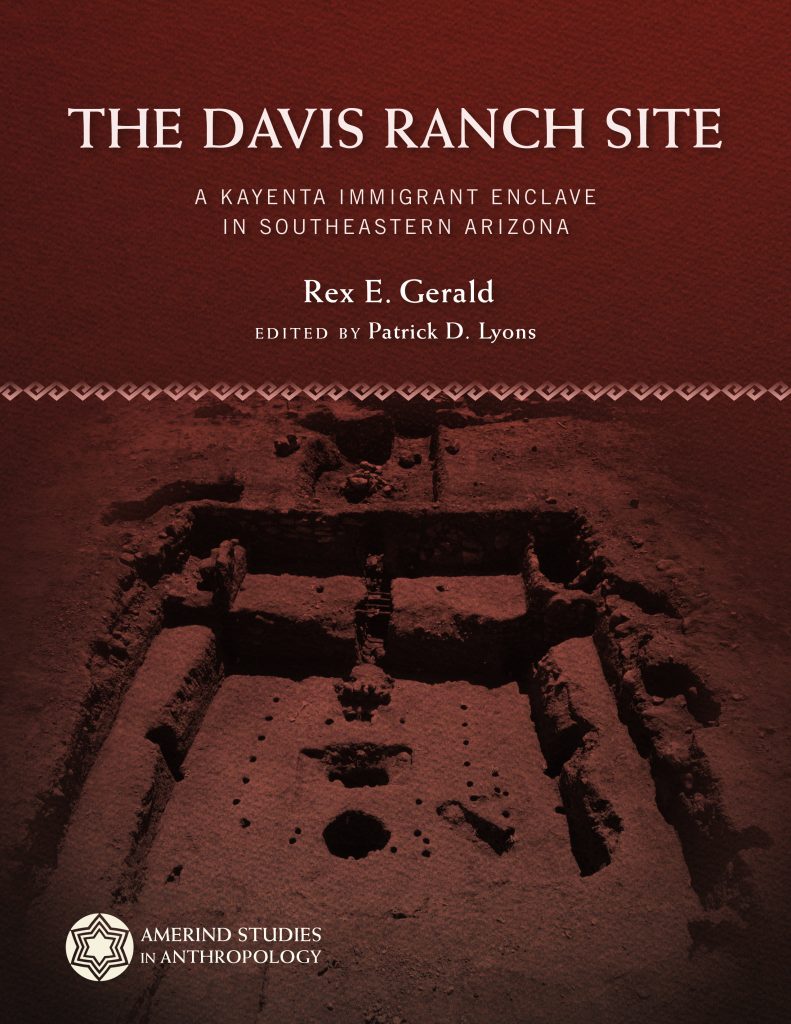
In The Davis Ranch Site, the results of Rex Gerald’s 1957 excavations at the Davis Ranch site in southeastern Arizona’s San Pedro River Valley are reported in their entirety for the first time. Annotations to Gerald’s original manuscript and newly written material place Gerald’s work in the context of what is currently known regarding the late thirteenth-century Kayenta diaspora and the relationship between Kayenta immigrants and the Salado phenomenon.
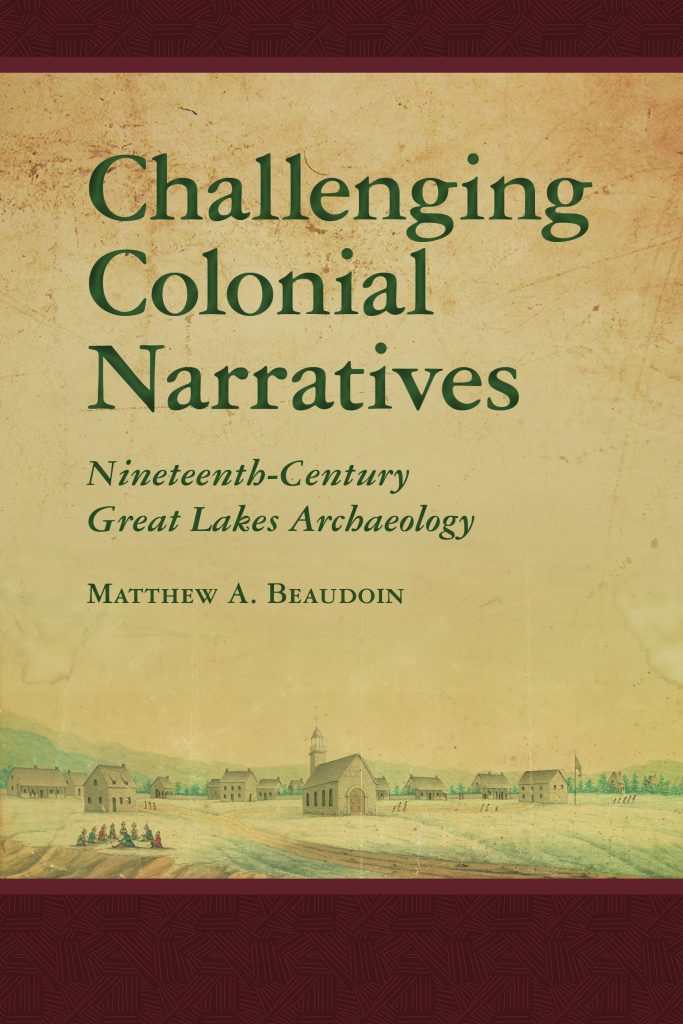
Challenging Colonial Narratives pushes postcolonial thinking in archaeology in socially and politically meaningful directions. Matthew A. Beaudoin calls for more nuanced interpretive frameworks and encourages archaeologists and scholars to focus on the different or similar aspects among sites to explore the nineteenth-century life of contemporaneous Indigenous and settler peoples.
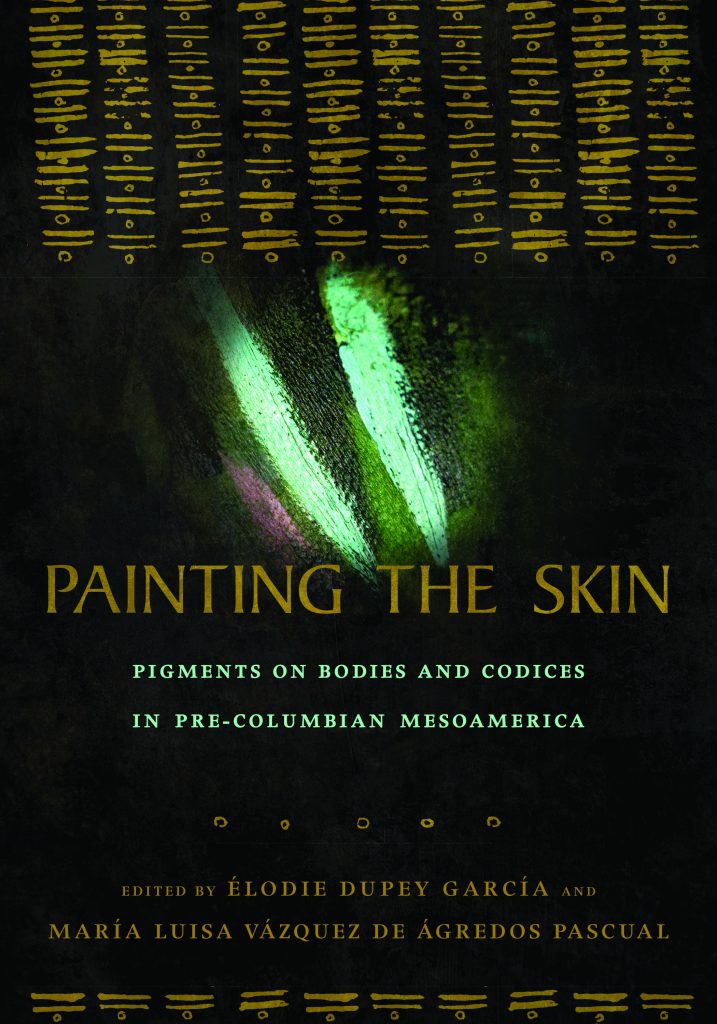
Painting the Skin brings together exciting research on painted skins—human, animal, and vegetal—in Mesoamerica. It offers physicochemical analysis and interdisciplinary understandings of the materiality, uses, and cultural meanings of the colors applied on a multitude of skins, including bodies, codices, and even building “skins.”
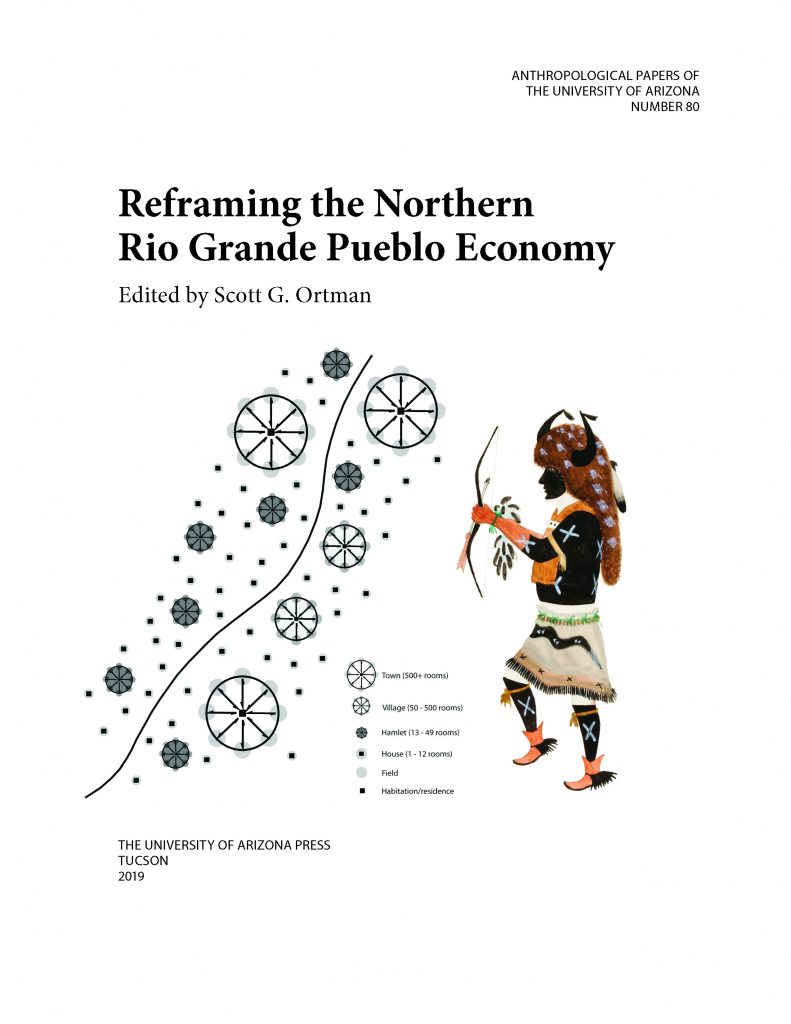
The archaeological record of the Northern Rio Grande exhibits the hallmarks of economic development, but Pueblo economies were organized in radically different ways than modern industrialized and capitalist economies. Contributors toReframing the Northern Rio Grande Pueblo Economy explore the patterns and determinants of economic development in pre-Hispanic Rio Grande Pueblo society, building a platform for more broadly informed research on this critical process.
Don’t forget, the University of Arizona Press is offering 40% off all e-books right now! If you would prefer an e-book instead of a physical copy, use the code AZEBOOK40 at checkout. Also, keep an eye on our social media for a different free e-book of the week every week!
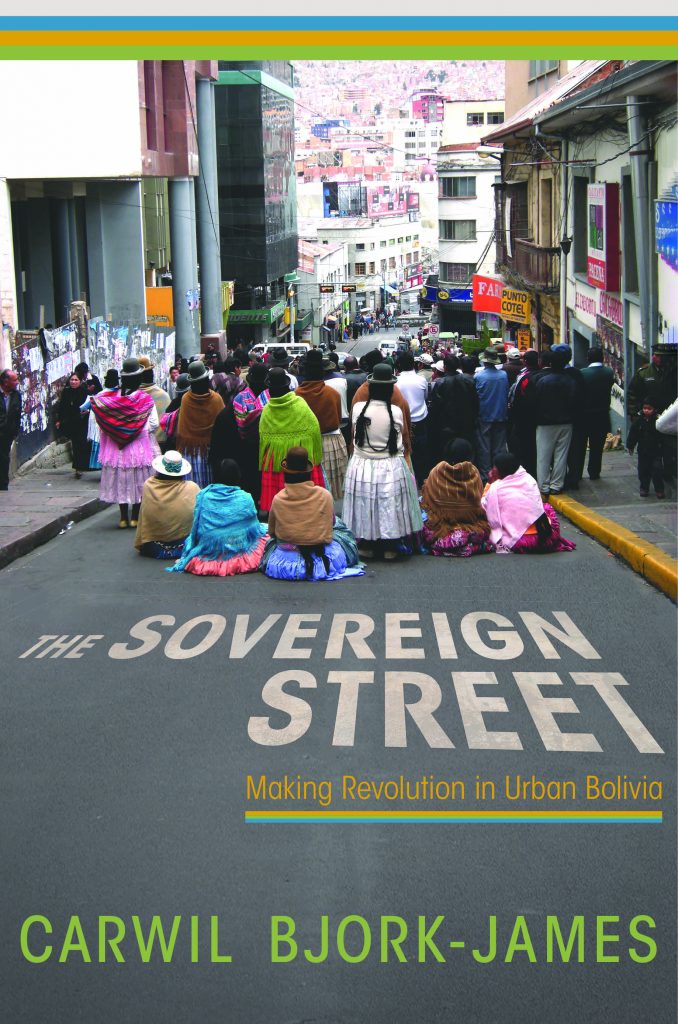
In a new podcast series, Books to the Barricades, Carwil Bjork-James discusses his new book, The Sovereign Street. This podcast series is hosted by the Howard Zinn Book Fair, which is an annual celebration of the people’s history— past, present, and future. Listed to the podcast here.
In the early twenty-first century, Bolivian movements made streets, plazas, and highways into the decisively important spaces for acting politically, rivalling and at times exceeding voting booths and halls of government. The Sovereign Street documents this important period, showing how indigenous-led mass movements reconfigured the politics and racial order of Bolivia from 1999 to 2011.
Taking the streets of Cochabamba, Sucre, and La Paz as its vantage point, The Sovereign Street offers a rare look at political revolution as it happens. It documents a critical period in Latin American history, when protests made headlines worldwide, where a generation of pro-globalization policies were called into question, and where the indigenous majority stepped into government power for the first time in five centuries.
Carwil Bjork-James is an assistant professor of anthropology at Vanderbilt University. His research, both ethnographic and historical, concerns disruptive protest, grassroots autonomy, state violence, and indigenous collective rights in Bolivia.
Dennis Reinhartz, President of the Historical Society of New Mexico, said, “Reviewers recognized the book for its significant contributions to scholarship of New Mexico history, archaeology and anthropology. In particular, the emphasis on collaboration between Natives and non-Native scholars in the research and writing was seen as a real strength. The multiple perspectives presented in the texts add tremendous value to the volume as a whole and are recognized to have “the potential to foster understanding between and among Natives and non-Natives alike. … We congratulate you, and all the contributing authors, on this wonderful work.”
The Continuous Path challenges archaeologists to take Pueblo notions of movement seriously by privileging Pueblo concepts of being and becoming in the interpretation of anthropological data. In this volume, archaeologists, anthropologists, and Native community members weave multiple perspectives together to write histories of particular Pueblo peoples. Within these histories are stories of the movements of people, materials, and ideas, as well as the interconnectedness of all as the Pueblo people find, leave, and return to their middle places. What results is an emphasis on historical continuities and the understanding that the same concepts of movement that guided the actions of Pueblo people in the past continue to do so into the present and the future.
Many congratulations to the editors, Samuel Duwe and Robert Preucel, as well as all of the contributors to the volume!
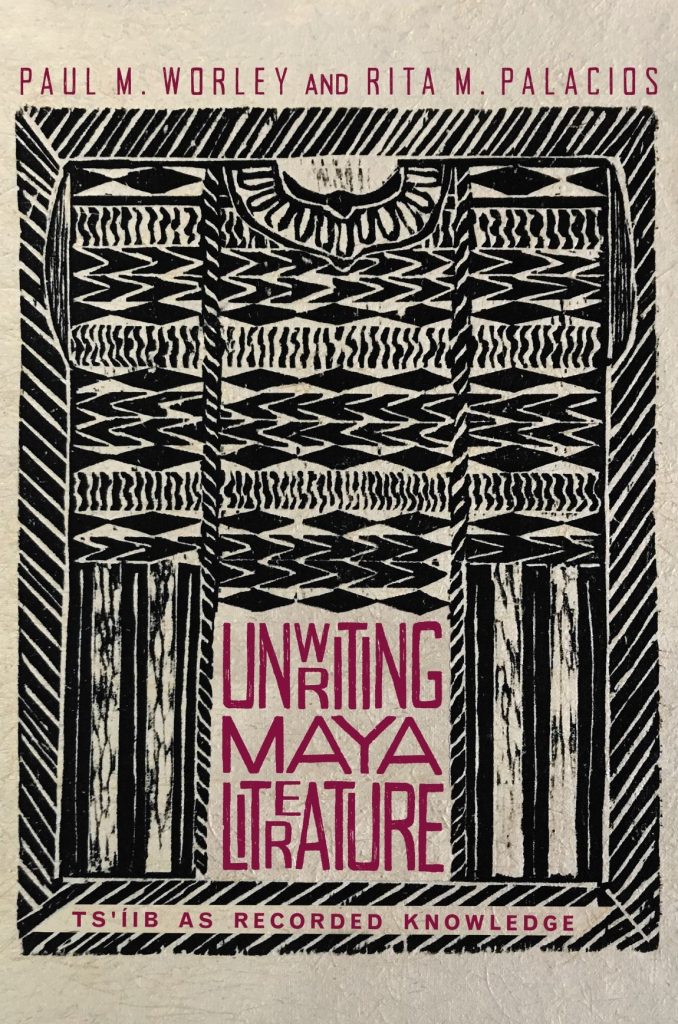
Paul M. Worley and Rita M. Palacios discussed their new book, Unwriting Maya Literature, in two podcasts. If you’ve been wanting to hear more about their work, here is your chance!
Historias is a SECOLAS (Southeastern Council of Latin American Studies) production and it has been around for a little while. Until recently, their focus has been History, but its shifting to include other disciplines.
The second podcast is available in both Spanish and English, and was recorded for Mesoamerican Studies Online’sOn Air series. The English version can be listened to here and the Spanish version can be listened to here.
Mesoamerican Studies Online and On Air is a fairly new project by Catherine Nuckols-Wilde, a PhD student of Art History and Latin American Studies from Tulane University. She began the podcast a short while ago, and she interviews experts on Mesoamerica from all different disciplines.
As Rita M. Palacios says, “Listening to these podcasts is like going to a conference but with the ability to space out the talks you attend. That, and you can do it in your PJs. So, do yourself a favor and subscribe to Mesoamerican Studies On Air and Historias.” So, enjoy listening!
Unwriting Maya Literature places contemporary Maya literatures within a context situated in Indigenous ways of knowing and being. Through the Maya category ts’íib, the authors propose an alternative to traditional analysis of Maya cultural production that allows critics, students, and admirers to respectfully interact with the texts and their authors.Unwriting Maya Literatureoffers critical praxis for understanding Mesoamerican works that encompass non-Western ways of reading and creating texts.
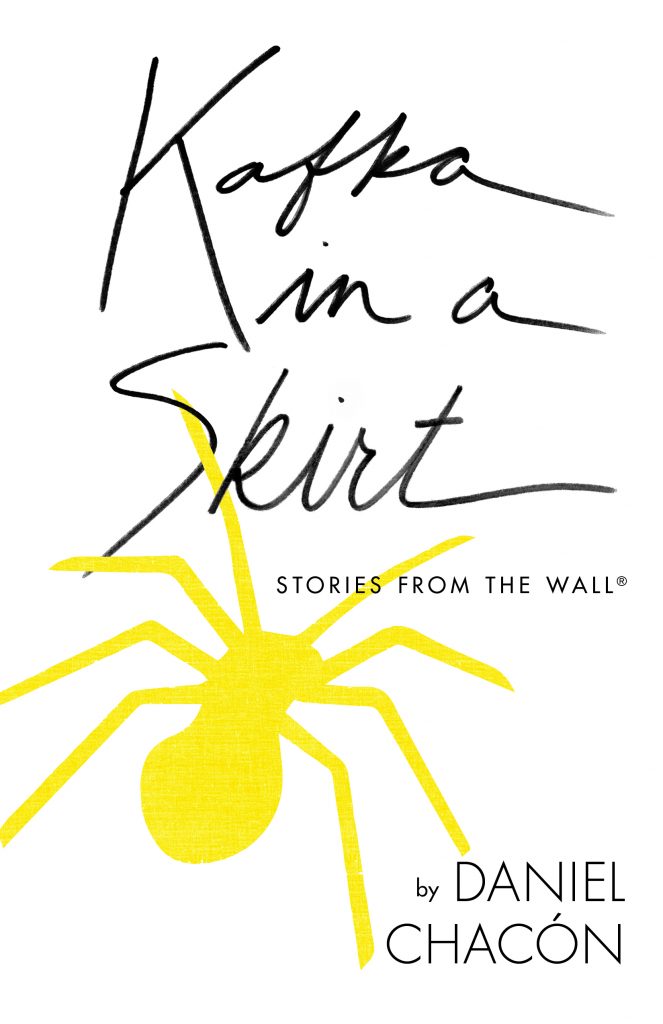
The characters in Daniel Chacón’s Kafka in a Skirt: Stories from the Wall® live at the intersection of technology and the unfathomable nature of time and existence. It’s not that the rules of physics cease to exist but that we, as readers, are allowed to peer into all of the ways that they’ve never really existed. Unexpectedly tender and inquisitive, these stories explore identity, life on the border, childhood, maturity, creation, and connection.
The interview dives into metaphor and metaphysics, and is a delightful read and window into Chacón’s world as an artist. Find the interview here.
Like many of us, Chacón, a creative writing professor at the University of Texas, El Paso, is home with his family. He’s making the most of this COVID-19 life posting “a new story a day, every day, five days a week throughout the month of April or until this virus passes and we are free to wander again.”
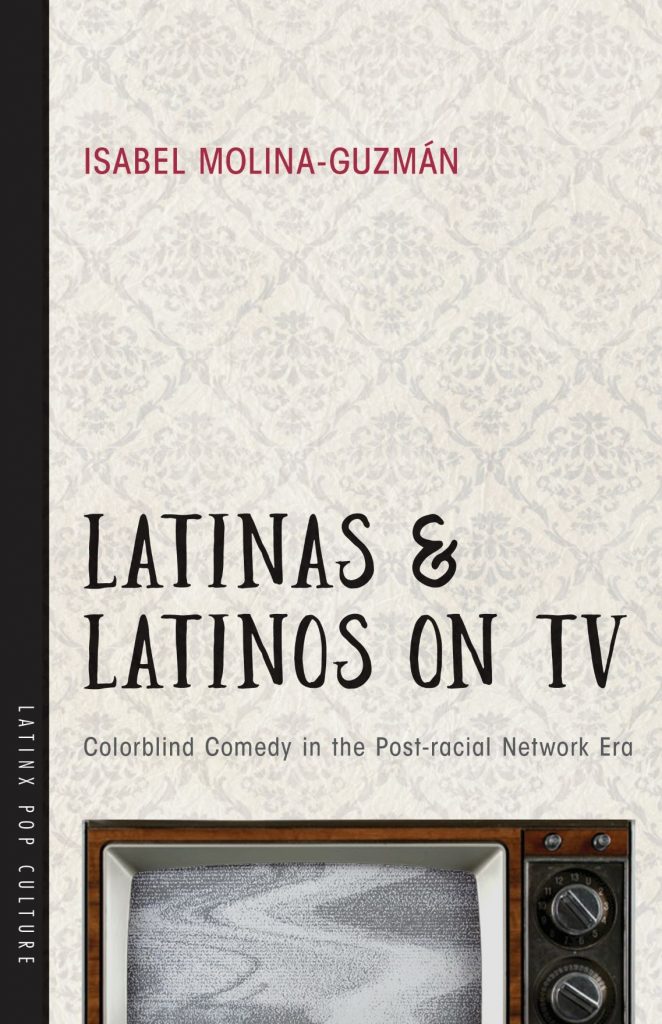
Latinas and Latinos on TV provides crucial insights into understanding Latinx representation. Interweaving discussions about the ethnic, racial, and linguistic representations of Latinas/os within network television comedies, Isabel Molina-Guzmán probes published interviews with producers and textual examples from hit programs like Modern Family, The Office, and Scrubs to understand how these primetime sitcoms communicate difference in the United States.
Understanding the complex ways that audiences interpret these programs, Molina-Guzmán situates her analysis within the Obama era, a period when ethnicity and race became increasingly grounded in “hipster racism”, and argues that despite increased inclusion, the feel-good imperative of TV comedies still inevitably leaves racism, sexism, and homophobia uncontested.
Isabel Molina-Guzmán is an associate professor of media and cinema studies and Latina/Latino studies at the University of Illinois at Urbana–Champaign.
In a recent interview with University of Arizona Press author and poet Casandra López published in the Los Angeles Review of Books , author Isabel Quintero asked López about grief and more specifically about navigating the space of grief and violence as an Indigenous and Chicana woman.
López ‘s book with the Press, Brother Bullet, is a deeply personal collection of poetry revisiting the memory and lasting consequences of her brother’s murder in lyrical narrative poems that are haunting and raw with emotion, yet tender and alive in revelations of light.
From the interview:
I think a lot about the ethics of writing about trauma. My own grief is very much linked to experiences of trauma. It’s something that I think about so much because I’m writing about my family, and my brother who is no longer here. So, I think it’s important to always be aware of that privilege and the responsibilities I have. In a very literal sense, I want my family to be physically protected but also protected emotionally.
In the memoir, I’m not just writing about myself. I’m writing intimately about my family, bringing in the history of California and the Inland Empire, along with some community stories. So, I do feel more of a weight to not retraumatize others or to make sure what I’m writing is going to be of service to those in my community and family.
I sometimes hear criticism that too many Native writers write about tragedies or that readers don’t want to read stories about gun violence. But this is part of my reality, as well as of many others in my communities, so it is not something I am going to turn away from.
It has been useful to think about some key questions that Daniel Heath Justice asks in his book Why Indigenous Literatures Matter (2018). He poses certain questions to analyze Native literature, but I have used his questions to guide me as a writer:
1) How do I represent the complexities of my contemporary Indigenous life? What does my work say about what it is to be human?
2) What responsibilities do I have to others when I write about myself, my communities, my family, my ancestors, and the nonhuman world? What meaning can be explored in these relationships and kinships?
We are really missing the NACCS annual meeting right now, so here is a roundup of our latest titles in Latinx studies that we would have been proudly displaying at the conference this year.
Use the code AZNACCS20 to receive 30% off and free shipping on all of the titles mentioned in this post!
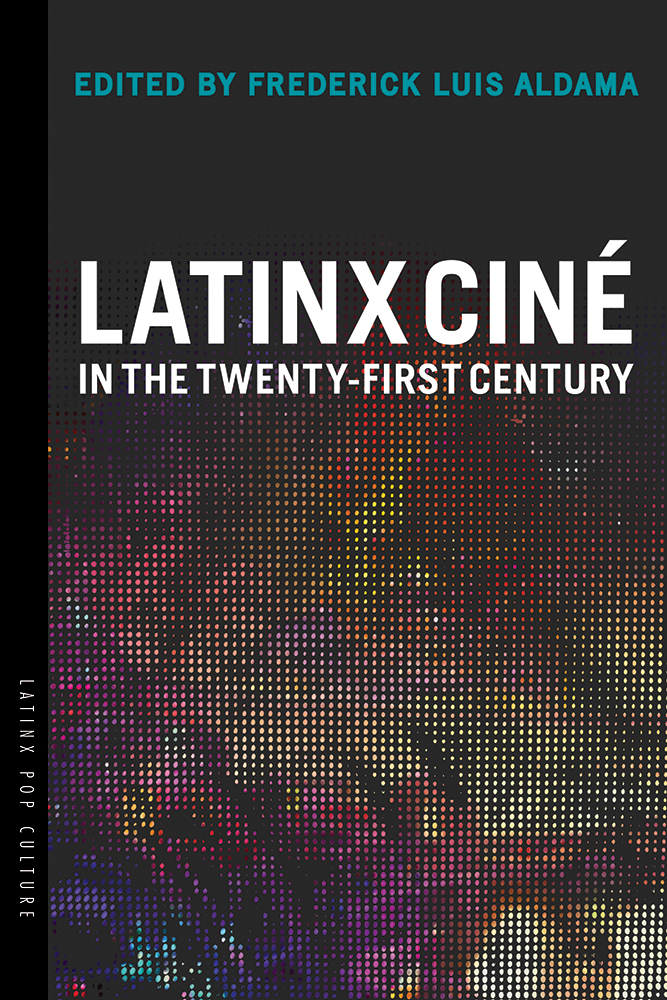
Latinx Ciné in the Twenty-First Century is a timeless volume and a significant analysis of the burgeoning field of Latinx filmmaking. Editor Frederick Luis Aldama has gathered together some of the best writing on Latinx ciné in the twenty-first century. Today’s filmmakers show the world a rich Latinidad informed by a complexly layered culture replete with history, biography, and everyday experiences.
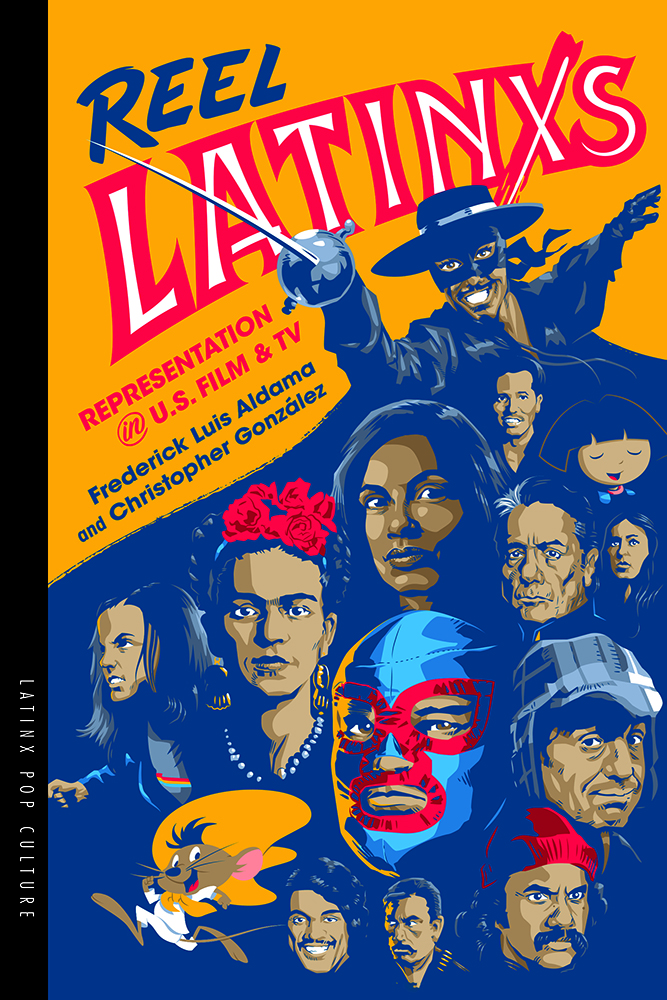
In Reel Latinxs, experts in Latinx pop culture Frederick Luis Aldama and Christopher González explain the real implications of Latinx representation in mainstream TV and film. They also provide a roadmap through a history of mediatized Latinxs that rupture stereotypes and reveal nuanced reconstructions of Latinx subjectivities and experiences.
Read a conversation between the editors here, and watch a video on the topic here.
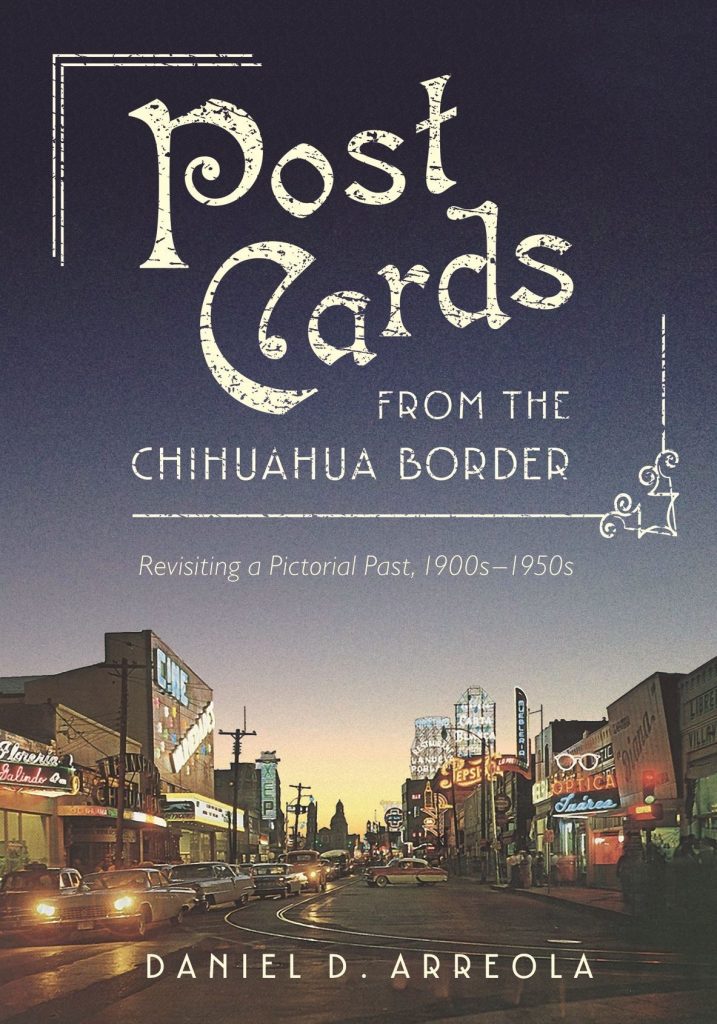
Daniel D. Arreola’sPostcards from the Chihuahua Border is a colorful and dynamic visual history of Mexico’s northern border. Drawing on more than three decades of archival work, Arreola invites the reader to time travel, to revisit another era—the first half of the last century—when the border towns of Ciudad Juárez, Ojinaga, and Palomas were framed and made popular through picture postcards.
Sown in Earth is a collection of personal memories, which speak to the larger experiences of hard-working migratory men. By crafting a written journey through childhood traumas, poverty, and the impact of alcoholism on families, Fred Arroyo clearly outlines how his lived experiences made him want to become a writer. Sown in Earth is a shocking yet warm collage of memories which serve as more than a memoir or an autobiography. Rather, Arroyo recounts his youth through lyrical prose to humanize and immortalize the hushed lives of men like his father, honoring their struggle and claiming their impact on the writers and artists they raised.
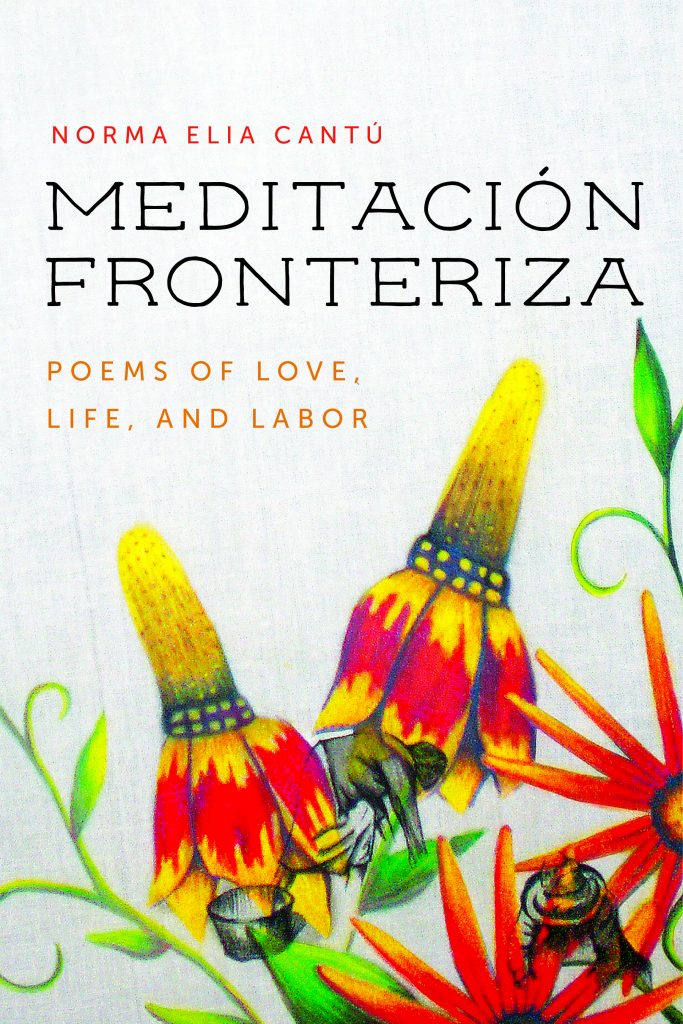
Meditación Fronterizais a beautifully crafted exploration of life in the Texas-Mexico borderlands. Written by award-winning author Norma Elia Cantú, the poems flow from Spanish to English gracefully as they explore culture, traditions, and solidarity.
Watch a conversation between Norma Cantú and our publicity manager, Mari Herreras, here. Then, read an interview about the collection and a poem here.
Kafka in a Skirt is not your ordinary short story collection. In his newest work, Daniel Chacón subverts expectation and breaks down the walls of reality to create stories that are intriguing, hilarious, and deeply rooted in Chicano culture.
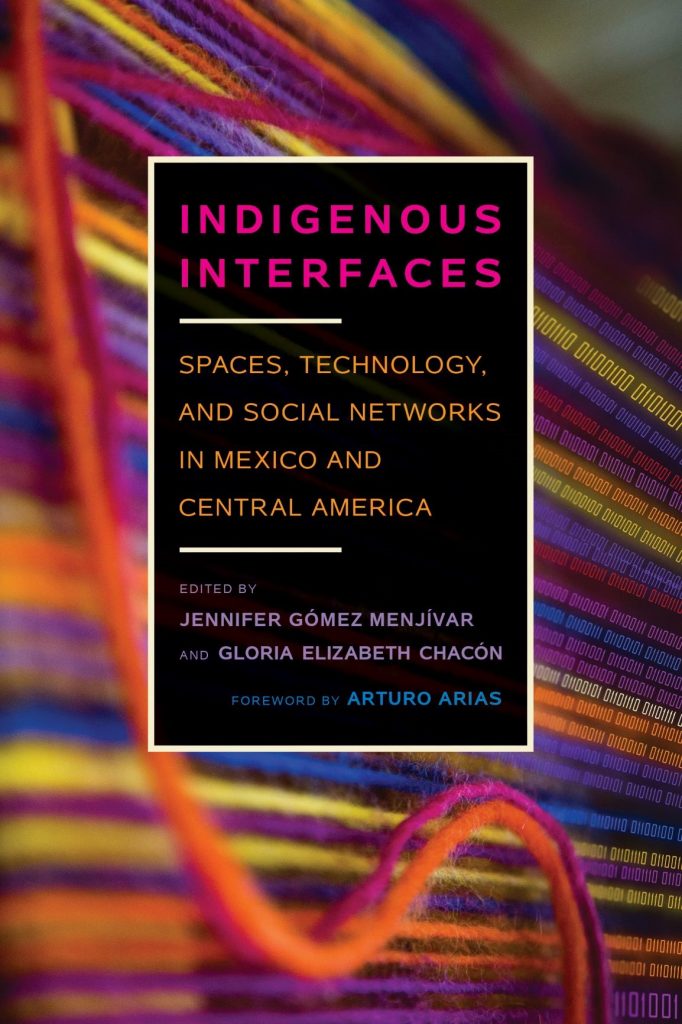
Indigenous Interfaces rejects the myth that Indigeneity and information technology are incompatible through its compelling analysis of the relationships between Indigenous peoples and new media. The volume illustrates how Indigenous peoples are selectively and strategically choosing to interface with cybertechnology, highlights Indigenous interpretations of new media, and brings to center Indigenous communities who are resetting modes of communication and redirecting the flow of information. It convincingly argues that interfacing with traditional technologies simultaneously with new media gives Indigenous peoples an edge on the claim to autonomous and sovereign ways of being Indigenous in the twenty-first century.
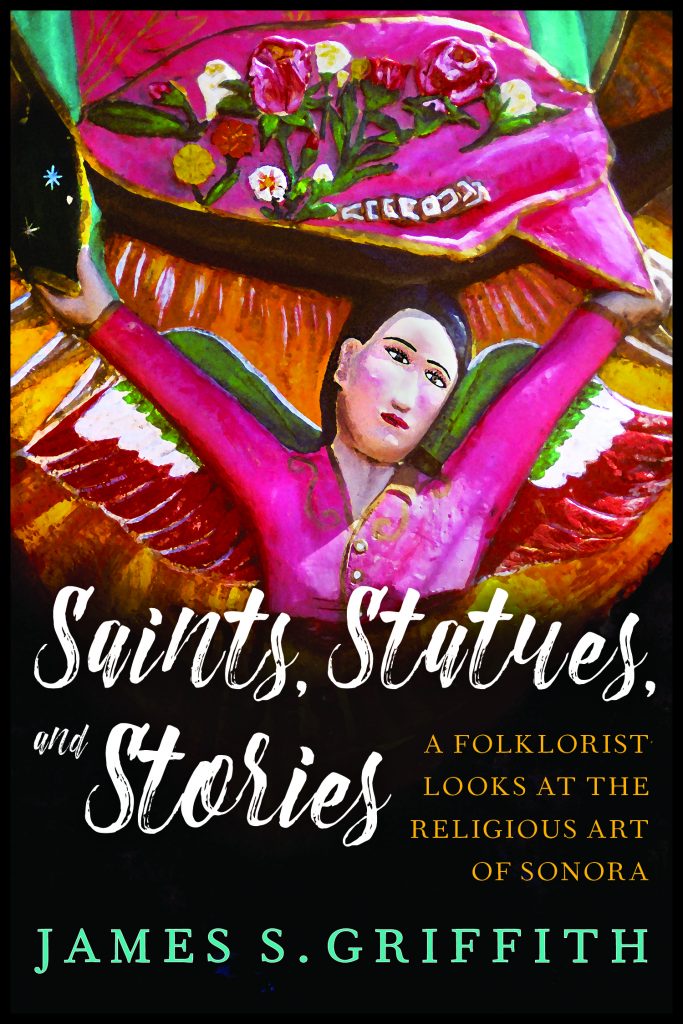
In Saints, Statues, and Stories, beloved folklorist James S. Griffith introduces us to the roadside shrines, artists, fiestas, saints, and miracles of northern Mexico. Full-color images add to the pleasure of this delightful journey through the churches and towns of Sonora.
Listen to an interview with “Big Jim” Griffith here.
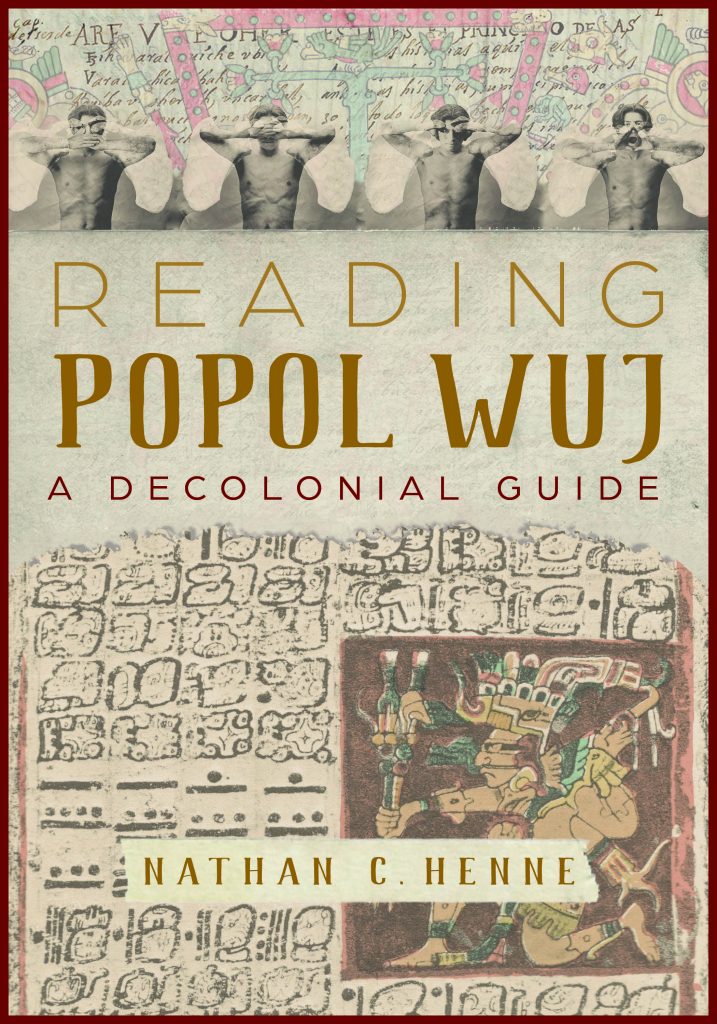
Reading Popol Wujoffers readers a path to look beyond Western constructions of literature to engage with this text through the philosophical foundation of Maya thought and culture. This guide deconstructs various translations to ask readers—scholars, teachers, and graduate and undergraduate students—to break out of the colonial mold in approaching this seminal Maya text.
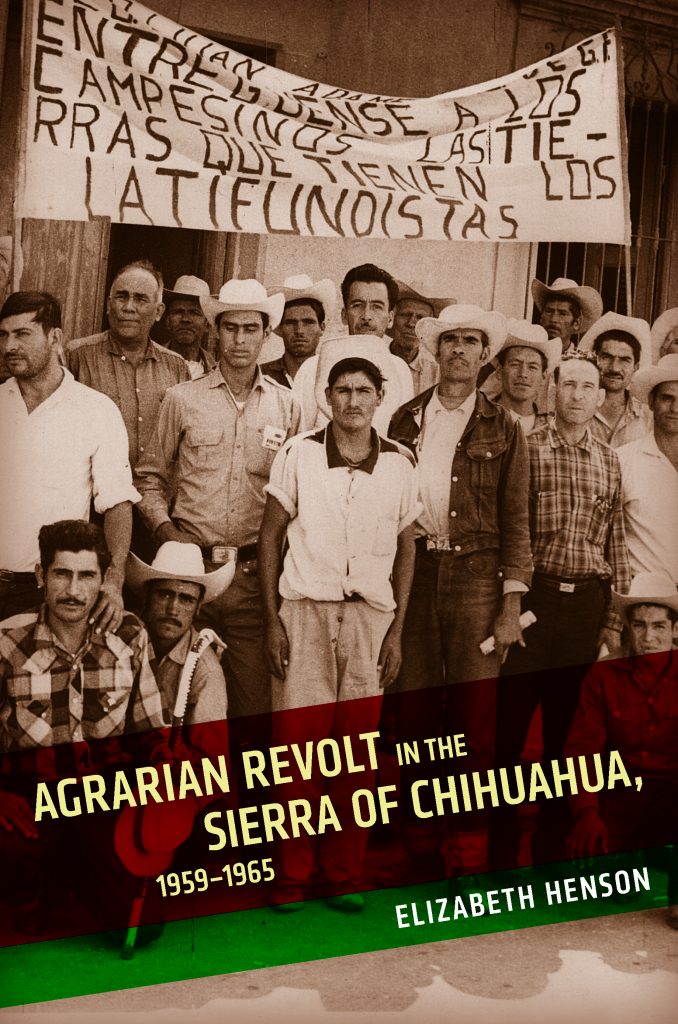
The early 1960s are remembered for the emergence of new radical movements. One such protest movement rose in the Mexican state of Chihuahua. With large timbering companies moving in on the forested sierra highlands, campesinos and rancheros did not sit by as their lands and livelihoods were threatened. Agrarian Revolt in the Sierra of Chihuahua, 1959-1965 is the story of how they organized and demanded agrarian rights—ultimately with deadly consequences.
How did men become the stars of the Mexican intellectual scene? InDude Lit,Emily Hind examines the tricks of the trade and reveals that sometimes literary genius rests on privileges that men extend one another and that women permit.
Advocating for and demonstrating the importance of an intersectional, multidisciplinary, activist understanding of Chicanas, Intersectional Chicana Feminisms provides a much-needed overview of the key theories, thinkers, and activists that have contributed to Chicana feminisms.
Explore other books in the Mexican American Experience series here.
Divided Peoplesaddresses the impact border policies have on traditional lands and the peoples who live there—whether environmental degradation, border patrol harassment, or the disruption of traditional ceremonies. Anthropologist Christina Leza shows how such policies affect the traditional cultural survival of Indigenous peoples along the border. The author examines local interpretations and uses of international rights tools by Native activists, counter-discourse on the U.S.-Mexico border, and challenges faced by Indigenous border activists when communicating their issues to a broader public.
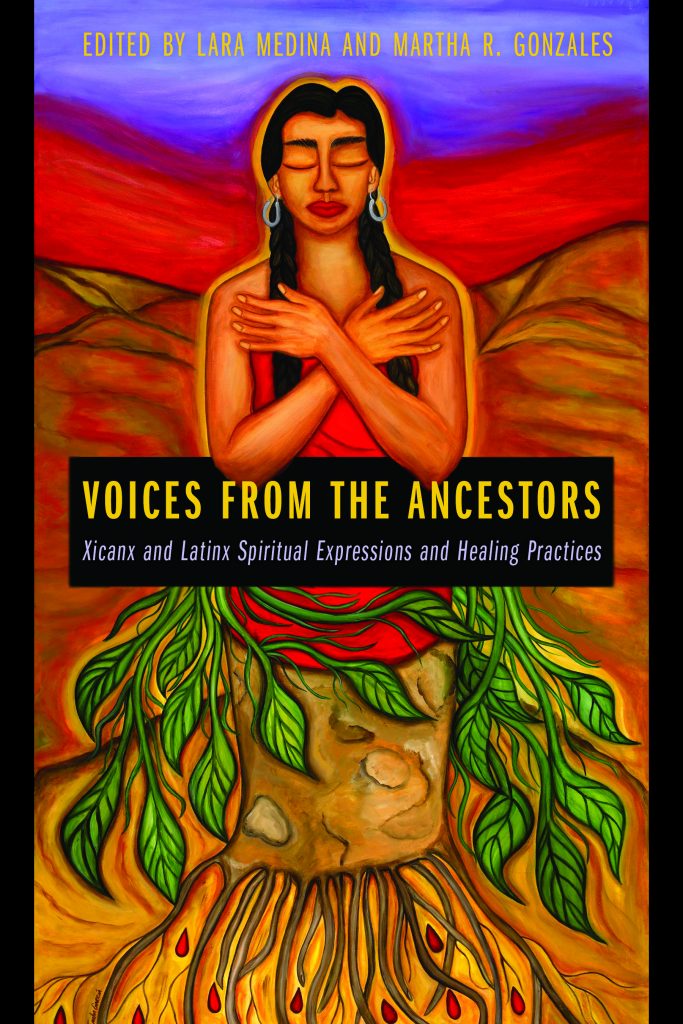
Reclaiming and reconstructing one’s spirituality based on non-Western epistemologies is central to the process of decolonization.Voices from the Ancestorsbrings together reflective writings and spiritual practices by Chicanx, Latinx, and Afro-Latinx womxn and male allies in the United States who seek to heal from the historical traumas of colonization by returning to ancestral traditions and knowledge.
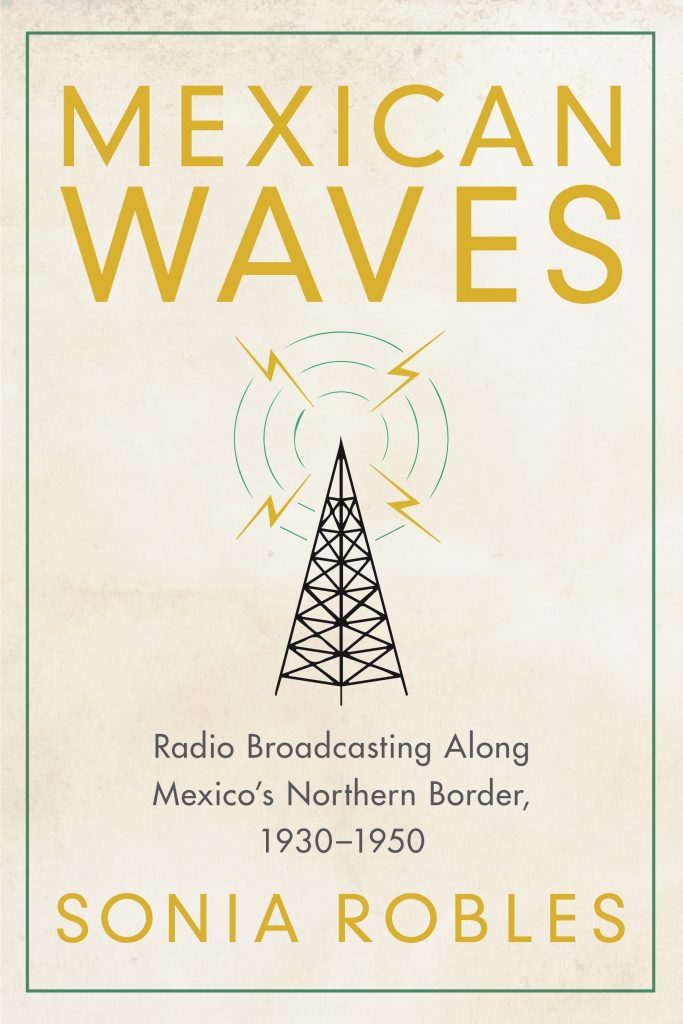
Mexican Waves takes us to a time before the border’s militarization, when radio entrepreneurs, listeners, and artists viewed the boundary between the United States and Mexico the same way that radio waves did—as fluid and nonexistent. Author Sonia Robles explains how Mexican radio entrepreneurs targeted the Mexican population in the United States decades before U.S. advertising agencies realized the value of the Spanish-language market and demonstrates Mexico’s role in shaping the borderlands.
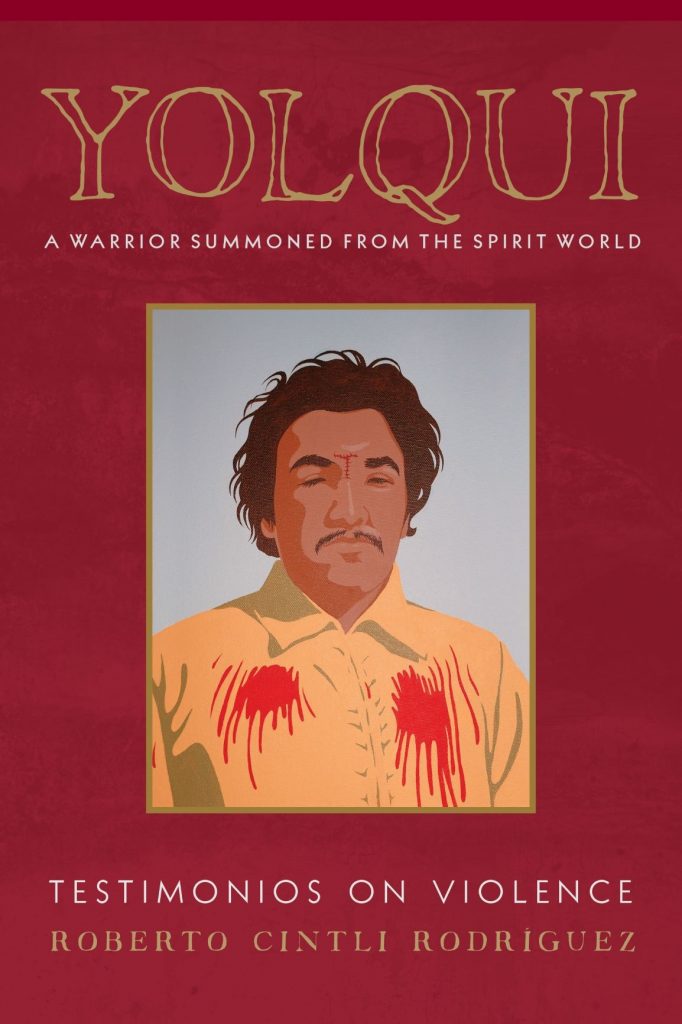
Yolqui, a Warrior Summoned from the Spirit World is a testimonio, a historia profoundo of the culture of extralegal violence against the Red-Black-Brown communities in the United States that operates with impunity. Framed by Roberto Cintli Rodríguez’s personal testimony of police violence, this book is a clarion call to end that violence and those philosophies that permit such violence to flourish.
Read an excerpt from the book here, and read summaries of two book events held on the University of Arizona campus here and here.
The increasingly militarized U.S.-México border is an intensely physical place, affecting the bodies of all who encounter it. The essays in The Border and Its Bodies explore how crossing becomes embodied in individuals on the most basic social unit possible: the human body.
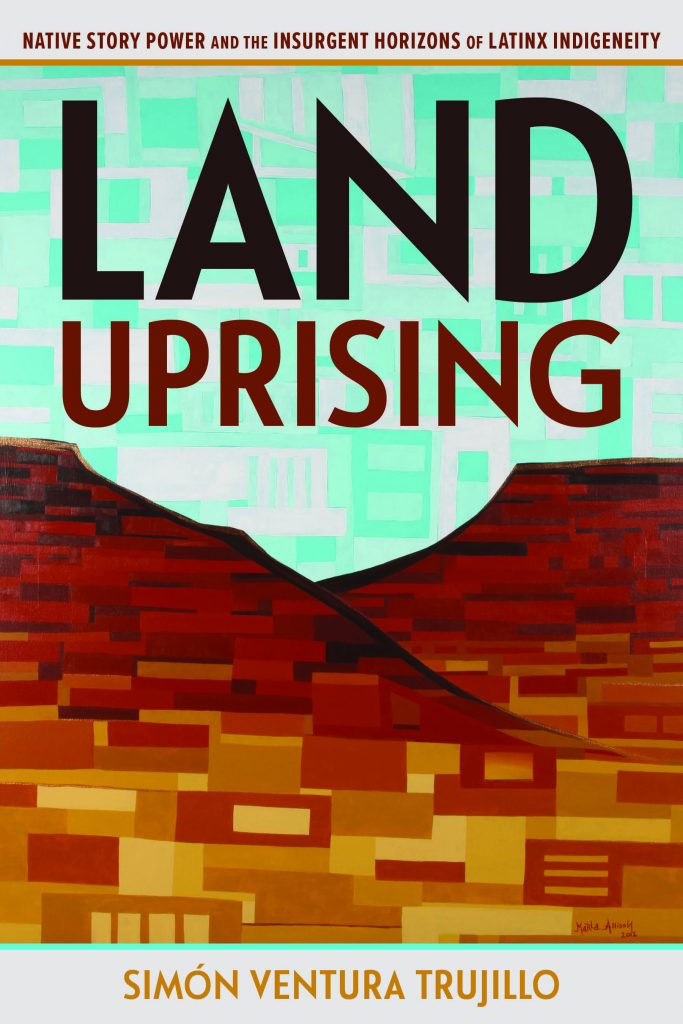
Land Uprising reframes Indigenous land reclamation as a horizon to decolonize the settler colonial conditions of literary, intellectual, and activist labor. Simón Ventura Trujillo argues that land provides grounding for rethinking the connection between Native storytelling practices and Latinx racialization across overlapping colonial and nation-state forms.
Listen to a conversation between Simón Trujillo and New York City-based artist Vick Quezada here.
Unwriting Maya Literature provides an important decolonial framework for reading Maya and other Indigenous texts. Through insightful analyses of Maya cultural productions—whether textiles or poetry—this perspective offers a point of departure for the study of Maya literature and art that is situated in an Indigenous way of performing the act of reading.
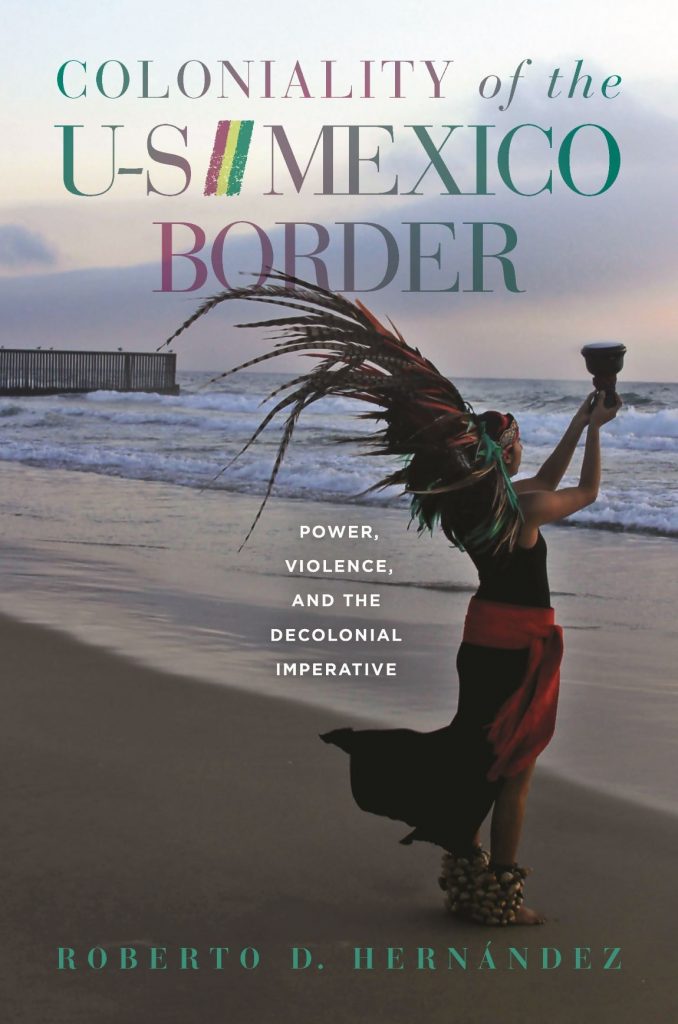
Based on more than twenty years of border activism in San Diego–Tijuana and El Paso–Ciudad Juárez, Coloniality of the US/Mexico Border is an interdisciplinary examination that considers the 1984 McDonald’s massacre, Minutemen vigilantism, border urbanism, the ongoing murder of women in Ciudad Juárez, and anti-border music. It is a theoretical and pragmatic analysis of the future of violence at—and because of—national territorial borders, and it offers a call for epistemic and cartographic disobedience.
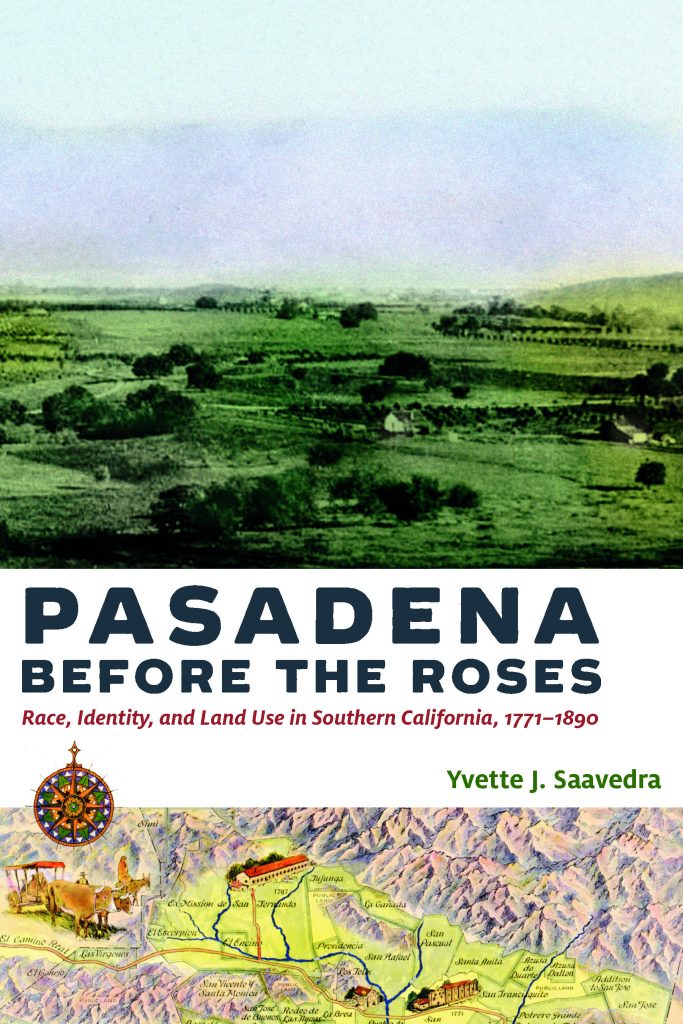
In Pasadena Before the Roses, historian Yvette J. Saavedra shows how Indigenous, Spanish, Mexican, and American groups each have redefined the meanings of land use to build their homes and their lives. This social and cultural history illustrates the interconnectedness of power, ideas of land use, and the negotiation of identity within multiple colonial moments.
Don’t forget, the University of Arizona Press is offering 40% off all e-books right now! Use the code AZEBOOK40 at checkout. Also, keep an eye on our social media for a different free e-book of the week every week!
In this time to read, we will be featuring one free e-Book each week. This week we’re highlighting our books about the border and offering Crossing with the Virgin: Stories from the Migrant Trail as the free e-Book of the week.
When it was published exactly ten years ago this week, the book was the first of it’s kind. Not only did it share thirty-nine first-hand accounts of migrants crossing the Arizona desert, it also shared the stories of the Samaritans involved in humanitarian work in the borderlands.
Crossing with the Virgin is not only a window into the migrants’ plight but also a look at the challenges faced by volunteers in sometimes compromising situations—and at their own humanizing process. This is a story that is more poignant than ever as we hear stories of Samaritans all around us.
Download from our online shopping cart here. Available until 4/21/2020. Discount code is AZCROSS20.
“Trading off chapters, the authors deliver immigrants’ stories calmly and objectively, but their compassionate message is clear, and especially timely. Though difficult to read, this important collection provides vital, humanizing perspective on a divisive issue, with stories that will stick with readers for a long time.”—Publishers Weekly starred review
Girl of New Zealandpresents a nuanced insight into the way violence and colonial attitudes shaped the representation of Māori women and girls. In the wake of the Me Too movement and other feminist projects, Michelle Erai’s timely analysis speaks to the historical foundations of negative attitudes toward Indigenous Māori women in the eyes of colonial “others.” Erai resurrects Māori women from objectification and locates them firmly within Māori whānau and communities.
Images, steeped with symbols of empire, literally circled the globe, inscribing and reiterating pre-imagined notions of the Native woman. For the Māori woman in particular, her imagined automatic acquiescence began to really take hold in the early days of contact with the whalers and commercial entrepreneurs that soon followed behind the explorers, and only slightly preceded the missionaries. Within about sixty years that imagined acquiescence became the optical alibi for an arm of capitalist primitive accumulation particularly well-suited to South Pacific islands— tourism.
Using “The Souvenir” as a metaphor, it is possible to discern how and why bodies of women are sites of constant scrutiny based on their beauty and how such implications are deeply institutional and directed by expectations derived from power. Celeste Olaquiaga writes, “It is the demiurgic desire for immortality, the secret of creation held in the palm of one hand, the ability to gaze, unfettered, into the unknown otherness of an imprisoned creature that cannot escape its imposed rigor mortis or our voracious demands.” This fetishism of immortality being held within the powers of one’s palm translates into the desire for immortality that is imposed upon the bodies of women. This powerful fetishization that resides within the realms of imagination creates expectations of the feminized body, to fight against the natural paths of nature, and to create a firm utopian imagination that fixes the conditions of living. The bodies of women then also become the site of this fetishization through the commodification of our imaginations. The consequences for Māori women of this performance is a kind of violence that Jasbir Puar identified: “Violence is naturalized as the inexorable and fitting response to nonnormative [or perhaps fetishized] sexuality.”
The use of images to attract a new middle-class traveler began in earnest when in 1901 New Zealand became the first country to dedicate a government department to tourism. In terms of how advertising can help us think about the impact of an advertising image, Margaret Werry argues, “As a nation, Aotearoa New Zealand is a community not so much imagined as imagineered. It is a state production and a participatory drama, the work of culture agents across business, civil society, policy, and entertainment. Index and agent of a broader synergy, tourism is implicated in virtually every industry sector.”
Where this becomes important is in the construction of “taste” for the modern neoliberal citizen subject through tourism and touristic imaging; this had a special impact for Māori in that the “imagineers” suggested Māori culture “might offer the nation what advertising guru Kevin Roberts called a Lovemark, lending the brand distinction, authenticity, and affective charge.”
When Bourdieu draws the connection between how an intellect may be trained to produce “taste”. that a distinction reproduces a classed hierarchy invisibly, he is circling the operations of hegemony. Hegemony relies upon the existence of some state prior to the one that draws distinctions, and that within that state there must be an innocence upon which distinctions can become imprinted. Or hailed. Called into being. And that hailing— learning the violence of the word— replaces innocence. Not with knowledge, but with approved knowledge; not with a vista existing in a native savage state, but a constant reiteration of the conditions of the status quo. I suggest there are two notable sources of images that directly challenge the fixity of that presumed innocence— first, advertising, and second, religious iconography. In these two fields, with their explicit goal of effecting a metamorphosis in the viewer through an image, lie, I think, the imperative to fully consider the impact of colonial optics: of what it means to assume an innocent eye, and therefore the consequences of choosing not to train a knowing eye; also, the transformative possibilities of images consciously employing metamorphoses to “talk back” to colonization.
Michelle Erai was an assistant professor of gender studies at University of California, Los Angeles. She is originally from Whangarei, Aotearoa, and is descended from the tribes of Ngāpuhi and Ngati Porou.
For Authors
The University of Arizona Press publishes the work of leading scholars from around the globe. Learn more about submitting a proposal, preparing your final manuscript, and publication.
The University of Arizona Press is proud to share our books with readers, booksellers, media, librarians, scholars, and instructors. Join our email Newsletter. Request reprint licenses, information on subsidiary rights and translations, accessibility files, review copies, and desk and exam copies.
Support a premier publisher of academic, regional, and literary works. We are committed to sharing past, present, and future works that reflect the special strengths of the University of Arizona and support its land-grant mission.
 The University of Arizona Press