Arroyo, author of Western Avenue and Other Fictions and The Region of Lost Names: A Novel, is an assistant professor of English at Middle Tennessee State University. Chapter 16 is an amazing project with Humanities Tennessee, founded to provide comprehensive coverage of literary news and events in Tennessee.
Sown in Earth is a a collection of personal essays in which Arroyo recollects his childhood, and more specifically his father’s anger and alcohol abuse as a reflection of his place in society, in which his dreams and disappointments are patterned by work and poverty, loss and displacement, memory and belonging.
In trying to convey the cruelty and complexity of his father in the only way he knows how — through writing — Arroyo acts as a witness for all of the men whose names he doesn’t remember. In these essays, he accomplishes what he sets out to do: “to work in a way that honors the struggle and dignity of their lives.” And in doing so, he sets in motion the linguistic memories that compose a life, however incomplete. “The more I delve into the memories of my father, the more I realize his life is an unfinished book; it continues to grow the more I try to write it, new pages revealing themselves day after day, as if this growing will go on without end. Even if I take the next twenty years to write it, I won’t make his life and story any more complete. The story will still be fragmented, small, minor, adrift in a turbulent sea between a kitchen and an island, between a father and son.”
Although his father’s life refuses summation in the end, Arroyo manages to reach an understanding of himself and the forces that shaped him to become the writer he is today.
We were really excited to participate in the first virtual LASA conference last week! In case you weren’t able to participate in the virtual conference, we wanted to highlight our new Latin American Studies here on our website, and extend our LASA conference discount as well. Use the code AZLASA20 for 40% off all titles listed on this post, plus free shipping!
Our editor-in-chief, Kristen Buckles, and our senior editor, Allyson Carter, Ph.D., acquire in this field. To propose a project, contact Kristen or Allyson at KBuckles@uapress.arizona.edu or ACarter@uapress.arizona.edu.
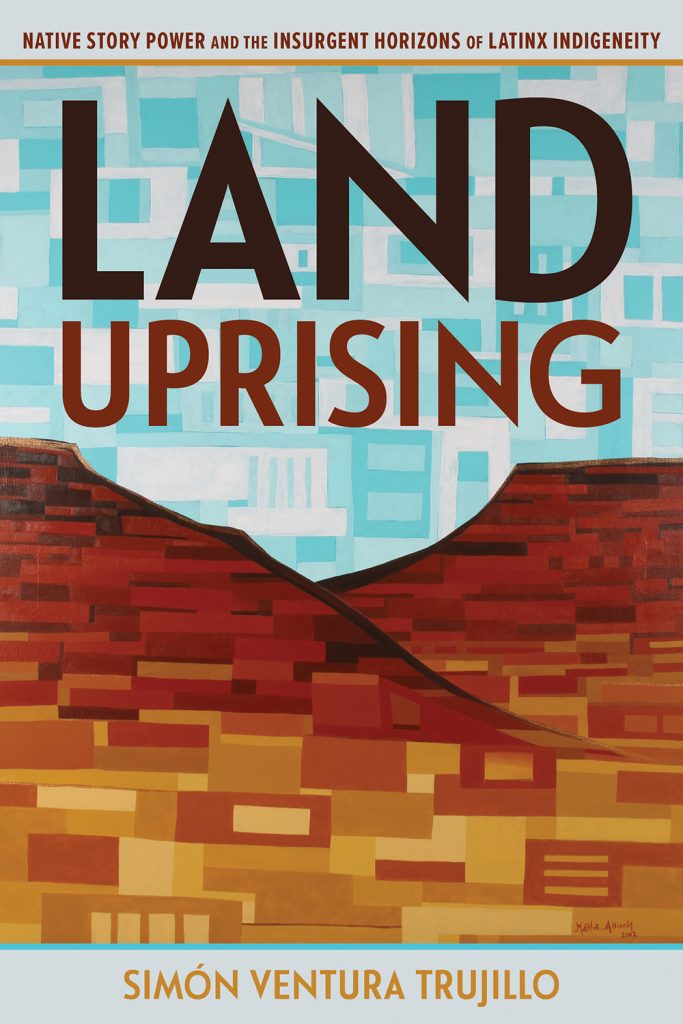
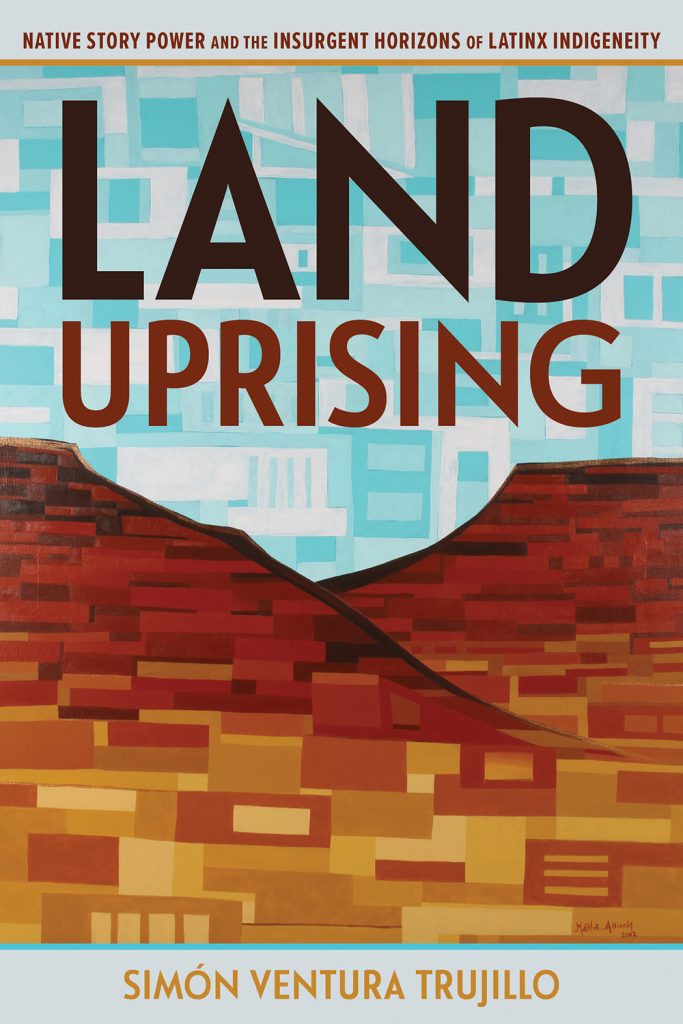
Land Uprising reframes Indigenous land reclamation as a horizon to decolonize the settler colonial conditions of literary, intellectual, and activist labor. Simón Ventura Trujillo argues that land provides grounding for rethinking the connection between Native storytelling practices and Latinx racialization across overlapping colonial and nation-state forms.
Listen to a conversation between Simón Ventura Trujillo and artist Vick Quezada here.
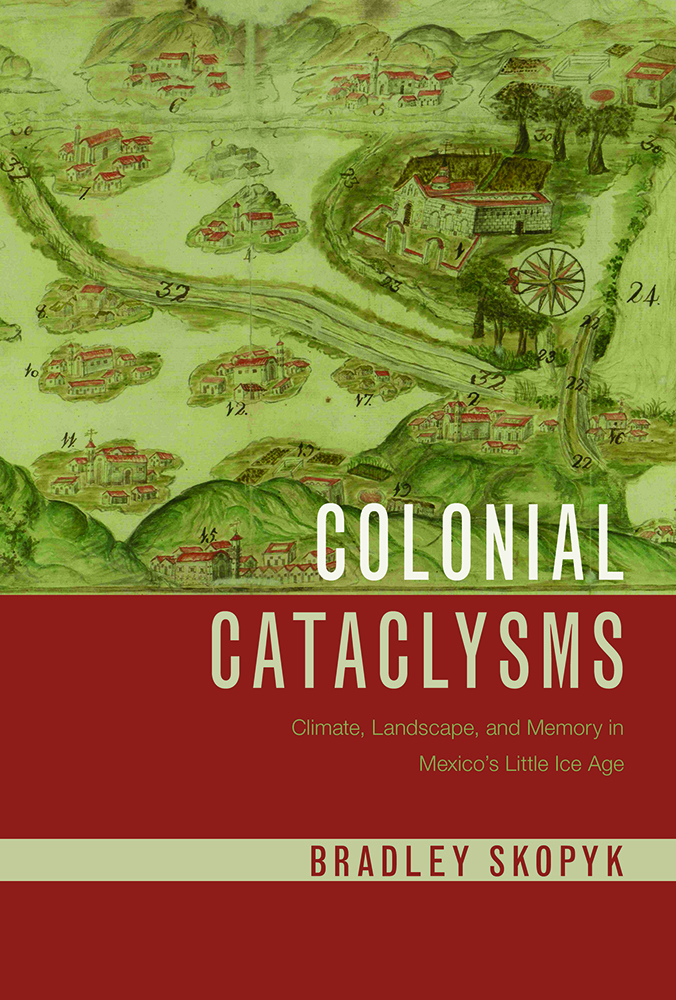
Colonial Cataclysms explores the human and environmental consequences of the global climate event called the Little Ice Age as it played out in central Mexico during the era of Spanish imperialism. It focuses on the great floods, massive soil erosion, and human adaptations to these cataclysms.
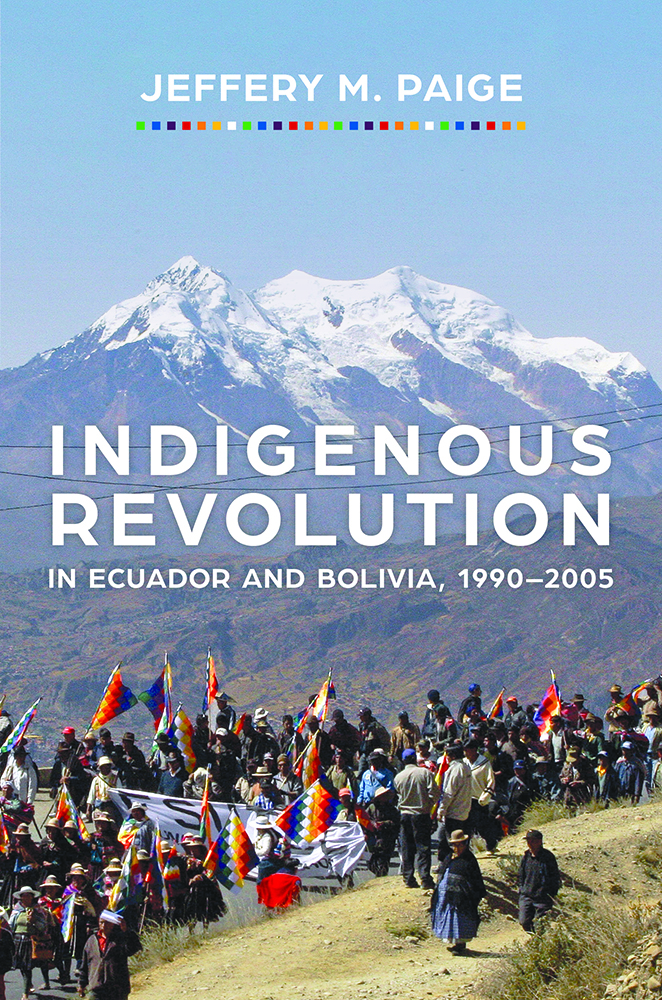
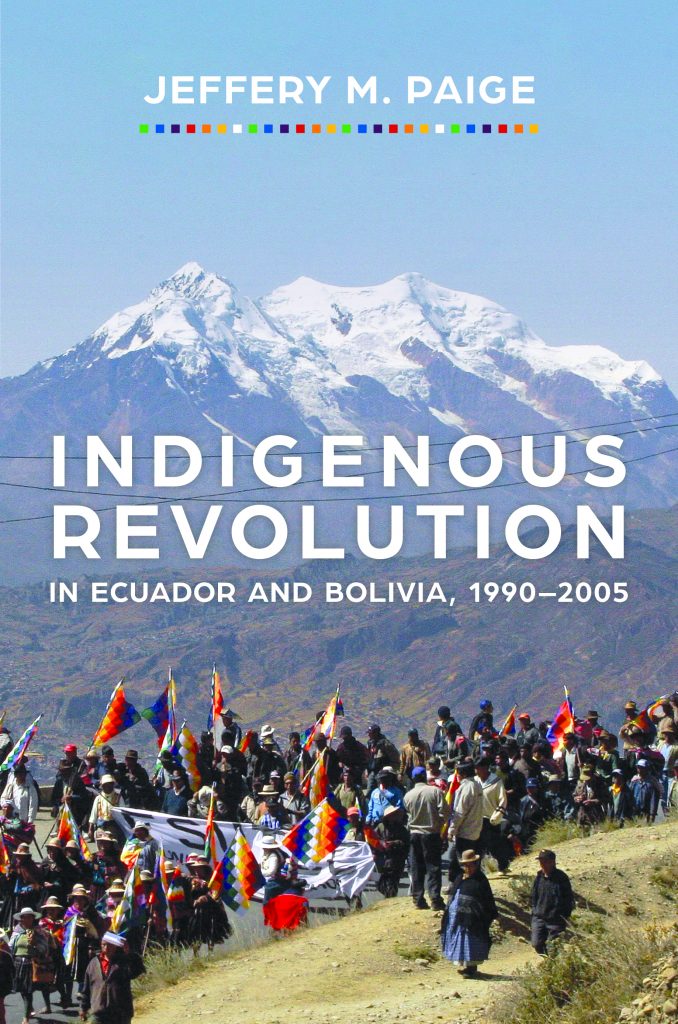
In the fifteen-year span from 1990 to 2005 uprisings of the indigenous peoples of Ecuador and Bolivia changed their societies forever. The combination of mass mobilization, elections, and indigenous socialism created a new form of twenty-first-century revolution that applies to cultures far beyond the Andes. InIndigenous Revolution in Ecuador and Bolivia, 1990-2005, Jeffrey M. Paige’s interviews present the powerful personal experiences and emotional intensity of the revolutionary leadership.
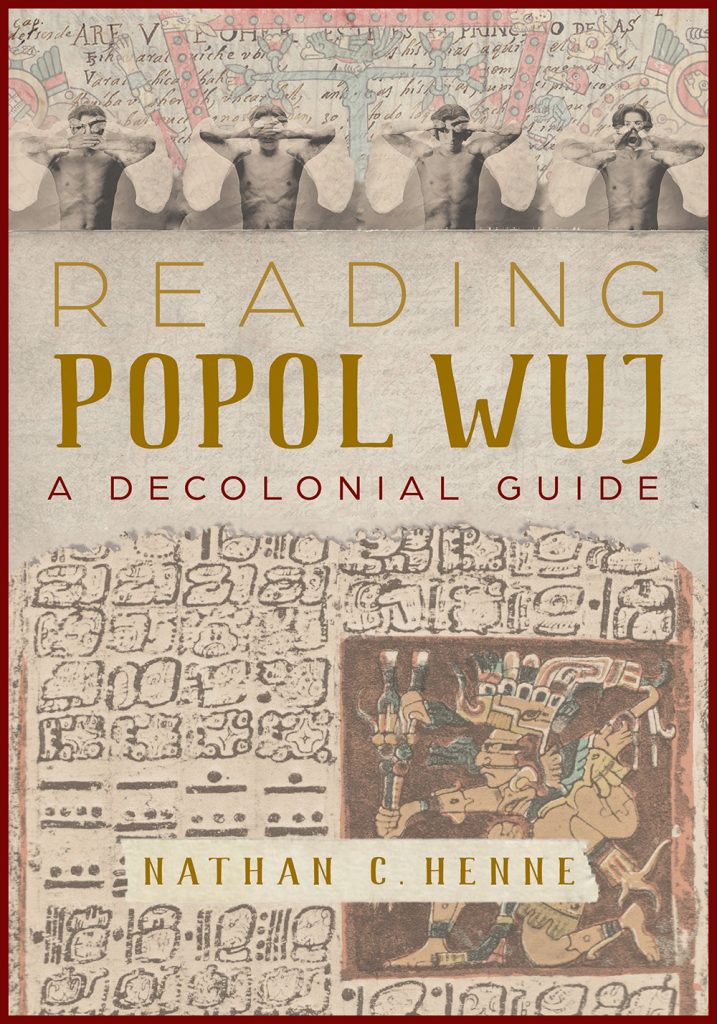
Reading Popol Wuj offers readers a path to look beyond Western constructions of literature to engage with this text through the philosophical foundation of Maya thought and culture. This guide deconstructs various translations to ask readers—scholars, teachers, and graduate and undergraduate students—to break out of the colonial mold in approaching this seminal Maya text.
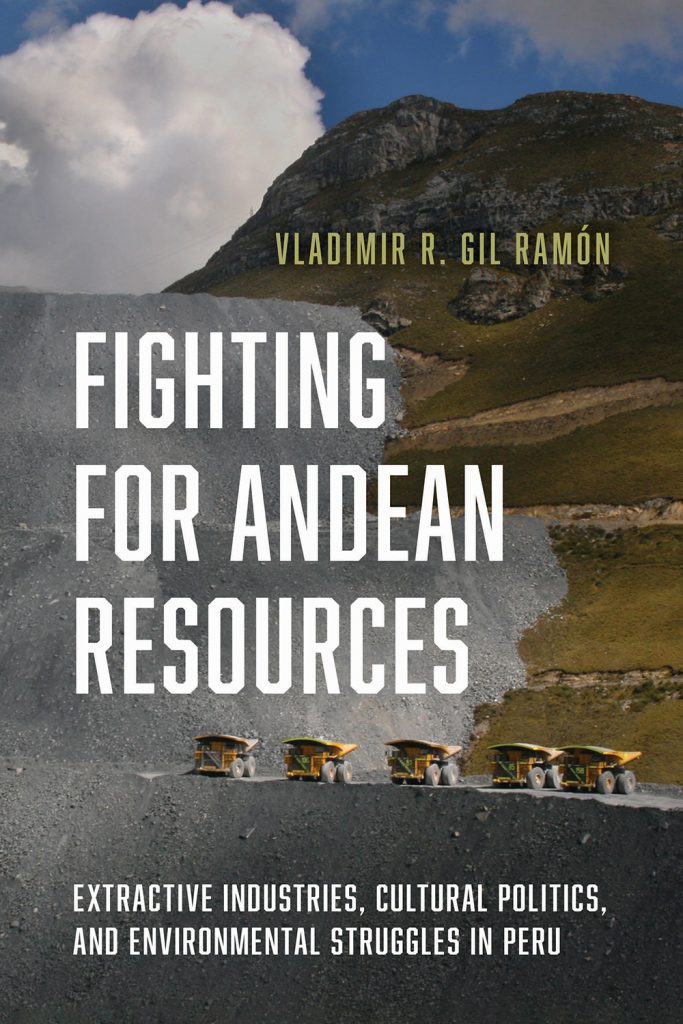
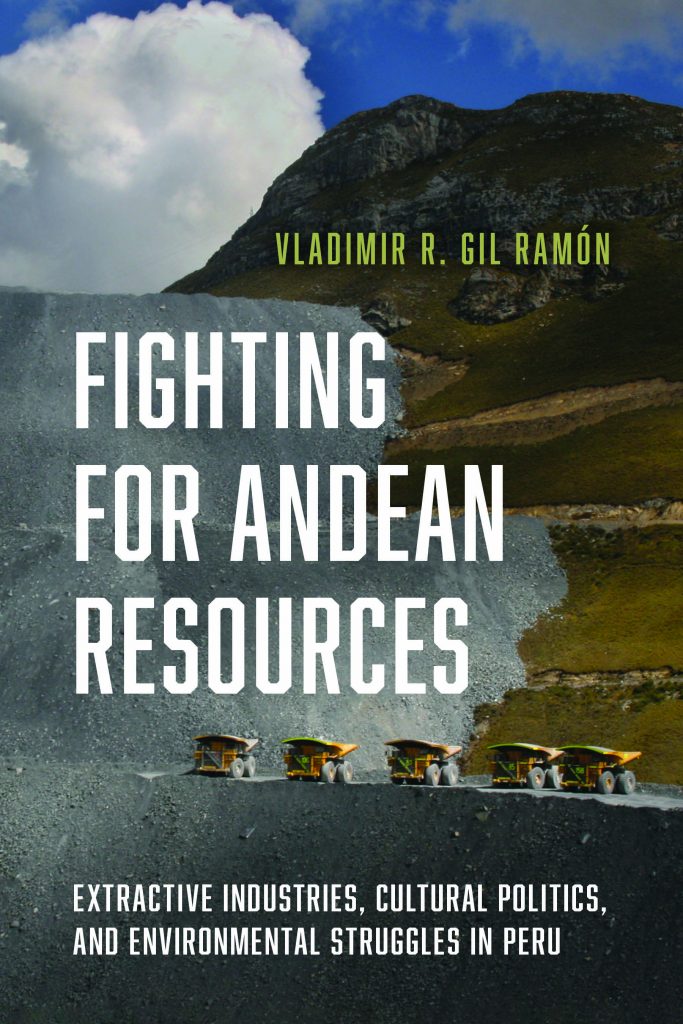
Fighting for Andean Resourcesoffers a singular contribution to the literature critiquing monolithic views of nation-state dynamics and globalization. Vladimir R. Gil Ramón examines the protocols of accountability and the social critique of the application of environmental impact assessments and safeguard policies. His analysis reveals the complex mechanisms for legitimizing decision-making and adds to an understanding of everyday state-nation conflicts and negotiations.
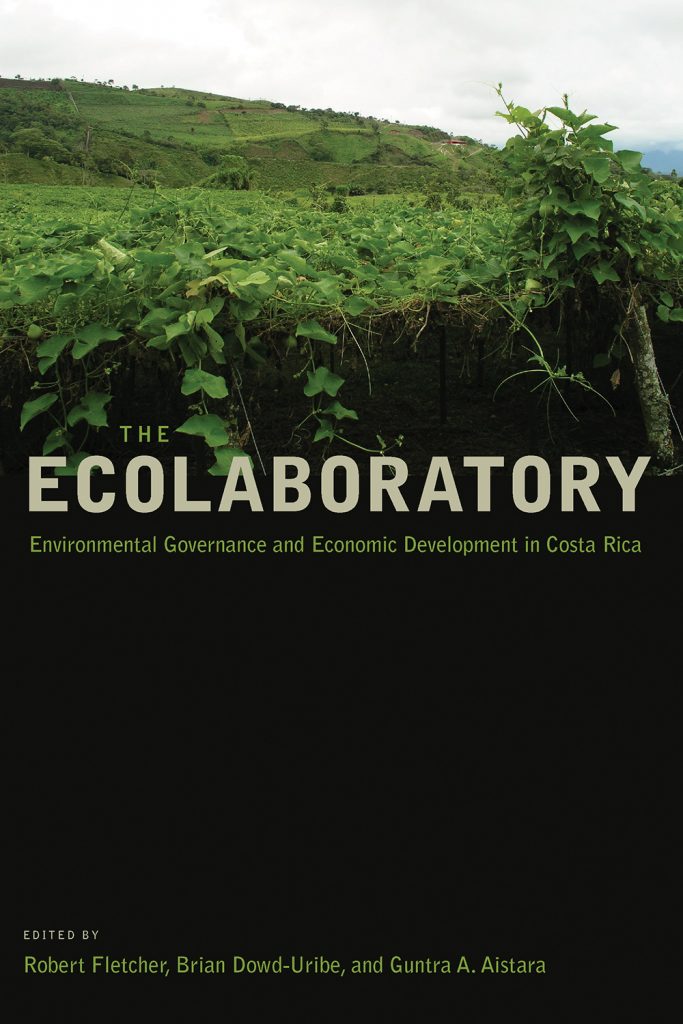
Despite its tiny size and seeming marginality to world affairs, the Central American republic of Costa Rica has long been considered an important site for experimentation in cutting-edge environmental policy. The Ecolaboratory frames Costa Rica as an “ecolaboratory” and asks what lessons we can learn for the future of environmental governance and sustainable development both within the country and elsewhere.
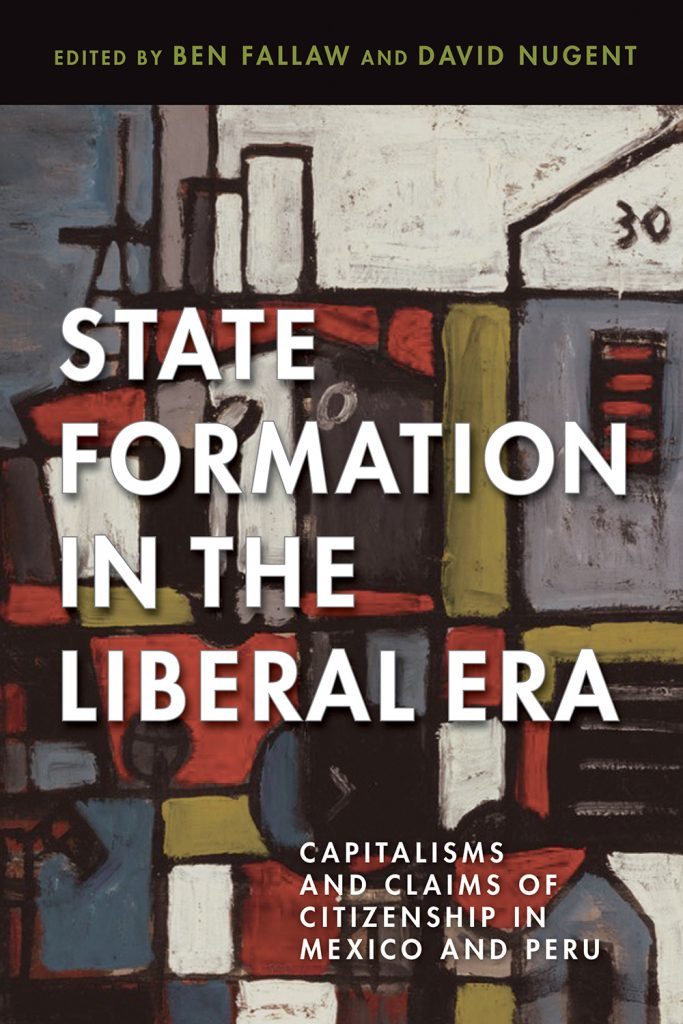
State Formation in the Liberal Eratransforms our understanding of post-colonial Latin America. The volume spans disciplinary and geographic boundaries and offers an insightful look at the tensions between disparate circuits of capital, claims of statehood, and the contested nature of citizenship.
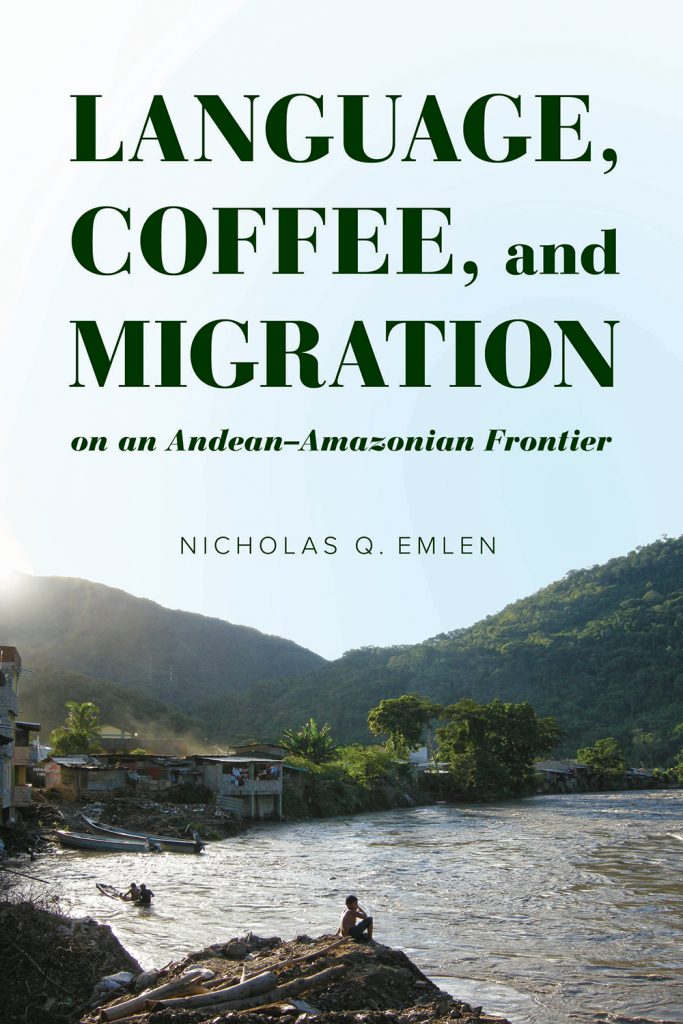
Language, Coffee, and Migration is an ethnography that takes us to remote Amazonian villages, dusty frontier towns, roadside bargaining sessions, and coffee traders’ homes to offer a new view of settlement frontiers as they are negotiated in linguistic interactions and social relationships. The book brings together a fine-grained analysis of multilingualism with urgent issues in Latin America today. It is a timely on-the-ground perspective on the agricultural colonization of the Amazon, which has triggered an environmental emergency threatening the future of the planet.
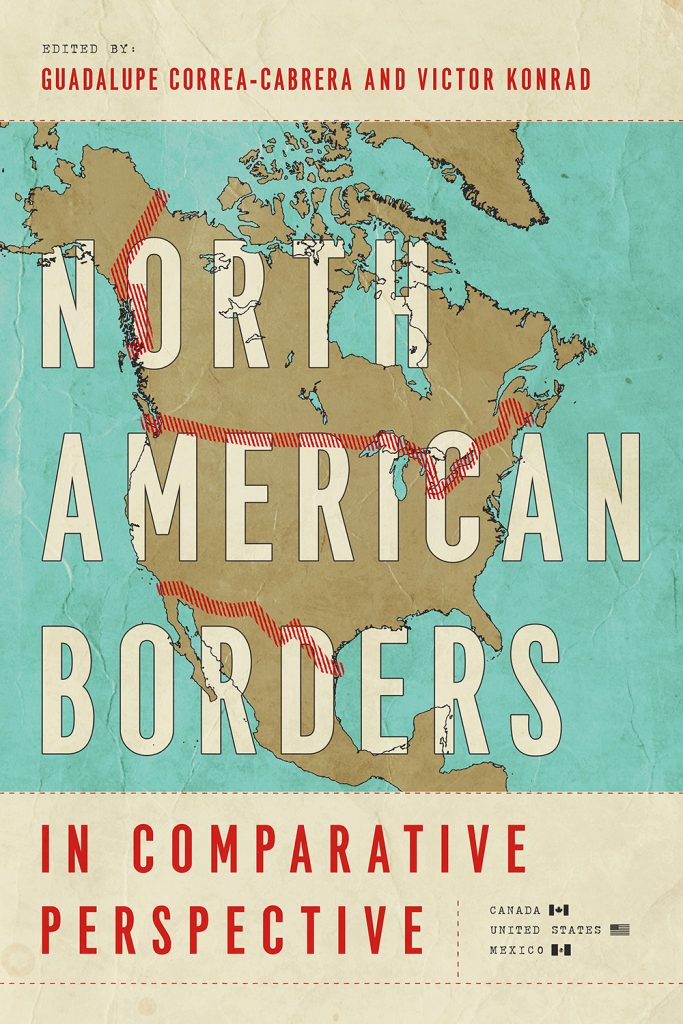
In North American Borders in Comparative Perspective leading scholars provide a contemporary analysis of how globalization and security imperatives have redefined the shared border regions of the United States, Canada, and Mexico.
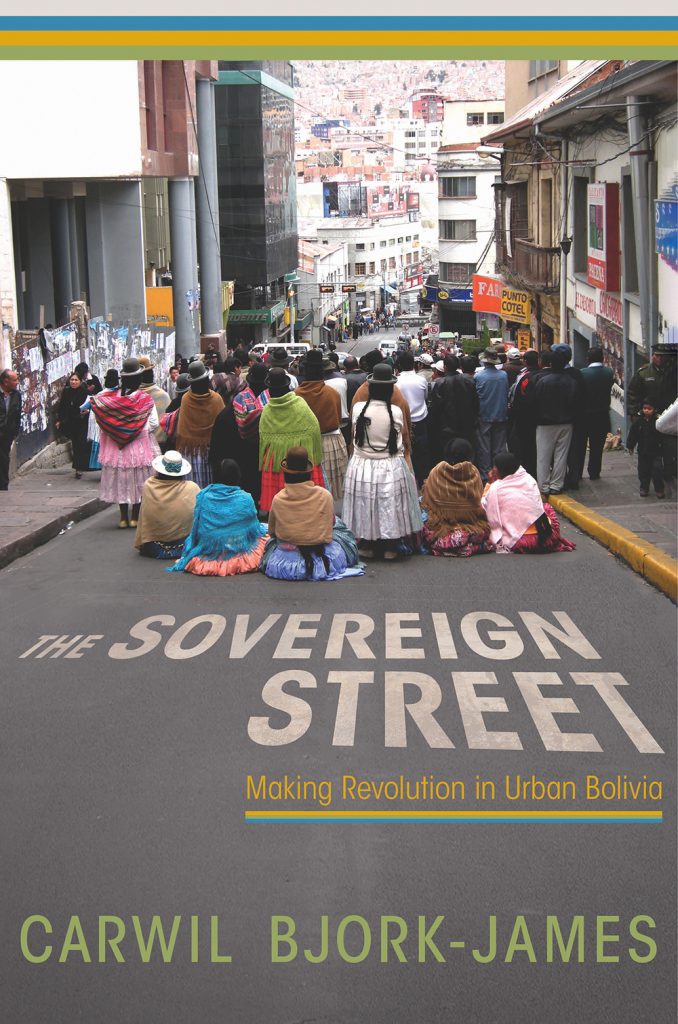
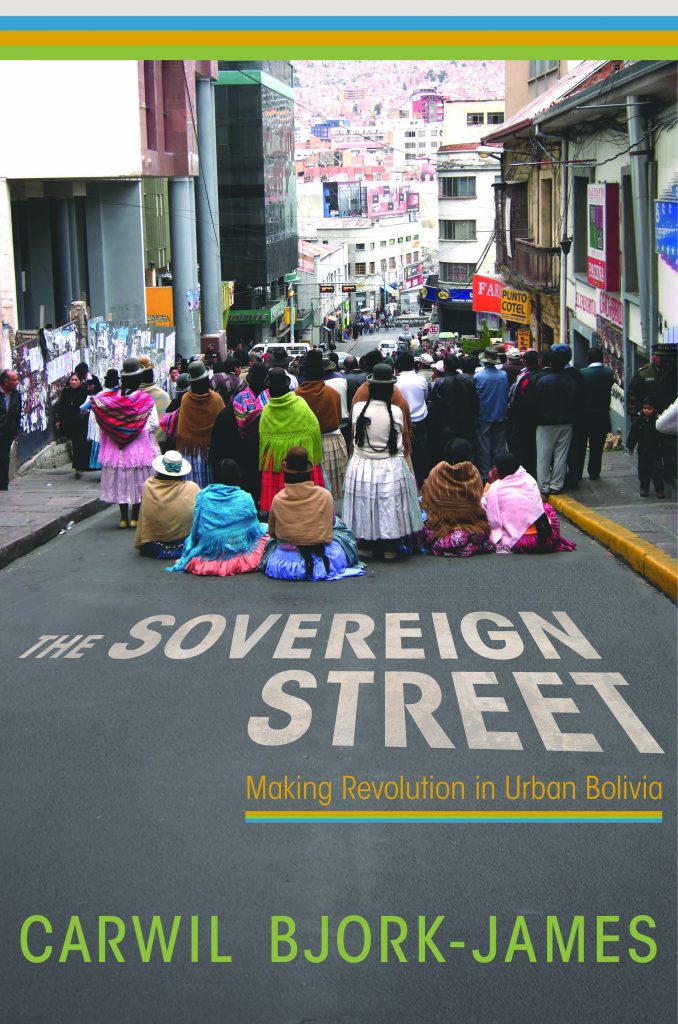
The Sovereign Streetoffers a rare look at political revolution as it happens, showing how mass street protest can change national political life. It documents a critical period in twenty-first century Bolivia, when small-town protests made headlines worldwide, where a generation of pro-globalization policies were called into question, and where the indigenous majority stepped into government power for the first time in five centuries.
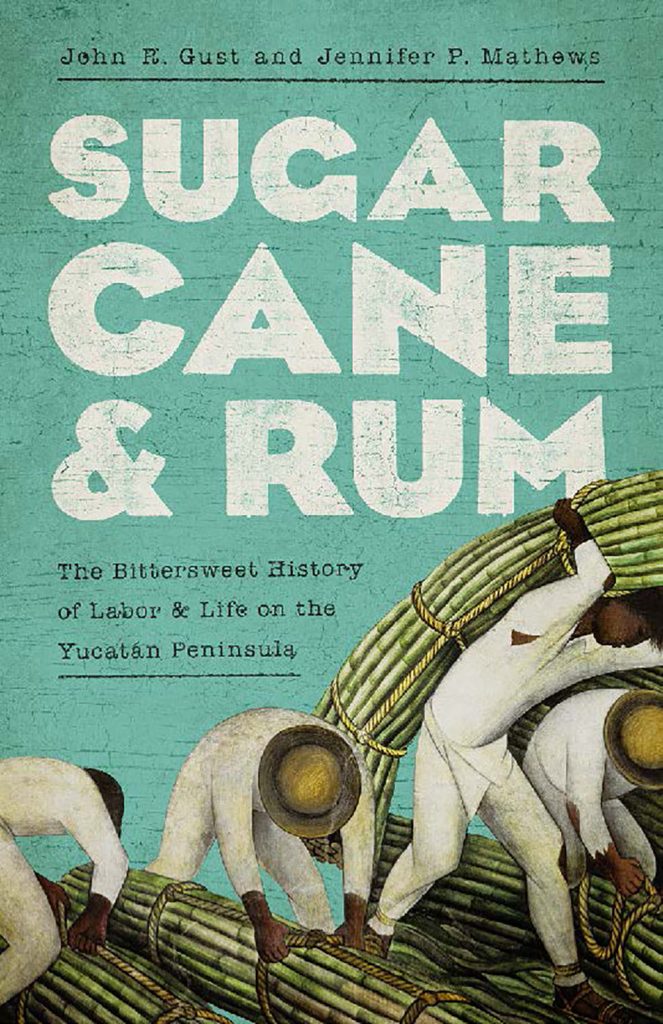
More than a history of coveted commodities, the unique story that unfolds in John R. Gust and Jennifer P. Mathews’s new historySugarcane and Rum is told through the lens of Maya laborers who worked under brutal conditions on small haciendas to harvest sugarcane and produce rum in the Yucatan Peninsula of Mexico.
We are thrilled that Smithsonian Magazine selected Sugarcane and Rum for their weekly reading series! Read an excerpt from the book here.
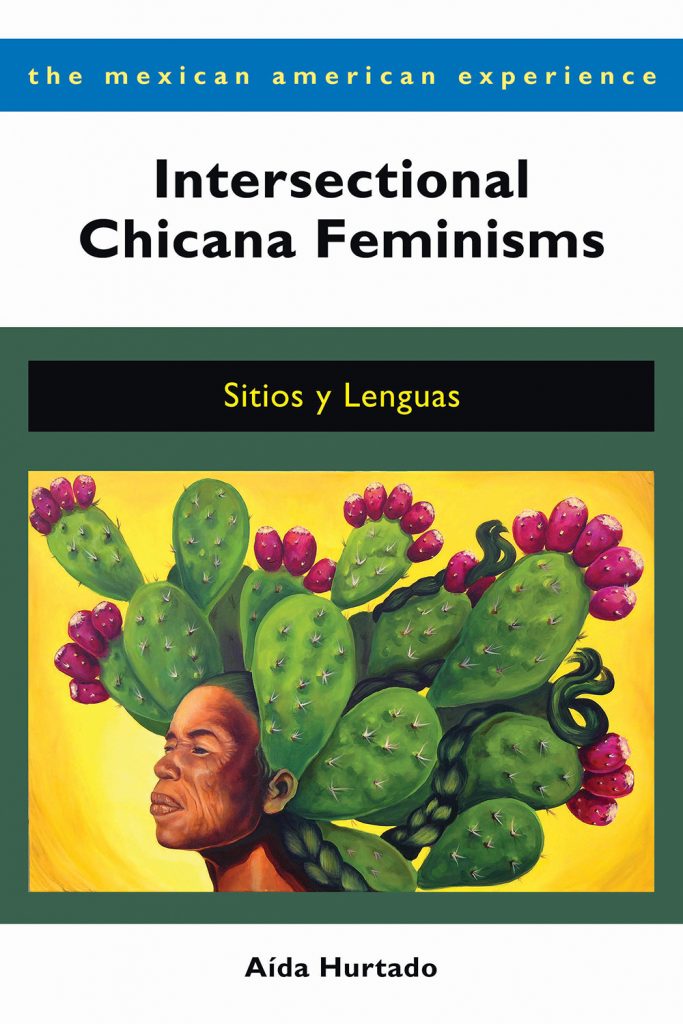
Advocating for and demonstrating the importance of an intersectional, multidisciplinary, activist understanding of Chicanas, Intersectional Chicana Feminismsprovides a much-needed overview of the key theories, thinkers, and activists that have contributed to Chicana feminisms.
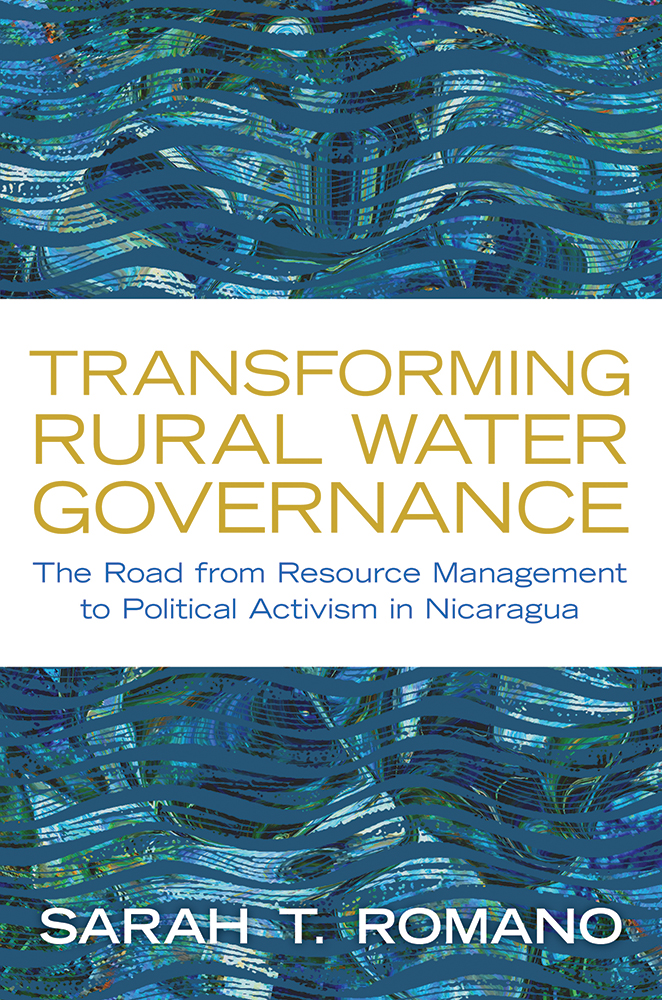
In Transforming Rural Water Governance, Sarah T. Romano explains the bottom-up development and political impact of community-based water and sanitation committees (CAPS) in Nicaragua. Romano traces the evolution of CAPS from rural resource management associations into a national political force through grassroots organizing and strategic alliances.
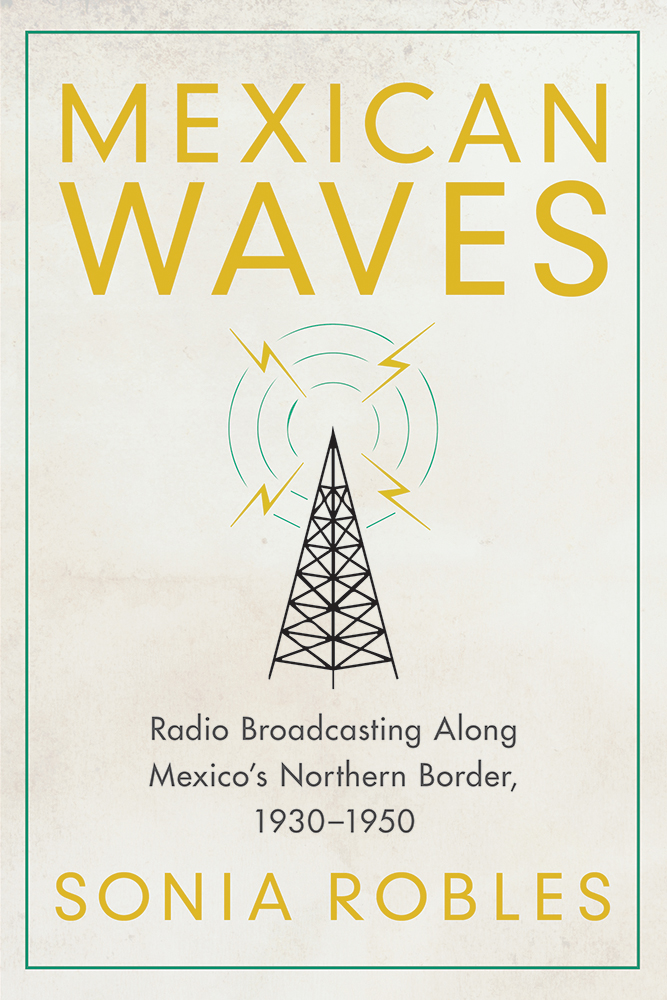
Mexican Waves takes us to a time before the border’s militarization, when radio entrepreneurs, listeners, and artists viewed the boundary between the United States and Mexico the same way that radio waves did—as fluid and nonexistent. Author Sonia Robles explains how Mexican radio entrepreneurs targeted the Mexican population in the United States decades before U.S. advertising agencies realized the value of the Spanish-language market and demonstrates Mexico’s role in shaping the borderlands.
Utilizing archival and ethnographic research,Racial Alterity, Wixarika Youth Activism, and the Right to the Mexican Cityexplores the construction of racial and ethnic imaginaries in the western Mexican cities of Guadalajara and Tepic, and the ways in which these imaginaries shape the contemporary experiences and activism of Wixarika (Huichol) Indigenous university students and professionals living, studying, and working in these two cities.
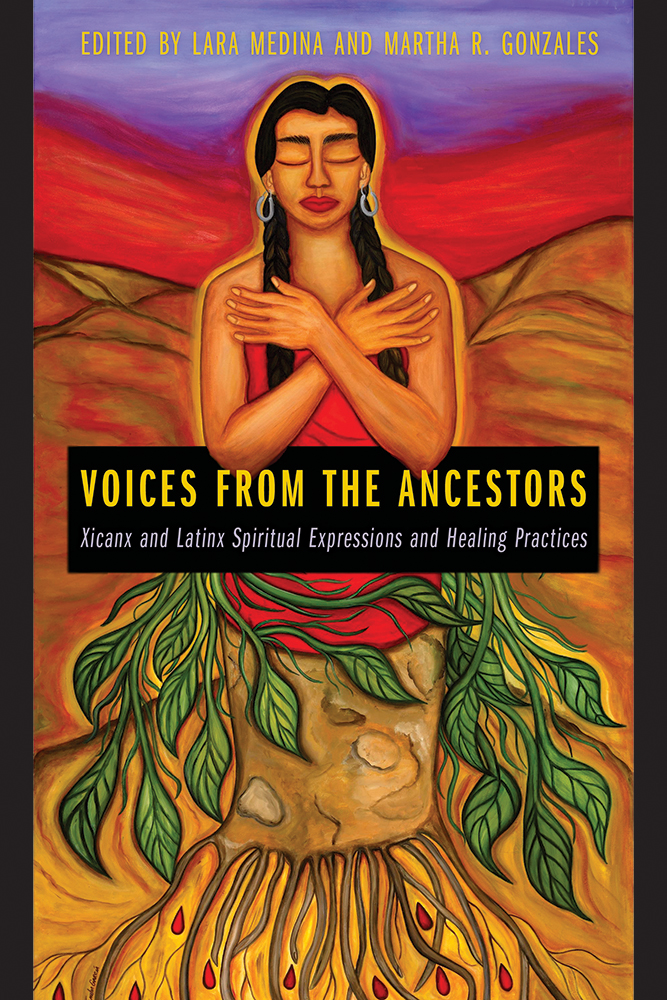
Reclaiming and reconstructing one’s spirituality based on non-Western epistemologies is central to the process of decolonization.Voices from the Ancestorsbrings together reflective writings and spiritual practices by Chicanx, Latinx, and Afro-Latinx womxn and male allies in the United States who seek to heal from the historical traumas of colonization by returning to ancestral traditions and knowledge.
Read an interview with the editors here, then watch a recorded virtual event for the book here.
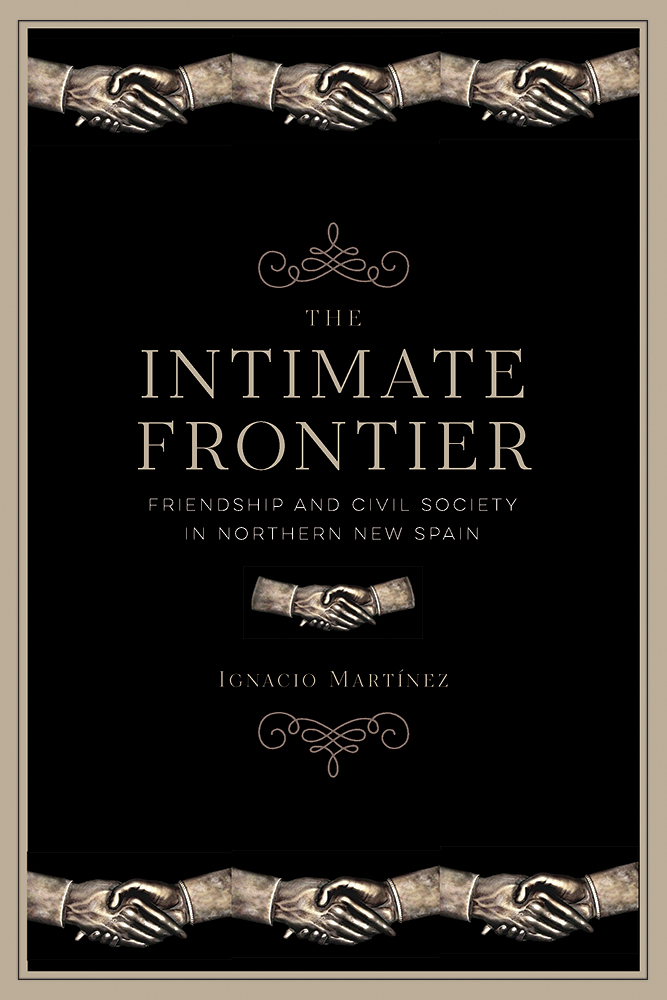
Building on the most recent scholarship in borderlands history, The Intimate Frontier is an intellectual and social history that explores the immensely complex web of interpersonal relationships and layers of emotional sophistication inherent among frontier communities.
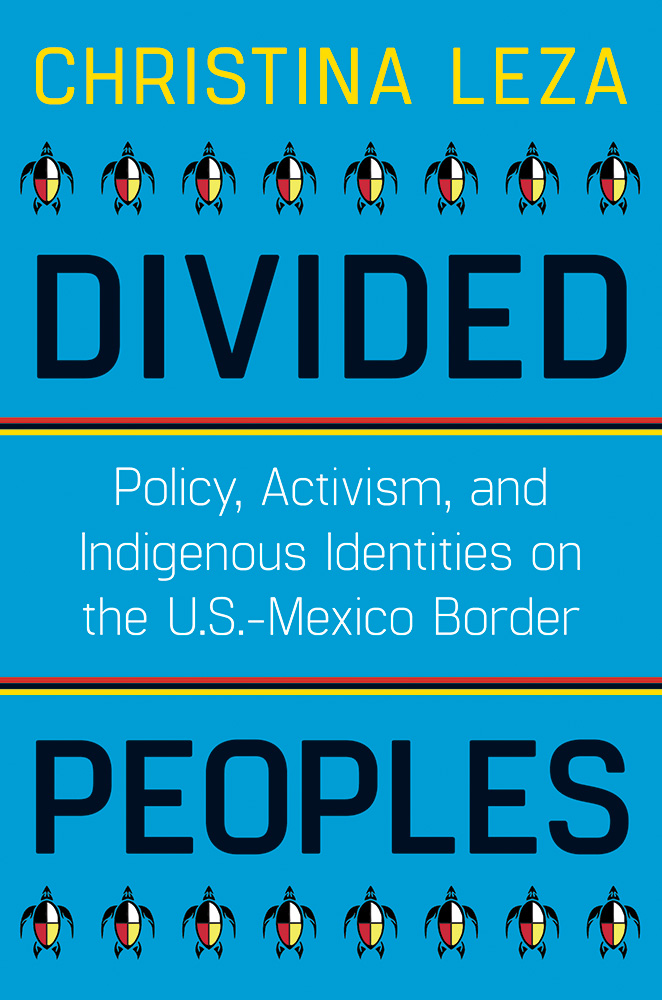
Divided Peoples addresses the impact border policies have on traditional lands and the peoples who live there—whether environmental degradation, border patrol harassment, or the disruption of traditional ceremonies. Anthropologist Christina Leza shows how such policies affect the traditional cultural survival of Indigenous peoples along the border. The author examines local interpretations and uses of international rights tools by Native activists, counter-discourse on the U.S.-Mexico border, and challenges faced by Indigenous border activists when communicating their issues to a broader public.
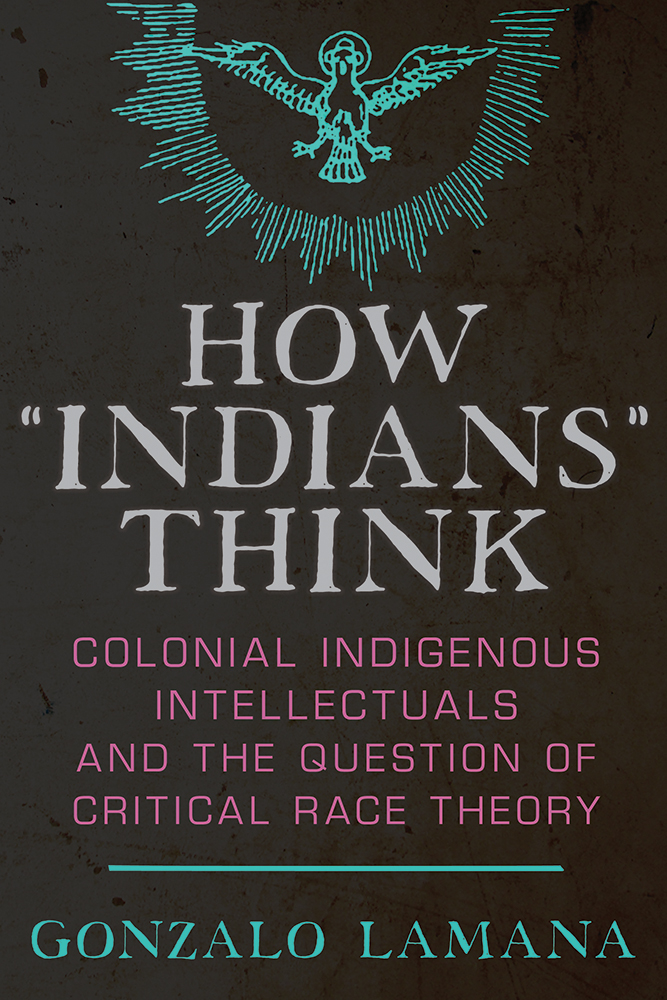
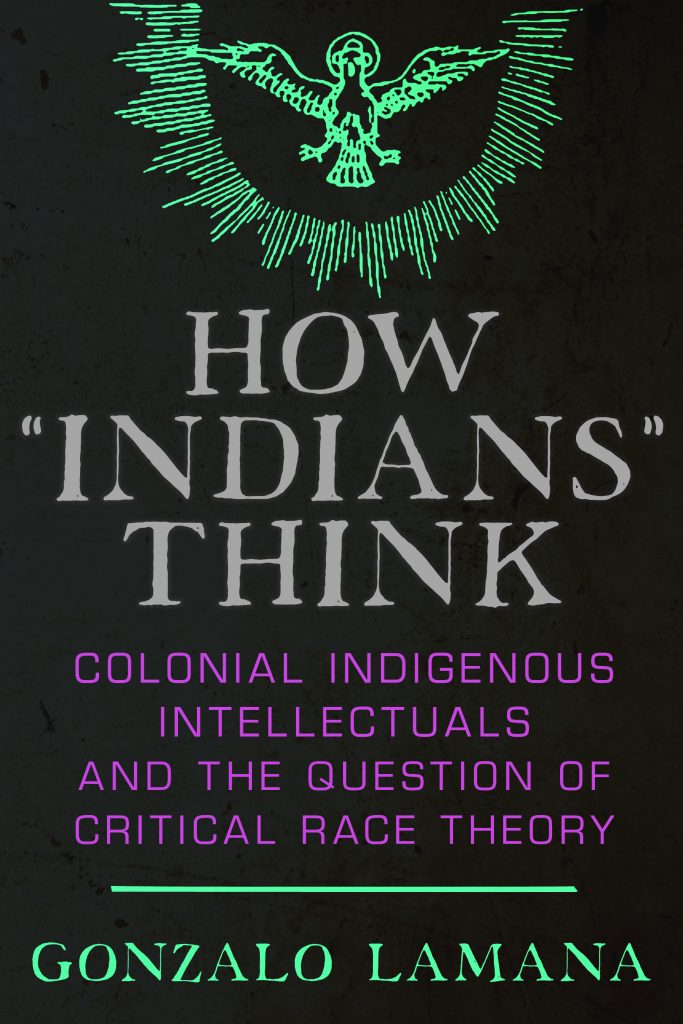
How “Indians” Think shines light on Indigenous perspectives of Spanish colonialism through a novel interpretation of the works of the two most important Amerindian intellectuals in the Andes, Felipe Guaman Poma de Ayala and Garcilaso de la Vega, el Inca. Departing from the predominant scholarly position that views Indigenous-Spanish relations as the clash of two distinct cultures, Gonzalo Lamana argues that Guaman Poma and Garcilaso were the first Indigenous activist intellectuals and that they developed post-racial imaginaries four hundred years ago.
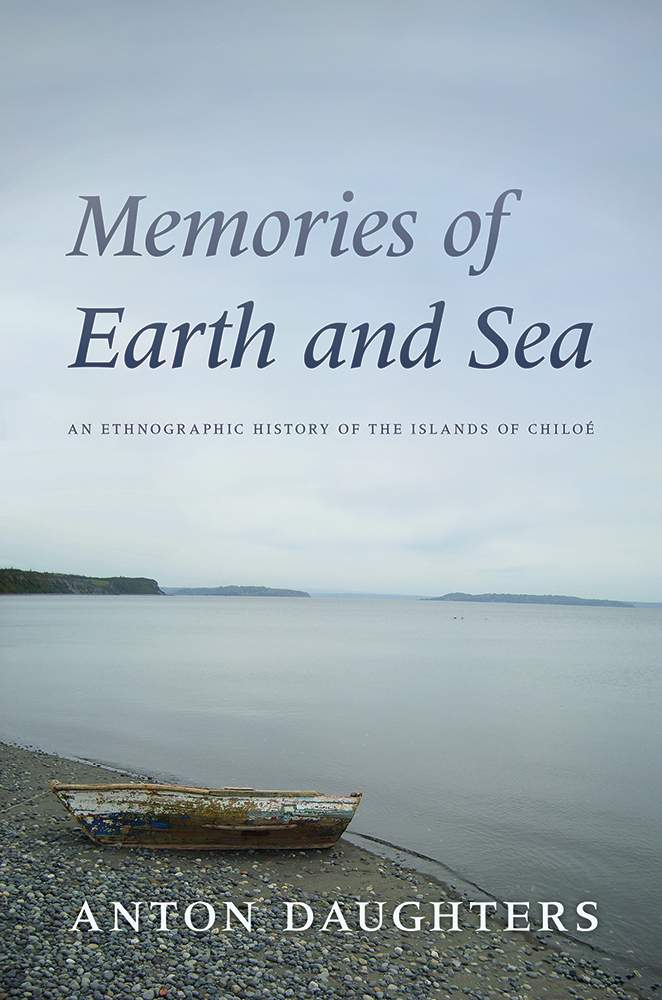
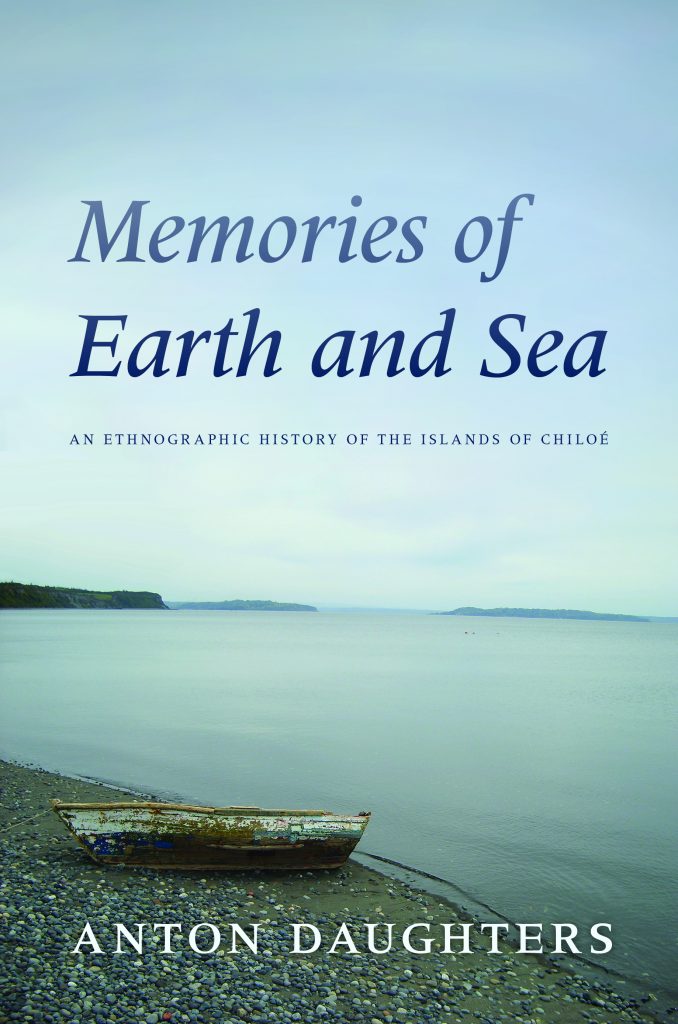
Memories of Earth and Sea explores the daily struggles of islanders living in one of South America’s most culturally distinct regions: the Chiloé Archipelago. Connecting the early history of the islands with the industrialization of the last forty years, the book presents a unique study of large-scale economic changes and the impact these can have on the memories and the collective identity of a people.
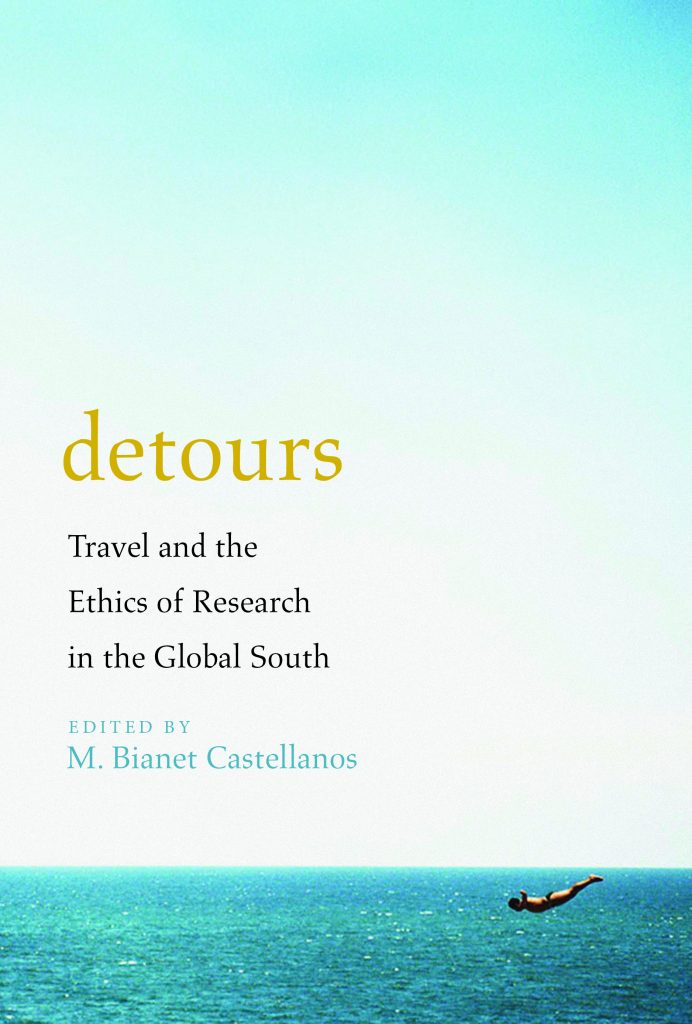
Detours is an attempt to crack cultural imperialism by bringing forth the personal as political in academia and research. Speaking from the intersection of race, class, and gender, the contributors explore the hubris and nostalgia that motivate returning again and again to a particular place. Through personal stories, they examine their changing ideas of Latin America and the Caribbean and how those places have shaped the people they’ve become, as writers, as teachers, and as activists.
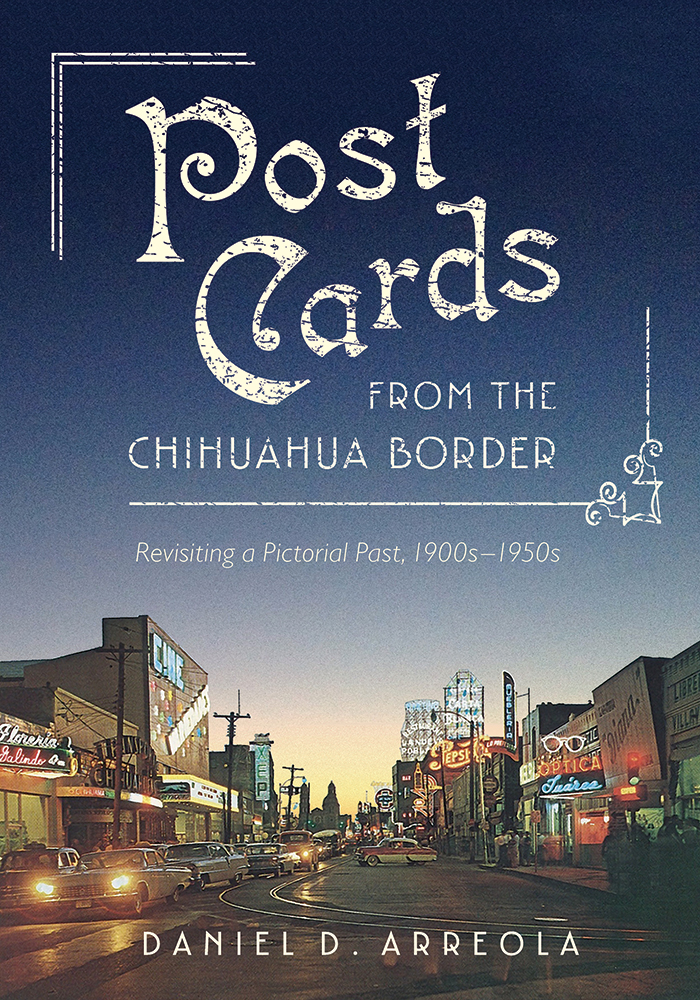
Daniel D. Arreola’sPostcards from the Chihuahua Border is a colorful and dynamic visual history of Mexico’s northern border. Drawing on more than three decades of archival work, Arreola invites the reader to time travel, to revisit another era—the first half of the last century—when the border towns of Ciudad Juárez, Ojinaga, and Palomas were framed and made popular through picture postcards.
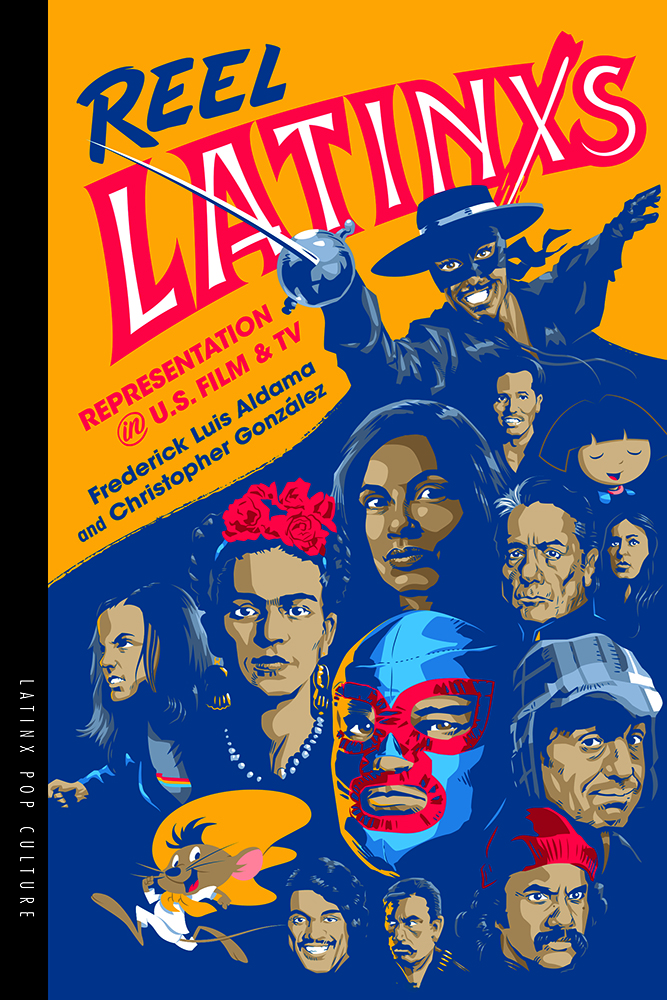
In Reel Latinxs, experts in Latinx pop culture Frederick Luis Aldama and Christopher González explain the real implications of Latinx representation in mainstream TV and film. They also provide a roadmap through a history of mediatized Latinxs that rupture stereotypes and reveal nuanced reconstructions of Latinx subjectivities and experiences.
Read a conversation between Christopher and Frederick here, then watch a video discussion here.
Latinx Ciné in the Twenty-First Century is a timeless volume that is a significant analysis of the burgeoning field of Latinx filmmaking. Editor Frederick Luis Aldama has gathered together some of the best writing on Latinx ciné in the twenty-first century. Today’s filmmakers show the world a rich Latinidad informed by a complexly layered culture replete with history, biography, and everyday experiences.
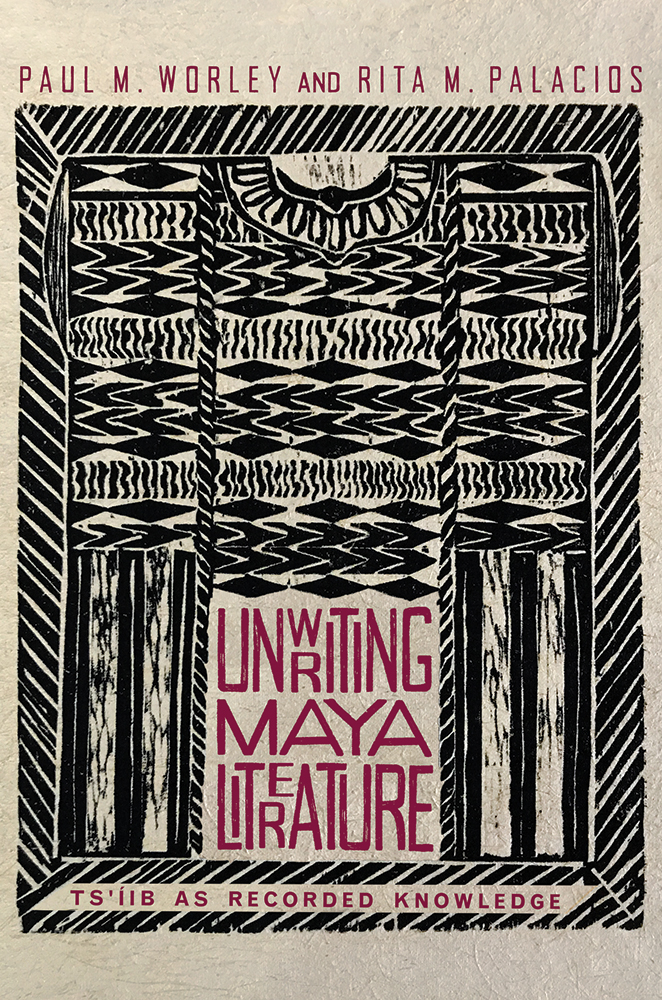
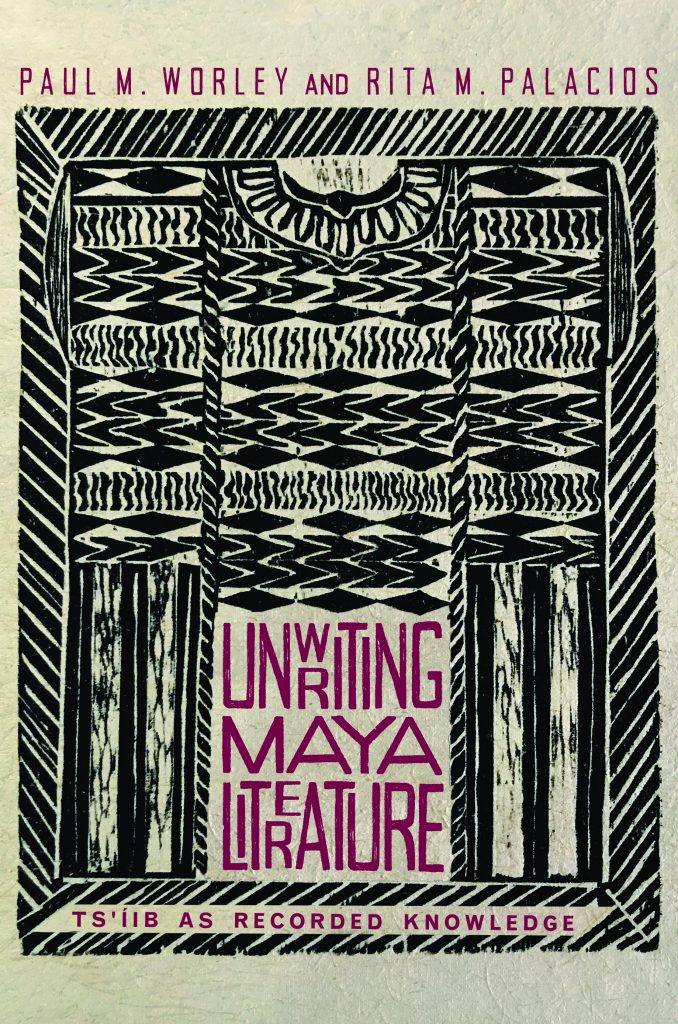
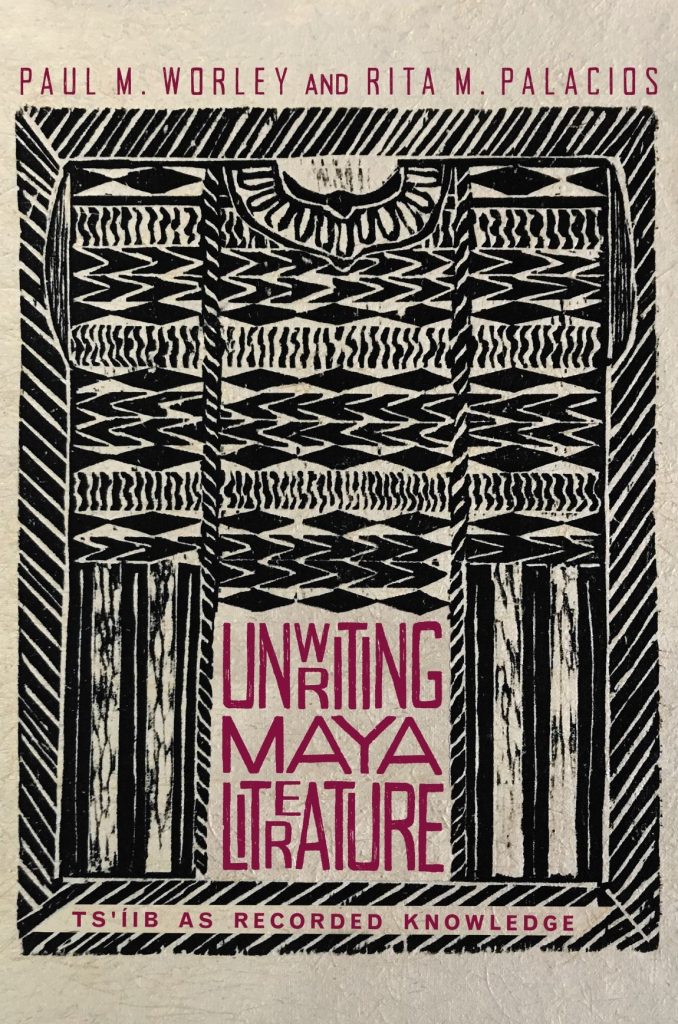
Unwriting Maya Literature provides an important decolonial framework for reading Maya and other Indigenous texts. Through insightful analyses of Maya cultural productions—whether textiles or poetry—this perspective offers a point of departure for the study of Maya literature and art that is situated in an Indigenous way of performing the act of reading.
We are so thrilled that Unwriting Maya Literature was awarded an honorable mention for the LASA Mexico Section award this year! Listen to these podcasts about the book.
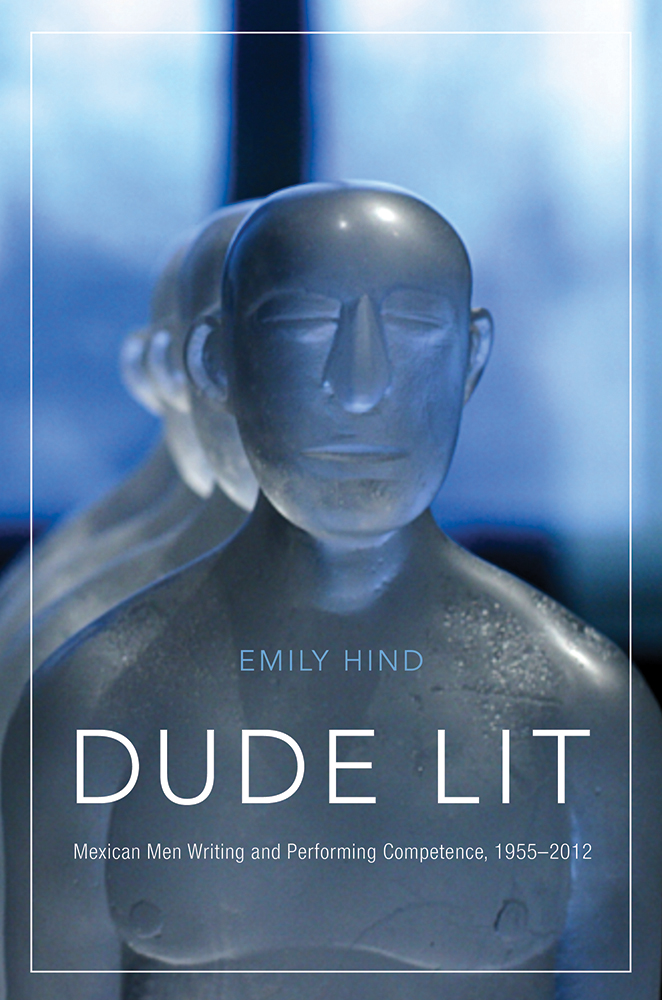
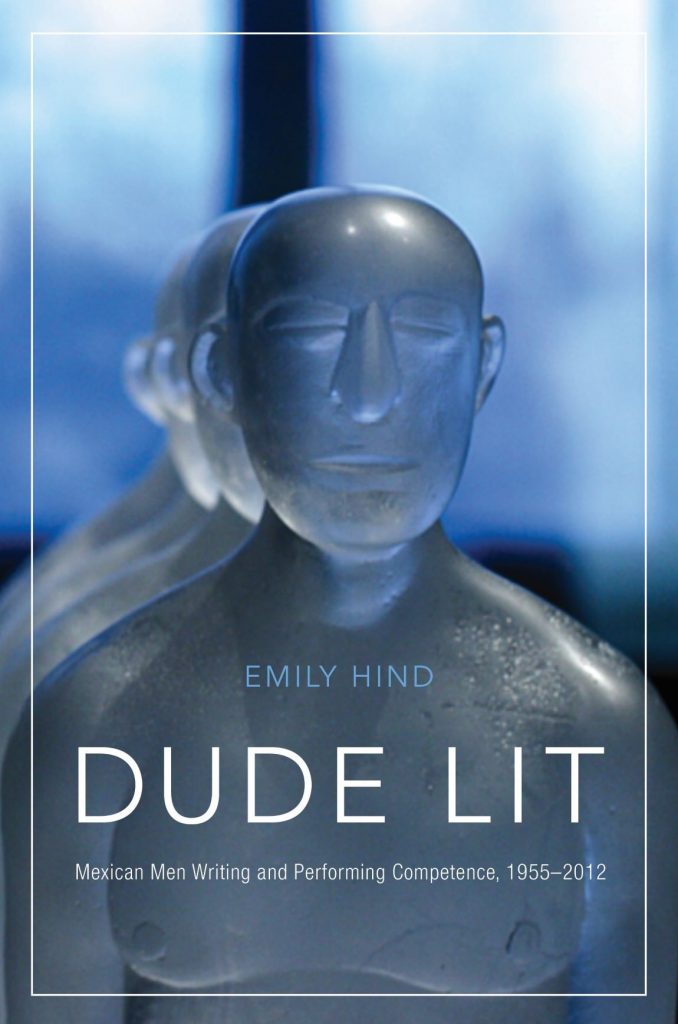
How did men become the stars of the Mexican intellectual scene? Dude Lit examines the tricks of the trade and reveals that sometimes literary genius rests on privileges that men extend one another and that women permit. Drawing on interviews, archival materials, and critical readings, this provocative book changes the conversation on literature and gendered performance.
In March in response to stay-at-home orders to slow the spread of COVID-19 the University of Arizona Press quickly and nimbly shifted focus from in-person to digital events.
We dove into the world of Zoom and live-stream events with our authors across the country. We hosted a series of conversations with our authors, where they shared their poetry, scholarship, and insights into how they crafted their work. If you didn’t have a chance to join us for our panels and conversations, here’s a rundown, really a virtual online celebration of what we love most–books and scholars:
We are already planning for our next season. Take a look at our Fall 2020 catalog here. We can’t wait to continue our important work, connecting our authors with readers.
Latinx pop culture guru Frederick Luis Aldama, contemplates streaming platforms in his latest on Latinx Spaces.
In “I Want My Incredible Shrinking Screen: Latinx Televisual Storytelling in the Age of Our Planetary Lockdown,” the co-editor of the University of Arizona Press Latinx Pop Culture series, dives into the ever-changing ways of streaming television offerings. You can read the entire essay here.
Today’s streaming platforms, webisodes, and audio-visual narratives created to be consumed on smartphones and laptops constitute also a layer-cake moment. We have all variety of creators making webisodes with story and aesthetics front and center. And, we have those who are creating audio-visual narratives for quick-fix, drop-and-go consumption. Netflix has plenty of these, and, also those that use the streaming platform as, well, disposable gimmick. I think of that Black Mirror episode, “Bandersnatch” where viewers could click-click their laptop, tablet, or lap-top screen on the protagonists everyday decisions to alter the plot outcome. But also we have a vital cross-flow of learning across these differently willfully shaped creative spaces.
In this vital cross-flow of learning and sharing new aesthetics are emerging—as well as co-creating practices. I don’t have to wait a week for another episode of Mr. Iglesias or One Day at a Time. I can binge two, three, four episodes at a time. This also means that the cliffhanger device is no longer needed to keep us interested, freeing writers and showrunners to create bigger story arcs, for instance.
These new nodes of new creation and distribution technologies are birthing a new artform. And, with this renaissance we’re also seeing the rise in visibility of content otherwise relegated to the margins. I think readily of LGBTQ+ narratives such as The F Word, Her Story, The Gay and Wondrous Life of Caleb Gallo.
Of course, these non-network and non-cable spaces have proved a breath of vital air for Latinx storytelling: QUIERO, Hello College, It’s Me, Lupita!, Brujos,and Muy Excited, featured in Latinx Spaces (October 17, 2017). Recall that Netflix’s Gentefied begun as the super-edgy YouTube webseries, Gente-fied. It’s in these spaces that we see complex narratives of Latinx identities, experiences, and subjectivities.
Lee, an associate professor of Native American studies at the University of New Mexico, is the editor of three books with the Press that are part of a four-book series touching on important topics concerning Diné philosophies, nation-building, and identity.
During the conversation, Lee shared what he anticipates to be the theme of the fourth book in the series–land and the environment. Many families and communities have experiences and stories on their connection to the land and how they live their life, he said. Similar to the book on sovereignty, Lee hopes to get many perspectives on the land and what the challenges are in a way that reflects the Diné people.
For this week’s free e-Book of the Week, we’re featuring our commitment to publishing important works in Indigenous studies by offering Eating the Landscape by Enrique Salmónfor free download from our website.
“Eating is not only a political act, it is also a cultural act that reaffirms one’s identity and worldview,” Enrique Salmon writes in Eating the Landscape. Traversing a range of cultures, including the Tohono O’odham of the Sonoran Desert and the Rarámuri of the Sierra Tarahumara, the book is an illuminating journey through the southwest United States and northern Mexico. Salmon weaves his historical and cultural knowledge as a renowned indigenous ethnobotanist with stories American Indian farmers have shared with him to illustrate how traditional indigenous foodways—from the cultivation of crops to the preparation of meals—are rooted in a time-honored understanding of environmental stewardship.
Download from our online shopping cart here. Available until 5/21/2020. Discount code is AZSALMON20.
“Salmón’s lineage serves as the touchstone for this episodic volume, each chapter of which introduces the reader to a different mode of traditional land stewardship.”—Publishers Weekly
“An intimate geographical and cultural journey.”—AlterNative
NAISA had to cancel their annual conference this year, and we really miss the opportunity to meet with our Indigenous studies authors and community. Below, we’ve highlighted our latest Indigenous studies titles that we weren’t able to display at the conference this year. Use the code AZNAISA20 for 40% off all of the titles mentioned in this post, plus free shipping!
Our editor-in-chief, Kristen Buckles, and our senior editor, Allyson Carter, Ph.D., acquire in this field. To propose a project, contact Kristen at kbuckles@uapress.arizona.edu or Allyson at acarter@uapress.arizona.edu.
Land Uprising reframes Indigenous land reclamation as a horizon to decolonize the settler colonial conditions of literary, intellectual, and activist labor. Simón Ventura Trujillo argues that land provides grounding for rethinking the connection between Native storytelling practices and Latinx racialization across overlapping colonial and nation-state forms.
The second of a two-volume series, Moquis and Kastiilam tells the story of the encounter between the Hopis, who the Spaniards called Moquis, and the Spaniards, who the Hopis called Kastiilam, from the Pueblo Revolt through 1781. Balancing historical documents with oral histories, it creates a fresh perspective on the interface of Spanish and Hopi peoples in the period of missionization.
In the fifteen-year span from 1990 to 2005 uprisings of the indigenous peoples of Ecuador and Bolivia changed their societies forever. The combination of mass mobilization, elections, and indigenous socialism created a new form of twenty-first-century revolution that applies to cultures far beyond the Andes. Jeffrey M. Paige’s interviews in Indigenous Revolution in Ecuador and Bolivia, 1990-2005 present the powerful personal experiences and emotional intensity of the revolutionary leadership.
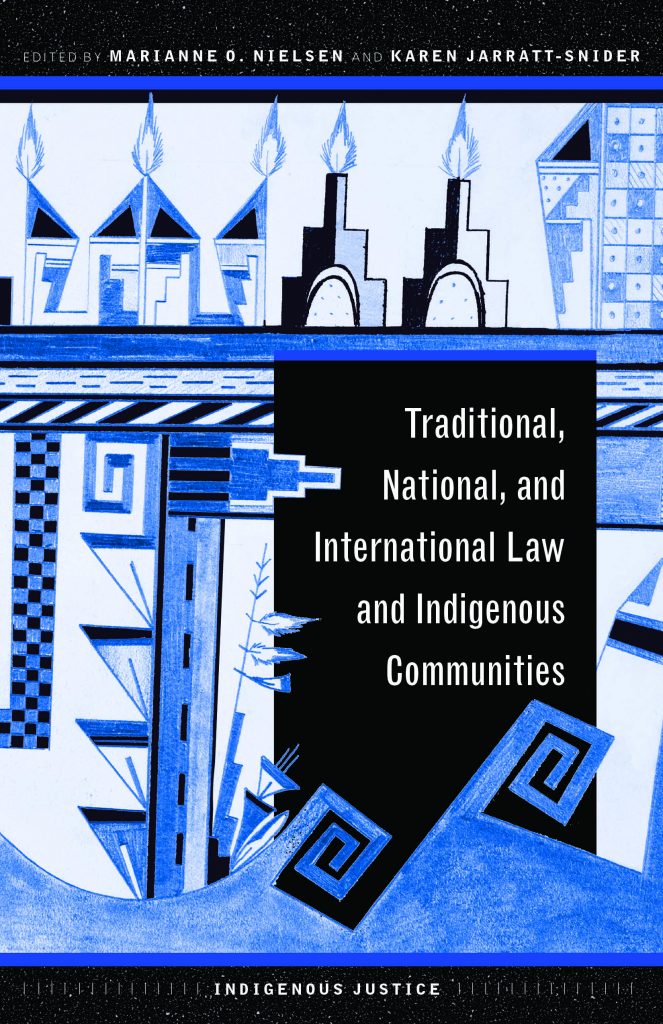
Traditional, National, and International Law and Indigenous Communities, a volume in the Indigenous Justice series, explores the global effects of marginalizing Indigenous law. The essays in this book argue that European-based law has been used to force Indigenous peoples to assimilate, has politically disenfranchised Indigenous communities, and has destroyed traditional Indigenous social institutions. The research in this volume focuses on the resurgence of traditional law, tribal–state relations in the United States, laws that have impacted Native American women, laws that have failed to protect Indigenous sacred sites, the effect of international conventions on domestic laws, and the role of community justice organizations in operationalizing international law.
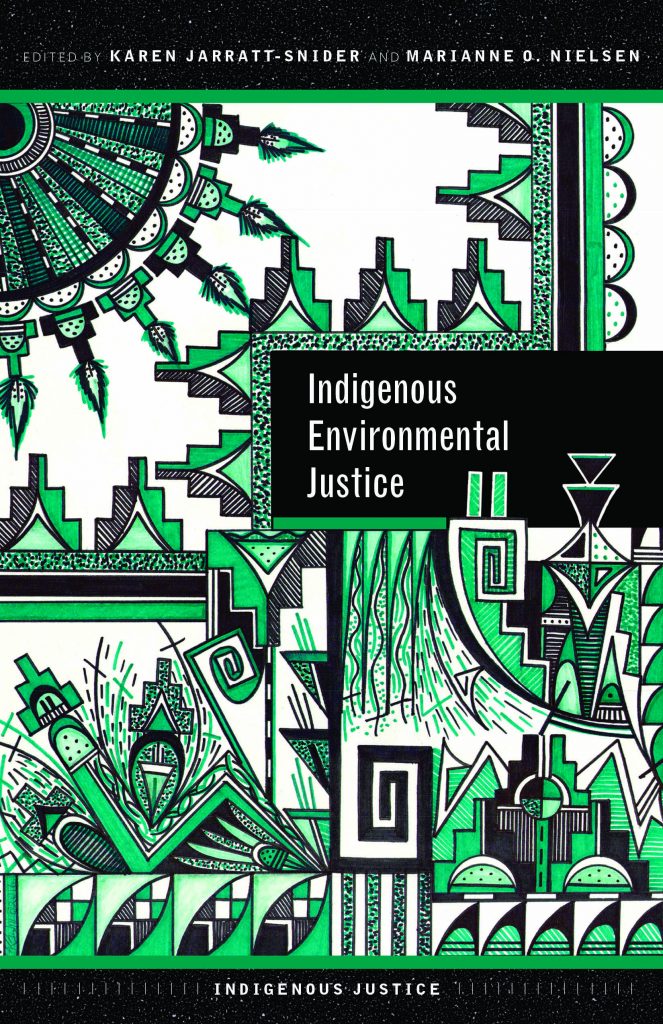
The book explores the ongoing effects of colonization and emphasizes Native American tribes as governments rather than ethnic minorities. Combining elements of legal issues, human rights issues, and sovereignty issues,Indigenous Environmental Justice creates a clear example of community resilience in the face of corporate greed and state indifference.
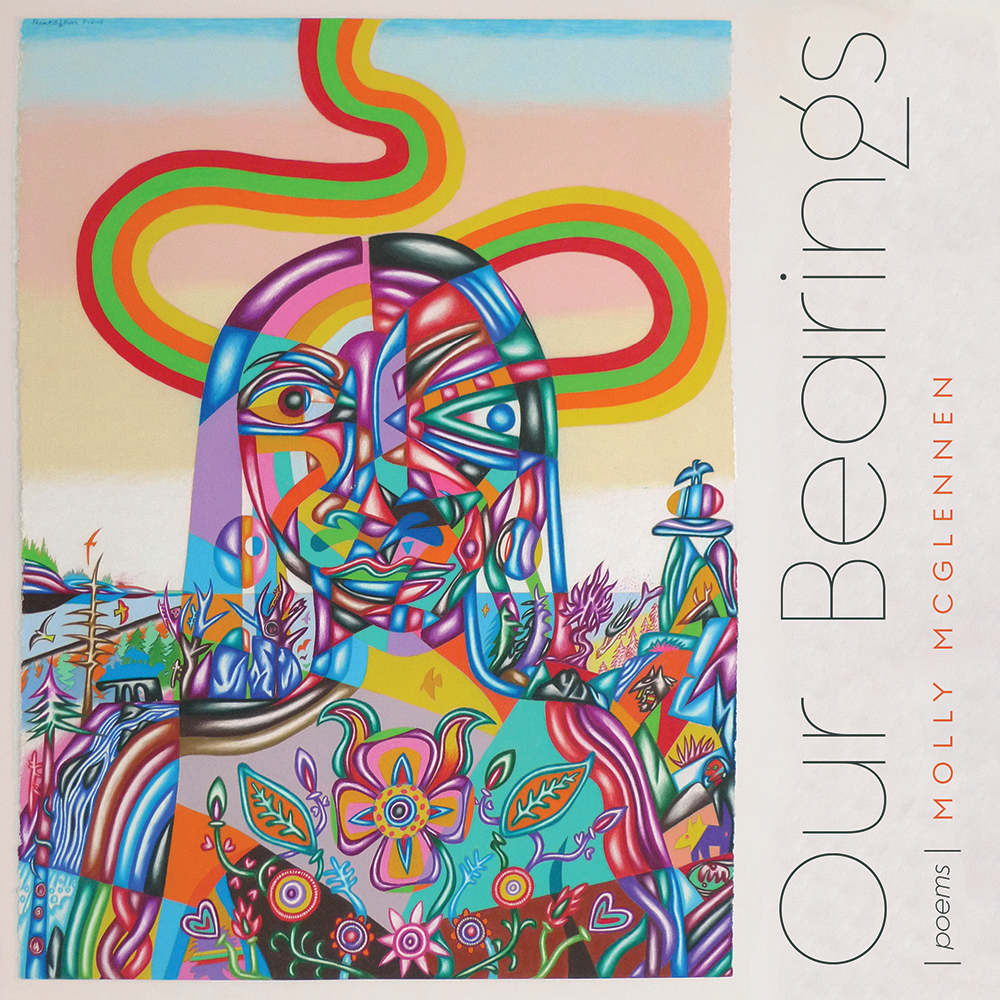
Our Bearings is a collection of narrative poetry that examines and celebrates Anishinaabe life in modern Minneapolis. The poems offer a beautifully layered discourse between landscapes, stories, and the people who inhabit them. Through keen observation and a deep understanding of Native life in Minneapolis, McGlennen has created a timely collection which contributes beautifully to the important conversation about contemporary urban Native life in North America and globally.
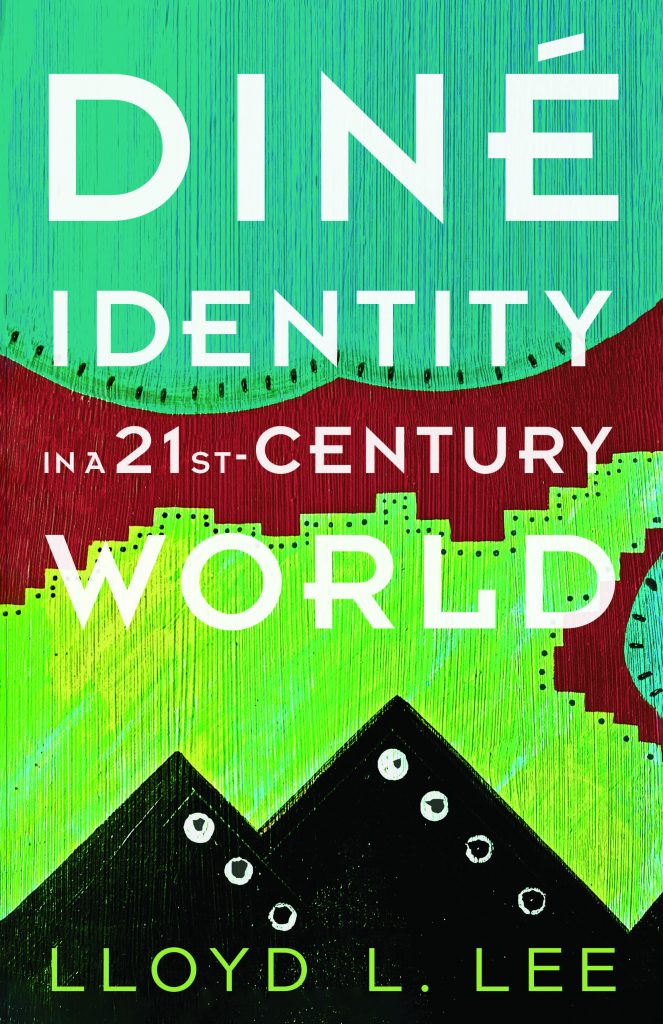
Informed by personal experience and offering an inclusive view, Diné Identity in a Twenty-First-Century Worldshowcases the complexity of understanding and the richness of current Diné identities.
Fighting for Andean Resources offers a singular contribution to the literature critiquing monolithic views of nation-state dynamics and globalization. Vladimir R. Gil Ramón examines the protocols of accountability and the social critique of the application of environmental impact assessments and safeguard policies. His analysis reveals the complex mechanisms for legitimizing decision-making and adds to an understanding of everyday state-nation conflicts and negotiations.
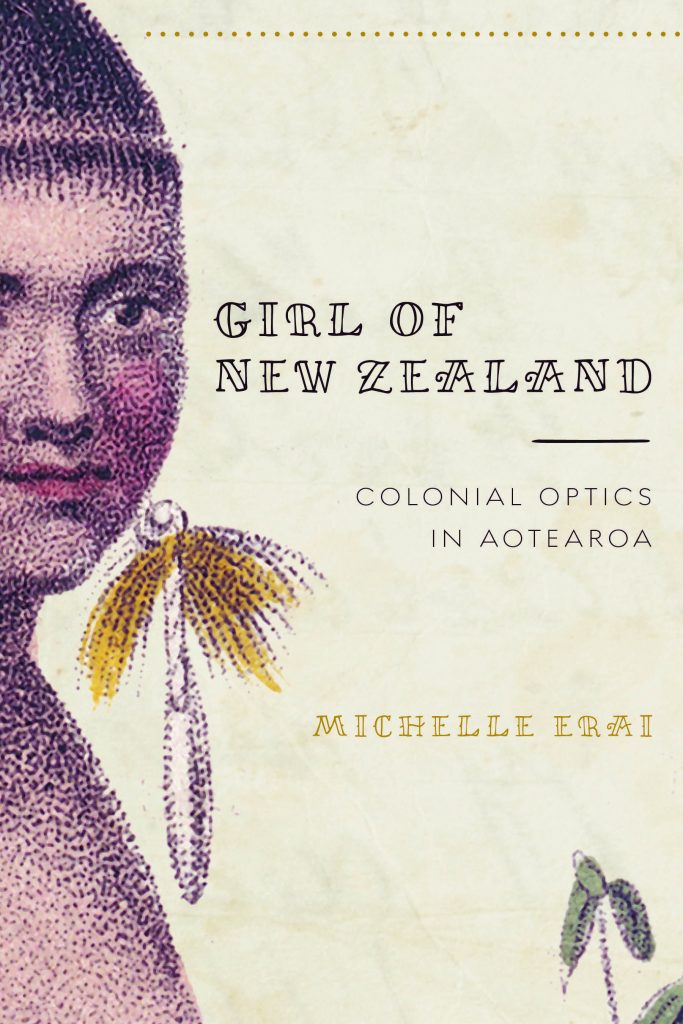
Girl of New Zealand resurrects Māori women from objectification and locates them firmly within Māori whanau/families and communities. In the wake of the Me Too movement and other feminist projects, Michelle Erai’s timely analysis speaks to the historical foundations of negative attitudes toward Indigenous Māori women in the eyes of colonial “others”—outsiders from elsewhere who reflected their own desires and fears in their representations of the Indigenous inhabitants of Aotearoa, New Zealand.
The Sovereign Streetoffers a rare look at political revolution as it happens, showing how mass street protest can change national political life. It documents a critical period in twenty-first century Bolivia, when small-town protests made headlines worldwide, where a generation of pro-globalization policies were called into question, and where the indigenous majority stepped into government power for the first time in five centuries.
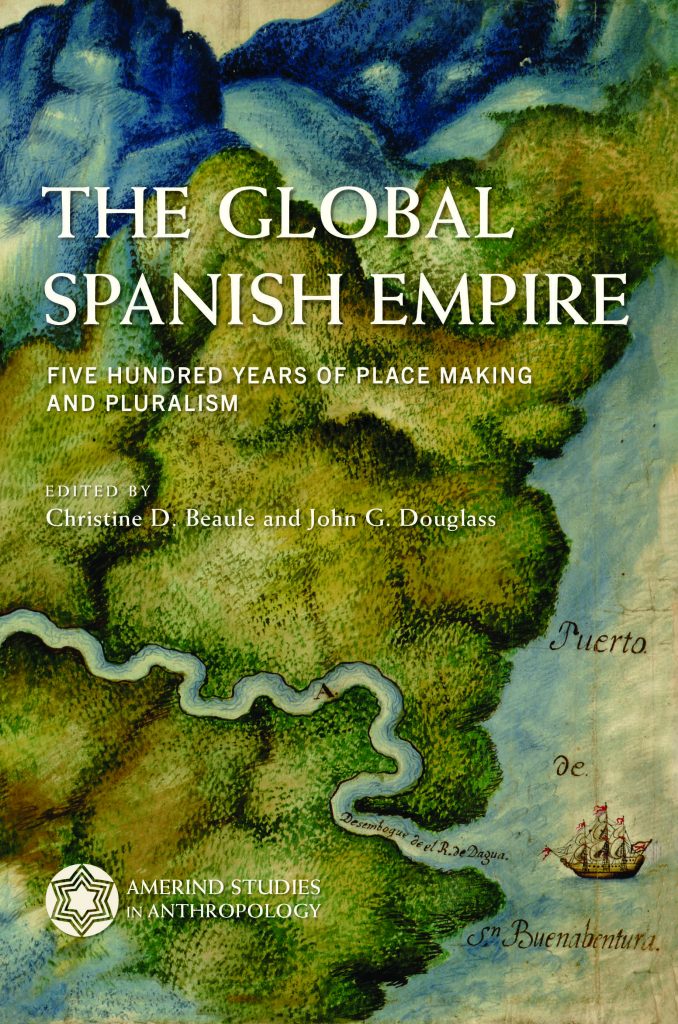
The Global Spanish Empire tackles broad questions about indigenous cultural persistence, pluralism, and place making using a global comparative perspective grounded in the shared experience of Spanish colonialism. Through an expansive range of essays that look at Africa, the Americas, Asia, the Caribbean and the Pacific, this volume brings often-neglected regions into conversation.
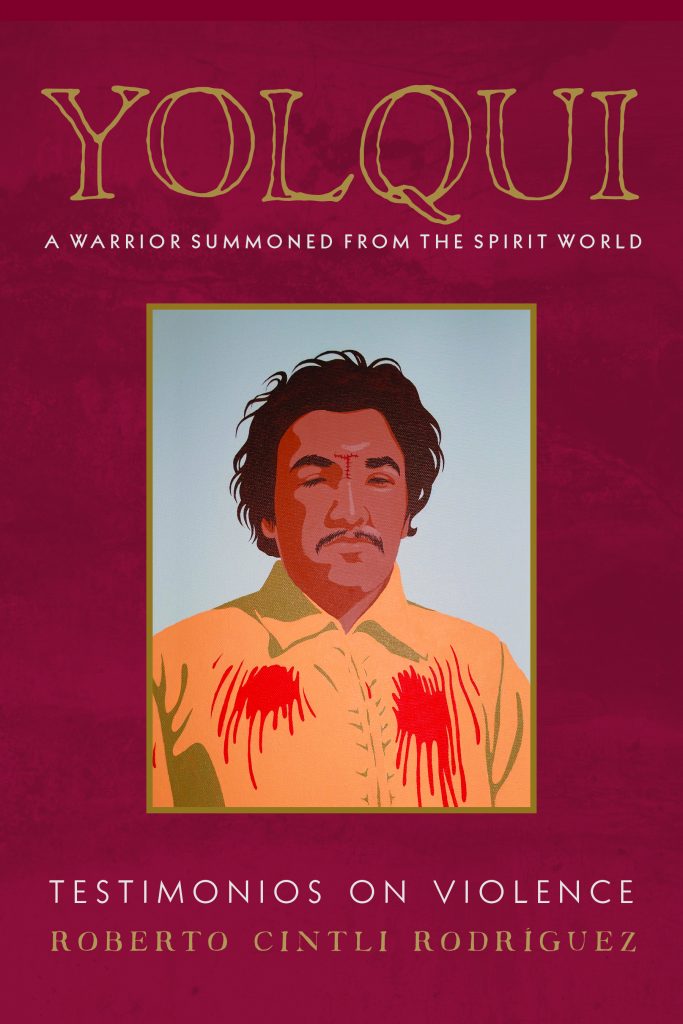
Yolqui, a Warrior Summoned from the Spirit World is a testimonio, a historia profoundo of the culture of extralegal violence against the Red-Black-Brown communities in the United States that operates with impunity. Framed by Roberto Cintli Rodríguez’s personal testimony of police violence, this book is a clarion call to end that violence and those philosophies that permit such violence to flourish.
Reclaiming Indigenous Governance examines the efforts of Indigenous peoples in four important countries to reclaim their right to self-govern. Showcasing Native nations, this timely book presents diverse perspectives of both practitioners and researchers involved in Indigenous governance in Canada, Australia, New Zealand, and the United States (the CANZUS states).
Utilizing archival and ethnographic research, Racial Alterity, Wixarika Youth Activism, and the Right to the Mexican City explores the construction of racial and ethnic imaginaries in the western Mexican cities of Guadalajara and Tepic, and the ways in which these imaginaries shape the contemporary experiences and activism of Wixarika (Huichol) Indigenous university students and professionals living, studying, and working in these two cities.
Divided Peoples addresses the impact border policies have on traditional lands and the peoples who live there—whether environmental degradation, border patrol harassment, or the disruption of traditional ceremonies. Anthropologist Christina Leza shows how such policies affect the traditional cultural survival of Indigenous peoples along the border. The author examines local interpretations and uses of international rights tools by Native activists, counter-discourse on the U.S.-Mexico border, and challenges faced by Indigenous border activists when communicating their issues to a broader public.
How “Indians” Think shines light on Indigenous perspectives of Spanish colonialism through a novel interpretation of the works of the two most important Amerindian intellectuals in the Andes, Felipe Guaman Poma de Ayala and Garcilaso de la Vega, el Inca. Departing from the predominant scholarly position that views Indigenous-Spanish relations as the clash of two distinct cultures, Gonzalo Lamana argues that Guaman Poma and Garcilaso were the first Indigenous activist intellectuals and that they developed post-racial imaginaries four hundred years ago.
Listen to Gonzalo talk about the book on this podcast.
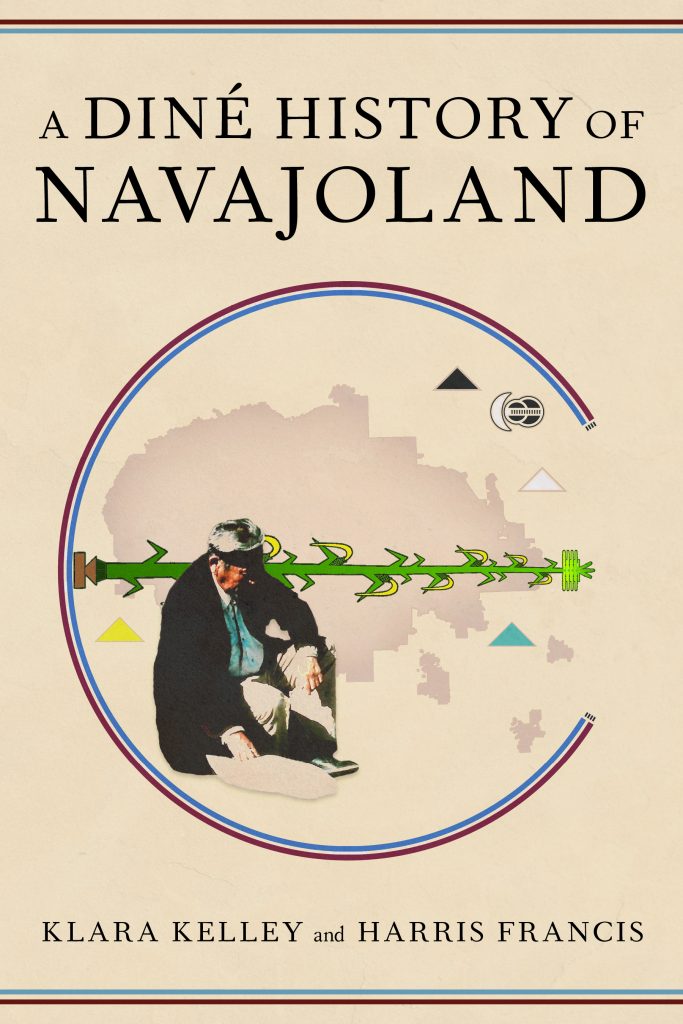
A Diné History of Navajolandbrings much-needed attention to Navajo perspectives on the past and present. It is the culmination of a lifelong commitment from the authors, and it is an exemplary work of Diné history through the lens of ceremonial knowledge and oral history. Klara Kelley and Harris Francis present an in-depth look at how scholars apply Diné ceremonial knowledge and oral history to present-day concerns of Navajo Nation leaders and community members. All readers are invited to come along on this exploration of Diné oral traditions.
Aurumis a fiercely original poetry collection that reveals the marginalized and estranged Native American experience in the wake of industrial progress. With unforgettable imagery and haunting honesty, these poems are powerfully resonant.
Memories of Earth and Sea explores the daily struggles of islanders living in one of South America’s most culturally distinct regions: the Chiloé Archipelago. Connecting the early history of the islands with the industrialization of the last forty years, the book presents a unique study of large-scale economic changes and the impact these can have on the memories and the collective identity of a people.
Detours is an attempt to crack cultural imperialism by bringing forth the personal as political in academia and research. Speaking from the intersection of race, class, and gender, the contributors explore the hubris and nostalgia that motivate returning again and again to a particular place. Through personal stories, they examine their changing ideas of Latin America and the Caribbean and how those places have shaped the people they’ve become, as writers, as teachers, and as activists.
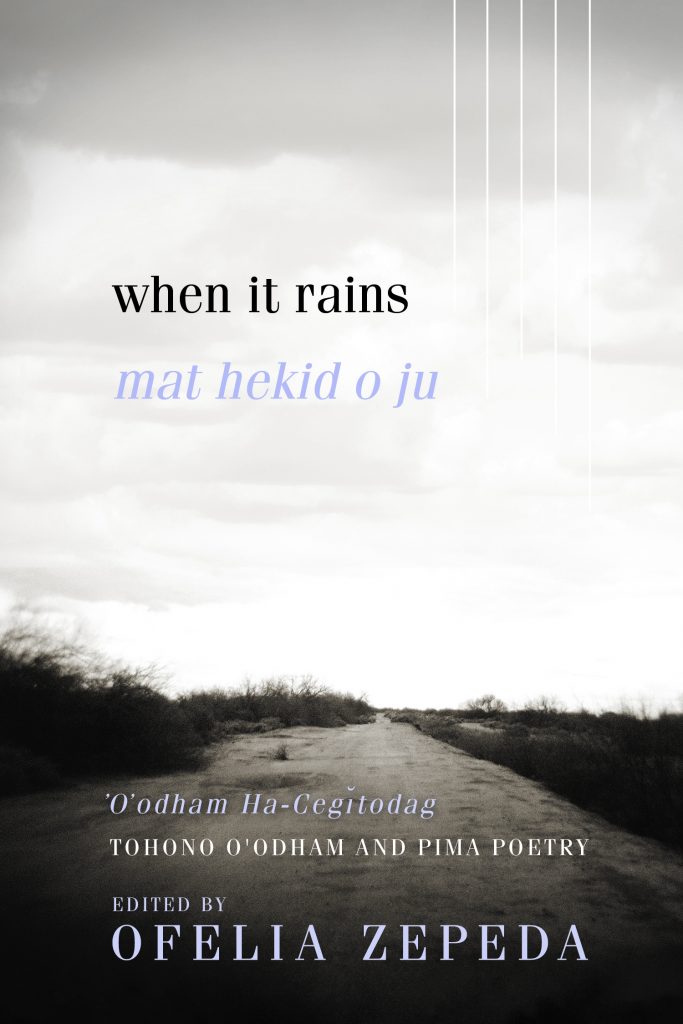
When It Rainsis an intuitive poetry collection that shows us how language connects people. With the poems in both O’odham and English, the volume serves as a reminder of the beauty and changeability of the O’odham language.
Unwriting Maya Literature provides an important decolonial framework for reading Maya and other Indigenous texts. Through insightful analyses of Maya cultural productions—whether textiles or poetry—this perspective offers a point of departure for the study of Maya literature and art that is situated in an Indigenous way of performing the act of reading.
Unwriting Maya Literature just received an honorable mention from the LASA Mexico Section! Read about it here. Listen to Paul M. Worley and Rita M. Palacios talk about their book on these podcasts.
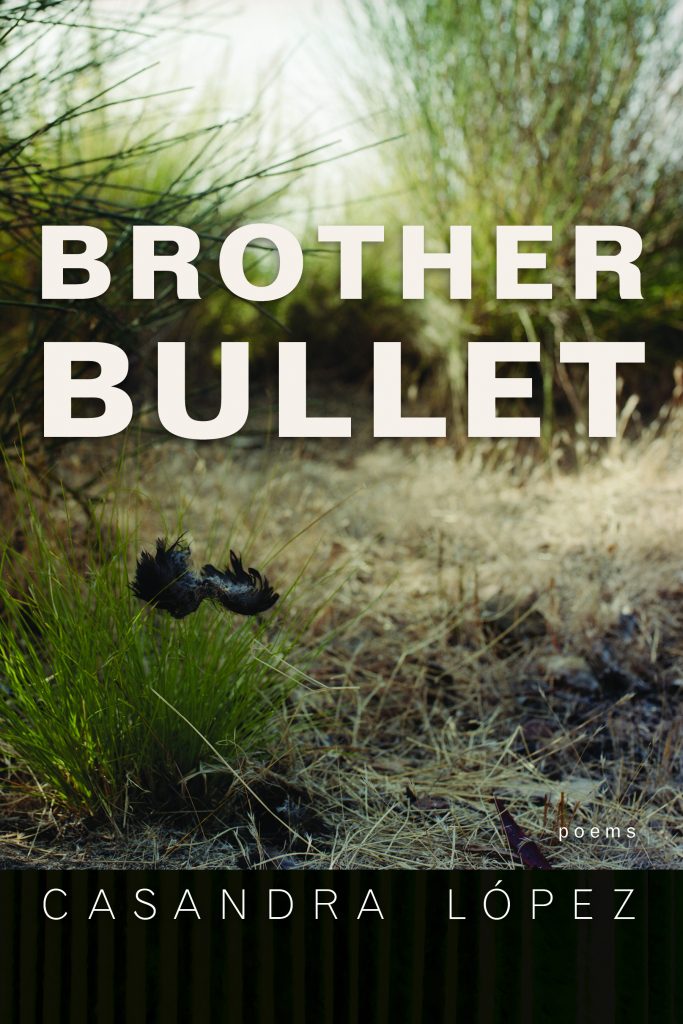
Speaking to both a personal and collective loss, in Brother BulletCasandra López confronts her relationships with violence, grief, trauma, guilt, and, ultimately, survival. Revisiting the memory and lasting consequences of her brother’s murder, López traces the course of the bullet—its trajectory, impact, wreckage—in poems that are paralyzing and raw with emotion, yet tender and alive in revelations of light.
Read an interview with Casandra here, then watch her read poems and talk about the collection in a recorded virtual poetry reading here.
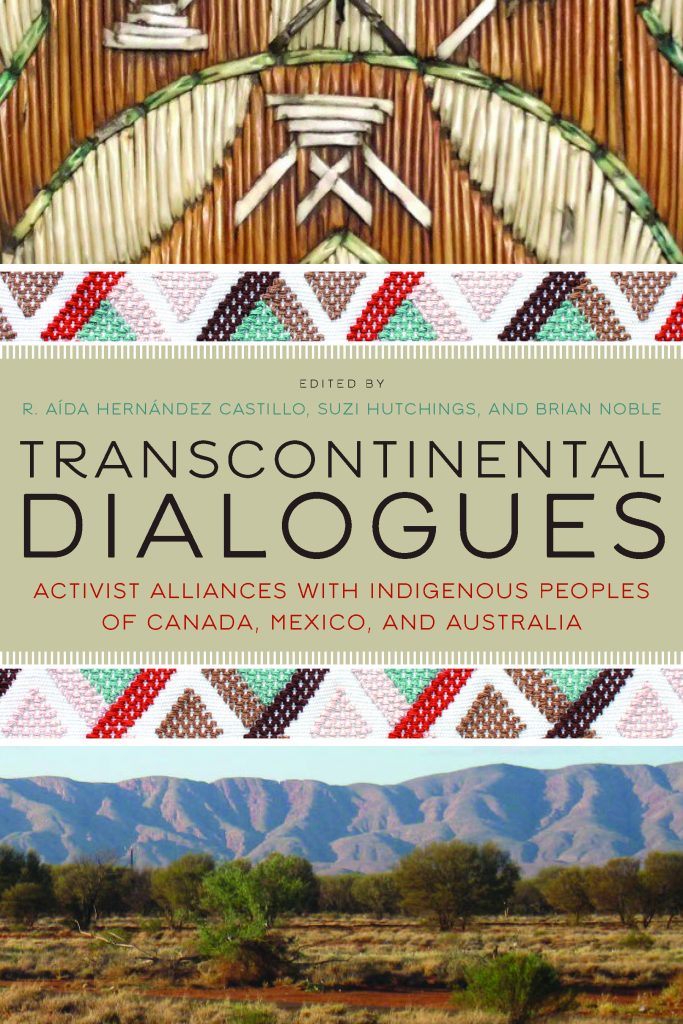
Transcontinental Dialoguespresents innovative discussion, argument, and insight into the interactions between anthropologists and social researchers—both Indigenous and allies—as they negotiate together the terrain of the imposition of ongoing colonialism over Indigenous lives across three countries. The essays explore how scholars can recalibrate their moral, political, and intellectual actions to meet the obligations flowing from the decolonial alliances.
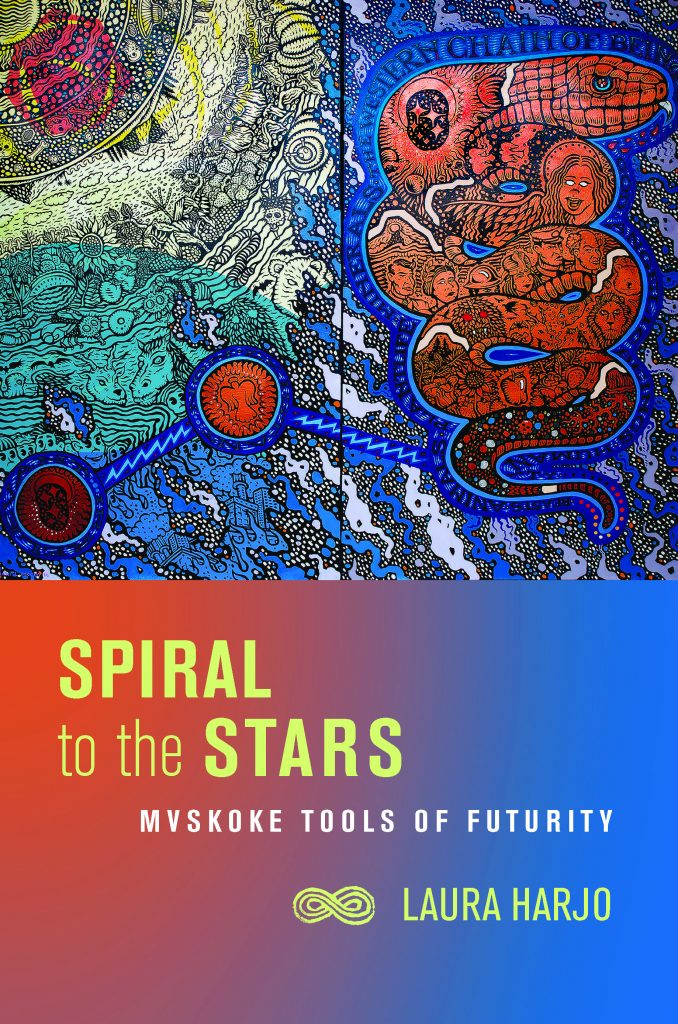
“This country’s first philosophers, poets, artists, and knowledge keepers were Indigenous peoples. The Mvskoke were a major cultural force in the southeast. Laura Harjo’sSpiral to the Stars: Mvskoke Tools of Futurity marks a continuation of the development of our cultural knowledge. Community defines us, and we do not go forward together without the revisioning of all elements that make a living culture. Each generation makes a concentric circle that leans outward into the deepest star knowledges even as it leans inward toward the roots of earth knowledge. We are still here within the shape of this cultural geography. We keep moving forward with the tools Harjo has illuminated here. Mvto.”—Joy Harjo (Mvskoke), U.S. Poet Laureate
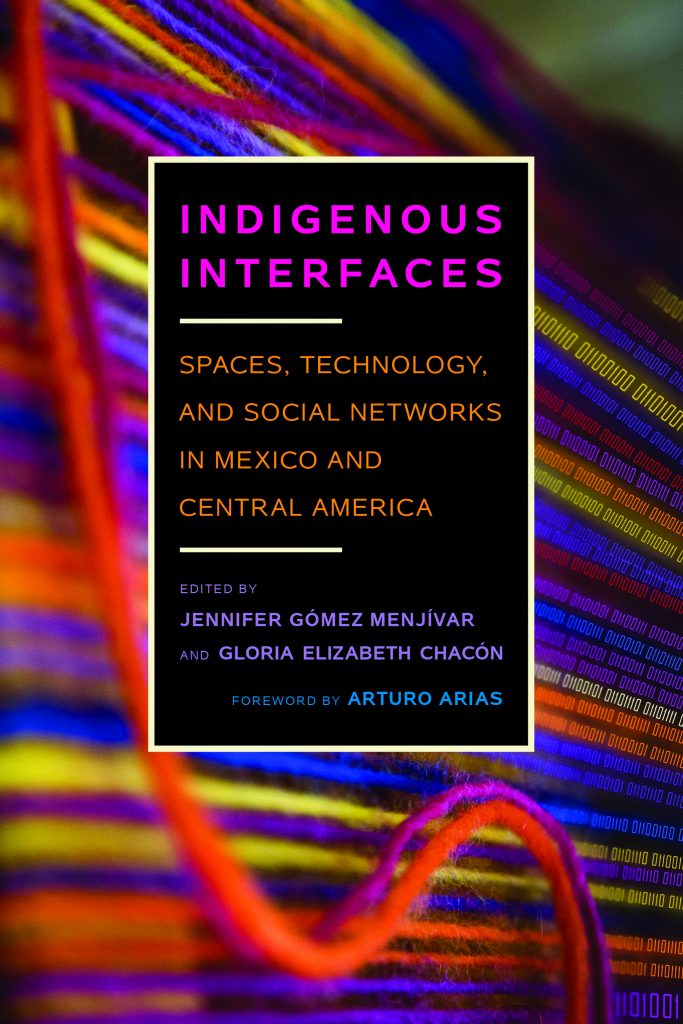
Indigenous Interfaces rejects the myth that Indigeneity and information technology are incompatible through its compelling analysis of the relationships between Indigenous peoples and new media. The volume illustrates how Indigenous peoples are selectively and strategically choosing to interface with cybertechnology, highlights Indigenous interpretations of new media, and brings to center Indigenous communities who are resetting modes of communication and redirecting the flow of information. It convincingly argues that interfacing with traditional technologies simultaneously with new media gives Indigenous peoples an edge on the claim to autonomous and sovereign ways of being Indigenous in the twenty-first century.
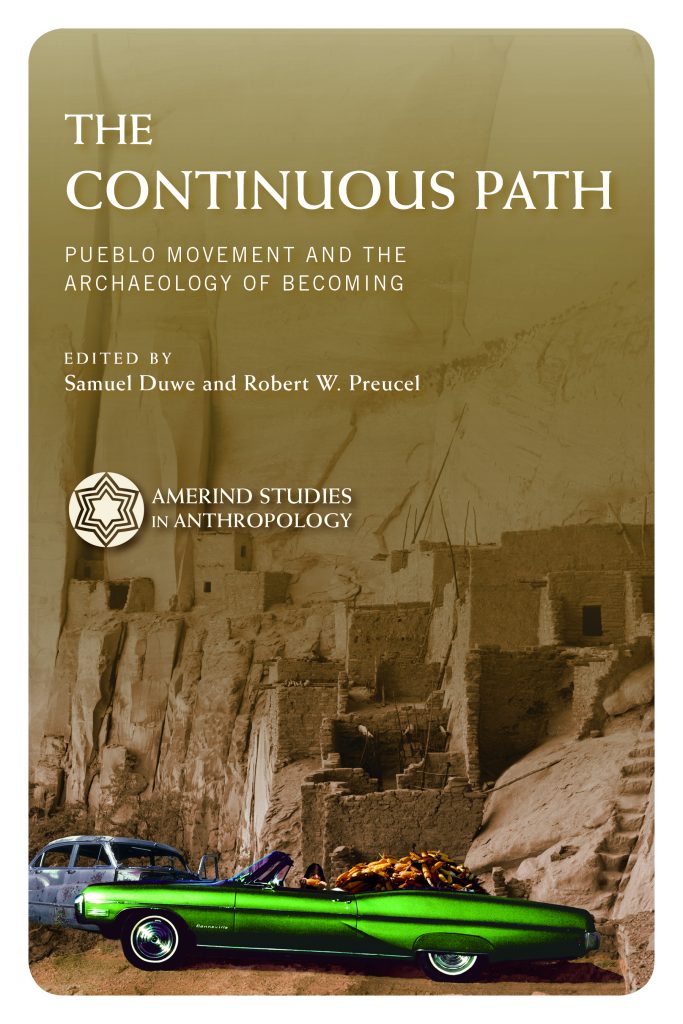
The Continuous Path challenges archaeologists to take Pueblo concepts of movement seriously by privileging Pueblo concepts of being and becoming in the interpretation of anthropological data. The collaborative volume brings together Native community members, archaeologists, and anthropologists to weave multiple perspectives together to write the histories of Pueblo peoples past, present, and future.
We are thrilled that the book recently won the Historical Society of New Mexico’s Gaspar Pérez de Villagrá Award! Read about it here.
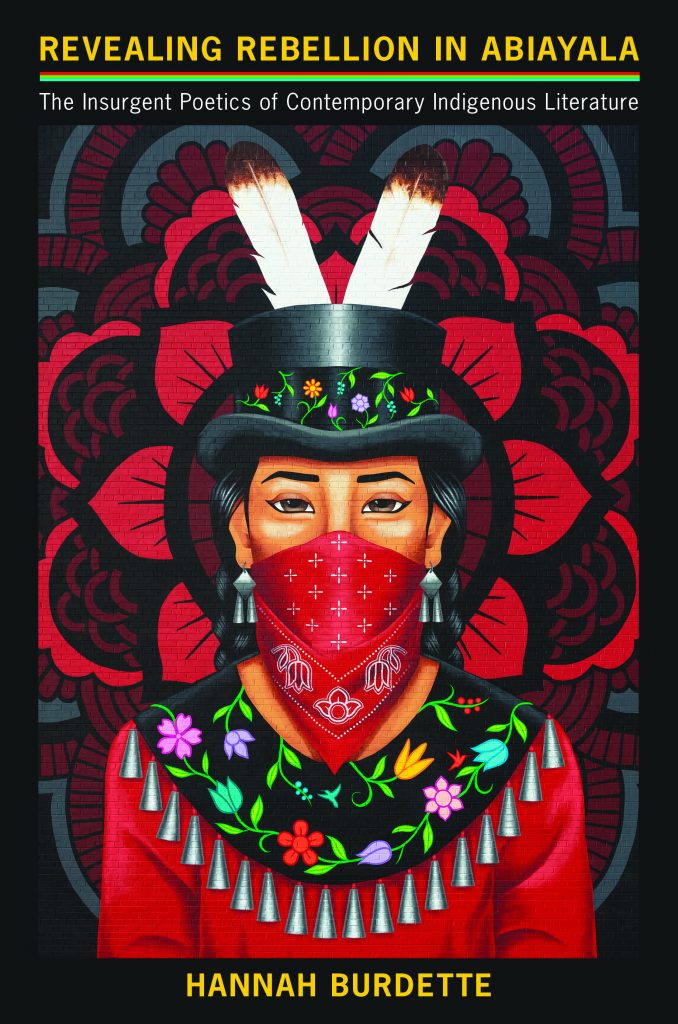
From the Pan-Maya Movement in Guatemala and the Zapatista uprising in Mexico to the Water and Gas Wars in Bolivia and the Idle No More movement in Canada, the twenty-first century has witnessed a notable surge in Indigenous political action. Meanwhile, numerous authors use fiction and poetry to combat their invisibility and envision alternatives to coloniality. Revealing Rebellion in Abiayalaprovides a powerful starting point for rethinking inter-American studies through the lens of literature and Indigenous sovereignty.
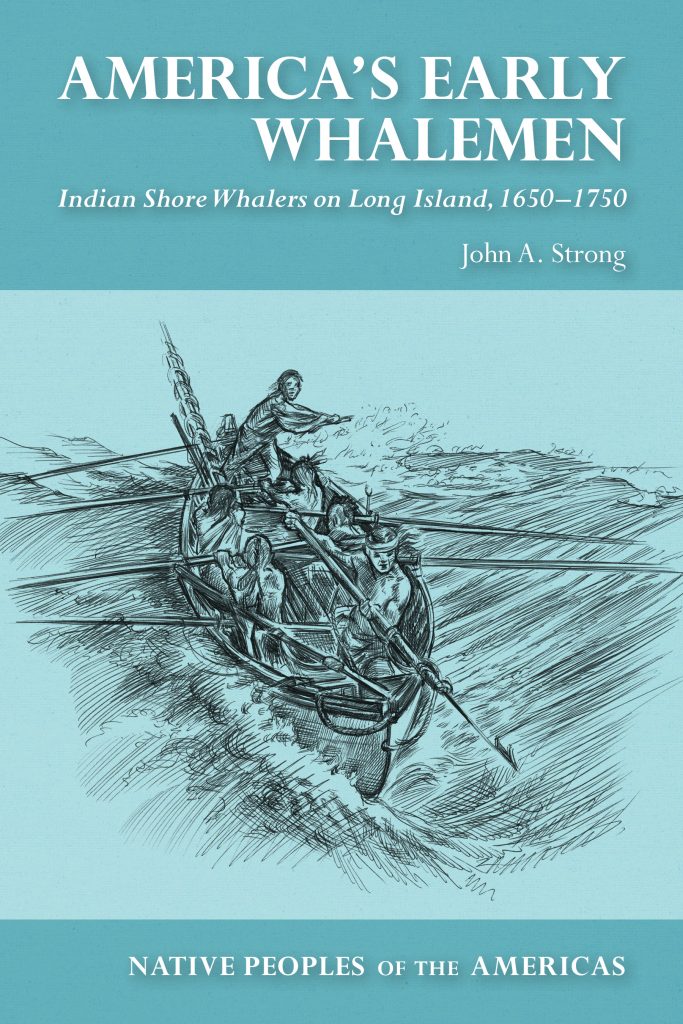
The Native Americans of Long Island were integral to the origin and development of the first American whaling enterprise in the years 1650 to 1750. In American’s Early Whalemen, John A. Strong has produced the authoritative source on Indians and shore whaling.
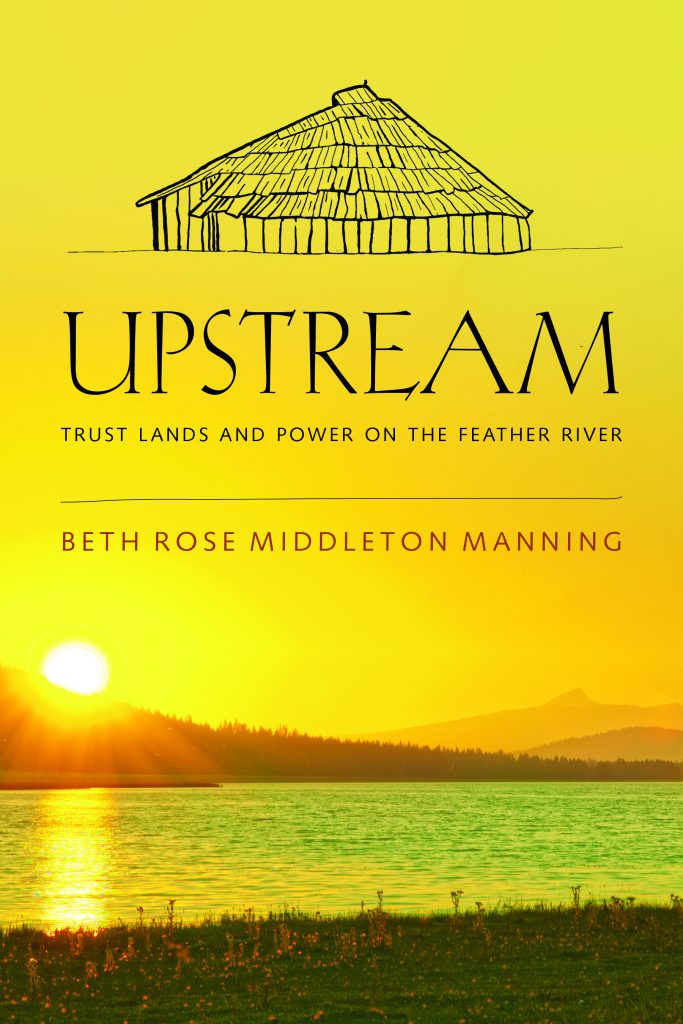
Upstream relates the history behind the nation’s largest state-built water and power conveyance system, California’s State Water Project, with a focus on Indigenous perspectives. Author Beth Rose Middleton Manning illustrates how Indigenous history should inform contemporary conservation measures. She uses a multidisciplinary and multitemporal approach and offers a vision of policy reform that will lead to improved Indigenous futures around the U.S.
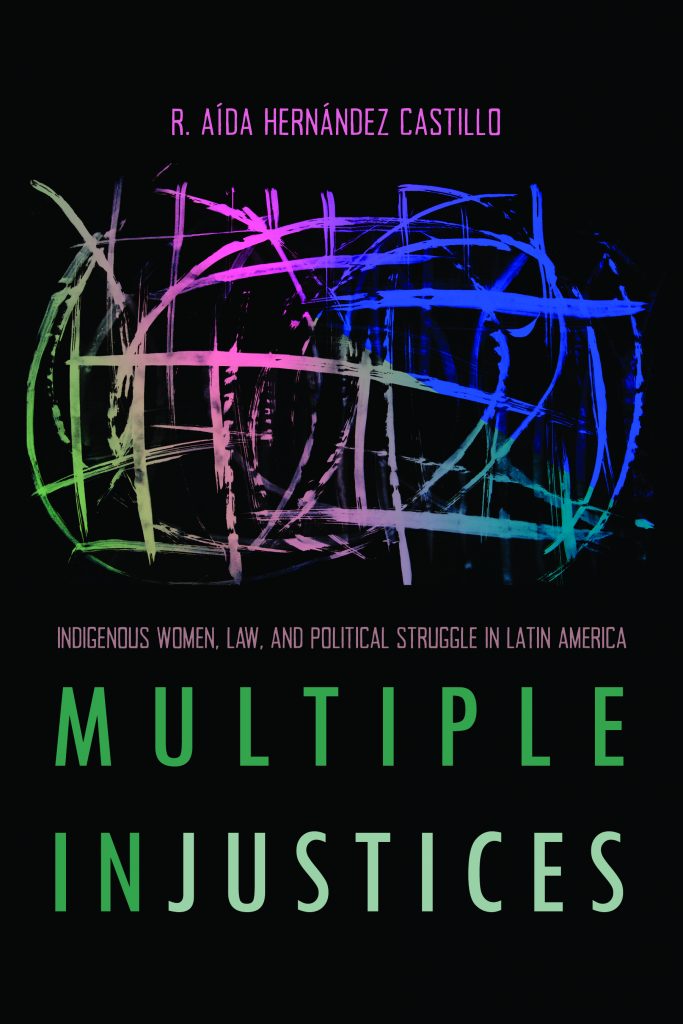
In Multiple Injustices, R. Aída Hernández Castillo synthesizes twenty-four years of research and activism among indigenous women’s organizations in Latin America, offering a critical new contribution to the field of activist anthropology and anyone interested in social justice.
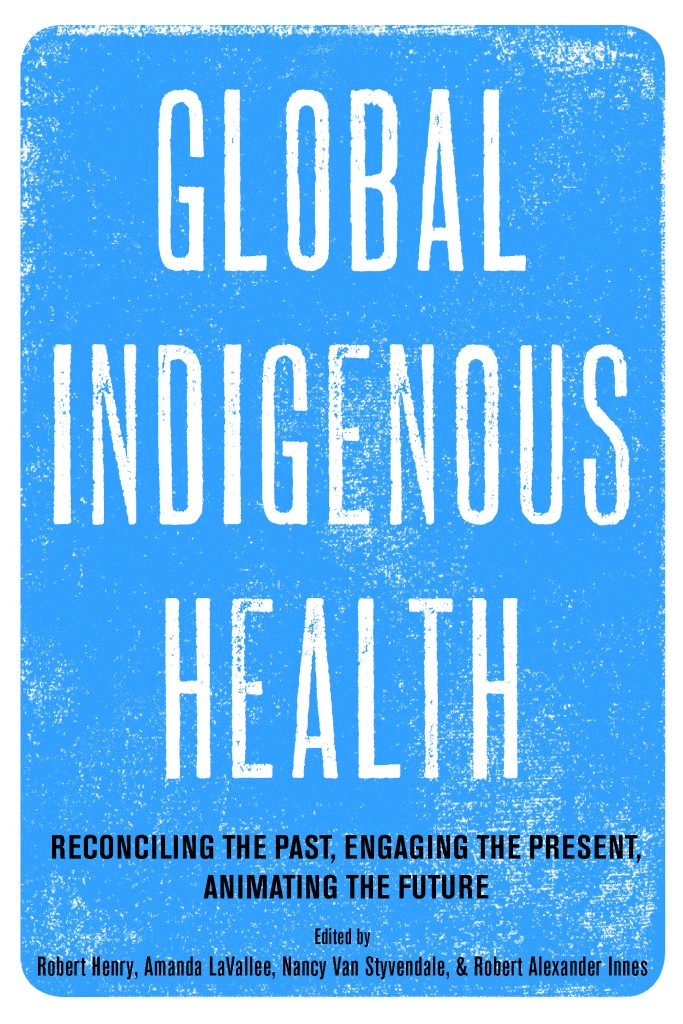
Global Indigenous Healthis unique and timely as it deals with the historical and ongoing traumas associated with colonization and colonialism, understanding Indigenous concepts of health and healing, and ways of moving forward for health equity.
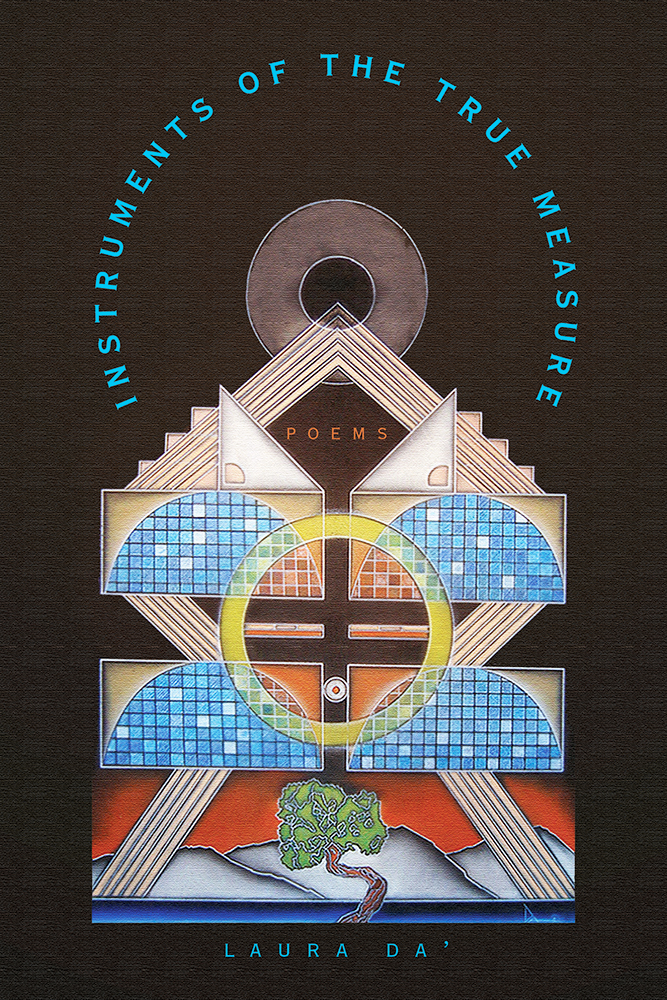
Instruments of the True Measure charts the coordinates and intersections of land, history, and culture. Lyrical passages map the parallel lives of ancestral figures and connect dispossessions of the past to lived experiences of the present.
We are so happy that Instruments of the True Measure won the 2019 Washington Book Award! Read an interview with Laura Da’here, then watch her read poems and talk about the collection in a recorded virtual poetry event here.
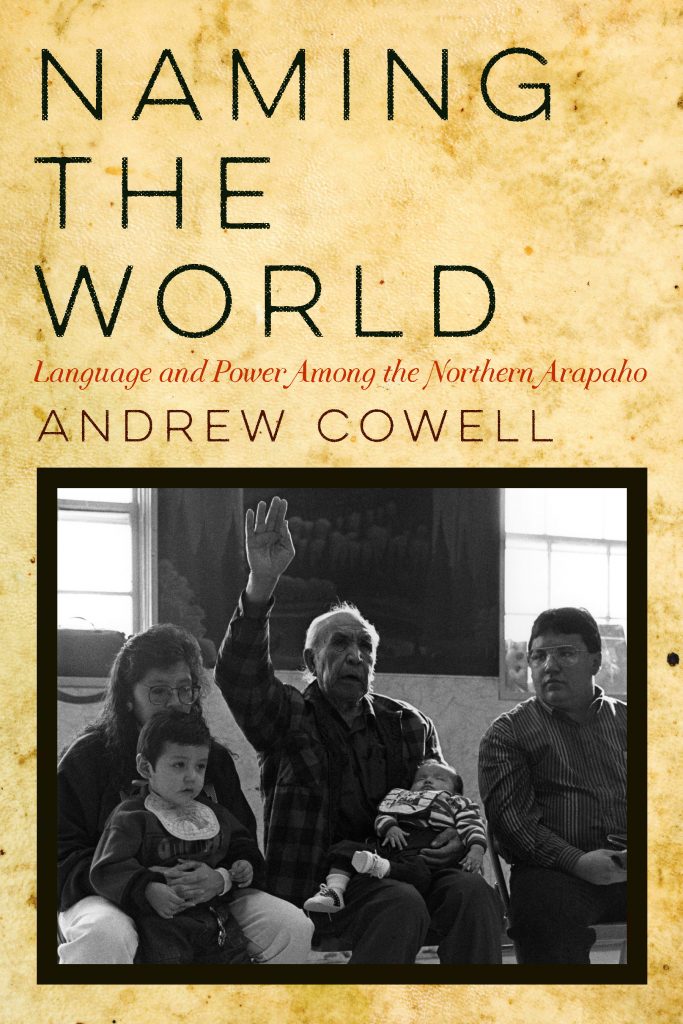
Naming the World is an ethnography of language shift among the Northern Arapaho. It focuses on the often subtle continuities and discontinuities in the society produced by the shift, as well as the diversity of community responses.
Don’t forget, the University of Arizona Press is offering 40% off of all ebooks with the code AZEBOOK40!
Unwriting Maya Literature provides an important decolonial framework for reading Maya and other Indigenous texts. Through insightful analyses of Maya cultural productions—whether textiles or poetry—this perspective offers a point of departure for the study of Maya literature and art that is situated in an Indigenous way of performing the act of reading.
How did men become the stars of the Mexican intellectual scene? Dude Lit examines the tricks of the trade and reveals that sometimes literary genius rests on privileges that men extend one another and that women permit. Drawing on interviews, archival materials, and critical readings, this provocative book changes the conversation on literature and gendered performance.
Eric Kuhn and John Fleck, authors of Science Be Dammed, discussed water management history and the challenges facing the Colorado River during a virtual book panel presented by the University of Arizona Press on Wednesday, May 6, 2020.
This panel, moderated by Ben Wilder, director of the Desert Laboratory on Tumamoc Hill in Tucson, Arizona, delved into the conventional wisdom that the 1922 Colorado River Compact negotiators did the best they could with a limited gauge record. The data they used happened to be during an unusually wet period
Today water managers are struggling to come to terms with the mistakes of the past. Focused on both science and policy, Kuhn and Fleck unravel the tangled web that has constructed the current crisis. With key decisions being made now, including negotiations for rules governing how the Colorado River water will be used after 2026, Science Be Dammed offers a clear-eyed path forward by looking back.
For this week’s free e-Book of the Week, we’re featuring our commitment to publishing the history of Arizona and the Southwest by offering a title from our Modern American West series, A Land Apart by historian Flannery Burke.
Winner of the Spur Award for Best Contemporary Nonfiction from the Western Writers of America, A Land Apart is not just a cultural history of the modern Southwest—it is a complete rethinking and recentering of the key players and primary events marking the Southwest in the twentieth century. Historian Flannery Burke emphasizes how indigenous, Hispanic, and other non-white people negotiated their rightful place in the Southwest. Burke masterfully crafts an engaging and accessible history that is for anyone interested in using the past to understand the present and the future of not only the region but the nation as a whole.
Download from our online shopping cart here. Available until 5/13/2020. Discount code is AZBURKE20.
“Burke’s book is a timely reminder that Hispanics, Natives, and other nonwhites have shaped the U.S. Southwest in multitudinous ways.”—Choice
“A Land Apart is indeed a ‘big book’ worthy of everyone’s attention.”—Southwestern Historical Quarterly
“Land Apart: The Southwest and the Nation in the Twentieth Century is a must-read for those fascinated by the region, the significance of story, and the importance of perception by those who live within its boundaries as well as those who choose simply to visit.”—H-Net Reviews
“In this eloquent book, Flannery Burke brings the issue of race to the forefront of the Southwest’s regional identity.”—The Journal of Arizona History
The University of Arizona Press publishes the work of leading scholars from around the globe. Learn more about submitting a proposal, preparing your final manuscript, and publication.
The University of Arizona Press is proud to share our books with readers, booksellers, media, librarians, scholars, and instructors. Join our email Newsletter. Request reprint licenses, information on subsidiary rights and translations, accessibility files, review copies, and desk and exam copies.
Support a premier publisher of academic, regional, and literary works. We are committed to sharing past, present, and future works that reflect the special strengths of the University of Arizona and support its land-grant mission.
 The University of Arizona Press