Beyond Earth’s Edge Inspires a Celebrity Space Poetry Jam

October 29, 2020

If your deep Start Trek nerdom had you fantasizing about the Doctor from Star Trek: Voyager reading you some Pablo Neruda, you can thank Beyond Earth’s Edge: The Poetry of Spaceflight.

The poetry anthology, recently published by the University of Arizona Press, was featured on Planetary Radio, the Planetary Society’s weekly podcast brilliantly hosted by Mat Kaplan.

Beyond’s editors Julie Swarstad Johnson and Christopher Cokinos joined the podcast in what was truly a space-nerd delight with Picardo, of Star Trek: Voyager fame and a Planetary Society board member, reading a Pablo Neruda poem, as well as Bill Nye, Sasha Sagan, astronauts Nicole Stott and Leland Melvin, and others, all reading poems featured in the anthology celebrating poetry and outer space.

Listen to the podcast here, and revel further in the podcast and anthology getting some love from Daily Star Trek News–yes, Beyond Earth’s Edge is on the Federation’s radar! Read about it here. ?

AAA 2020: Browse Our Latest Anthropology Books, Discounts, and More

October 29, 2020

We are excited to be participating in the American Anthropological Association Raising Our Voices 2020 fall event series! As always, we are pleased to offer a conference discount. Use code AZAAA20 to receive 40% off all of our titles, and get free domestic shipping (good through 12/15/2020).

If you are participating in the virtual AAA event series, make sure to visit our virtual exhibit and chat with us. If you have questions about submitting a manuscript for our anthropology list, contact our senior editor Allyson Carter, Ph.D. at acarter@uapress.arizona.edu and view our guidelines here. To learn about requesting exam copies, visit here. We look forward to seeing all of you in person again in the future.

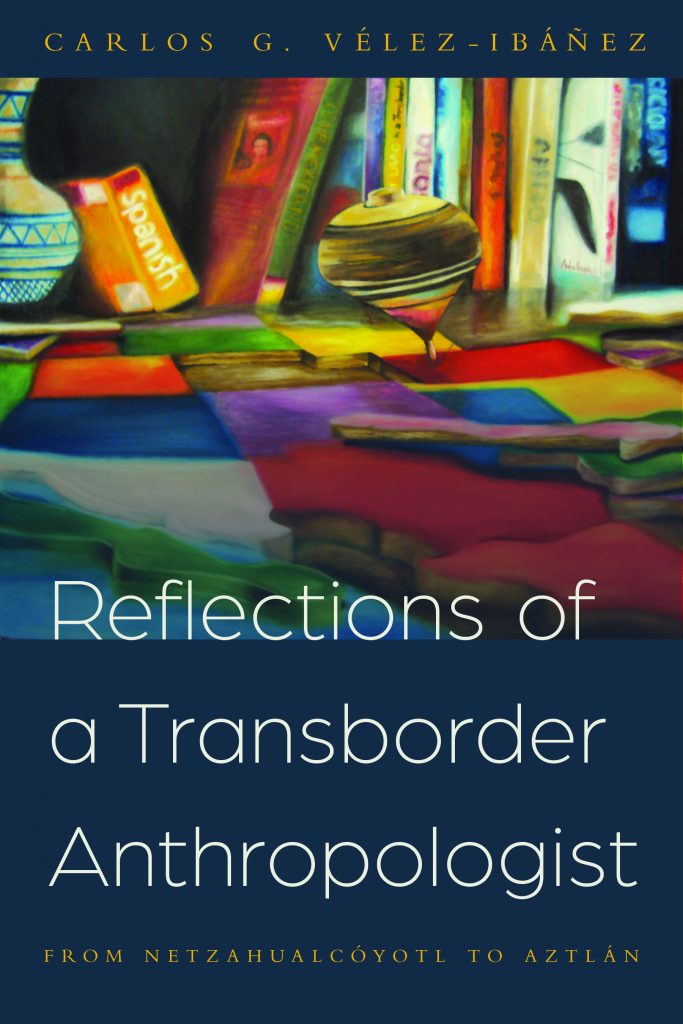
Taking us on a journey of remembering and rediscovery, anthropologist Carlos G. Vélez-Ibáñez shares important insights into his development as a scholar and in so doing the development of the interdisciplinary field of transborder anthropology.

We are thrilled to announce that Carlos Velez-Ibáñez is the recipient of the American Anthropological Association’s 2020 Franz Boas Award for Exemplary Service to Anthropology! This award is presented annually by the AAA to its members whose careers demonstrate extraordinary achievement that have well served the anthropological profession.

Read an excerpt from Reflections of a Transborder Anthropologist here.

Revitalization Lexicography is a unique look under the hood of lexicography in a small community, highlighting how the creation of the Tunica dictionary was intentionally leveraged to shape the revitalization of the Tunica language. Patricia M. Anderson details both the theoretical and the practical aspects that contributed to the Tunica dictionary in manner compelling to readers from all walks of life.

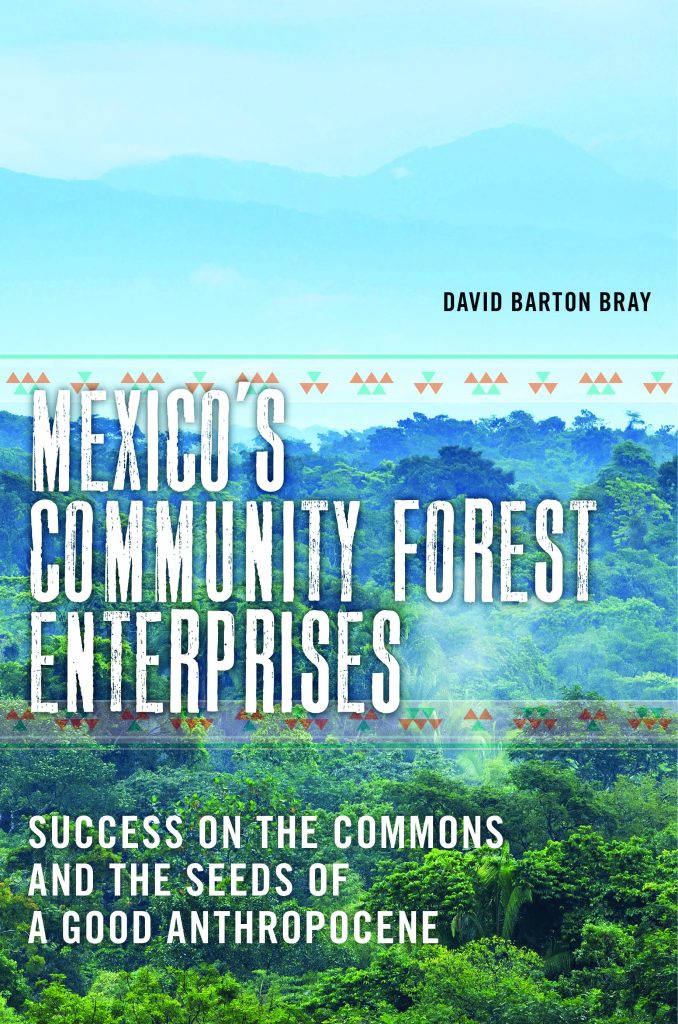
David Barton Bray has spent more than thirty years researching and studying Mexican community forest enterprises (CFEs). In Mexico’s Community Forest Enterprises he shares the scientific evidence for Mexico’s social and environmental achievements and how, in its most successful manifestations, it became a global model for common-property forest management, sustainable social-ecological systems, and climate change mitigation in developing countries.

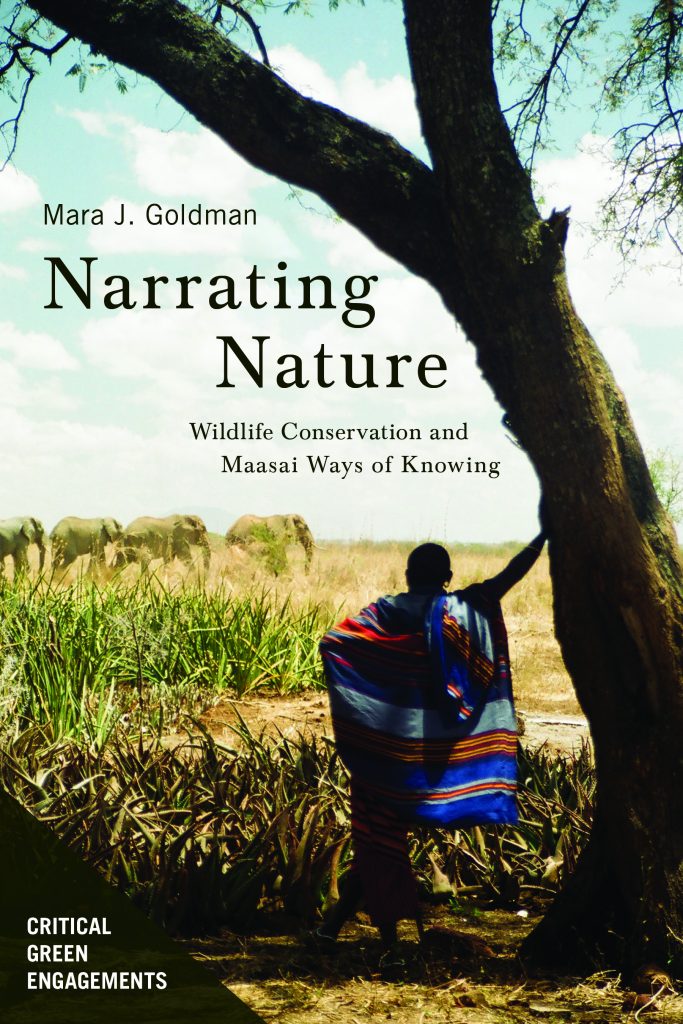
Narrating Nature opens up dialogue that counters traditional conservation narratives. In this book, Mara J. Goldman offers conservation efforts that not only include people as beneficiaries but also demonstrate how they are essential and knowledgeable members of the conservation landscape itself.

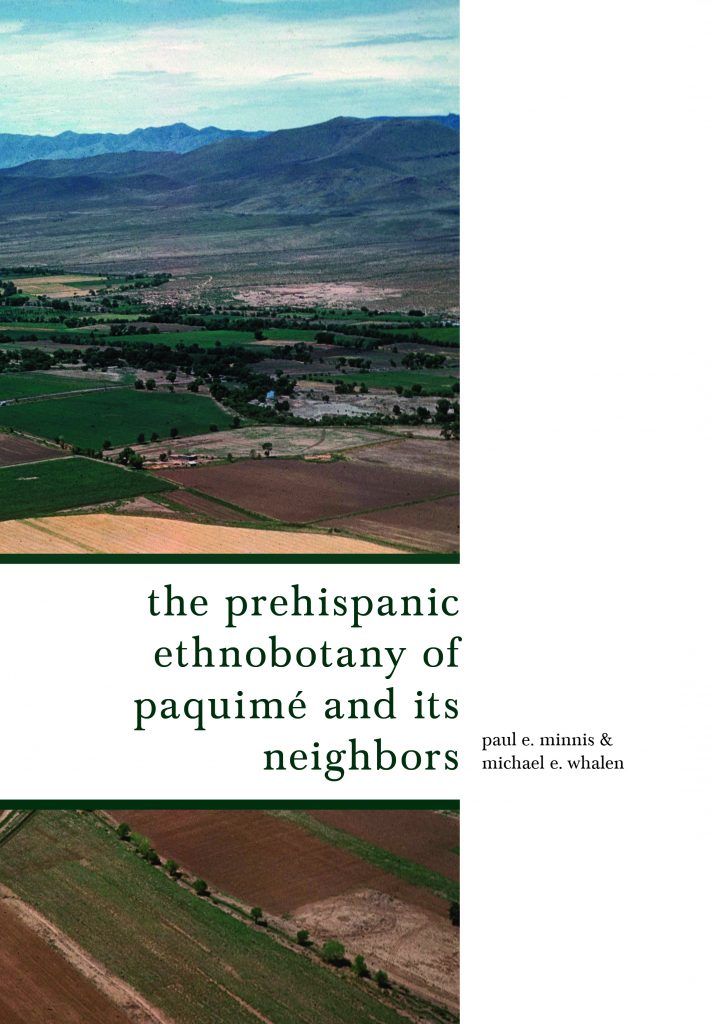
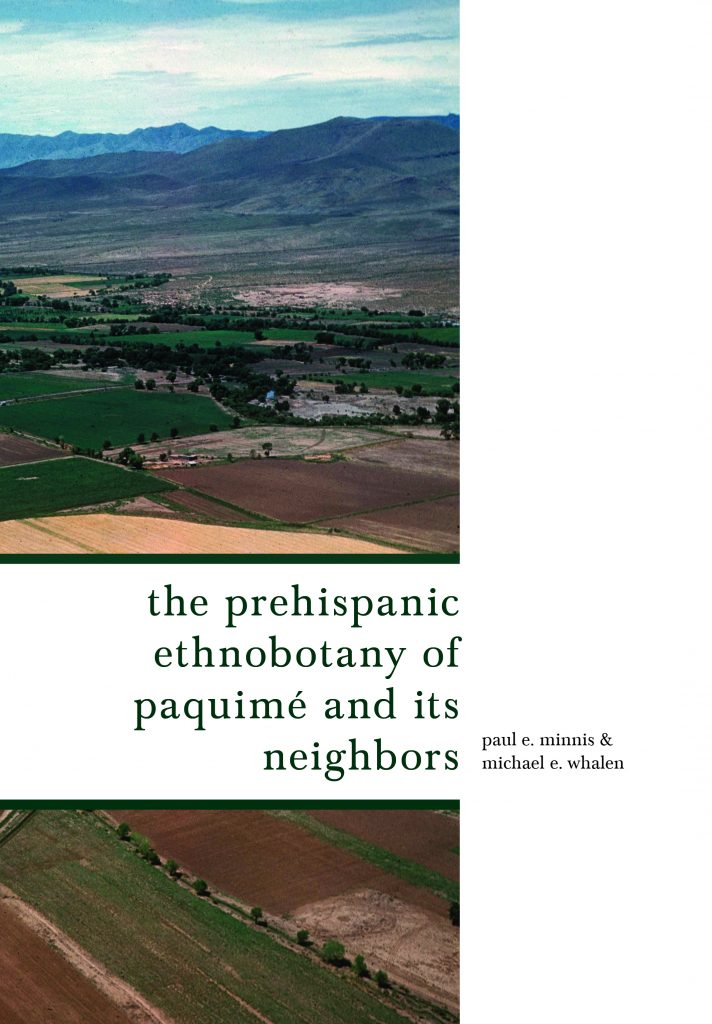
The Prehispanic Ethnobotany of Paquimé and Its Neighbors is a major ethnobotanical study for the ancient U.S. Southwest and northwestern Mexico. The results reorient our perspective in the rise of one of the most impressive communities in the international region.

Check out some photos and field notes from the project here.

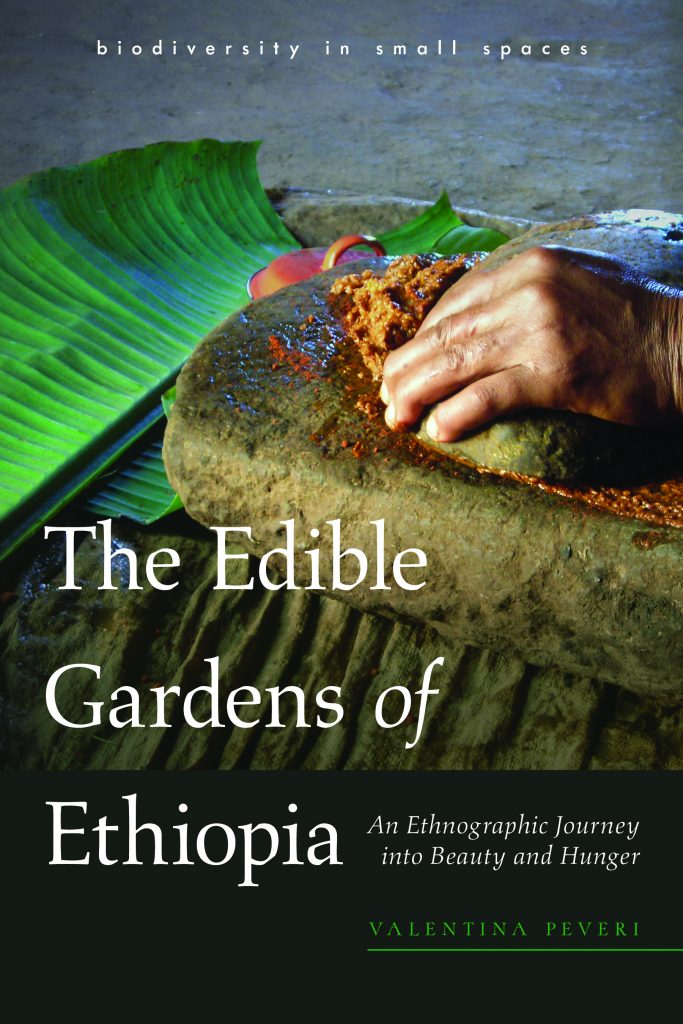
Based on prolonged engagement with this “virtuous” plant of southwestern Ethiopia, The Edible Gardens of Ethiopia provides a nuanced reading of the ensete ventricosum (avant-)garden and explores how the life in tiny, diverse, and womanly plots may indeed offers alternative visions of nature, food policy, and conservation efforts.

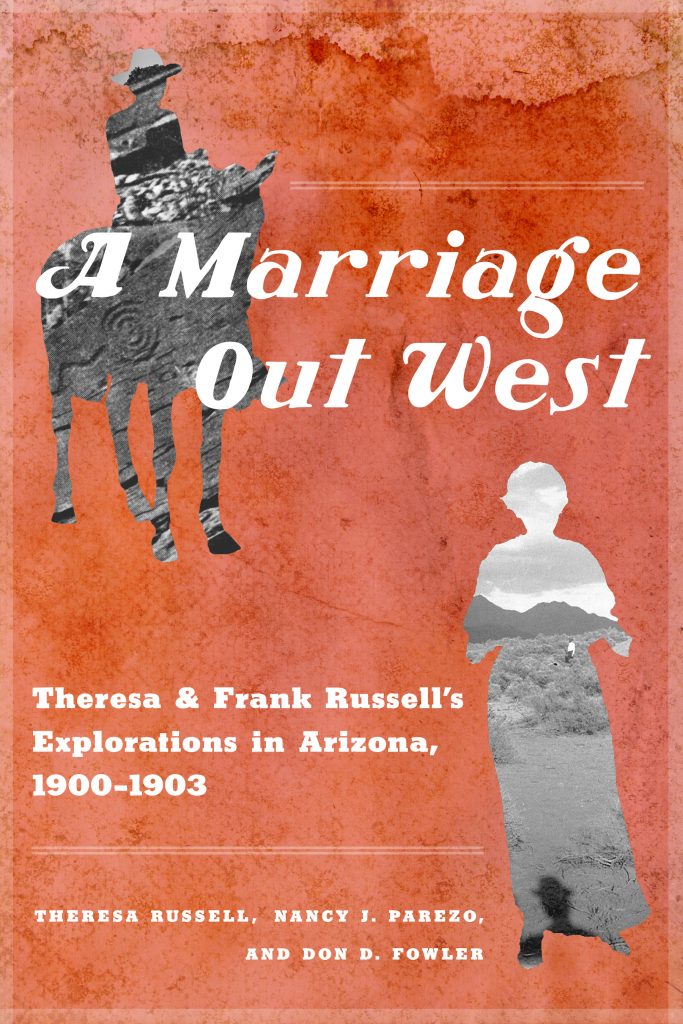
A Marriage Out West is an intimate biographical account of two fascinating figures of twentieth-century archaeology. Frances Theresa Peet Russell, an educator, married Harvard anthropologist Frank Russell in June 1900. They left immediately on a busman’s honeymoon to the Southwest. Their goal was twofold: to travel to an arid environment to quiet Frank’s tuberculosis and to find archaeological sites to support his research.

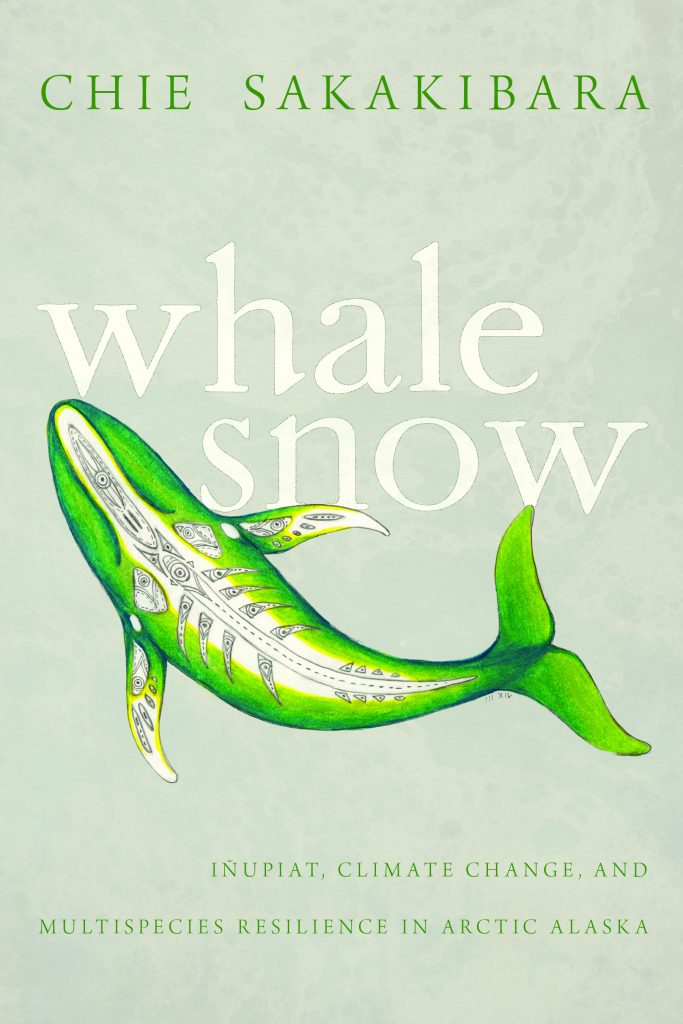
Chie Sakakibara shows how knots of connection came into being between humans and nonhuman others and how such intimate and intense relations will help humans survive the Anthropocene. Whale Snow offers an important and thought-provoking look at global climate change as it manifests in the everyday life of the Iñupiat in Arctic Alaska.

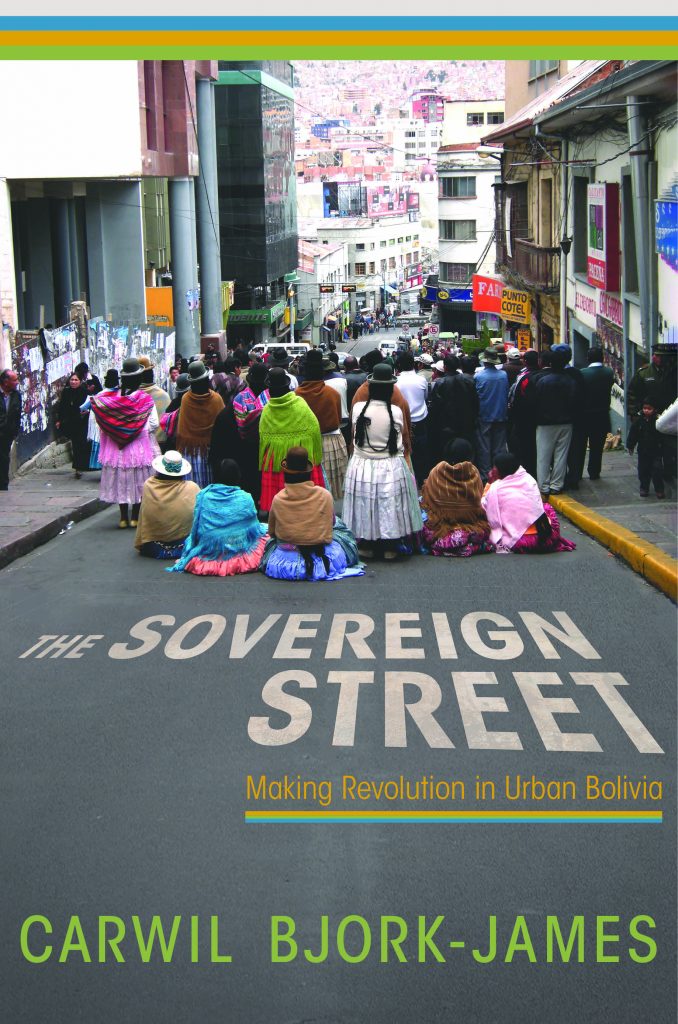
The Sovereign Street offers a rare look at political revolution as it happens, showing how mass street protest can change national political life.  It documents a critical period in twenty-first century Bolivia, when small-town protests made headlines worldwide, where a generation of pro-globalization policies were called into question, and where the indigenous majority stepped into government power for the first time in five centuries.

Listen to author Carwil Bjork-James discuss the topics in this book on the Howard Zinn Bookfair Podcast here.

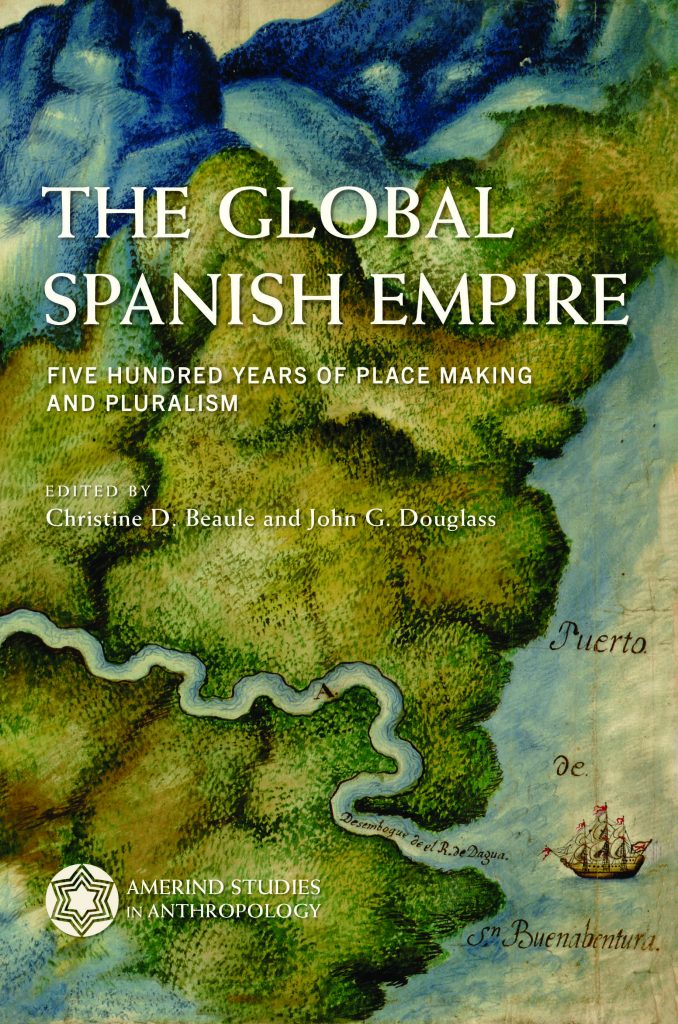
The Global Spanish Empire tackles broad questions about indigenous cultural persistence, pluralism, and place making using a global comparative perspective grounded in the shared experience of Spanish colonialism. Through an expansive range of essays that look at Africa, the Americas, Asia, the Caribbean and the Pacific, this volume brings often-neglected regions into conversation.

Watch a virtual Amerind Foundation lecture with editors Christine D. Beaule and John G. Douglass here. Then, read a brief interview with the editors here.

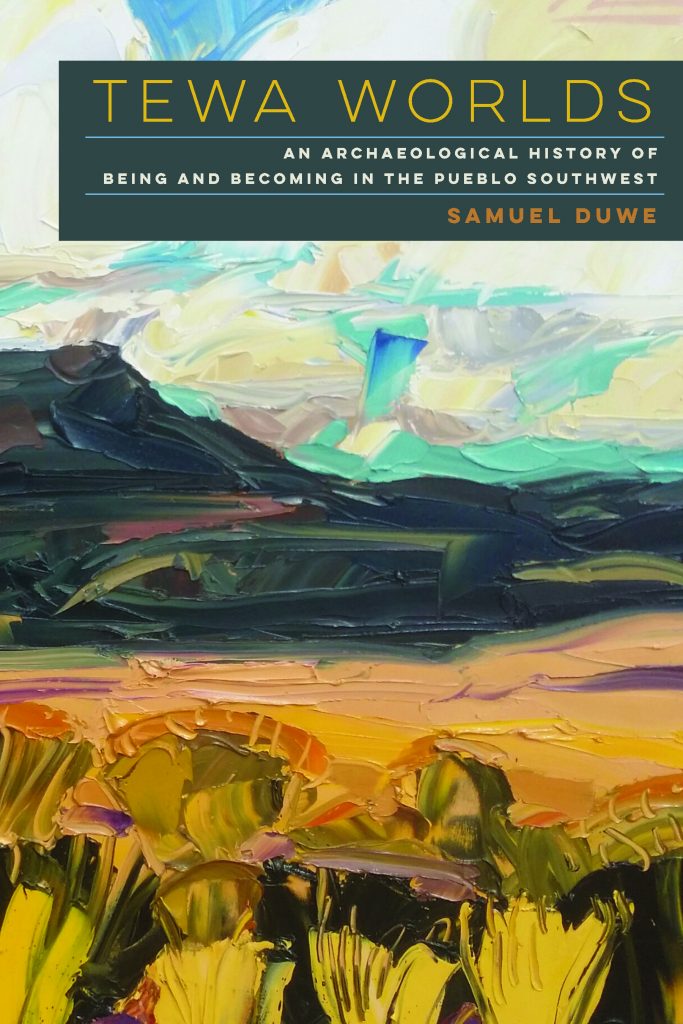
Tewa Worlds offers an archaeological history of eight centuries of Tewa Pueblo history in the Rio Chama Valley through the lens of contemporary Pueblo philosophical and historical discourse. The result gives weight to the deep past, colonial encounters, and modern experiences. It challenges archaeologists to both critically reframe interpretation and to acknowledge the Tewa’s deep but ongoing connection with the land.

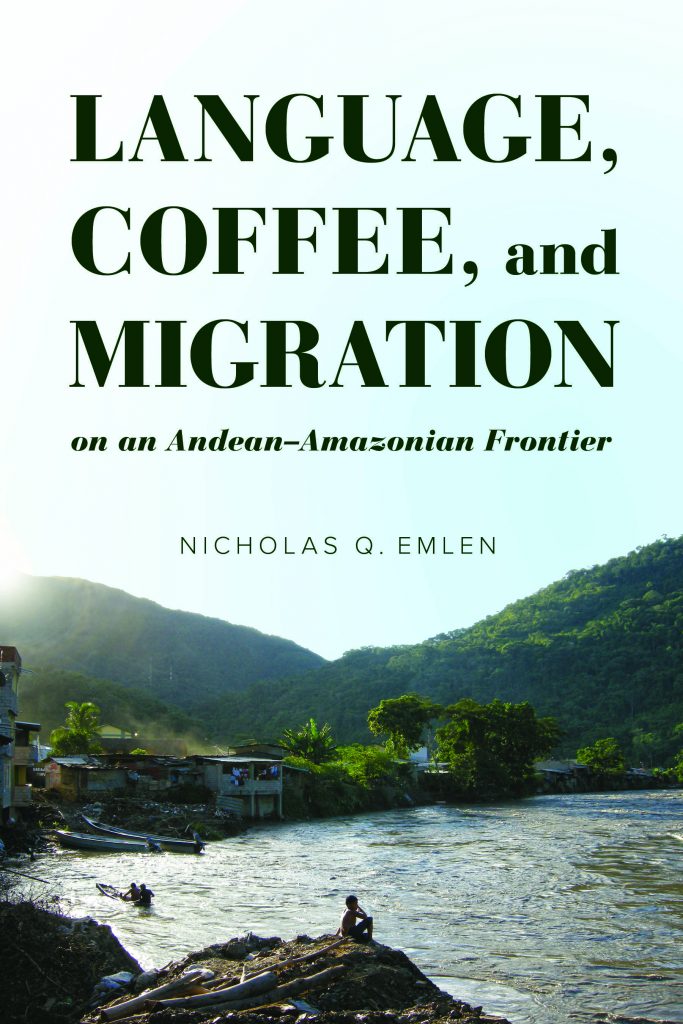
Language, Coffee, and Migration on an Andean-Amazonian Frontier takes us to remote Amazonian villages, dusty frontier towns, roadside bargaining sessions, and coffee traders’ homes to offer a new view of settlement frontiers as they are negotiated in linguistic interactions and social relationships. The book brings together a fine-grained analysis of multilingualism with urgent issues in Latin America today. It is a timely on-the-ground perspective on the agricultural colonization of the Amazon, which has triggered an environmental emergency threatening the future of the planet.

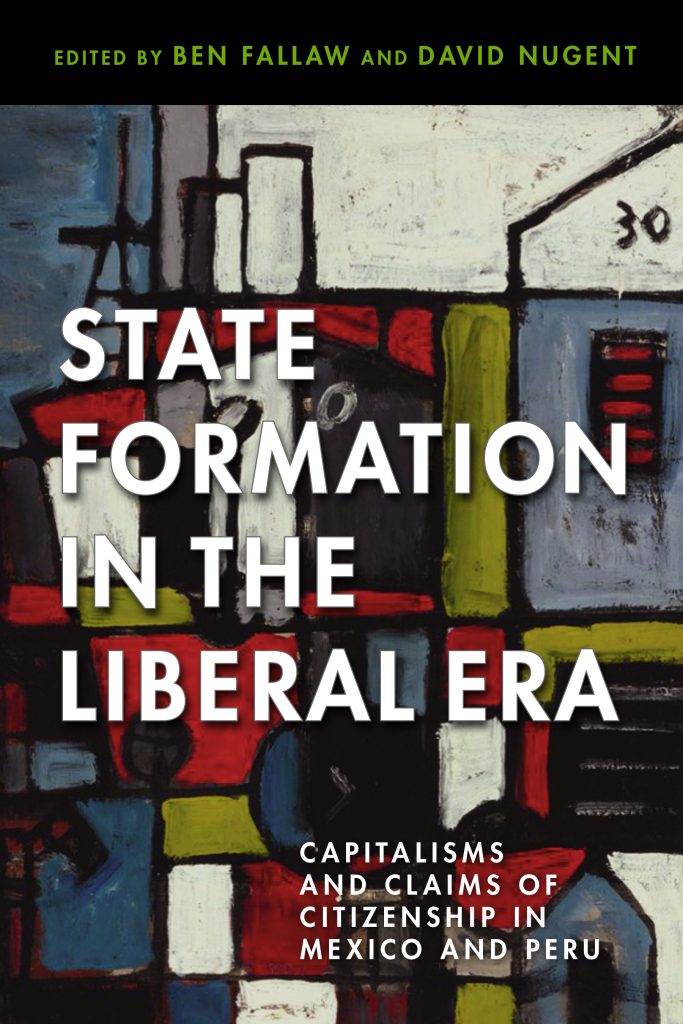
State Formation in the Liberal Era transforms our understanding of post-colonial Latin America. The volume spans disciplinary and geographic boundaries and offers an insightful look at the tensions between disparate circuits of capital, claims of statehood, and the contested nature of citizenship.

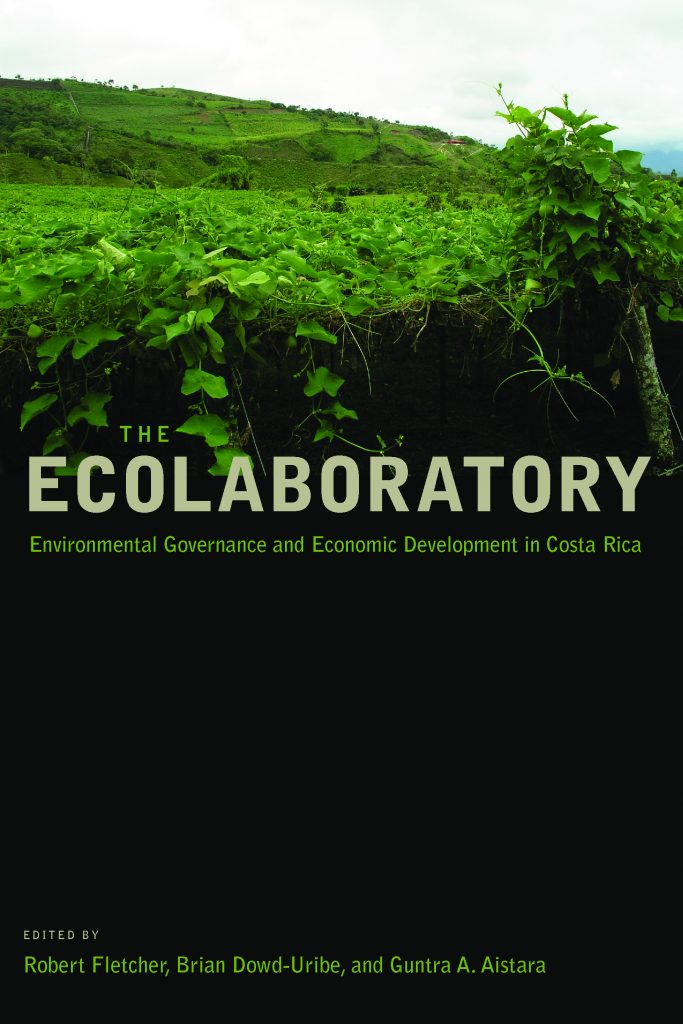
Despite its tiny size and seeming marginality to world affairs, the Central American republic of Costa Rica has long been considered an important site for experimentation in cutting-edge environmental policy. The Ecolaboratory frames Costa Rica as an “ecolaboratory” and asks what lessons we can learn for the future of environmental governance and sustainable development both within the country and elsewhere.

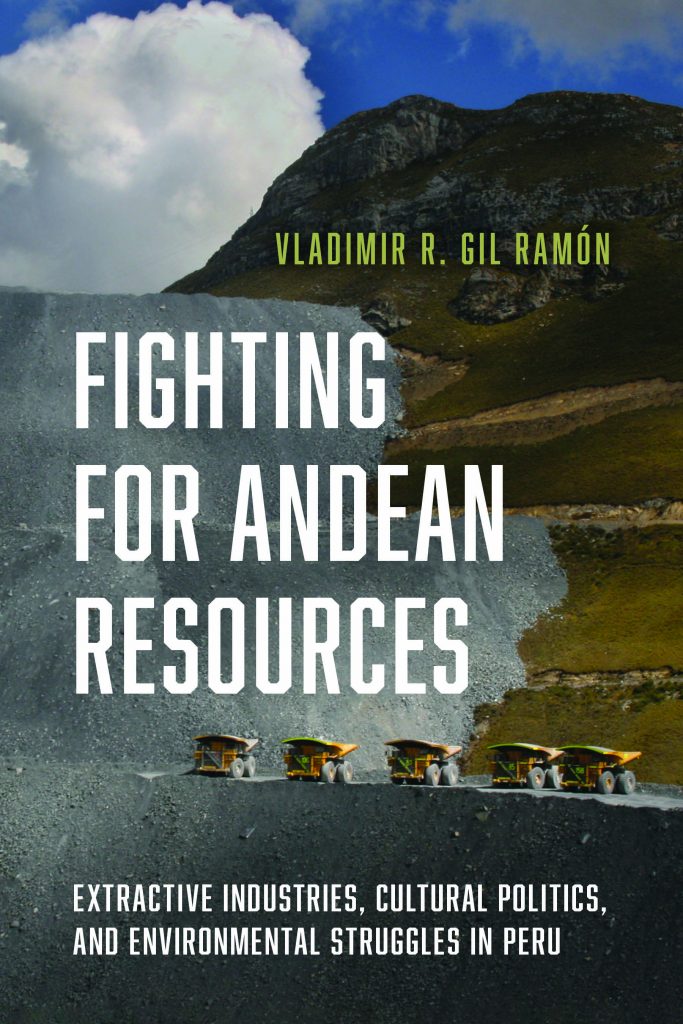
Fighting for Andean Resources offers a singular contribution to the literature critiquing monolithic views of nation-state dynamics and globalization. Vladimir R. Gil Ramón examines the protocols of accountability and the social critique of the application of environmental impact assessments and safeguard policies. His analysis reveals the complex mechanisms for legitimizing decision-making and adds to an understanding of everyday state-nation conflicts and negotiations.

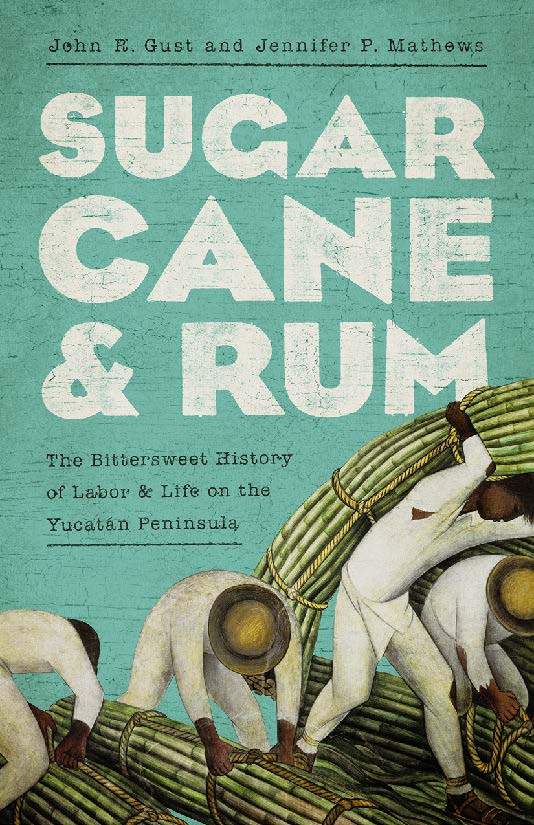
More than a history of coveted commodities, the unique story that unfolds in John R. Gust and Jennifer P. Mathews’s new history Sugarcane and Rum is told through the lens of Maya laborers who worked under brutal conditions on small haciendas to harvest sugarcane and produce rum in the Yucatan Peninsula of Mexico.

Read an excerpt from the book here.

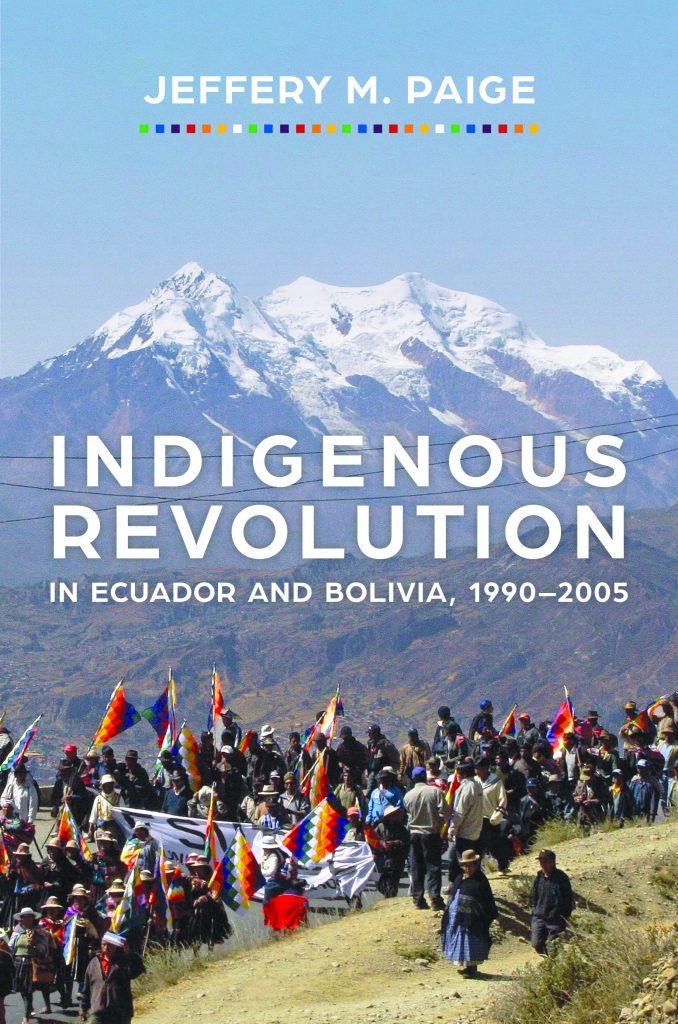
In the fifteen-year span from 1990 to 2005 uprisings of the indigenous peoples of Ecuador and Bolivia changed their societies forever. The combination of mass mobilization, elections, and indigenous socialism created a new form of twenty-first-century revolution that applies to cultures far beyond the Andes. In Indigenous Revolution in Ecuador and Bolivia, 1990-2005, Jeffrey M. Paige’s interviews present the powerful personal experiences and emotional intensity of the revolutionary leadership.

The second of a two-volume series, Moquis and Kastiilam tells the story of the encounter between the Hopis, who the Spaniards called Moquis, and the Spaniards, who the Hopis called Kastiilam, from the Pueblo Revolt through 1781. Balancing historical documents with oral histories, it creates a fresh perspective on the interface of Spanish and Hopi peoples in the period of missionization.

Video: Chicanx Studies Scholars and Teachers Discuss Anzaldúa in the Classroom

October 28, 2020

Editors Margaret Cantú-Sánchez, Candace de León-Zepeda, and Norma Elia Cantú, as well as several contributors of the new book, Teaching Gloria E. Anzaldúa: Pedagogy and Practice for Our Classrooms and Communities, came together on Thursday, October 22, in an online panel to discuss this volume’s practical and inspiring ways to deploy Anzaldúa’s transformative theories with real and meaningful action.

The event, also livestreamed on the University of Arizona Press Facebook, was not only a celebration of Anzaldúa and scholarship, but brought together an audience of students, community, and other Chicanx Studies scholars. We are grateful to the editors and contributors for sharing their time.

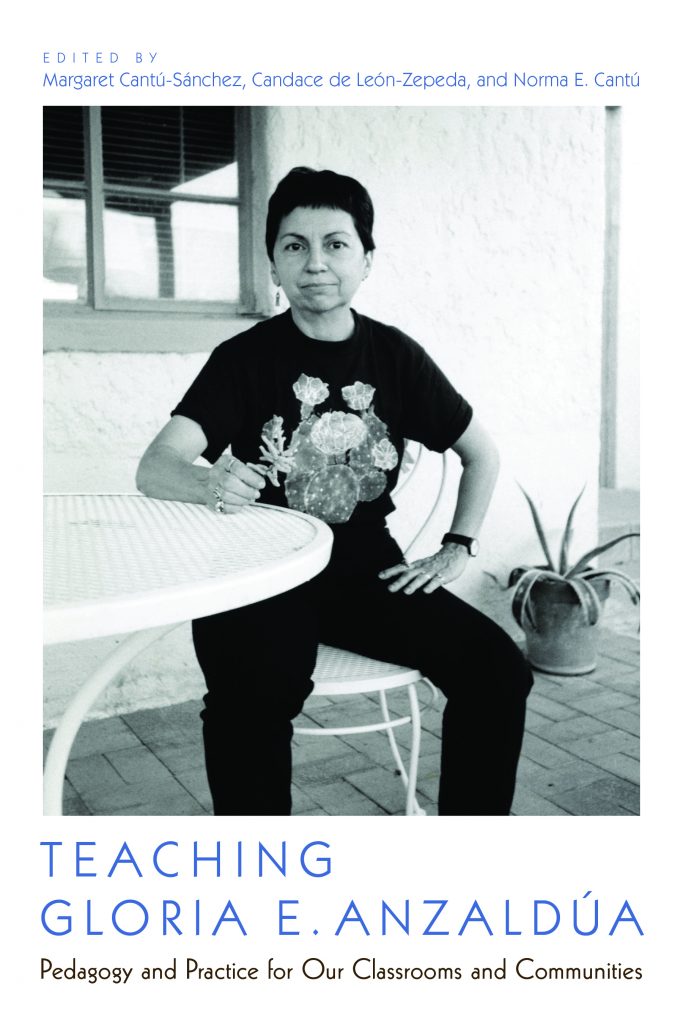
Teaching Gloria E. Anzaldúa is a pragmatic and inspiring offering of how to apply Anzaldúa’s ideas to the classroom and in the community rather than simply discussing them as theory. The book gathers nineteen essays by scholars, activists, teachers, and professors who share how their first-hand use of Anzaldúa’s theories in their classrooms and community environments.

Field Notes: Excavations of Paquimé’s Site 204

October 22, 2020

By Paul Minnis and Michael Whalen

Our research in northwestern Chihuahua focused on the area around the famous and important site of Paquimé (or Casas Grandes), which was most influential during the Medio Period, AD 1200–1450 (give or take a few decades either way). Over the past two decades, we directed multiple field projects in the region. At first, we conducted surveys, systematically walking over an area to record whatever archaeological remains were observable. Then we transitioned to the excavation of a range of sites in an attempt to understand how the Paquimé-dominated society was organized and when it dated to, among other questions.

One of the most important sites we studied—Site 204—is located west of Paquimé in a tributary drainage. We selected this site because it was one of the two largest Medio Period sites near Paquimé, so we could compare it with the small villages we studied at one end of a continuum of size and the premier and largest site, Paquimé, at the other extreme.

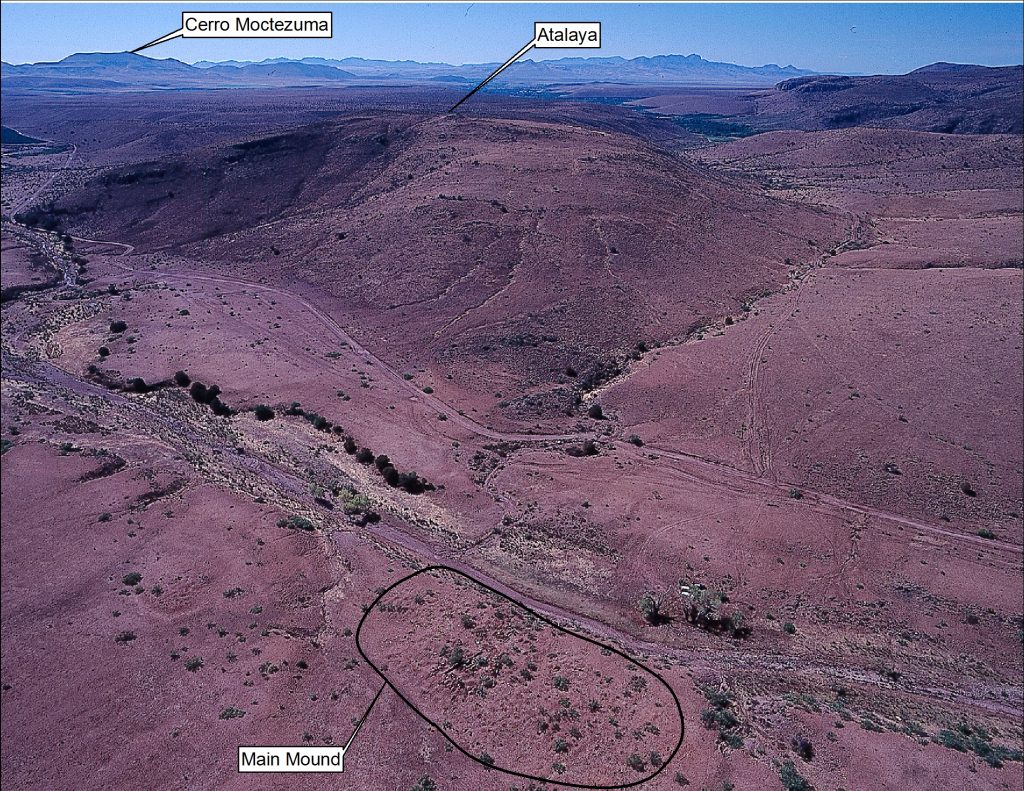
1a. before excavation

Image 1a: Site 204 is located in a small valley that also has a large number of Medio Period villages. The atalaya is a feature on a hilltop that probably was a shrine and communication point visible from Cerro Moctezuma, which is just west of Paquimé. Cerro Moctezuma was probably one of the major shrines in the local area.

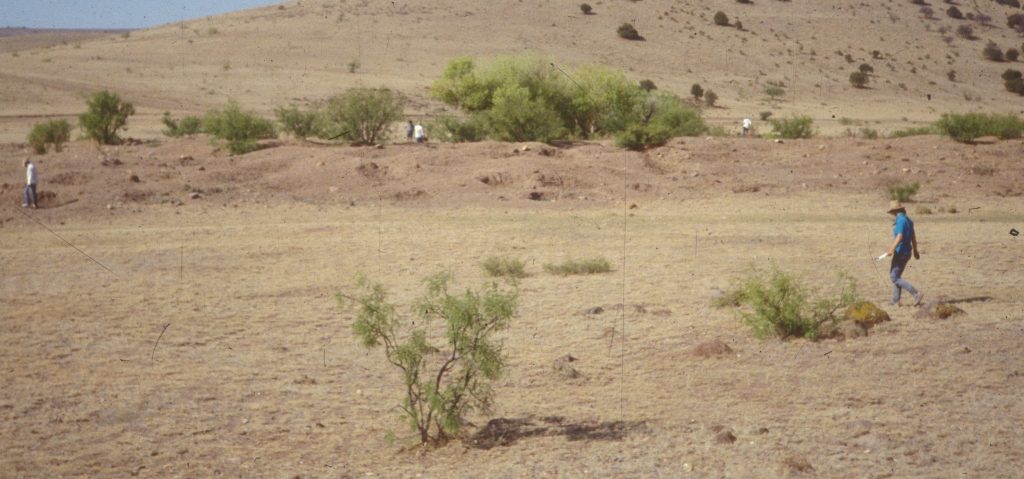
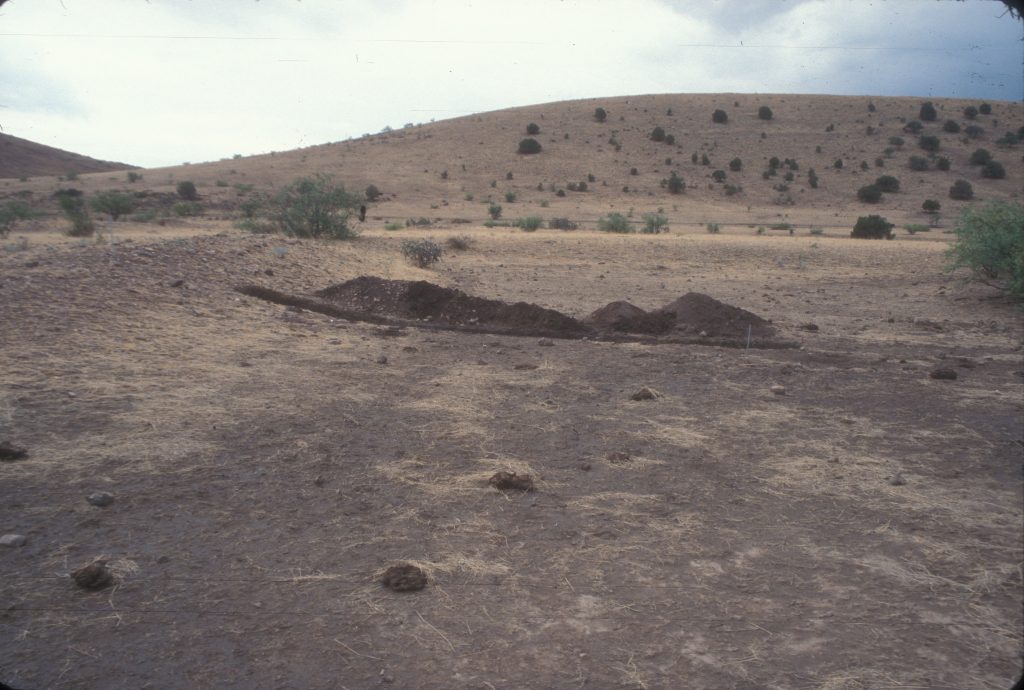
1b. before excavation

Image 1b: Site 204 has three “mounds” that are the remains of adobe room blocks that have decayed over the centuries into piles of dirt. There are three mounds for a total of about two hundred rooms. In addition, this site has two large ritual roasting pits and a ball court. Like nearly all Medio Period sites, the room blocks have been severely looted.

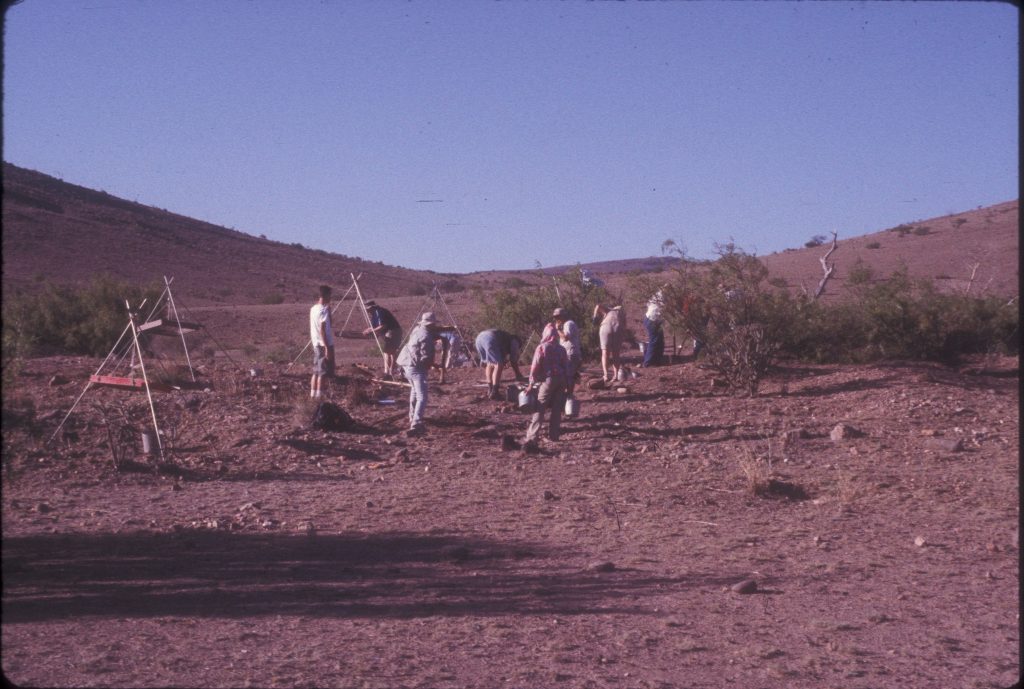
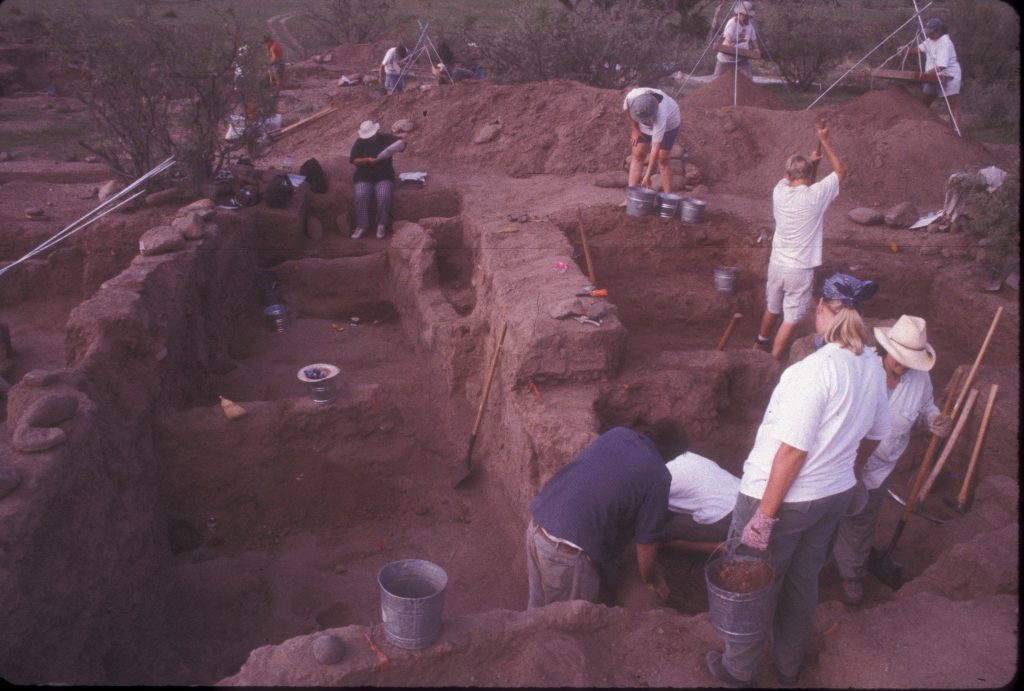
2 first day

Image 2: The first day of excavation is always exciting and, in a way, terrifying. Questions go through your mind: What is below the ground, what will you find, or did you start in the best place to excavate?

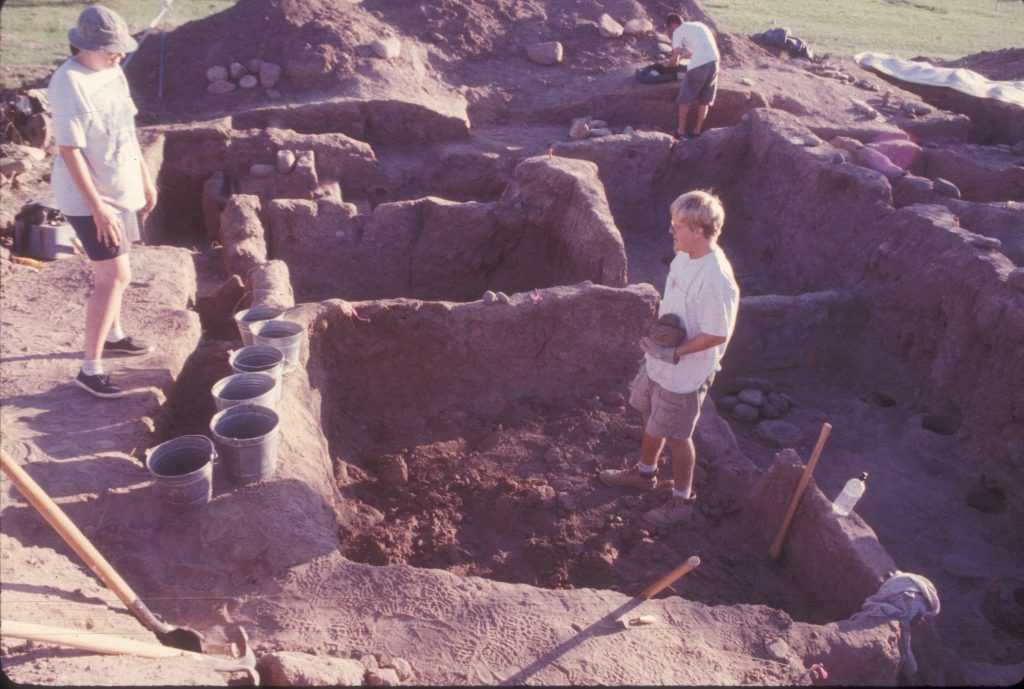
3a. excavated rooms
3b. excavated rooms

Image 3a & 3b: Excavating using a precise grid system, you slowly find walls and outline rooms. Then you remove the fill in the room in layers, carefully screening the dirt so as not to miss small artifacts. Unfortunately, much of each room has been looted, which mixes the artifacts. Finally, there’s the reward: the excavation of the floor and its features such as hearths and pits. You are not actually done after excavating, mapping, and photographing the rooms: the area below the room is excavated to look for evidence of earlier occupation.

3c. ball court trench

Image 3c: Ball courts were important locations of community events. Site 204 has one ball court that had been dug into the ground forming an I-shape. We also excavated a trench across the ball court.

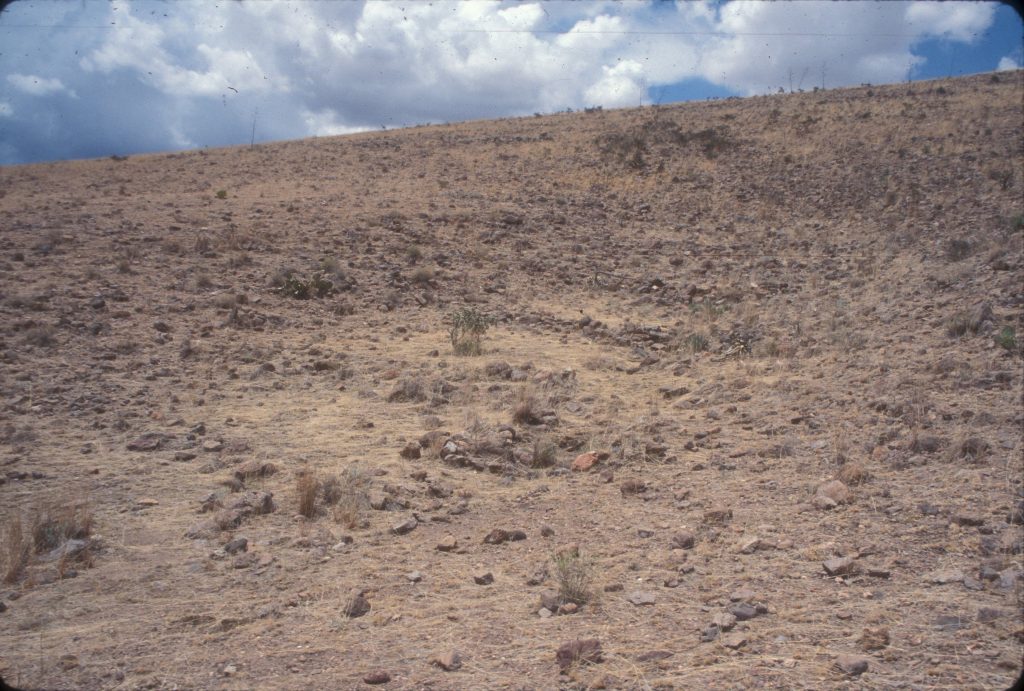
3d. hillside fields

Image 3d: Not all archaeological features are visually interesting or obvious. The faint lines of rocks are rock walls (trincheras) that form small farming plots. The hillside above Site 204 is filled with these features, as are many hillslopes in the Casas Grandes region. While most were farmed by small families, a few seem to have been cacique or chief fields, controlled by leaders and worked by the populous.

4a. stairs

Image 4a: Although not common, we excavated several stairs at the six sites we studied.

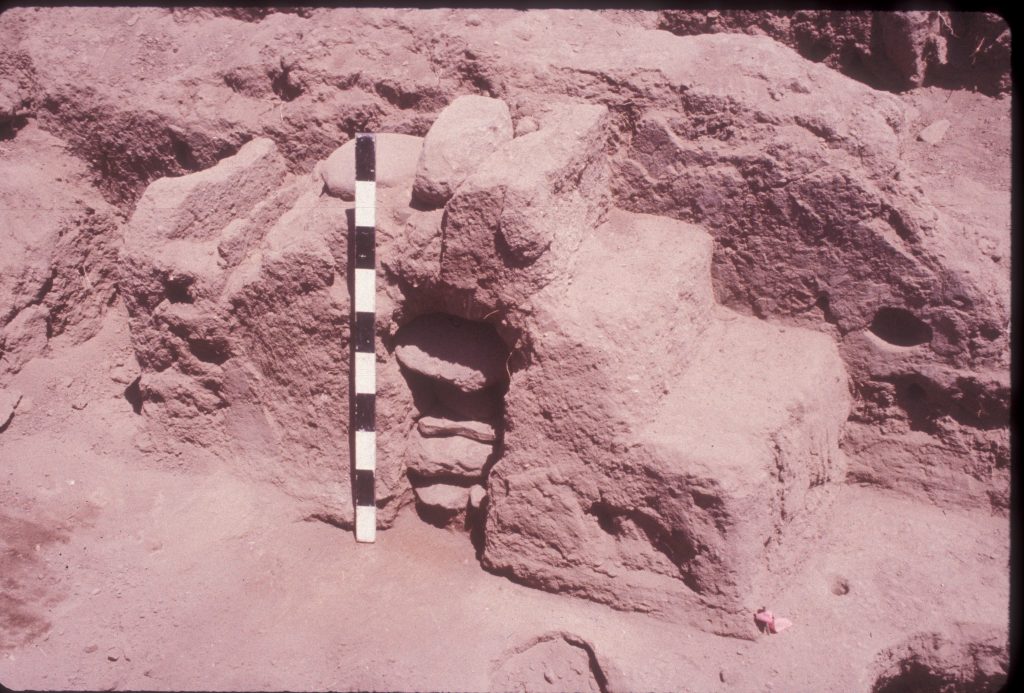
4b. closed T-door

Image 4b: T-shaped doorways are common and likely had important ritual significance. This example is of a T-shaped doorway that was filled to block it off as part of the room’s renovation.

4c. ritual room

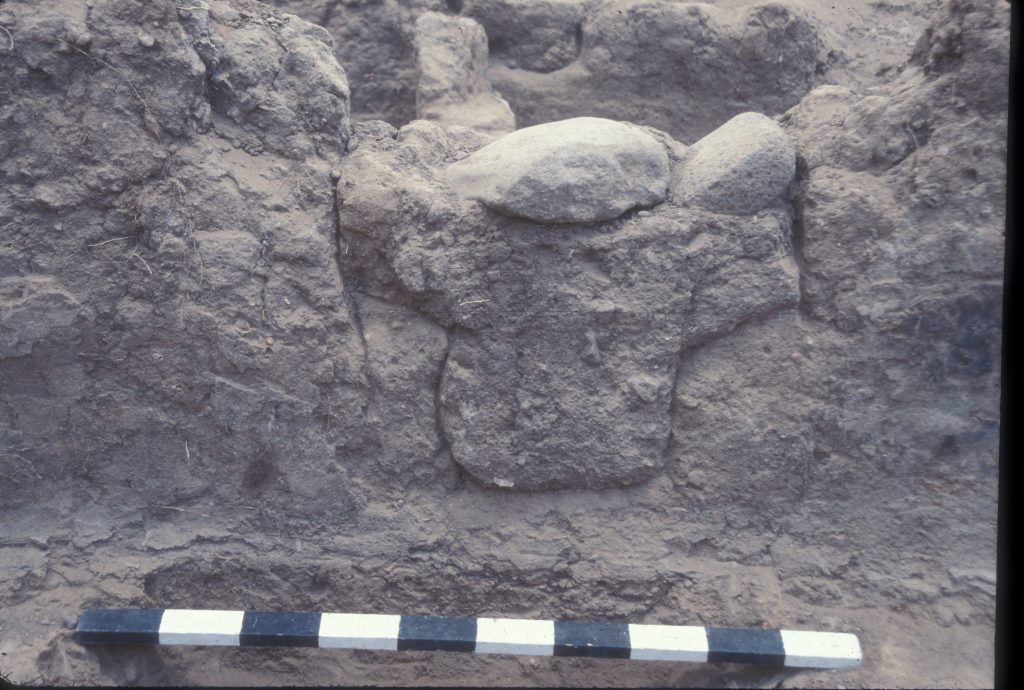
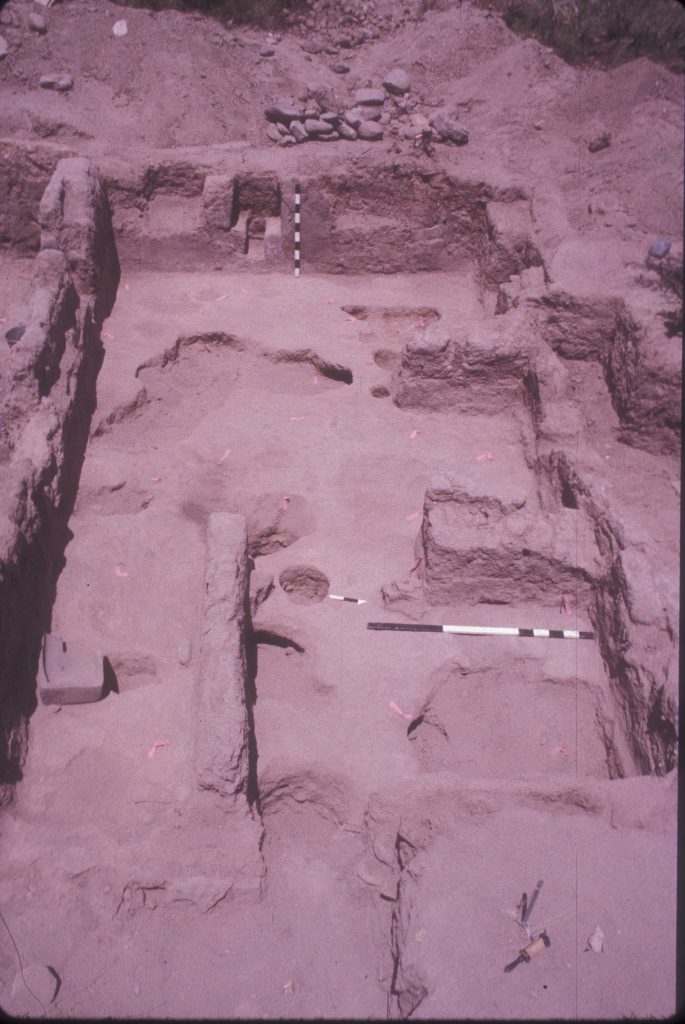
Image 4c: Most rooms at sites in the Casas Grandes region appear to have been used as domestic space where people lived their daily lives. We did excavate some that appear to have had ritual use. This room originally had two columns, and some are artifacts. As you can see, the open space between the columns were closed with a later wall. Also present is a T-shaped door at the far end of the room. The many asymmetrical holes in the floor are the bottom of looters’ holes, an ever-present factor in studying Medio Period sites.

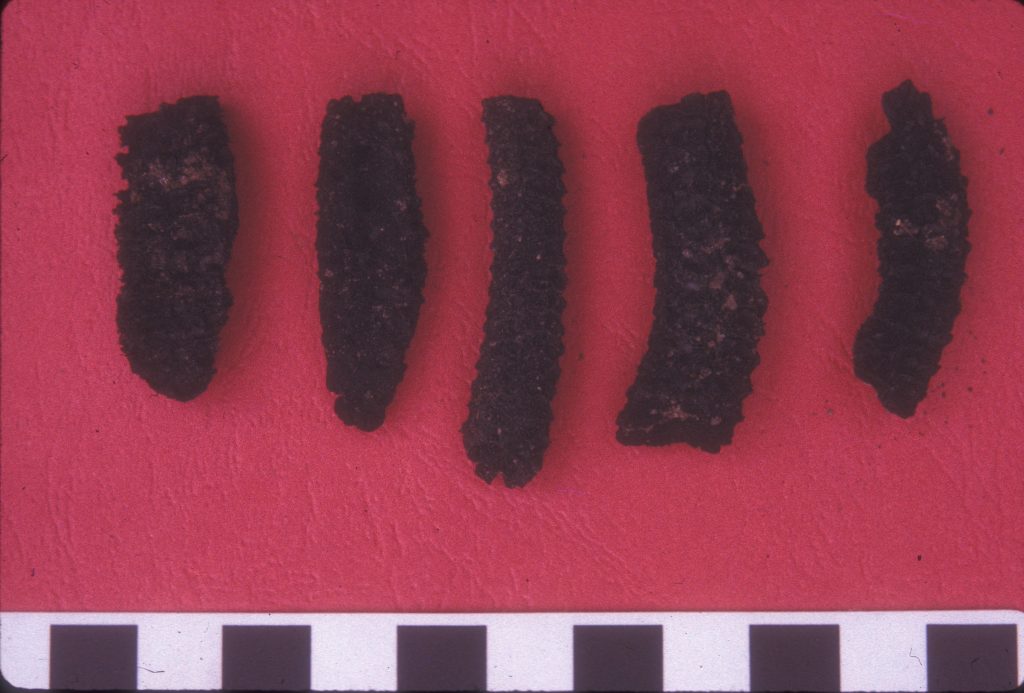
4d corn cobs

Image 4d: The value of archaeological remains are not determined by their aesthetic appeal or rarity. These charred corn cobs are not especially beautiful, but they help tell us about how the people lived. There is evidence that important community events that drew people from throughout the Casas Grandes area required massive amount of food for feasts.

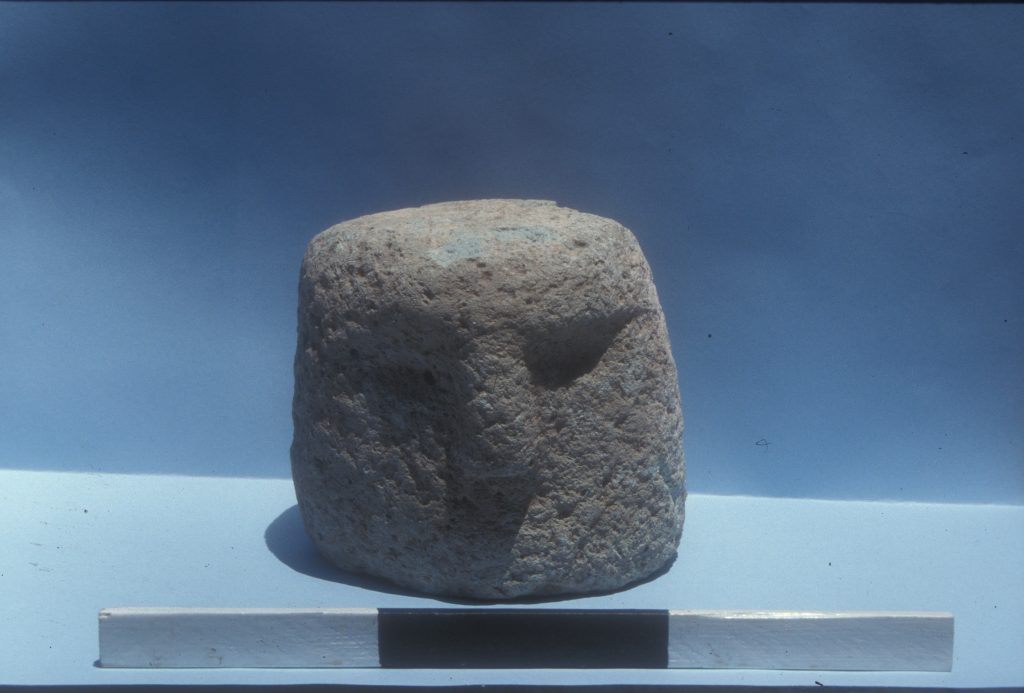
4e. stone face

Image 4e: Figures and effigies are common from the Casas Grandes region. While this artifact obviously is a human head, we don’t know what it meant to the ancient peoples of the region.

4f. parrot burial

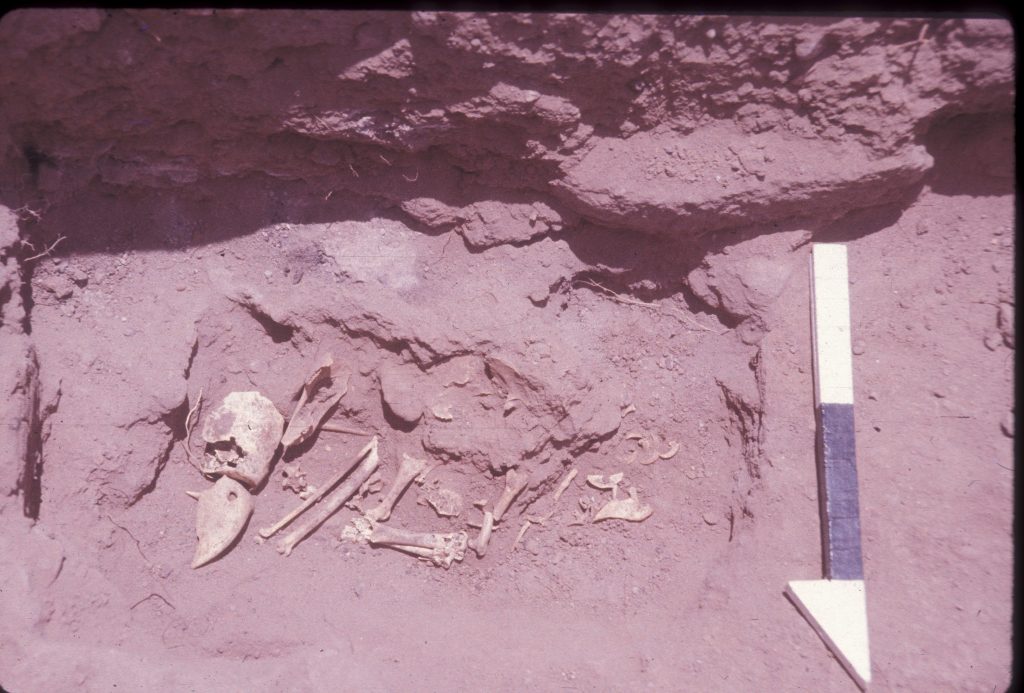
Image 4f: One of the most remarkable activities was the raising of macaws. This is the only macaw skeleton we found in our excavations. It was in a subfloor pit, probably an offering dedicating the room.

4g. pendant
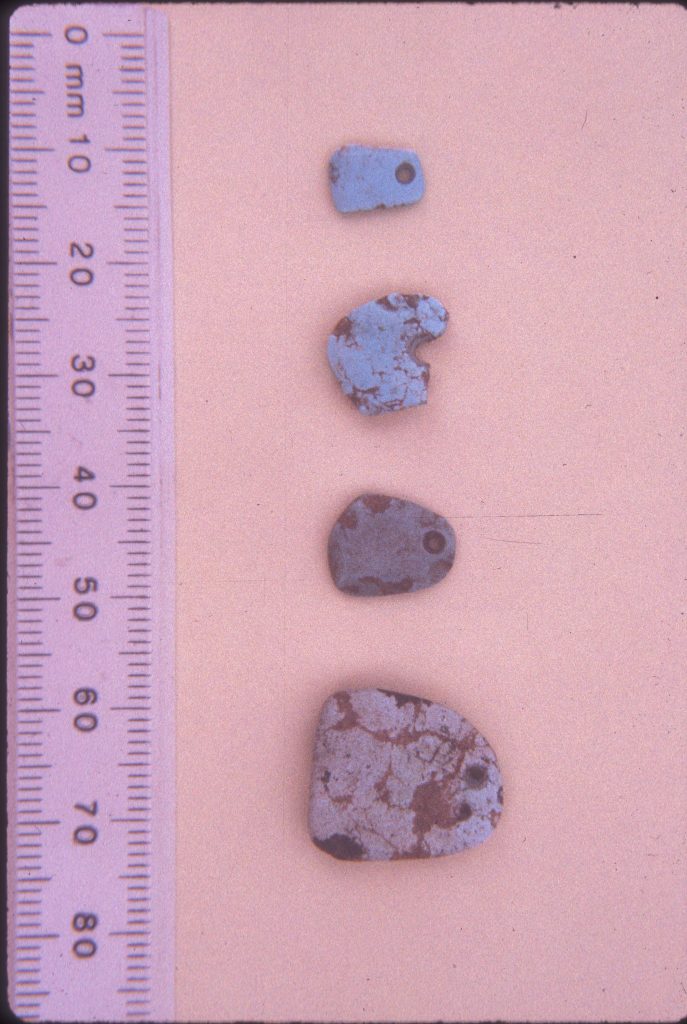
4h. turquoise

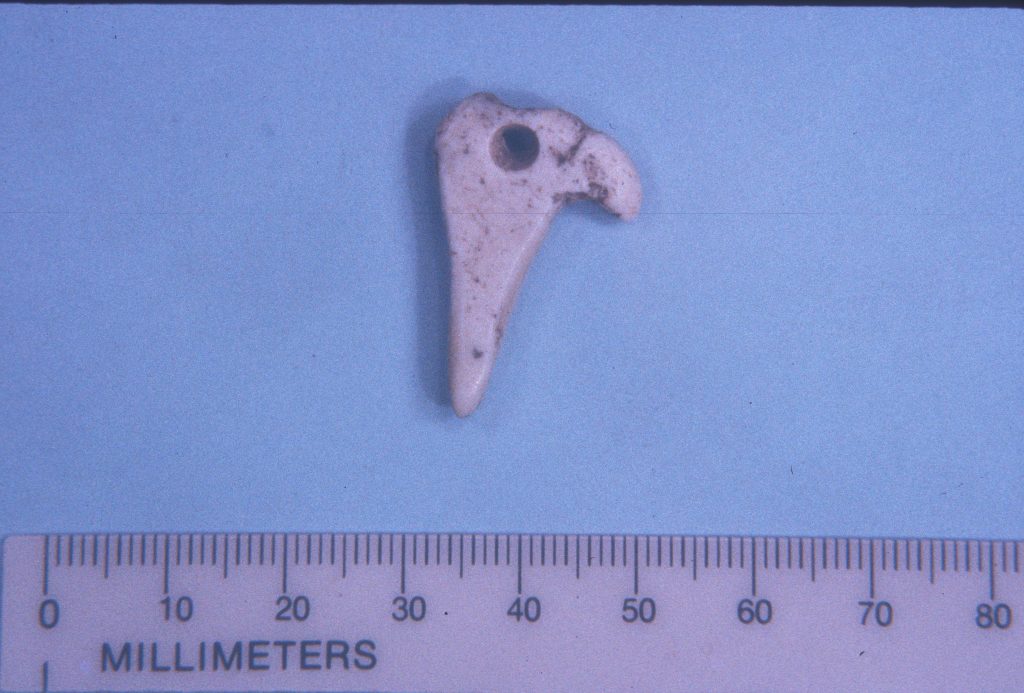
Image 4 G: This pendant may be of a macaw, a parrot, or another bird.

Image 4h: Turquoise is quite rare in Casas Grandes sites, compared to other sites in the U.S. Southwest and northwestern Mexico.

4i. plain ware vessel

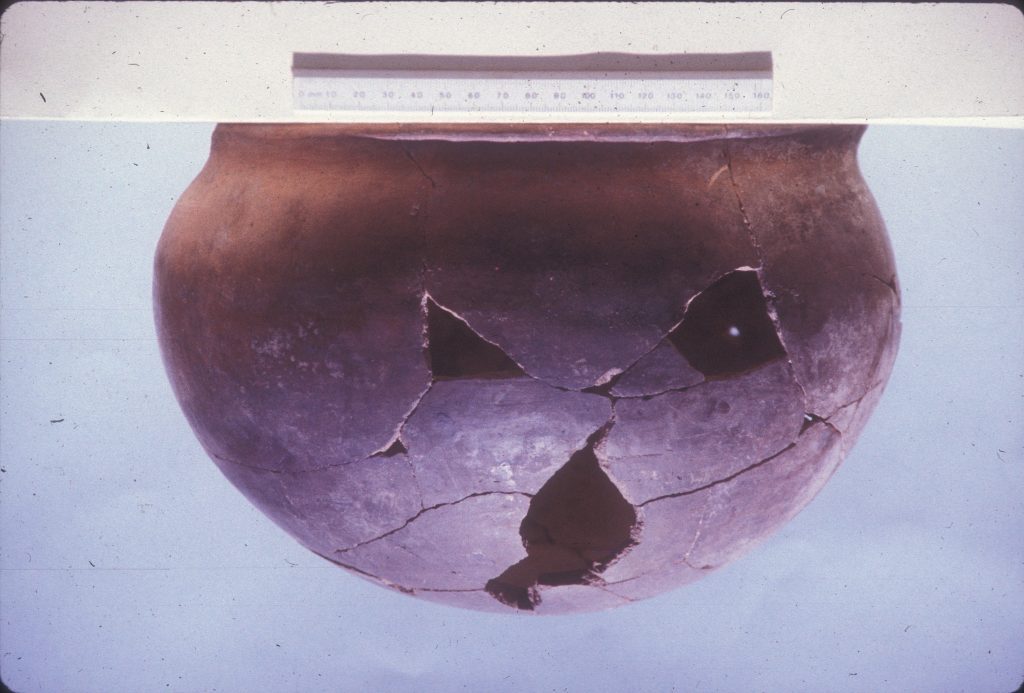
Image 4i: This is a reconstructed pot. Although most attention is on the beautiful and iconic Ramos Polychrome ceramic, most clay vessels were plain like this one.

5 lab work

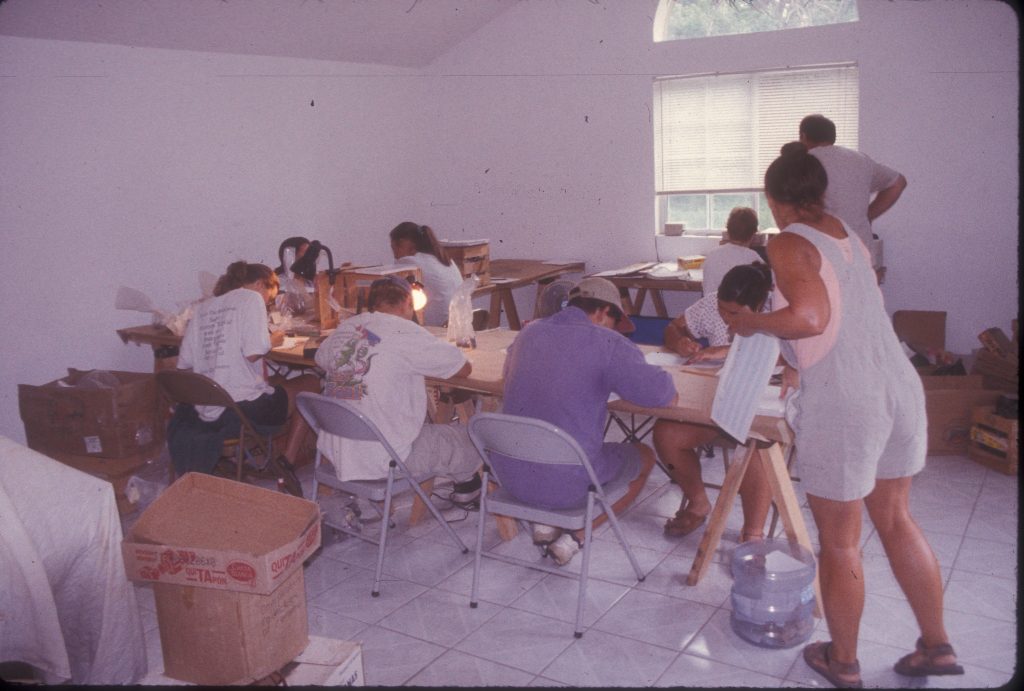
Image 5: Survey and excavation are the best known parts of archaeological research, but at least an equal amount of time is spent in the laboratory analyzing the materials removed during fieldwork.

6 crew friendships

Image 6: One wonderful outcome of being on an archaeological project is that you often develop friendships that last a lifetime . . . literally. This is especially delightful among crews from different countries or regions within a country. Here, one of our crews with members from Mexico, the Unites States, and Canada enjoy a day off visiting the famous cliff dwelling site, Cueva de la Olla, with it enormous granary located in the mountains west of Paquimé.

The Prehispanic Ethnobotany of Paquimé and Its Neighbors is the first large-scale investigation of the prehispanic ethnobotany of this important ancient site and its neighbors. Paul Minnis and Michael Whalen examine ethnobotanical relationships during Medio Period, AD 1200–1450, when Paquimé was at its most influential. Based on two decades of archaeological research, this book examines uses of plants for food, farming strategies, wood use, and anthropogenic ecology. The authors show that the relationships between plants and people are complex, interdependent, and reciprocal. This volume documents ethnobotanical relationships and shows their importance to the development of the Paquimé polity.

Paul E. Minnis is a professor emeritus of anthropology at the University of Oklahoma. He is the author or editor of twelve books and numerous articles. He has been president of the Society of Ethnobiology and treasurer and press editor for the Society for American Archaeology, and he is co-founder of the Southwest Symposium.

Michael E. Whalen is a professor emeritus in the Department of Anthropology at the University of Tulsa. He has published a series of books, monographs, chapters, and journal articles on Oaxaca, western Texas, and northwestern Chihuahua. His research has been supported by the National Science Foundation and the National Geographic Society.


All images in the post are copyright the authors.

Watch: Community Histories with Josie Méndez-Negrete and Lorena V. Márquez

October 21, 2020

Authors Josie Méndez-Negrete and Lorena V. Márquez discussed the community and activist histories of San Jose and Sacramento, California as part of a virtual book release celebration on Thrusday, October 15.

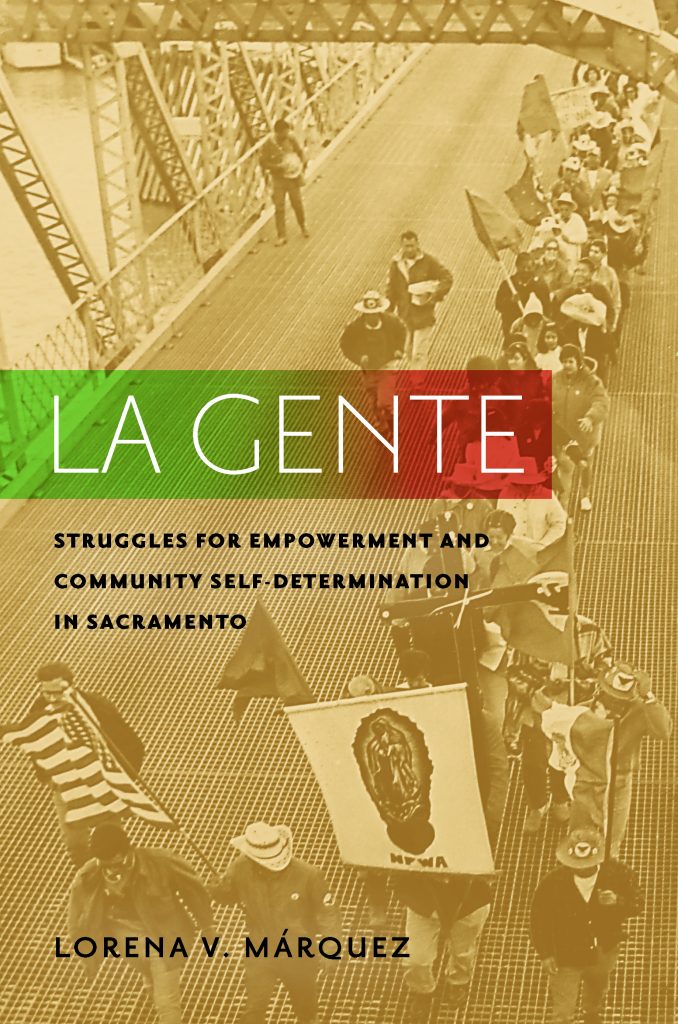
La Gente: Struggles for Empowerment and Community Self-Determination in Sacramento by Márquez, traces the rise of the Chicana/o Movement in Sacramento and the role of everyday people in galvanizing a collective to seek lasting and transformative change during the 1960s and 1970s.

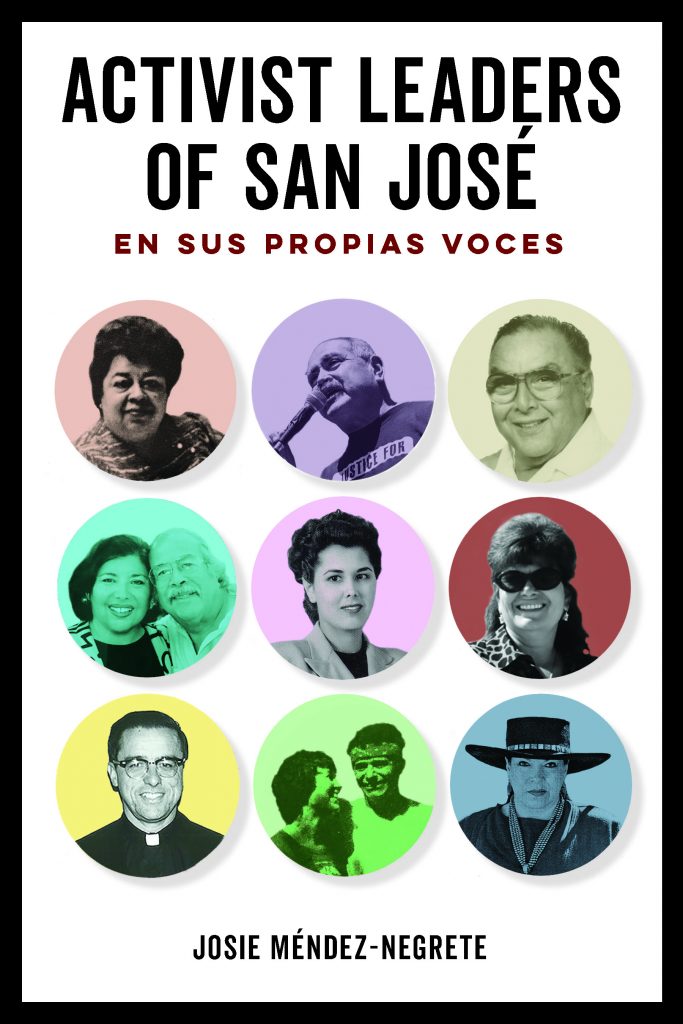
Méndez-Negrete’s Activist Leaders of San José: En sus propias voces, narrates how parents—both mothers and fathers—were inspired to work for the rights of their people. Workers’ and education rights were at the core, but they also took on the elimination of at-large elections to open city politics, labor rights, domestic abuse, and health care.

‘Beyond Earth’s Edge’ Co-Editor Celebrates Cosmic Life in LA Times’ Op-Ed

October 20, 2020

Christopher Cokinos, co-editor of Beyond Earth’s Edge: The Poetry of Spaceflight, reveled in science’s recent discovered of phospine in the clouds of Venus, a sign that may signal life in a recent Op-Ed published by the Los Angeles Times.

From the op-ed:

“It means that life arose more than once in our backwater solar system. It means that life is common, and its tenacity is cosmic. For me, that puts our struggles in a grand context. Not by way of diminishing the hard work of problem-solving that faces us. Rather, the possibility that swaths of airborne microbes are going about their business in the skies above Venus reminds me that life finds a way. We can find our way too.”

Read the entire op-ed here.

Beyond Earth’s Edge, co-edited by Cokinos and Julie Swarstad Johnson (Editor), Christopher Cokinos, is a trailblazing anthology of poetry that spans from the dawn of the space age to the imagined futures of the universe. The anthology offers a fascinating record of both national mindsets and private perspectives as poets grapple with the promise and peril of U.S. space exploration across decades and into the present.

Watch: Poets, Editors, & Flandrau Celebrate ‘Beyond Earth’s Edge’

October 19, 2020

Under the dome of the Flandrau Science Center‘s planetarium, co-editors Julie Swarstad Johnson and Christopher Cokinos introduced a virtual audience to Beyond Earth’s Edge: The Poetry of Spaceflight, a poetry anthology that celebrates spaceflight and vividly captures the violence of blastoff, the wonders seen by Hubble, and the trajectories of exploration to Mars and beyond through a wide array of lyric celebrations, somber meditations, accessible narratives, concrete poems, and new forms of science fiction.

During the virtual event, Swarstad Johnson and Cokinos social distanced aptly in the planetarium, reading sections of the book and explaining their own passions for space. Between their discussions, video clips were shown of contemporary poets.

Poets featured: Frank Paino, Forrest Gander reading his translation of Pablo Neruda, Alyse Bensel, Donna Kane, Dan Beachy-Quick reading a collaboration written with Srikanth Reddy, Alison Hawthorne Deming, Kyle Dargan, Tawahum Justin Bige, and C. S. E. Cooney.

Heartfelt thanks to the team at Flandrau for co-hosting this remarkable event, and to the book’s editors, for sharing their time with us to celebrate the wonders of space—through poetry.

Watch: Educators for Anti-Racism Interview ‘La Gente’ Author

October 16, 2020

University of Arizona Press author Lorena V. Márquez, was recently interviewed by Educators for Anti-Racism about her work and new book La Gente: Struggles for Empowerment and Community Self-Determination in Sacramento.

The grass-roots organization is committed to anti-racist and abolitionist teaching principles with the mission to learn, connect, and contribute. From their website: ‘You can learn by watching videos from our Anti-Racism conference and a soon to come video series of anti-racism conversations. You can connect by discussing the lessons in the comments section, or joining one of the groups listed on our website. You can contribute by sending us anti-racism lessons or resources. Visit us at www.edantiracism.com.”

Márquez’s book La Gente traces the rise of the Chicana/o Movement in Sacramento and the role of everyday people in galvanizing a collective to seek lasting and transformative change during the 1960s and 1970s. In their efforts to be self-determined, la gente contested multiple forms of oppression at school, at work sites, and in their communities.

Cultivate Community with Our Latest Latinx and Chicanx Studies Books

October 13, 2020

At the University of Arizona Press, we have published a wide range of books that celebrate Latinx and Chicanx communities, document community histories, and record the histories and lives of civil rights movements and activists. We want to share our most recent community and activism-focused titles with you, and invite you to use the discount code AZCOMMUNITY20 for 35% off these titles through 11/15/2020.

La Gente traces the rise of the Chicana/o Movement in Sacramento and the role of everyday people in galvanizing a collective to seek lasting and transformative change during the 1960s and 1970s. In their efforts to be self-determined, la gente contested multiple forms of oppression at school, at work sites, and in their communities.

On Thursday, October 15, 2020 join University of Arizona Press authors Josie Méndez-Negrete and Lorena V. Márquez for a virtual discussion on their recent University of Arizona Press books that focus on community and activist histories in San Jose and Sacramento, California. This event is currently full, but watch our website to see a recording of the event in coming days.

Challenging stereotypes, Activist Leaders of San José by Josie Méndez-Negrete book unearths and makes visible lived experiences of Chicana and Latino activists from San José, California, who made contributions to the cultural and civic life of the city. Through oral histories, we see a portrait of grassroots leadership in the twentieth century.

Don’t forget to check out the event mentioned above!

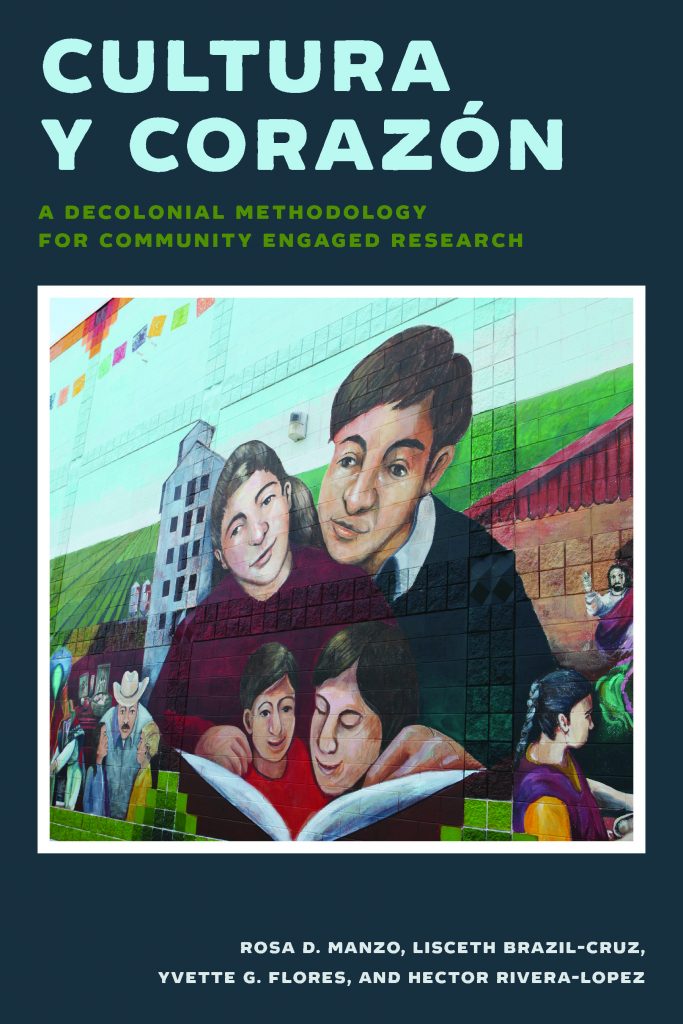
Cultura y Corazón is a cultural approach to research that requires a long-term commitment to community-based and engaged research methodologies. This book presents case studies in the fields of education and health that recognize and integrate communities’ values, culture, and funds of knowledge in the research process.

Teaching Gloria E. Anzaldúa provides pedagogical applications of Anzaldúa’s noted theories, including la facultad, the path of conocimiento, and autohistoria, among others. This text provides examples, lesson plans, and activities for scholars, professors, teachers, and community members in various disciplines—such as history, composition, literature, speech and debate, and more—and for those interested in teaching the theories of Gloria Anzaldúa.

On Thursday, October 22, 2020 we are hosting an event with the editors of this book! Registration is currently full, but be sure to check back on our website for a recording of the event. Listen to a recording of Gloria reading some of her uncollected and unpublished poems here.

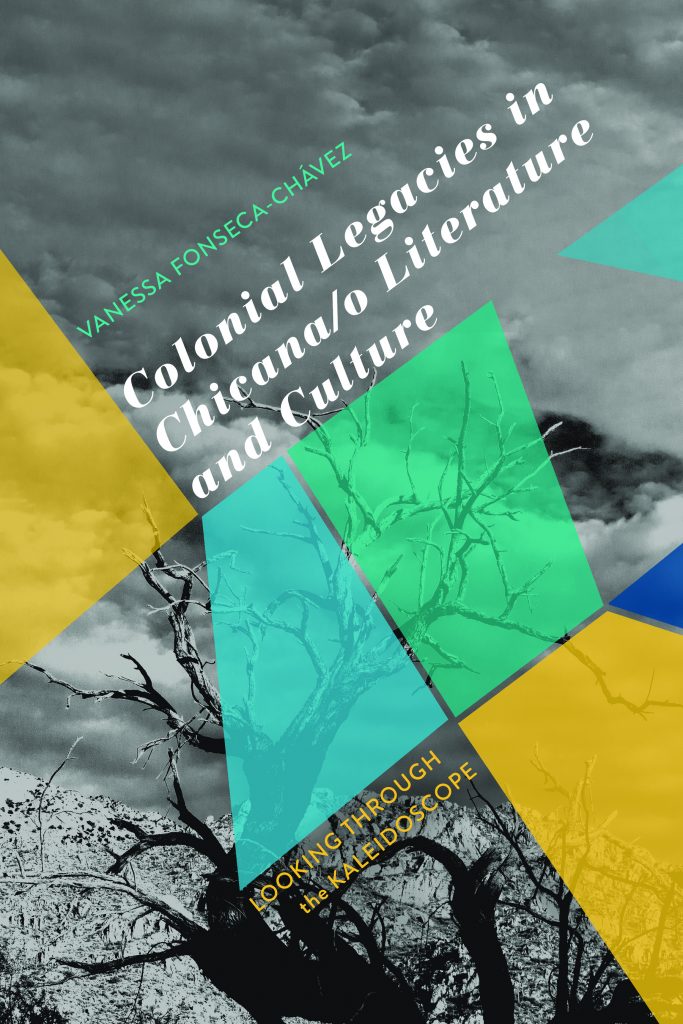
Colonial Legacies in Chicana/o Literature and Culture traces the development of Chicana/o literature and cultural production from the Spanish colonial period to the present. In doing so, it challenges us to look critically at how we simultaneously embody colonial constructs and challenge their legacies.

Listen to an NPR interview with author Vanessa Fonseca-Chávez here. Then, read an excerpt from the book here.

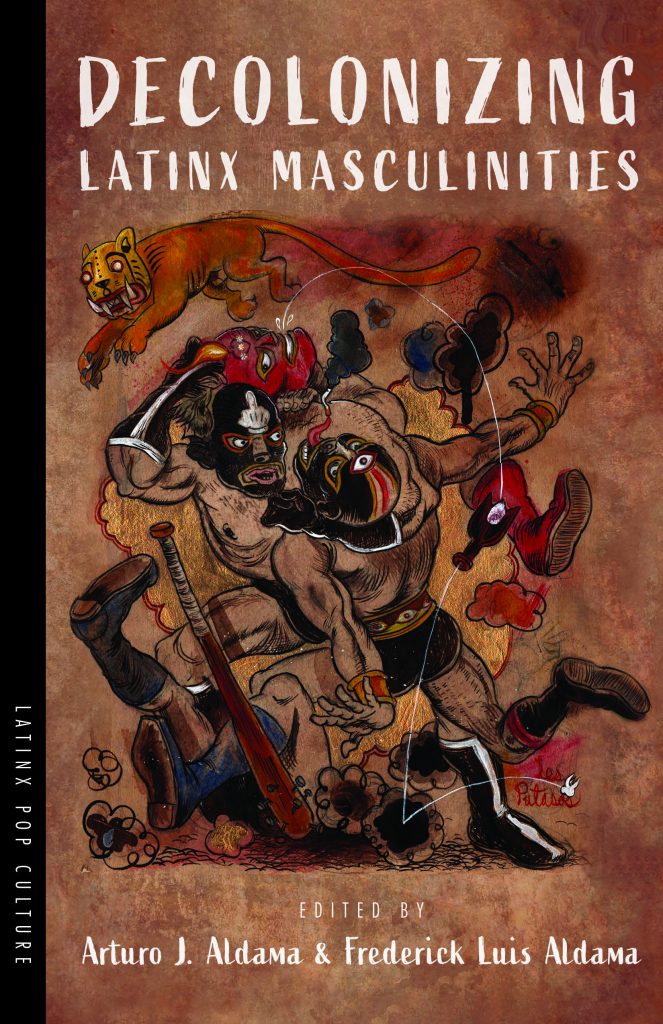
With unity of heart and mind, the creative and the scholarly, Decolonizing Latinx Masculinities opens wide its arms to all non-binary, decolonial masculinities today to grow a stronger, resilient, and more compassionate new generation of Latinxs tomorrow.

Listen to Frederick Luis Aldama talk about the book on the New Books Network podcast here, then read an interview with editors Arturo J. Aldama and Frederick Luis Aldama here. On Thursday, October 22, 2020, there will be a virtual book release celebration for Decolonizing Latinx Masculinities. Register here.

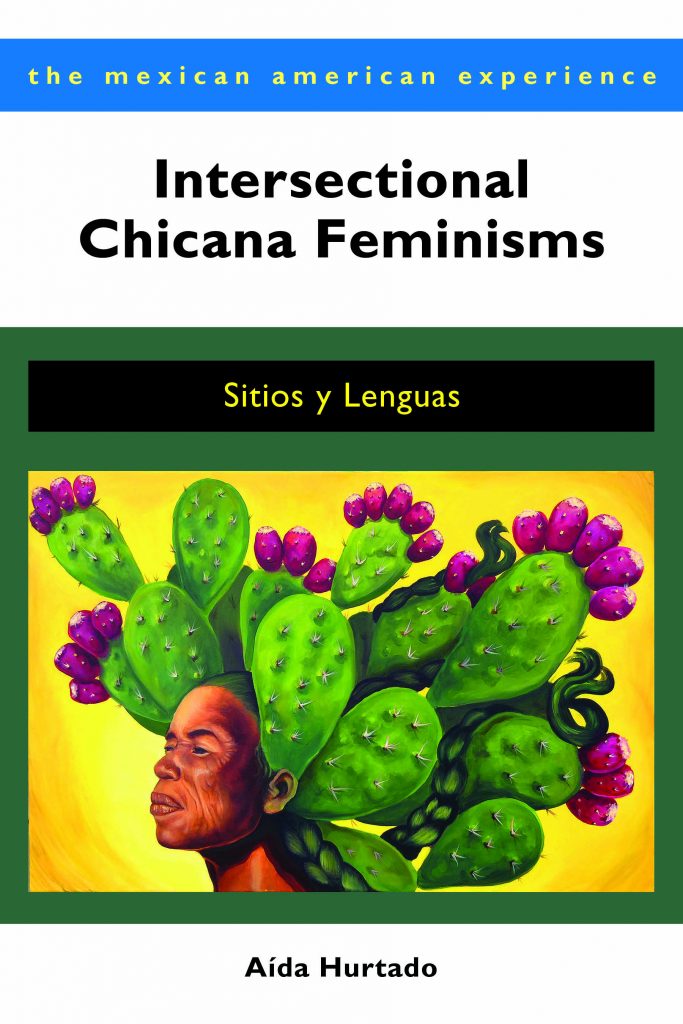
Advocating for and demonstrating the importance of an intersectional, multidisciplinary, activist understanding of Chicanas, Intersectional Chicana Feminisms provides a much-needed overview of the key theories, thinkers, and activists that have contributed to Chicana feminisms.

“Hurtado once again offers a brilliant analysis of Chicana feminisms that is historically situated and honors the legacies of early Chicana feminists. She advocates for and demonstrates the importance of an intersectional, multidisciplinary, and activist understanding of Chicanas.”—Yvette G. Flores, author of Chicana and Chicano Mental Health: Alma, Mente y Corazón

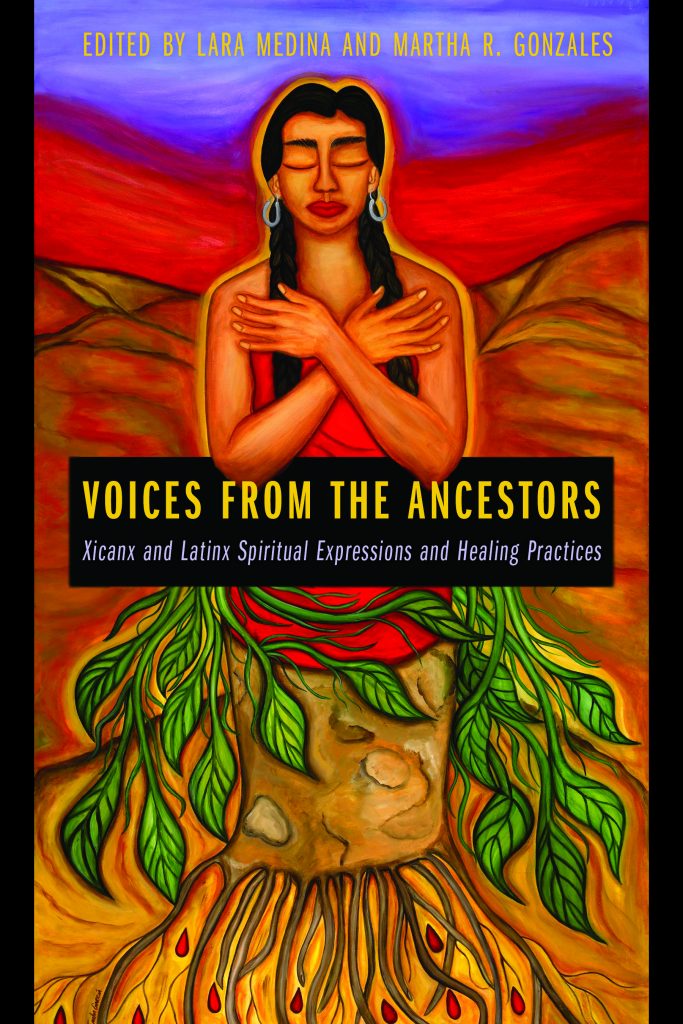
Reclaiming and reconstructing one’s spirituality based on non-Western epistemologies is central to the process of decolonization. Voices from the Ancestors brings together reflective writings and spiritual practices by Chicanx, Latinx, and Afro-Latinx womxn and male allies in the United States who seek to heal from the historical traumas of colonization by returning to ancestral traditions and knowledge.

Watch a recording of an incredible panel with the editors and some of the contributors of this book here.

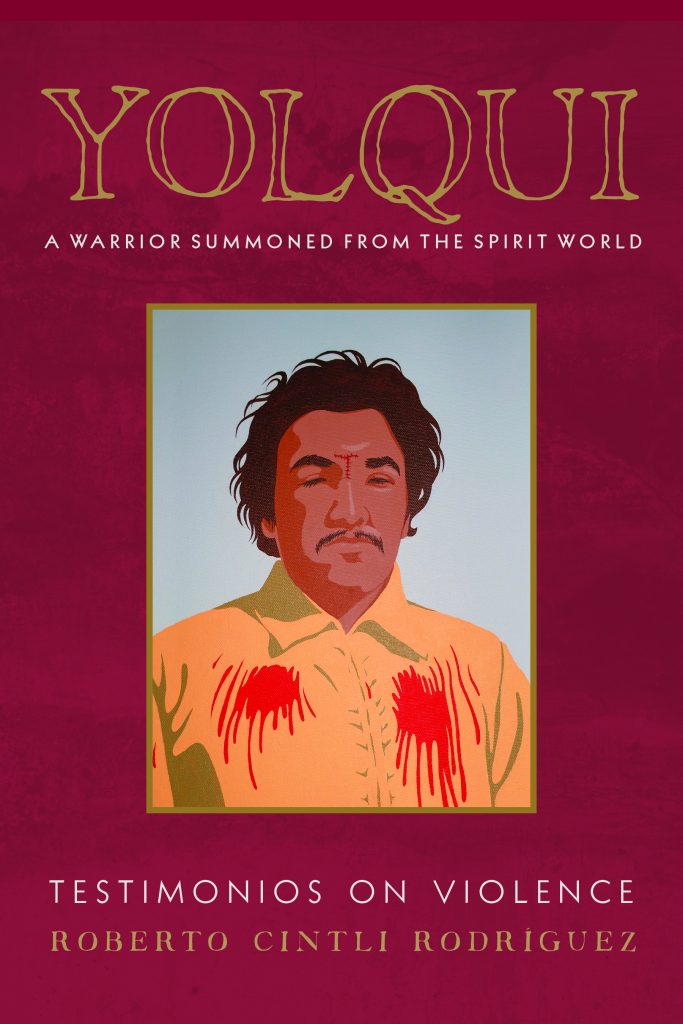
Yolqui, a Warrior Summoned From the Spirit World is a testimonio, a historia profoundo of the culture of extralegal violence against the Red-Black-Brown communities in the United States that operates with impunity. Framed by Roberto Cintli Rodríguez’s personal testimony of police violence, this book is a clarion call to end that violence and those philosophies that permit such violence to flourish.

Read about and view photos from a book release event for Yolqui here, and read about and view photos from a panel that features this author here.

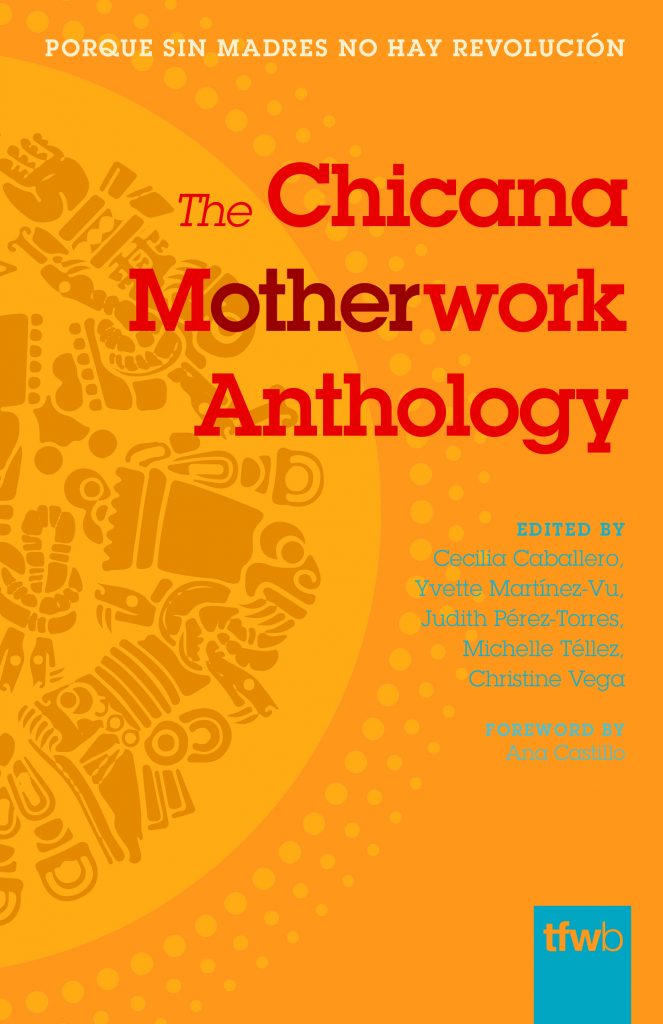
The Chicana M(other)work Anthology is a call to action for justice within and outside academia. This volume brings together emerging scholarship and testimonios by and about self-identified Chicana and Women of Color mother-scholars, activists, and allies who, using an intersectional lens, center mothering as transformative labor.

Read an excerpt from the book here, and read about the Feminist Wire book series here.

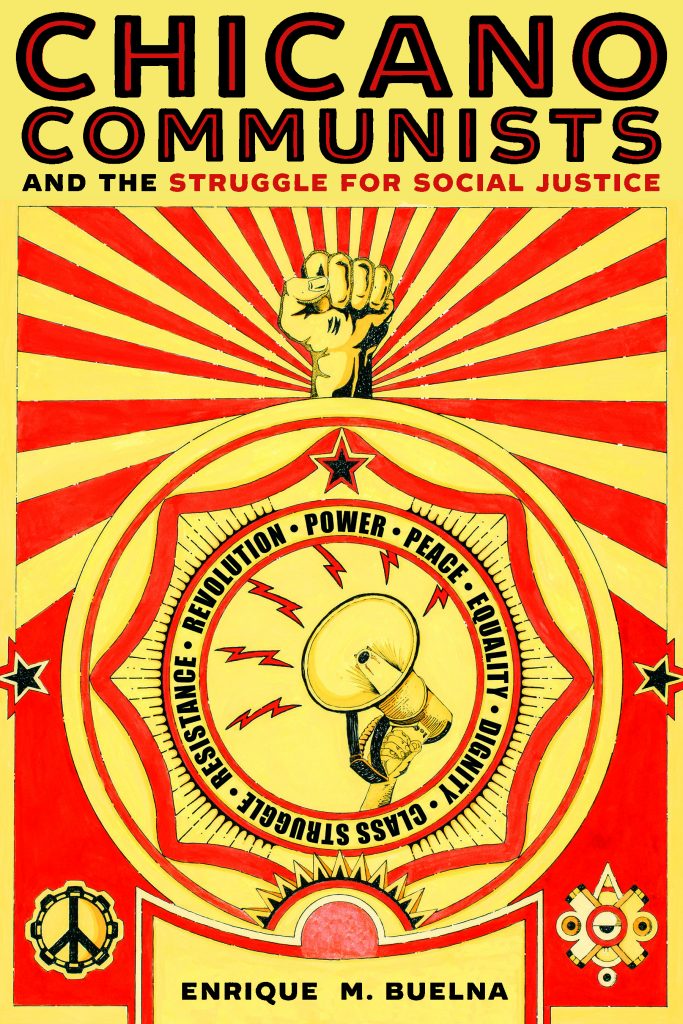
Chicano Communists and the Struggle for Social Justice traces the early roots of the Chicano Movement. It follows the thread of radical activism of the 1930s and 1940s to today, showing thedepth of its influence on Mexican Americans struggling to achieve social justice and equality. 

“Buelna’s book adds another layer to our understanding of American communism at mid-century, as well as the labor fight, community, and race.”–R.D. Screws, Choice Reviews

Listen to a book review of Chicano Communists and the Struggle for Social Justice on Buelna News here.

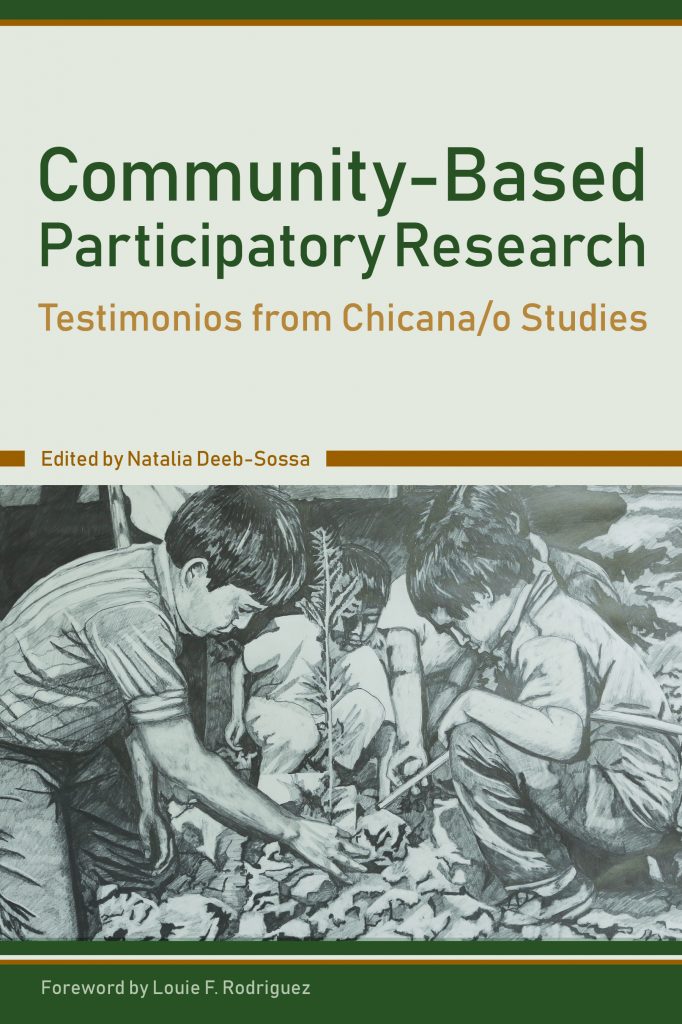
The first of its kind, Community-Based Participatory Research: Testimonios from Chicana/o Studies is a trailblazing collection of personal testimonies that showcase how understandings of community empowerment are incomplete as they have dismissed the variety of ways communities themselves have created social change strategies. In first-person accounts, Chicana/o researchers share their experience doing community-based participatory research (CBPR) praxis to illustrate its complexity and how it might be implemented to create sustainable change and community empowerment.

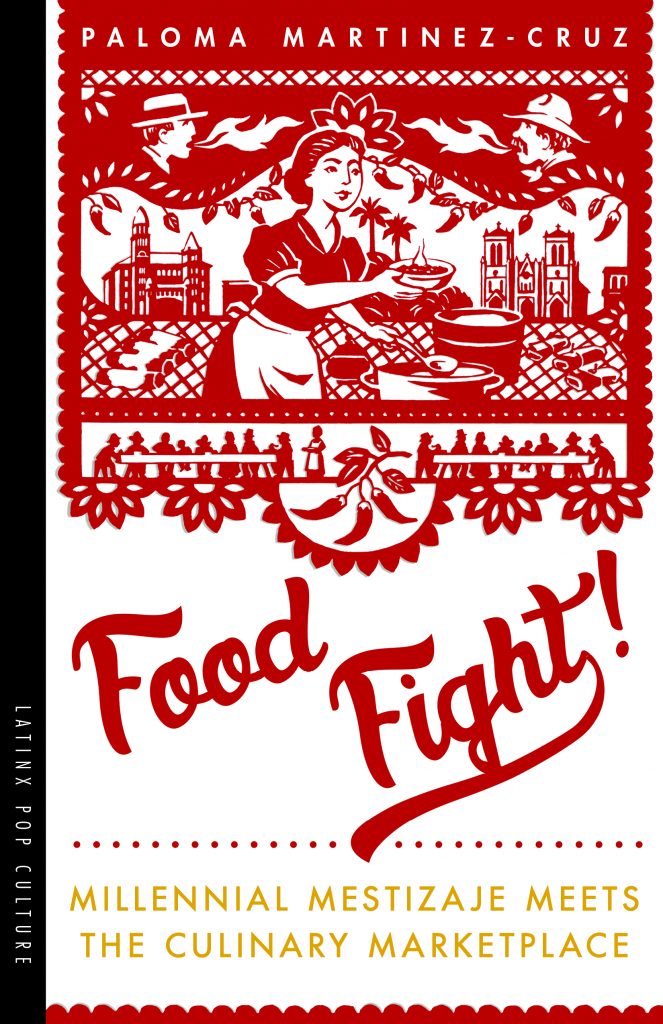
Food Fight! contributes to urgent discussions around the problems of cultural misappropriation, labeling, identity, and imaging in marketing and dining establishments. Not just about food, restaurants, and coffee, this volume employs a decolonial approach and engaging voice to interrogate ways that mestizo, Indigenous, and Latinx peoples are objectified in mainstream ideology and imaginary. 

“Every essay will fill a reader—millennial mestizo or just plain old Chicano—with joyous smiles at the zingers. Advertencia! This book is not one for idle consumption, it’s not fast food. Paloma Martinez-Cruz dishes up a scholarly dissertation of substantial complexity with a heaping portion of humor, verbal sleight-of-hand, and barely-restrained ire.”—La Bloga

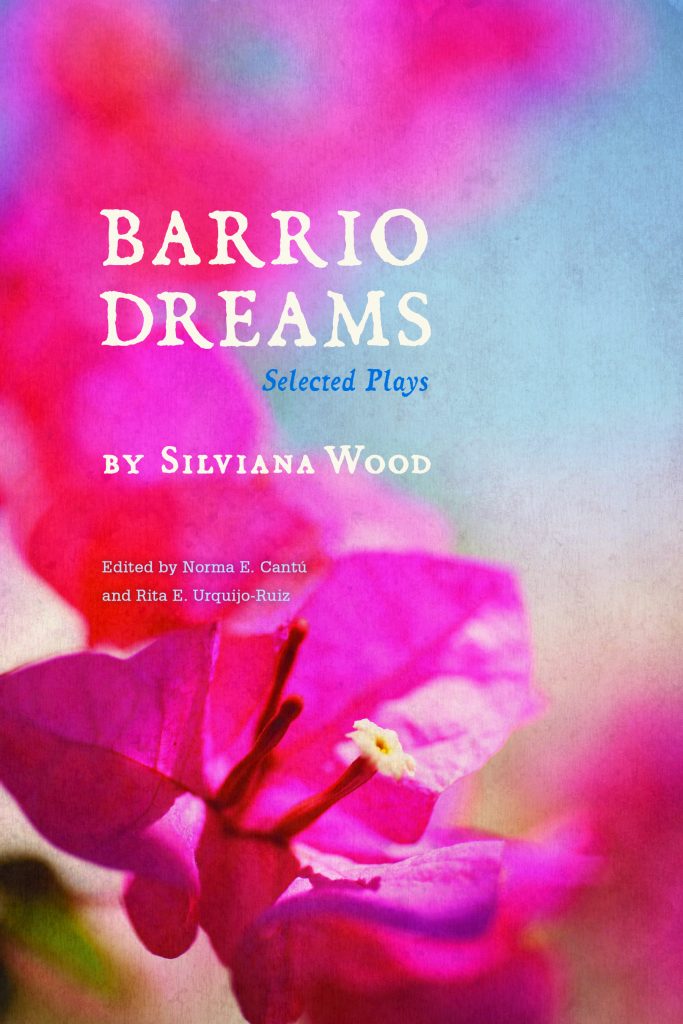
Silviana Wood’s teatro has elicited tears and laughter from audiences young and old. Barrio Dreams brings together for the first time the plays of Wood, one of Arizona’s foremost playwrights. Wood is acclaimed locally, regionally, and nationally as a playwright, actor, director, and activist.

We are excited that the Borderlands Theater in Tucson, Arizona will be hosting two events to honor the lifetime achievements of Silviana Wood. On Saturday, Oct. 17, 7 p.m., there will be a virtual reading of Wood’s play Amor de Hijua, live-streamed on Borderlands Theater’s Facebook and YouTube pages. On Tuesday, Oct. 20 – 6 p.m., A Tribute to Silviana Wood, will be live-streamed on Borderlands Theater’s Facebook and YouTube pages. You can also listen to Silviana Wood on a New Books Network podcast here.

Watch TFOB’s Virtual Event with Carolyn Niethammer & ‘The Desert Feast’

October 12, 2020

Tucson Festival of Books’ virtual series Authors in Conversation, recently featured University of Arizona Press author, Carolyn Niethammer and her new book, The Desert Feast: Celebrating Tucson’s Culinary Heritage.

The Wednesday, October 7 event, moderated by Arizona Daily Star and #ThisIsTucson food writer Andi Berlin, covered topics in Niethammer’s book that tell the story of why Tucson became American’s first UNESCO City of Gastronomy.

A Desert Feast offers a food pilgrimage with color photos, stories and, recipes. You’ll meet the farmers, small-scale food entrepreneurs, and chefs who are dedicated to making Tucson taste like nowhere else.

If you didn’t have a chance to tune in, check out the conversation here.

For Authors

The University of Arizona Press publishes the work of leading scholars from around the globe. Learn more about submitting a proposal, preparing your final manuscript, and publication.
Inquire

Requests

The University of Arizona Press is proud to share our books with readers, booksellers, media, librarians, scholars, and instructors. Join our email Newsletter. Request reprint licenses, information on subsidiary rights and translations, accessibility files, review copies, and desk and exam copies.
Request

Support the Press
Support a premier publisher of academic, regional, and literary works. We are committed to sharing past, present, and future works that reflect the special strengths of the University of Arizona and support its land-grant mission.
Give