Raquel Salas Rivera, a Puerto Rican poet who writes in Spanish and English, is featured in the University of Arizona Press Fall 2021 catalog with his collection x/ex/exis: poemas para la nación that poet Willie Perdomo deftly describes as poetry “… guided by an almost surreal imagery, [that] teaches us how to write from the silence of captivity with a nuanced bilingualism. The lines in these poems work off Salas Rivera’s beautifully decolonized logic and turn until they ultimately construct a nation of truth or cut you until you bleed into a new body.”
One: Salas Rivera’s x/ex/exis: poemas para la nación is the first recipient of the Academy of American Poets’ Ambroggio Prize, a $1,000 publication prize given for a book-length poetry manuscript originally written in Spanish and with an English translation. Ambroggio Prize winners are now published by the University of Arizona Press. x/ex/exis was selected by Alberto Álvaro Ríos in 2018.
Written in the early days of the rise of world-wide fascism and the poet’s gender transition, x/ex/exis accepts the invitation to push poetic and gender imaginaries beyond the bounds set by nation. From teen dysphoria, to the incarceration of anticolonial activists Oscar López and Nina Droz Franco, to the entanglement of church and state, these poems acknowledge the violence of imposed binaries. For Salas Rivera, the x marks Puerto Rican transness in a world that seeks trans death, denial, and erasure. Instead of justifying his existence, he takes up the flag of illegibility and writes an apocalyptic book that screams into an uncertain future, armed with nothing to lose.
Two: Salas Rivera was Poet Laureate of Philadelphia, 2018-2019. He holds a Ph.D. in Comparative Literature and Literary Theory at the University of Pennsylvania.
“Many people who immigrate to the U.S. have more than one home,” said Rivera a few weeks ago during an interview at the Free Library of Philadelphia, just before jetting off to visit family in Puerto Rico. “They have multiple allegiances. My home is Philadelphia, and my home is Puerto Rico.”
Three: Salas Rivera is part of a collective of Puerto Rican authors and poets with El proyecto de la literatura puertorriqueña/ The Puerto Rican Literature Project, with the University of Houston’s U.S. Latino Digital Humanities and support from a three-year Mellon Foundation grant. Salas Rivera is currently creating the projects online archive of Puerto Rican literature. Alongside Claire Jiménez, Ricardo Maldonado, Enrique Olivares, and the University of Houston’s USLDH team, he serves as investigator and head of the translation team. The archive is a free, bilingual, user-friendly open access digital portal that users within and outside academia can use to learn about and teach Puerto Rican poetry.
“So often, Puerto Rican poets and writers are forced to share our various knowledges and archive these without the necessary resources, keeping alive precarious traditions, driven by our love of literature and sheer force of will, carving out time where there is none to create, document, and uplift each other. The PRLP is a long overdue post-curational archival project that we can all access, which we hope will aid us in a centuries-long mission to celebrate our literary achievements.”
Four: Besides being named a Poet Laureate, Salas Rivera has an impressive list of awards and grants in his work as a poet. He is also the author of five full-length poetry books besides x/ex/exis. His sixth book, antes que isla es volcán/before island is volcano, is an imaginative leap into Puerto Rico’s decolonial future and is forthcoming from Beacon Press in 2022.
Awards: 2020 Firecracker Award in Poetry Finalist; 2019 Big Other Book Award for Poetry and Translation Finalist; 2020 Pen America Open Book Award Longlist; 2019 Premio Nuevas Voces del Festival de la Palabra de Puerto Rico; 2018 Lambda Literary Award for Transgender Poetry; 2018 National Book Award Longlist: Poetry; 2018 Ambroggio Prize from the Academy of American Poets; 2018-2019 Poet Laureate of Philadelphia; 2010 First and Second Place in the Polytechnic University of Puerto Rico’s Literary Contest; y/and 2010 First Place in the University of Puerto Rico’s Queer Festival’s Poetry Contest.
Grants and fellowships: 2021-2024 Mellon Foundation grant for El proyecto de la literatura puertorriqueña/ The Puerto Rican Literature Project; 2021 NEA Translation Fellowship; 2019-2021 Writer for the Art for Justice Fund at the University of Arizona Poetry Center; 2020 University of Houston and Arte Publico Press US Latino Digital Humanities USLDH Grant-In-Aid; 2020 Nadya Aisenberg MacDowell Colony Fellowship; 2020 La Impresora Poet in Residency; 2019 Playwright Fellow at the Sundance Institute Playwrights and Composer Retreat; 2019 Laureate Fellowship from the Academy of American Poets; 2018-2019 Kimmel Center for the Performing Arts Jazz Residency; 2018 CantoMundo Fellow; y/and 2004 Scholarship to attend Naropa University’s Summer Writing Program.
“On April 28, 1933, my grandfather, Sotero Rivera Avilés, was born in Añasco, Puerto Rico. Like most Puerto Rican towns, Añasco was built around the production of sugar cane. Rivera Avilés was the descendant of enslaved sugarcane workers. … Rivera Aviles’ work is extraordinary in its scope. He most often writes within the more traditional lyrical style that was typical of the Guajana Generation. Yet he wrote about being a post-war veteran in a rural Puerto Rican town and the broken promises of Luis Muñoz Marín’s populist modernization projects. He demystified the jíbaro archetype of the naïve, but good-hearted field laborer saved by mass migration to urban centers, such as San Juan and New York. He wrote openly about his disabilities, delved into the seldom described experience of post-war return migration, and left a record of regionalisms from a world that no longer exists. His is some of the only poetry written about Humatas, and the breadth of his work never overshadowed the importance of the life he led before acquiring a formal education.”
Currently, Salas Rivera writes and teaches in Puerto Rico.
The University of Arizona Press is pleased to announce that a new selection of titles in the fields of anthropology, archaeology, and Indigenous Studies are now available as open access (OA). Thanks to financial support from Knowledge Unlatched, we have been able to move eight titles to OA format. The titles are available either via link on our website or directly through the OAPEN Foundation.
Now Available as OA:
Cultivating Knowledge Biotechnology, Sustainability, and the Human Cost of Cotton Capitalism in India Andrew Flachs Anthropologist Andrew Flachs shows how rural farmers come to plant genetically modified or certified organic cotton, sometimes during moments of agrarian crisis. Interweaving ethnographic detail, discussions of ecological knowledge, and deep history, Flachs uncovers the unintended consequences of new technologies, which offer great benefits to some—but at others’ expense. Flachs shows that farmers do not make simple cost-benefit analyses when evaluating new technologies and options. Their evaluation of development is a complex and shifting calculation of social meaning, performance, economics, and personal aspiration. Only by understanding this complicated nexus can we begin to understand sustainable agriculture. Learn more.
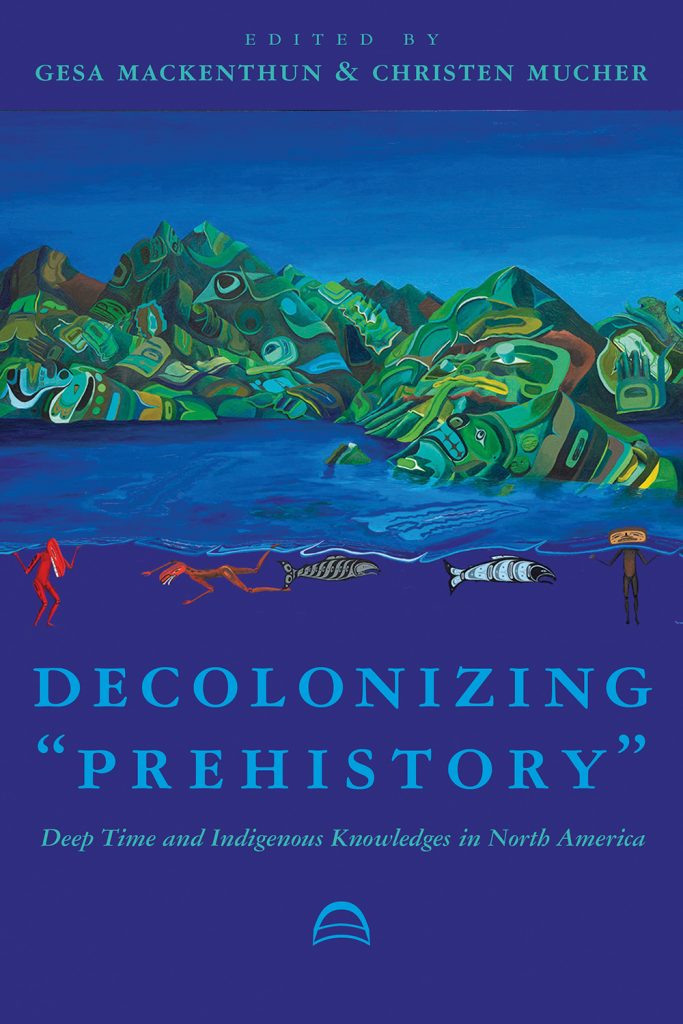
Decolonizing “Prehistory” Deep Time and Indigenous Knowledges in North America Edited by Gesa Mackenthun and Christen Mucher This is a critical investigation of the documentation of the American deep past with perspectives from Indigenous traditional knowledges and attention to ongoing systems of intellectual colonialism. Bringing together experts from American studies, archaeology, anthropology, legal studies, history, and literary studies, this interdisciplinary volume offers essential information about the complexity and ambivalence of colonial encounters with Indigenous peoples in North America, and their impact on American scientific discourse. Learn more.
Footprints of Hopi History Hopihiniwtiput Kukveni’at Edited by Leigh J. Kuwanwisiwma, T. J. Ferguson , and Chip Colwell Footprints of Hopi History: Hopihiniwtiput Kukveni’at focuses on a powerful historical metaphor that the Hopi people use to comprehend their tangible heritage. The editors and contributors offer fresh and innovative perspectives on Hopi archaeology and history, and demonstrate how one tribe has significantly advanced knowledge about its past through collaboration with archaeologists and cultural anthropologists. Learn more.
The Global Spanish Empire Five Hundred Years of Place Making and Pluralism Edited by Christine Beaule and John G. Douglass The Spanish Empire was a complex web of places and peoples. Through an expansive range of essays that look at Africa, the Americas, Asia, the Caribbean, and the Pacific, this volume brings a broad range of regions into conversation. The contributors focus on nuanced, comparative exploration of the processes and practices of creating, maintaining, and transforming cultural place making within pluralistic Spanish colonial communities. Learn more.
The Nature of Spectacle On Images, Money, and Conserving Capitalism Jim Igoe In The Nature of Spectacle, Jim Igoe embarks on multifaceted explorations of how we imagine nature and how nature shapes our imaginations. The book traces spectacular productions of imagined nature across time and space—from African nature tourism to transnational policy events to green consumer appeals in which the push of a virtual button appears to initiate a chain of events resulting in the protection of polar bears in the Arctic or jaguars in the Amazon rainforest. These explorations illuminate the often surprising intersections of consumerism, entertainment, and environmental policy. Learn more.
Moral Ecology of a Forest The Nature Industry and Maya Post-Conservation José E. Martínez-Reyes This book offers an ethnographic account of conservation politics, particularly the conflict between Western conservation and Mayan ontological ecology. The difficult interactions of the Maya of central Quintana Roo, Mexico, for example, or the Mayan communities of the Sain Ka’an Biosphere, demonstrate the clashing interests with Western biodiversity conservation initiatives. The conflicts within the forest of Quintana Roo represent the outcome of nature in this global era, where the forces of land grabbing, conservation promotion and organizations, and capitalism vie for control of forests and land. Learn more.
Silent Violence Global Health, Malaria, and Child Survival in Tanzania Vinay R. Kamat Silent Violence engages the harsh reality of malaria and its effects on marginalized communities in Tanzania. Vinay R. Kamat presents an ethnographic analysis of the shifting global discourses and practices surrounding malaria control and their impact on the people of Tanzania, especially mothers of children sickened by malaria. Learn more.
Tourism Geopolitics Assemblages of Infrastructure, Affect, and Imagination Edited by Mary Mostafanezhad, Matilde Córdoba Azcárate, Roger Norum In Tourism Geopolitics, contributors show enacted processes such as labor migration, conservation, securitization, nation building, territorial disputes, ethnic cleansing, heritage revitalization, and global health crisis management, among others. These contended societal processes are deployed through tourism development initiatives that mobilize deeply uneven symbolic and material landscapes. The chapters reveal how a range of experiences are implicated in this process: museum visits, walking tours, architectonical evocations of the past, road construction, militarized island imaginations, gendered cultural texts, and official silences. Learn more.
Here’s a preview of our upcoming Fall 2021 season with the best the University of Arizona Press has to offer, from Latinx poetry, to Indigenous studies, space sciences, as well as the variety of the unique global scholarship the Press has committed to bring to readers worldwide. Tuck in.
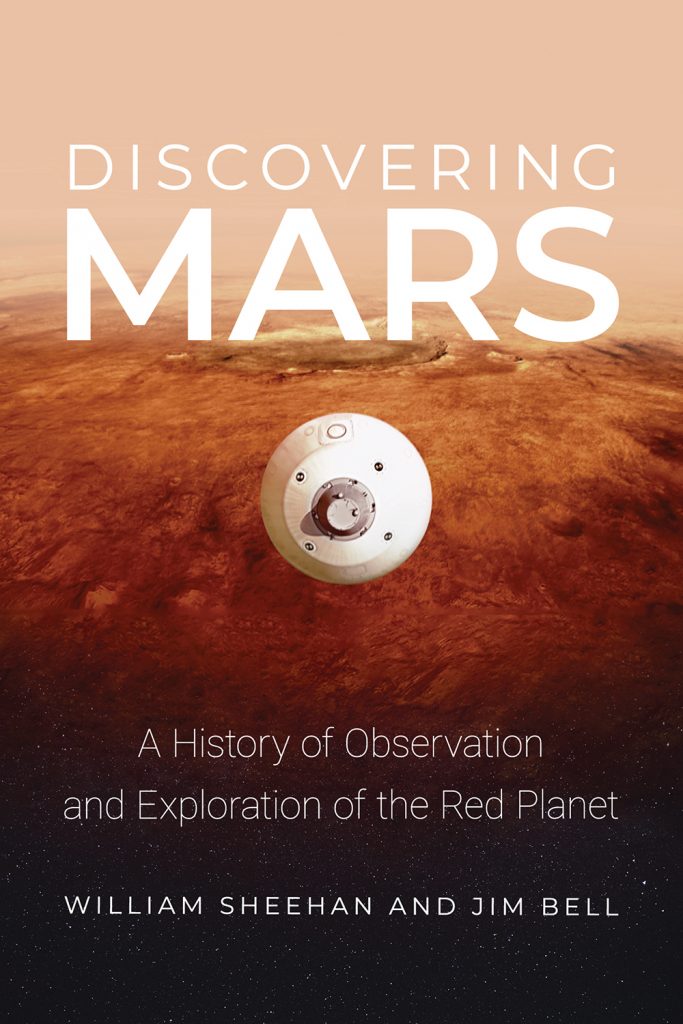
Discovering Mars: A History of Observation and Exploration of the Red Planet is a timely epichistory from William Sheehan and Jim Bell. This is an ambitious first draft as the latest chapters continue to be added both by researchers on Earth and our robotic emissaries on and around Mars, including the latest: the Perseverance rover and its Ingenuity helicopter drone, which set down in Mars’s Jezero Crater in February 2021.
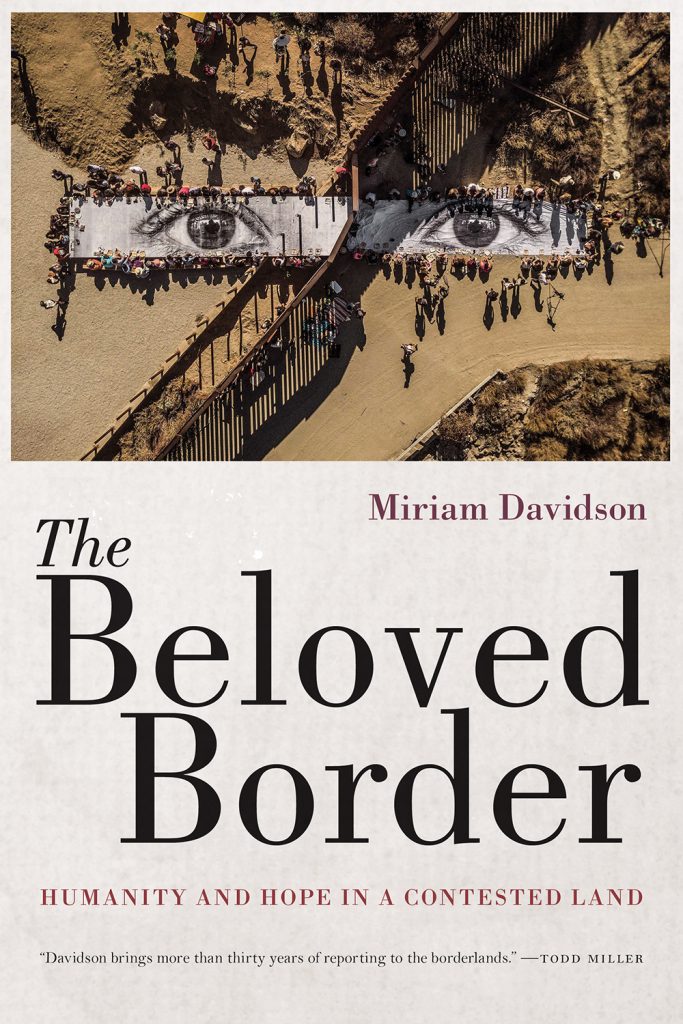
In The Beloved Border: Humanity and Hope in a Contested Land, Tucson-based writer Miriam Davidson shares the history of sanctuary and argues that this social movement and others that have originated on the border are vanguards of larger global movements against the mistreatment of migrant workers and refugees, police brutality, and other abuses of human and natural rights. She gives concrete examples of positive ways in which border people are promoting local culture and cross-border solidarity through health care, commerce, food, art, and music. While death and suffering continue to occur, The Beloved Border shows us how the U.S.-Mexico border could be, and in many ways already is, a model for peaceful coexistence worldwide.
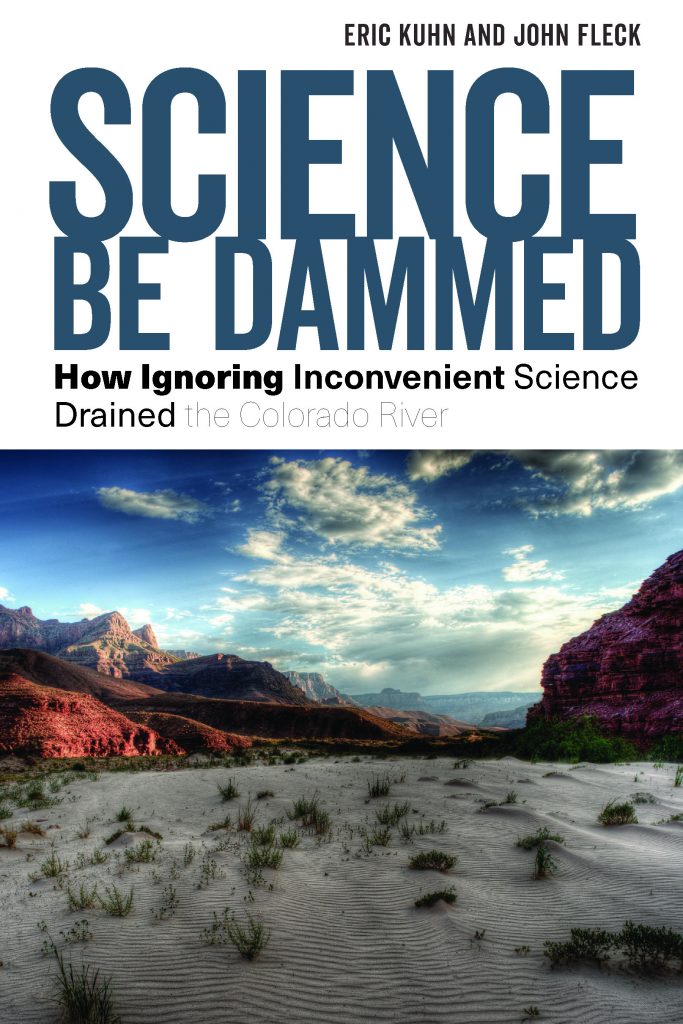
Water in the desert, or the current decrease in the Colorado River is what makes Eric Kuhn and John Fleck‘s Science Be Dammed: How Ignoring Inconvenient Science Drained the Colorado River an important history, as well as a needed message for a desert in the midst of climate change. The book returns this season in paperback detailing the clear evidence that the Colorado River could not sustain ambitious dreaming and planning by decision-makers throughout the twentieth century. Those decision makers knew this, yet continued to make the least sustainable decisions.
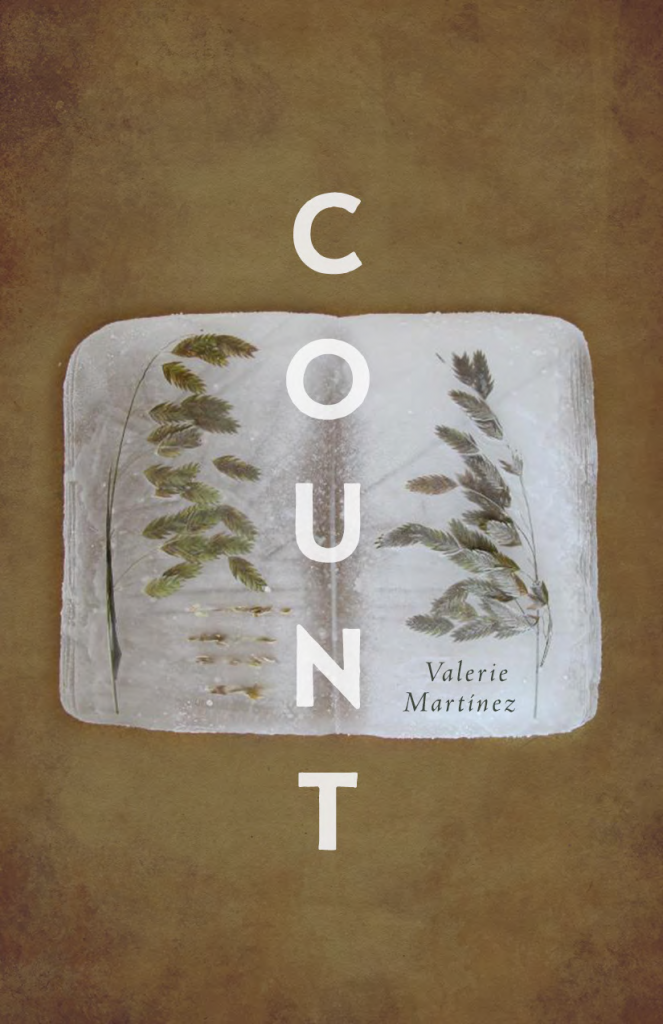
Countis a powerful book-length poem from Valerie Martínez that reckons with the heartbreaking reality of climate change. Forty-three sections of myth-gathering, flora and fauna, accounts of climate devastation, personal narratives, witnessing, references to works of eco-art, and evocations of children unfold over the course of the book, creating a deeply nuanced image of the current climate crisis. Central to this vital work of ecopoetry is the idea of counting—counting down to the extinction of a species, counting the wonders of the natural world, counting our way back to the balance that is required to save ourselves from climate destruction.
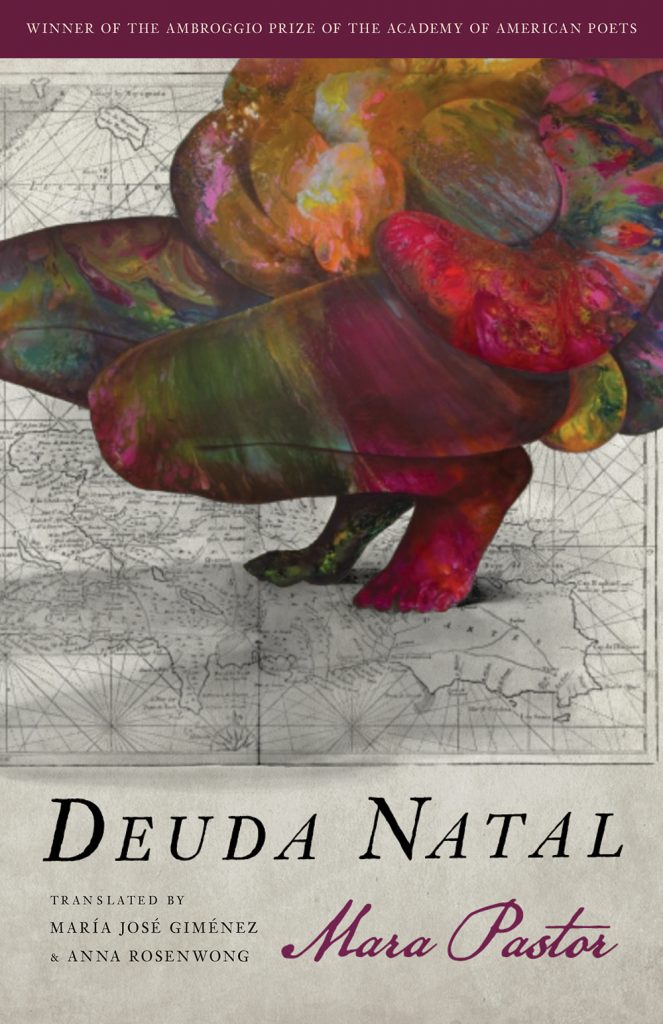
Mara Pastor is one of the most prominent voices in Puerto Rican poetry. Her new collection Deuda Natal translated by María José Giménez and Anna Rosenwong, is the 2020 Ambroggio Prize winner from the Academy of American Poets. Deuda Natal finds the beauty within vulnerability and the dignity amidst precariousness. Pastor uses the poems in this bilingual collection to highlight the way that fundamental forms of caring for life—and for language—can create a space of poetic decolonization. The poems propose new ways of understanding as they traverse a thematic landscape of women’s labor, the figure of the nomad and immigrant, and the return from economic exile to confront the catastrophic confluence of disaster and disaster capitalism.
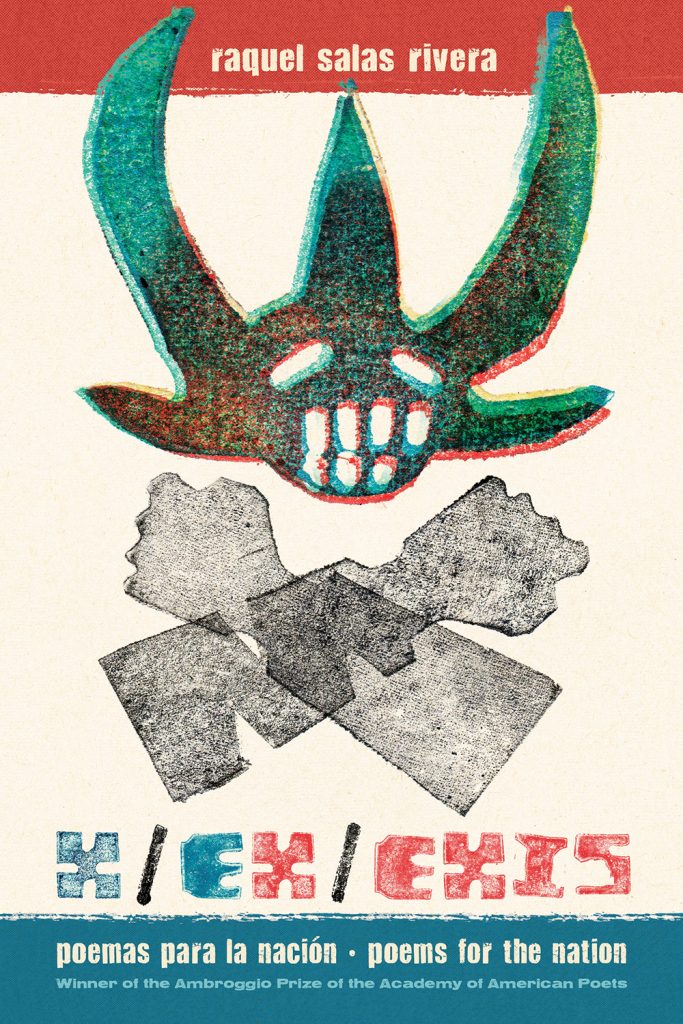
The poetry collection, x/ex/exis: poemas para la nación by Raquel Salas Rivera, is the 2018 Ambroggio Prize winner. Written in the early days of the rise of world-wide fascism and the poet’s gender transition, x/ex/exis: poemas para la nación accepts the invitation to push poetic and gender imaginaries beyond the bounds set by nation. In today’s post-disaster Puerto Rico and a world shaped by the recurring waves of an ecological apocalypse, Salas Rivera’s words feel visionary, mapping a decolonizing territory, a body, and identity of both soil and heart. For Salas Rivera, the x marks Puerto Rican transness in a world that seeks trans death, denial, and erasure. Instead of justifying his existence, he takes up the flag of illegibility and writes an apocalyptic book that screams into an uncertain future, armed with nothing to lose.
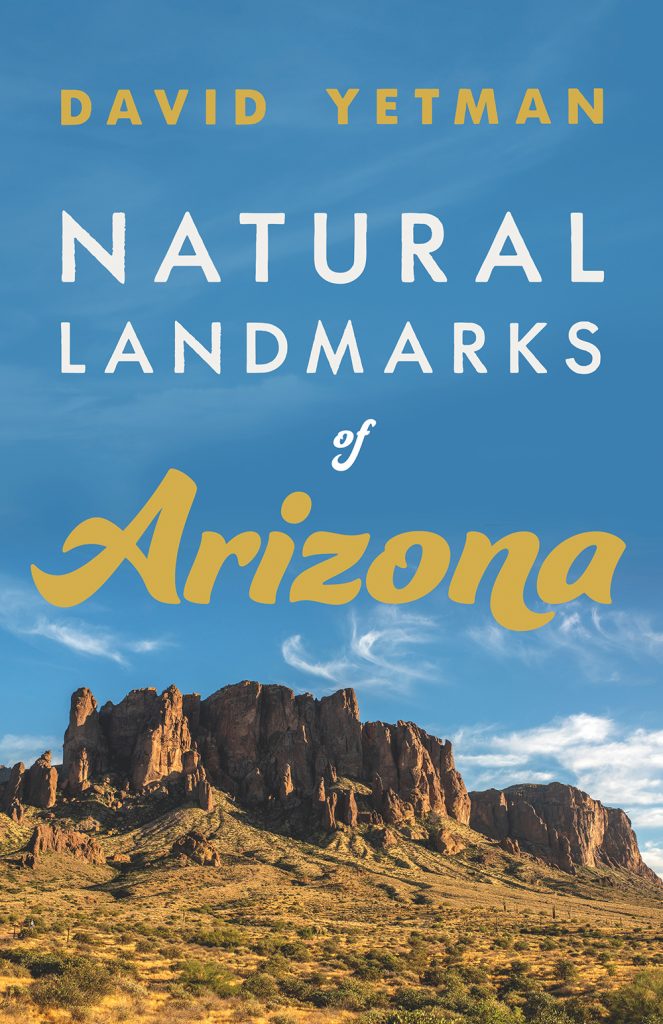
If you’re going to turn to anyone to point you to the best of what Arizona has to offer, David Yetman is the perfect authority. In his new book, Natural Landmarks of Arizona, this celebrated storyteller who has called Arizona home for most of his life shows us how Arizona’s most iconic landmarks were formed millions of years ago and sheds light on the more recent histories of these landmarks as well. These peaks and ranges offer striking intrusions into the Arizona horizon, giving our southwestern state some of the most memorable views, hikes, climbs, and bike rides anywhere in the world. They orient us, they locate us, and they are steadfast through generations.
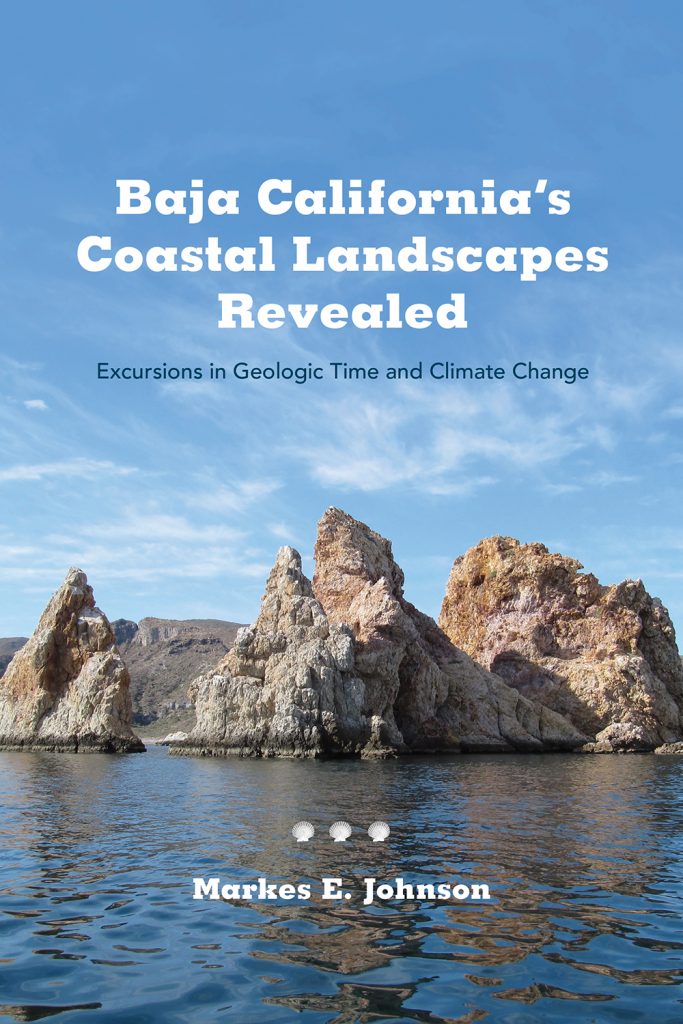
Baja California’s Coastal Landscapes Revealed: Excursions in Geologic Time and Climate Change, expert geologist and guide Markes E. Johnson‘s third installment on the Gulf of California’s coastal setting. This new title reveals a previously unexplored side to the region’s five-million-year story beyond the fossil coral reefs, clam banks, and prolific beds of coralline algae vividly described in his earlier books. Through a dozen new excursions, in Baja California’s Coastal Landscapes Revealed, Johnson returns to these yet wild shores to share his gradual recognition of another side to the region. Looking closely, Johnson shows us how geology not only helps us look backward but also forward toward an uncertain future.
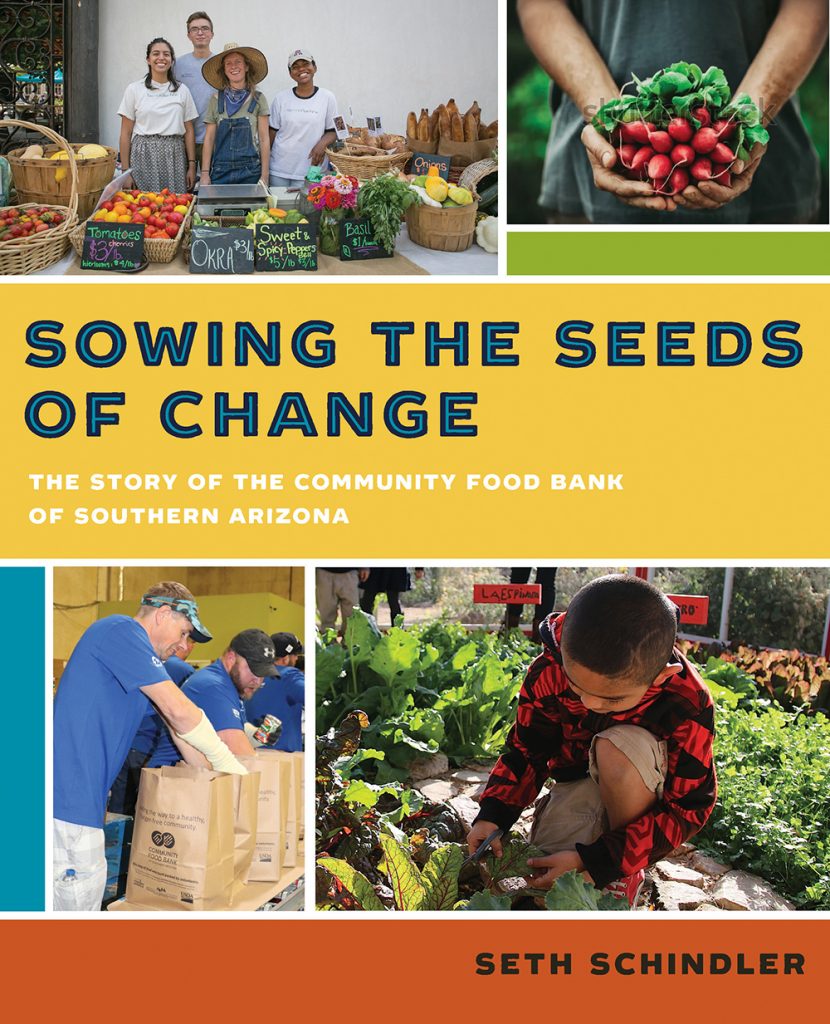
The Community Food Bank of Southern Arizona is one of the oldest and most respected food banks in America. Sowing the Seeds of Change: The Story of the Community Food Bank of Southern Arizona, by Seth Schindler, tells its story as a widely recognized leader not simply in providing hunger relief but in attacking the root causes of hunger and poverty through community development, education, and advocacy. In 2018, Feeding America—the national organization of food banks—named it “Food Bank of the Year.” The CFB serves as a model for all nonprofits to follow, no matter their mission.
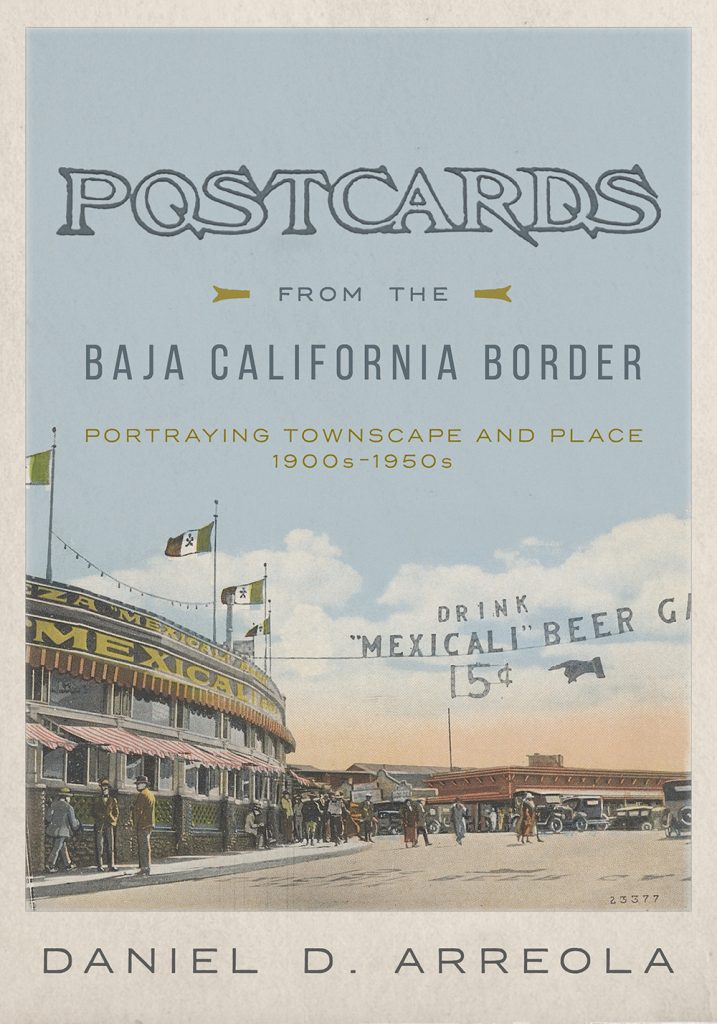
Daniel D. Arreola‘s Postcards from the Baja California Border: Portraying Townscape and Place, 1900s–1950s, offers a window into the historical and geographical past of storied Mexican border communities. Once-popular tourist destinations from the 1900s through the 1950s, the border communities explored in Postcards from the Baja California Border used to be filled with revelers, cabarets, curio shops, and more. The postcards in this book show the bright and dynamic past of California’s borderlands while diving deep into the historic and geographic significance of the imagery found on the postcards
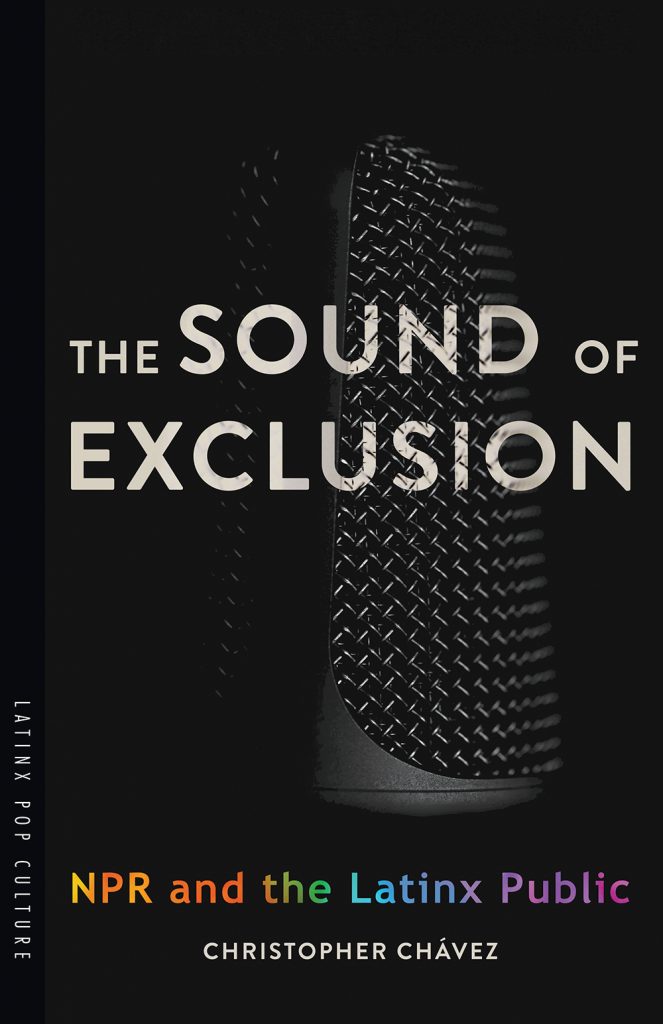
As a network that claims to represent the nation, NPR asserts unique claims about what it means to be American. In The Sound of Exclusion, by Christopher Chávez, critically examines how National Public Radio conceptualizes the Latinx listener, arguing that NPR employs a number of industry practices that secures its position as a white public space while relegating Latinx listeners to the periphery. These practices are tied to a larger cultural logic. Latinx identity is differentiated from national identity, which can be heard through NPR’s cultivation of an idealized dialect, situating whiteness at its center. By interrogating industry practices, we might begin to reimagine NPR as a public good that serves the broad and diverse spectrum of the American public.
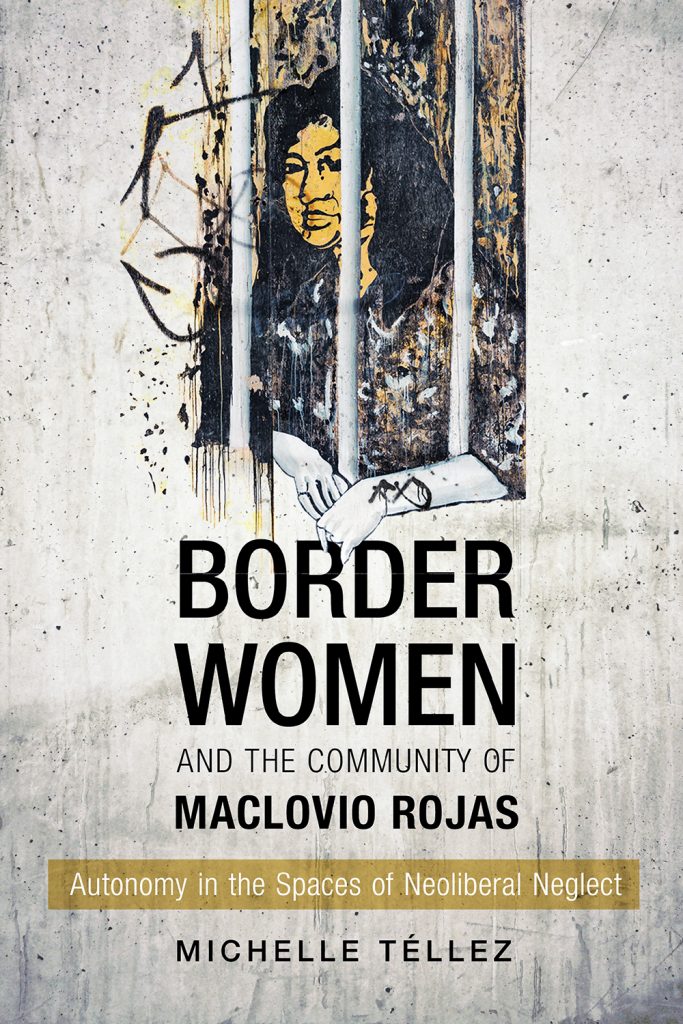
Near Tijuana, Baja California, the autonomous community of Maclovio Rojoas demonstrates what is possible for urban place-based political movements. More than a community, Maclovio Rojas is a women-led social movement that works for economic and political autonomy to address issues of health, education, housing, nutrition, and security. In Border Women and the Community of Maclovio Rojas: Autonomy in the Spaces of Neoliberal Neglect, Michelle Téllez‘s tells the story of this community’s struggle to carve out space for survival and thriving in the shadows of the U.S.-Mexico geopolitical border. These border women both contest and invoke their citizenship as they struggle to have their land rights recognized, and they transform traditional political roles into that of agency and responsibility.
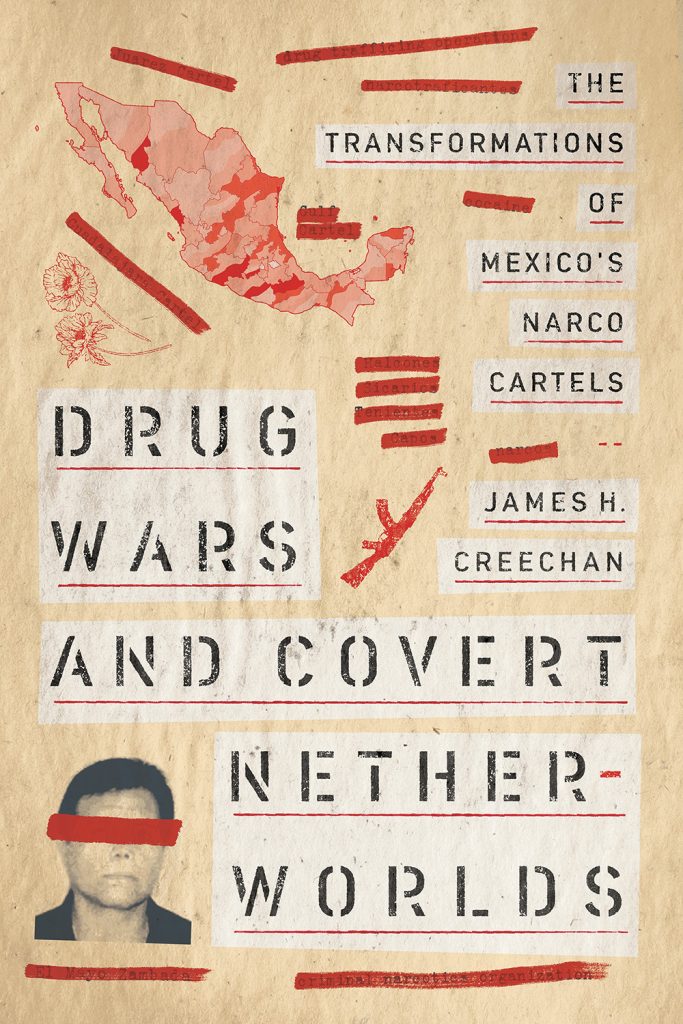
In Drug Wars and Covert Netherworlds: The Transformations of Mexico’s Narco Cartels, sociologist and criminologist James H. Creechan draws on decades of research to paint a much more nuanced picture of the transformation of Mexico’s narco cartels. Creechan details narco cartel history, focusing on the decades since Richard Nixon declared the War on Drugs. With sobering detail, Creechan unravels a web of government dependence, legitimate enterprises, covert connections, and violent in-fighting. He details how drug smuggling organizations have grown into powerful criminal mafias with the complicit involvement of powerful figures in civil society to create covert netherworlds.
Latin American Immigration Ethics advances philosophical conversations and debates about immigration by theorizing migration from the Latin American and Latinx context. Edited by Luis Rubén Díaz Cepeda and Amy Reed-Sandoval, the essays in this book emphasize Latin American and Latinx philosophies, decolonial and feminist theories, and Indigenous philosophies of Latin America, in the pursuit of an immigration ethics. The contributors explore the moral challenges of immigration that either arise within Latin America, or when Latin Americans and Latina/o/xs migrate to and reside within the United States. Uniquely, some chapters focus on south to south migration. Contributors also examine Latina/o/x experiences in the United States, addressing the lacuna of philosophical writing on migration, maternity, and childhood.
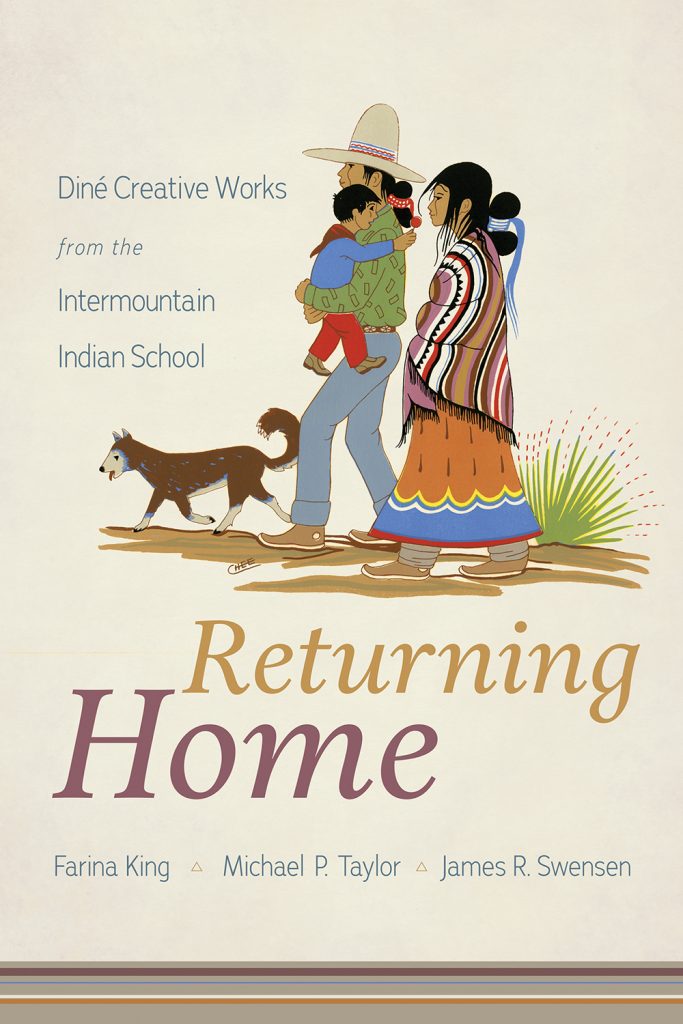
Returning Home: Diné Creative Works from the Intermountain Indian School features and contextualizes the creative works of Diné boarding school students at the Intermountain Indian School, which was the largest federal Indian boarding school between 1950 and 1984. Diné student art and poetry reveal ways that boarding school students sustained and contributed to Indigenous cultures and communities despite assimilationist agendas and pressures. Authors Farina Noelani King, Michael P. Taylor, and James R. Swensen intend to recover the lived experiences of Native American boarding school students through creative works, student interviews, and scholarly collaboration. It shows the complex agency and ability of Indigenous youth to maintain their Diné culture within the colonial spaces that were designed to alienate them from their communities and customs.
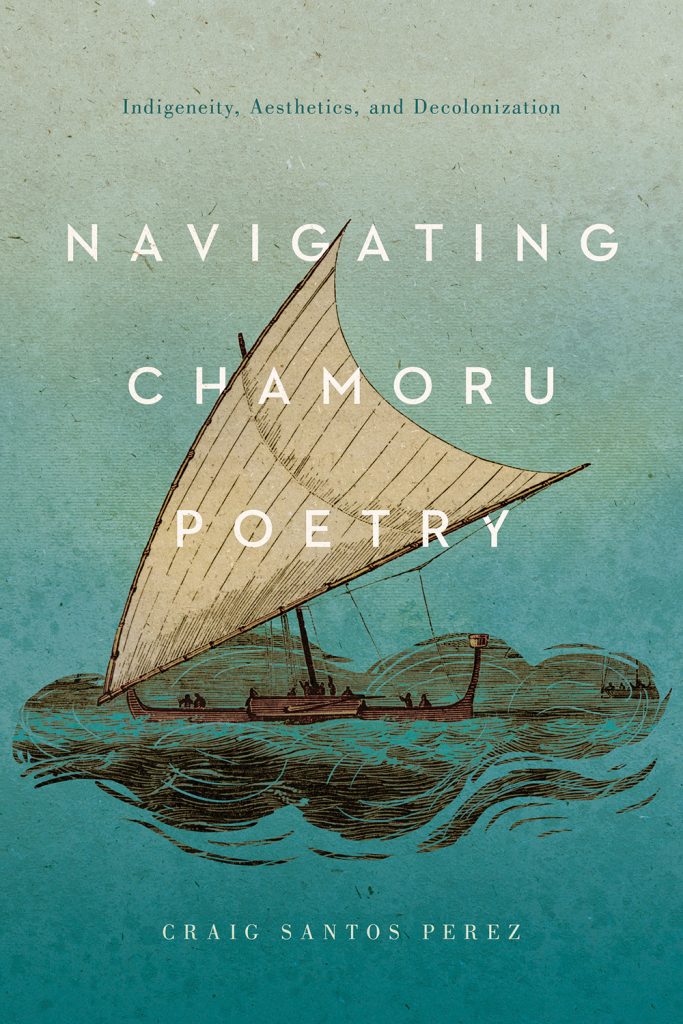
Navigating CHamoru Poetry: Indigeneity, Aesthetics, and Decolonization focuses on Indigenous CHamoru (Chamorro) poetry from the Pacific Island of Guåhan (Guam). Poet and scholar Craig Santos Perez brings critical attention to a diverse and intergenerational collection of CHamoru poetry and scholarship. Throughout this book, Perez develops an Indigenous literary methodology called “wayreading” to navigate the complex relationship between CHamoru poetry, cultural identity, decolonial politics, diasporic migrations, and native aesthetics. Perez argues that contemporary CHamoru poetry articulates new and innovative forms of indigeneity rooted in CHamoru customary arts and values, while also routed through the profound and traumatic histories of missionization, colonialism, militarism, and ecological imperialism.
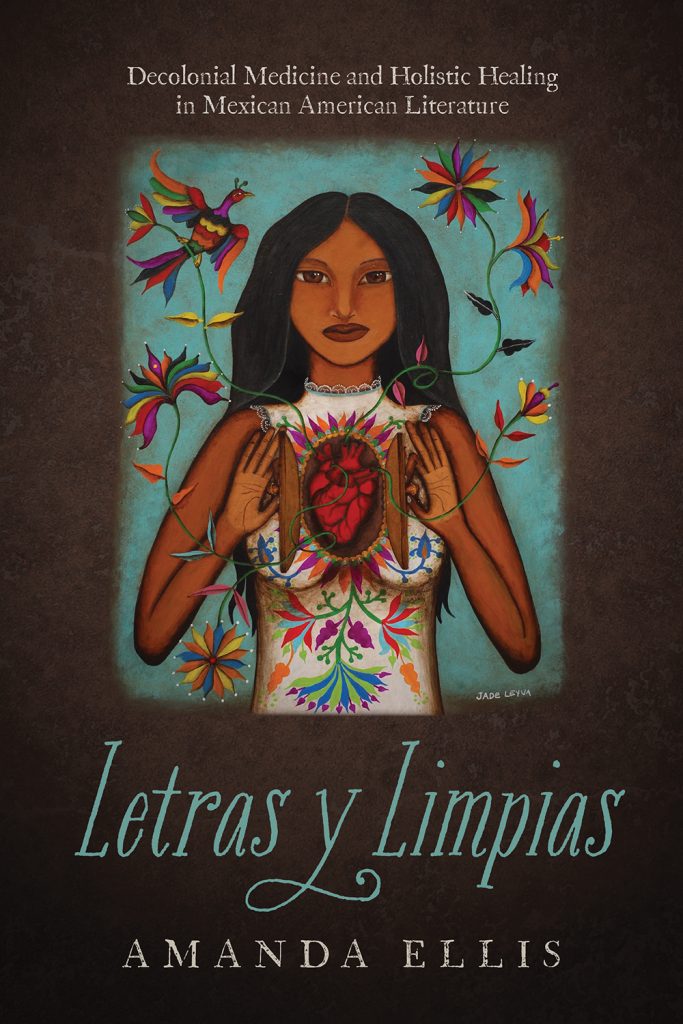
Letras y Limpias: Decolonial Medicine and Holistic Healing in Mexican American Literature is the first book to explore the literary significance of the figure of the curandera within Mexican American literature. Amanda V. Ellis traces the significance of the curandera and her evolution across a variety of genres written by leading Mexican American authors, including Américo Paredes, Rudolfo Anaya, Gloria E. Anzaldúa, Manuel Munoz, ire’ne lara silva, and more. Letras y Limpias shows how the figure of the curandera offers us ways to heal that have nothing to do with copays or medical professionals refusing care, and everything to do with honoring the beauty and complexity of any, every, and all humans.
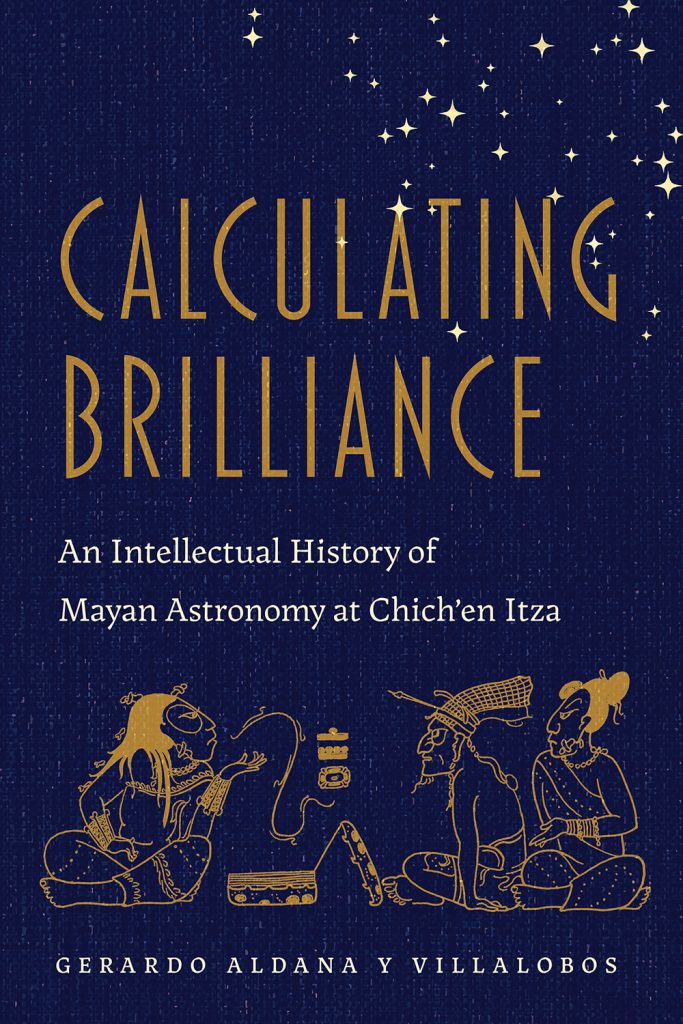
To the modern eye, the architects at Chich’en Itza produced some of the most mysterious structures in ancient Mesoamerica. The purpose and cultural influences behind this architecture seem left to conjecture. The people who created and lived around this stunning site may seem even more mercurial. Near the structure known today as the Great Ball Court and within the interior of the Lower Temple of the Jaguar, a mural depicts a female Mayan astronomer called Ilaj K’uk’il Ek’. In Calculating Brilliance: An Intellectual History of Mayan Astronomy at Chich’en Itz, Gerardo Aldana brings to light the discovery by this Mayan astronomer, and critically reframes science in the pre-Columbian world.
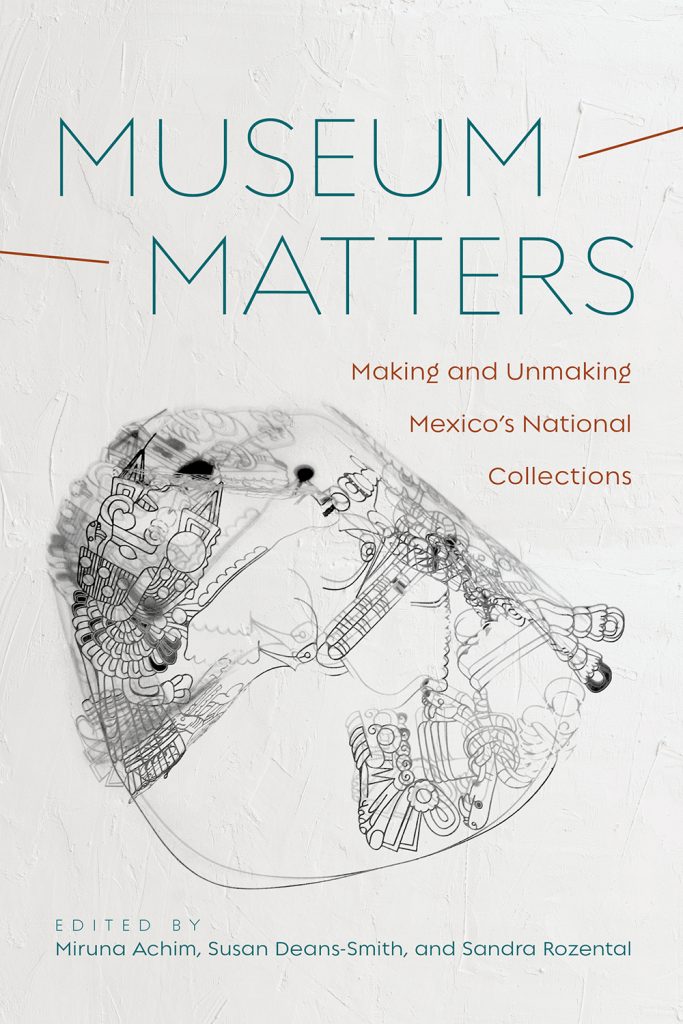
Museum Matters: Making and Unmaking Mexico’s National Collections, traces the emergence, consolidation, and dispersal of this national museum complex by telling the stories of its objects. Objects that have been separated over time are brought back together in this book in order to shed light on the interactions and processes that have forged things into symbols of science, aesthetics, and politics. Edited by Miruna Achim, Susan Deans-Smith, and Sandra Rozental, contributors to this volume illuminate how collections came into being or ceased to exist over time, or how objects moved in and out of collections and museum spaces. They explore what it means to move things physically and spatially, as well as conceptually and symbolically.
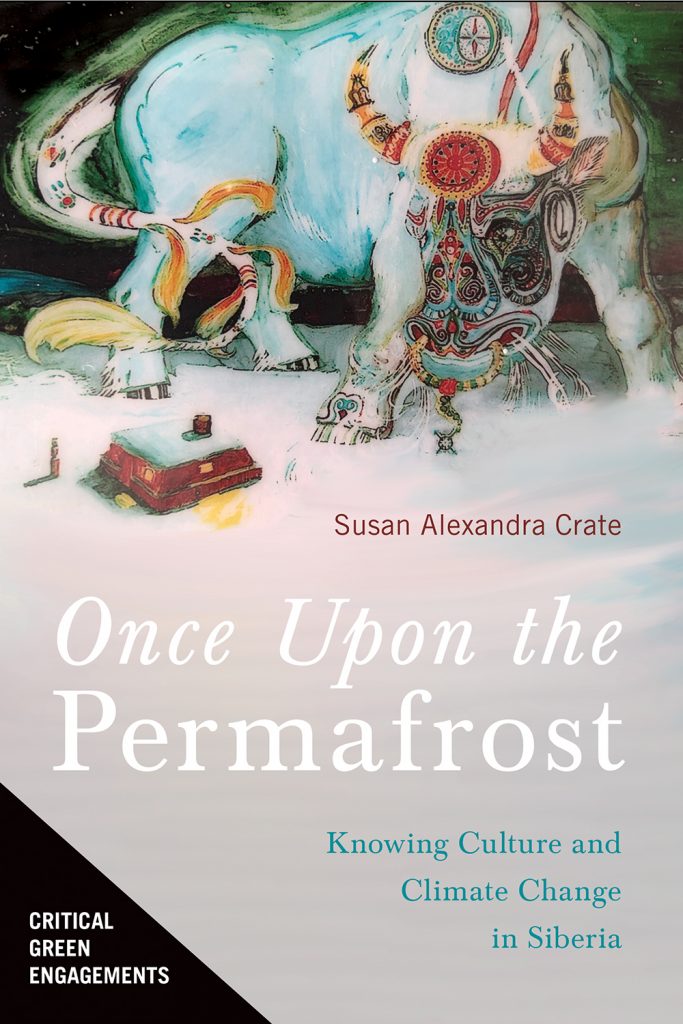
In Once Upon the Permafrost; Knowing Culture and Climate Change in Siberia, author, anthropologist Susan Alexandra Crate, details her three decades working with Sakha, the Turkic-speaking horse and cattle agropastoralists of northeastern Siberia, Russia. Crate reveals Sakha’s essential relationship with alaas, the foundational permafrost ecosystem of both their subsistence and cultural identity. Sakha know alaas via an Indigenous knowledge system imbued with spiritual qualities. This counters the scientific definition of alaas as geophysical phenomena of limited range. Climate change now threatens alaas due to thawing permafrost, which, entangled with the rural changes of economic globalization, youth out-migration, and language loss, make prescient the issues of ethnic sovereignty and cultural survival.
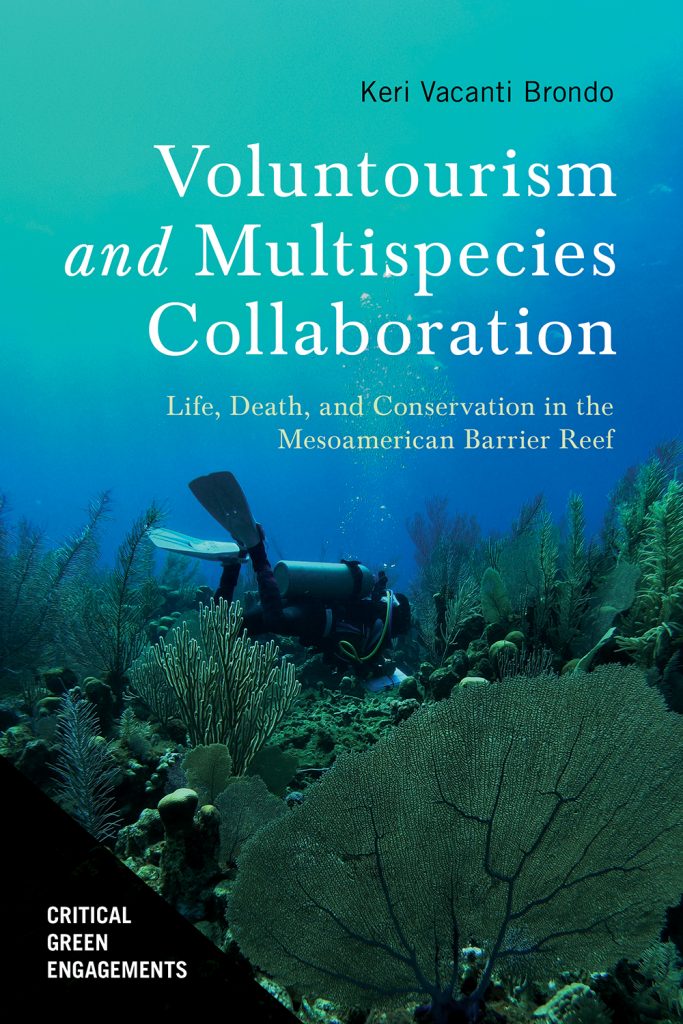
In Voluntourism and Multispecies Collaboration: Life, Death, and Conservation in the Mesoamerican Barrier Reef, anthropologist Keri Vacanti Brondo provides a pioneering theoretical framework that conceptualizes conservation voluntourism as a green industry. Brondo argues that the volunteer tourism industry is the product of coloniality and capitalism that works to produce and sustain an economy of affect while generating inequalities and dispossession. Employing a decolonizing methodology based on landscape assemblage theory, Brondo offers “thinking-like-a-mangrove” to attend to alternative worldings in Utila beyond the hegemonic tourist spectacle–dominated world attached to the volunteer tourism industry. Readers journey through the mangroves and waters alongside voluntourists, iguanas, whale sharks, turtles, lionfish, and islanders to build valuable research experience in environmental management while engaging in affective labor and multispecies relations of care.
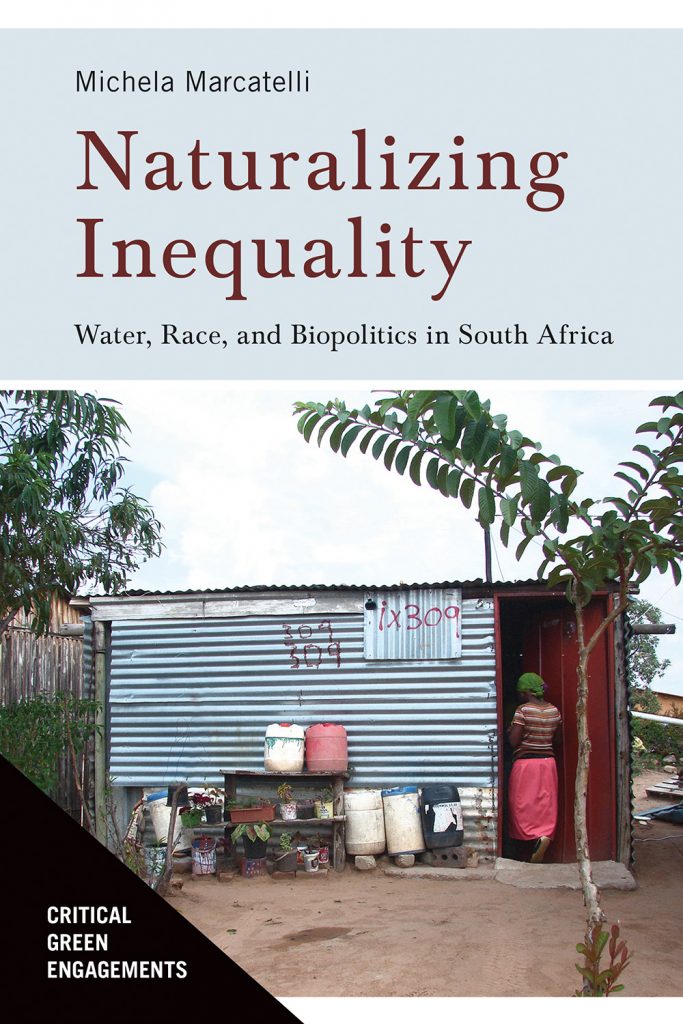
More than twenty-five years after the end of apartheid, water access remains a striking reminder of racial inequality in South Africa. This book compellingly argues that in the post-apartheid period inequality has not only been continuously reproduced but also legitimized. In Michela Marcatelli‘s Naturalizing Inequality: Water, Race, and Biopolitics in South Africa, Marcatelli unravels this inequality paradox through an ethnography of water in a rural region of the country. The Waterberg Plateau is a space where agriculture, conservation, and extraction coexist and intersect. Marcatelli examines the connections between neoliberalism, race, and the environment by showing that racialized property relations around water and land are still recognized and protected by the post-apartheid state to sustain green growth.
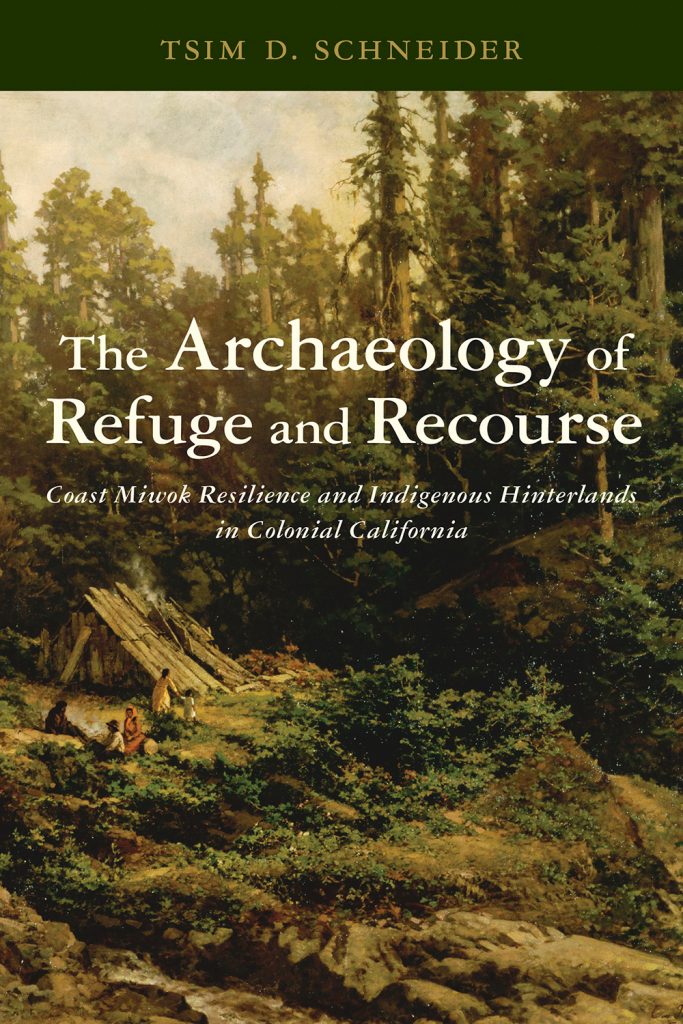
The Archaeology of Refuge and Recourse: Coast Miwok Resilience and Indigenous Hinterlands in Colonial California explores the dual practices of refuge and recourse among Indigenous peoples of California. From the eighteenth to the twentieth century, Indigenous Coast Miwok communities in California persisted throughout multiple waves of colonial intrusion. But to what ends? Applying theories of place and landscape, social memory, and mobility to the analysis of six archaeological sites, Tsim D. Schneider argues for a new direction in the archaeology of colonialism. This book offers insight about the critical and ongoing relationships Indigenous people maintained to their homelands despite colonization and systematic destruction of their cultural sites.
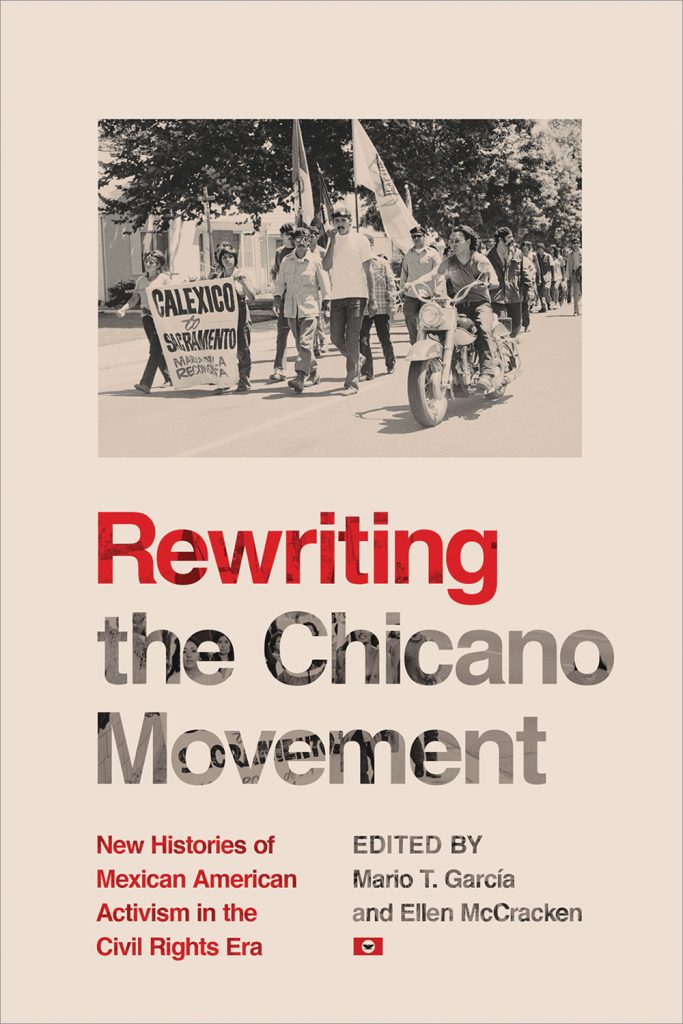
Together, they explained the essays in the book that cover a range of untold histories albeit important in Chicano Movement history in communities across the country, and further discussed the importance of the Chicano Movement today.
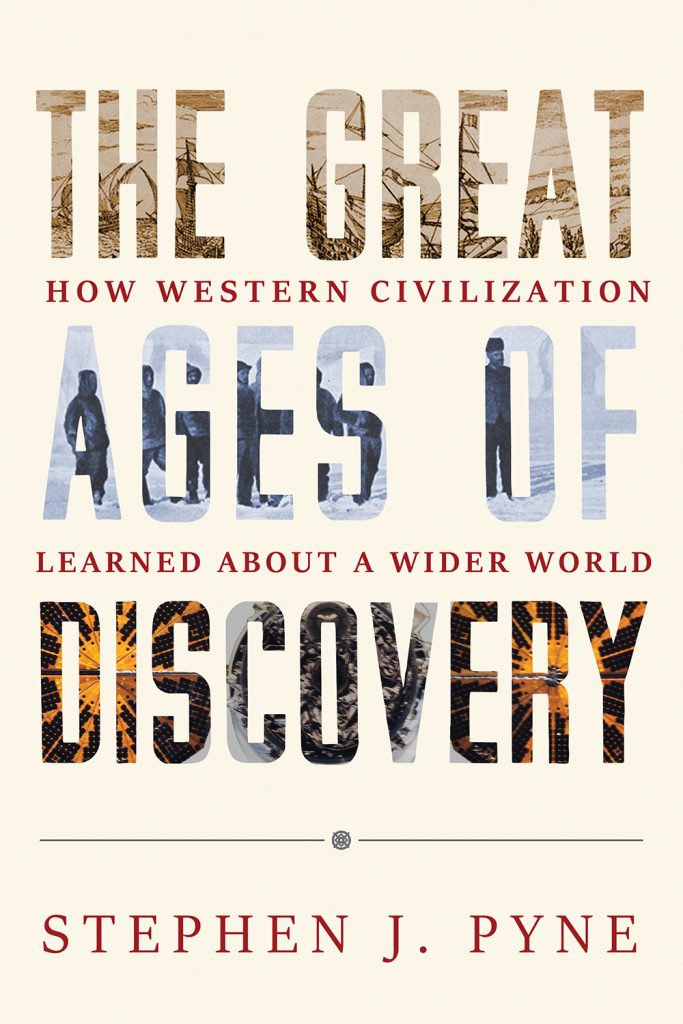
Joining Pyne was event moderator Kevin J. Fernlund, author of William Henry Holmes and the Rediscovery of the American West. Together they discussed Pyne’s inspiration and interest in exploration, history, and how Pyne identifies three great ages of discovery in his fascinating new book.
The first age of discovery ranged from the early 15th to the early 18th century, sketched out the contours of the globe, aligned with the Renaissance, and had for its grandest expression the circumnavigation of the world ocean. The second age launched in the latter half of the 18th century, spanning into the early 20th century, carrying the Enlightenment along with it, pairing especially with settler societies, and had as its prize achievement the crossing of a continent. The third age began after World War II, and, pivoting from Antarctica, pushed into the deep oceans and interplanetary space. Its grand gesture is Voyager’s passage across the solar system. Each age had in common a galvanic rivalry: Spain and Portugal in the first age, Britain and France—followed by others—in the second, and the USSR and USA in the third.
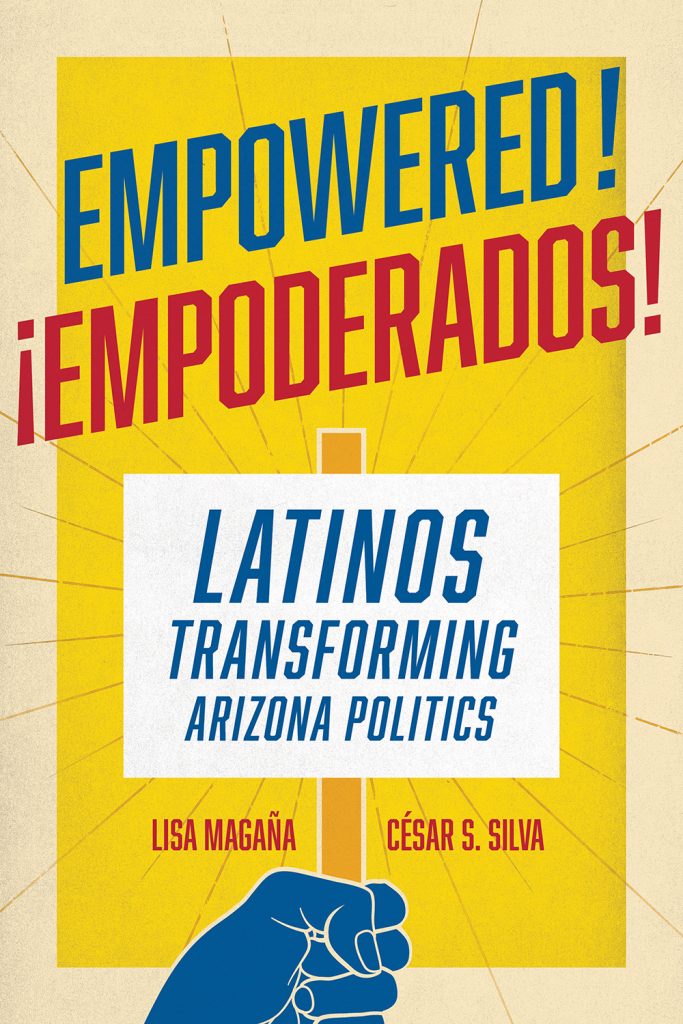
Empowered!: Latinos Transforming Arizona Politics examines Arizona’s recent political history and how it has been shaped and propelled by Latinos. It also provides a distilled reflection of U.S. politics more broadly, where the politics of exclusion and the desire for inclusion are forces of change. Co-authors Lisa Magaña and César S. Silva argue that the state of Arizona is more inclusive and progressive then it has ever been. Draconian immigration policies have plagued Arizona’s political history. Empowered! shows innovative ways that Latinos have fought these policies.
Here, Magaña answers five questions about her new book.
With the elections, this book sure is timely. How does the book help us understand the recent elections in Arizona?
Well, the focus of this book is on Maricopa County or the Phoenix-Metropolitan area. Because it is the most populated area in Arizona, how the county voted is how the election turned out. This county was seen as a pivotal one in the presidential election, because of recent migration from other states, a growing suburban voting bloc and Latinos coming of age. This county is a great case study for other states that are changing demographically.
Why is it important to note how immigrants have changed our political landscape?
Latinos in Arizona are predominately born in the United States. However, in the Maricopa County there are some fierce immigrant advocates and immigrant political players. In some cases, Latino immigrants, that cannot vote, worked and canvassed in areas and encouraged other Latinos to vote. I once had a DACA student tell me “we may not be able to vote, but this is what democracy looks like.” Seeing immigrant activists involved in electoral politics is democracy at its most beautiful and basic form.
For years folks have been talking about Latinos being the Sleeping Giant. Did it take Donald Trump to wake that giant?
Donald Trump did not wake up the Sleeping Giant. In the case of Arizona, it was one-on-one activism and outreach that got first-time voters to come out and vote. And the Latino and first-time voters in Arizona have been growing. In fact, I think Donald Trump’s anti-immigration agenda did not work in Arizona, as evidenced by his loss.
Organizers and activists have been through so much in Arizona. What have been the biggest challenges?
That is a great question. Not sure what challenges there are that just doesn’t make them stronger and more formidable.
What are your hopes for the book and its readers?
This book is a story about how anti-immigrant rhetoric mobilized Latinos into a dynamic, political force. The demographics are changing. The story in Maricopa County is what is going on in America today.
Osher Lifelong Learning Institute‘s online spring speaker series includes many University of Arizona Press authors from our spring 2021 catalog. We’re grateful to OLLI-UA for the continued invitation to be part of their noncredit learning program open to all adults over the age of 50.
Remaining spring program featuring University of Arizona Press authors:
More than 1,400 people are part of OLLI-UA in Southern Arizona. Visit here to learn more about an OLLI-UA membership, program registration, and check program changes.
Coming next month, Steve J. Pyne’s newest work The Great Ages of Discovery offers a fascinating conceptual framework for understanding the past 600 years of exploration by Western civilization and its relationship to contemporary society. Pyne expertly organizes the vast narrative of Western exploration into three distinctive ages of discovery. See the new book trailer and look for the book publishing in February!
Here’s a preview of our upcoming Spring 2021 season with the best the University of Arizona Press has to offer, from Latinx poetry, to Indigenous literature and studies, as well as a variety of the unique global scholarship the Press has committed to bring to readers worldwide. Tuck in.
“Stephen Pyne charts a new course through the history of exploration, navigating deftly among ruminations, reflections, themes, and concepts. He sees exploration as an intellectual adventure. Readers who accompany him will have a lucid, engaging, and magisterial guide. They can undertake odysseys without leaving their armchairs.”—Felipe Fernández-Armesto, author of Out of Our Minds: What We Think and How We Came to Think It.
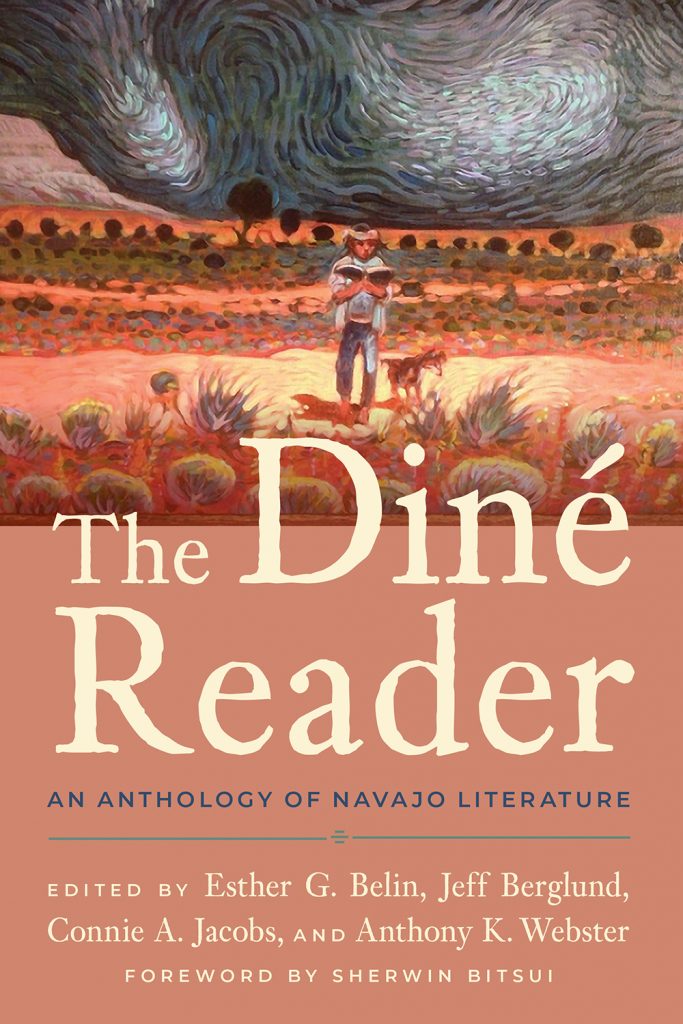
The Diné Reader: An Anthology of Navajo Literature is a ground-breaking anthology of Navajo Literature that showcases the breadth, depth, and diversity of Diné creative artists and their poetry, fiction, and nonfiction prose. The collected works display a rich variety of and creativity in themes: home and history; contemporary concerns about identity, historical trauma, and loss of language; and economic and environmental inequalities.
“The Diné Reader: An Anthology of Navajo Literature is extraordinary. It is the beauty of Diné bizaad from Creation’s horizon—K’é breath, heart, continuance—beyond measure. I advise it be read with and for Humility, Courage, Sustenance, Gratitude—always for the people, community, and land that is the source of Existence.”—Simon J. Ortiz
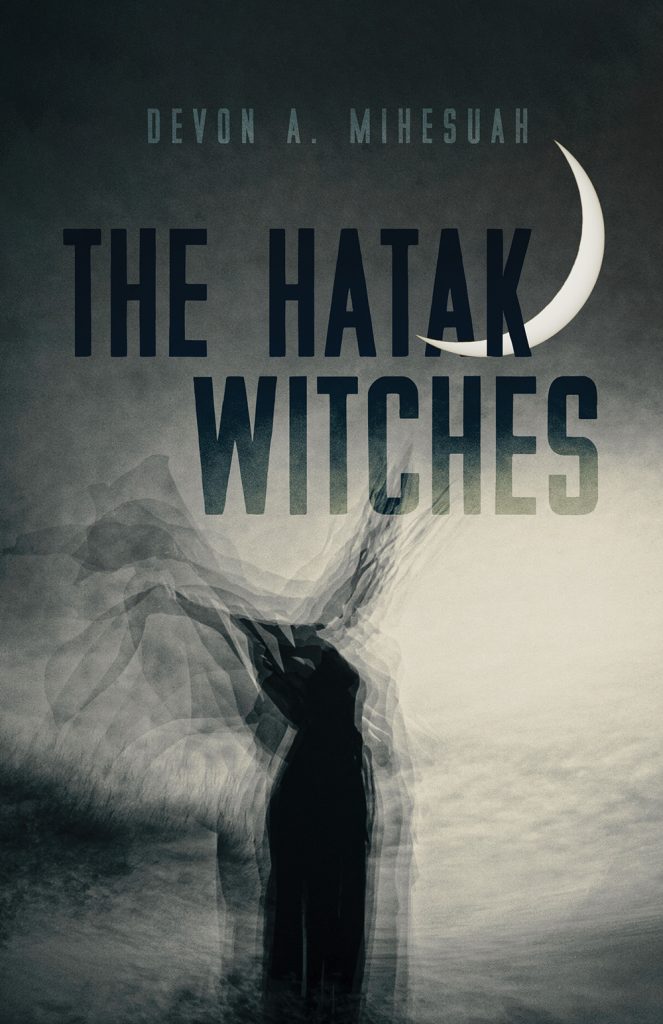
The Hatak Witches continues the storyline of Choctaw cosmology and cultural survival that are prominent in Devon A. Mihesuah’s award-winning novel, The Roads of My Relations.
In Hatak Witches, Detective Monique Blue Hawk and her partner Chris Pierson arrive to the Children’s Museum of Science and History in Norman, Oklahoma after a security guard is found dead and another wounded. They find no fingerprints, no footprints, and no obvious means to enter the locked building, but stolen is the portion of an ancient and deformed skeleton from the neglected museum archives.
“If you are looking for a journey into modern-day Choctaw spirituality, The Hatak Witches is a trip waiting to be taken.”—Geary Hobson, author of The Last of Ofos
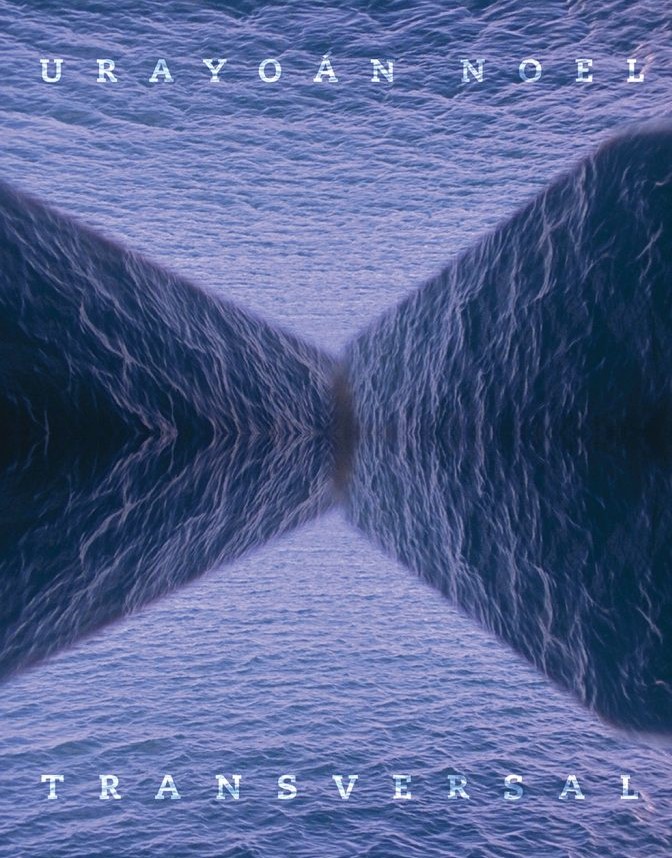
Urayoán Noel‘s new collection, Tranversal, featuring Noel’s bilingual playfulness, intellect, and irreverent political imagination with personal reflections on love, desire, and loss filtered through a queer approach to form, expanding upon Noel’s experiments with self-translation in his celebrated collection Buzzing Hemisphere/Rumor Hemisférico.
“Urayoán understands the importance of his poetry being accessible. He understands that art is for everyone, and so he communicates with everyone. For him, all the dimensions of words are indispensable and therefore phonetics become visible in his stanzas. He respects words not in a professorial way but rather in the same way one respects the standing of an old-school bichote who’s still alive. Language is not a barrier but an imaginary border that serves as a tool to fatten up the arguments of his words. In life one has to move, one has to walk even when there’s a more comfortable way to get somewhere else, to other paths, and if I were to cross over one day, I would do so with this book. The transversal is as necessary as growth.”—Residente, recording artist and filmmaker.
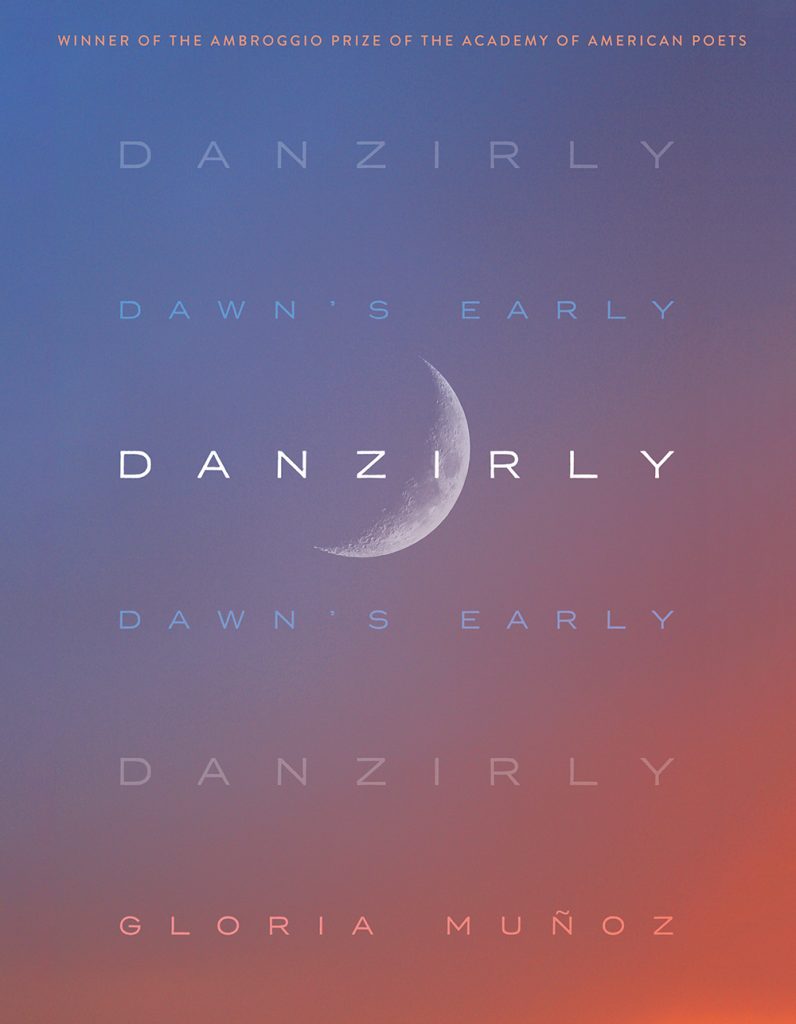
Winner of the Ambroggio Prize from the Academy of American Poets, Danzirly is a striking bilingual poetry collection by Gloria Muñoz, that fiercely examines the nuances of the American Dream for Latinx people in the United States, and powerfully dismantles Latinx stereotypes in poetic form, juxtaposing the promised wonders of a life in America with the harsh realities that immigrants face as they build their lives and raise their families here.
“In this utterly unique bilingual collection, Muñoz brilliantly negotiates two languages and the spaces between them, exploring the ever transient emblem of the American Dream through themes of lineage and loss, cultural and spiritual inheritance, assimilation, and racial and gender inequality.”—Richard Blanco, 2013 Presidential Inaugural Poet, author of How to Love a Country
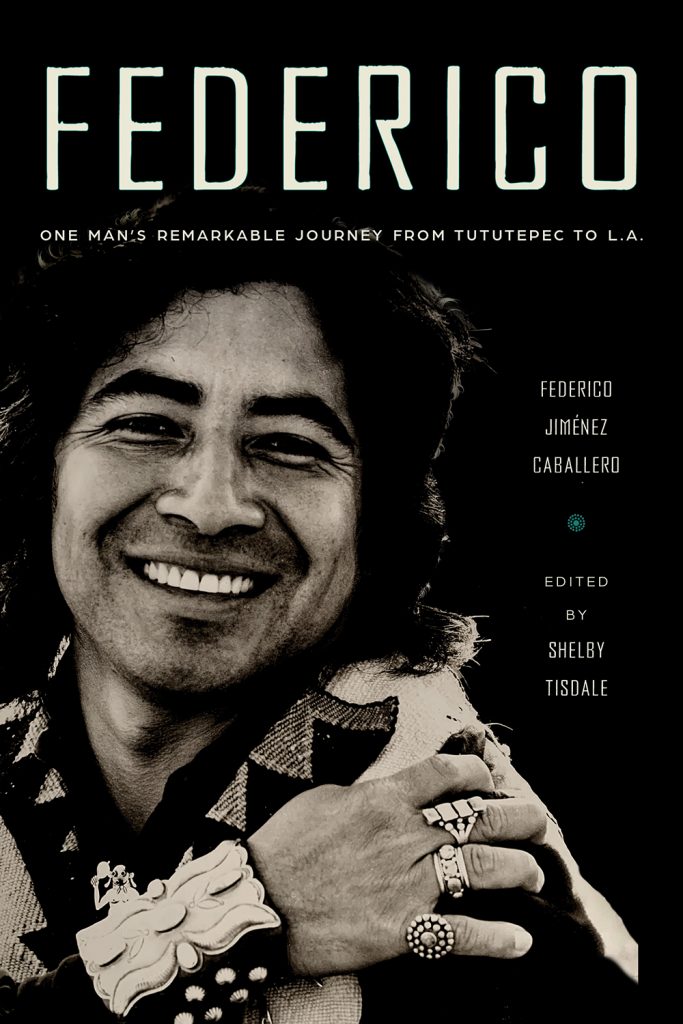
How did a young boy from Tututepec, Oaxaca, become a famous Indigenous jewelry artist and philanthropist in Los Angeles? In Federico: One Man’s Remarkable Journey from Tututepec to L.A., Federico Jiménez Caballero tells his remarkable story of willpower, curiosity, hard work, and passion that changed his life forever. Edited by Shelby Tisdale.
“A remarkable narrative telling of Indigenous origins, transformation in the city, and eventual migration to the United States, Federico by Federico Jiménez Caballero brings life to a unique story beginning in rural Oaxaca and ending in Los Angeles.”—Anna M. Nogar, author of Quill and Cross in the Borderlands: Sor María de Ágreda and the Lady in Blue, 1628 to the Present
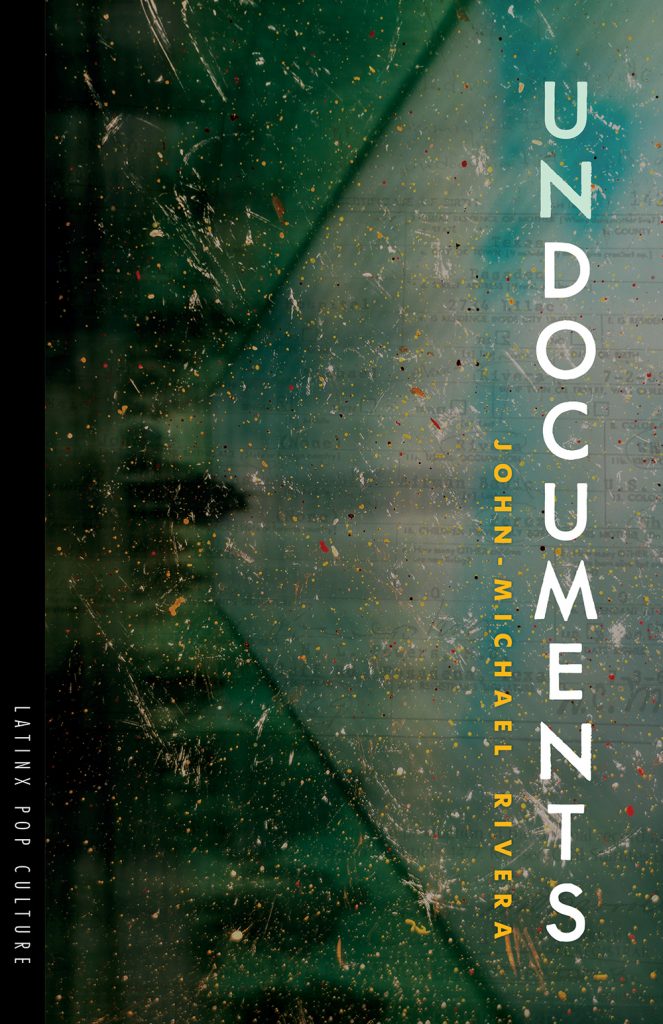
In UNDOCUMENTS, John-Michael Rivera remixes the forms and styles of the first encyclopedia of the New World, the Florentine Codex, in order to tell a modern story of Greater Mexico in our current technology-heavy age, wherein modern lawmakers and powerful global figures desire to classify, deport, and erase immigrants and their experiences.
“A tour de force, UNDOCUMENTS breaks rules and creates new ones. Through deft handling of texts, both theoretical and historical, Rivera offers us a compendium of diverse people and items such as documents, poems, the Florentine Codex, Anzaldúa, Bataille, [and] philosophy, along with objects like el molcajete. Using a true mestizaje of genre and approaches, he cooks up a rich poetic stew that is stimulating, intriguing, and nourishing.”—Norma Elia Cantú, author of Cabañuelas: A Novel
“Conversation about the Chicano Movement is far from over—in fact, it is continuing and getting reenergized all the time. Here, veteran and rising scholars across a variety of disciplines give us fascinating, multi-sited snapshots of this political moment in American history.”—Lori A. Flores, author of Grounds for Dreaming: Mexican Americans, Mexican Immigrants, and the California Farmworker Movement
In Empowered!: Latinos Transforming Arizona Politics, Lisa Magaña and César S. Silva argue that the state of Arizona is more inclusive and progressive then it has ever been. Following in the footsteps of grassroots organizers in California and the southeastern states, Latinos in Arizona have struggled and succeeded to alter the anti-immigrant and racist policies that have been affecting Latinos in the state for many years. Draconian immigration policies have plagued Arizona’s political history. Empowered! shows innovative ways that Latinos have fought these policies.
“This study offers a compelling account of how Latinos in Arizona organized and increased their electoral clout to change the landscape of state politics. Through grassroots networks and dogged determination, Latinos successfully pushed back on anti-immigrant and anti-Latino policies and politicians.”—Christine Marie Sierra, co-author of Contested Transformation: Race, Gender, and Political Leadership in 21st Century America
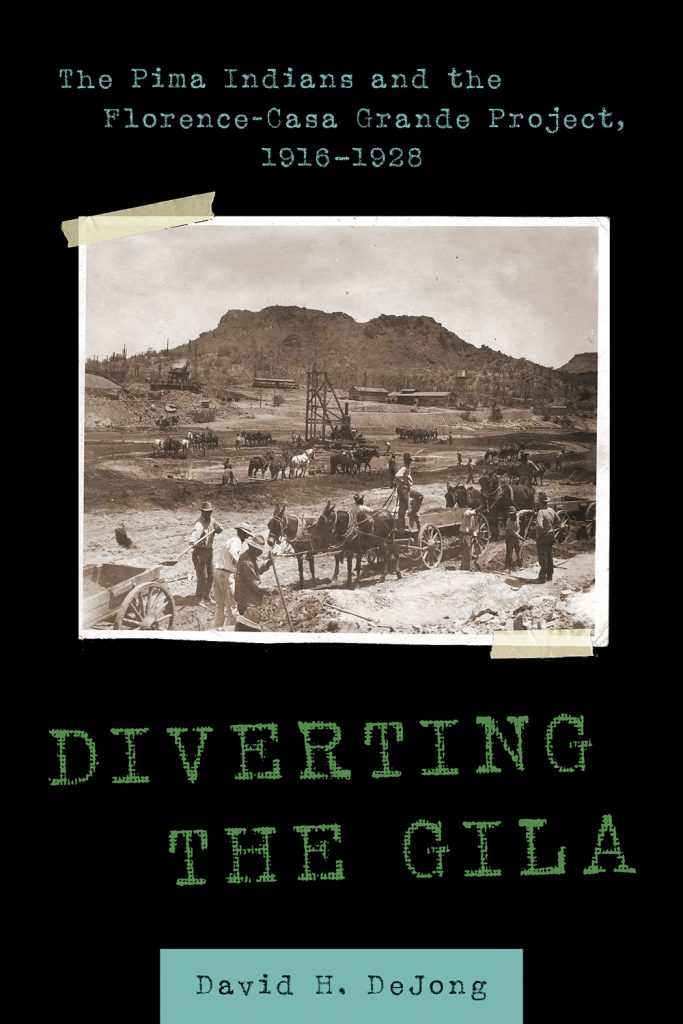
David H. DeJong‘s Diverting the Gila: The Pima Indians and the Florence-Casa Grande Project, 1916–1928, explores the complex web of tension, distrust, and political maneuvering to divide and divert the scarce waters of the Gila River. Residents of Florence, Casa Grande, and the Pima Reservation fought for vital access to water rights. As was often the case in the West, well-heeled, nontribal political interests manipulated the laws at the expense of the Indigenous community.
“The author provides a detailed study of good intentions, betrayal, and compromise to resolve the use of the Gila River by the Pima and white farmers in central Arizona. It also is the story of greed with an underlying foundation of racism on the part of white landowners against the Pima. In Arizona and the West, water is power—economic, social, and political. Its use is not neutral, and the Pima did not have it.”—R. Douglas Hurt, author of The Green Revolution in the Global South: Science, Politics, and Unintended Consequences
Carrying the Burden of Peace: Reimagining Indigenous Masculinities weaves together stories of Indigenous life, love, eroticism, pain, and joy to map the contours of diverse, empowered, and non-dominant Indigenous masculinities. Author Sam McKegney explores Indigenous literary art for understandings of masculinity that exceed the impoverished inheritance of colonialism.
“I came away from the manuscript convinced of the need for this work, as I find it exemplary of the kind of careful, ethically attentive, and deeply generous scholarship we need more of.”—Daniel Heath Justice, author of Why Indigenous Literatures Matter
Decolonizing “Prehistory”: Deep Time and Indigenous Knowledges in North America combines a critical investigation of the documentation of the American deep past with perspectives from Indigenous traditional knowledges and attention to ongoing systems of intellectual colonialism. Edited by Gesa Mackenthun and Christen Mucher, Decolonizing “Prehistory” brings together experts from American studies, archaeology, anthropology, legal studies, history, and literary studies, this interdisciplinary volume offers essential information about the complexity and ambivalence of colonial encounters with Indigenous peoples in North America, and their impact on American scientific discourse.
“Decolonizing “Prehistory” carries readers to the rugged landscapes of the Pacific Northwest to hear how they are known by communities with millennial depth as residents. The book adds breadth with chapters on the Penobscot River People, Maya communities living at tourist destinations Coba and Tulum, and Mammoth Cave. Philip Deloria concludes the book with a reading of his father’s no-holds-barred assertion of flaws in Western science, a position that time has brought closer to anthropologists’ own critiques seen in this volume.”—Alice Beck Kehoe, author of Traveling Prehistoric Seas: Critical Thinking on Ancient Transoceanic Voyages
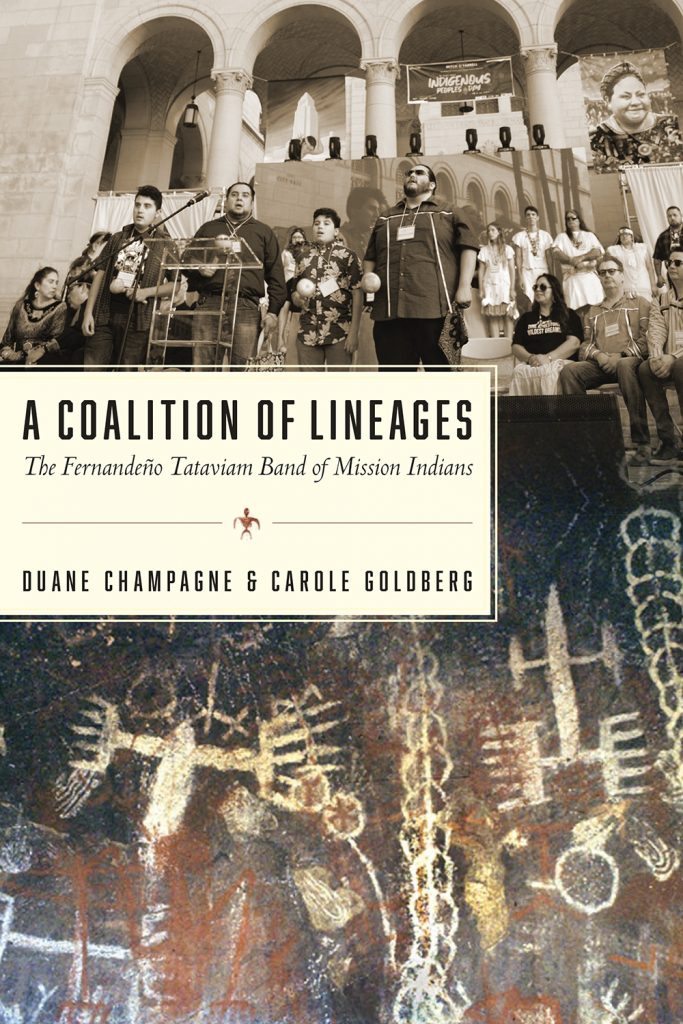
Authors Duane Champagne and Carole Goldberg are leading experts in Native sovereignty policies and histories. In A Coalition of Lineages: The Fernandeño Tataviam Band of Mission Indians, they worked in collaboration with members of the Fernandeño Tataviam Band of Mission Indians to illustrate how the community formed and persisted. A Coalition of Lineages is not only the story of a Native Southern California community, it is also a model for multicultural tribal development for recognized and nonrecognized Indian nations in the United States and elsewhere.
“Written to dispel the idea that these lineages ever ceased to exist under colonial power, this book offers a conceptual framework around the lineage that can be useful to historians and scholars.”—Lisbeth Haas, author of Saints and Citizens: Indigenous Histories of Colonial Missions and Mexican California
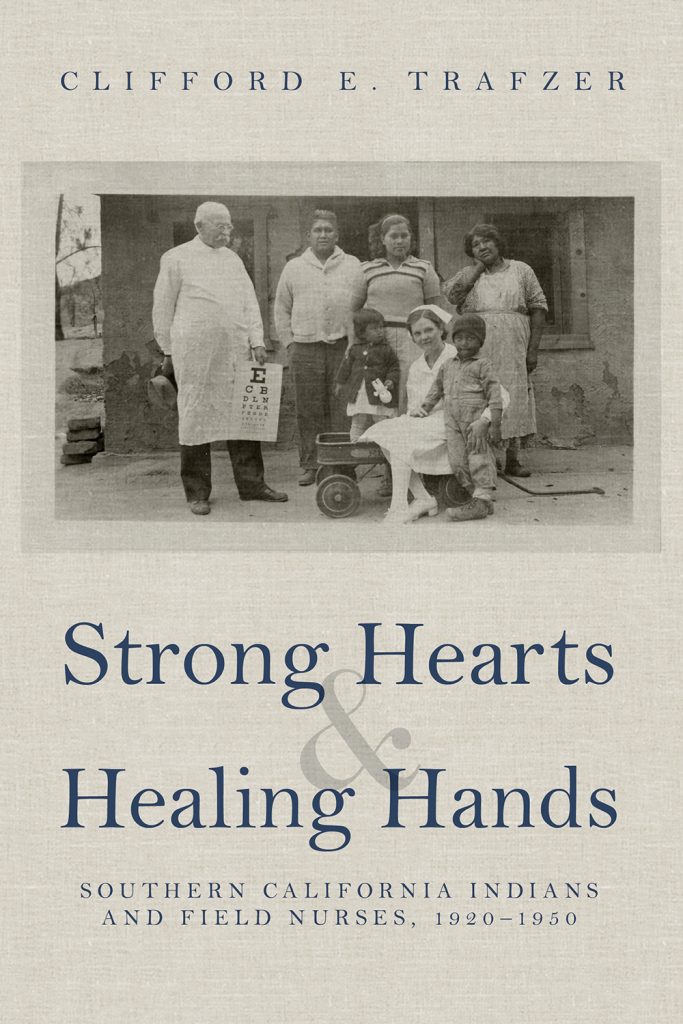
Strong Hearts and Healing Hands: Southern California Indians and Field Nurses, 1920–1950, tells the story of a bold program in public health that began in 1924 in the United States. The Indian Service of the United States hired its first nurses to work among Indians living on reservations. This corps of white women were dedicated to improving Indian health. In 1928, the first field nurses arrived in the Mission Indian Agency of Southern California. These nurses visited homes and schools, providing public health and sanitation information regarding disease causation and prevention. Over time, field nurses and Native people formed a positive working relationship that resulted in the decline of mortality from infectious diseases.
“Clifford Trafzer brings his many years of experience and unique set of knowledge to uncover the understudied role of field nurses from the Progressive Era to the 1950s as they collaborated closely with a multitude of Native Americans in Southern California to promote public health and counter the onslaught of tuberculosis and other Western diseases that afflicted them as a result of being confined to reservations.”—Andrae M. Marak, co-author of At the Border of Empires
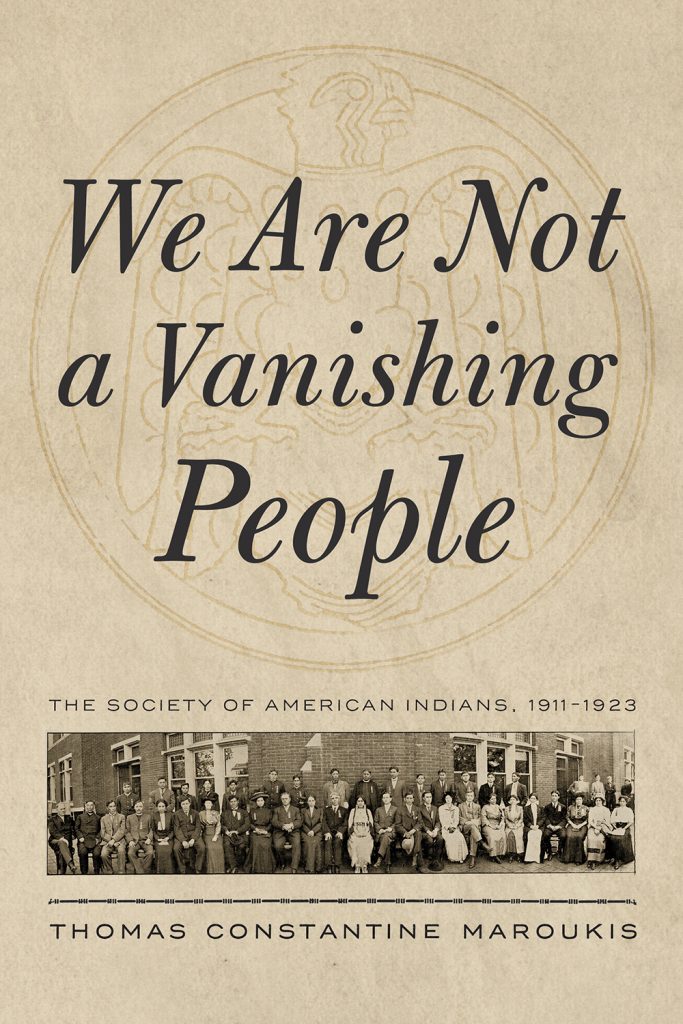
In 1911, a group of Native American intellectuals and activists joined together to establish the Society of American Indians (SAI), an organization by Indians for Indians. It was the first such nationwide organization dedicated to reform. In We Are Not a Vanishing People: The Society of American Indians, 1911–1923, Thomas Constantine Maroukis show how this new organization used a strategy of protest and activism that carried into the rest of the twentieth century. Some of the most prominent members included Charles A. Eastman (Dakota), Arthur Parker (Seneca), Carlos Montezuma (Yavapai), Zitkala-Ša (Yankton Sioux), and Sherman Coolidge (Peoria).
“This is an essential book for everyone who is interested in modern American Indian History. Thomas Maroukis examines how American Indian leaders organized, used their education (sometimes disagreed with each other) and addressed critical issues in Indian Country in the early 20th century. He convincingly argues that these new activists pushed back against the government and voiced a clear message that Indians had not vanished!”—Donald L. Fixico, author of Indian Resilience and Rebuilding: Indigenous Nations in the Modern American West
Indigenous Women and Violence: Feminist Activist Research in Heightened States of Injustice offers an intimate view of how settler colonialism and other structural forms of power and inequality created accumulated violences in the lives of Indigenous women. Edited by Lynn Stephen and Shannon Speed, this volume uncovers how these Indigenous women resist violence in Mexico, Central America, and the United States, centering on the topics of femicide, immigration, human rights violations, the criminal justice system, and Indigenous justice.
“Bringing together leading Indigenous and non-Indigenous scholars, this volume explores the connections between structural, extreme, and everyday violence against Indigenous women across time and borders. It makes important contributions to current debates about gender violence and research methods.”—Rachel Sieder, editor of Demanding Justice and Security: Indigenous Women and Legal Pluralities in Latin America
This volume is a vital read for critical geographers, anthropologists, and political scientists, as well as scholars of tourism and cultural studies.
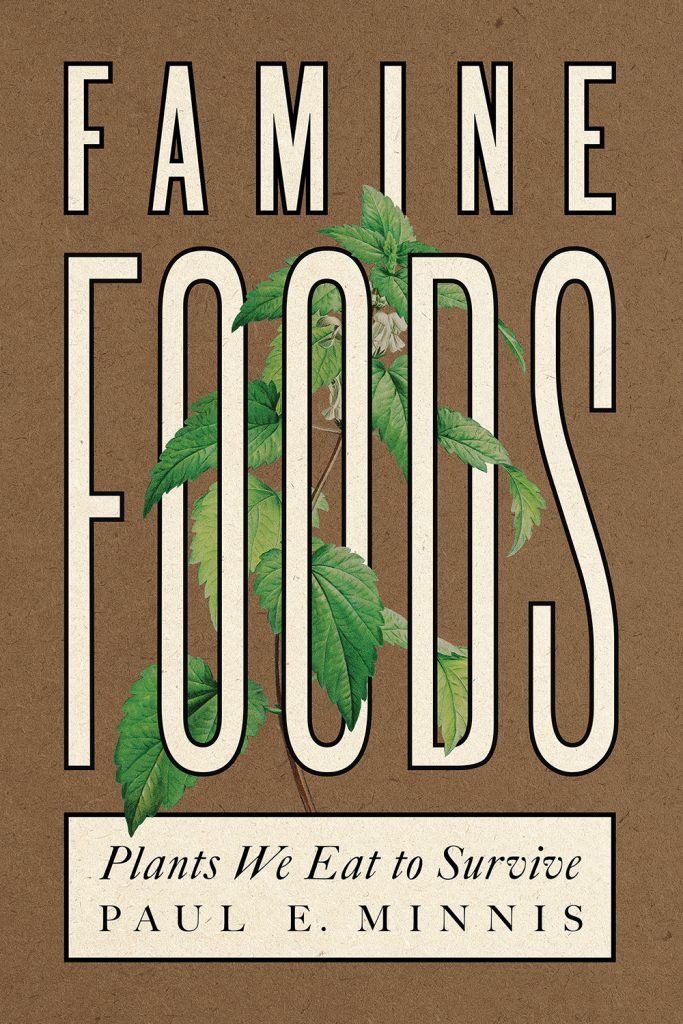
In Famine Foods: Plants We Eat to Survive, Paul E. Minnis focuses on the myriad plants that have sustained human populations throughout the course of history, unveiling those that people have consumed, and often still consume, to avoid starvation. For the first time, this book offers a fascinating overview of famine foods—how they are used, who uses them, and, perhaps most importantly, why they may be critical to sustain human life in the future.
“This book represents decades of detailed research by one of North America’s top ethnobiologists. Minnis draws on multiple sources to create this unique compendium of plants that humans have turned to during times of food scarcity. Critically important to peoples of the past, this knowledge may be just as important to future populations.”—Nancy J. Turner, author of Ancient Pathways, Ancestral Knowledge: Ethnobotany and Ecological Wisdom of Indigenous Peoples of Northwestern North America
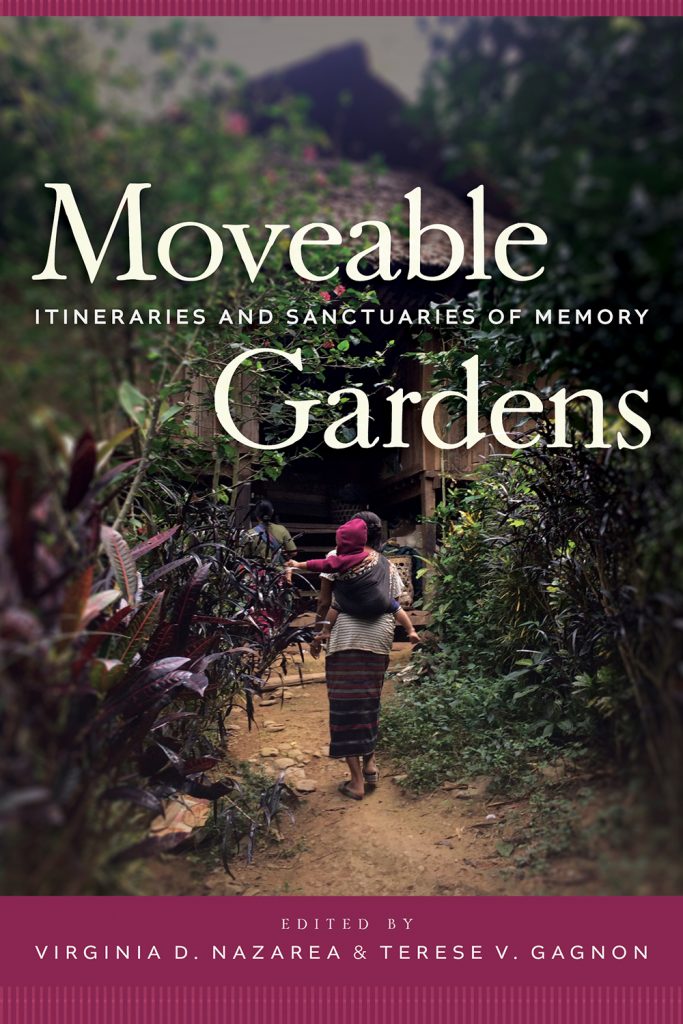
Moveable Gardens: Itineraries and Sanctuaries of Memory, edited by Virginia D. Nazarea and Terese Gagnon, highlights itineraries and sanctuaries in an era of massive dislocation, addressing concerns about finding comforting and familiar refuges in the Anthropocene. The worlds of marginalized individuals who live in impoverished rural communities, many Indigenous peoples, and refugees are constantly under threat of fracturing. Yet, in every case, there is resilience and regeneration as these individuals re-create their worlds through the foods, traditions, and plants they carry with them into their new realities.
“This carefully edited volume, well curated and well integrated, addresses a set of interrelated complexities critical to our current planetary era. United by two thematic threads, itineraries and sanctuaries, the chapters successfully illuminate and detail specific contexts while revealing commonalities across geographies.”—Ann Grodzins Gold, author of Shiptown: Between Rural and Urban North India
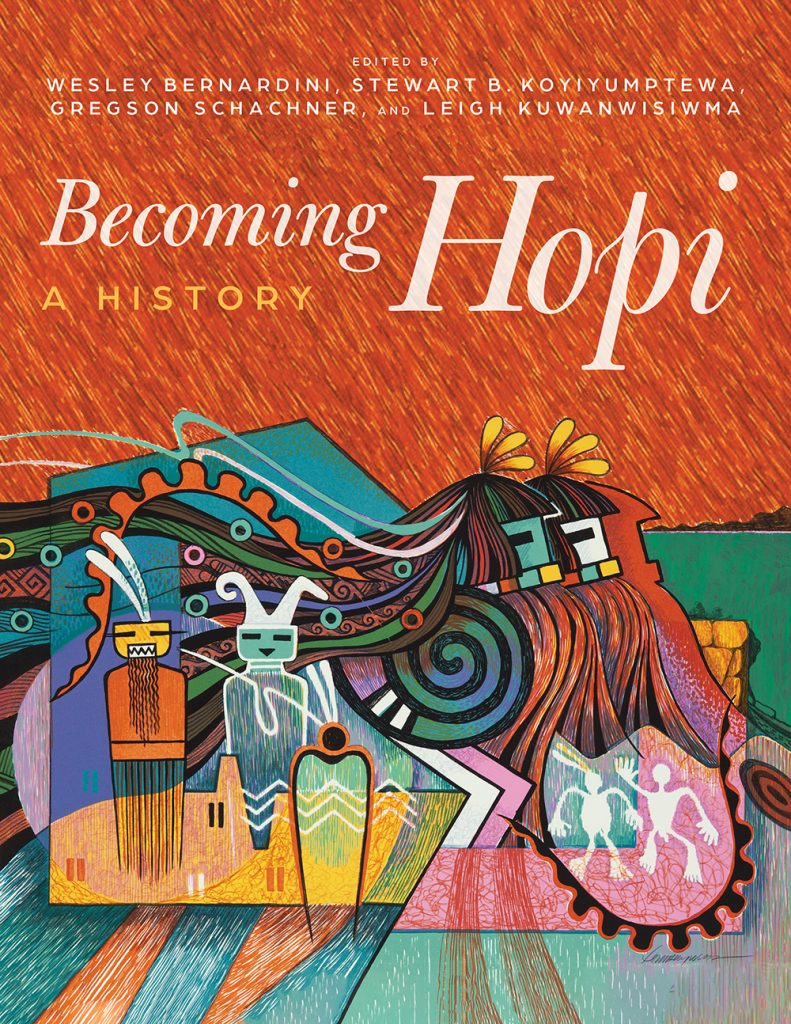
Becoming Hopi: A History is a comprehensive look at the history of the people of the Hopi Mesas as it has never been told before. The Hopi Tribe is one of the most intensively studied Indigenous groups in the world. Most popular accounts of Hopi history romanticize Hopi society as “timeless.” The archaeological record and accounts from Hopi people paint a much more dynamic picture, full of migrations, gatherings, and dispersals of people; a search for the center place; and the struggle to reconcile different cultural and religious traditions. Edited by Wesley Bernardini, Stewart B. Koyiyumptewa, Gregson Schachner, and Leigh J. Kuwanwisiwma, Becoming Hopi weaves together evidence from archaeology, oral tradition, historical records, and ethnography to reconstruct the full story of the Hopi Mesas, rejecting the colonial divide between “prehistory” and “history.”
“Becoming Hopi brilliantly combines Hopi and non-Hopi voices in helping to rewrite Hopi history and the process of becoming Hopi. The coverage is extensive—both for Hopi as well as for wide swaths of the northern Southwest—and each chapter has something new to offer in terms of innovative data collection and interpretation. The combination and use of traditional, archaeological, and documentary histories unfolds a rare perspective on what it means to be Hopi.”—Barbara Mills, co-editor of The Oxford Handbook of Southwest Archaeology
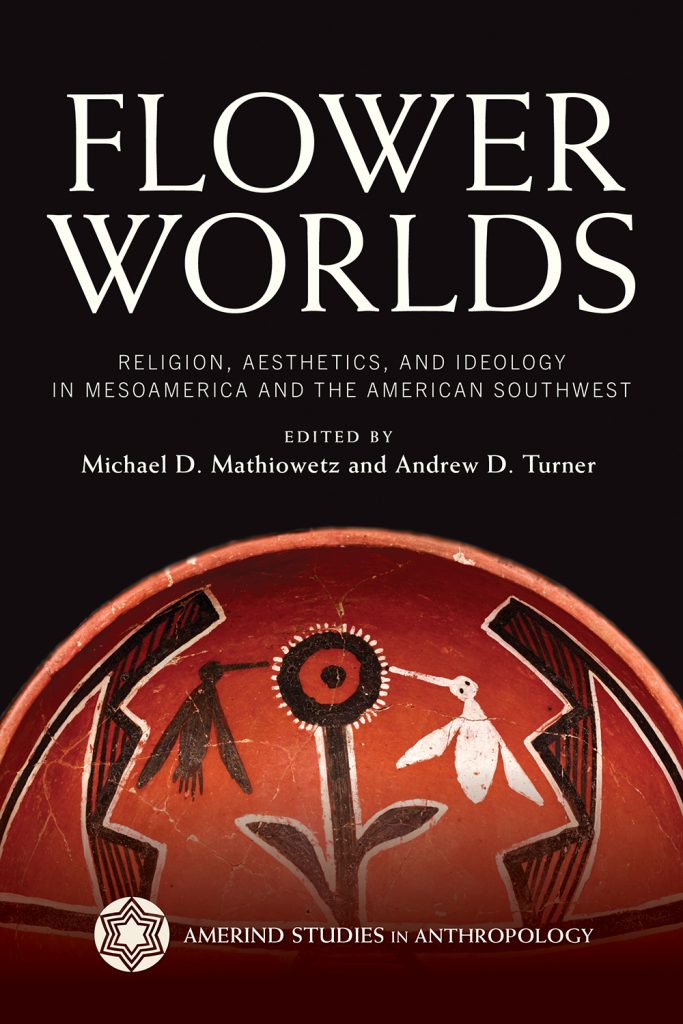
The recognition of Flower Worlds is one of the most significant breakthroughs in the study of Indigenous spirituality in the Americas. These worlds are solar and floral spiritual domains that are widely shared among both pre-Hispanic and contemporary Native cultures in Mesoamerica and the American Southwest. Flower Worlds: Religion, Aesthetics, and Ideology in Mesoamerica and the American Southwest is the first volume, edited by Michael Mathiowetz and Andrew Turner, to bring together a diverse range of scholars to create a truly multidisciplinary understanding of Flower Worlds.
“… the authors are coming at Flower World concepts from different directions and perspectives, and these different ideas and perspectives speak together in a way that helps further the conversation. This volume is not about concluding ideas but about continuing the conversation. I was impressed by the multitude of strong voices—both past and present—representing elements of the Flower World. This volume will be of lasting importance in the cross-cultural study of Flower Worlds.”—John G. Douglass, co-editor ofThe Global Spanish Empire: Five Hundred Years of Place Making and Pluralism
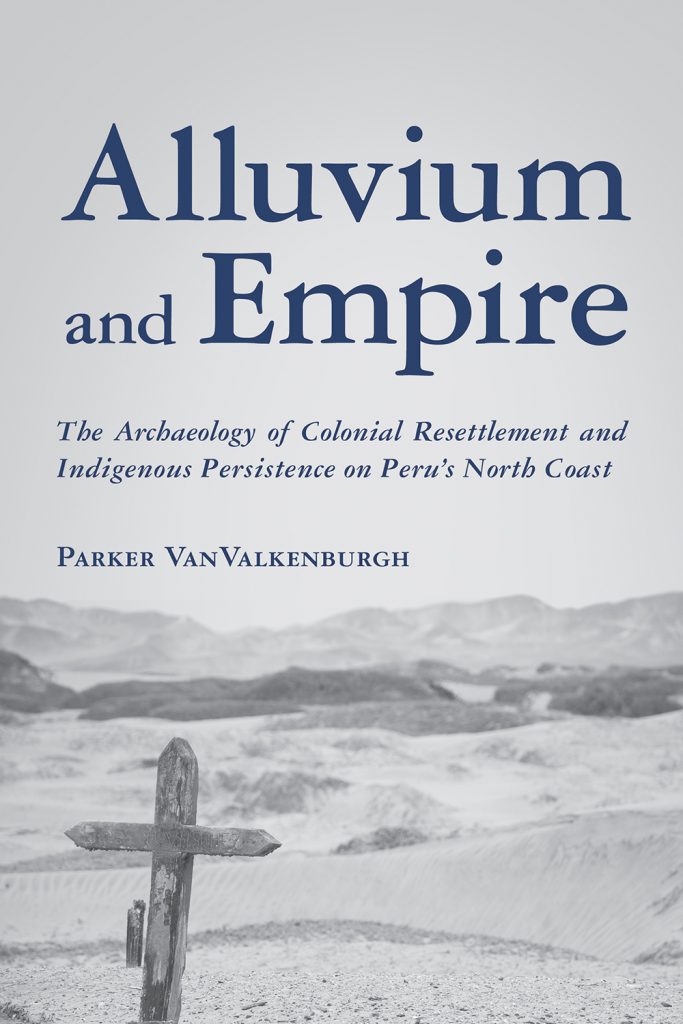
Alluvium and Empire: The Archaeology of Colonial Resettlement and Indigenous Persistence on Peru’s North Coast uncovers the stories of Indigenous people who were subject to one of the largest waves of forced resettlement in human history, the Reducción General. In 1569, Spanish administrators attempted to move at least 1.4 million Indigenous people into a series of planned towns called reducciones, with the goal of reshaping their households, communities, and religious practices. However, in northern Peru’s Zaña Valley, this process failed to go as the Spanish had planned. In Alluvium and Empire, author Parker VanValkenburgh explores both the short-term processes and long-term legacies of Indigenous resettlement in this region, drawing particular attention to the formation of complex relationships between Indigenous communities, imperial institutions, and the dynamic environments of Peru’s north coast.
“This book represents a much-welcome approach to the archaeology of empire. It combines a sophisticated theoretical framework with rigorous archival and archaeological methods to shed valuable new light on the history of Spanish empire building in Peru.”—Craig Cipolla, author of Foreign Objects: Rethinking Indigenous Consumption in American Archaeology
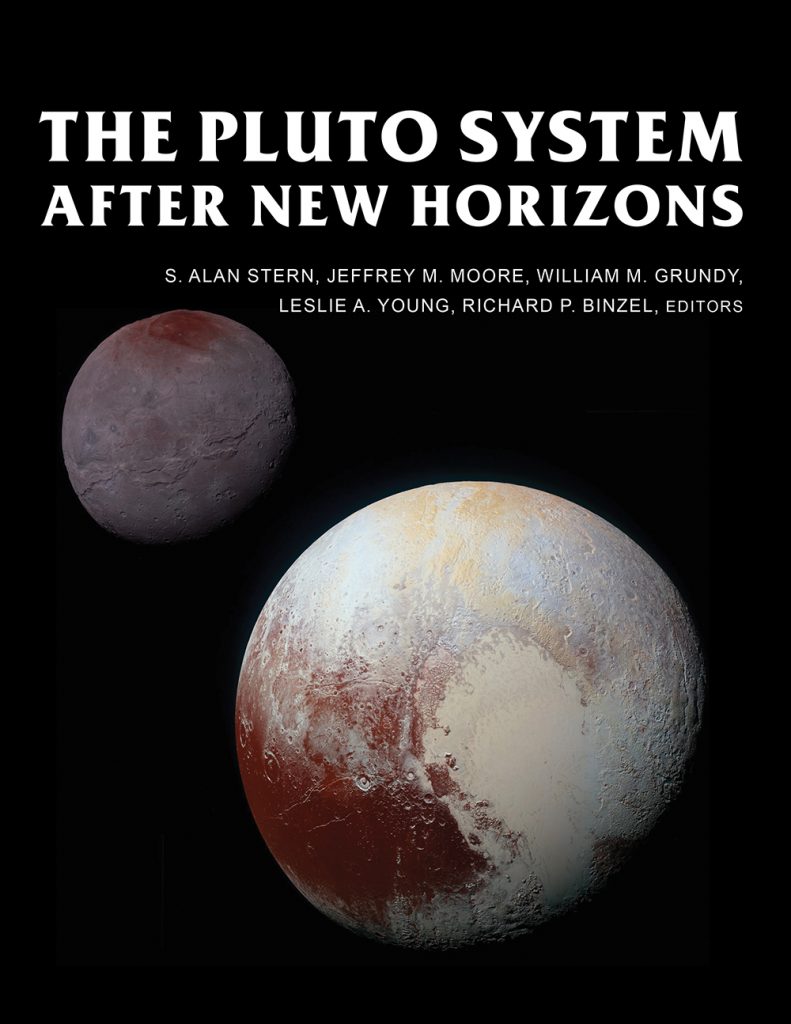
The Pluto System After New Horizons, edited by S. Alan Stern, Richard P. Binzel, William M. Grundy, Jeffrey M. Moore, and Leslie A. Young, seeks to become the benchmark for synthesizing our understanding of the Pluto system. The volume’s lead editor is S. Alan Stern, who also serves as NASA’s New Horizons Principal Investigator; co-editors Richard P. Binzel, William M. Grundy, Jeffrey M. Moore, and Leslie A. Young are all co-investigators on New Horizons. Leading researchers from around the globe have spent the last five years assimilating Pluto system flyby data returned from New Horizons. The chapters in this volume form an enduring foundation for ongoing study and understanding of the Pluto system.
The University of Arizona Press recently announced Rigoberto González’ editorship of its Camino del Sol Series. The award-winning and critically acclaimed series of poetry, fiction, and essays publishes emerging and established voices in Latinx literature, such as Juan Felipe Herrera, Carmen Giménez Smith, Luis Alberto Urrea, Richard Blanco, Alberto Ríos, Pat Mora, Tim Z. Hernandez, Emmy Pérez, and Francisco X. Alarcón.
González is the author of eighteen books of poetry and prose. His awards include Guggenheim, NEA, NYFA, and USA Rolón fellowships, the PEN/Voelcker Award, the American Book Award from the Before Columbus Foundation, the Lenore Marshall Prize from the Academy of American Poets, and the Shelley Memorial Prize from the Poetry Society of America. A critic-at-large for The LA Times and contributing editor for Poets & Writers Magazine, he is currently Distinguished Professor of English and Director of the MFA Program in Creative Writing at Rutgers-Newark, the State University of New Jersey.
“Camino del Sol has been essential to our Latinx literary legacy. For over 25 years this series has provided a home for the stories and voices that amplify, celebrate, and nuance the diverse experiences of our communities,” González said.
“I owe much of my college literary education to the books published by the University of Arizona Press, and in the same spirit of service to all readers, I am honored to continue its mission to seek out and highlight the remarkable work of both seasoned and promising Latinx writers.”
Kathryn Conrad, director of the University of Arizona Press, said González’ editorship and the caliber of the Camino del Sol advisory board furthers the Press’s mission to center Latinx and Indigenous literary voices.
“The University of Arizona Press is one of the first publishers to spotlight Latinx literary voices. We are honored Rigoberto has joined us to grow and care for this important series.”
Camino del Sol was established in 1994 by writer and poet Ray Gonzalez. The Camino del Sol series advisory board includes Francisco Cantú, Sandra Cisneros, Eduardo C. Corral, Jennine Capó Crucet, Angie Cruz, Natalie Diaz, Aracelis Girmay, Ada Limón, Jaime Manrique, Justin Torres, Luis Alberto Urrea, and Helena María Viramontes.
“With a spectacular Advisory Board composed of this country’s most notable talent in American letters, I expect Camino del Sol will maintain its exceptional reputation and to rise into further prominence by reflecting the growth and changes in our cultural and political landscapes,” González said.
Urayoán Noel‘s forthcoming poetry collection Transversal will be the first book under González’ editorship.
For Authors
The University of Arizona Press publishes the work of leading scholars from around the globe. Learn more about submitting a proposal, preparing your final manuscript, and publication.
The University of Arizona Press is proud to share our books with readers, booksellers, media, librarians, scholars, and instructors. Join our email Newsletter. Request reprint licenses, information on subsidiary rights and translations, accessibility files, review copies, and desk and exam copies.
Support a premier publisher of academic, regional, and literary works. We are committed to sharing past, present, and future works that reflect the special strengths of the University of Arizona and support its land-grant mission.
 The University of Arizona Press